
1. All in the Family, “Sammy’s Visit” (1972)
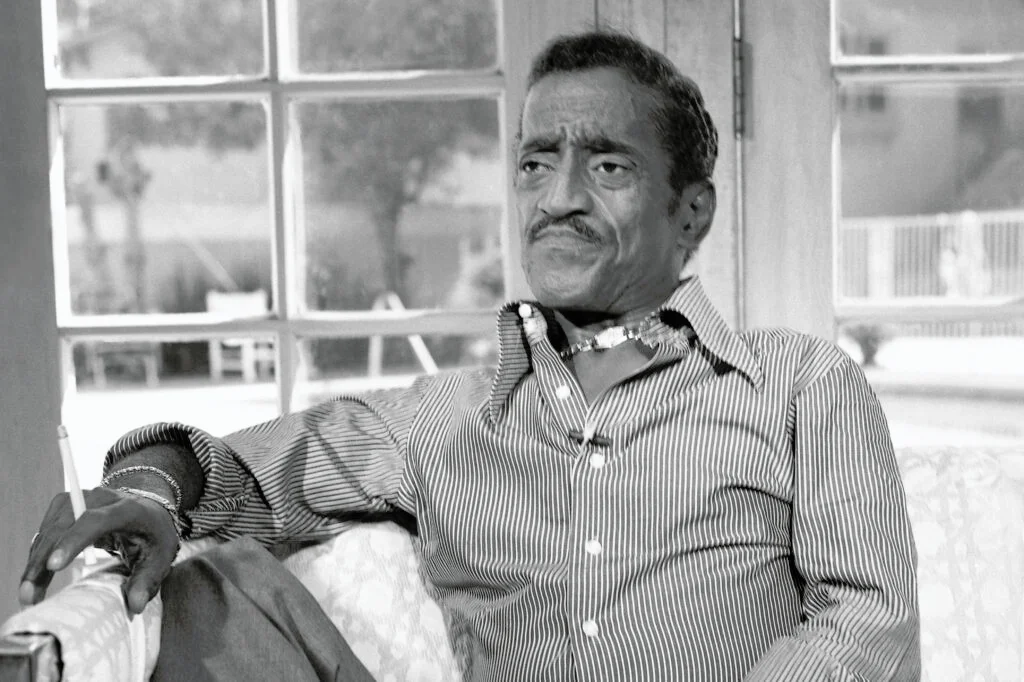
When Sammy Davis Jr. walked into Archie Bunker’s living room, it felt like the entire country leaned closer to the TV. The episode didn’t hide behind metaphor or soft edges, it put race, discomfort, and prejudice directly in front of a mainstream audience. Archie’s stunned reaction and the now famous kiss on the cheek landed like a cultural thunderclap. Viewers talked about it at work, at school, and over dinner for weeks afterward.
What made it feel so big was how fearless it was for network television at the time. This wasn’t a “very special episode” wrapped in sentiment, it was confrontational and funny at the same time. Norman Lear trusted the audience to sit with the tension instead of smoothing it over. That trust changed what sitcoms were allowed to tackle going forward.
2. Roots, “Part Eight” (1977)
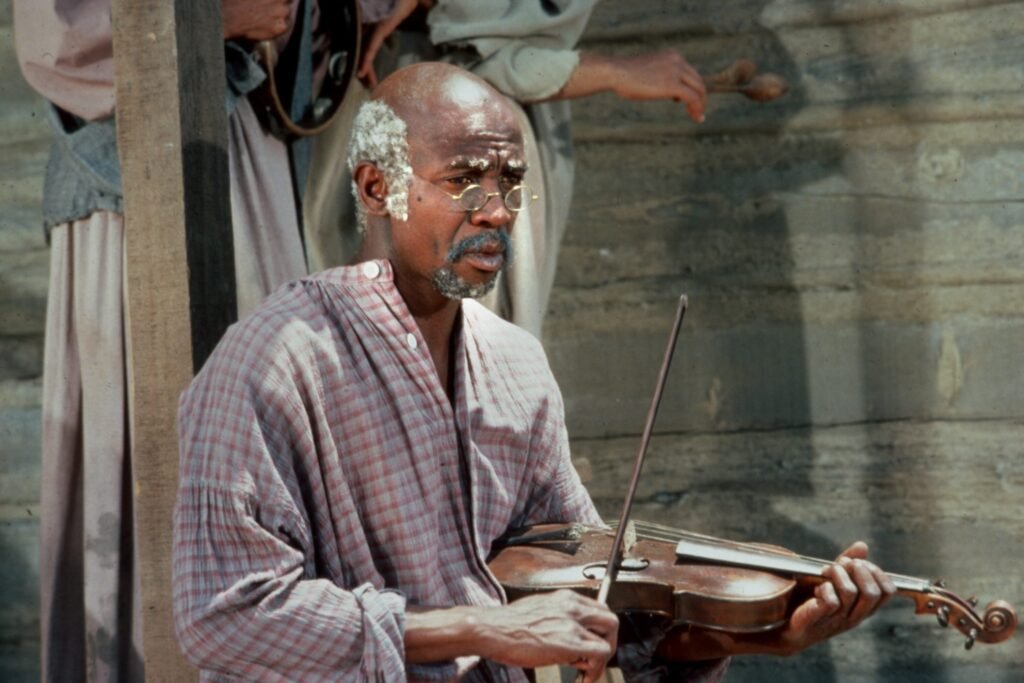
By the time the final night of Roots aired, the miniseries had already become unavoidable. Families planned their evenings around it, schools discussed it, and news outlets covered it as more than just entertainment. The conclusion felt less like a finale and more like a national moment of reflection. People cried openly, stunned by what they had just witnessed.
The impact came from how unprecedented it was. A serious, unflinching portrayal of slavery reached tens of millions of viewers at once. It forced conversations many Americans had never had before, especially in living rooms that usually avoided them. Few television events have ever carried that kind of emotional and historical weight.
3. The Mary Tyler Moore Show, “The Last Show” (1977)

This finale didn’t rely on shock or spectacle, but it still stopped people in their tracks. Watching Mary Richards and her coworkers say goodbye felt like losing real friends. The group hug around Lou Grant’s office became an instantly iconic image. Viewers talked about it the next day as if something personal had ended.
What made it feel like an event was its honesty. The show allowed its characters to move on without tragedy or tidy resolutions. It reflected a changing idea of adulthood, especially for women, that resonated deeply in the ’70s. Endings like this weren’t common yet, and it quietly rewrote the rules.
4. Happy Days, “Hollywood, Part Three” (1977)
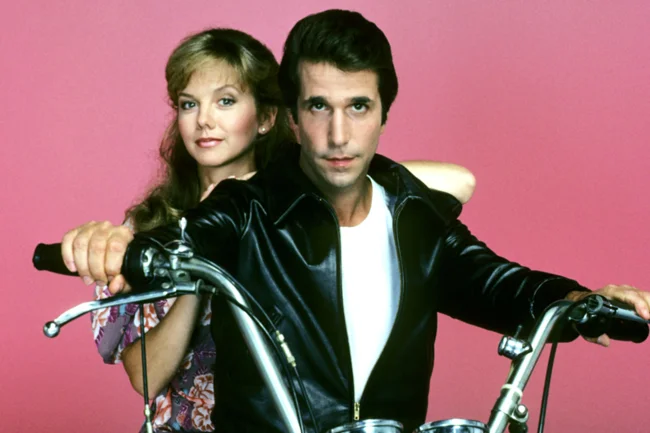
When Fonzie jumped the shark, no one knew the phrase would live on forever. At the time, it was a huge stunt designed to grab attention and keep viewers watching. People tuned in out of curiosity, disbelief, or pure loyalty to the show. The moment instantly sparked reactions ranging from cheers to groans.
What made it a cultural flashpoint was how clearly it symbolized television excess. Even viewers who loved Happy Days sensed something had shifted. The episode became shorthand for when shows go too far to stay relevant. Decades later, people still reference it without needing explanation.
5. Maude, “Maude’s Dilemma” (1972)
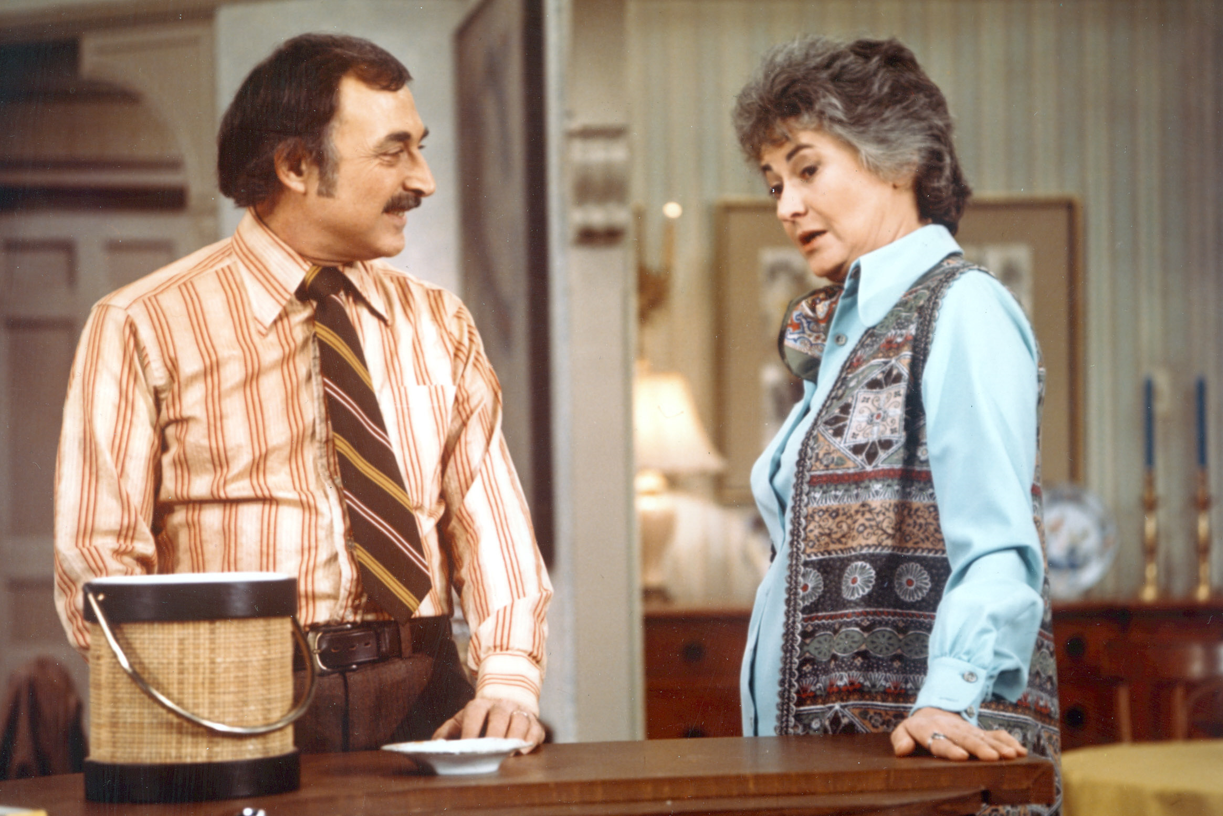
This two part episode tackled abortion head on, something almost unheard of on television at the time. Maude’s decision was presented thoughtfully, without melodrama or moral lectures. Viewers didn’t always agree, but they watched. The episode sparked debates that extended far beyond the TV screen.
Its significance came from timing and tone. Airing just months before Roe v. Wade, it felt startlingly current and brave. The show trusted its audience to handle a deeply personal issue without easy answers. That level of candor made it feel less like fiction and more like public discourse.
6. Saturday Night Live, “Episode 1” (1975)
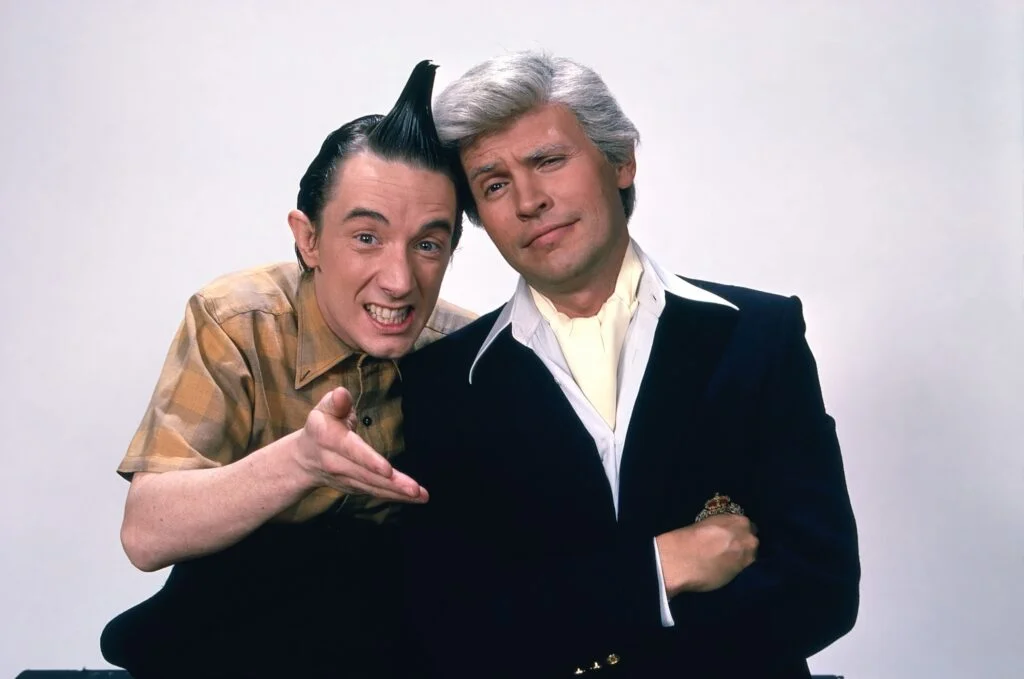
The debut of Saturday Night Live didn’t feel revolutionary immediately, but by Monday morning, everyone was buzzing. George Carlin’s monologue, the raw energy, and the sense that anything could happen made it feel unlike any other show. It didn’t look polished or safe, and that was the point. Younger viewers especially felt like something new had arrived just for them.
Over time, that first episode gained even more significance. It marked a generational shift in comedy and television sensibility. The looseness, the satire, and the live unpredictability captured the mood of the mid ’70s perfectly. In hindsight, it was the beginning of a cultural institution.
7. Good Times, “The Penny Episodes” (1974)
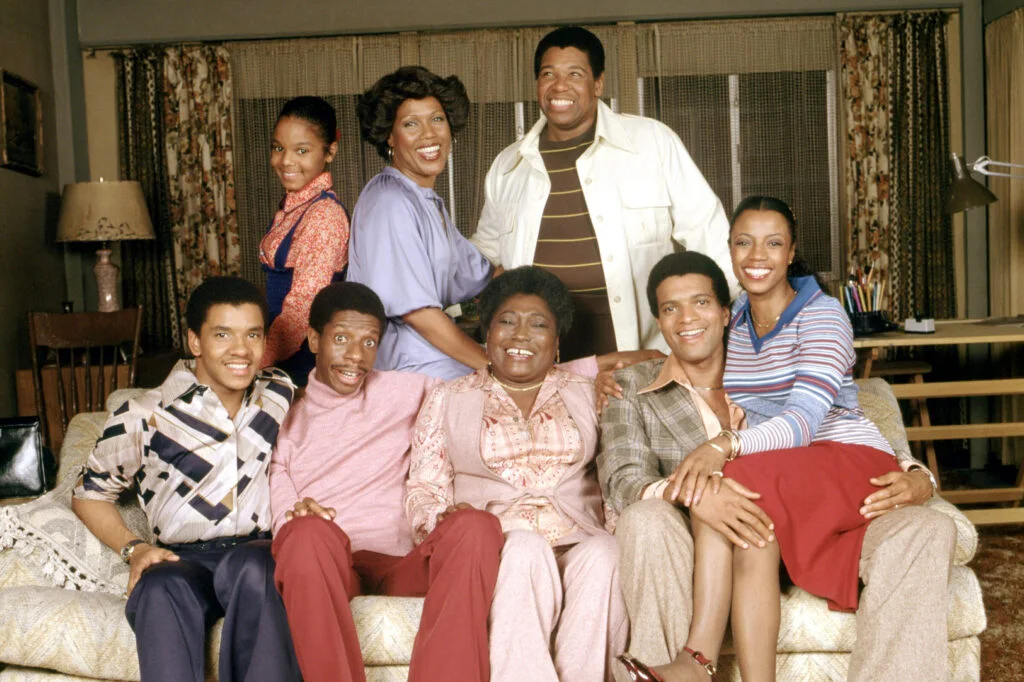
These episodes blindsided audiences with their emotional intensity. The storyline involving Penny’s abuse was harrowing, especially coming from a sitcom. Viewers weren’t prepared for something that dark, which made it impossible to ignore. Conversations about it were serious and often uncomfortable.
What made it feel like an event was its refusal to soften the truth. The show trusted its audience to handle real pain without jokes as a buffer. It expanded what family sitcoms could address, even if it divided viewers. For many, it was the moment Good Times became something more than entertainment.
8. The Brady Bunch, “Hawaii Bound” (1972)
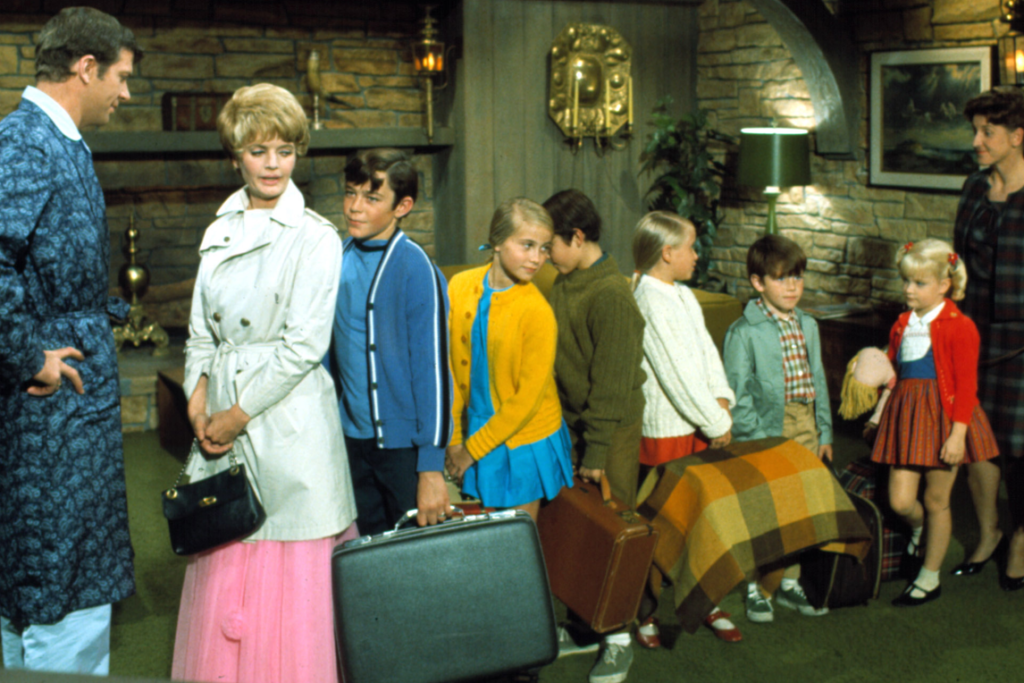
The Brady family going to Hawaii felt huge at the time, almost cinematic. The cursed tiki idol, the beach setting, and the multi episode arc made it feel special and slightly dangerous. Kids talked about it at school like it was a movie premiere. It was appointment viewing in the purest sense.
What made it resonate was its sense of scale. Sitcom families didn’t usually leave the house, let alone travel across the ocean. The episodes showed how television could create event storytelling without abandoning its familiar tone. It became one of the most remembered TV trips of the decade.
9. Three’s Company, “A Man About the House” (1977)
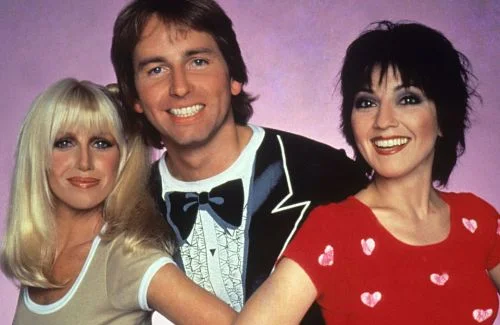
The premiere of Three’s Company immediately sparked attention and controversy. The premise alone raised eyebrows, especially with its misunderstandings around sexuality and cohabitation. Viewers tuned in partly out of curiosity and partly out of disbelief that it was even allowed. The laughs came fast, but so did the debates.
What made it feel like a cultural moment was how openly it played with social anxieties. The show reflected changing attitudes toward gender roles and living arrangements. It wasn’t subtle, but it was undeniably of its time. People watched because it felt risky and modern.
10. Taxi, “Reverend Jim: A Space Odyssey” (1979)
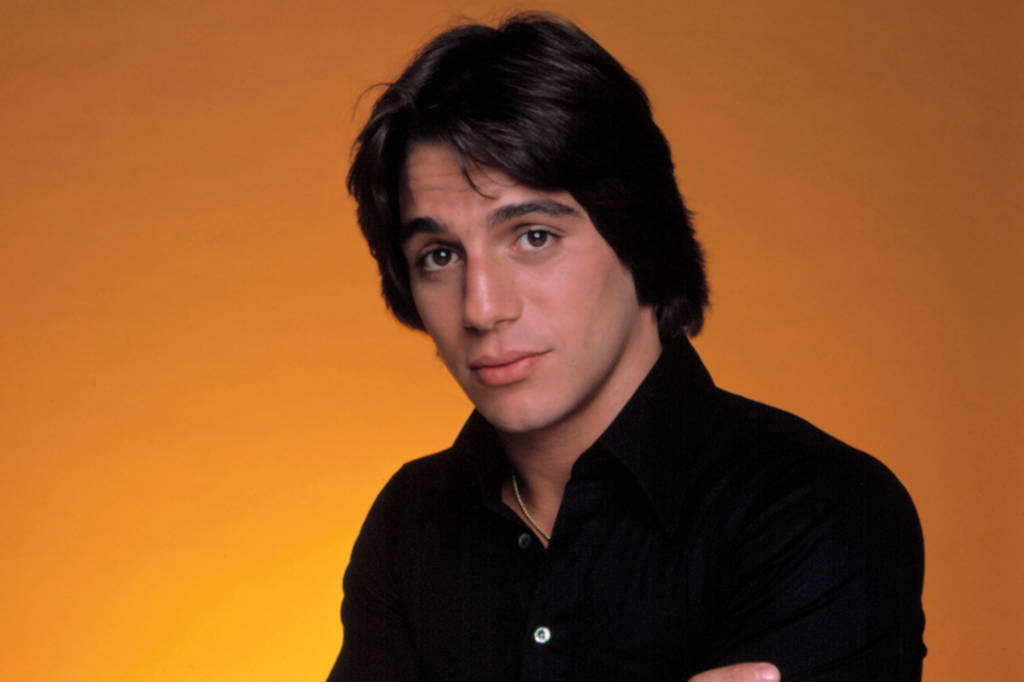
Jim Ignatowski taking his driver’s test became an instant classic. The episode’s humor was built slowly, letting viewers savor every delayed reaction and confused response. People quoted it endlessly the next day, replaying the jokes in their heads. It felt like comedy operating at a higher level.
The cultural impact came from character driven brilliance rather than shock. Reverend Jim wasn’t a gag, he was fully human, which made the humor land harder. The episode demonstrated how smart sitcoms could be without losing mass appeal. It’s still referenced as a high point of ’70s TV comedy.
11. Columbo, “A Stitch in Crime” (1973)
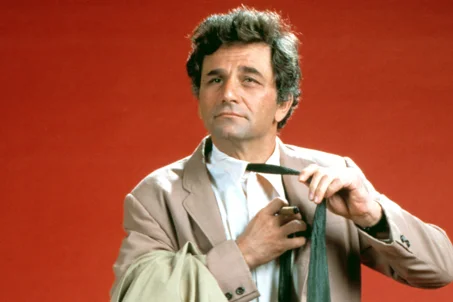
This episode drew extra attention because of its guest star, Leonard Nimoy, at the height of his fame. Viewers tuned in expecting something special, and the cat and mouse tension delivered. The unusually violent tone surprised audiences who were used to a gentler mystery style. It stood out immediately.
What made it feel like an event was how it bent the show’s usual formula. Columbo faced a villain who was colder and more calculating than most. The episode proved the series could evolve without losing its identity. It lingered in viewers’ minds long after it aired.
12. The Waltons, “The Homecoming” (1972)
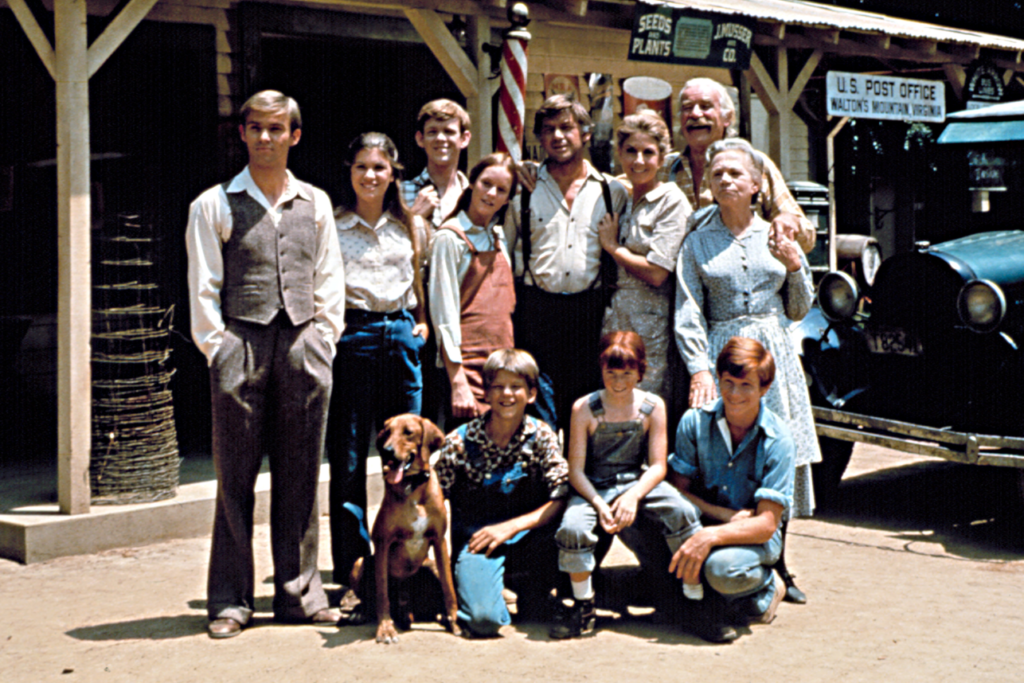
Although it premiered as a holiday special, this episode quickly took on a life of its own. Families gathered to watch together, drawn in by its warmth and sincerity. The quiet storytelling felt refreshing amid louder, flashier shows. It resonated deeply with viewers craving comfort.
Its cultural weight came from timing and tone. In a decade marked by upheaval, the episode offered reassurance without pretending life was easy. It launched a series that became synonymous with family television. For many, it felt like a shared emotional reset.