
1. Psycho (1960)
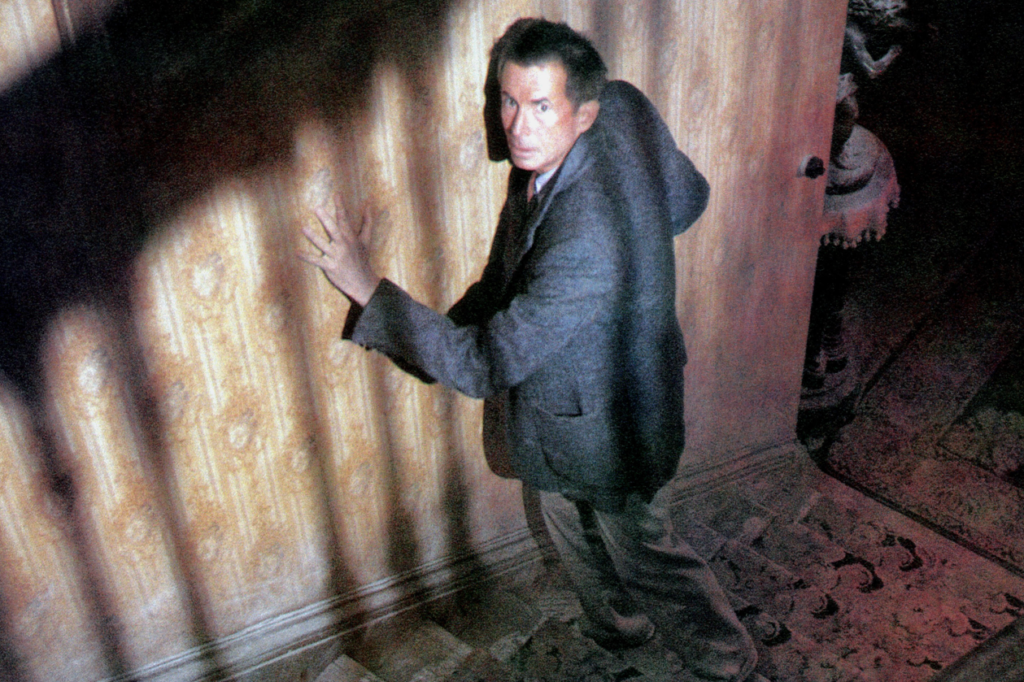
At first glance, Psycho looked like a simple thriller designed to scare audiences for a few hours. What it quietly did was change how suspense, violence, and psychology were handled on screen. Killing off the apparent lead early on shattered audience expectations and rewrote narrative rules. The film also proved that horror could be sophisticated, character driven, and deeply unsettling without excess.
Its influence still shows up in modern thrillers that rely on tension rather than spectacle. Filmmakers learned that fear could come from suggestion, editing, and sound as much as visuals. The infamous shower scene became a master class in implication rather than explicit gore. Nearly every psychological horror film owes something to this blueprint.
2. The Graduate (1967)
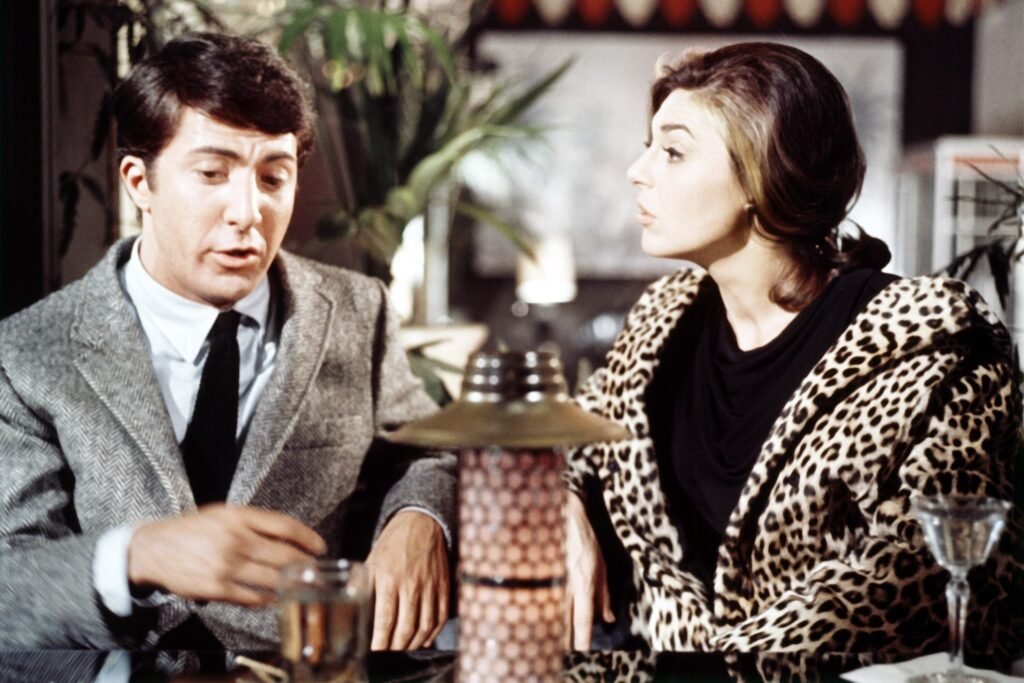
The Graduate captured a specific post college confusion that still feels recognizable today. It treated young adulthood as awkward, uncertain, and emotionally messy rather than triumphant. The film’s offbeat humor and use of contemporary music felt fresh and oddly intimate at the time. It spoke directly to a generation without announcing itself as a statement.
Modern coming of age stories still echo its tone and pacing. The idea that a film could center on discomfort rather than growth was quietly radical. Its ending refused easy resolution, leaving audiences to sit with uncertainty. That ambiguity has become a staple of modern character driven storytelling.
3. Night of the Living Dead (1968)
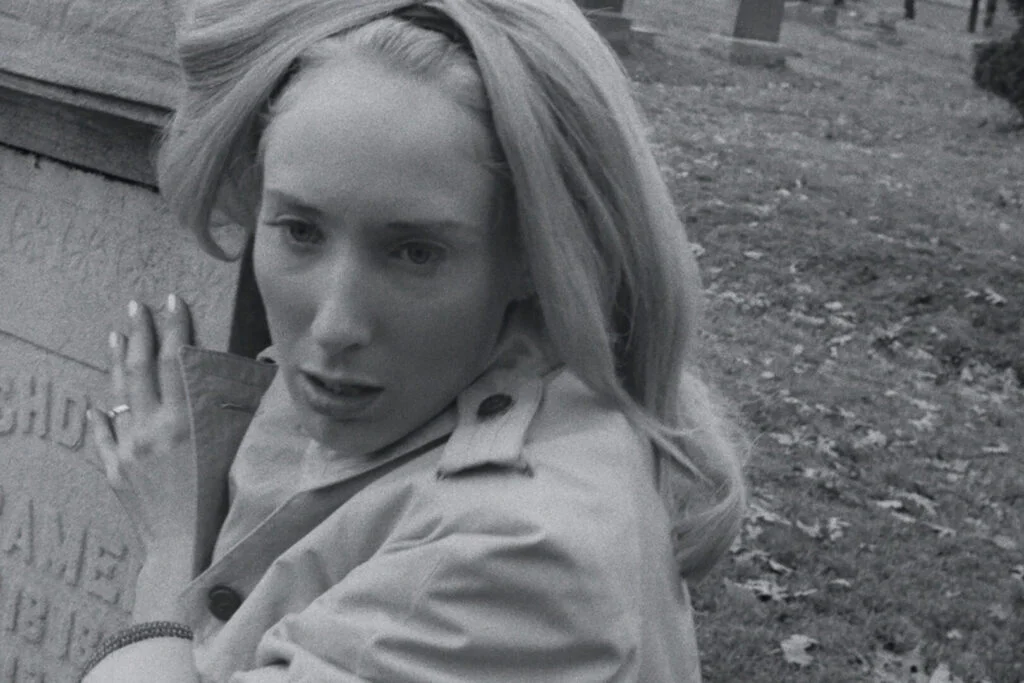
This low budget horror film did far more than invent modern zombies. It used genre storytelling to reflect real world fears about violence, authority, and social collapse. The casting of a Black lead in a serious dramatic role was groundbreaking and unannounced. The bleak ending rejected the comfort audiences usually expected.
Modern horror frequently uses monsters as metaphors, and this film set that standard. It showed that horror could be political without speeches or slogans. Its documentary style realism made the terror feel immediate and plausible. Nearly every zombie story since has followed its rules, even when they bend them.
4. Bonnie and Clyde (1967)
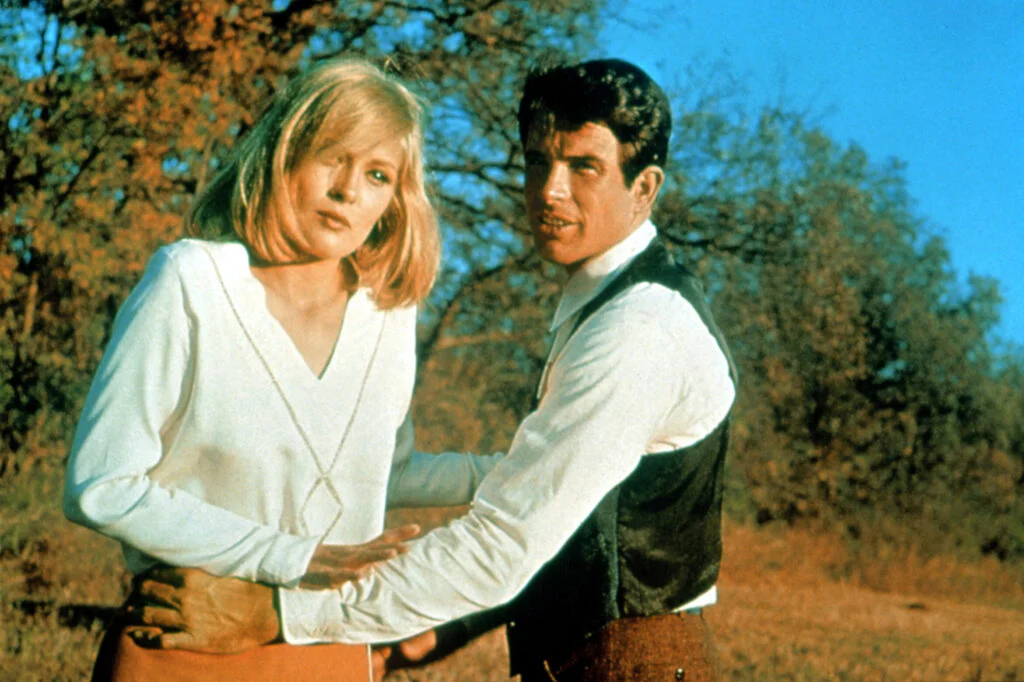
At the time, Bonnie and Clyde shocked audiences with its casual attitude toward violence. It portrayed criminals as charismatic, flawed, and oddly relatable. The blend of humor, brutality, and romance felt disorienting but compelling. The slow buildup to sudden, graphic violence was unlike anything mainstream viewers had seen.
That tonal mixing is now common in crime films and prestige television. Antiheroes became acceptable protagonists because of this shift. The film also proved audiences could handle moral complexity. Modern crime stories still walk the line this film first crossed.
5. Dr. Strangelove (1964)
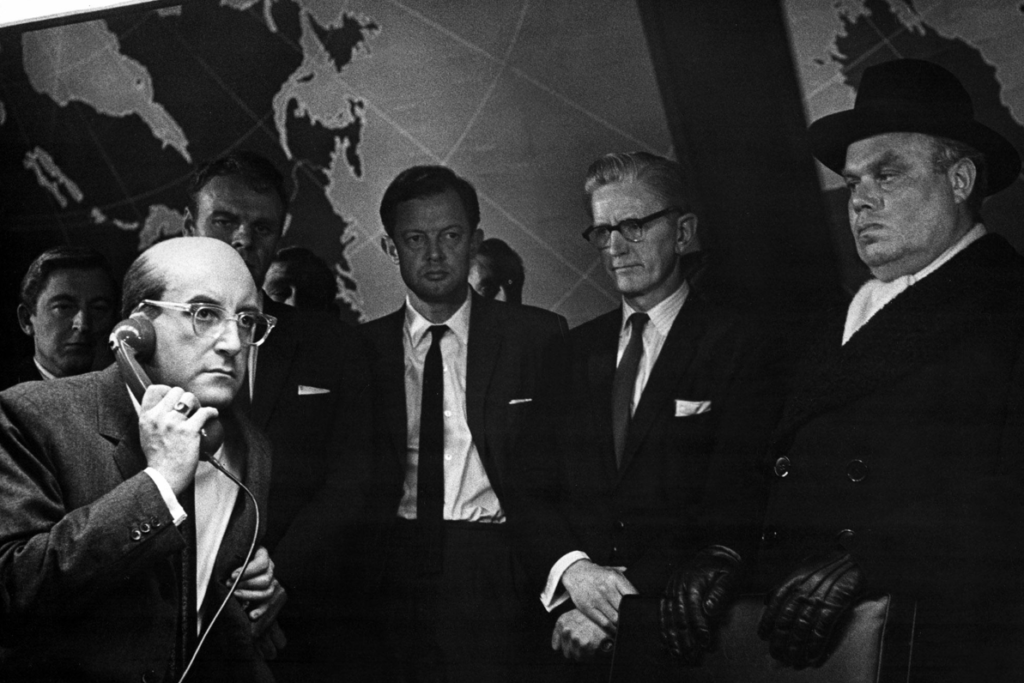
Dr. Strangelove treated nuclear annihilation as dark comedy, which was deeply unsettling at the time. It suggested that global catastrophe could result from ego, incompetence, and bureaucracy. The film trusted audiences to laugh while feeling uncomfortable. Satire became a weapon rather than a garnish.
Today’s political comedies owe much to this approach. It showed that humor could sharpen fear rather than soften it. The exaggerated performances masked a very real anxiety. That balance between absurdity and dread remains a powerful storytelling tool.
6. Easy Rider (1969)
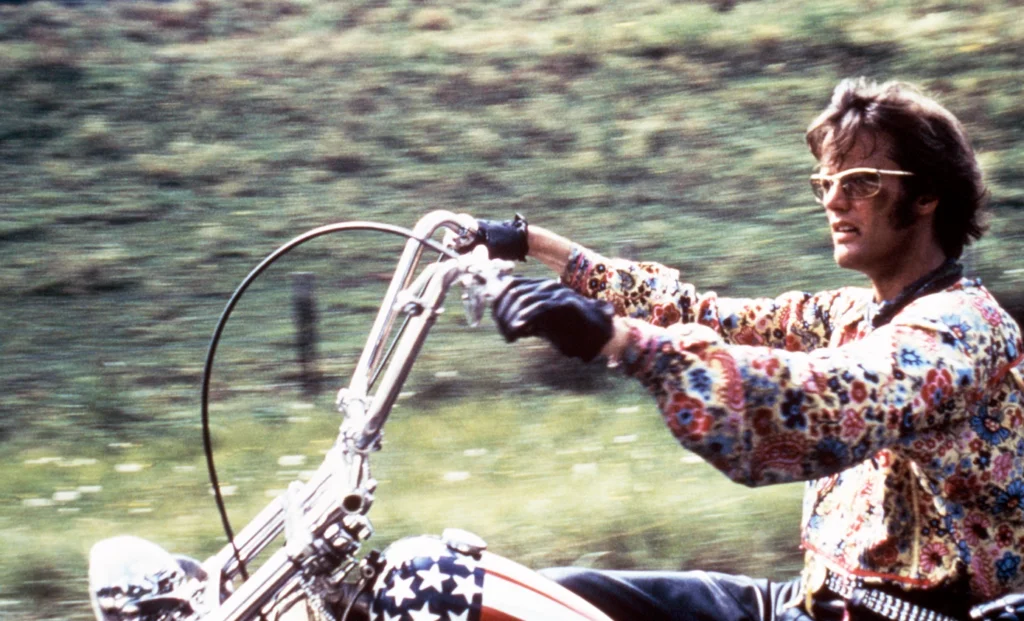
Easy Rider felt loose, improvised, and uninterested in traditional plot structure. It valued mood, experience, and character over tidy storytelling. The film reflected counterculture without explaining or justifying it. That authenticity resonated with younger audiences.
It helped open the door for director driven films in the ’70s. Modern indie cinema still follows its emphasis on atmosphere and personal vision. The road trip as existential journey became a lasting trope. It proved films could wander and still matter.
7. 2001: A Space Odyssey (1968)
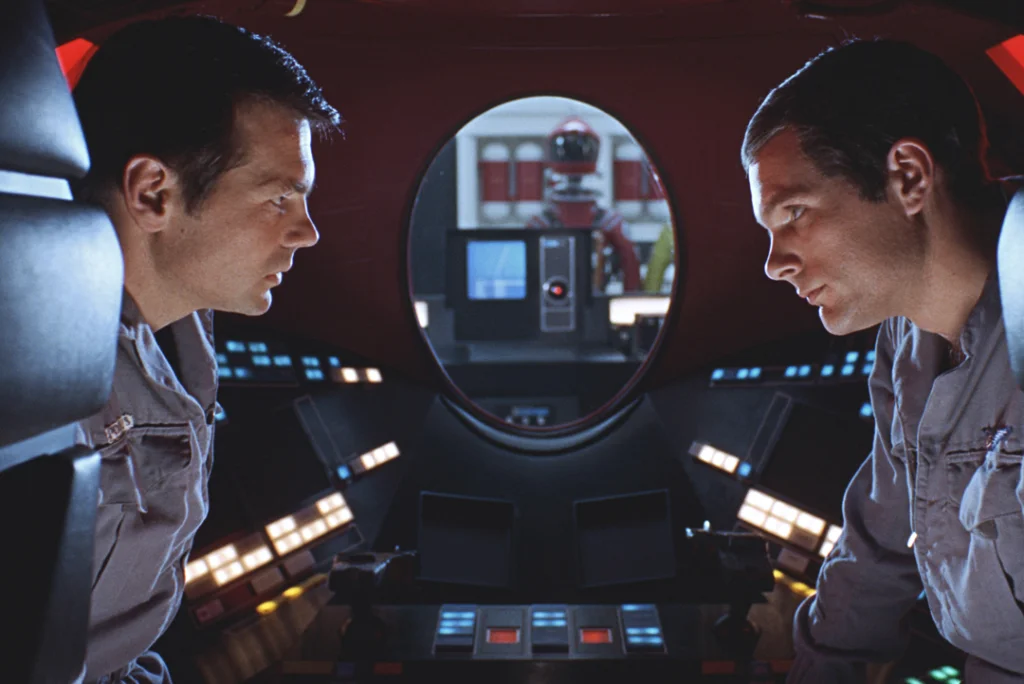
This film challenged audiences to experience cinema rather than simply follow it. Long stretches without dialogue asked viewers to interpret meaning themselves. Science fiction was treated as philosophical inquiry rather than pulp adventure. The visuals alone reshaped expectations for what movies could look like.
Modern sci fi frequently embraces ambiguity because of this film. It normalized slow pacing and intellectual curiosity within the genre. Visual storytelling became just as important as plot. Its influence is felt anytime a film trusts silence.
8. Rosemary’s Baby (1968)
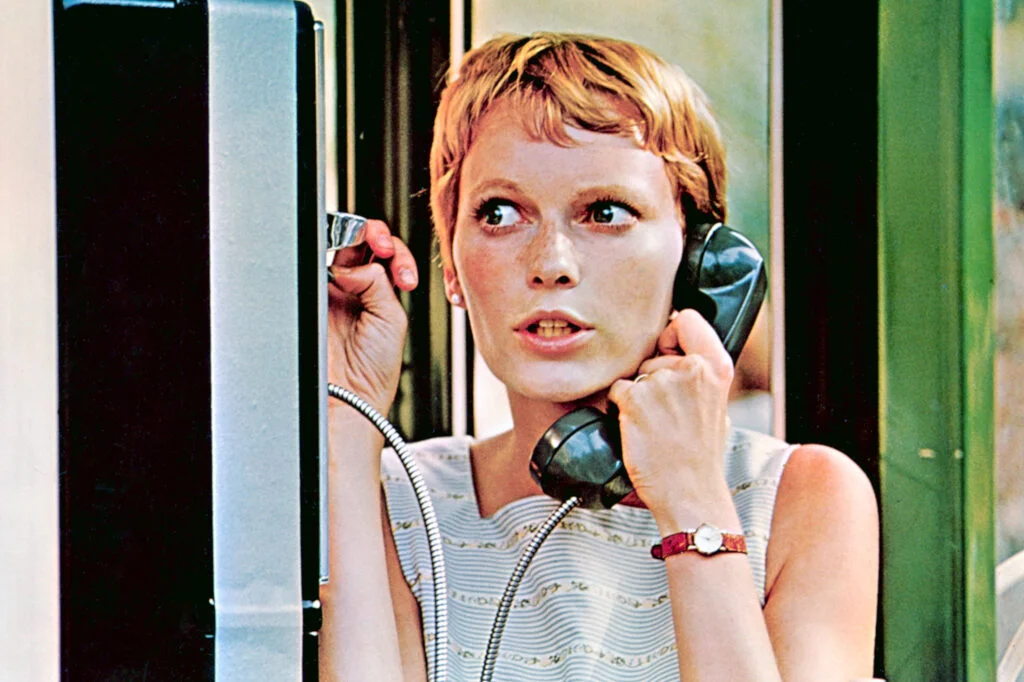
This film placed horror inside everyday domestic life. Apartments, neighbors, and pregnancy became sources of dread rather than safety. The terror came from gaslighting and loss of control, not monsters. It felt intimate in a way horror rarely had before.
Psychological horror still borrows this framework. The idea that evil could hide behind politeness remains unsettling. Modern stories about manipulation and paranoia trace back here. Fear became personal rather than spectacular.
9. The Good, the Bad and the Ugly (1966)
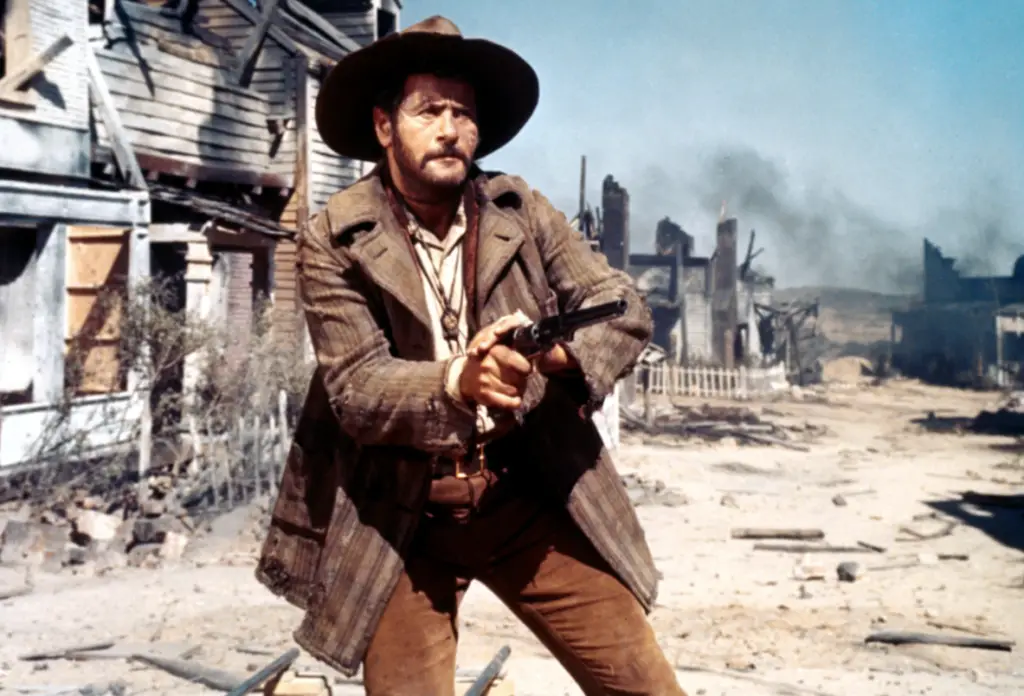
This western stripped heroism down to survival and self interest. Characters were morally ambiguous and driven by greed rather than justice. Style and music carried as much weight as dialogue. The film stretched time and tension in unexpected ways.
Modern action films often mimic its pacing and visual language. Antiheroes became acceptable leads in genre films. Violence was stylized without being glorified. It quietly reshaped how action stories look and feel.
10. A Hard Day’s Night (1964)
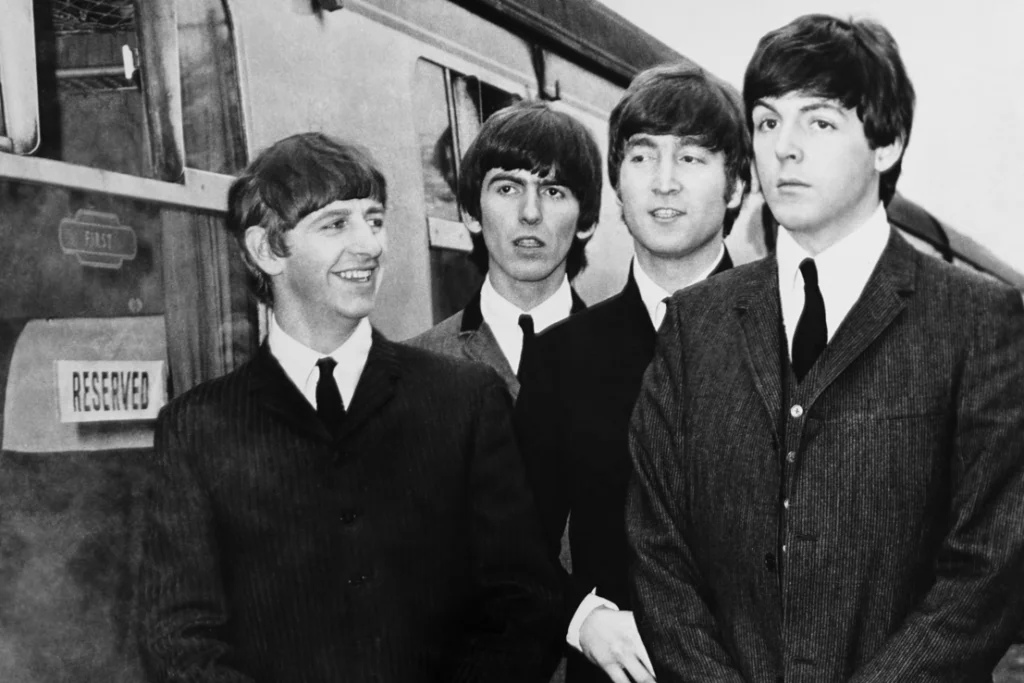
On the surface, this was a playful pop movie built around a band. What it delivered was a new, energetic visual language. Quick cuts, handheld cameras, and natural humor made it feel spontaneous. It blurred the line between documentary and fiction.
Music videos still reflect its influence. The idea that style could be joyful rather than polished took hold. Celebrity culture was portrayed with wit instead of reverence. Entertainment learned how to feel casual and immediate.
11. The Apartment (1960)
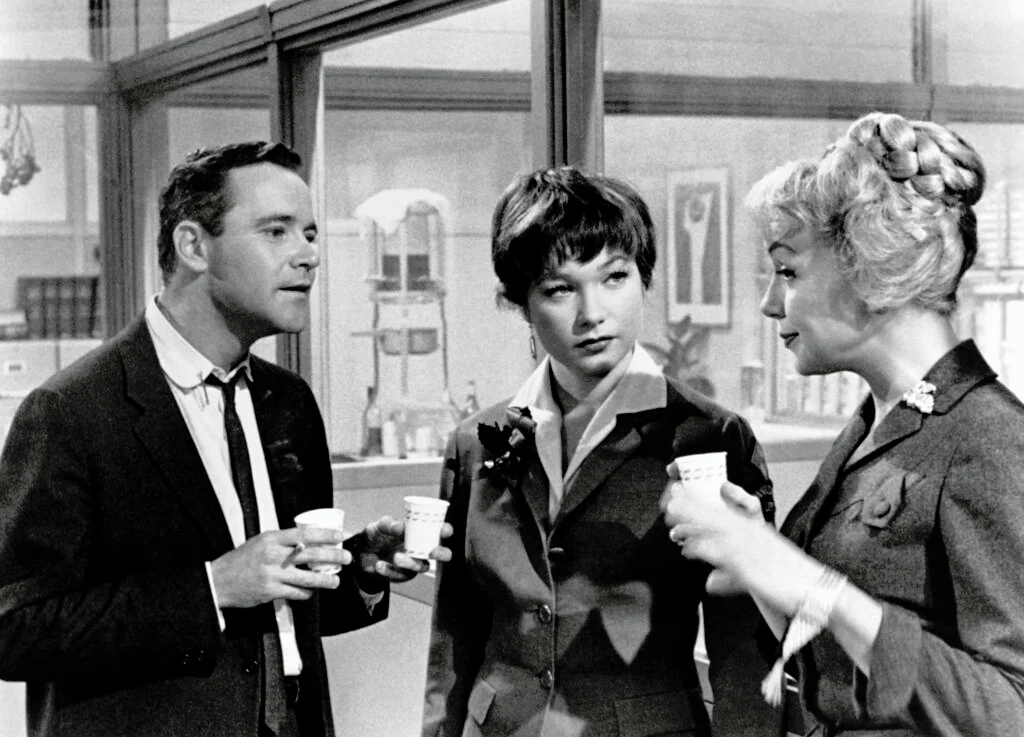
This film balanced romance with quiet cynicism. It showed workplace culture as isolating and morally compromising. Humor softened serious themes without erasing them. Characters made small, human choices rather than grand gestures.
Modern romantic dramas often follow this tone. Happiness was presented as earned, not guaranteed. The film trusted subtlety over spectacle. That restraint still resonates in contemporary storytelling.
12. Blow-Up (1966)
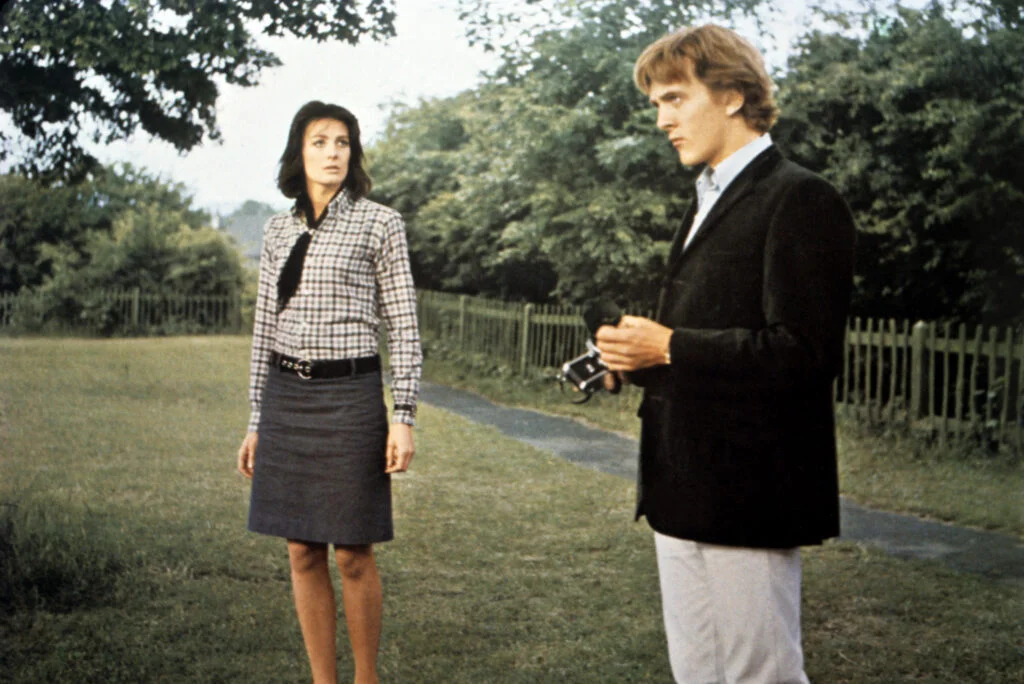
Blow-Up questioned whether truth could ever be fully known. It treated perception as unreliable and meaning as subjective. The mystery never fully resolves, forcing viewers to sit with ambiguity. Style and atmosphere carried more weight than answers.
Modern films that prioritize mood over clarity owe a debt here. The idea that art could ask questions without resolving them became acceptable. It shifted expectations about narrative closure. Uncertainty became part of the experience.
13. To Kill a Mockingbird (1962)

This film approached social injustice through quiet observation rather than spectacle. It trusted empathy and moral clarity over dramatic excess. Childhood perspective softened heavy themes without diminishing them. The courtroom drama was grounded in character, not theatrics.
Modern prestige dramas still follow this model. It showed that restraint could be powerful. Moral storytelling did not require grand speeches. Its influence lives in films that let decency speak softly.