
1. Lucille Ball
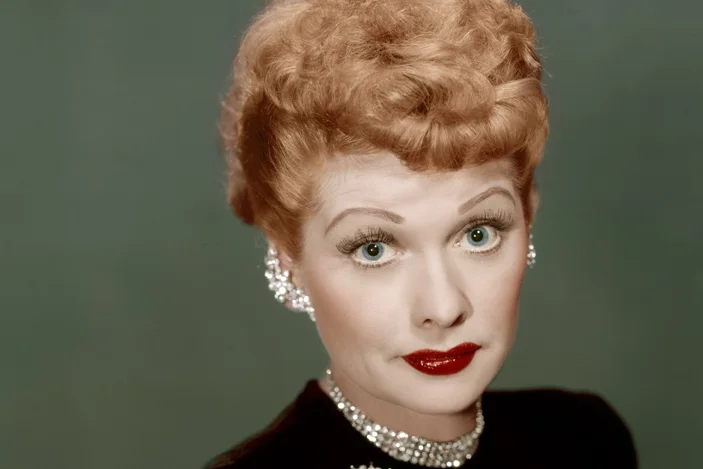
You could spot Lucille Ball anywhere, even in a grainy rerun playing on a tiny kitchen TV. By the ’60s, her expressive face and unmistakable voice were already cultural shorthand for comedy. Even when she wasn’t wearing trademark red hair or doing slapstick, her timing gave her away instantly. She had a way of reacting that felt both exaggerated and deeply human. One raised eyebrow could carry an entire scene.
What made Ball so recognizable was how comfortable she seemed being ridiculous on screen. She never tried to smooth out her expressions or play things small. Instead, she leaned into every reaction, which made her feel familiar even decades later. Watching her now still feels like bumping into someone you know. That instant recognition hasn’t faded at all.
2. Dick Van Dyke
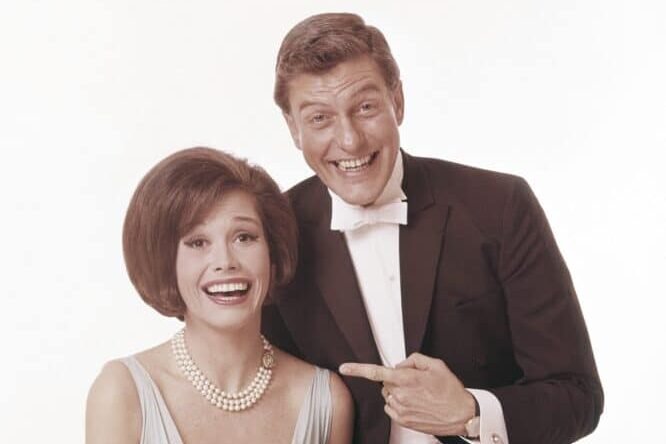
Dick Van Dyke’s tall frame and open smile were hard to miss the moment he walked into a scene. In the ’60s, his face practically meant warmth and easygoing charm. He had an everyman quality that made him feel approachable, like the neighbor who always had time to talk. Even when he was flustered, he stayed likable.
What really sealed his recognizability was his physicality. He moved differently than anyone else on TV, all loose limbs and expressive gestures. His face mirrored that energy, constantly in motion and full of life. One glance was enough to know exactly who you were watching. That familiarity still lands immediately.
3. Mary Tyler Moore

Mary Tyler Moore had a brightness that made her instantly identifiable on screen. Her smile felt genuine, and her expressions carried both warmth and intelligence. In the ’60s, she projected confidence without ever seeming distant. She looked like someone you could trust.
Part of her recognizability came from how natural she felt in front of the camera. Nothing about her seemed forced or overly polished. She reacted like a real person would, which made her stand out in an era full of big personalities. You could change channels and know it was her in seconds. That ease is still unmistakable.
4. Andy Griffith
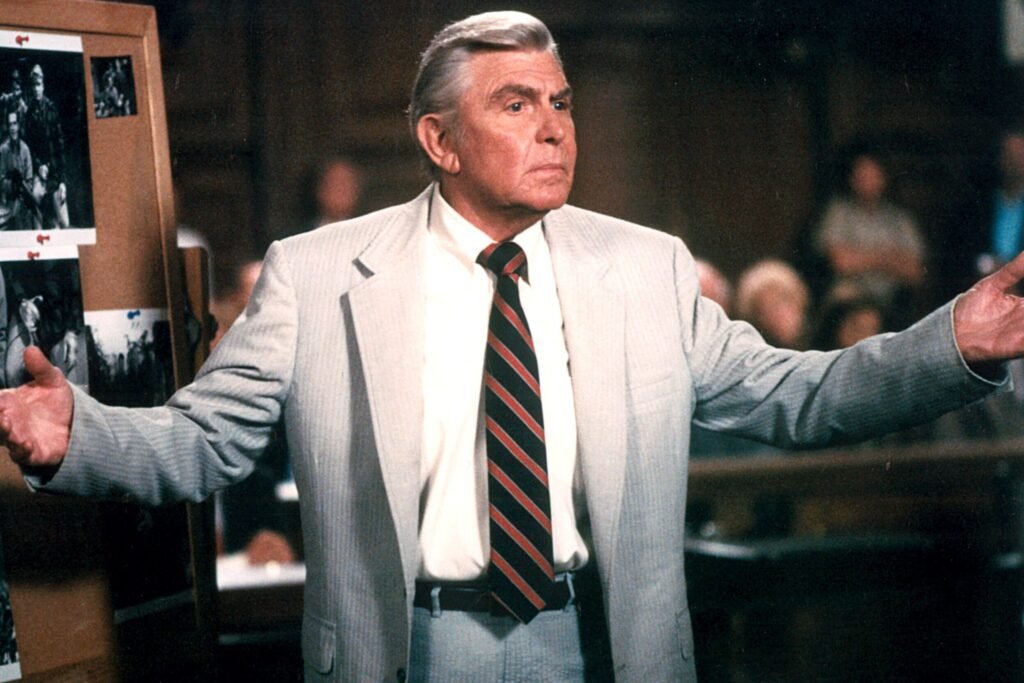
Andy Griffith’s face carried an immediate sense of calm and authority. He looked like someone who had things under control, even when the situation got messy. His expressions were measured, thoughtful, and quietly humorous. You didn’t need dialogue to know what he was thinking.
That steady presence made him unforgettable. He didn’t rely on exaggerated reactions, but on subtle shifts in expression. A small smile or knowing look said everything. Even today, his face feels familiar in the most comforting way. Recognition comes instantly.
5. Elizabeth Montgomery
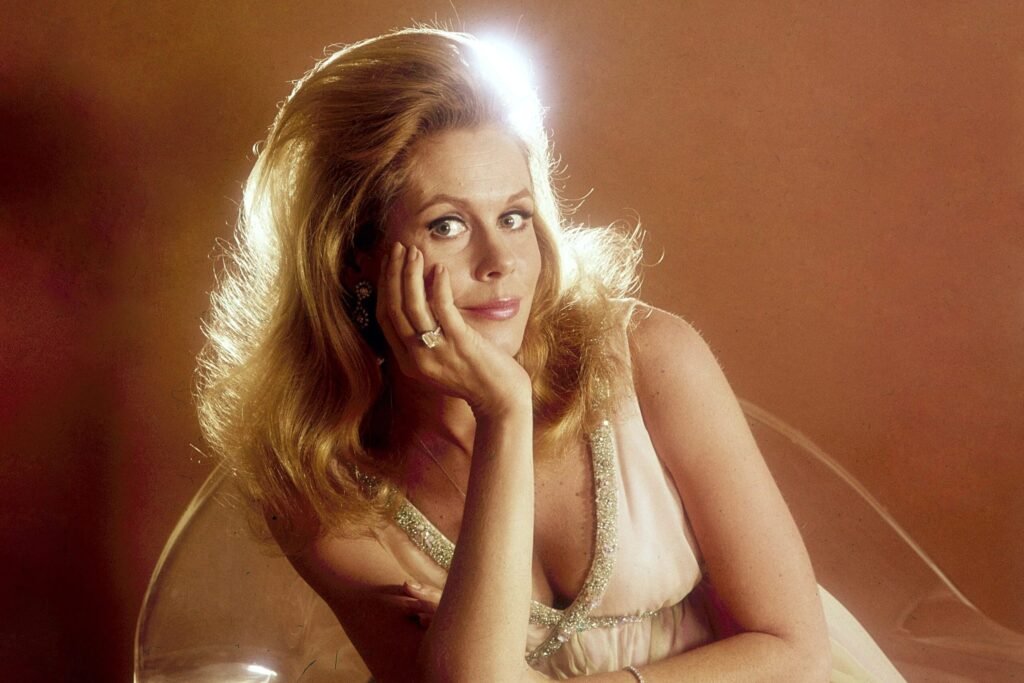
Elizabeth Montgomery had one of those faces that stayed with you. Her eyes did a lot of the work, often carrying humor, curiosity, or frustration all at once. In the ’60s, she balanced elegance with approachability. She could look glamorous one moment and completely relatable the next.
What made her so recognizable was her expressiveness. She could shift moods in a heartbeat, and her face made those transitions effortless. Even without special effects or costumes, she stood out. One glance was enough to know exactly who you were watching. That clarity hasn’t changed.
6. Don Knotts
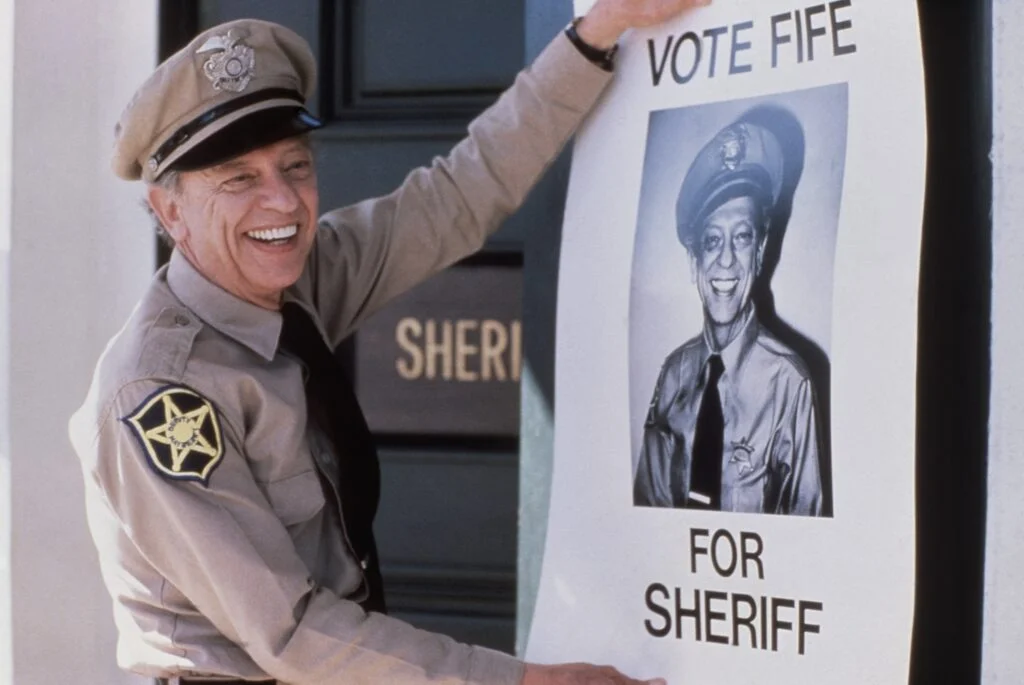
Don Knotts didn’t just have a recognizable face, he had a whole collection of expressions burned into memory. His wide eyes and nervous grin were instantly identifiable. In the ’60s, his look alone could get a laugh before he spoke. He wore anxiety in a way that felt both funny and endearing.
His face told you everything about the character he was playing. You could see worry, excitement, and panic all flicker across it in seconds. That exaggeration made him unforgettable. Even now, a single still image is enough to trigger recognition. He’s impossible to mistake for anyone else.
7. Agnes Moorehead
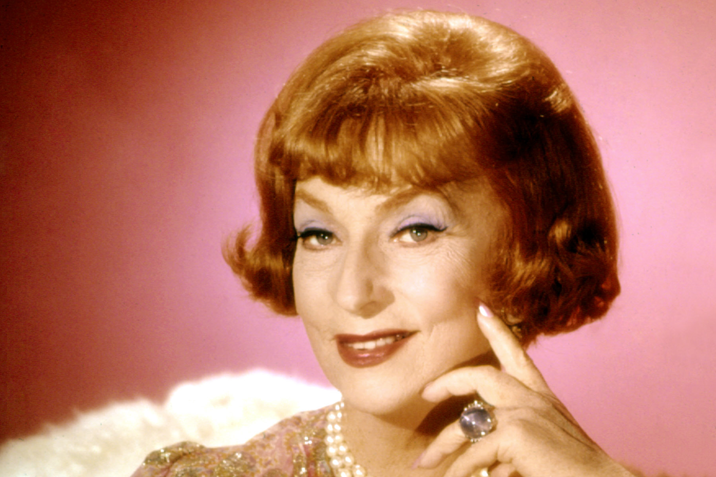
Agnes Moorehead had a commanding presence that made her stand out immediately. Her sharp features and intense expressions gave her a distinctive look. She could project authority or disapproval with just a glance. In the ’60s, that made her especially memorable.
What really set her apart was her ability to communicate so much without words. Her face carried layers of emotion, often at the same time. You knew exactly who she was the second she appeared on screen. That strong visual identity still holds up today. Recognition comes fast.
8. William Shatner
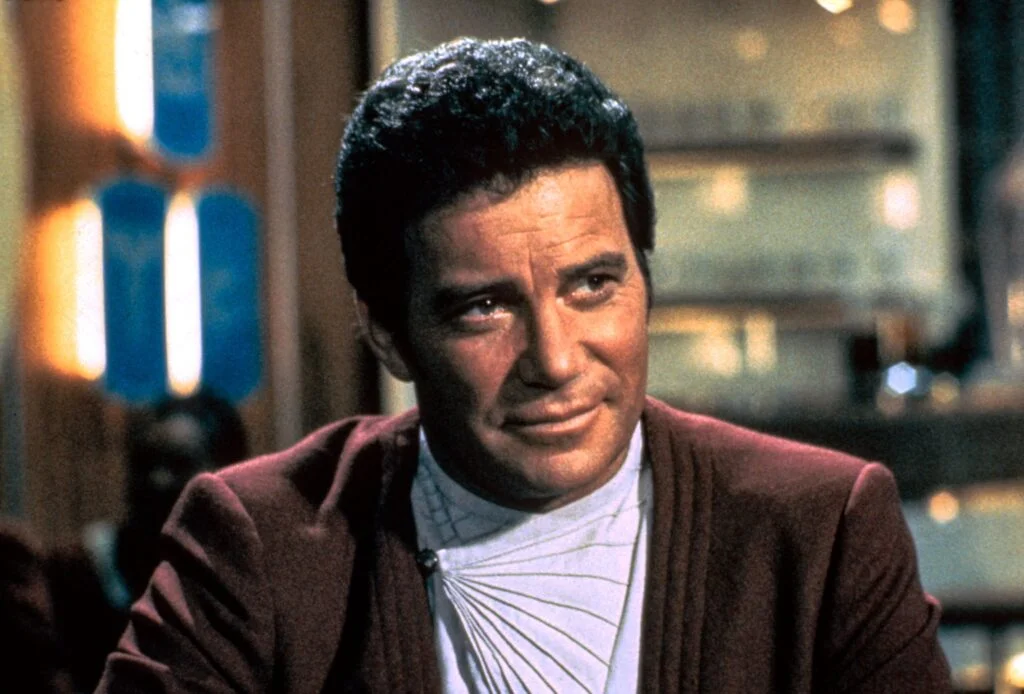
William Shatner’s face was full of intensity, even when he was standing still. His expressions were bold and confident, perfectly suited for television. In the ’60s, he brought a dramatic presence that felt larger than life. You couldn’t look away once he was on screen.
Part of his recognizability came from how committed he was to every moment. His face reflected that intensity, whether the scene called for calm or urgency. He had a very specific look that stuck with viewers. One second was all it took to know it was him. That hasn’t changed.
9. Barbara Eden
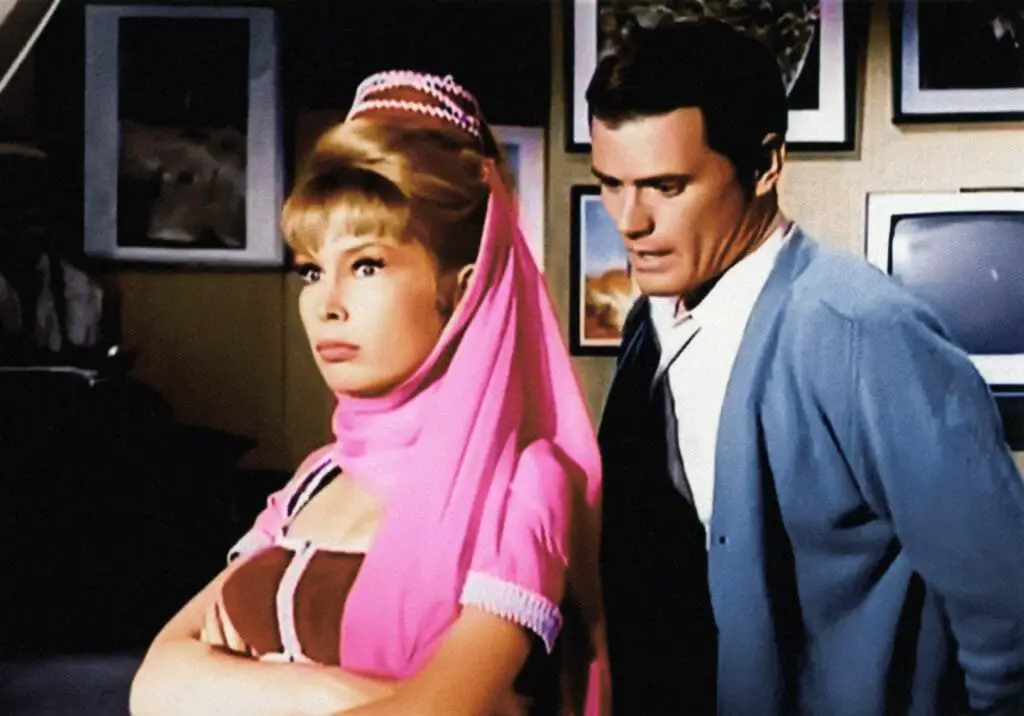
Barbara Eden had a softness to her face that made her instantly identifiable. Her smile was warm and playful, and her expressions felt open and inviting. In the ’60s, she embodied a kind of optimism that stood out on television. She looked like pure charm.
What made her so recognizable was how consistent that warmth felt. Even when the scene shifted, her face maintained that approachable quality. You could spot her immediately, no matter the context. That familiarity still comes through today. Recognition is effortless.
10. Carroll O’Connor
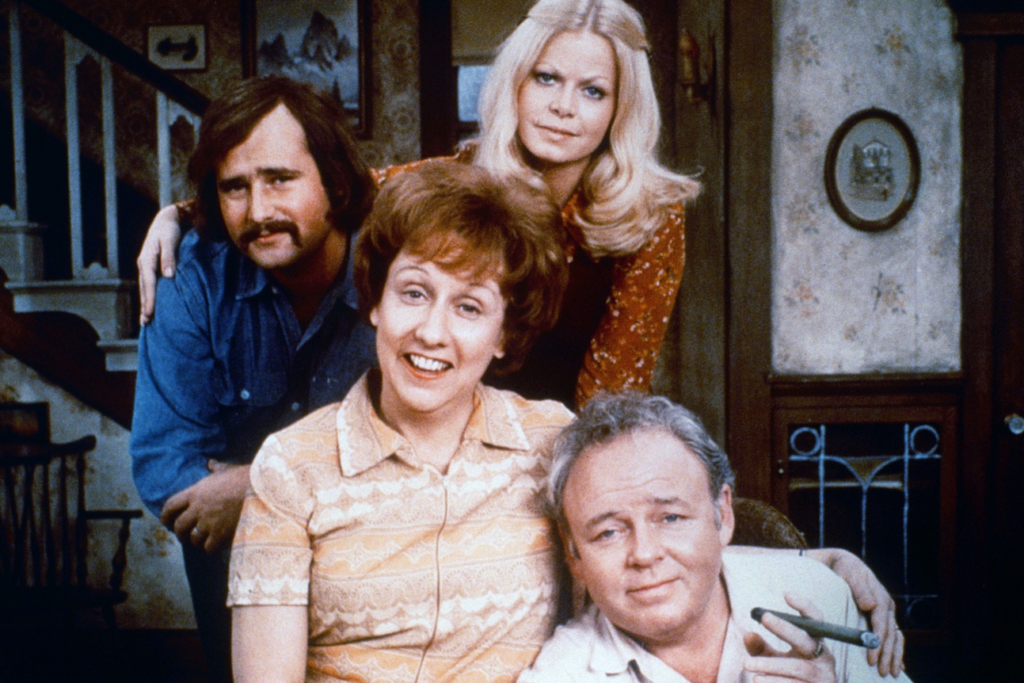
Carroll O’Connor had a face that communicated stubbornness and sincerity at the same time. His expressions were grounded, often serious, but never dull. In the ’60s, he looked like someone with strong opinions and no patience for nonsense. That made him memorable right away.
His recognizability came from how specific his reactions were. Every look felt deliberate and lived in. You could see entire conversations play out across his face. Even now, it only takes a second to identify him. That presence sticks.
11. June Lockhart
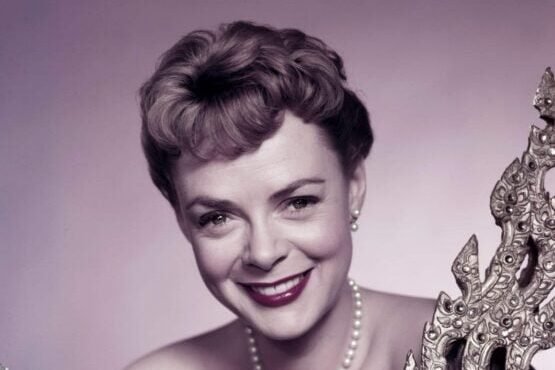
June Lockhart had a reassuring, familiar face that viewers trusted instantly. Her expressions were calm and composed, with a gentle strength behind them. In the ’60s, she often looked like the steady center of any scene. That made her easy to recognize.
What set her apart was how natural she seemed in that role. Her face conveyed empathy without exaggeration. You didn’t need context to know who she was. One quick glance was enough. That sense of recognition still holds.
12. Bob Denver
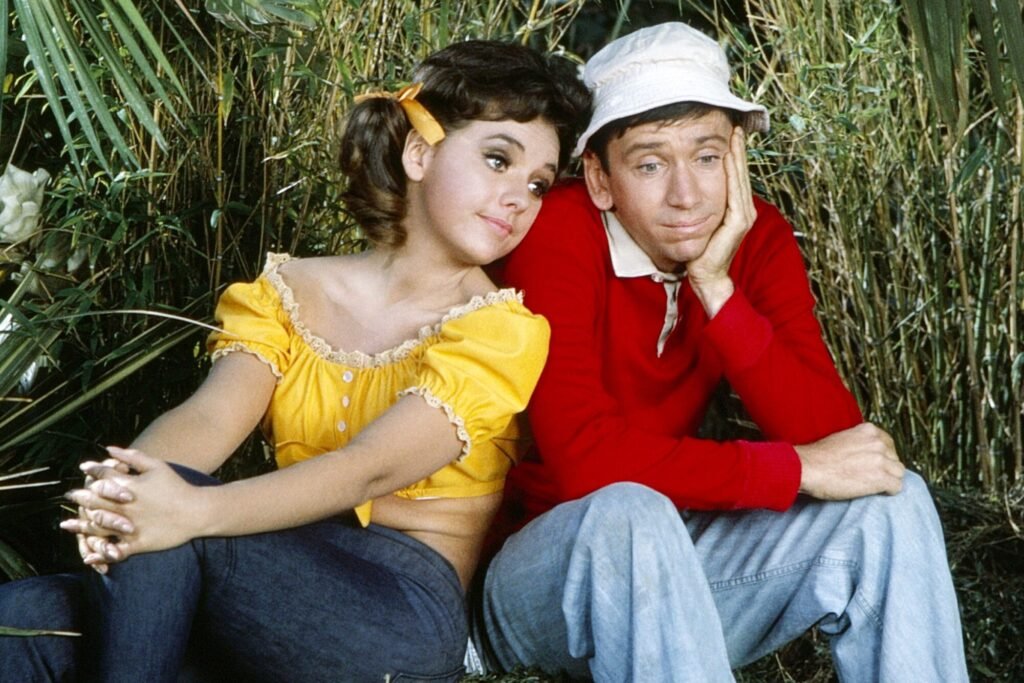
Bob Denver had a friendly, unmistakable look that made him stand out immediately. His expressions were open and good natured, often leaning into gentle confusion. In the ’60s, his face alone could signal humor before the joke landed. He felt instantly familiar.
His recognizability came from that consistency. No matter the situation, his expressions stayed warm and approachable. You always knew what kind of character he was playing just by looking at him. That clarity made him unforgettable. Even now, recognition is immediate.
13. Florence Henderson
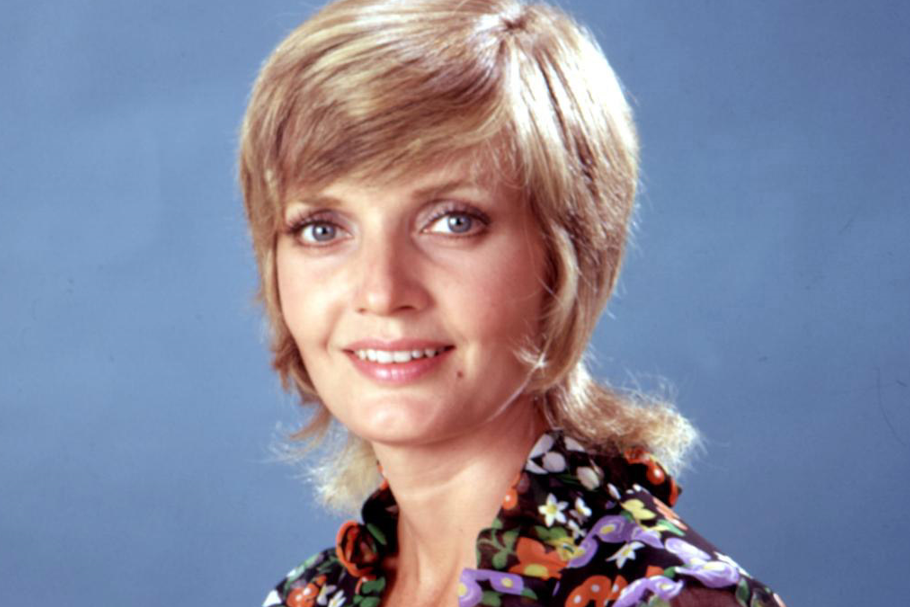
Florence Henderson had a face that radiated warmth and reassurance. Her smile felt genuine, and her expressions conveyed patience and understanding. In the ’60s, she looked like someone you could depend on. That made her instantly recognizable.
What made her stand out was how comfortably she occupied that role. Her face never felt forced or overly styled. It felt real, which made it memorable. You could spot her in a second. That familiarity still feels intact.
14. Leonard Nimoy
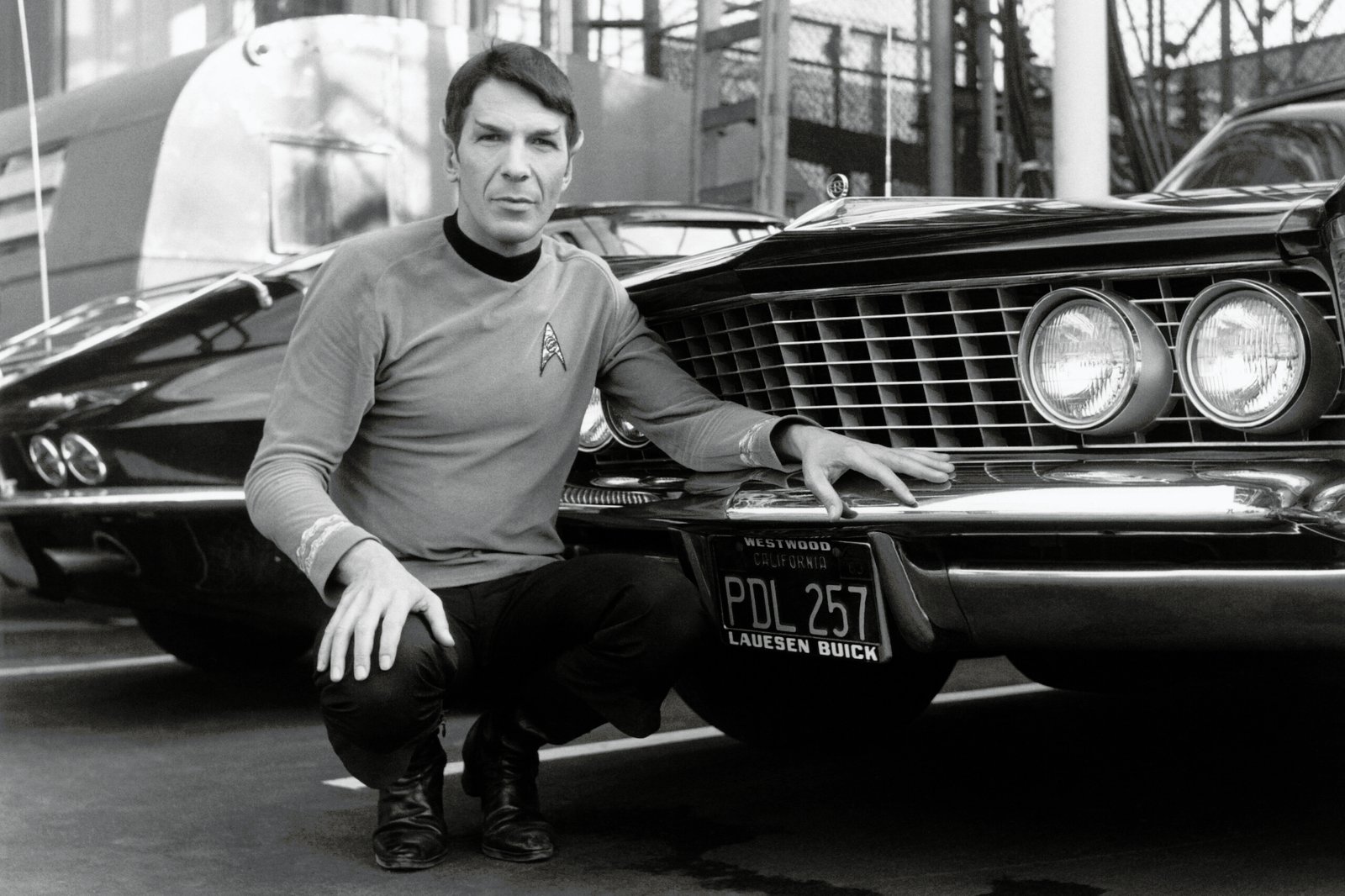
Leonard Nimoy had one of the most distinctive faces of the era. His sharp features and controlled expressions set him apart immediately. In the ’60s, his look conveyed intelligence and restraint. You knew who he was the moment he appeared.
What made him so recognizable was his discipline on screen. His expressions were precise and deliberate, never wasted. That control gave his face a powerful presence. Even decades later, recognition comes instantly. One glance is all it takes.