
1. The Moon Landing Becoming a Shared Memory
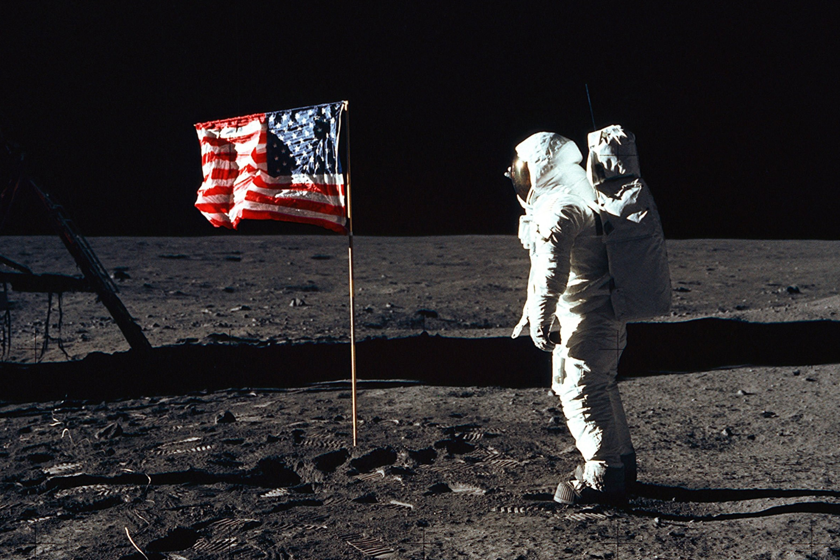
Even though the Apollo program began in the ’60s, the early ’70s were when the moon landing truly settled into everyday conversation. People didn’t just remember watching it, they remembered where they were and who they were with. It became shorthand for possibility, progress, and national pride all at once. Teachers referenced it, politicians leaned on it, and parents pointed to it as proof that anything was achievable. It was science, but it felt emotional.
The moon landing stopped being a broadcast and turned into a reference point for how people talked about the future. It influenced how kids imagined careers and how adults talked about technology. Even skeptics couldn’t deny its cultural weight. It wasn’t entertainment, it was a permanent marker in time.
2. The Vietnam War Ending on Television
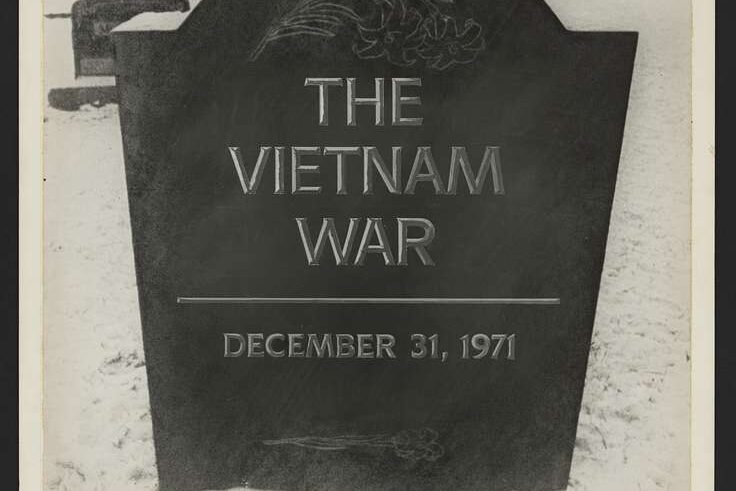
The end of the Vietnam War played out on nightly news in a way no previous conflict had. People weren’t watching actors, they were watching real events reshape the country’s mood. Images from Saigon felt heavy, confusing, and deeply personal to viewers at home. It changed how Americans trusted government and media.
This wasn’t something you could tune out casually. Families argued about it at dinner tables and carried those feelings into the next decade. The war’s conclusion marked the end of a certain kind of national innocence. It felt like history happening in real time, not a story with a neat ending.
3. Watergate Becoming a National Obsession
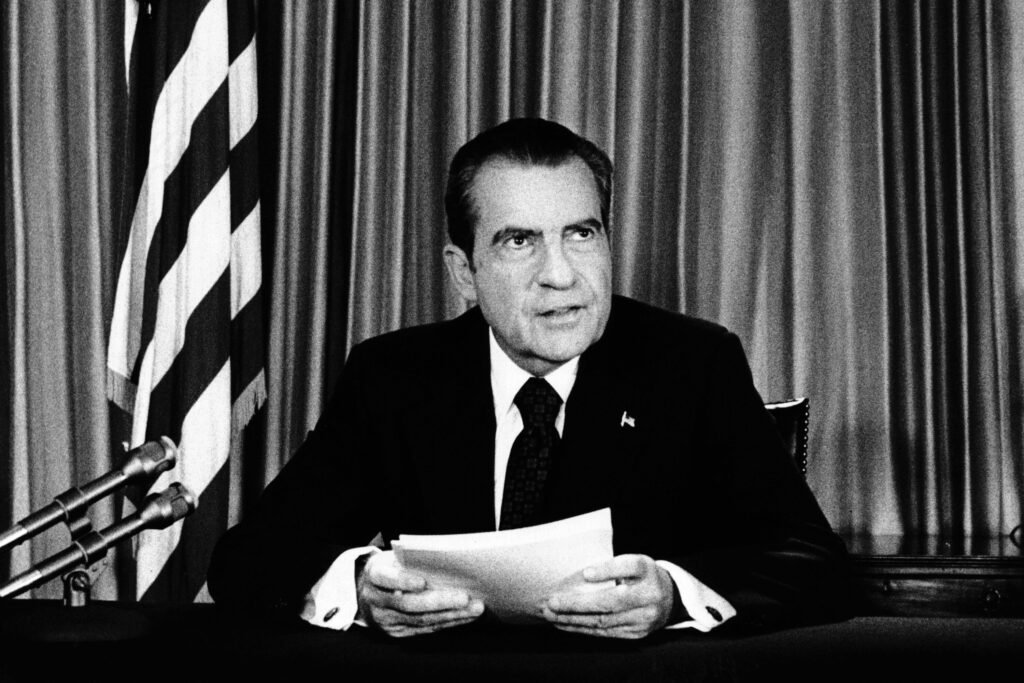
Watergate unfolded slowly, which somehow made it more gripping. People followed hearings the way later generations would follow major trials or elections. Names like Nixon, Woodward, and Bernstein entered everyday conversation. It felt shocking to see the presidency questioned so publicly.
The scandal reshaped how Americans viewed power and accountability. Trust in institutions took a lasting hit. This wasn’t entertainment, even though it had cliffhanger moments. It was civic education happening on a national scale.
4. Roe v. Wade Changing Private Conversations
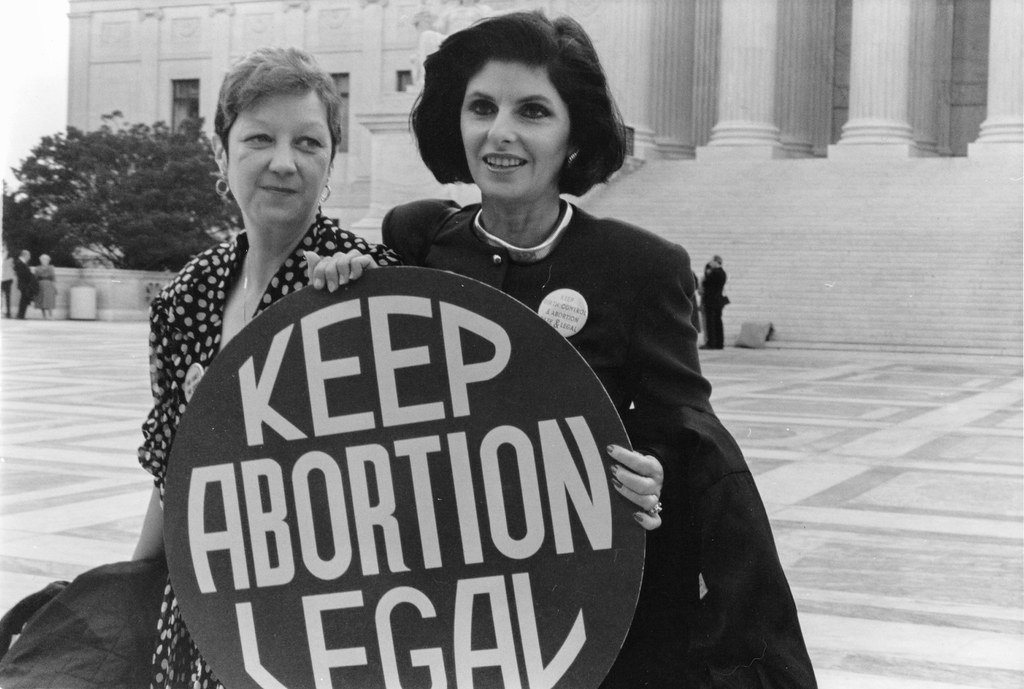
When Roe v. Wade became law in 1973, it immediately moved beyond the courtroom. It forced people to talk about topics that had long been whispered or ignored. The decision affected families, churches, and friendships in deeply personal ways. It became part of how people understood bodily autonomy and rights.
Unlike a movie or TV moment, this ruling followed people into their daily lives. Opinions hardened, alliances shifted, and debates became generational. Its impact wasn’t fleeting or abstract. It felt like society itself had shifted direction.
5. The First Earth Day Reframing Responsibility

The first Earth Day in 1970 changed how people talked about the environment. Pollution and conservation became dinner table topics instead of niche concerns. Schools, businesses, and communities got involved almost immediately. It felt hopeful and urgent at the same time.
Earth Day wasn’t about spectacle, it was about awareness. It made people rethink everyday habits and long-term consequences. The idea that individuals had responsibility toward the planet gained traction. That shift stuck far beyond the event itself.
6. Title IX Reshaping Opportunities for Women
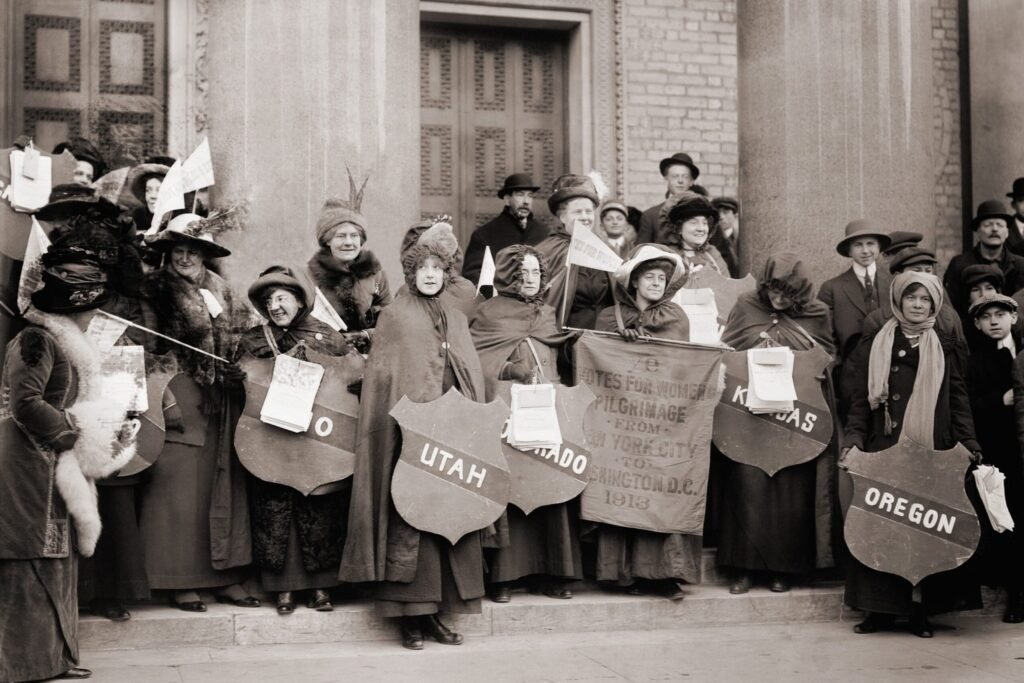
When Title IX passed in 1972, its effects rippled quietly but powerfully. Girls suddenly had access to sports and programs that had never been offered to them before. Families noticed changes in schools almost immediately. It wasn’t flashy, but it was transformative.
Over time, Title IX altered expectations around gender and opportunity. It changed how success and fairness were measured. This wasn’t entertainment people talked about for a weekend. It was a structural shift that redefined everyday life.
7. The Oil Crisis Forcing Lifestyle Changes
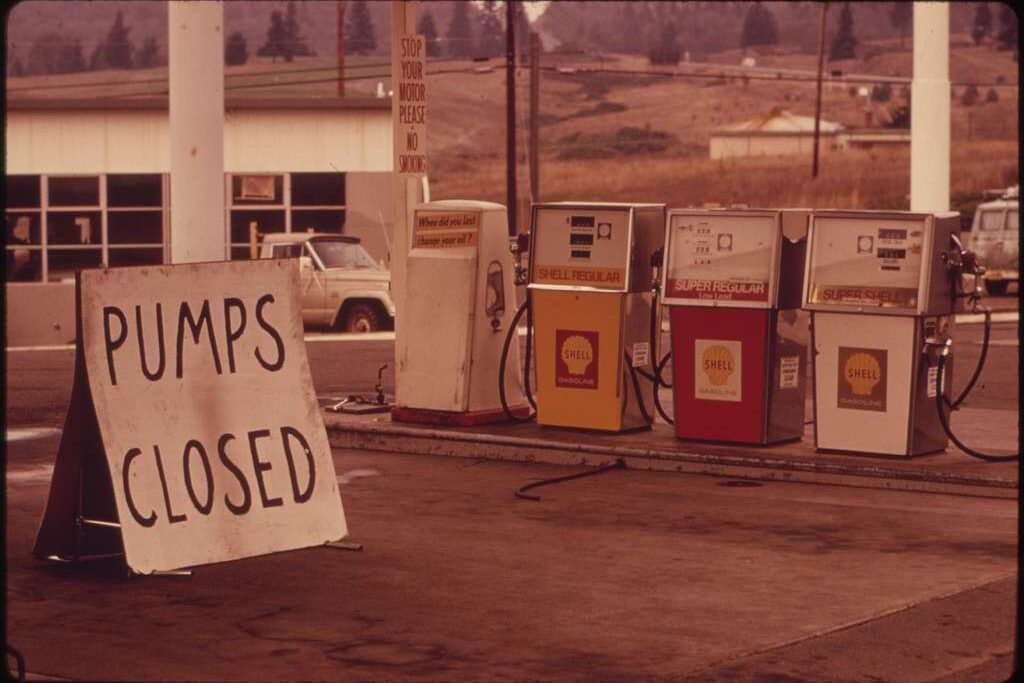
The oil crisis of the ’70s wasn’t something you watched, it was something you lived. Gas lines and rationing affected routines and tempers. People adjusted travel plans, work schedules, and even how they thought about consumption. It was inconvenient, frustrating, and unavoidable.
The crisis made Americans confront energy dependence in a personal way. It shifted attitudes toward conservation and efficiency. This wasn’t background noise, it was a constant presence. It felt like the rules of daily life had suddenly changed.
8. The Pentagon Papers Altering Media Trust
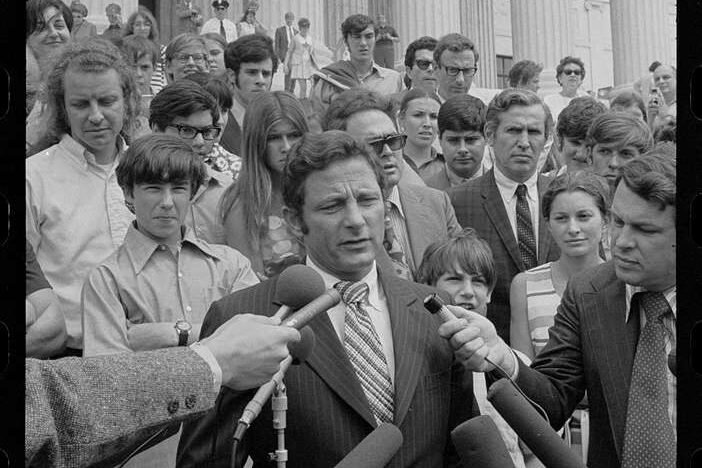
The release of the Pentagon Papers forced Americans to reconsider who controlled information. Newspapers became symbols of courage and controversy at the same time. Readers realized how much had been withheld from them. It was unsettling and eye-opening.
This moment changed expectations of journalism permanently. Media stopped being seen as just a messenger. It became a participant in democracy itself. That realization lingered long after the headlines faded.
9. School Desegregation Battles Playing Out Publicly

Court ordered desegregation and busing brought national attention to local school systems. Protests, court cases, and community tensions were impossible to ignore. Parents and students were pulled into political debates simply by going to school. It was deeply personal and deeply divisive.
These moments exposed inequalities that had long been ignored or denied. They weren’t resolved quickly or cleanly. The impact was felt in classrooms, neighborhoods, and friendships. It felt like society wrestling with itself in plain view.
10. The American Indian Movement at Wounded Knee
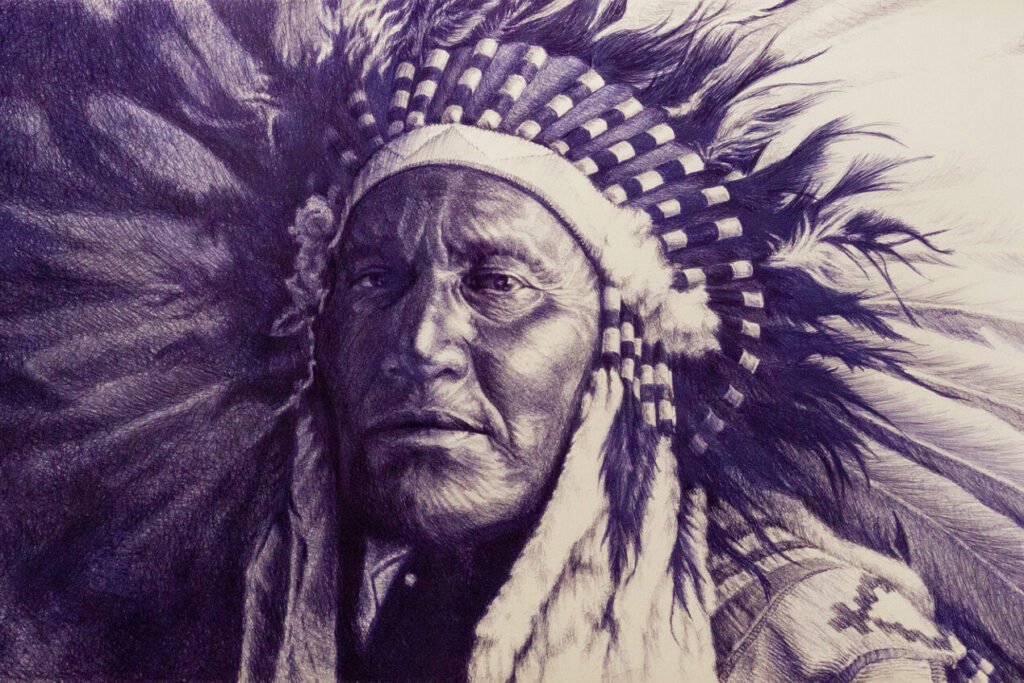
The occupation of Wounded Knee in 1973 forced Indigenous issues into national awareness. It challenged the narrative many Americans had grown up with. The standoff was about land, rights, and historical injustice. It demanded attention rather than asking politely for it.
For many viewers, it was the first time Native voices were centered in a national conversation. It reframed history as ongoing, not settled. This wasn’t a symbolic protest, it was a demand for recognition. Its significance went far beyond the headlines.
11. The Rise of Feminism Into Everyday Language
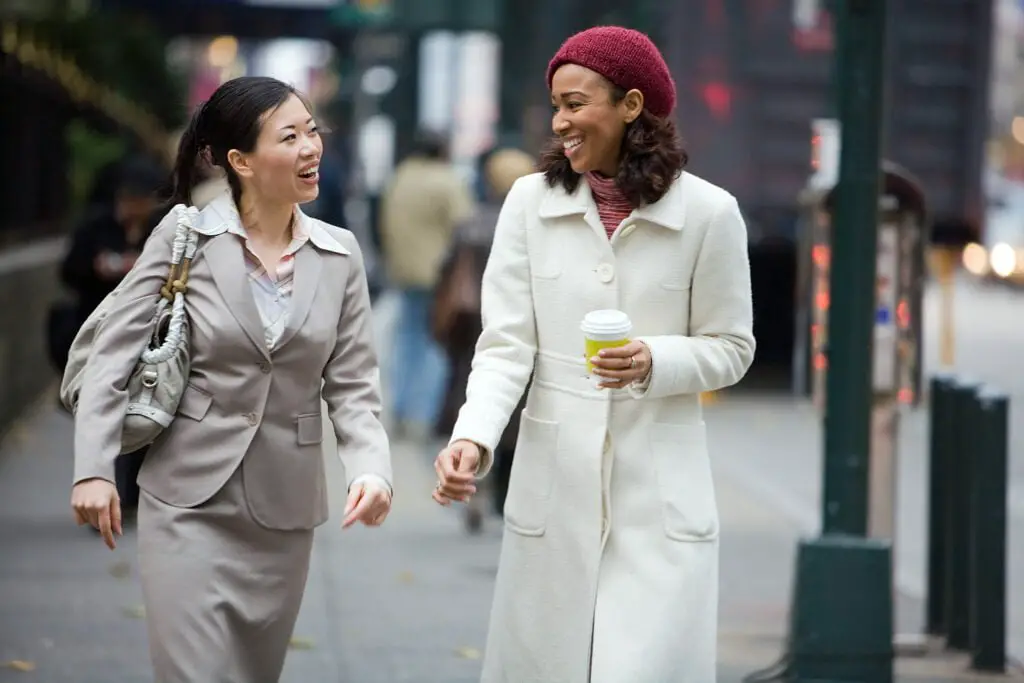
Second wave feminism moved out of academic spaces and into daily life during the ’70s. Words like equality, autonomy, and workplace rights became common. Conversations shifted in offices, homes, and classrooms. The movement wasn’t abstract anymore.
This cultural shift affected expectations around marriage, work, and identity. It changed how women saw themselves and how society responded. It wasn’t one moment, but it felt like a collective awakening. The ripple effects were impossible to ignore.
12. The End of the Draft Redefining Citizenship
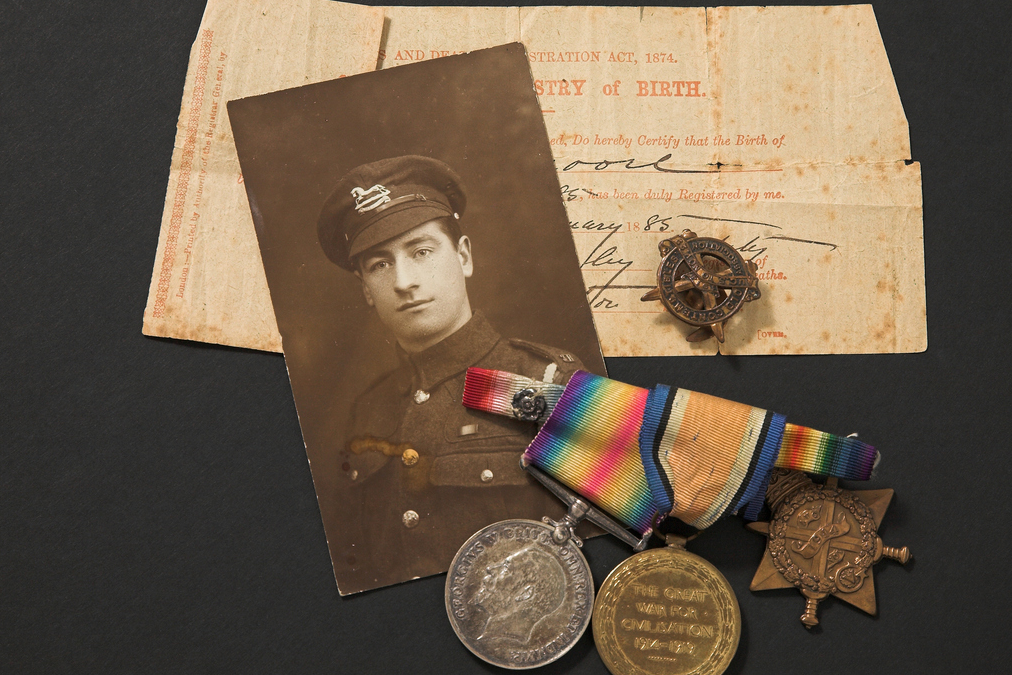
When the military draft ended in 1973, it altered how Americans related to war. Service became voluntary rather than compulsory. That change carried emotional and ethical weight. It reshaped ideas of duty and sacrifice.
The end of the draft marked a turning point after years of protest and loss. Families felt relief, but also reflection. It changed who bore the burden of conflict. That shift made it feel like a cultural reset, not just a policy change.