
1. The Breakfast Club
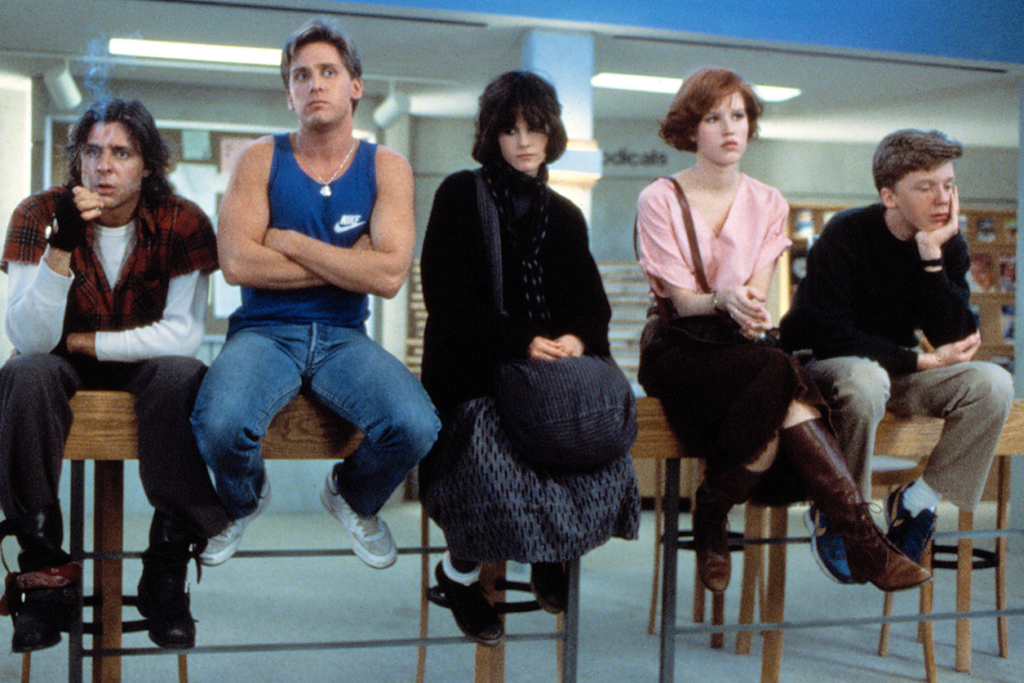
This movie gets talked about constantly, usually as shorthand for teenage angst, rebellion, or detention day bonding. People quote it, reference the stereotypes, and use it as a cultural touchstone for the entire decade. But sitting down to rewatch it can feel heavier than expected. The pacing is slow, the silences linger, and the emotional confessions feel very earnest by modern standards. What once felt revelatory can now feel like a long therapy session in a school library. It is respected more than it is revisited.
When people do rewatch it, they are often surprised by how uncomfortable parts of it feel now. Some moments that were played for humor land awkwardly, and the gender dynamics can feel dated. The movie still has sincerity, and that is part of its charm, but it demands patience. Many viewers prefer to remember how it made them feel the first time rather than confront how it plays today. It lives on mostly through reputation and quotes.
2. E.T. the Extra-Terrestrial
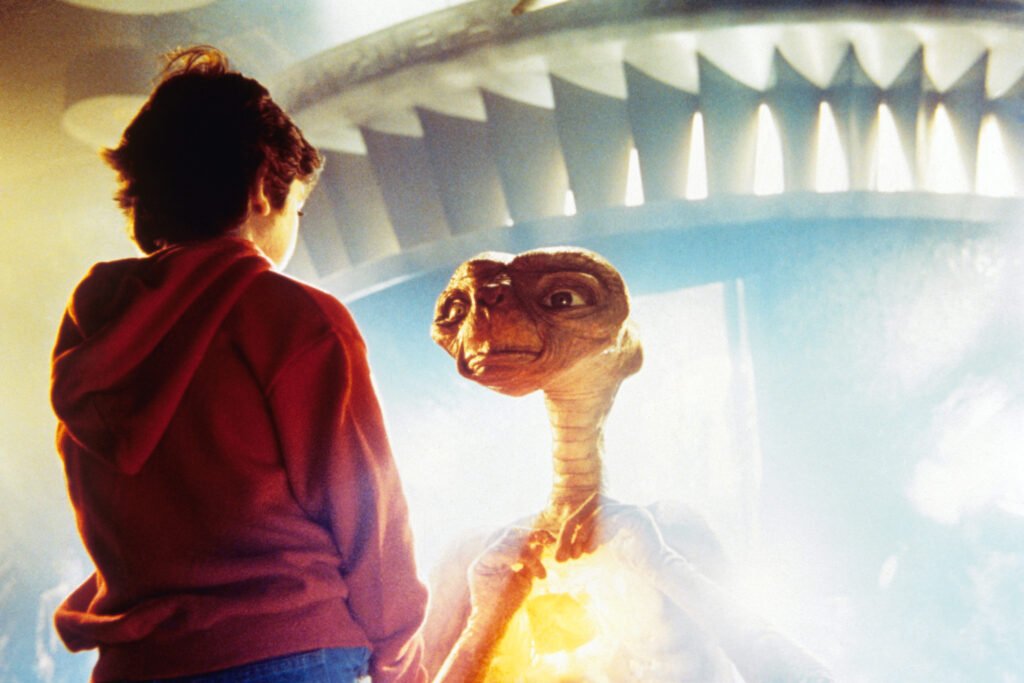
Almost everyone remembers seeing this movie, often very young, often with a strong emotional response. The image of the bike flying across the moon is permanently burned into pop culture. People talk about the magic, the wonder, and the sense of childhood innocence it represents. Yet rewatches are surprisingly rare. The film is quieter and more deliberate than many people remember.
Revisiting it as an adult can feel oddly melancholy. The loneliness, the slow buildup, and the extended scenes of suburban stillness stand out more. It is not a bad experience, just a more subdued one. Many people worry that rewatching it will dull the emotional memory they carry. As a result, it stays safely preserved in nostalgia rather than regular rotation.
3. Top Gun
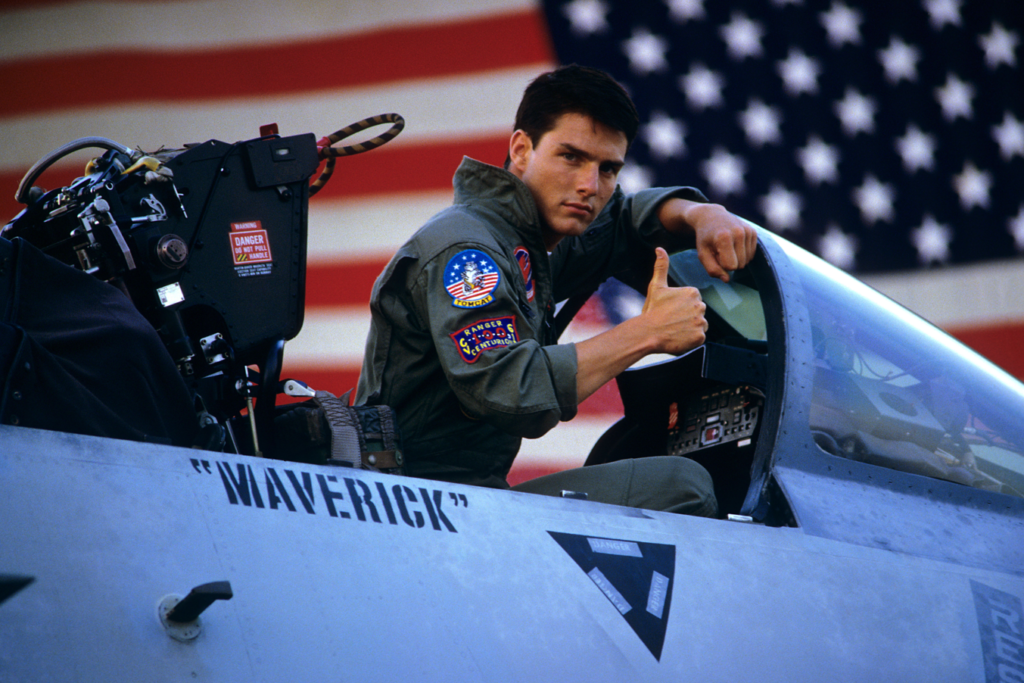
This movie is endlessly referenced for its soundtrack, aviator sunglasses, and iconic volleyball scene. It is shorthand for glossy ’80s excess and military cool. People know the lines, the music cues, and the general vibe without needing a refresher. But watching it start to finish can feel oddly flat now. The story is thin, and the character development is minimal.
On rewatch, the film often feels more like a series of music videos stitched together. The style overwhelms the substance, which is part of why it worked so well at the time. Modern viewers may find themselves distracted by how little actually happens between set pieces. It is fun in memory, but less compelling in practice. That gap keeps it talked about more than played.
4. Ferris Bueller’s Day Off
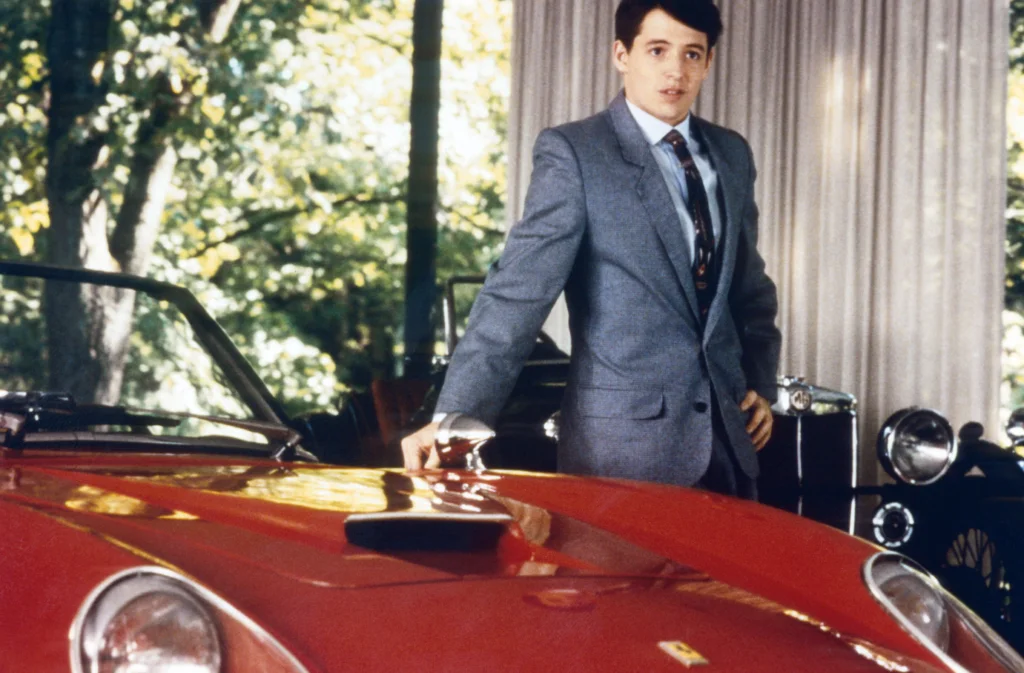
Ferris remains one of the most quoted characters of the decade. The parade scene, the fourth wall breaks, and the carefree skipping of school are endlessly celebrated. People talk about the movie as the ultimate fantasy of teenage freedom. Yet rewatching it can be a strange experience. Ferris can come across as smug rather than charming.
As viewers get older, sympathy often shifts toward Cameron or even the adults. The film still has clever moments, but the tone can feel uneven. What once felt rebellious can now feel slightly mean spirited. Many fans prefer the idea of Ferris more than spending time with him again. The movie lives comfortably as a reference point rather than a go to rewatch.
5. Flashdance
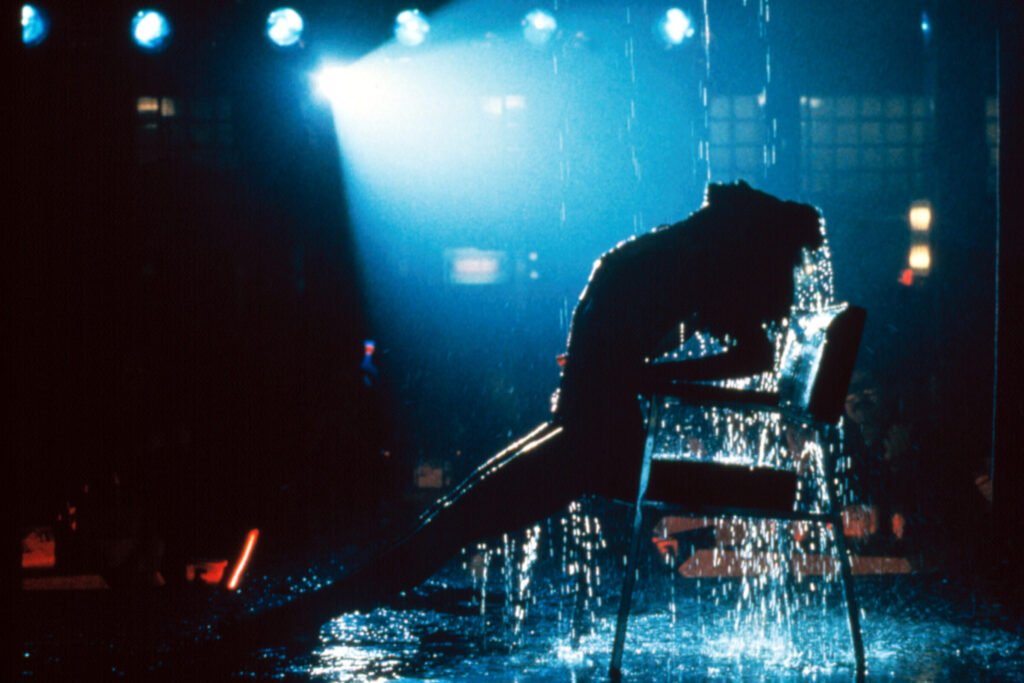
This film is remembered for its music, fashion, and workout montage energy. The imagery is iconic, from leg warmers to dramatic dance rehearsals. People talk about it as a defining style moment of the decade. But the plot is thin, and the pacing can feel disjointed on rewatch. It relies heavily on mood rather than storytelling.
Watching it now, the movie feels more like a collection of visuals than a narrative. The emotional beats are rushed, and the character arcs are barely sketched in. It is enjoyable in short bursts but harder to sustain for a full viewing. Many people prefer to revisit the soundtrack instead. The film itself often stays unwatched.
6. Dirty Dancing
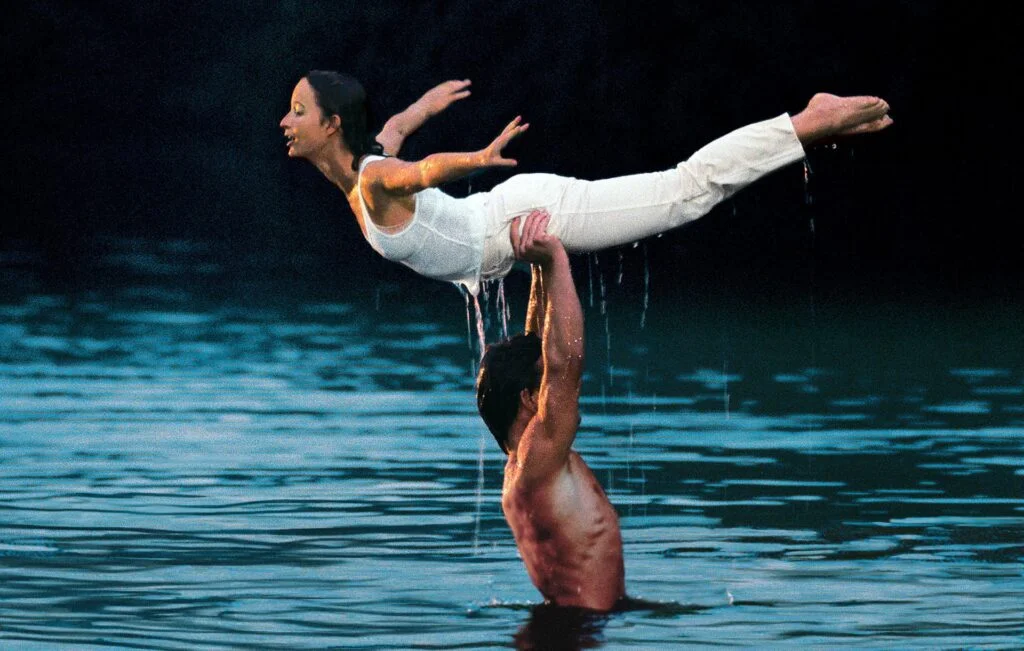
This movie is beloved and endlessly quoted, especially for its final dance and famous lift. People talk about it as a perfect mix of romance, rebellion, and music. It feels like a shared cultural experience. But full rewatches can be more complicated. The pacing is slower than memory suggests, and the social themes are more prominent.
Rewatching it highlights how much of the story is about class, responsibility, and growing up. Those elements can feel heavier than the romantic nostalgia implies. The magic moments still work, but they are spaced far apart. Many fans skip directly to favorite scenes rather than watching the whole film. It is cherished, just not frequently revisited.
7. Footloose
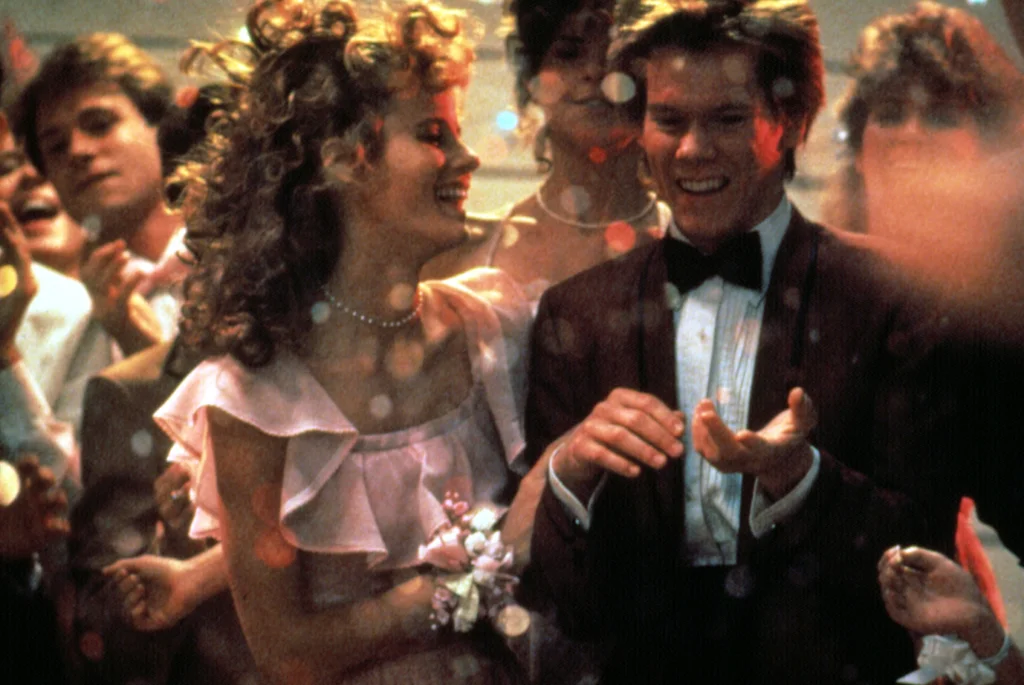
This movie is often remembered as pure energy and defiance. The dancing, the music, and the premise are easy to summarize and celebrate. People talk about it as a symbol of youthful rebellion against restrictive authority. But watching it again can feel uneven. The tone shifts between serious drama and lighthearted dance movie.
Some scenes linger longer than expected, and the conflicts can feel overstated. The emotional stakes sometimes clash with the upbeat soundtrack. While the music remains infectious, the story can drag. Many people remember how it made them feel rather than how it actually unfolds. That memory is often enough.
8. Risky Business
The sliding socks scene is one of the most famous moments of the decade. The movie is often talked about as a rite of passage film. People reference it when discussing ambition, rebellion, or teenage excess. But rewatching it can feel surprisingly bleak. The tone is darker and more cynical than many expect.
The humor is dry, and the story leans into discomfort rather than fun. As viewers age, the consequences feel heavier and less playful. The movie is still interesting, but not comforting. It demands attention rather than offering easy enjoyment. That makes it more discussed than revisited.
9. WarGames

This film is frequently mentioned in conversations about early computer culture and Cold War anxiety. The premise is clever and historically interesting. People remember the tension and the famous question about playing a game. But the movie itself can feel dated on rewatch. The technology moves slowly, and the pacing reflects another era.
While the ideas remain relevant, the execution can feel sluggish. Long stretches are spent watching characters think or wait. Modern viewers used to faster rhythms may struggle to stay engaged. It is admired for its concept more than its rewatch value. Many people keep it as a mental reference rather than a regular viewing.
10. Rain Man
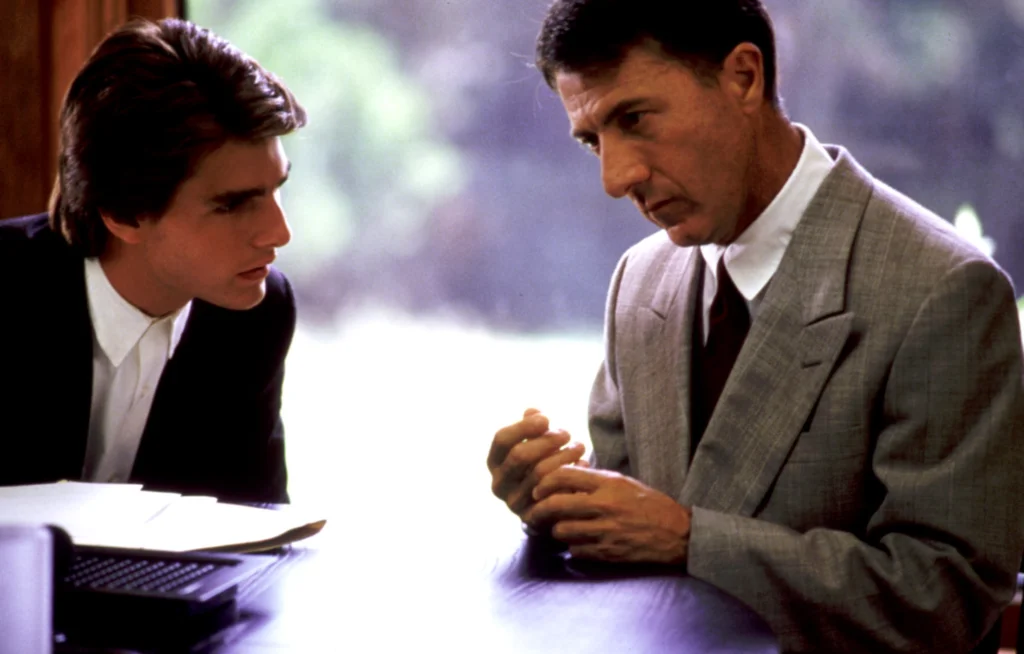
This movie is often cited for its performances and awards history. People talk about its cultural impact and memorable lines. It is considered important and influential. But it is not commonly rewatched casually. The emotional weight and deliberate pacing can make it a demanding experience.
Rewatching it requires emotional energy and focus. The story is introspective and sometimes uncomfortable. While the performances remain strong, the film does not invite repeat viewings for fun. Many people respect it deeply but choose lighter fare when revisiting the ’80s. Its legacy is more academic than nostalgic.
11. Out of Africa
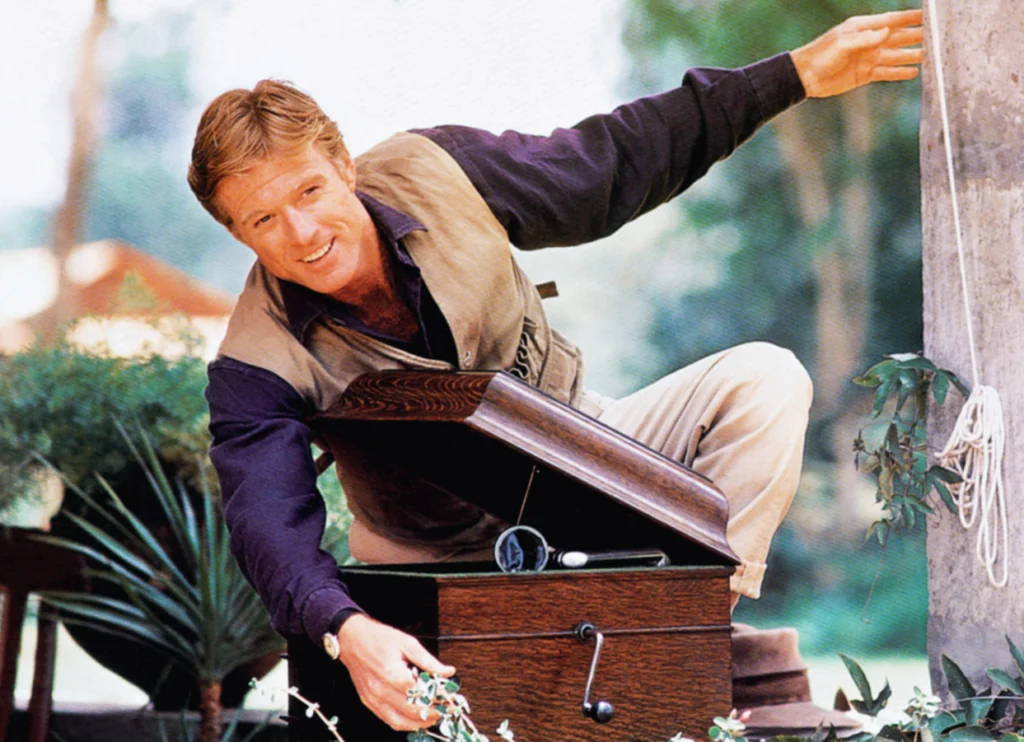
This film is remembered as an epic romance and awards season powerhouse. People talk about its sweeping visuals and prestige. It often comes up in discussions of classic Oscar winners. Yet it is rarely rewatched at home. The runtime alone can be a deterrent.
The pacing is slow and meditative, requiring patience. It rewards attention but does not offer easy engagement. Many viewers remember the feeling of grandeur without recalling specific scenes. It exists more as a symbol of cinematic seriousness than as a comfort rewatch. For most, once is enough.
12. Platoon

This movie is frequently referenced in discussions about war films and realism. It is respected for its intensity and rawness. People talk about its honesty and emotional impact. But rewatching it can be exhausting. The film is relentless and emotionally draining.
It does not offer relief or nostalgia. Instead, it demands confrontation with violence and moral ambiguity. While powerful, it is not something many viewers return to lightly. It remains important, just not inviting. The conversation around it often replaces the experience of rewatching it.
13. Amadeus
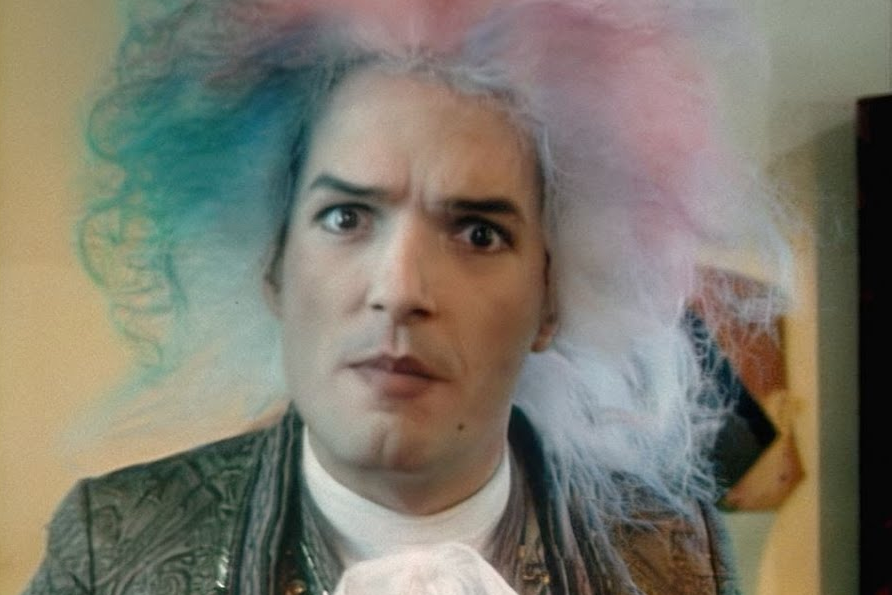
This film is praised for its performances, music, and theatrical storytelling. People talk about it as a masterpiece and reference its grand scenes. It is admired for blending history with drama. But rewatching it requires commitment. The length and intensity can feel overwhelming.
The movie rewards attention but does not lend itself to casual viewing. It asks viewers to settle in and engage deeply. Many people admire it from a distance rather than returning often. Its reputation stays strong even as actual rewatches remain rare. It lives more in conversation than rotation.
14. The Color Purple
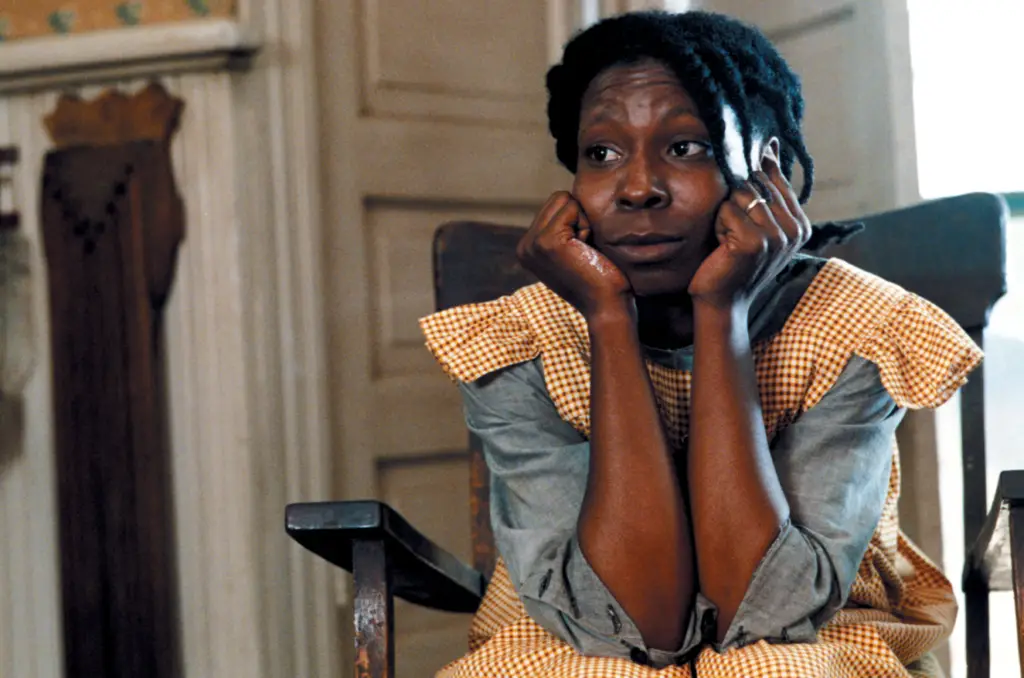
This film is often spoken about with deep respect and emotional reverence. People mention its performances, its themes, and its importance in film history. It is remembered as powerful, moving, and essential. But it is rarely something people casually put on for a rewatch. The story is heavy, painful, and emotionally demanding from start to finish.
Revisiting it requires a certain emotional readiness that many viewers do not have on an average evening. The performances remain extraordinary, but the subject matter leaves little room for comfort. It is not a film people associate with nostalgia or escape. Instead, it lives on through discussion and remembrance. For many, one viewing is enough to leave a lasting impression.