
1. Tuesday Weld
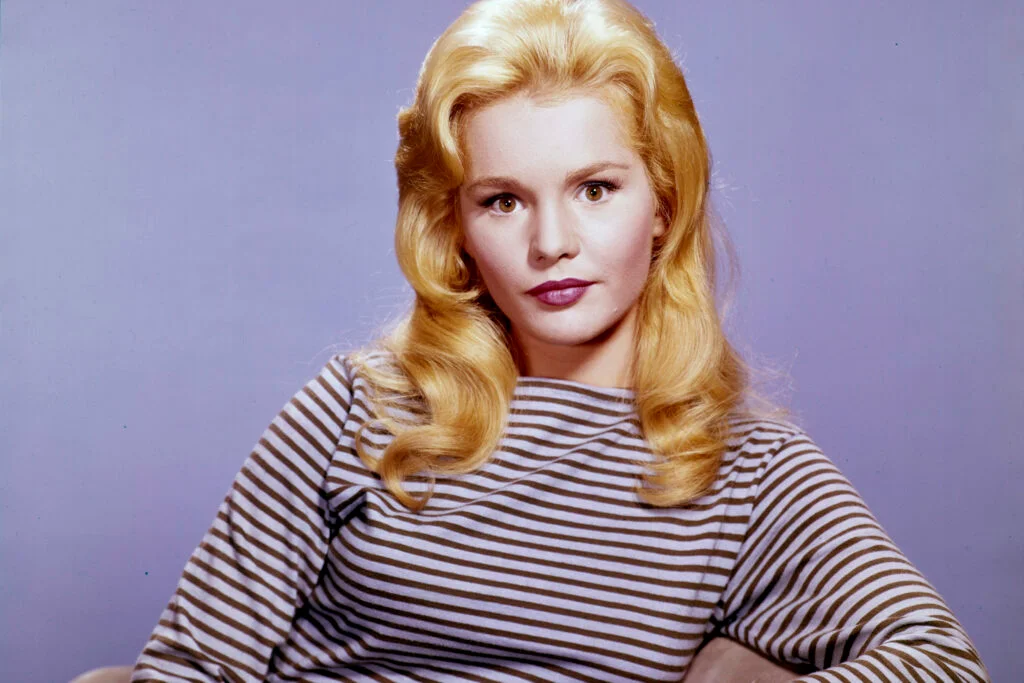
Tuesday Weld seemed to be everywhere on television in the early ’60s, popping up on anthology series and high-profile guest spots that made her instantly recognizable. She had the kind of face viewers remembered even if they could not always place her name. As the decade went on, Weld gradually shifted away from constant TV work and became more selective. That choice made her feel less present, even though she was still working steadily.
By the ’70s, Weld focused more on film and occasional prestige projects rather than weekly television exposure. She never fully disappeared, but she also never chased the spotlight the way many of her contemporaries did. Her career drifted quietly rather than crashing. Over time, that subtle retreat made her feel like a star people remembered more than they actively followed.
2. George Maharis
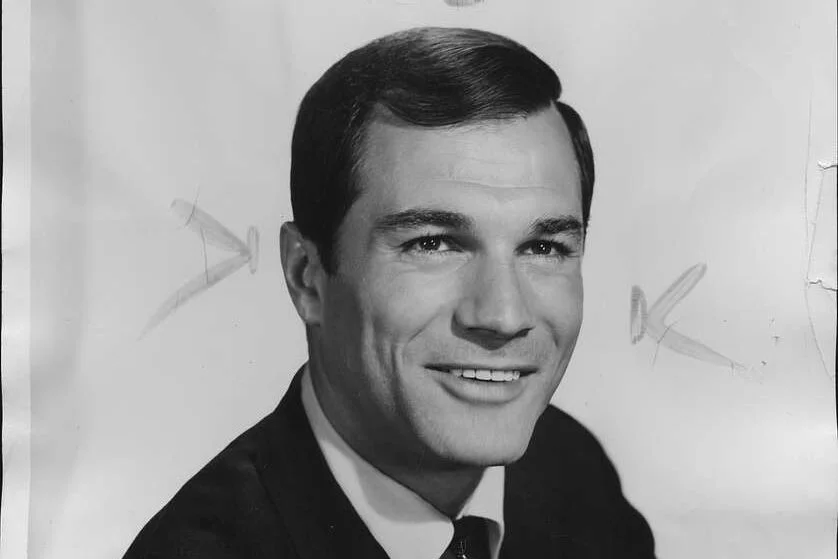
George Maharis became a household name thanks to his breakout role on Route 66. The show made him one of the most recognizable TV stars of the early ’60s almost overnight. Health issues and behind-the-scenes tensions eventually led to his departure, which changed the trajectory of his career. After that, his television presence slowly diminished.
Maharis continued acting, but mostly in guest roles and smaller projects that did not have the same cultural reach. He never regained the level of visibility Route 66 had given him. Fans still remembered him fondly, but newer audiences rarely encountered his work. His fade was gradual and largely shaped by circumstances beyond his control.
3. Beverly Garland
Beverly Garland was one of those faces that felt familiar in nearly every ’60s living room. She appeared in an impressive number of television series, often playing warm, grounded characters audiences trusted immediately. Her steady presence made her feel like part of the era’s TV fabric rather than a flashy star. Over time, that reliability worked against long-term visibility.
As television styles changed in the late ’60s and early ’70s, Garland appeared less frequently. She did not make a dramatic exit, but she also did not reinvent herself for newer trends. Eventually, she stepped away quietly and focused on life outside acting. Her absence felt natural rather than sudden.
4. Edd Byrnes
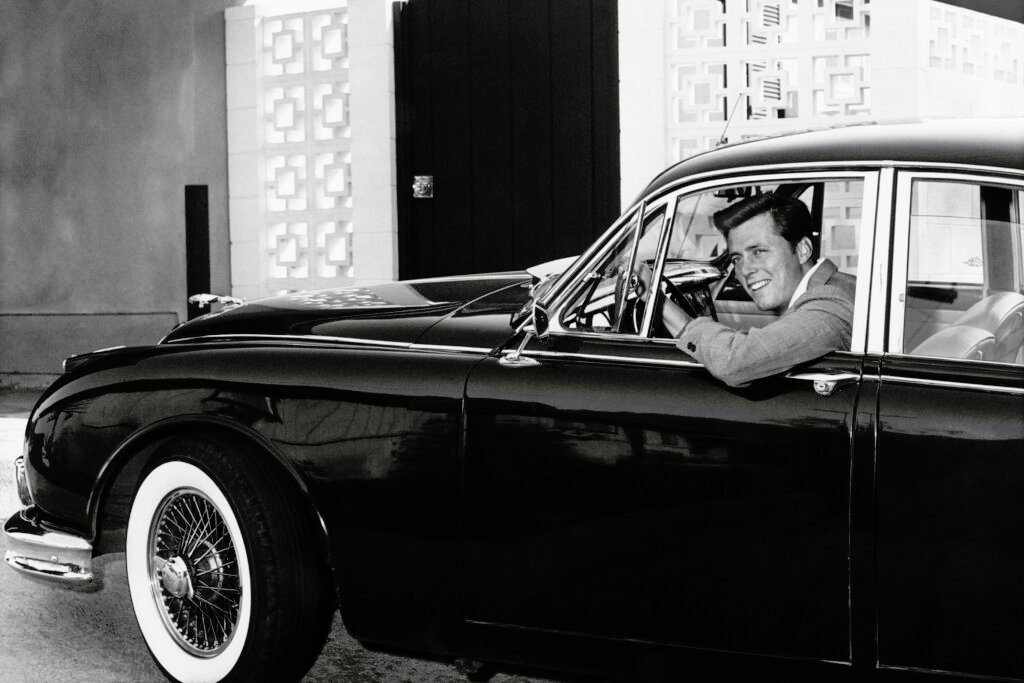
Edd Byrnes became a teen idol almost overnight thanks to his role as Kookie on 77 Sunset Strip. His cool demeanor and casual catchphrases turned him into one of the most recognizable TV faces of the early ’60s. At one point, his popularity rivaled leading men who had been in the business far longer. That level of fame proved difficult to sustain.
As the decade progressed, Byrnes struggled to escape the image that made him famous. Television roles became less frequent, and none matched the cultural impact of Kookie. He continued acting steadily, but mostly in guest spots and smaller projects. Rather than disappearing all at once, his visibility slowly thinned until he was remembered mainly as a symbol of early ’60s TV cool.
5. Tina Louise
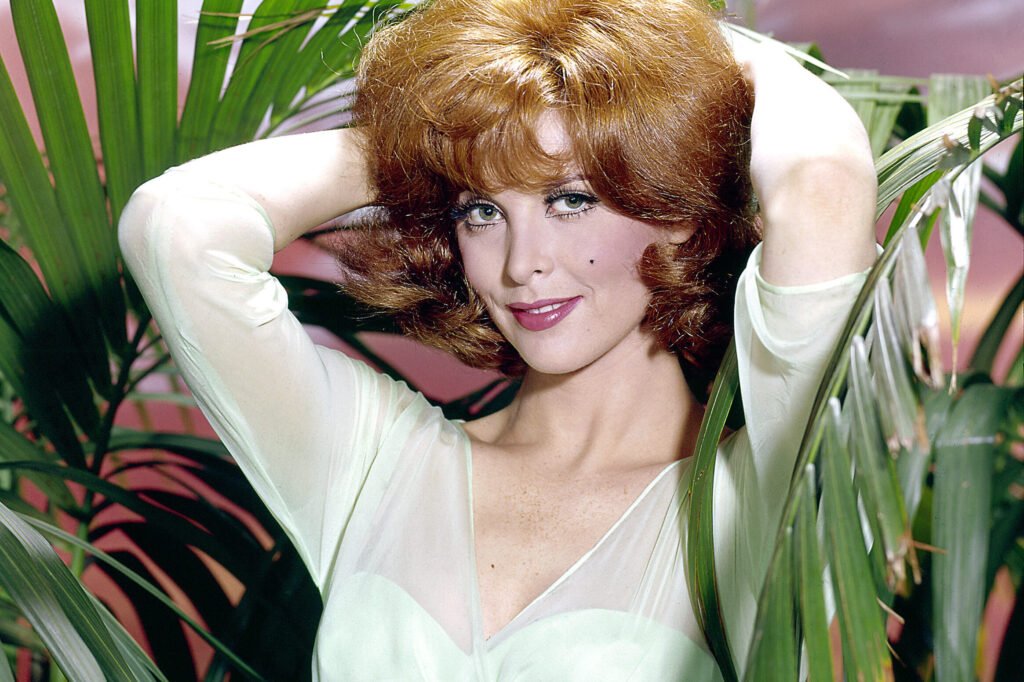
Tina Louise became an icon as Ginger Grant on Gilligan’s Island. The role made her instantly famous, but it also defined her too narrowly. As the show’s popularity lingered in reruns, Louise worked hard to distance herself from the image. That effort slowly pulled her out of the television spotlight.
She continued acting in films, stage productions, and guest roles, but none had the same reach. Over time, her appearances became less frequent and more selective. Rather than capitalizing on nostalgia, she largely avoided it. That choice contributed to her gradual disappearance from everyday pop culture.
6. Richard Long
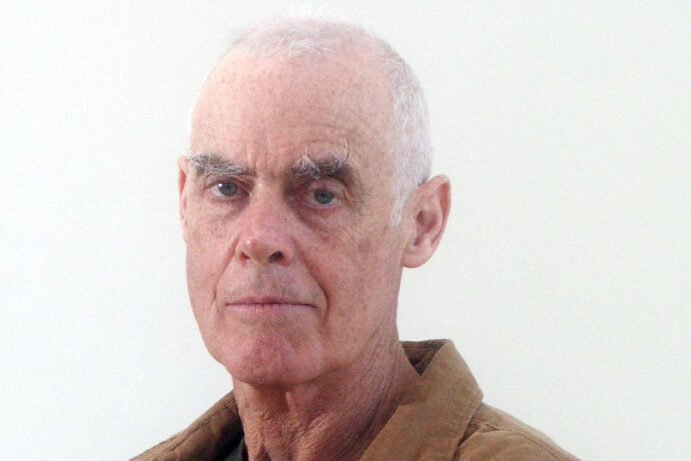
Richard Long was a familiar leading man in shows like The Big Valley and Nanny and the Professor. He had a gentle authority that made him easy to root for. During the ’60s, he felt like a dependable presence rather than a headline-grabbing star. That steady image defined much of his career.
As television tastes shifted, Long appeared less often in major roles. Health issues also limited his ability to take on long-term projects. He continued working, but mostly outside the spotlight. His fade felt quiet and unremarkable, which made it easy to overlook how popular he once was.
7. Yvonne De Carlo
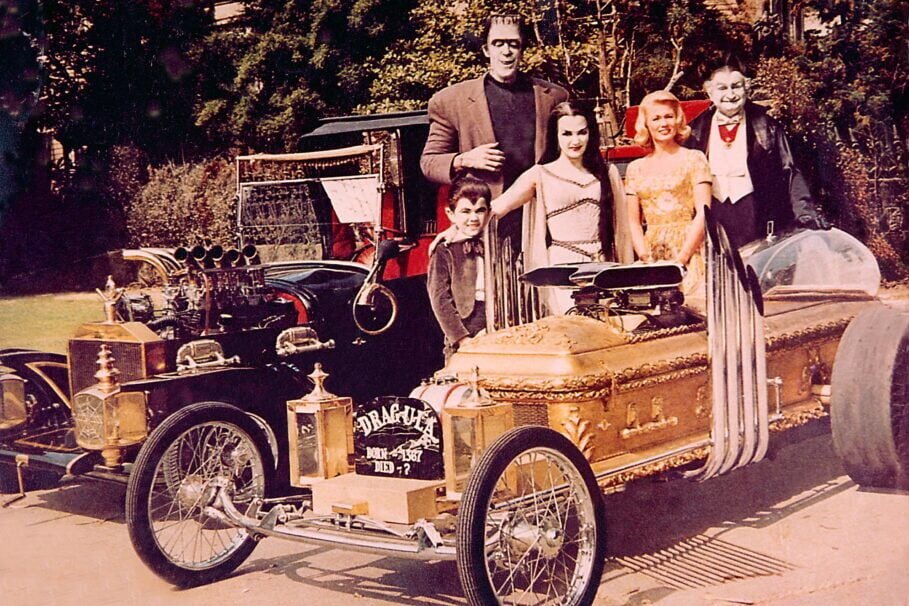
Yvonne De Carlo reinvented herself for television with her role as Lily Munster on The Munsters. The show made her a new kind of star for the ’60s generation. Despite the show’s enduring popularity, it typecast her heavily. After it ended, finding equally visible roles proved difficult.
She continued performing on stage and in occasional TV projects, but the mainstream attention faded. De Carlo remained active and respected, yet rarely front and center. Her career did not end, it simply moved into quieter spaces. Over time, nostalgia kept the character alive more than the performer.
8. David Hedison
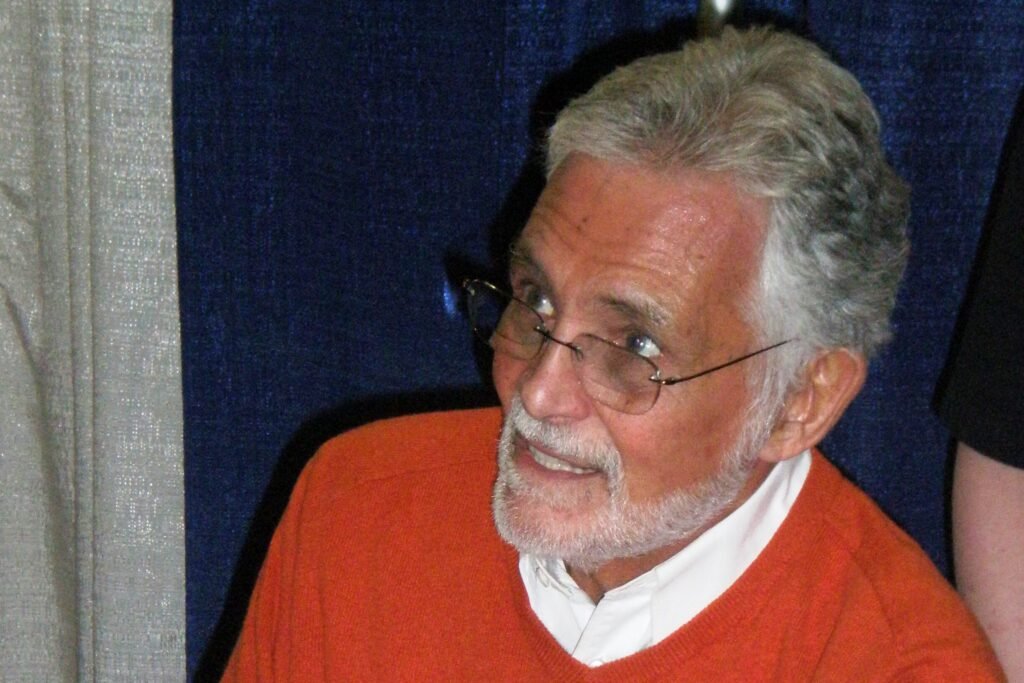
David Hedison starred in Voyage to the Bottom of the Sea, a series that gave him strong name recognition during the mid-’60s. His calm, intelligent screen presence fit the era’s science fiction boom perfectly. When the show ended, his television visibility declined steadily. He never quite found another role with the same cultural impact.
Hedison continued acting in films, guest roles, and later notable movie appearances. However, those projects did not keep him in weekly rotation with audiences. His career became one people rediscovered rather than followed. The shift happened gradually and without much notice.
9. Suzanne Pleshette
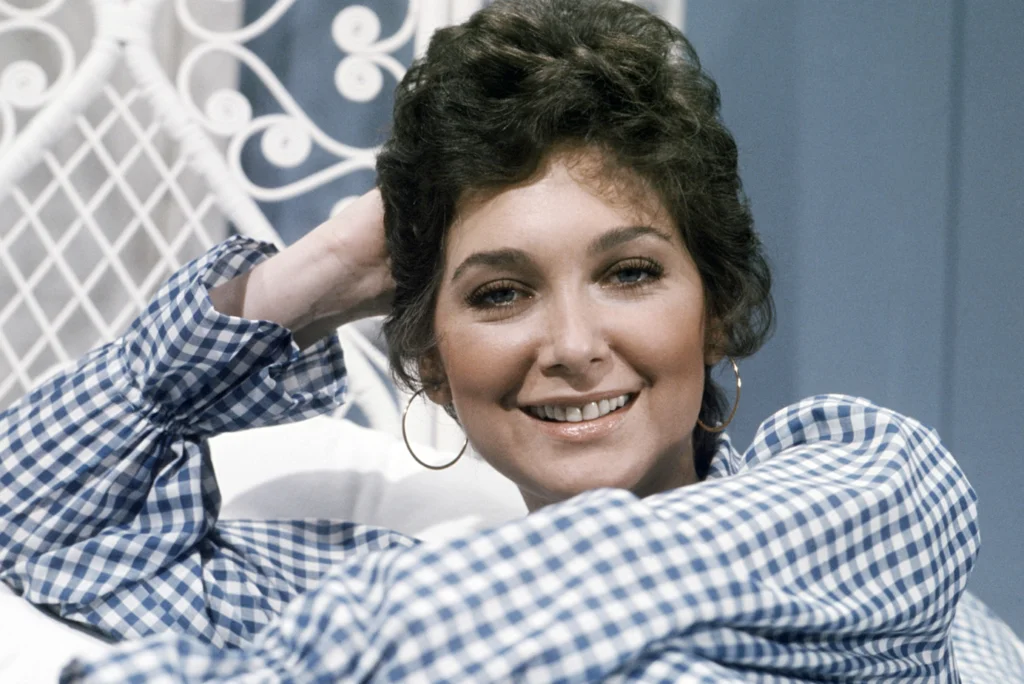
Suzanne Pleshette was everywhere in the ’60s, from dramatic roles to light comedy appearances. Her voice and sharp delivery made her instantly recognizable. While she remained successful, her constant presence slowly gave way to more selective projects. The era of seeing her everywhere quietly ended.
Pleshette never truly vanished, but she stepped back from nonstop television exposure. Later generations often associate her more with later roles than her ’60s output. That shift blurred her earlier dominance. Her fade was less about disappearance and more about evolution.
10. Barry Morse
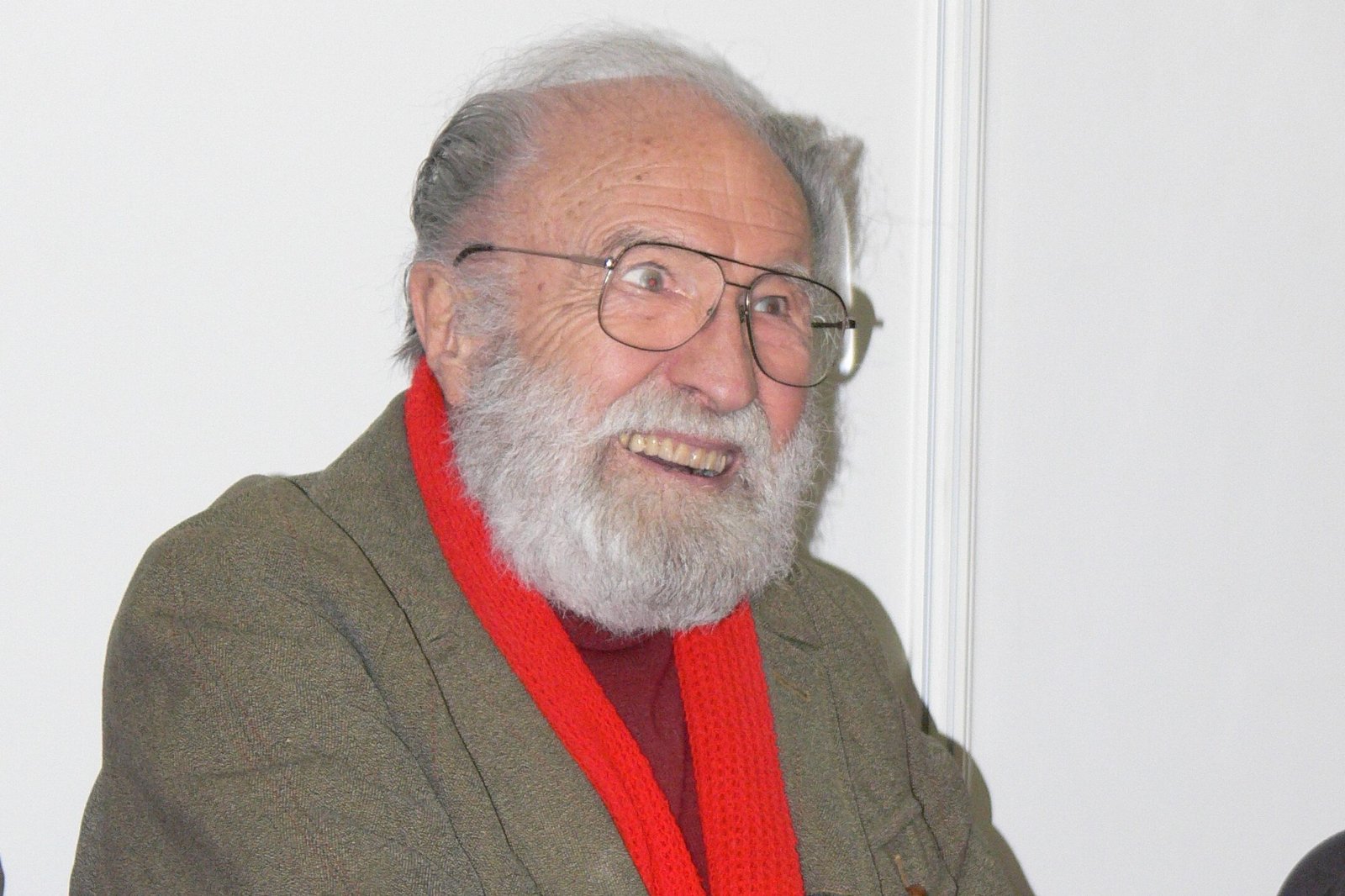
Barry Morse was a standout villain and authority figure on The Fugitive. His intense performances made him memorable even when he was not the star. During the show’s run, he was a familiar face in millions of homes. After it ended, that level of exposure diminished quickly.
Morse continued working, particularly in theater and international productions. His television appearances became more sporadic and less high-profile. Without a recurring role anchoring him, he slowly drifted out of public awareness. His legacy remains strong among fans of classic TV.
11. Diane McBain

Diane McBain gained recognition through Surfside 6 and numerous guest appearances across ’60s television. She had the polished look studios loved during that era. As youth-driven casting trends shifted, her opportunities became less frequent. The change happened quietly rather than dramatically.
McBain continued acting into the ’70s, but without the same visibility. She later focused on writing and personal pursuits. Her absence from television felt gradual and intentional. Over time, she became more remembered than seen.
12. Robert Fuller
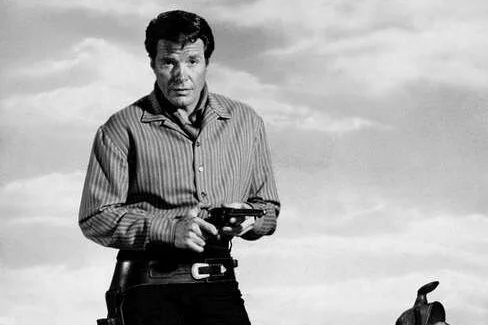
Robert Fuller starred in Laramie and later Wagon Train, making him a familiar western hero of the ’60s. He had a rugged appeal that suited the genre perfectly. When westerns declined in popularity, so did his television presence. The shift happened across a few short years.
Fuller chose to step away from acting rather than chase new trends. He found success outside the entertainment industry, which further removed him from public view. Fans still recognized him, but mostly through reruns. His fade felt calm and self-directed.
13. Paul Petersen
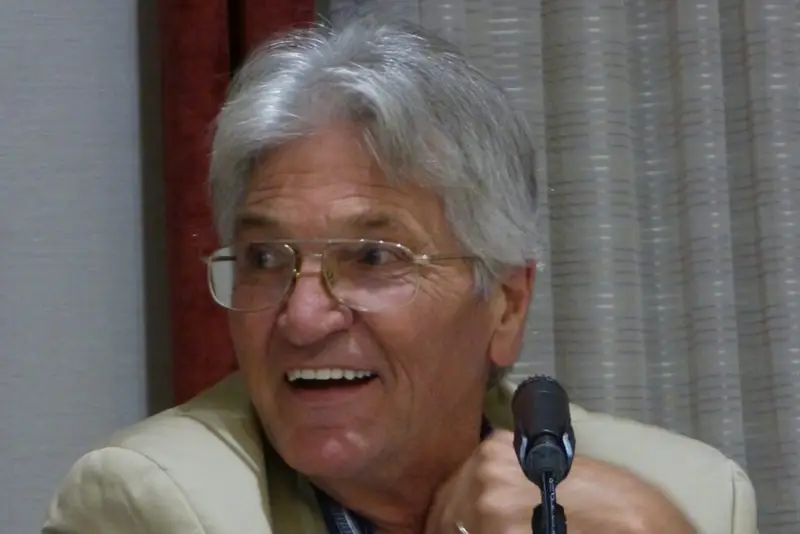
Paul Petersen grew up in front of America as Jeff Stone on The Donna Reed Show. During the early ’60s, he was one of the most recognizable child actors on television. Viewers watched him mature on screen, which created a strong emotional connection. As the show ended and Petersen aged out of child roles, that familiarity quietly faded.
Unlike many former child stars, Petersen chose not to chase constant visibility as an adult actor. He appeared in occasional projects but gradually stepped away from mainstream television. Over time, he redirected his energy toward advocacy work and supporting other former child performers. His exit from the spotlight was deliberate and steady. For many fans, he remains frozen in memory as part of one beloved family sitcom rather than a lifelong TV presence.