
1. Kids Riding in the Back of Station Wagons
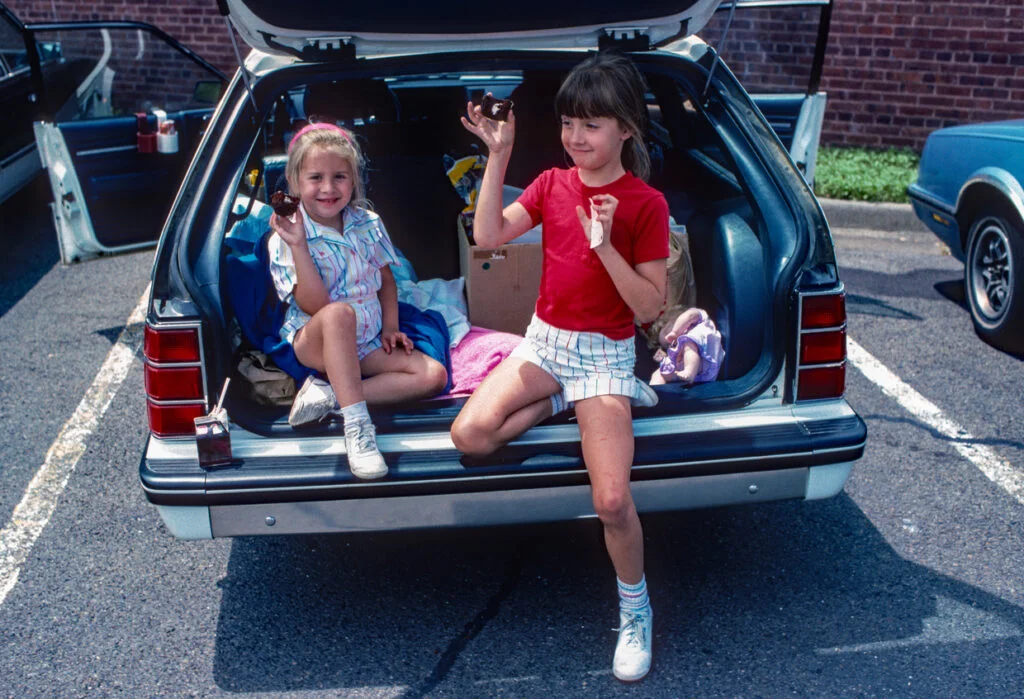
There were plenty of ’70s commercials that casually showed kids bouncing around in the back of a station wagon, sometimes facing backward and sometimes sprawled across the cargo area. No one wore seatbelts, and no one in the ad seemed even slightly concerned. The focus was always on the roomy interior or how many groceries the car could haul. Children were treated like flexible accessories rather than fragile humans. Parents smiled proudly while kids waved at passing cars through the rear window. It was meant to look carefree and fun. Today it mostly looks terrifying.
What stands out now is how normalized that lack of restraint was. The commercial tone suggested trust in common sense rather than safety rules. Parents were portrayed as relaxed and confident, not anxious or hovering. The idea that comfort mattered more than protection was never questioned. It reflected a time when risk was quietly accepted. Modern viewers can’t help but wince.
2. Cigarette Ads Featuring Parents Smoking Around Kids

Some ’70s commercials showed parents lighting up in the living room while kids played nearby. The smoke drifted through the room as if it were just another household detail. No one opened a window or moved the kids away. The ads framed smoking as glamorous, calming, or even sophisticated. Parenting was shown as compatible with constant cigarette use. It felt normal at the time.
Watching now, it highlights how little concern there was for secondhand smoke. Parents were never portrayed as conflicted or cautious. Smoking wasn’t hidden or treated as a vice. It was simply part of adult life. The kids didn’t comment or react. That silence says a lot about the era’s assumptions.
3. Kids Left Alone While Parents Ran Errands

Many commercials showed parents casually leaving kids at home while they dashed out to shop. The child might be watching TV or making a sandwich alone. There was no mention of babysitters or supervision. The tone suggested this was responsible and practical. Independence was treated as a given.
What feels striking now is how young those kids often looked. Parents trusted them to manage themselves without a second thought. There was no fear-based messaging. The ads implied children were capable by default. Today that level of trust feels almost radical.
4. Medicine Ads Where Kids Self-Administered

Cold and cough medicine commercials sometimes showed kids pouring their own doses. Parents hovered nearby but didn’t intervene. The child was trusted to read labels or measure syrup. It was framed as empowering rather than risky. Everyone smiled approvingly.
Looking back, it feels wildly hands-off. There was little emphasis on dosage accuracy. Parents were more cheerleaders than gatekeepers. Responsibility was shared in ways that now seem unsafe. It reflected a belief that kids learned by doing, even with medicine.
5. Kids Playing Unsupervised Near Traffic

Some ’70s ads showed kids riding bikes or playing ball in the street while cars passed. Parents were nowhere in sight. The neighborhood itself was treated as the safety net. The message was freedom and fun. Danger was never acknowledged.
What’s different now is how invisible adult supervision was. Parents trusted drivers to be careful and kids to be alert. The risk was accepted as part of growing up. Today those scenes feel like public service announcements for what not to do.
6. Lawn Tool Ads Featuring Kids Nearby

Lawnmower and power tool commercials sometimes included kids standing close while a parent worked. No protective gear was shown. Children were curious observers, not shielded by distance. It was meant to show family life in action.
Now it reads as careless. Parents weren’t shown as safety monitors. They were focused on productivity, not potential injury. The kids’ presence was casual and unquestioned. It reflected a looser approach to household hazards.
7. Fast Food Ads Where Kids Roamed Freely
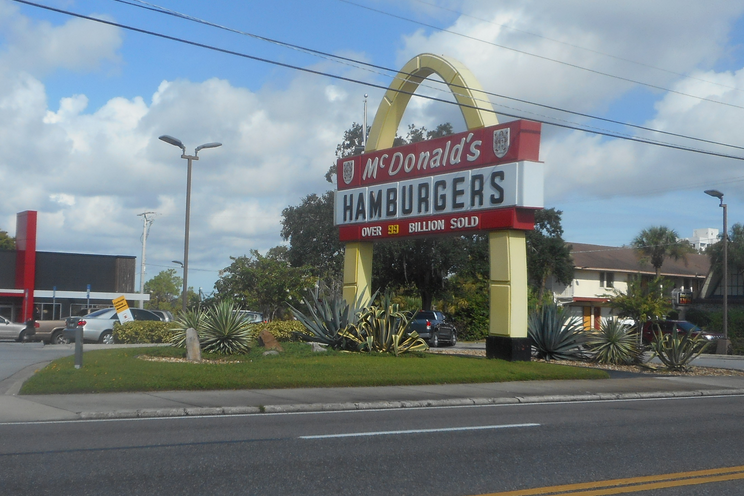
Fast food commercials often showed kids wandering the restaurant alone while parents ordered. Children carried trays, spilled drinks, and explored freely. Parents barely looked up. It was framed as normal family chaos.
What feels different now is the lack of structure. Kids weren’t constantly corrected or supervised. Parents seemed comfortable letting small mishaps happen. The ads celebrated freedom over control. That balance has shifted dramatically.
8. Ads Showing Kids Using Appliances

Some commercials showed kids using toasters, ovens, or blenders with minimal oversight. Parents stood back proudly. The tone suggested competence and maturity. Accidents were never implied.
Today those scenes feel nerve-wracking. Parents were portrayed as teachers, not protectors. Kids were expected to learn through hands-on experience. Safety warnings were absent. It reflected confidence in children that feels rare now.
9. TV Ads Where Kids Stayed Up Late
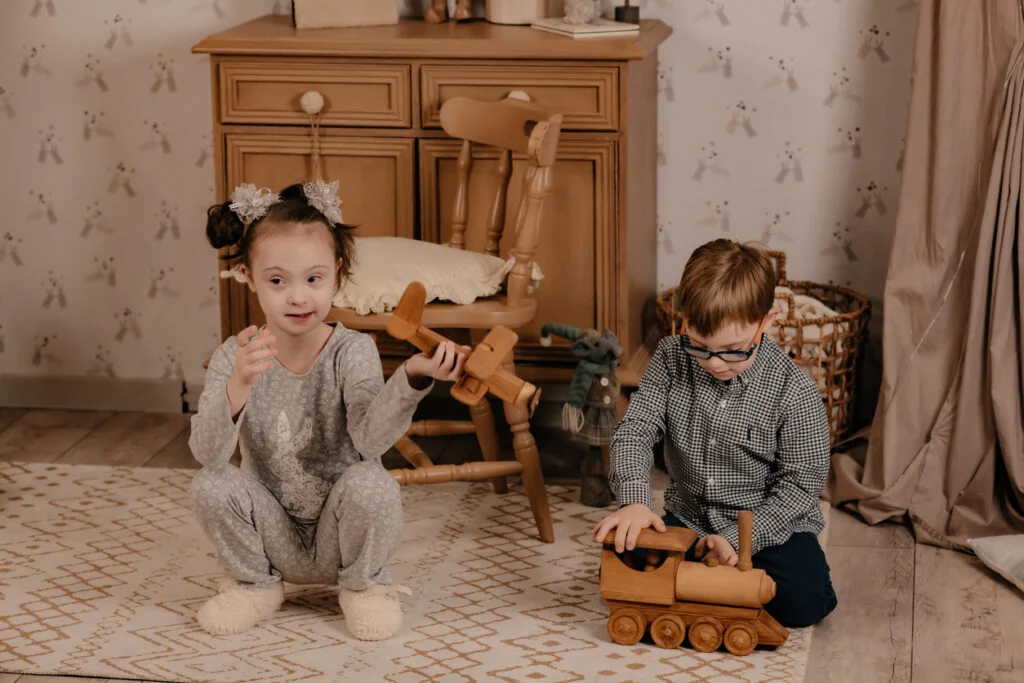
Many commercials showed kids awake well past bedtime, watching TV with adults. There was no concern about sleep schedules. Late-night viewing was treated as bonding time. Everyone laughed together.
What stands out now is the absence of routine anxiety. Parents weren’t enforcing strict schedules. Flexibility was normal. Childhood felt less managed. That looseness feels almost nostalgic.
10. Ads Featuring Kids Hitching Rides with Neighbors
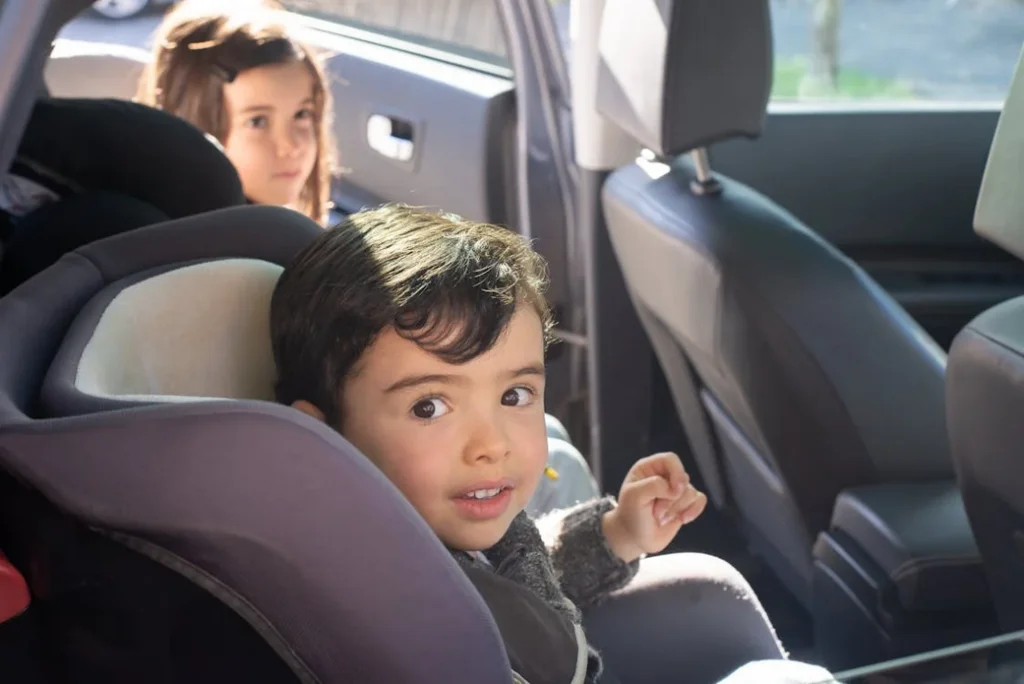
Some commercials casually showed kids hopping into a neighbor’s car without discussion. Parents waved from the porch. No background checks were implied. Trust was automatic.
Watching now, it feels shockingly casual. Parenting relied heavily on community trust. Boundaries were looser and rarely verbalized. The ads assumed safety through familiarity. That assumption no longer holds the same weight.
11. Product Ads Encouraging Kids to Wander Stores Alone

Department store ads sometimes showed kids exploring aisles solo. Parents shopped elsewhere. The child was expected to behave and return on their own. It was framed as independence training.
Today it looks like a liability nightmare. Parents trusted both their kids and strangers around them. There was little fear of getting lost. The ads reflected confidence in public spaces. That confidence has faded.
12. Commercials That Treated Risk as Character-Building

Across many ’70s ads, kids were shown climbing high, falling down, and brushing it off. Parents rarely intervened. Scrapes were part of the experience. Growth came from trial and error.
What’s clear now is how normalized that mindset was. Parenting focused more on resilience than prevention. Fear wasn’t central to decision-making. The commercials didn’t question that approach. They simply assumed it worked.