
1. Dustin Hoffman in The Graduate (1967)
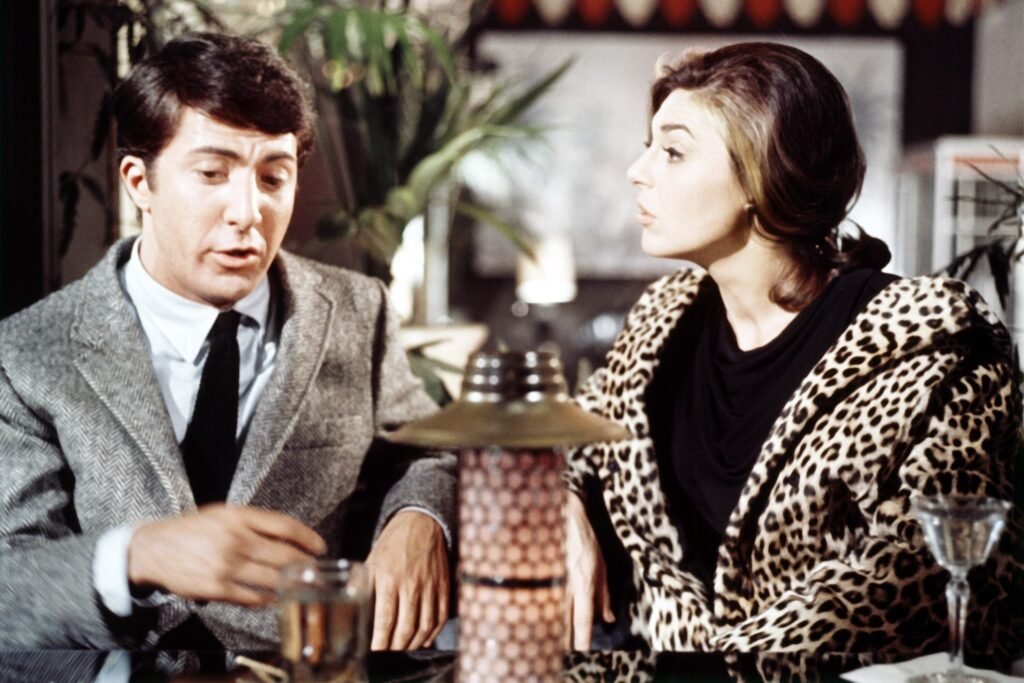
When The Graduate hit theaters in 1967, most audiences had no idea who Dustin Hoffman was. He did not look like a traditional leading man, and that was exactly the point. As Benjamin Braddock, Hoffman captured that specific, uneasy drift of post-college confusion in a way that felt uncomfortably real. He was awkward, hesitant, and often painfully honest, which made him impossible to ignore.
Almost overnight, Hoffman became the face of a generation that did not quite know what it was supposed to do next. The film’s success pushed him from relative obscurity into the center of Hollywood’s shifting landscape. Suddenly, he was not just working, he was defining a new kind of leading actor. It marked the beginning of a career that would go on to reshape American cinema in the ’70s and beyond.
2. Barbra Streisand in Funny Girl (1968)
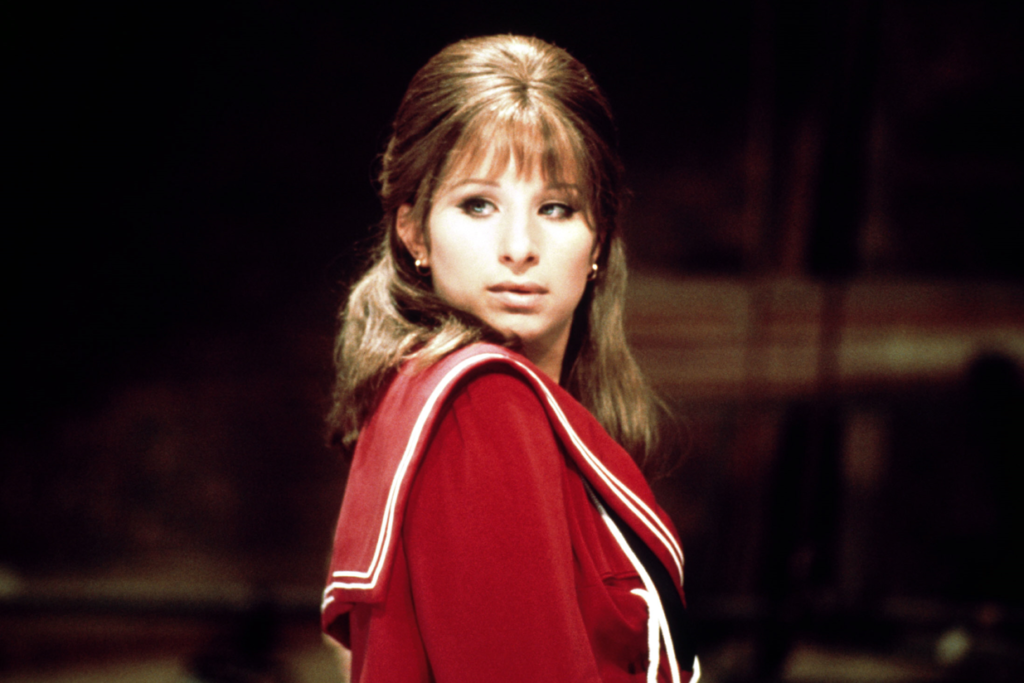
Before Funny Girl, Barbra Streisand was known on Broadway, but film audiences were meeting her for the first time. Playing Fanny Brice, Streisand brought both powerhouse vocals and sharp comedic timing to the screen. She was not molded into a typical Hollywood star, and that refusal to conform became her strength. When she sang “People,” it felt like she was staking a permanent claim in movie history.
The performance earned her an Academy Award for Best Actress, tying with Katharine Hepburn, which is not a small feat for a film debut. Streisand went from stage sensation to international screen star in a single release. The role established her as someone who could carry a film entirely on her own terms. It also signaled that audiences were ready for a different kind of leading lady.
3. Jon Voight in Midnight Cowboy (1969)
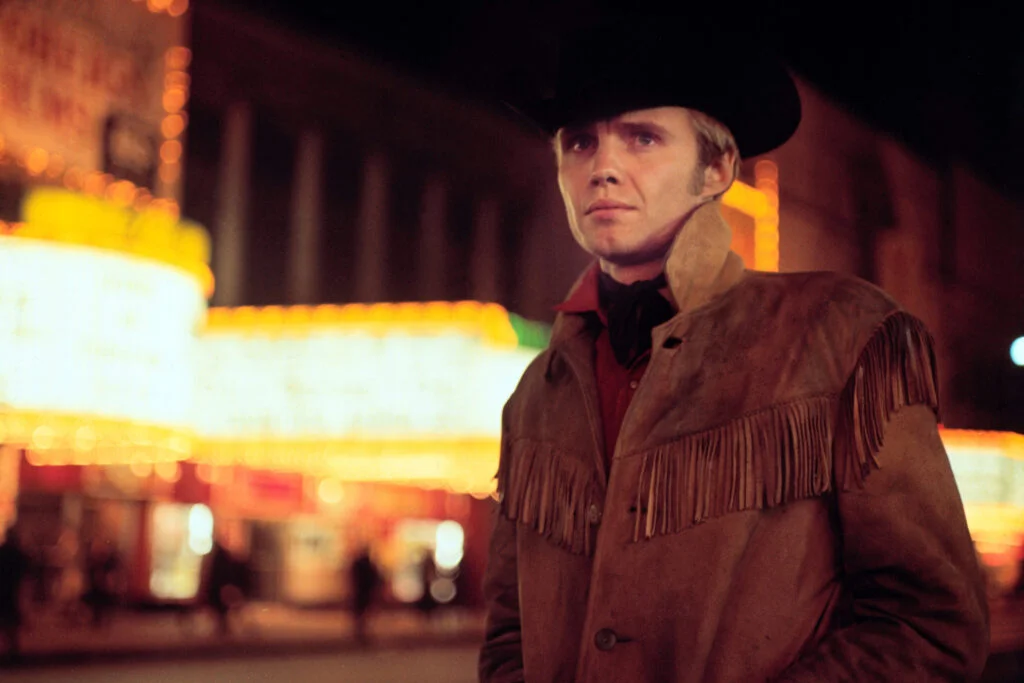
Jon Voight was not yet a household name when Midnight Cowboy premiered. As Joe Buck, the naïve Texan hustler navigating New York City, Voight balanced vulnerability with stubborn optimism. The performance could have slipped into parody, but instead it felt heartbreakingly sincere. His chemistry with Dustin Hoffman’s Ratso Rizzo gave the film its emotional weight.
The movie became the only X-rated film to win the Academy Award for Best Picture. Voight received his first Oscar nomination and was suddenly everywhere in casting conversations. That one role shifted him from aspiring actor to serious dramatic presence. It marked the beginning of a career that would span decades and genres.
4. Julie Andrews in Mary Poppins (1964)
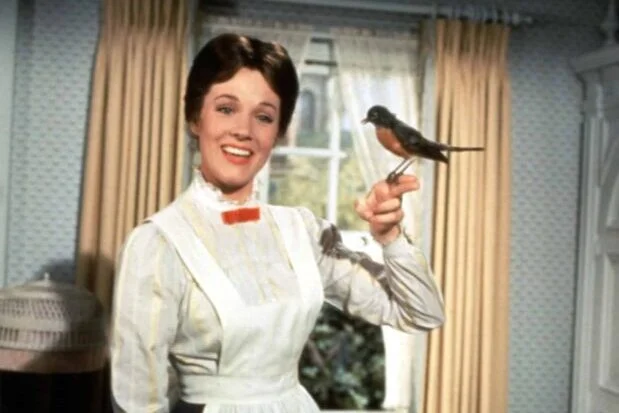
Julie Andrews had stage experience, but Mary Poppins was her major film breakthrough. As the practically perfect nanny, Andrews combined warmth, discipline, and effortless musical talent. She made the character feel magical without ever losing a sense of grounded humanity. Children adored her, and adults respected her poise.
The role earned Andrews the Academy Award for Best Actress. It also established her as a bankable film star in a single leap. From that point forward, she was associated with elegance and musical excellence. One umbrella and a handful of songs changed the trajectory of her career overnight.
5. Sidney Poitier in Lilies of the Field (1963)
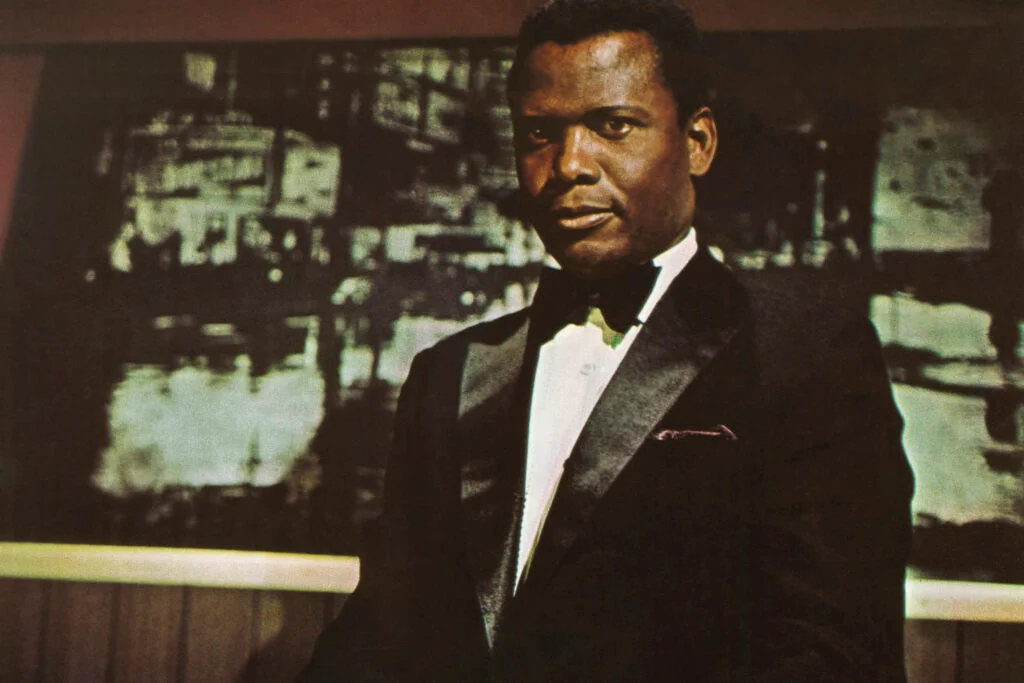
Sidney Poitier had been working steadily, but Lilies of the Field altered his career permanently. As Homer Smith, a handyman helping a group of nuns build a chapel, Poitier delivered a performance full of quiet strength and dignity. He carried the film with restraint rather than theatrics. The simplicity of the role made it even more powerful.
Poitier became the first Black actor to win the Academy Award for Best Actor. That win was historic and resonated far beyond Hollywood. It expanded what audiences believed was possible for leading roles. His overnight recognition was also a cultural milestone.
6. Jane Fonda in Barbarella (1968)
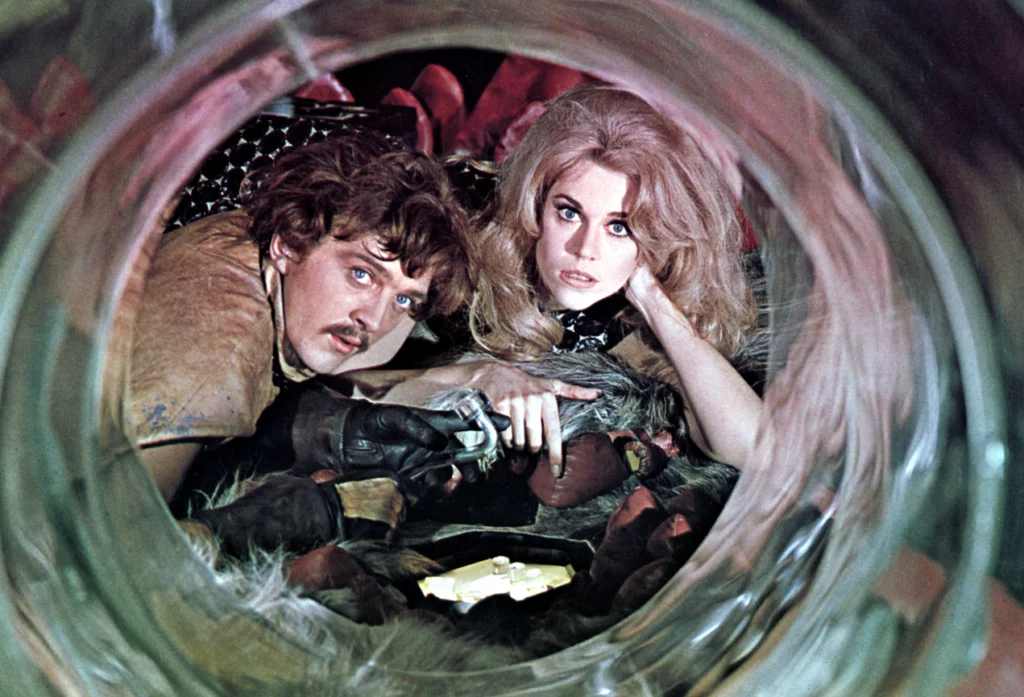
Jane Fonda had appeared in films earlier in the decade, but Barbarella shifted her public image dramatically. The campy sci-fi adventure showcased Fonda in a way that was playful, bold, and unapologetically modern. She embraced the absurdity of the role rather than resisting it. The performance made her visually iconic almost immediately.
While critics were divided, audiences could not look away. Fonda became a symbol of late ’60s pop culture experimentation. The film elevated her name recognition to a new level internationally. It paved the way for the more serious, award-winning roles she would later take on.
7. George Harrison on The Ed Sullivan Show (1964)
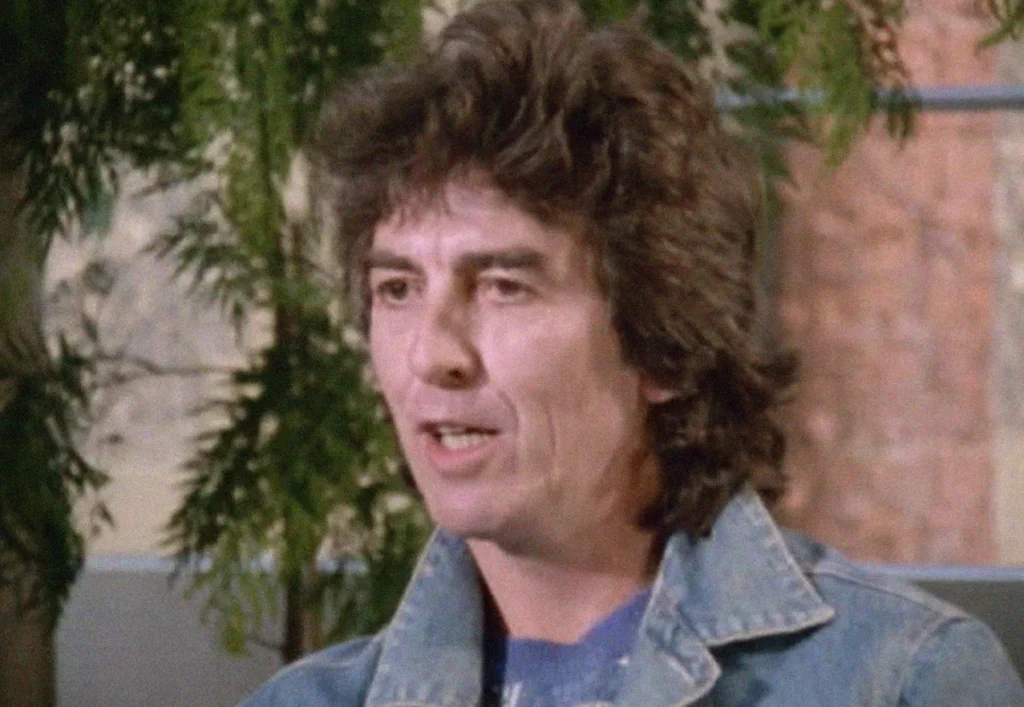
Before February 1964, George Harrison was largely unknown to American audiences. Then The Beatles appeared on The Ed Sullivan Show, and everything changed. Harrison, the quiet lead guitarist, suddenly had fans screaming his name across the country. His reserved demeanor made him intriguing in contrast to the others.
That televised performance turned the band into a national obsession almost overnight. Harrison, previously the “quiet one,” became a recognizable face in his own right. The moment launched the British Invasion into full force. A single broadcast reshaped pop culture history.
8. Elizabeth Taylor in Who’s Afraid of Virginia Woolf? (1966)
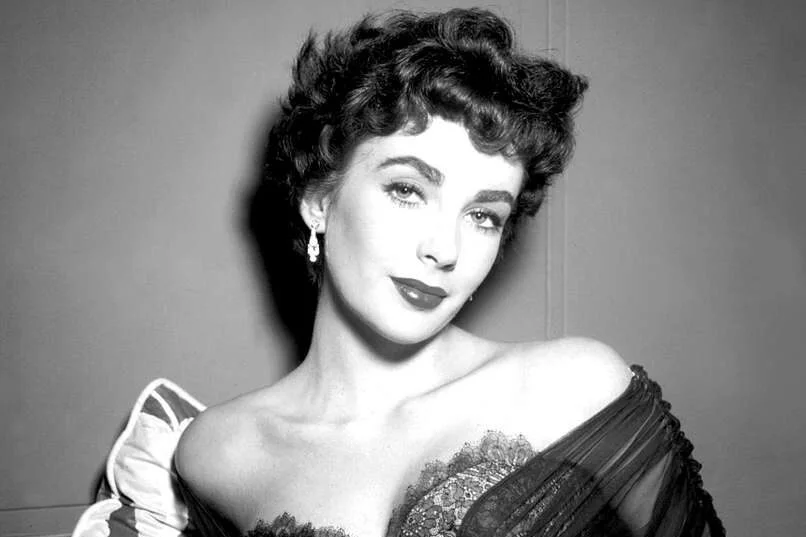
Elizabeth Taylor had been famous for years, but Who’s Afraid of Virginia Woolf? transformed her reputation as an actress. Playing Martha, Taylor shed glamour in favor of raw, emotionally volatile realism. The performance was intense, messy, and impossible to dismiss. It showed a depth that surprised even longtime fans.
She won the Academy Award for Best Actress for the role. The film redefined her as a serious dramatic performer rather than just a star. It elevated her standing within the industry in a new way. That performance marked a turning point in how she was perceived.
9. Robert Redford in Butch Cassidy and the Sundance Kid (1969)
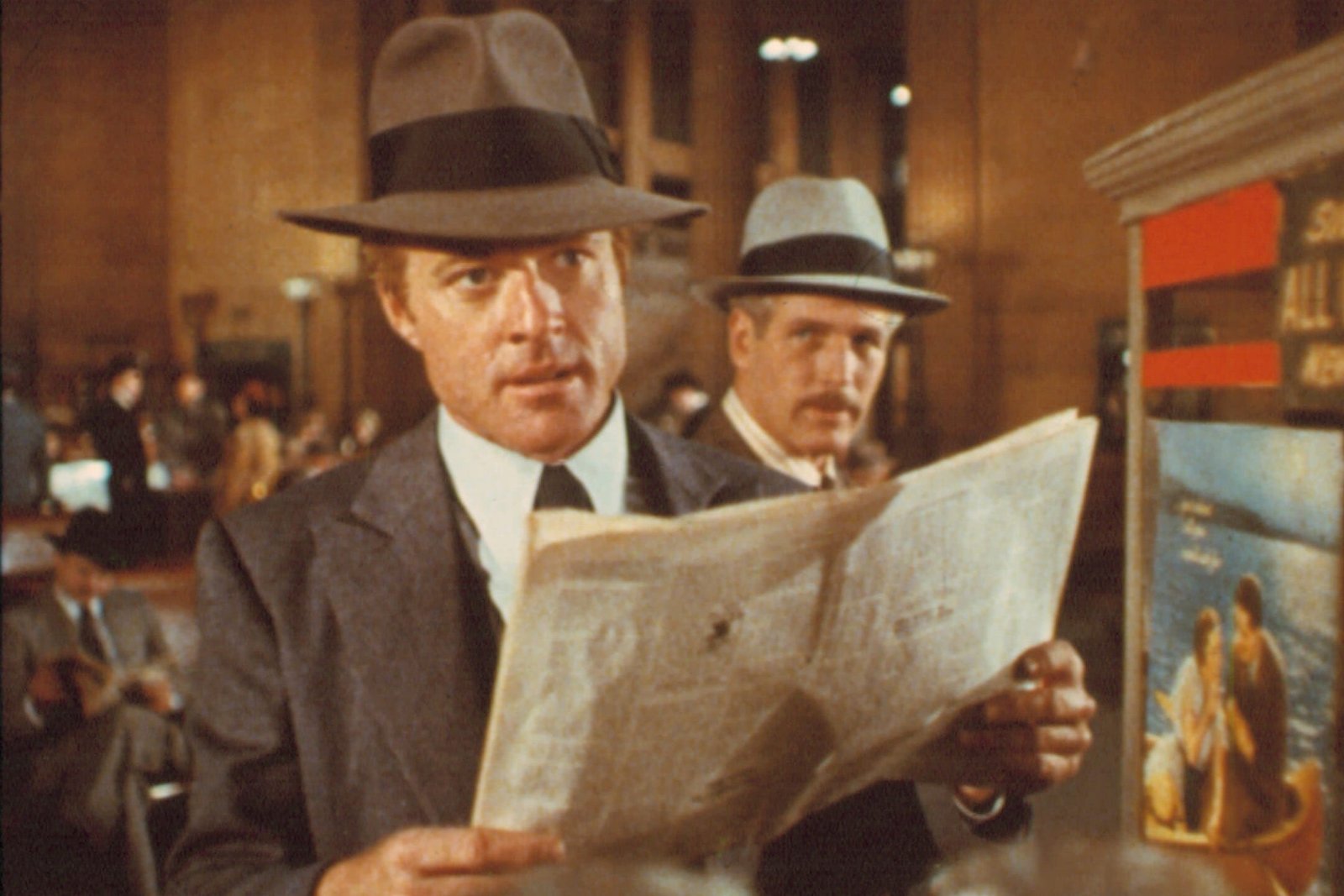
Robert Redford had worked in television and smaller film roles, but Butch Cassidy and the Sundance Kid made him a star. As the charming and capable Sundance Kid, Redford balanced cool confidence with understated humor. His on-screen partnership with Paul Newman felt effortless. Audiences immediately took notice.
The film was a massive commercial success. Redford’s appeal as a leading man solidified almost overnight. From that point on, he was positioned at the forefront of the New Hollywood movement. One Western redefined his trajectory.
10. Diana Ross in Lady Sings the Blues (1972 production roots in late ’60s fame)
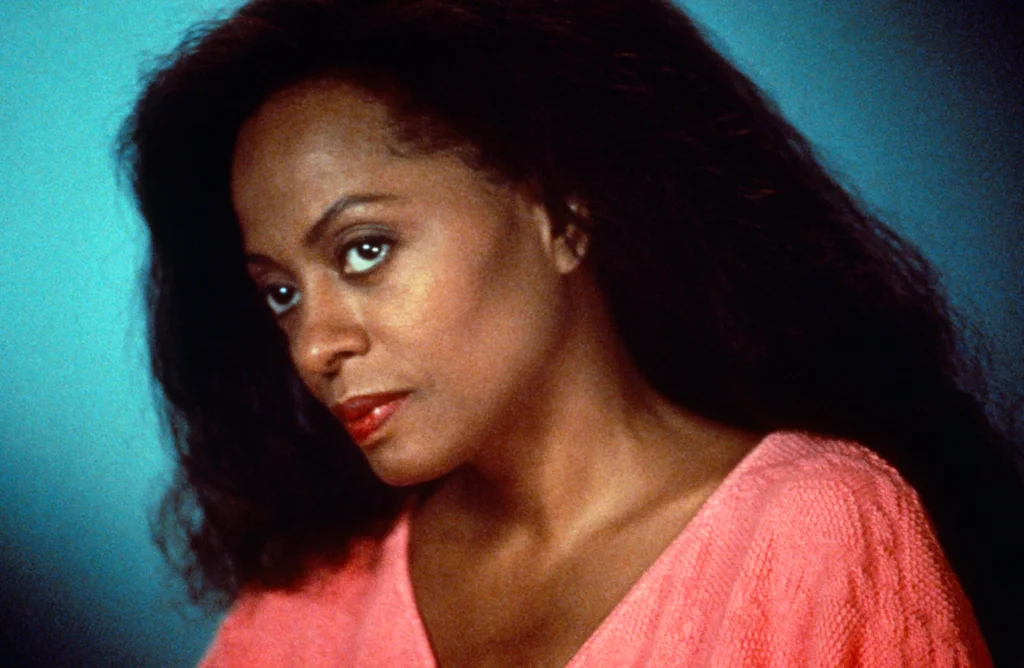
Although released in the early ’70s, Diana Ross’s casting in Lady Sings the Blues stemmed directly from her ’60s fame with The Supremes. Her transformation into Billie Holiday surprised critics who underestimated her acting abilities. She delivered a vulnerable and committed performance that shifted public perception. It showed she could carry a dramatic biopic, not just a stage.
The film earned her an Academy Award nomination. Ross’s leap from pop star to serious actress felt immediate and significant. It expanded her career into film in a way few singers managed at the time. Her screen presence proved she was more than a chart-topping name.
11. Warren Beatty in Bonnie and Clyde (1967)
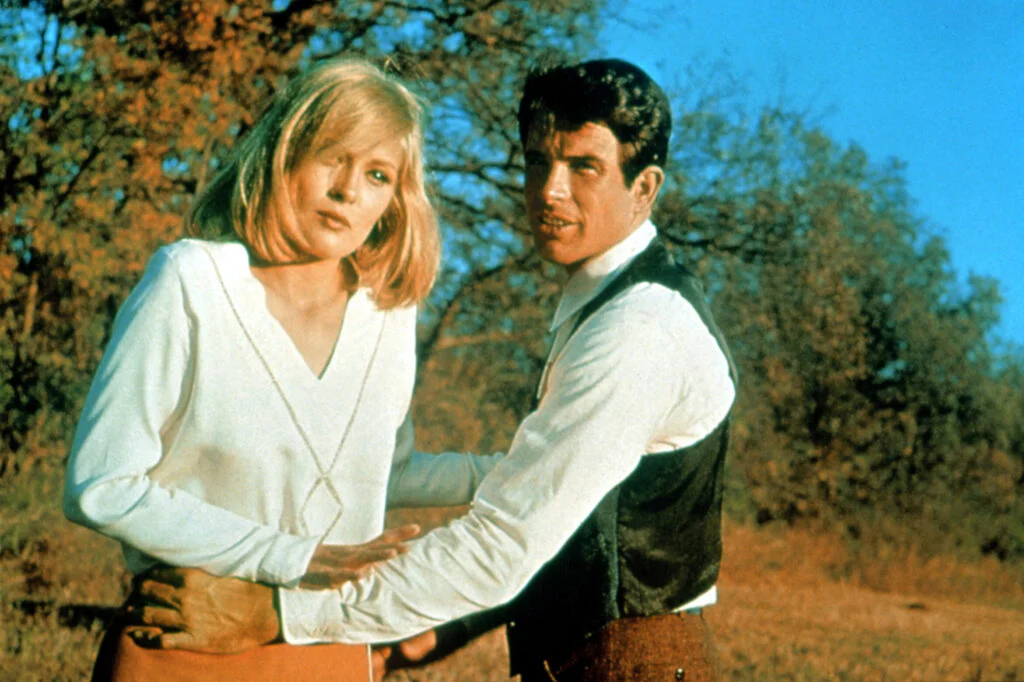
Warren Beatty had worked in Hollywood before, but Bonnie and Clyde made him undeniable. As Clyde Barrow, Beatty blended charm, recklessness, and vulnerability. The film’s violence and style shocked audiences and critics alike. Beatty’s performance anchored that bold shift in tone.
The movie became a cultural flashpoint. Beatty emerged not just as an actor, but as a creative force behind the scenes. His career accelerated dramatically after its release. He became one of the defining figures of late ’60s cinema.
12. Jane Birkin in Blow-Up (1966)
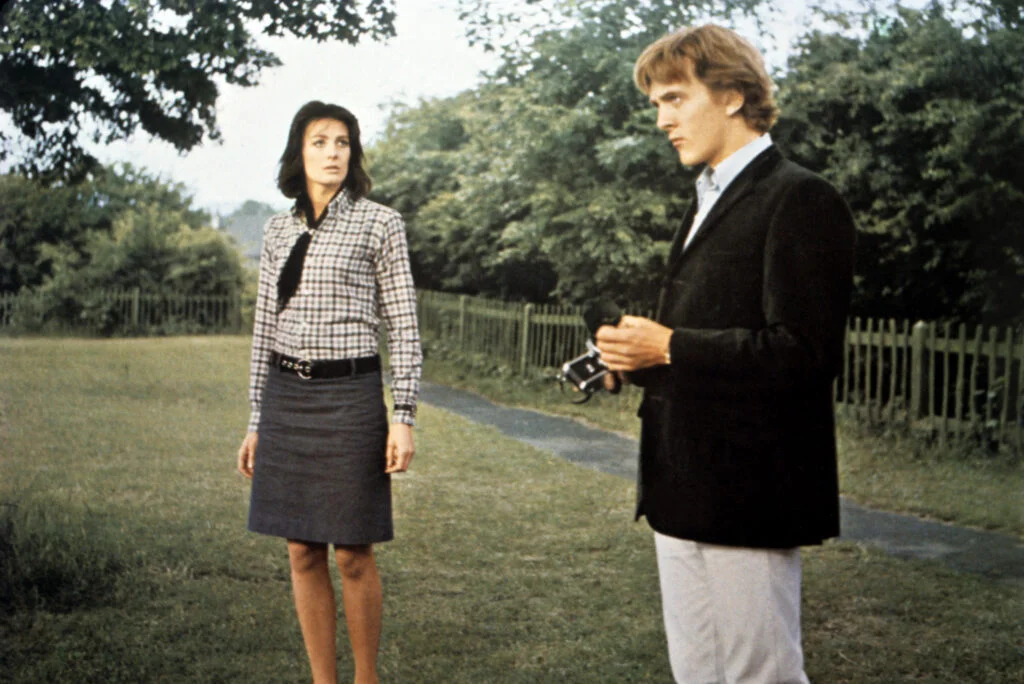
Jane Birkin was a relative newcomer when she appeared in Blow-Up. The film’s cool, mod aesthetic placed her squarely in the center of London’s swinging cultural moment. Birkin’s presence was effortless, almost accidental in its magnetism. She embodied the era’s relaxed, rebellious spirit.
The movie gained international attention, and so did Birkin. She quickly became associated with fashion, music, and art beyond the screen. Her name circulated in creative circles across Europe. One film appearance positioned her as a cultural icon.
13. Clint Eastwood in A Fistful of Dollars (1964)

Clint Eastwood had been a television actor before A Fistful of Dollars. As the unnamed gunslinger, he brought minimal dialogue and maximum presence. His squint, poncho, and quiet intensity created a new kind of Western hero. He did not need long speeches to command attention.
The film’s success in Europe and later in the United States transformed him into an international star. Eastwood’s image became synonymous with the Spaghetti Western. From that point forward, he was no longer just a television actor. One lean, spare performance launched a decades-long career.