
1. Edith’s Assault on All in the Family
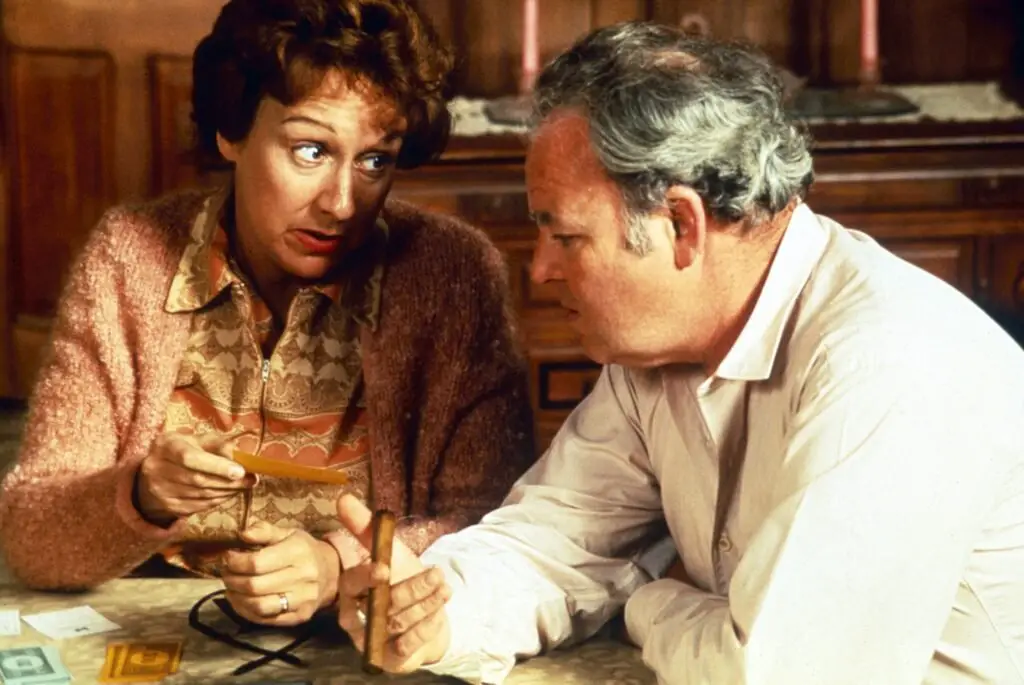
When All in the Family aired the episode “Edith’s 50th Birthday” in 1977, viewers were stunned into silence. What began as a simple birthday celebration turned into one of the most harrowing storylines ever shown on network television. Edith, played so tenderly by Jean Stapleton, was nearly assaulted in her own home. For a sitcom known for sharp humor, this was something else entirely. The tone shifted from laughter to real fear in a matter of minutes.
The next day, people were not quoting punchlines, they were talking about how brave the show had been. It forced conversations about violence against women at a time when that topic was rarely discussed openly. Some viewers were shaken, others were grateful, but almost everyone had an opinion. It proved that a half hour comedy could confront uncomfortable truths and still resonate.
2. The Korean War Ends on M*A*S*H
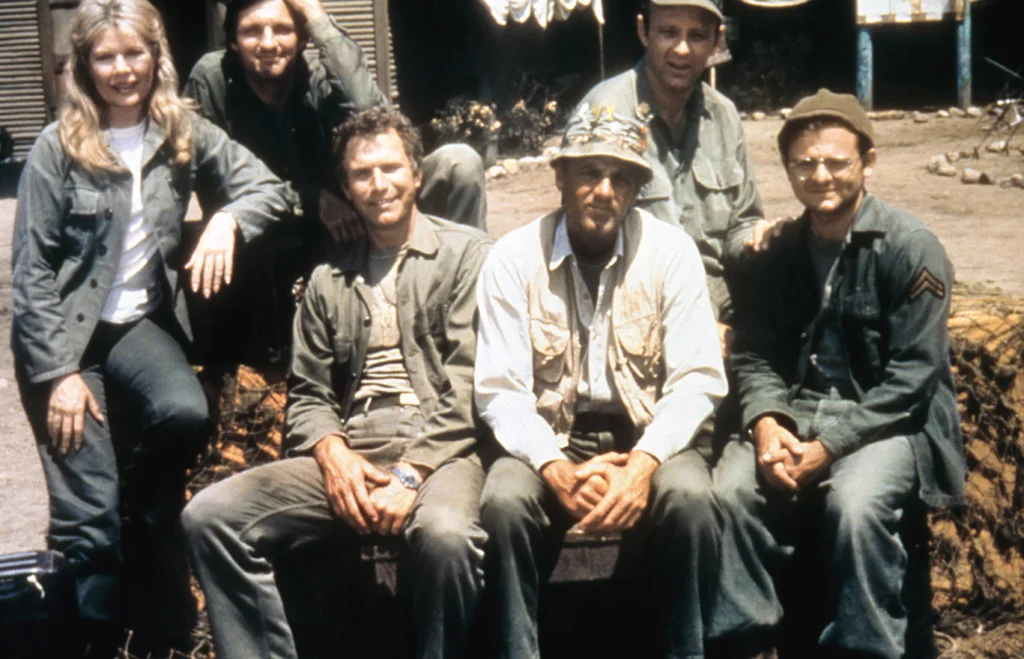
Long before the series finale, one of the most talked about moments came when news spread that the Korean War was ending. Watching the doctors and nurses react felt personal to viewers who had followed them for years. There was relief, disbelief, and a strange sense of sadness all at once. These characters had become part of weekly life in living rooms across the country.
The following morning, offices and classrooms buzzed about what peace would mean for Hawkeye and the rest. People debated whether the characters would adjust to civilian life. Even those who had family members who served felt an extra layer of emotion. It blurred the line between fictional storytelling and real historical memory.
3. The Death of Chuckles on The Mary Tyler Moore Show
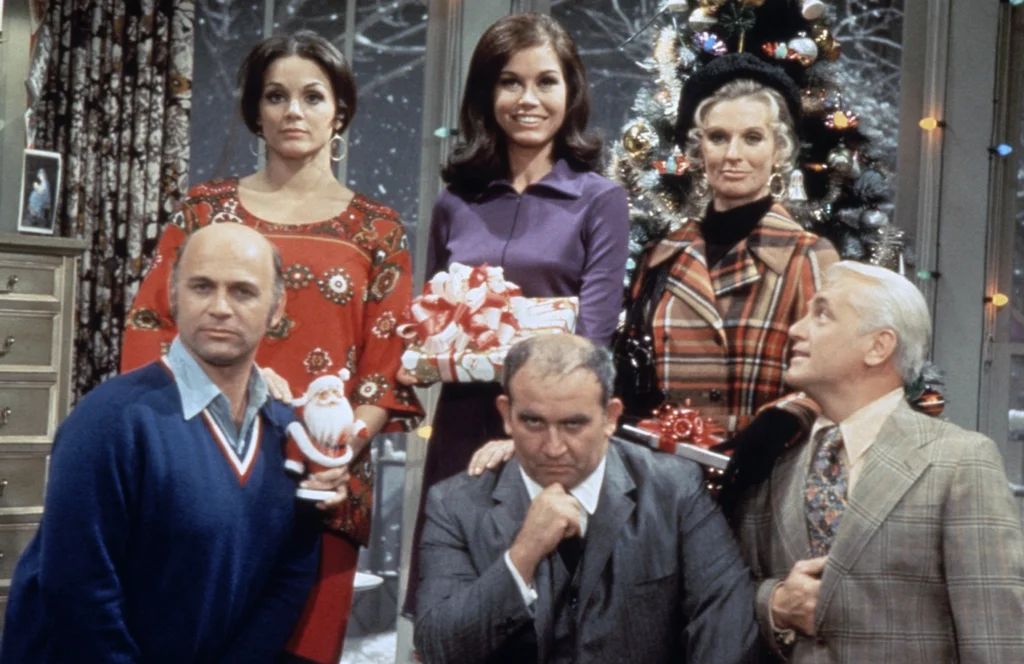
When Chuckles the Clown died in a bizarre accident on The Mary Tyler Moore Show, the newsroom staff struggled to keep a straight face at his funeral. The episode balanced absurd humor with genuine grief. Mary’s eventual breakdown during the service became one of the show’s most quoted scenes. It was funny, yes, but also deeply human.
The next day, viewers reenacted Mary’s composure-cracking moment at work and around kitchen tables. People talked about how the episode captured the awkwardness of public mourning. It reminded everyone how unpredictable grief can be. That combination of laughter and loss made it unforgettable.
4. Fonzie Jumps the Shark on Happy Days
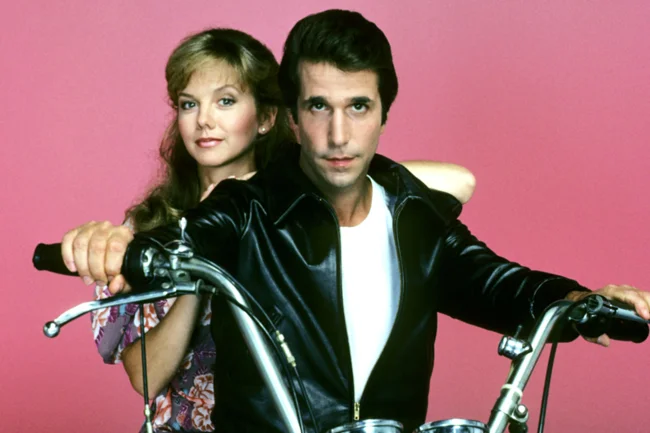
In 1977, Fonzie literally jumped a shark while water skiing in a leather jacket. It was meant to be thrilling and over the top. Instead, it became shorthand for a show going too far. Even at the time, viewers sensed something had shifted.
The following day, conversations centered on whether the series had peaked. Some loved the spectacle, others rolled their eyes. Few realized the phrase “jump the shark” would become part of pop culture vocabulary. Still, everyone seemed to have seen it, and everyone had a take.
5. The Schoolhouse Fire on Little House on the Prairie
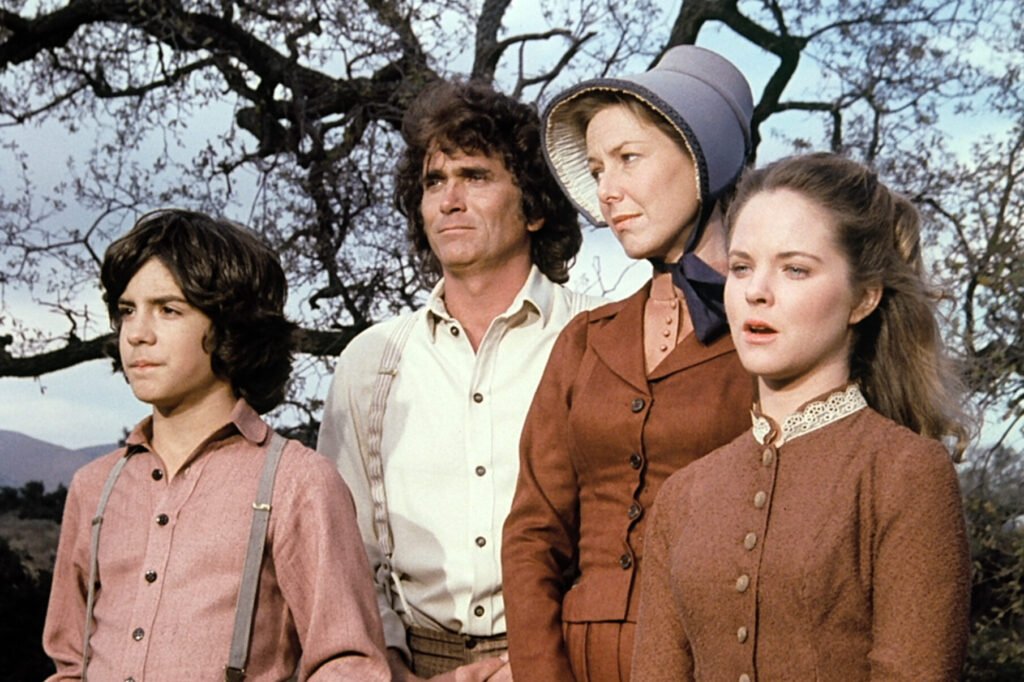
When the blind school caught fire on Little House on the Prairie, audiences were devastated. The tragedy unfolded slowly, giving viewers time to hope for a miracle. Instead, the episode delivered heartbreak. It was unusually dark for a family drama known for moral lessons and frontier warmth.
The next morning, parents and children alike were quiet about what they had seen. Some questioned whether it had been too intense for younger viewers. Others praised the show for portraying real danger and loss. It was one of those nights when the prairie felt painfully real.
6. The Goodbye Party on The Mary Tyler Moore Show

The final episode in 1977 ended not with spectacle, but with a group hug. Mary and her coworkers saying farewell in the newsroom felt intimate and unscripted. When they shuffled awkwardly toward the door together, it was both funny and heartbreaking. Viewers felt as though they were losing colleagues, not just characters.
The next day, people described the finale like they were recounting a real farewell. Offices echoed with talk of that final embrace. It marked the end of an era for smart workplace comedies. Even those who did not watch regularly seemed to know how it ended.
7. The Abortion Debate on Maude
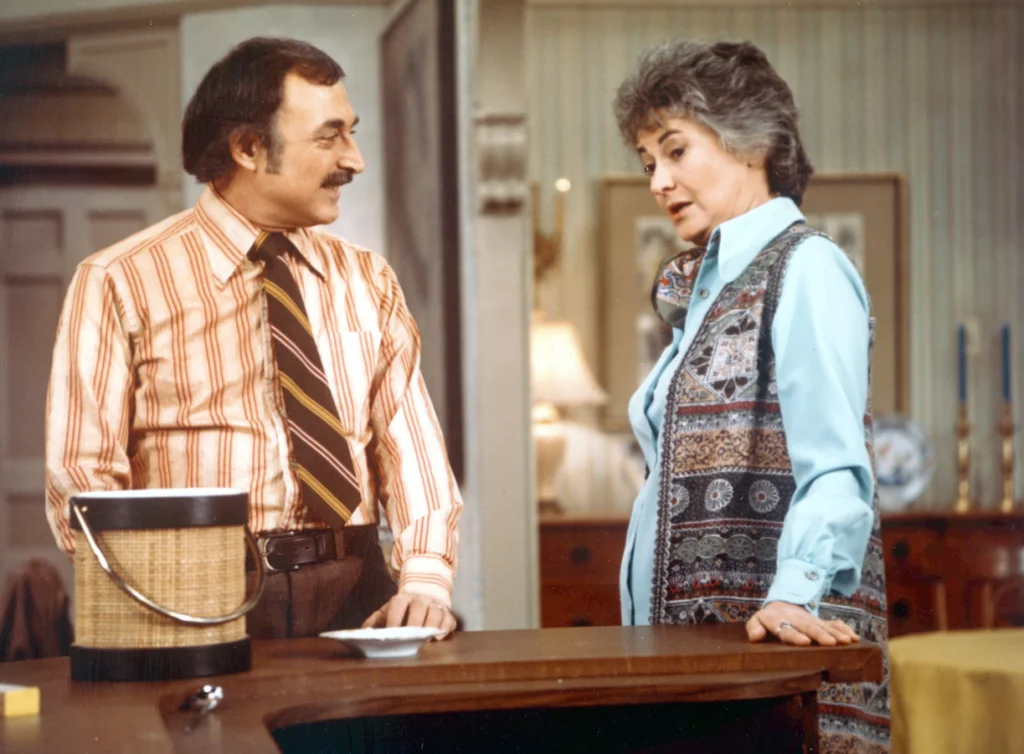
In 1972, Maude aired a two part storyline in which Maude chose to have an abortion. At the time, the topic was rarely addressed so directly on television. The episode aired shortly before Roe v. Wade became law. It was bold, controversial, and deeply personal.
The following day, it dominated conversations in churches, offices, and newspapers. Some affiliates refused to air it, which only fueled discussion. Viewers debated whether television should tackle such issues. Regardless of where people stood, they were talking about it.
8. Hawkeye’s Breakdown on M*A*S*H
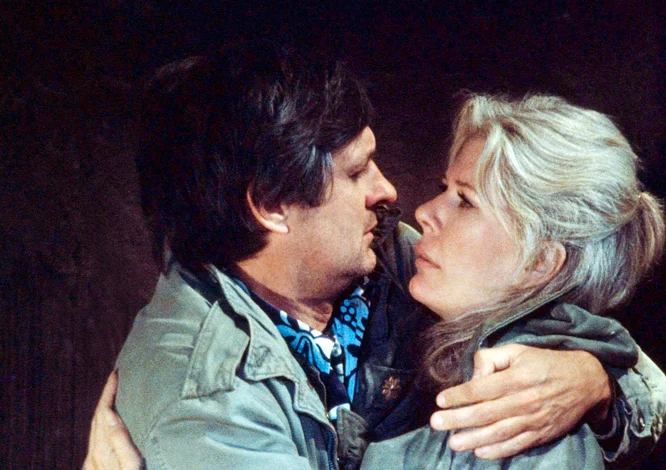
When Hawkeye finally cracked under the weight of war, the shift was dramatic. The usually quick witted surgeon was suddenly haunted and withdrawn. His breakdown revealed the psychological toll of constant trauma. It was a stark reminder that humor had always been a coping mechanism.
The next morning, viewers spoke about it in hushed tones. Many admitted they had not expected such raw vulnerability from a sitcom character. The episode sparked discussions about mental health long before it was commonly addressed on TV. It showed that even the strongest personalities can fracture.
9. The Evans Family Confronts Death on Good Times
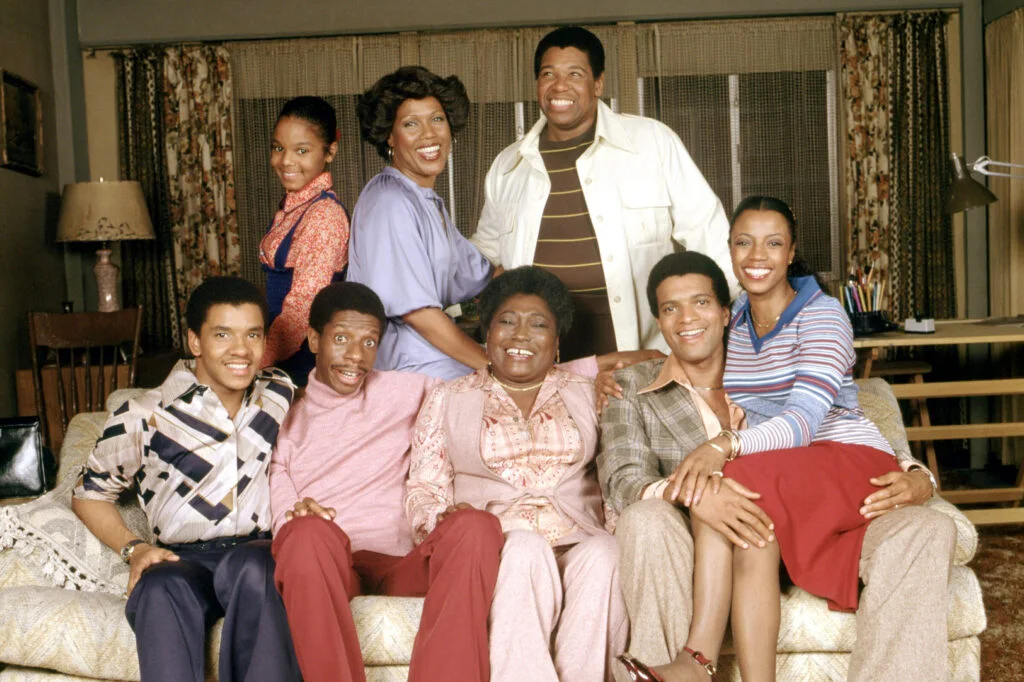
When James Evans was killed off Good Times, audiences were blindsided. John Amos’s character had been the steady heart of the series. The family’s grief felt painfully authentic. Florida’s reaction in particular left viewers shaken.
The next day, fans expressed anger and disbelief. Some questioned the decision to remove such a central figure. Others focused on how honestly the show portrayed loss in a working class family. It was not just plot development, it felt like a community loss.
10. The Sweathogs Graduate on Welcome Back, Kotter
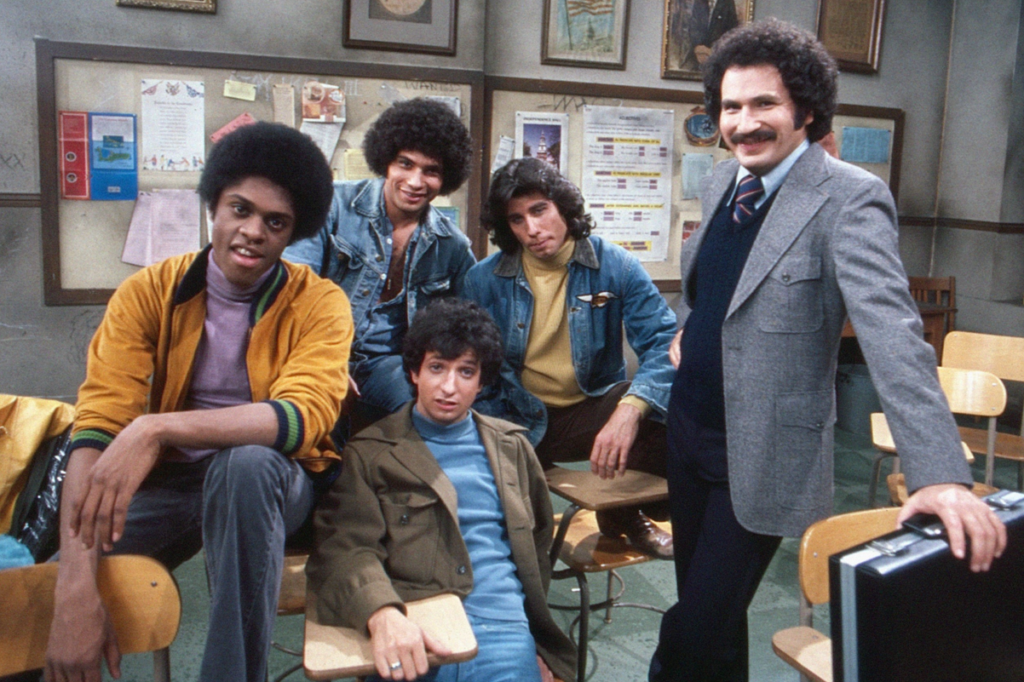
Watching the Sweathogs finally graduate felt like a real milestone. For years, they had been the lovable underachievers of Buchanan High. Seeing them move forward gave viewers a sense of growth and closure. It was surprisingly emotional for a broad comedy.
The following day, people joked about their own high school memories. The characters’ journey mirrored that awkward transition into adulthood. Fans debated which of the students would succeed. It made a simple sitcom storyline feel like a shared rite of passage.
11. The “Who Shot J.R.?” Cliffhanger on Dallas
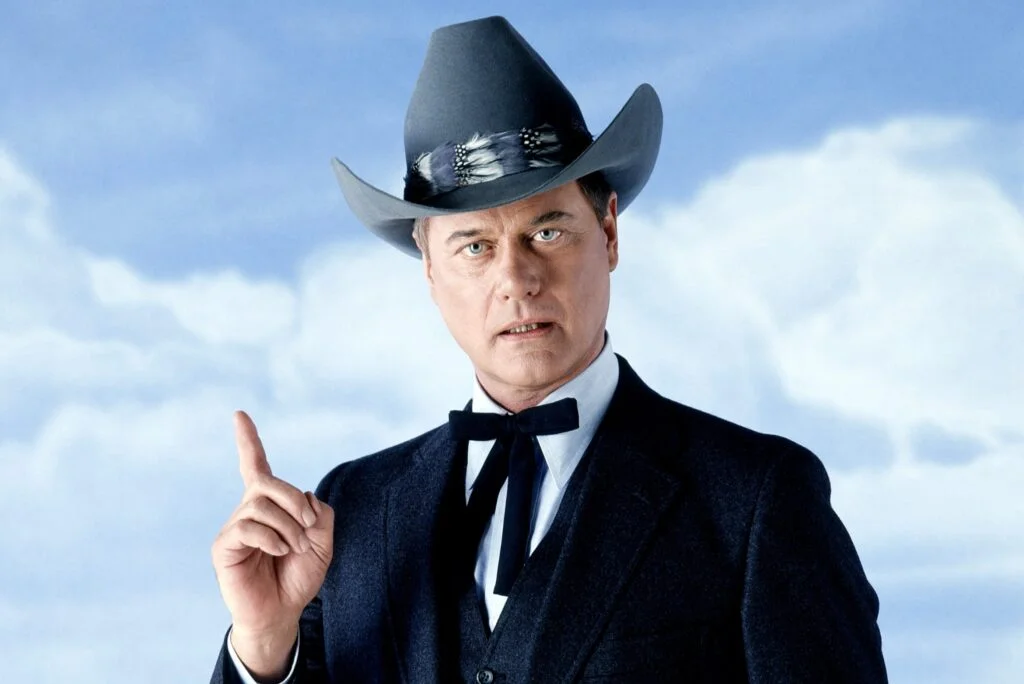
In 1980, at the very edge of the decade, Dallas ended a season with J.R. Ewing being shot. The cliffhanger was immediate fuel for speculation. Although technically crossing into the early ’80s, the moment was shaped by the ’70s prime time soap boom. It felt like television had suddenly become a guessing game.
The next day, coworkers compared theories with absolute seriousness. “Who shot J.R.?” became a national question. Even people who had never watched the show knew about it. It demonstrated the power of a well timed cliffhanger.
12. Rhoda’s Wedding on Rhoda
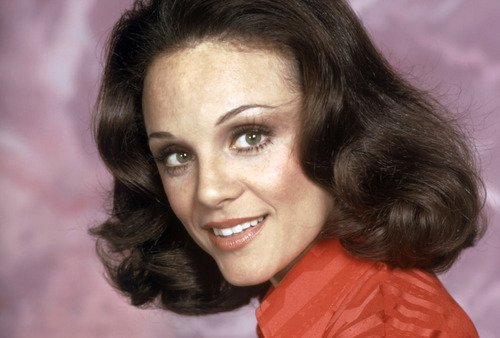
When Rhoda married Joe in 1974, millions tuned in. The episode was treated almost like a real society event. Viewers had watched her search for love, so the ceremony carried weight. The ratings reflected just how invested people were.
The next morning, conversations sounded like recaps of an actual wedding reception. People discussed the dress, the vows, and the future of the couple. It was one of the earliest examples of a TV wedding feeling like a cultural event. For a brief moment, fictional nuptials united the audience.