
1. The Lost Boys (1987)
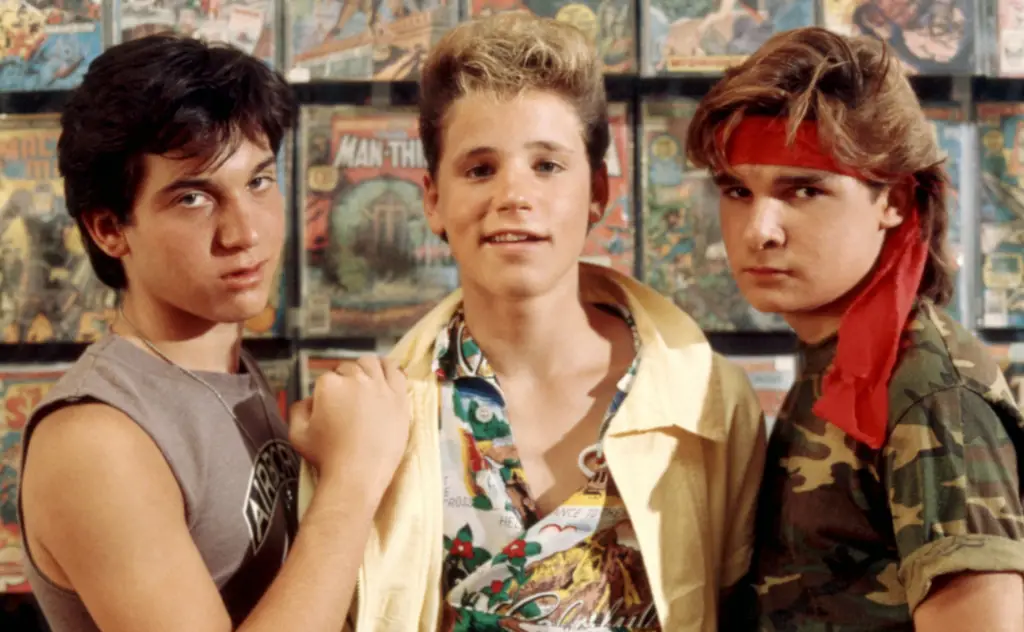
There was something about neon lights, leather jackets and vampires that felt tailor-made for midnight. The Lost Boys captured that restless ’80s teen energy and wrapped it in horror that was stylish rather than overwhelming. Kiefer Sutherland’s performance made the villain feel cool and dangerous at the same time. If you caught it flipping channels late at night, it was almost impossible not to stop. The boardwalk setting and rock-heavy soundtrack gave it a hypnotic vibe. It felt rebellious without crossing into anything too grim.
Late-night cable kept it alive long after its theatrical run. Corey Haim and Corey Feldman added humor that balanced the darker elements. It was scary enough to keep you awake, but slick enough to rewatch over and over. Even if you joined halfway through, you knew exactly what kind of ride you were in for. The mix of horror and humor made it a sleepover staple. It became synonymous with ’80s after-dark viewing.
2. A Nightmare on Elm Street (1984)
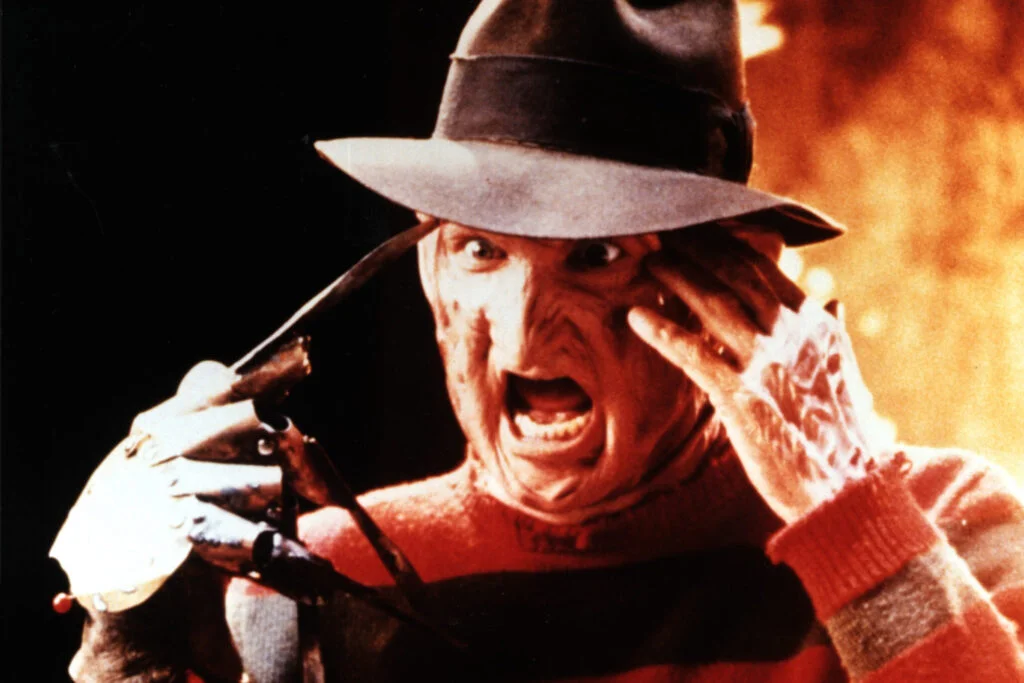
Few movies were more ironic to watch at midnight than A Nightmare on Elm Street. Wes Craven’s concept of a killer who attacks in dreams made staying up feel like a defensive strategy. Robert Englund’s Freddy Krueger was terrifying, but also strangely charismatic. The dream sequences blurred reality in ways that felt even more unsettling in the quiet of night. You might have planned to watch just one scene. Instead, you stayed through the credits.
Cable reruns turned it into a rite of passage. Freddy’s one-liners softened the horror just enough to make it addictive. Watching it alone made every creak in the house sound suspicious. It was not just about jump scares, it was about atmosphere. The idea that sleep itself was unsafe lingered long after the screen went dark. It defined late-night horror for the decade.
3. The Terminator (1984)

The Terminator had the intensity that late-night television thrived on. Arnold Schwarzenegger’s relentless cyborg felt almost unstoppable, especially in the stillness of midnight. The gritty Los Angeles setting added to its ominous tone. It blended science fiction and action in a way that felt serious and focused. Watching it late at night made the stakes feel higher.
Linda Hamilton’s performance grounded the chaos. The pacing rarely let up, making it difficult to turn away. Its quotable lines quickly entered pop culture. Even heavily edited cable versions retained their tension. It felt sleek and dangerous, perfect for after-dark viewing. It helped define the tougher side of ’80s action films.
4. Heathers (1989)
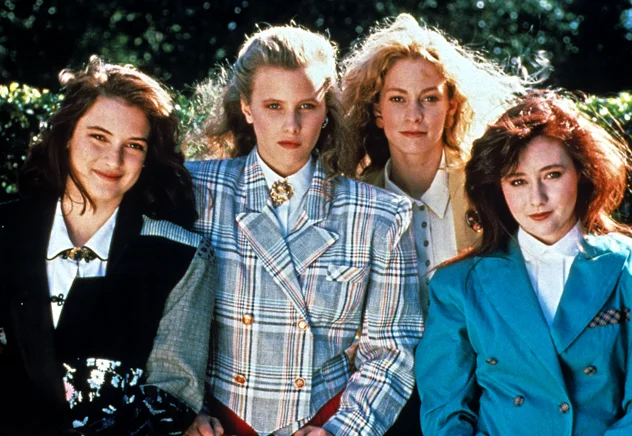
By the end of the decade, Heathers brought sharp satire to the late-night lineup. Its biting dialogue and dark humor felt more daring after hours. Winona Ryder and Christian Slater gave performances that were magnetic and unsettling. The exaggerated high school hierarchy felt almost surreal. Watching it late at night made its rebellious tone resonate more strongly.
It was not an immediate blockbuster, but cable gave it longevity. The one-liners stuck in your head long after viewing. Its cynicism set it apart from brighter teen comedies. The film felt like a secret handshake among viewers who discovered it. Late-night schedules allowed it to find its audience. It became a defining cult favorite of the decade.
5. Ferris Bueller’s Day Off (1986)
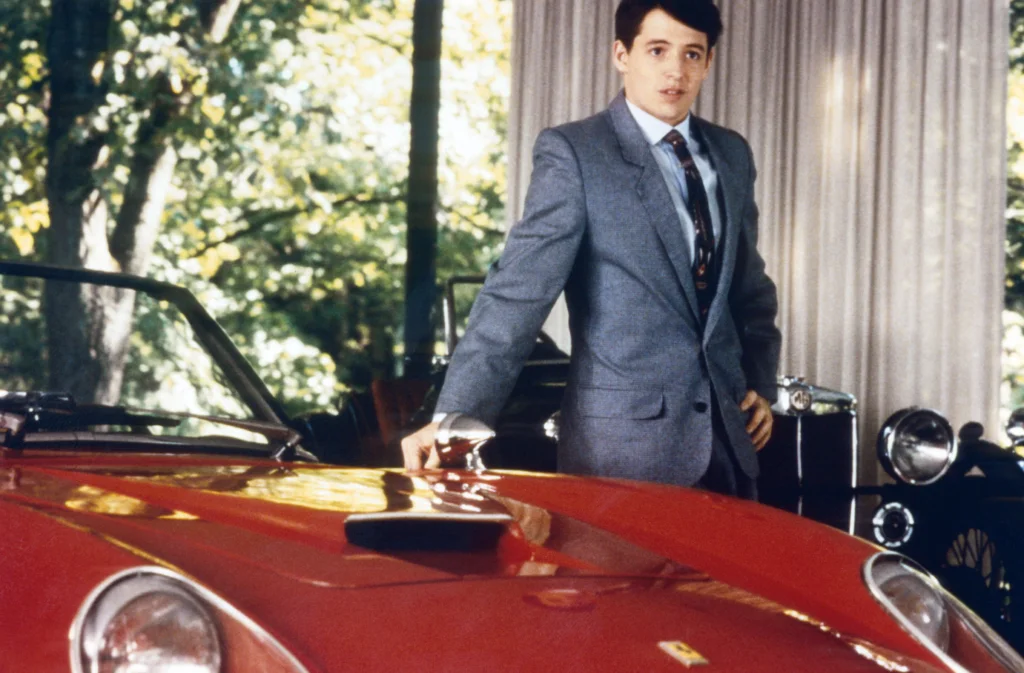
Although it is about skipping school, Ferris Bueller’s Day Off became a late-night comfort watch. Matthew Broderick’s direct addresses to the camera made it feel personal. The playful tone worked well in the quiet hours. Watching Ferris outsmart authority figures felt especially satisfying when you were up past your own bedtime. It carried a sense of carefree rebellion.
Cable channels seemed to air it constantly. The parade scene alone was enough to keep you from changing the channel. It was light, funny and endlessly quotable. Even if you tuned in halfway through, you could follow along. Its energy never dragged. It defined a breezier side of ’80s late-night viewing.
6. Blue Velvet (1986)
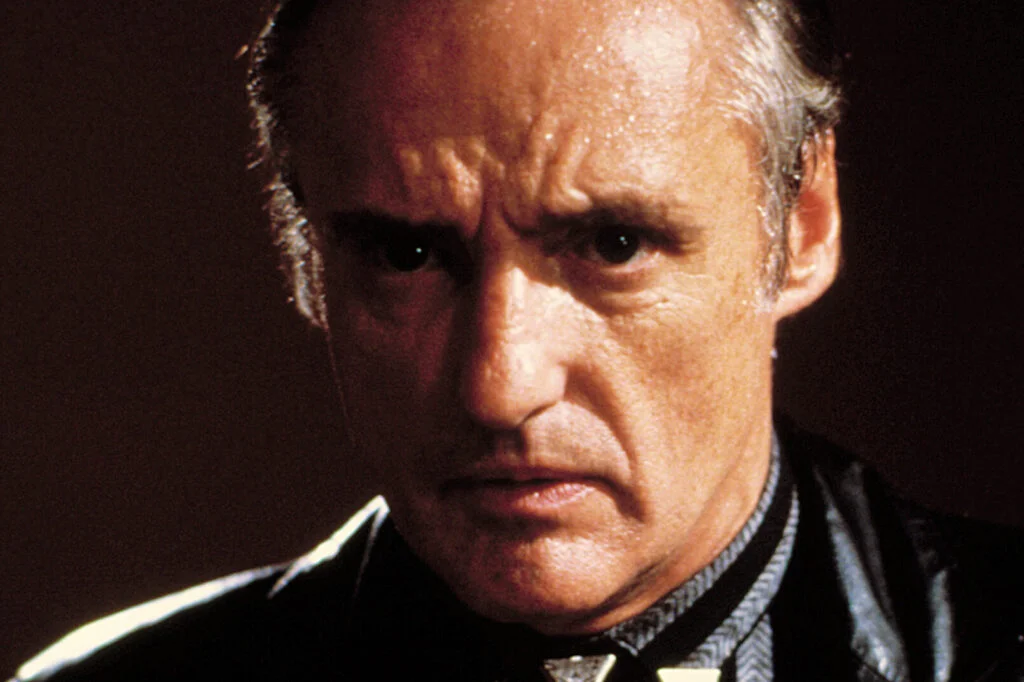
If you stumbled across Blue Velvet after midnight, it felt like entering something private. David Lynch’s surreal tone and unsettling imagery were amplified by the quiet of night. The contrast between suburban calm and hidden darkness felt sharper. It was not an easy film, but that was part of its appeal. Late-night viewing heightened its tension.
Kyle MacLachlan and Isabella Rossellini delivered performances that were intimate and disturbing. The pacing demanded attention rather than passive watching. It felt different from mainstream releases of the time. Viewers who discovered it often talked about it in hushed tones. Cable gave it a second life beyond theaters. It defined the stranger edge of ’80s cinema.
7. The Evil Dead (1981)
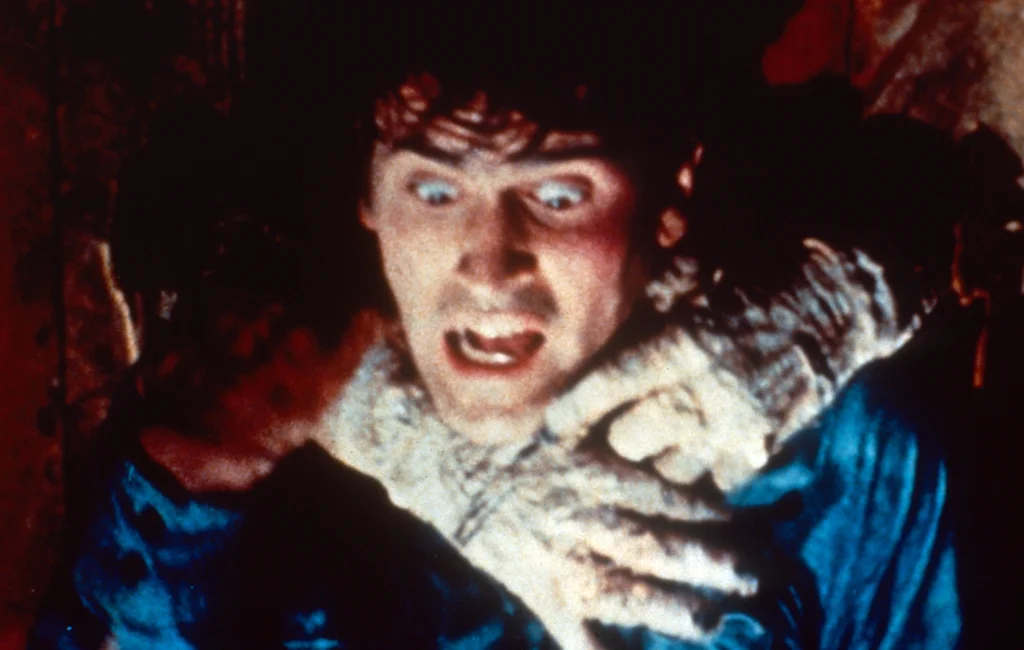
Low-budget horror thrived in late-night slots, and The Evil Dead was a prime example. Sam Raimi’s frantic camera work made it feel raw and unpredictable. The isolated cabin setting was especially effective after dark. Watching it alone amplified its claustrophobic atmosphere. It felt less polished and more immediate.
Bruce Campbell’s performance added personality to the chaos. The practical effects were bold and memorable. It was the kind of film that felt discovered rather than advertised. Word of mouth helped build its cult status. Late-night cable played a significant role in that growth. It became a benchmark for cult horror of the decade.
8. Blade Runner (1982)
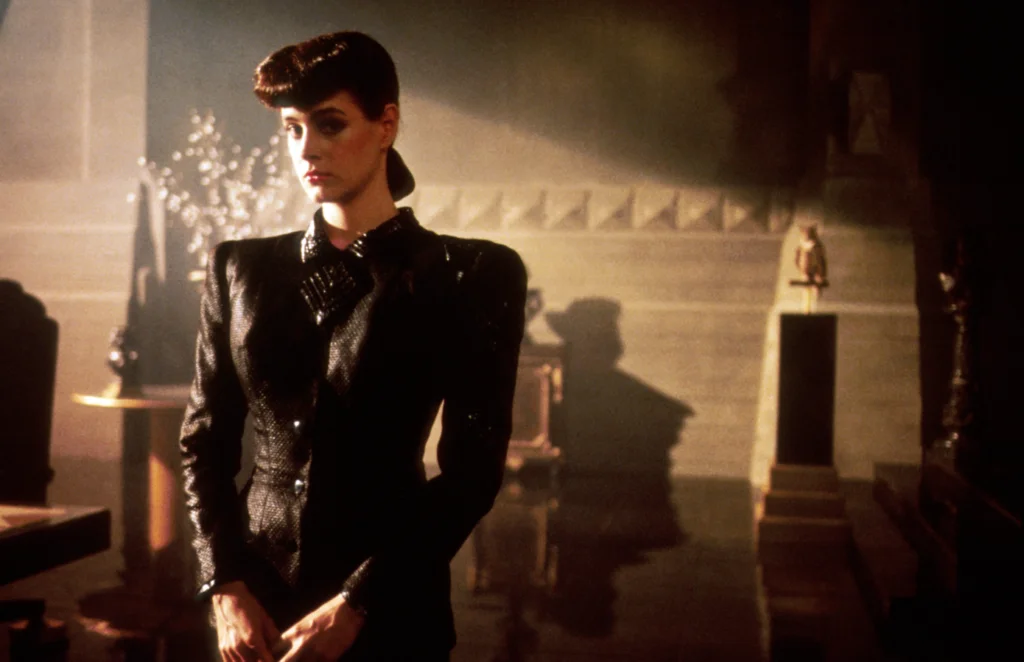
Few films suited the quiet hours like Blade Runner. Ridley Scott’s rain-soaked cityscapes created a moody, almost hypnotic experience. Harrison Ford’s restrained performance added to its reflective tone. It was not driven by constant action, but by atmosphere. Watching it late at night made its existential themes feel closer.
Initial reactions were mixed, but television airings helped it gain appreciation. Its visual design was unlike anything else at the time. The slower pacing encouraged focus rather than distraction. It appealed to viewers seeking thoughtful science fiction. Midnight showings allowed it to breathe. Over time, it became a defining work of the decade.
9. Caddyshack (1980)
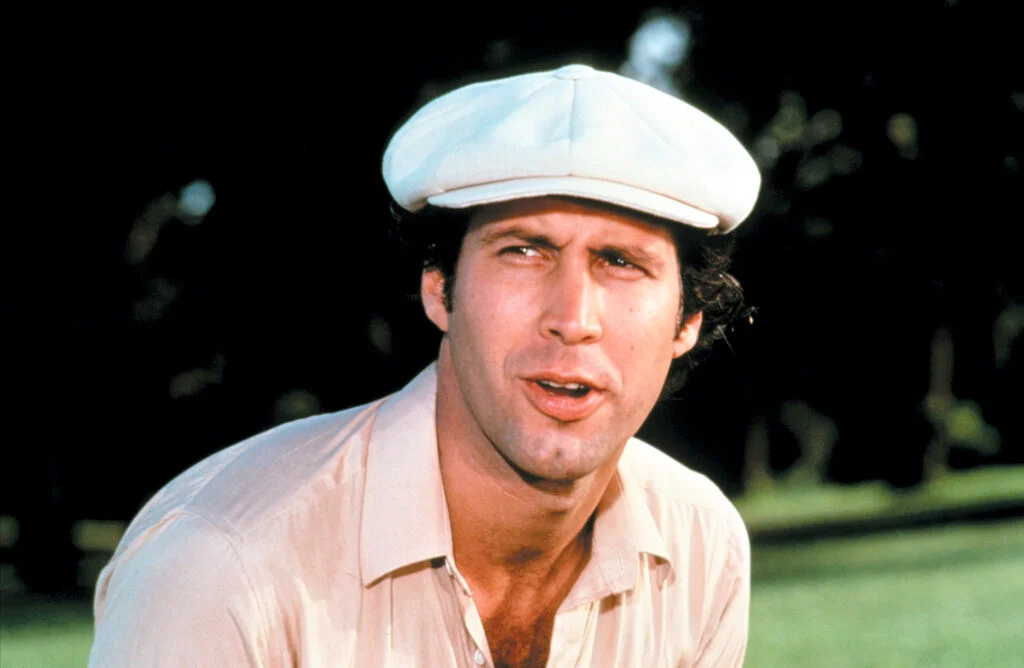
Comedies were late-night staples, and Caddyshack fit perfectly. Bill Murray’s deadpan humor made it endlessly rewatchable. The loose structure meant you could jump in at any scene. Rodney Dangerfield’s one-liners felt sharper in the quiet of night. It did not require full attention to enjoy.
Cable kept it in steady rotation. The gopher alone became an icon. Its humor reflected a specific brand of ’80s irreverence. Even repeated viewings did not dull its appeal. It worked as both background noise and focused entertainment. It defined a certain strain of after-hours comedy.
10. The Shining (1980)
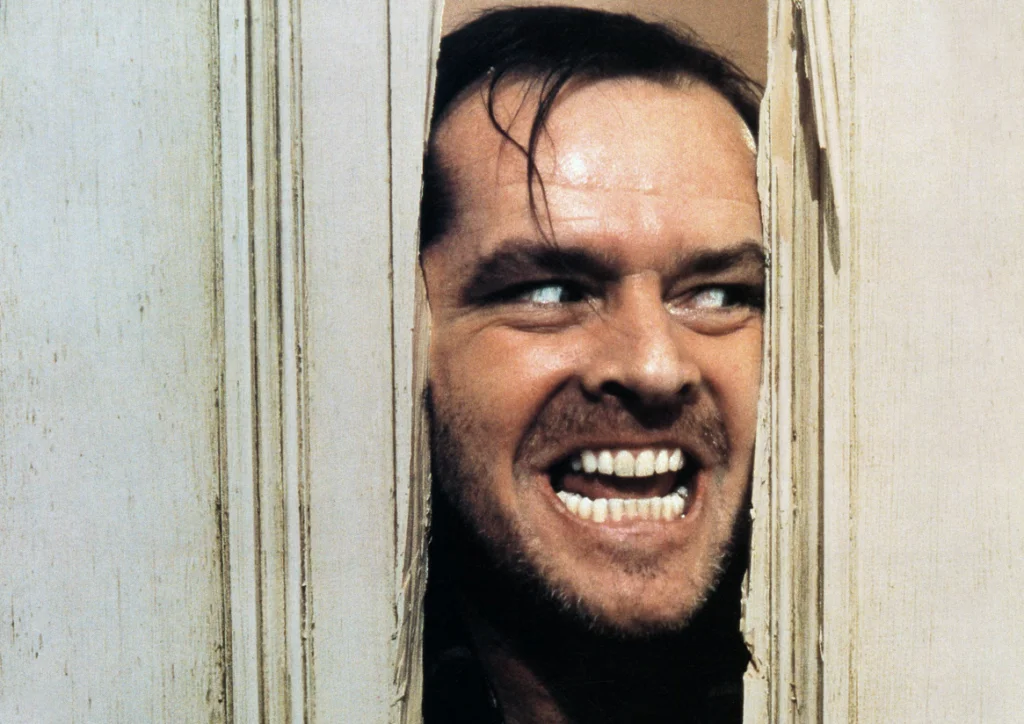
Stanley Kubrick’s The Shining was practically designed for late-night viewing. The Overlook Hotel felt even more isolated after midnight. Jack Nicholson’s performance was unsettling without relying on constant shock. The slow build created sustained tension. Watching it in the dark made its atmosphere more immersive.
Its imagery lingered long after the credits. Cable airings introduced it to viewers who had missed it in theaters. The ambiguity of its story encouraged discussion the next day. It was less about gore and more about psychological dread. That made it ideal for thoughtful night owls. It became a cornerstone of ’80s horror.
11. The Outsiders (1983)
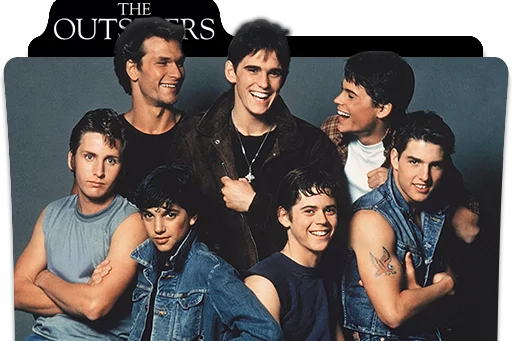
The Outsiders carried a reflective tone that suited late-night introspection. Its cast of rising stars added extra intrigue. The themes of loyalty and class tension felt earnest. Watching it at night gave its emotional moments more weight. The famous “Stay gold” line resonated quietly.
Cable helped it reach audiences beyond the classroom. The rumble scenes balanced the softer character moments. It felt dramatic without being overwhelming. The ensemble cast became a snapshot of future stardom. Late-night broadcasts cemented its legacy. It remained a favorite for viewers seeking something thoughtful.
12. Predator (1987)

Predator combined action and suspense in a way that thrived after dark. Arnold Schwarzenegger led a team that seemed invincible at first. The jungle setting created a sense of isolation. Watching it late at night heightened the tension. The unseen threat kept viewers alert.
Its blend of sci-fi and military action felt distinctive. The film balanced explosive scenes with quiet suspense. Cable reruns made it widely accessible. It was easy to rewatch for its iconic moments. The creature design left a lasting impression. It became a defining late-night action staple.
13. Risky Business (1983)
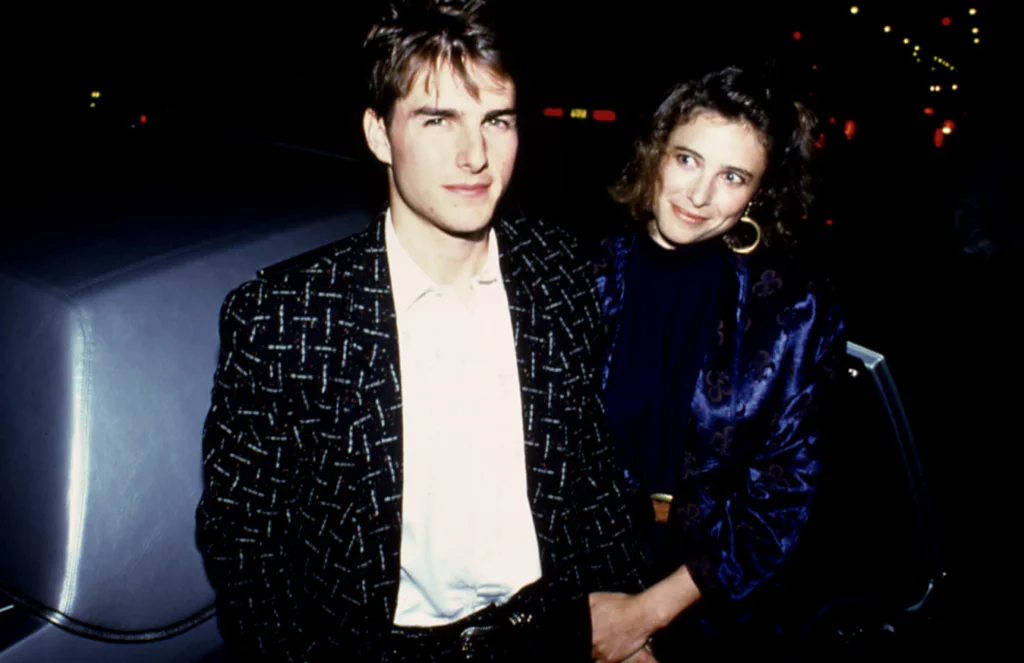
Risky Business captured a specific kind of ’80s rebellion. Tom Cruise’s performance felt both charming and slightly reckless. The story of a teenager left home alone invited a sense of mischief. Watching it late at night added to that feeling. The famous dance scene became instantly recognizable.
Cable airings amplified its cultural impact. It balanced humor with moments of genuine tension. The suburban setting made it relatable. It felt edgy enough to seem slightly forbidden. Viewers often discovered it by accident and stayed for the tone. It became a defining piece of ’80s late-night cinema.