
1. Rumours (1977) by Fleetwood Mac
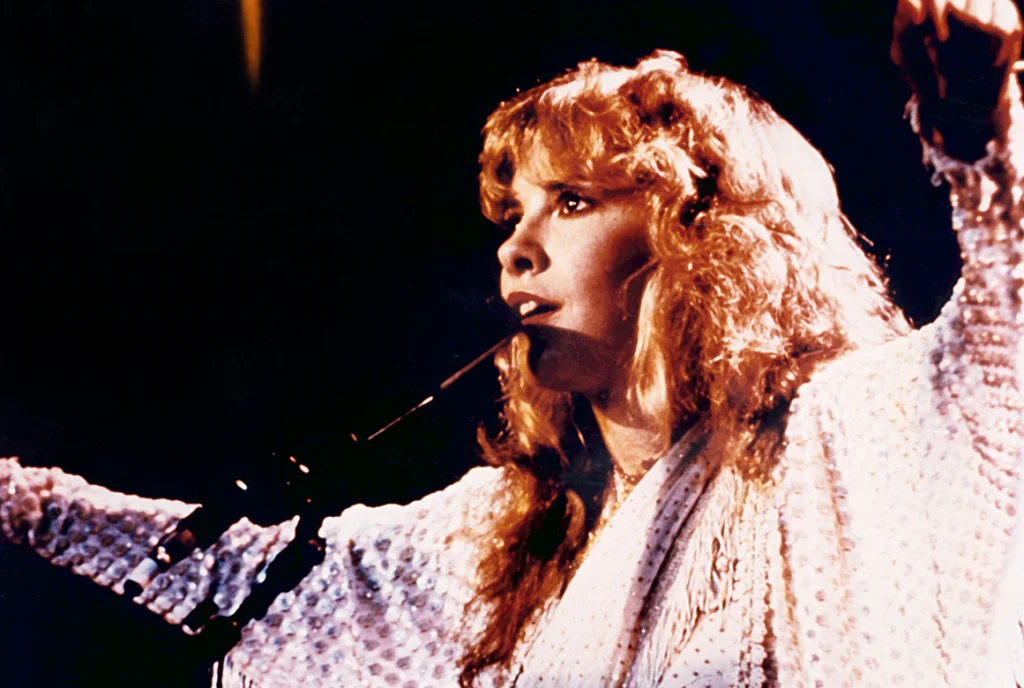
If you grew up in the late ’70s, chances are Rumours spent a lot of time spinning on the family turntable. Released in 1977, the album became one of the biggest records of the decade, packed with songs that seemed to follow people everywhere, from living rooms to car radios. Tracks like “Go Your Own Way,” “Dreams,” and “Don’t Stop” captured the emotional push and pull within the band itself, which only made listeners feel more connected to the music. It sounded polished and effortless, even though the group was going through personal turmoil behind the scenes.
Because nearly every song felt like a hit, it was the kind of album people played straight through instead of skipping around. Many fans can still remember carefully lifting the needle back to the beginning of their favorite tracks. The warm, layered harmonies and smooth production made it perfect background music for everything from weekend cleaning to late night conversations. Over time, it became one of those albums that simply lived on the turntable. Even decades later, it still sounds just as immediate as it did in 1977.
2. Hotel California (1976) by Eagles
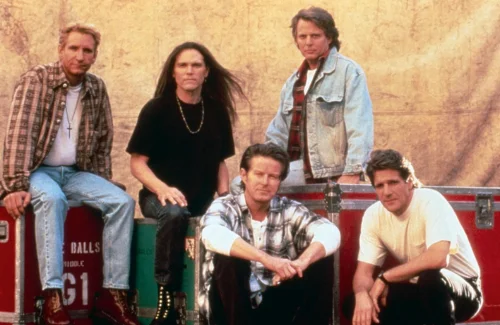
When the Eagles released Hotel California in 1976, it quickly became the kind of album people played over and over again. The title track alone seemed to be everywhere, with its mysterious lyrics and unforgettable guitar solo that many listeners waited for every time. Songs like “New Kid in Town” and “Life in the Fast Lane” added to the record’s sense of atmosphere, mixing California cool with a darker edge. It was an album that felt both smooth and slightly haunting.
Because the songs flowed so naturally from one to the next, it made sense to let the whole record play. Plenty of people remember flipping the vinyl over just to hear the second half again. The Eagles blended rock, country influences, and polished studio work in a way that sounded sophisticated but still accessible. It worked just as well during a quiet evening as it did during a lively get together. Before long, Hotel California had become a permanent resident on countless turntables.
3. Saturday Night Fever (1977) by Bee Gees and Various Artists
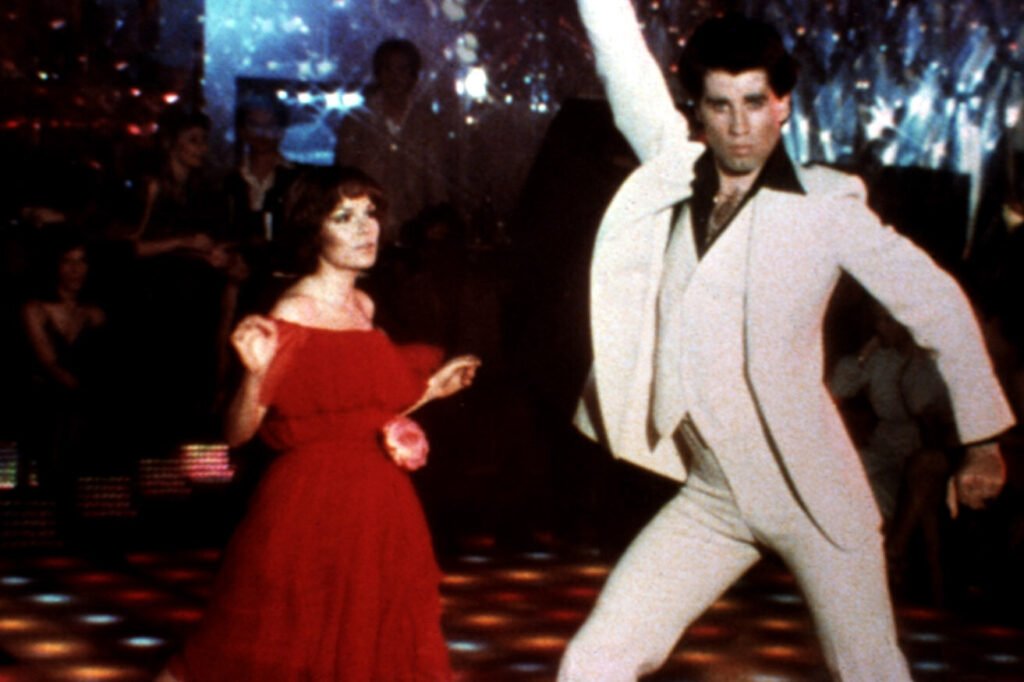
In 1977, Saturday Night Fever wasn’t just a movie soundtrack, it was practically the sound of the entire disco era. Featuring the Bee Gees at their peak, the album delivered hit after hit, including “Stayin’ Alive,” “Night Fever,” and “How Deep Is Your Love.” The moment the needle touched the record, the room seemed to fill with that unmistakable falsetto and driving rhythm. For many people, it instantly brought back memories of dance floors and flashing lights.
Even listeners who never stepped into a disco club still had the album spinning at home. The songs were catchy, upbeat, and impossible to ignore, which meant the record rarely stayed in its sleeve for long. Families, teenagers, and party hosts all seemed to keep it close by. It was the perfect soundtrack for impromptu dancing in the living room. For a while in the late ’70s, Saturday Night Fever felt like it never left the turntable.
4. Dark Side of the Moon (1973) by Pink Floyd
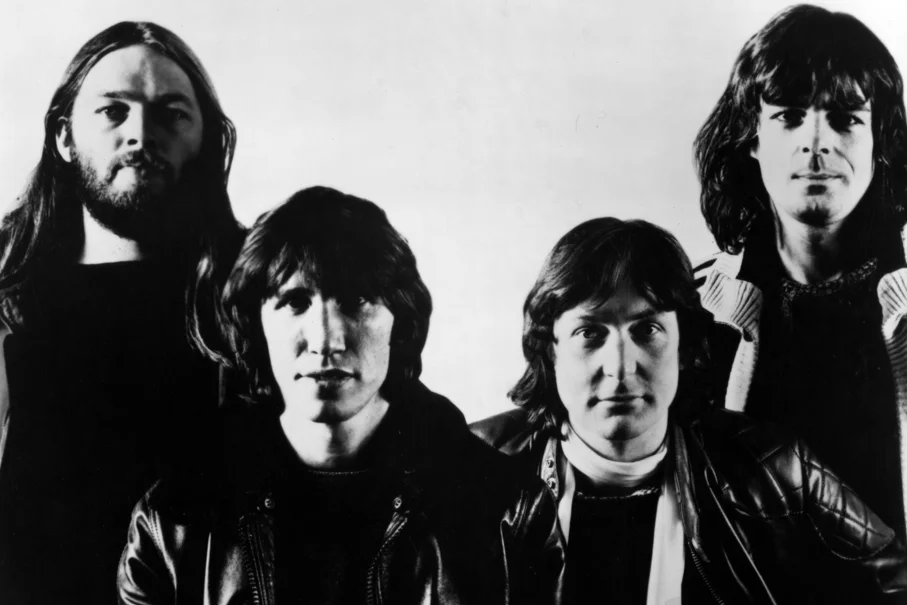
Few albums from the ’70s had the staying power of Pink Floyd’s Dark Side of the Moon. Released in 1973, it became famous for its immersive sound and the way the songs blended seamlessly into one another. Tracks like “Money,” “Time,” and “Us and Them” felt less like individual singles and more like chapters in a larger story. Listening to it from beginning to end became part of the experience.
Because of that, fans often treated the record almost like an event. People would dim the lights, sit near the speakers, and let the music wash over the room. The album’s layered sound effects and thoughtful lyrics made it perfect for repeat listening. Every time the needle dropped, listeners noticed something new. That sense of discovery helped keep Dark Side of the Moon spinning on turntables throughout the decade and far beyond.
5. Tapestry (1971) by Carole King
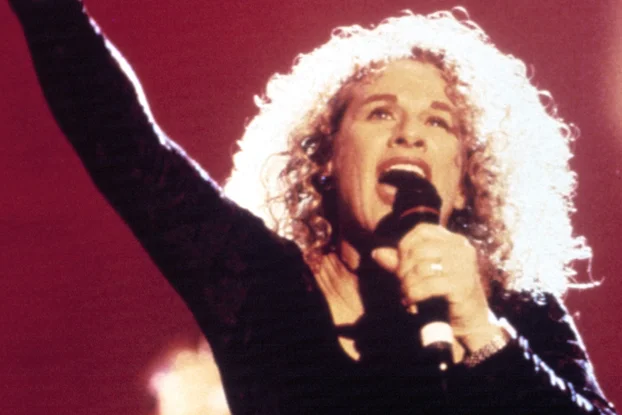
Carole King’s Tapestry arrived in 1971 and quickly became one of the most beloved albums of the decade. With songs like “It’s Too Late,” “I Feel the Earth Move,” and “You’ve Got a Friend,” the record felt deeply personal yet instantly relatable. King’s warm voice and honest songwriting gave the music an intimate quality that drew listeners in. It sounded like someone sharing their thoughts across the room rather than performing on a stage.
Because the songs felt so sincere, many people returned to the album again and again. It became a quiet companion during long evenings or lazy Sunday afternoons. Friends would gather and sing along without needing lyric sheets. The melodies were simple enough to remember but strong enough to stay with you. Before long, Tapestry had earned a permanent place on countless turntables.
6. Led Zeppelin IV (1971) by Led Zeppelin
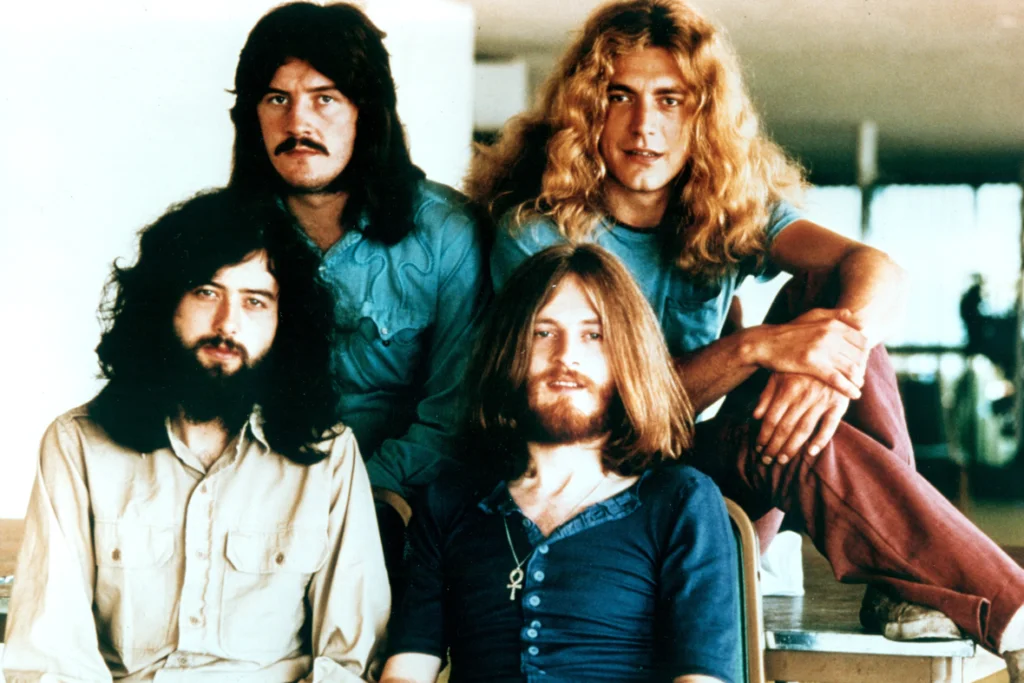
Released in 1971, Led Zeppelin IV became one of the defining rock albums of the decade. It featured a powerful mix of hard rock and folk influences, all delivered with the band’s unmistakable intensity. Songs like “Black Dog,” “Rock and Roll,” and “Stairway to Heaven” quickly became staples of rock radio. Each track had its own personality while still fitting perfectly within the album’s overall sound.
Fans often played the record loud enough for the whole house to hear. The opening guitar riffs alone were enough to make someone drop the needle again and again. Even people who only planned to hear one song usually ended up letting the entire album play. The record captured the feeling of early ’70s rock at its most confident. For many listeners, Led Zeppelin IV rarely strayed far from the turntable.
7. Bridge Over Troubled Water (1970) by Simon & Garfunkel
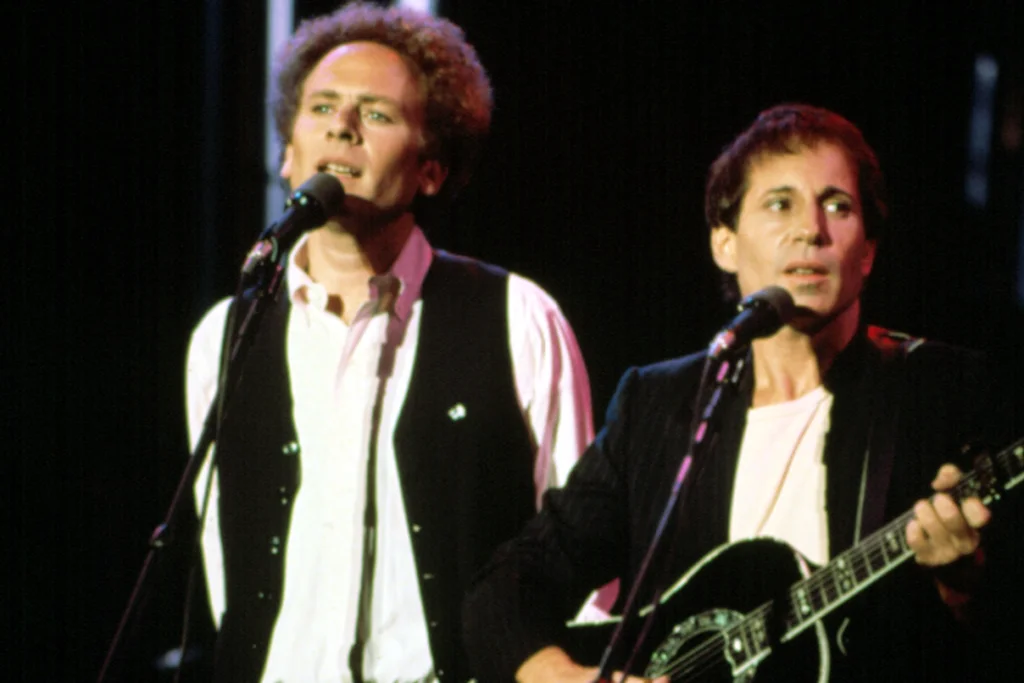
When Bridge Over Troubled Water arrived in 1970, it immediately struck a chord with listeners. The album blended folk, pop, and gospel influences in a way that felt both grand and comforting. The title track alone became one of the most memorable songs of the era, showcasing Art Garfunkel’s soaring vocals. Other tracks like “The Boxer” and “Cecilia” added variety while keeping the album’s emotional core intact.
Because the songs were so beautifully arranged, many listeners preferred hearing them on vinyl. The quiet moments felt even more powerful when played through home speakers late at night. People often returned to their favorite tracks when they needed something reflective or calming. The album carried a sense of warmth that made it easy to revisit. Over time, Bridge Over Troubled Water became a record that spent a lot of time spinning.
8. Born to Run (1975) by Bruce Springsteen
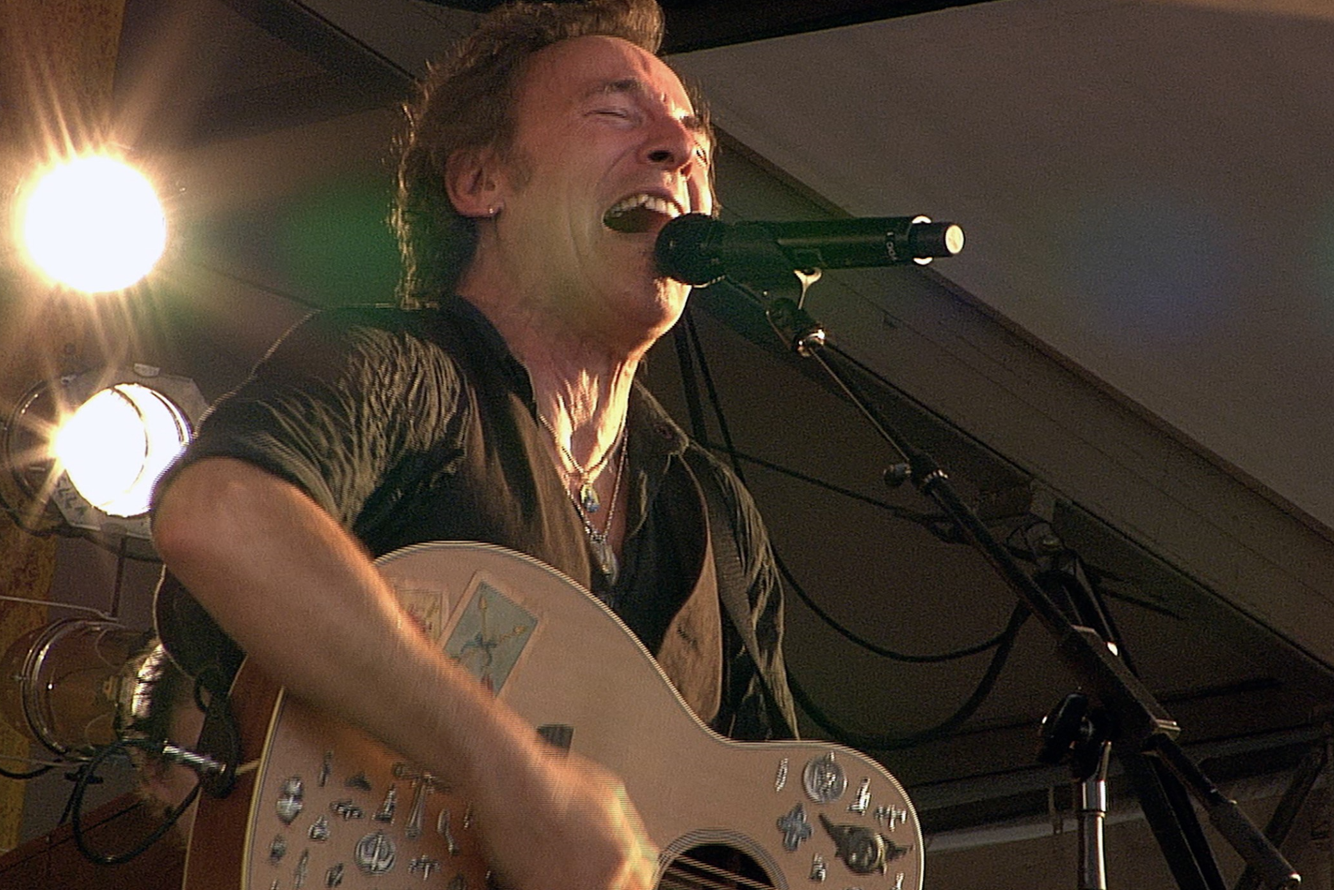
Bruce Springsteen’s Born to Run arrived in 1975 and instantly gave listeners something cinematic to hold onto. The album’s sweeping sound and vivid storytelling made it feel larger than life. Songs like “Thunder Road,” “Born to Run,” and “Jungleland” painted pictures of restless youth and late night drives. It was music that seemed built for dreaming about the open road.
Listeners often played the album when they wanted to feel energized or inspired. The dramatic arrangements and heartfelt lyrics encouraged repeat listens. Many fans remember memorizing entire sections of the record. The songs felt personal while still capturing a bigger sense of possibility. Before long, Born to Run had become another record that rarely left the turntable.
9. Songs in the Key of Life (1976) by Stevie Wonder
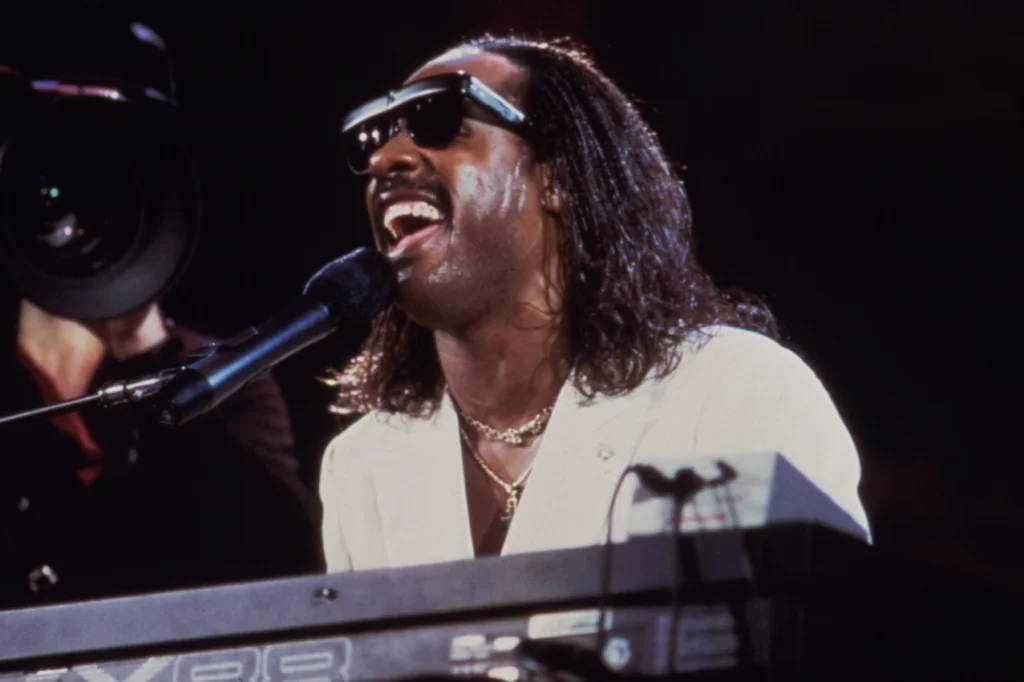
When Stevie Wonder released Songs in the Key of Life in 1976, it felt like a musical event. The ambitious double album explored everything from love and family to social issues and celebration. Tracks like “Sir Duke,” “Isn’t She Lovely,” and “I Wish” showed Wonder’s incredible range as a songwriter and performer. Each side of the record brought something new to discover.
Because the album covered so many moods, it worked in almost any setting. Some songs made people want to dance while others invited quiet listening. Many households kept returning to it because there was always another favorite track waiting. The richness of the arrangements made the music feel timeless. For a lot of listeners, Songs in the Key of Life practically lived on the turntable.
10. Boston (1976) by Boston
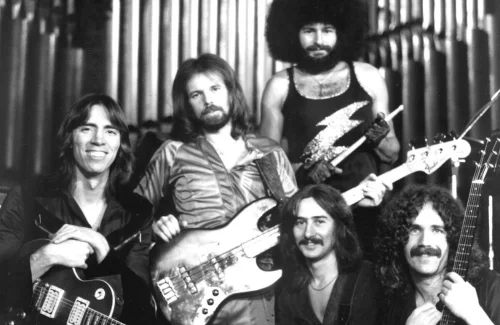
When Boston released their self titled debut album in 1976, it immediately sounded different from anything else on the radio. The record featured massive guitar layers, soaring vocals, and an almost futuristic production style. Songs like “More Than a Feeling,” “Peace of Mind,” and “Foreplay/Long Time” became instant rock staples. The sound was polished yet incredibly powerful.
Because every track seemed built for volume, fans loved playing the album on their home stereo systems. The opening notes of “More Than a Feeling” alone were enough to send someone rushing to the turntable. Many listeners simply flipped the record over and started it again once it ended. The album captured a sense of excitement that was hard to match. It quickly became one of those records that rarely left the platter.
11. The Stranger (1977) by Billy Joel
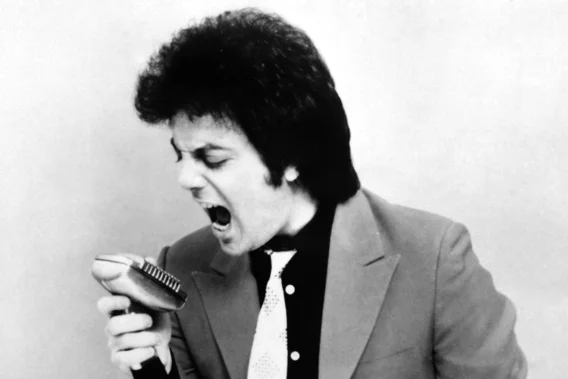
Billy Joel’s The Stranger arrived in 1977 and soon became a favorite in many homes. The album blended pop, rock, and piano driven storytelling in a way that felt instantly familiar. Songs like “Just the Way You Are,” “Movin’ Out (Anthony’s Song),” and “Scenes from an Italian Restaurant” gave listeners plenty to hold onto. Each track felt like a small story unfolding.
Because the melodies were so memorable, people often sang along after only a few listens. The record worked just as well during a quiet evening as it did during a lively gathering. Joel’s conversational style made listeners feel like he was speaking directly to them. Many fans returned to the album repeatedly throughout the late ’70s. Before long, The Stranger had become another album that practically lived on the turntable.
12. Frampton Comes Alive! (1976) by Peter Frampton
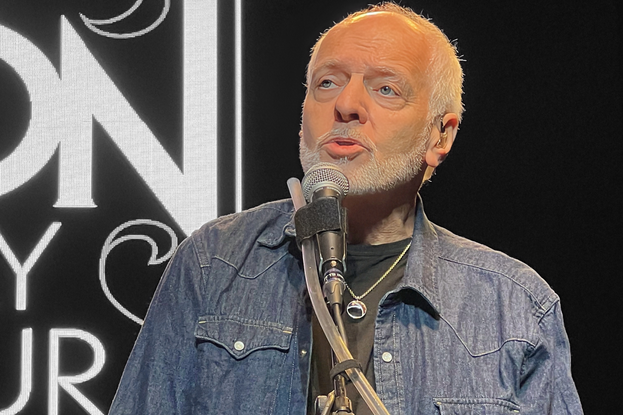
Live albums rarely dominated the charts the way Frampton Comes Alive! did in 1976. The record captured Peter Frampton at the height of his popularity, complete with enthusiastic crowds and extended guitar solos. Songs like “Show Me the Way,” “Baby, I Love Your Way,” and “Do You Feel Like We Do” sounded bigger and more energetic than their studio versions. The famous talk box guitar effect became one of the album’s defining sounds.
Listeners loved the feeling of being part of the audience. Playing the record at home almost made it feel like a concert in the living room. Friends would gather and wait for their favorite moments in the performances. The album’s relaxed, joyful atmosphere made it easy to replay from beginning to end. For many fans in the late ’70s, Frampton Comes Alive! hardly ever left the turntable.