
1. Elvis Presley
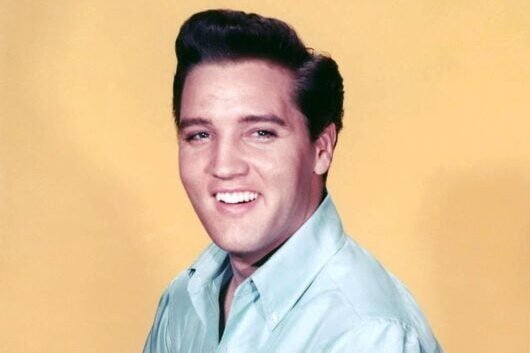
By the time the ’60s rolled around, Elvis Presley was already a cultural force, but his fame only grew more complex during the decade. Fans still screamed at the sight of him, yet Presley was now balancing his music career with an intense film schedule. Movies like Blue Hawaii and Viva Las Vegas kept his face everywhere, from theater marquees to magazine covers. His slicked hair, flashy outfits and easy charm made him feel larger than life. Presley represented a kind of celebrity that felt almost mythic.
Even people who did not follow rock and roll knew exactly who he was. Presley’s concerts, films and public appearances helped shape the modern idea of a superstar. His influence stretched from fashion to music to the way celebrities interacted with their fans. For many Americans, he set the blueprint for what a famous entertainer looked like.
2. Elizabeth Taylor
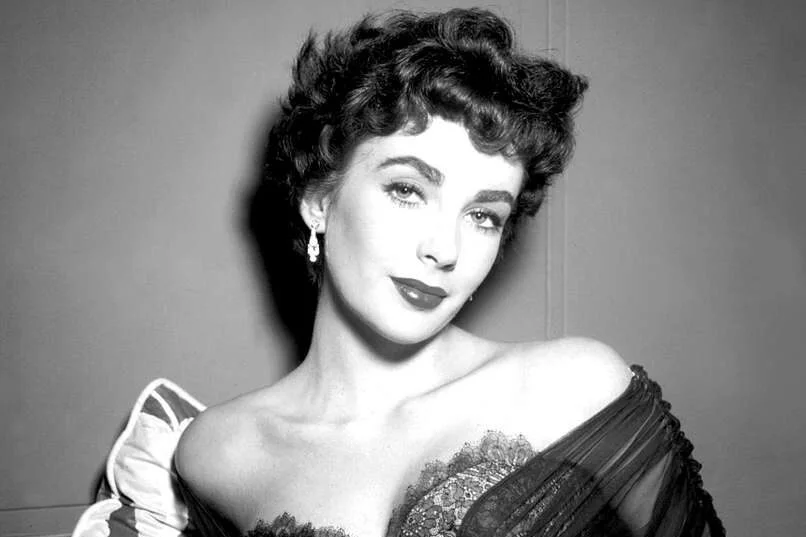
Elizabeth Taylor entered the ’60s already famous, but the decade turned her into one of the most talked about women on the planet. Her striking violet eyes, glamorous lifestyle and high profile romances made her irresistible to the media. When she starred in Cleopatra in 1963, the film’s enormous publicity and her relationship with Richard Burton kept her constantly in the headlines. Taylor seemed to live inside a permanent spotlight. She embodied the kind of glamorous fame people associated with classic Hollywood.
Her talent backed up the attention. Taylor won Academy Awards for BUtterfield 8 and Who’s Afraid of Virginia Woolf?, proving she was more than just a tabloid figure. She could move effortlessly between dramatic acting and larger than life celebrity. Taylor helped define the image of the international movie star. For millions of fans, she was the very picture of Hollywood royalty.
3. John F. Kennedy
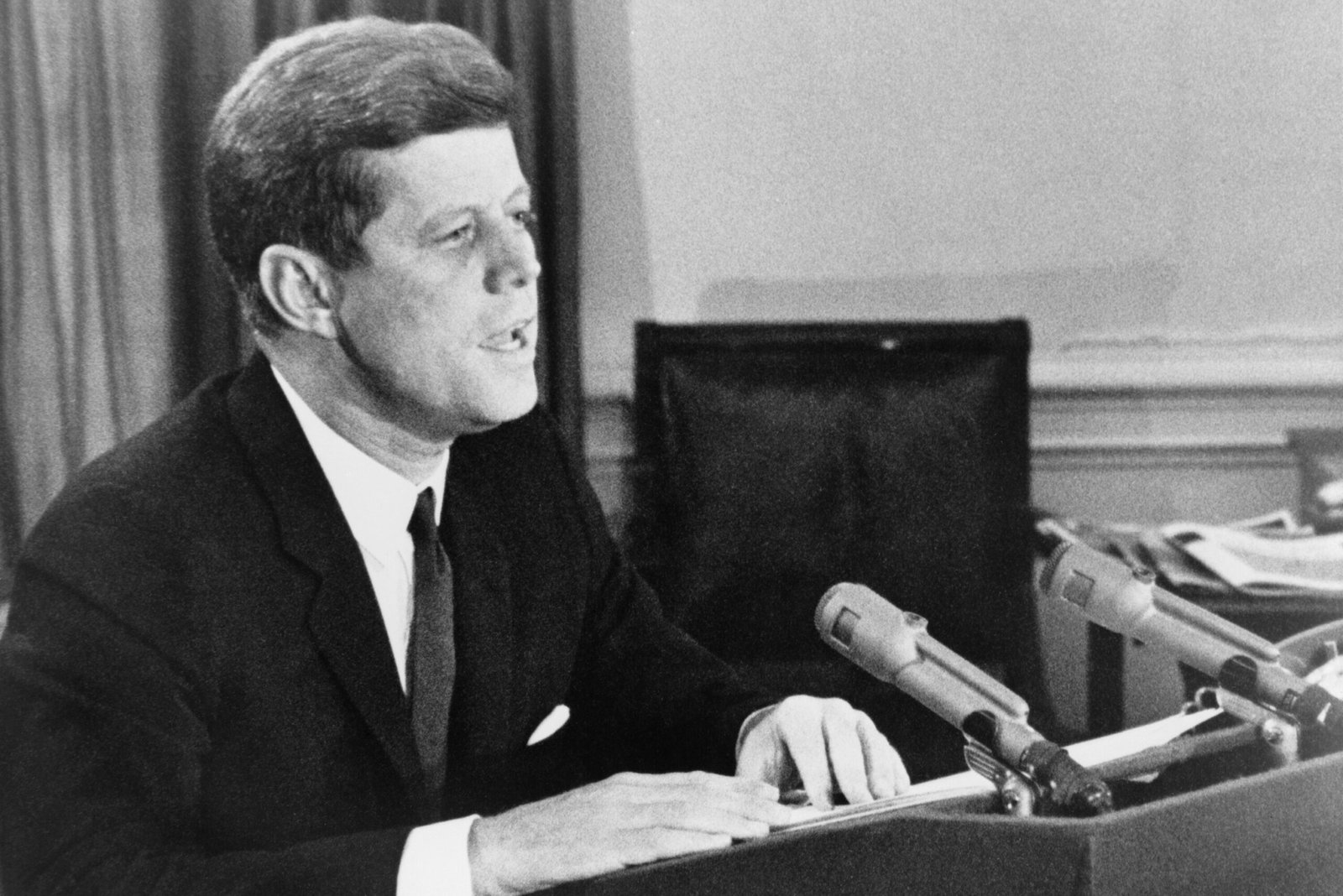
When John F. Kennedy became president in 1961, he changed how the public saw political fame. Kennedy was young, charismatic and seemed perfectly suited for the television age. His speeches, press conferences and public appearances were watched by millions. The Kennedy family itself became a kind of American royalty. Suddenly politics and celebrity culture began blending together.
Kennedy’s image carried enormous influence. His style, from his tailored suits to his confident demeanor, shaped how leaders presented themselves. The glamour of the Kennedy White House fascinated the public and the press alike. Even decades later, the term “Camelot” is used to describe the hopeful image of his presidency. Kennedy showed that fame was not limited to Hollywood.
4. The Beatles
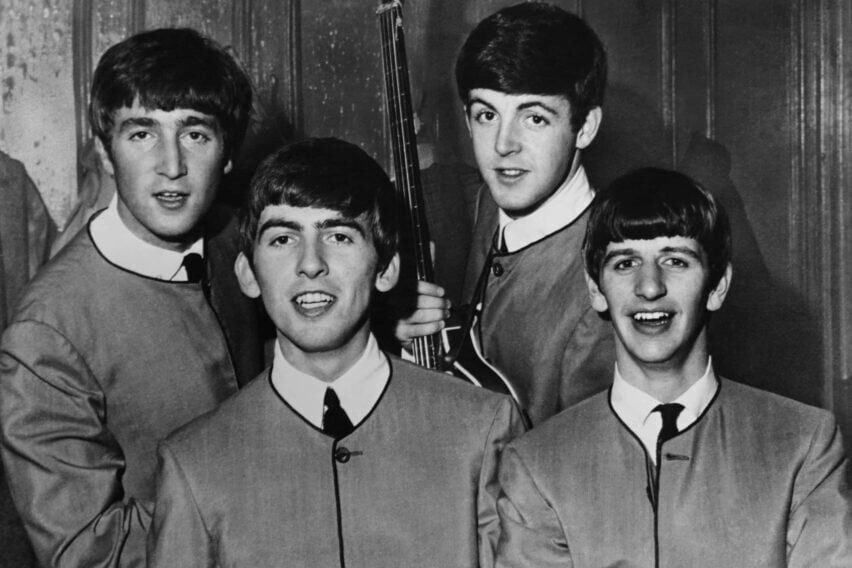
When The Beatles arrived in America in 1964, fame itself seemed to explode. John Lennon, Paul McCartney, George Harrison and Ringo Starr sparked a frenzy that reporters quickly labeled Beatlemania. Teenagers screamed, fainted and chased their cars through city streets. Their appearance on The Ed Sullivan Show became one of the most watched television moments in history. Suddenly four musicians from Liverpool were the most famous people in the world.
Their influence reached far beyond music. Haircuts, clothing styles and even attitudes began to reflect the band’s cultural impact. The Beatles showed that fame could be global and immediate. They were not just popular entertainers, they were a phenomenon. In many ways, they helped define the modern idea of pop superstardom.
5. Marilyn Monroe
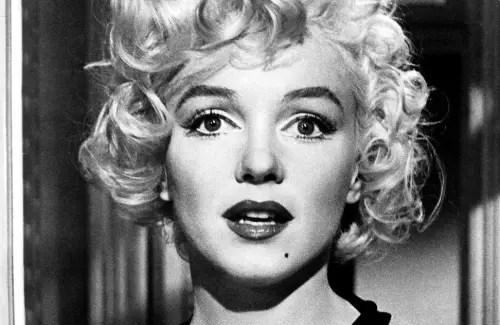
Although Marilyn Monroe died in 1962, her presence shaped the early ’60s and the idea of celebrity itself. Monroe represented a combination of beauty, vulnerability and mystery that fascinated the public. Films like Some Like It Hot had already cemented her as one of Hollywood’s most recognizable faces. Her personal life, however, was often as discussed as her performances. That mixture of glamour and tragedy became part of her legend.
After her death, Monroe’s image only grew stronger. Photographs, magazine covers and film reruns kept her in the public eye. She became one of the first celebrities whose legacy expanded dramatically after passing. Monroe’s lasting fame helped create the idea of the eternal Hollywood icon. Even today, her influence on celebrity culture remains unmistakable.
6. Frank Sinatra
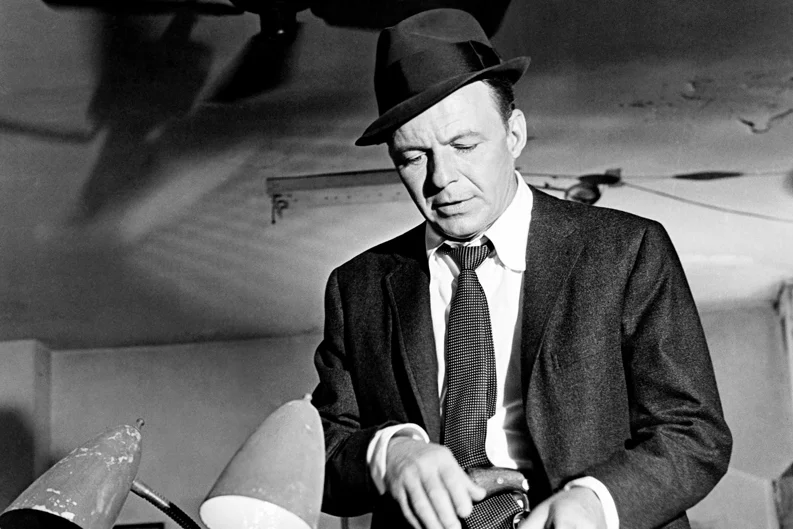
Frank Sinatra entered the ’60s as a seasoned star, yet his popularity remained enormous. Known as “Ol’ Blue Eyes,” Sinatra balanced music, film and nightclub performances with remarkable ease. Albums like September of My Years showed his continued musical power. He also delivered memorable film roles, including his Oscar winning performance in From Here to Eternity earlier in his career and later work that kept audiences engaged. Sinatra’s confidence and swagger became part of his public persona.
He also embodied a certain image of celebrity sophistication. Sinatra moved comfortably among Hollywood elites, political leaders and fellow entertainers. His friendships with performers known as the Rat Pack made Las Vegas nightlife seem glamorous and exciting. Sinatra helped define the idea of the charismatic entertainer who commanded every room he entered. His fame felt both effortless and powerful.
7. Audrey Hepburn
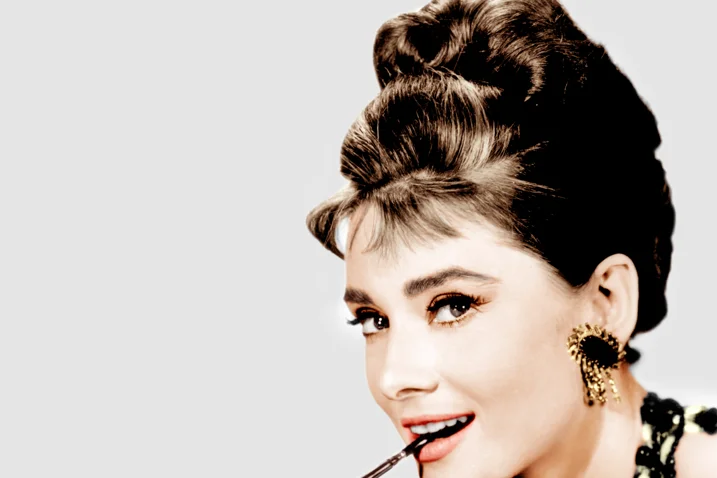
Audrey Hepburn brought a different kind of fame to the ’60s, one built on elegance and quiet charm. With films like Breakfast at Tiffany’s and Charade, she became one of the most beloved actresses of the decade. Hepburn’s delicate style, expressive eyes and graceful presence made her instantly recognizable. She did not rely on scandal or spectacle. Instead, her fame grew from admiration and affection.
Hepburn also influenced fashion in a major way. Designers like Hubert de Givenchy created iconic looks that fans eagerly copied. Her slim silhouettes, simple dresses and understated glamour reshaped the idea of movie star style. Hepburn showed that fame could be sophisticated and refined. She became a lasting symbol of timeless elegance.
8. Muhammad Ali
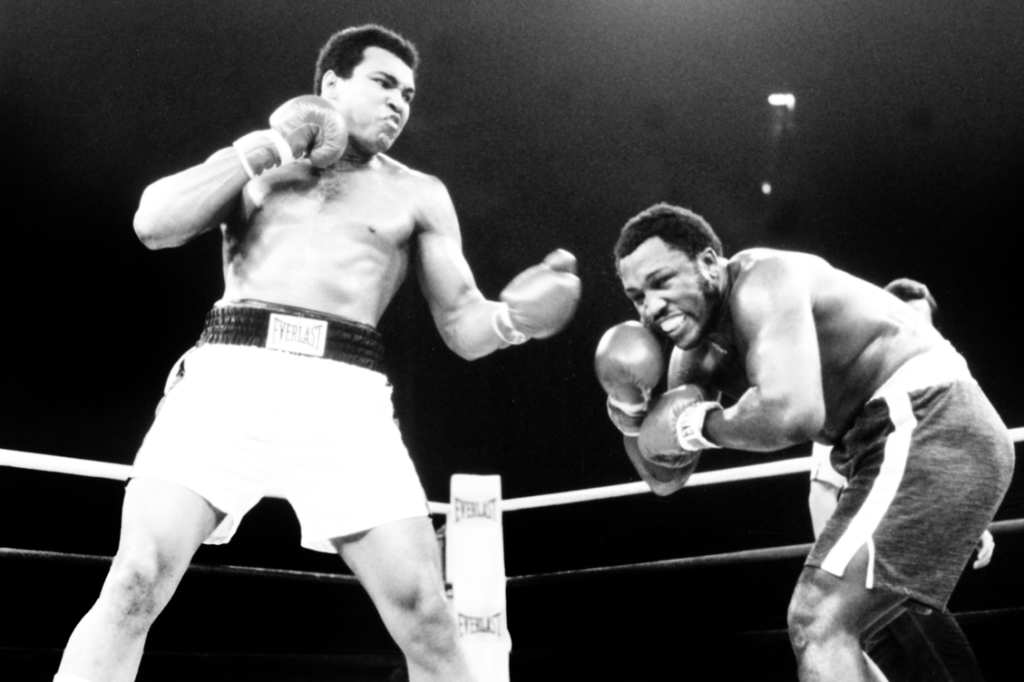
Muhammad Ali transformed the meaning of sports fame during the ’60s. Originally known as Cassius Clay, he captured the world heavyweight boxing title in 1964. His quick wit, bold predictions and unmatched confidence made him a media sensation. Ali spoke directly to the public and reporters with a charisma that few athletes had displayed before. He understood the power of publicity and used it brilliantly.
Ali’s fame went far beyond the boxing ring. His decision to refuse induction into the U.S. Army during the Vietnam War sparked national debate. That stance made him both controversial and deeply respected by many. Ali proved that athletes could influence politics and culture. His fame carried a sense of purpose and conviction.
9. Barbra Streisand
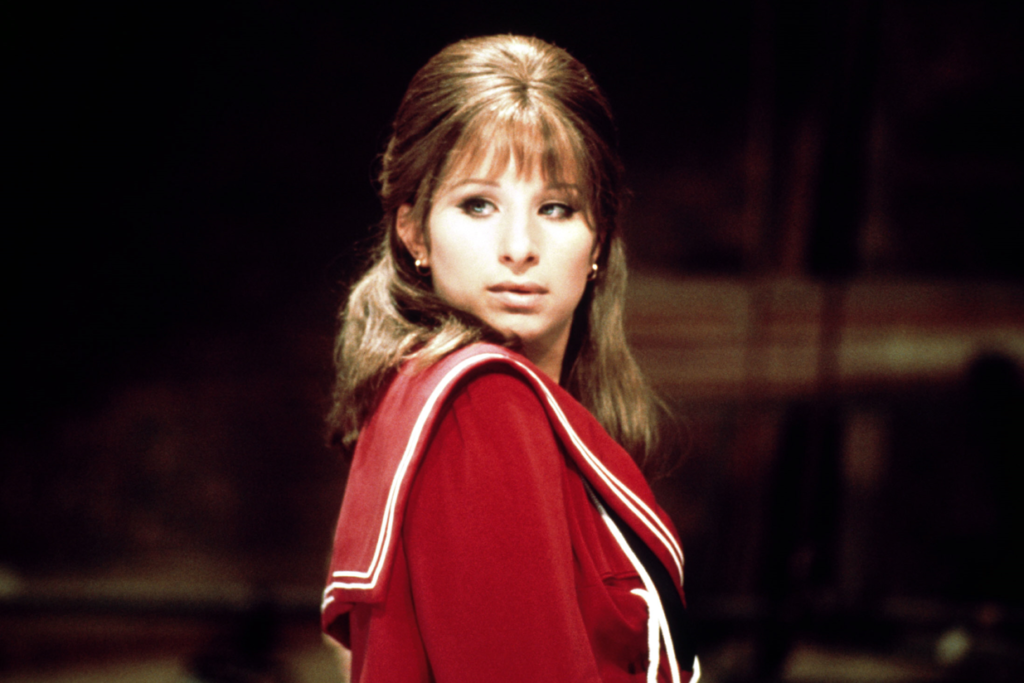
Barbra Streisand emerged in the ’60s as one of the most distinctive voices in entertainment. Her powerful singing and unmistakable style made her impossible to ignore. Streisand’s Broadway success in Funny Girl led to the 1968 film adaptation, which earned her an Academy Award. Suddenly she was not just a stage performer but a major Hollywood star. Her voice, personality and confidence made her feel completely unique.
Streisand’s fame also challenged traditional ideas about beauty and celebrity. She refused to conform to Hollywood’s expectations about appearance. Instead she leaned into what made her different. That authenticity resonated with audiences. Streisand showed that individuality itself could become a powerful part of fame.
10. Steve McQueen
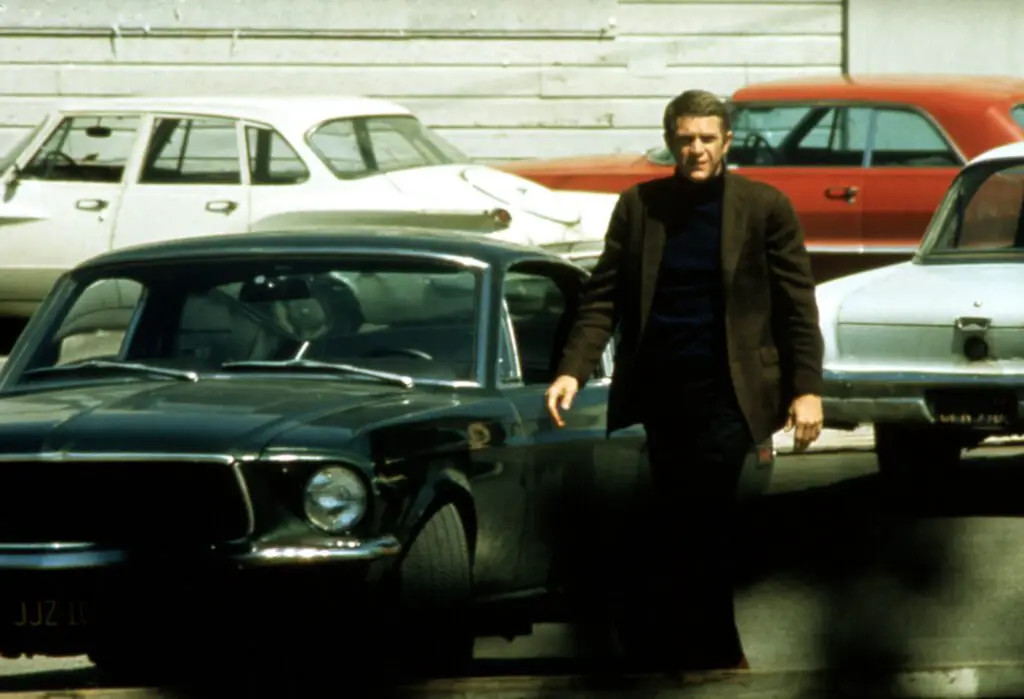
Steve McQueen became one of the defining movie stars of the decade with his cool, understated presence. Films like The Great Escape and Bullitt turned him into a symbol of rugged masculinity. McQueen did not rely on flashy performances. Instead he used quiet intensity and subtle expressions that made audiences lean in. His calm confidence made him feel effortlessly cool.
Off screen, McQueen’s lifestyle only added to his mystique. He loved motorcycles, fast cars and adventure, which fit perfectly with his public image. Photographs of McQueen riding or racing became part of his legend. He represented a new kind of movie star, less polished but undeniably magnetic. For many fans, McQueen defined what cool fame looked like.
11. Diana Ross
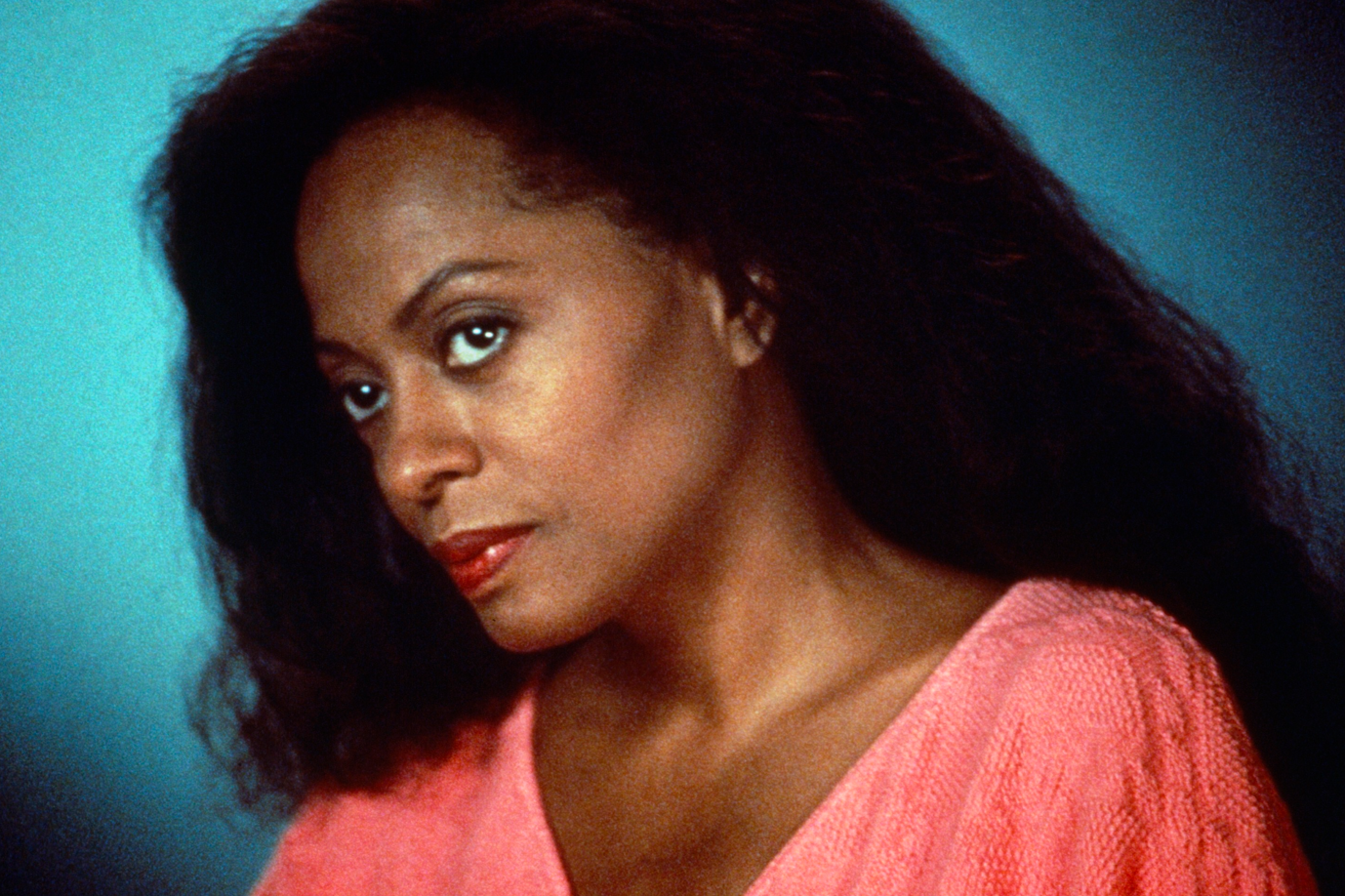
As the lead singer of The Supremes, Diana Ross helped shape the sound and style of the ’60s. The group’s polished performances and elegant image made them Motown’s most successful act. Songs like “Stop! In the Name of Love” and “You Can’t Hurry Love” dominated the charts. Ross stood at the center of that success with her confident stage presence. She quickly became one of the most recognizable faces in music.
Ross’s fame carried cultural significance as well. The Supremes became one of the first Black female groups to achieve massive mainstream success. Their appearances on television and concert stages broke barriers and inspired countless performers. Ross represented glamour, talent and determination. Her star power helped reshape the music industry.
12. Paul Newman
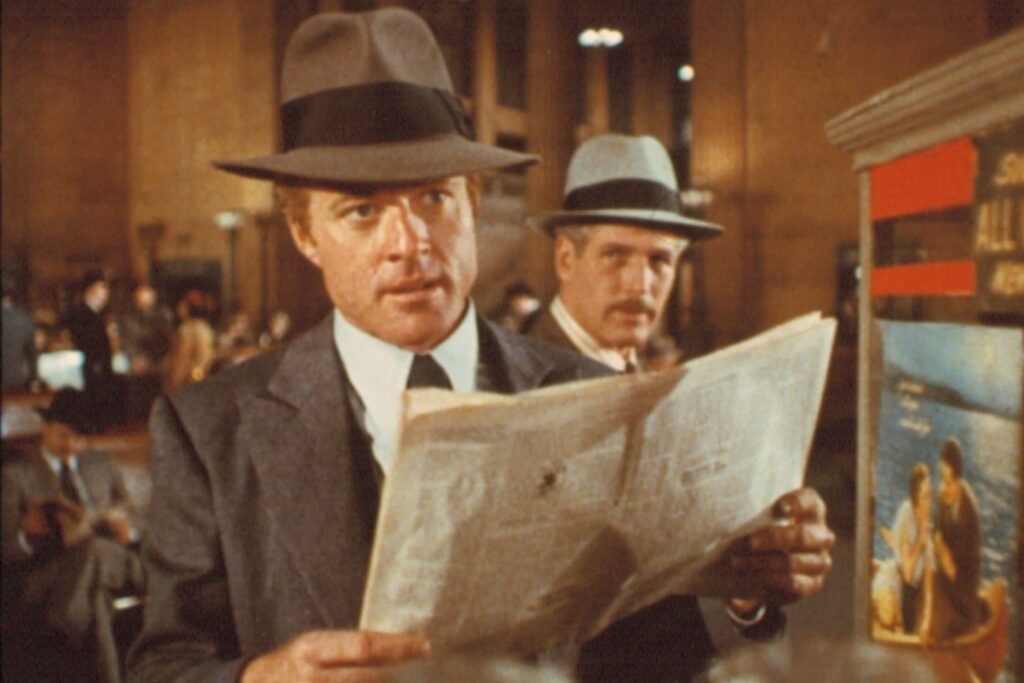
Paul Newman’s blue eyes alone made him unforgettable, but his acting talent gave his fame real staying power. During the ’60s he starred in films like Cool Hand Luke and Hud, creating characters audiences deeply connected with. Newman often played rebellious figures who challenged authority. That quality resonated strongly with younger viewers of the era. His performances felt authentic and emotionally grounded.
Off screen, Newman carried himself with quiet dignity. He avoided many of the scandals that surrounded other celebrities of the time. Fans admired both his talent and his character. Newman represented a thoughtful, intelligent kind of stardom. His reputation helped shape the idea that a movie star could be both admired and respected.
13. Twiggy
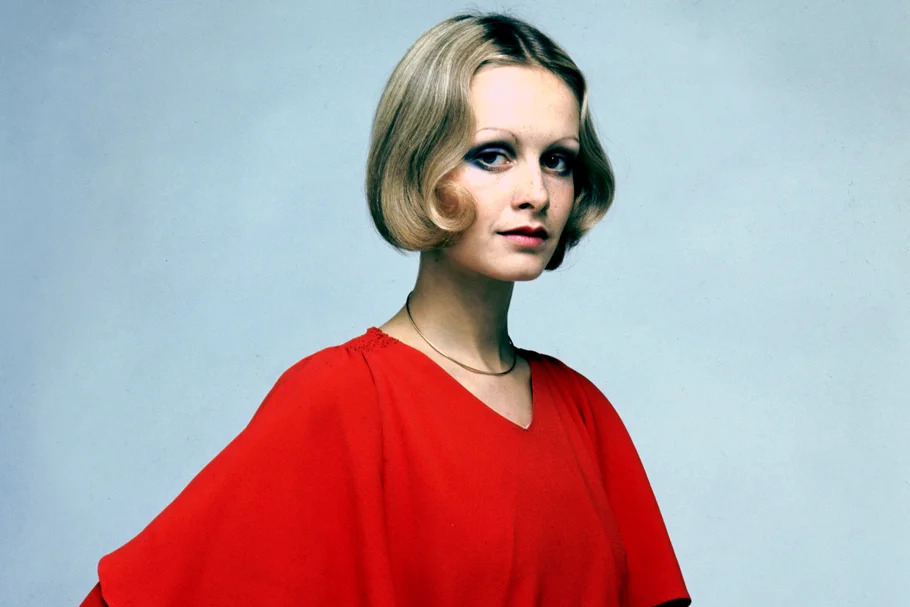
Twiggy burst onto the scene in the mid ’60s and quickly became one of the most recognizable faces in fashion. With her short hair, wide eyes and slender frame, she represented a dramatic shift in beauty standards. Photographs of her appeared in magazines across the world. Almost overnight she became the symbol of the London fashion scene. Twiggy helped capture the youthful spirit of the decade.
Her influence spread far beyond modeling. Hairstyles, makeup trends and clothing styles all reflected her distinctive look. Twiggy represented the growing connection between fashion and celebrity culture. She proved that a model could achieve the same level of fame as film stars and musicians. In the process, she helped redefine what modern celebrity could look like.