
1. Coca-Cola’s “I’d Like to Buy the World a Coke” (1971)
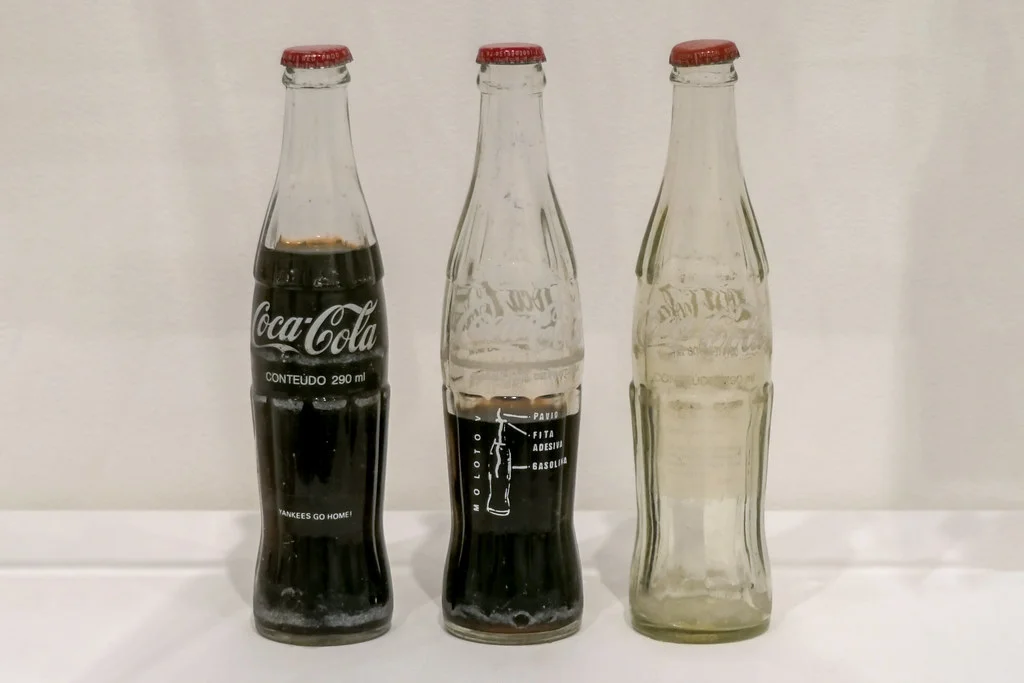
Few commercials from the ’70s captured the era’s hopeful spirit quite like Coca-Cola’s famous hilltop ad. A diverse group of young people stood together on a grassy hillside, each holding a bottle of Coke and singing the now-iconic line, “I’d like to buy the world a Coke.” It debuted in 1971 during a time when the country was wrestling with the Vietnam War and social unrest, so the message of harmony landed in a powerful way. The melody was simple and sincere, and viewers quickly connected with the idea of unity through something as everyday as a soft drink.
The commercial became so popular that the song was later recorded as a full single called “I’d Like to Teach the World to Sing.” Radio stations began playing it constantly, blurring the line between advertising and pop culture. Even people who didn’t drink soda could hum the tune years later. Watching it today feels like stepping into a moment when advertisers believed a commercial could carry a message about peace and togetherness. In many ways, it’s less like a sales pitch and more like a tiny musical snapshot of the early ’70s.
2. Alka-Seltzer’s “I Can’t Believe I Ate the Whole Thing”
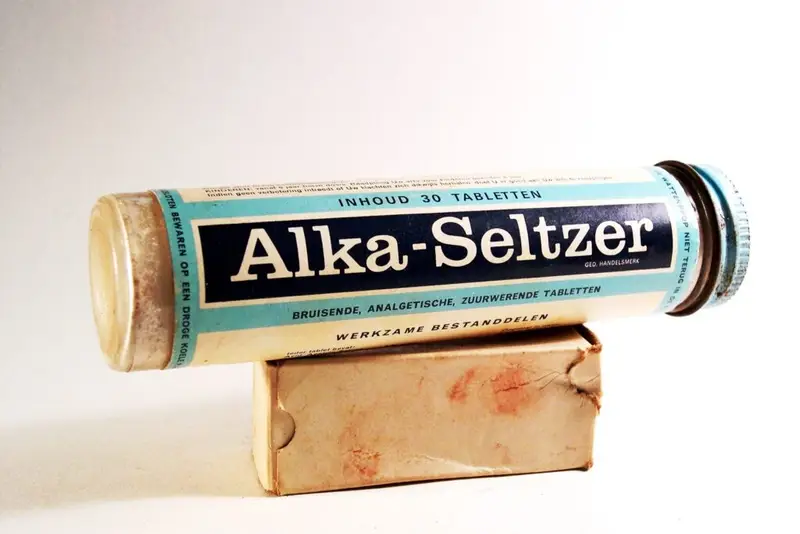
This classic Alka-Seltzer spot turned a simple line of dialogue into one of the most quoted phrases of the decade. In the commercial, a man stumbles out of bed in the middle of the night groaning about how much food he ate. Between sighs he mutters, “I can’t believe I ate the whole thing,” clearly regretting every bite. The humor came from how relatable the moment felt, especially after big dinners or holiday meals.
The commercial was simple, almost like a short comedy sketch rather than a slick production. There were no flashy effects, just a tired guy, a glass of water and a couple of fizzy tablets. Yet that understatement made it memorable, and audiences repeated the line for years afterward. Even people who had never taken Alka-Seltzer knew the phrase. Watching it now feels like seeing how much mileage advertisers could get from one perfectly delivered line.
3. Oscar Mayer’s “My Bologna Has a First Name”
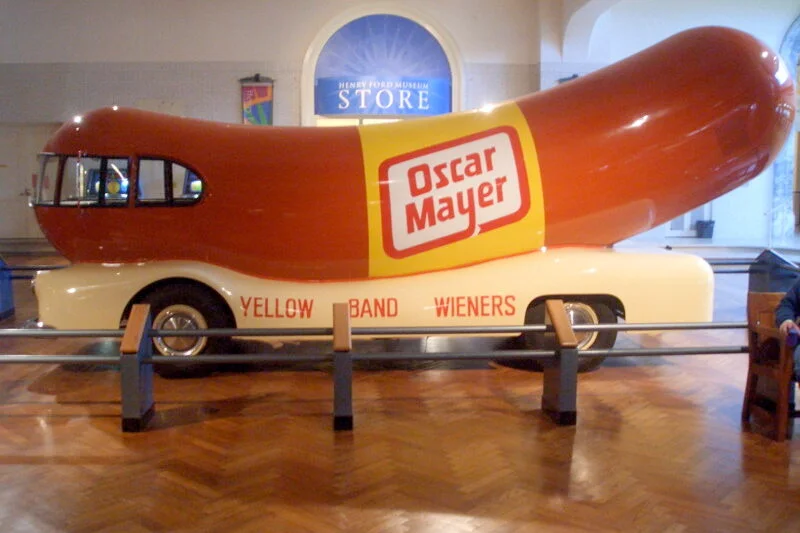
Few advertising jingles from the ’70s burrowed into people’s heads like Oscar Mayer’s cheerful bologna song. In the commercial, a young boy sits on a dock with a fishing pole and sings, “My bologna has a first name, it’s O-S-C-A-R.” His earnest delivery made it sound less like advertising and more like a kid proudly sharing a secret. The simple melody and spelling gimmick made it irresistible to repeat.
Parents and kids alike found themselves humming the tune in grocery stores and at the dinner table. The ad leaned into wholesome imagery that felt straight out of suburban childhood, complete with sunshine and calm water. Over time the jingle became one of the most recognizable food commercials ever made. Watching it today instantly transports viewers to an era when a catchy tune and a kid with a fishing pole were enough to sell lunch meat.
4. Life Cereal’s “Hey Mikey!” (1972)

The Life cereal commercial featuring picky little Mikey became one of the most beloved ads of the decade. In the spot, two brothers push a bowl of cereal toward their famously fussy sibling. They assume he’ll hate it like everything else, but Mikey digs in enthusiastically. The brothers exchange shocked looks and say the now-famous line, “He likes it! Hey Mikey!”
The charm of the commercial came from how natural the kids seemed on screen. There was no exaggerated acting or over-the-top setup, just a small family moment around the breakfast table. The ad aired so often that the phrase “Hey Mikey!” entered everyday conversation. It’s the kind of commercial that still feels instantly recognizable decades later. Watching it today is like opening a time capsule from Saturday morning TV.
5. McDonald’s “You Deserve a Break Today”
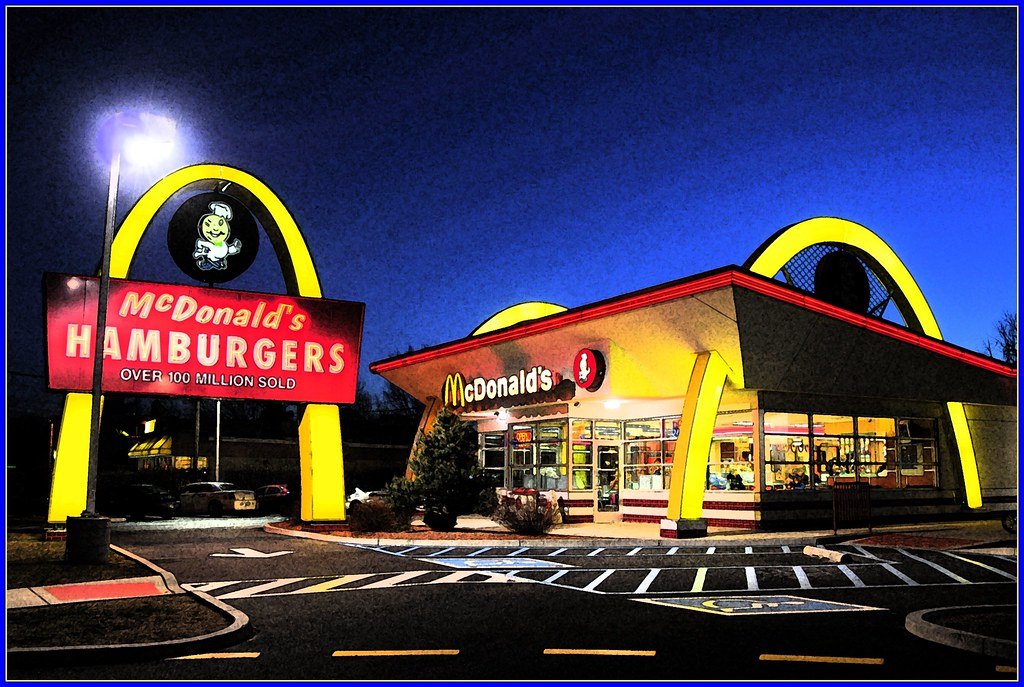
In the ’70s, McDonald’s leaned into a warm and welcoming message with its “You Deserve a Break Today” campaign. The commercials often showed busy families, workers and travelers stopping by the golden arches for a quick moment of relief. The catchy jingle suggested that grabbing a burger and fries was a small reward after a long day. It turned fast food into something that felt comforting and well earned.
The tone of the ads reflected a changing America where more families were on the go. Instead of cooking every meal at home, people were starting to embrace convenience. The commercials portrayed McDonald’s as a friendly place where everyone could relax for a moment. Watching them today reveals how the company built its image around family and familiarity. They feel less like ads and more like snapshots of everyday ’70s life.
6. Calgon’s “Ancient Chinese Secret”
The Calgon laundry detergent commercial featuring the phrase “Ancient Chinese secret, huh?” became one of the most memorable ads of the decade. In the spot, a man wonders how his neighbor’s shirts always look so clean. She jokingly claims the secret comes from an ancient Chinese method. Moments later the camera reveals the truth, a box of Calgon sitting right on the washing machine.
The commercial played like a quick punchline rather than a traditional advertisement. Its humor made the product easy to remember, even if viewers barely noticed the detergent itself. The phrase “ancient Chinese secret” quickly became a pop culture catchphrase. Today the ad also serves as a reminder of how humor in advertising has evolved over time. Watching it now offers a fascinating glimpse into the tone of ’70s TV commercials.
7. Reese’s Peanut Butter Cups “Two Great Tastes”
The Reese’s commercial built around the line “You got your peanut butter in my chocolate!” turned a simple accident into advertising gold. In the spot, two people bump into each other while eating their snacks. One has a chocolate bar and the other a jar of peanut butter. Their collision supposedly creates the perfect combination.
The premise was playful and easy for viewers to imagine. The characters argue for a moment before realizing the mix actually tastes great. From there the slogan “two great tastes that taste great together” became inseparable from the candy. The commercial helped cement Reese’s as a classic treat. Watching it now feels like revisiting the moment when the brand’s identity truly took shape.
8. Miller Lite’s “Tastes Great, Less Filling”
Miller Lite launched a long-running ad campaign built around a friendly argument between sports figures and celebrities. One side insisted the beer “tastes great,” while the other shouted that it was “less filling.” The debates often took place in bars, with familiar faces like athletes and TV personalities joining the playful shouting match. The slogan was simple enough that viewers quickly picked a side of their own.
The ads helped introduce the idea of light beer to a much wider audience. Instead of focusing on technical brewing details, the commercials leaned into humor and personality. People started repeating the catchphrases during real-life bar conversations. The campaign ran for years and became deeply tied to the brand’s identity. Watching the early versions today feels like stepping into a lively ’70s sports bar.
9. “Ring Around the Collar” Laundry Commercial

This commercial tapped into a familiar household frustration, the stubborn stain around a shirt collar. In the ad, a worried wife listens while someone points out the dreaded “ring around the collar.” The tone feels almost like a short domestic drama, with the stain treated as a serious problem. The solution, of course, is the right detergent.
The phrase itself became part of everyday language. People joked about it whenever laundry didn’t come out perfectly clean. The commercial also reflected the advertising style of the time, which often focused on solving everyday household problems. Compared to modern ads, it feels almost quaint in its seriousness. Watching it today is like peeking into a very specific slice of domestic life in the ’70s.
10. Tootsie Pop’s “How Many Licks?” (1970)

The animated Tootsie Pop commercial featuring a curious boy and a wise old owl became a fixture of children’s television. In the ad, the boy asks various animals how many licks it takes to get to the center of a Tootsie Pop. Each animal gives up before reaching the middle. Finally the owl tries, counts three licks and then bites straight through the candy.
The humor comes from the owl’s impatience and the boy’s shocked reaction. The commercial ends by telling viewers that the world may never know the answer. Kids immediately began conducting their own experiments at home. Decades later, people still debate the question. Watching the ad today brings back the feeling of after-school cartoons and sugary treats.
11. Crest’s “Look, Mom, No Cavities!”
Crest toothpaste commercials in the ’70s often featured smiling kids proudly announcing, “Look, Mom, no cavities!” The ads leaned heavily on the idea that good brushing habits could make parents feel proud. Children held up dental reports like trophies while the announcer explained Crest’s cavity-fighting formula. It was part health lesson, part celebration.
The commercials reflected a growing focus on preventive dental care during the decade. Parents were encouraged to think of toothpaste as an important part of family health. The cheerful tone made the message feel positive rather than preachy. Kids in the ads looked genuinely excited about their dentist visits. Watching the commercial now feels like revisiting the moment when oral hygiene became a big part of TV advertising.
12. Clairol’s “Does She… or Doesn’t She?”
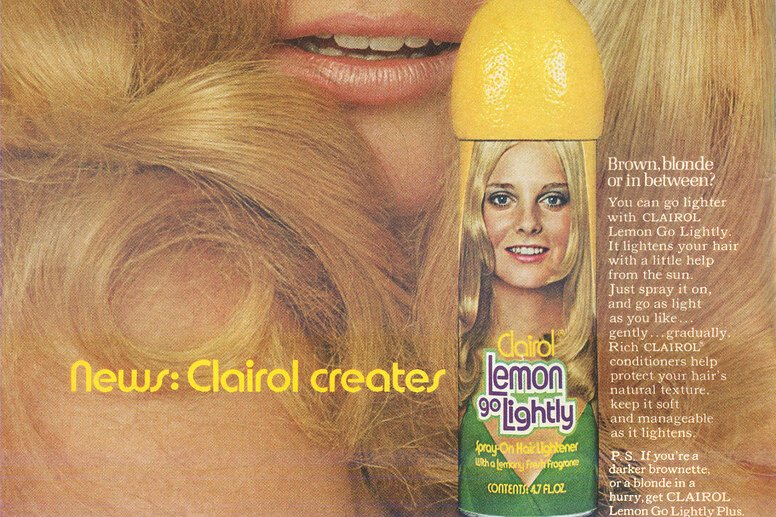
Clairol’s famous hair color campaign continued into the ’70s and kept audiences guessing. The commercials posed a playful question, “Does she… or doesn’t she?” suggesting that Clairol hair color looked so natural no one could tell it wasn’t real. Women in the ads appeared confident and stylish, hinting that the secret to their look might be the product. The idea tapped into changing attitudes about beauty and self expression.
The campaign quietly normalized the idea of coloring your hair at home. Instead of treating it like a secret, the ads framed it as something modern women could do for themselves. The slogan became widely recognized and often repeated in everyday conversation. For many viewers, it represented a new era of beauty advertising. Watching the commercial today offers a glimpse of how brands shaped ideas about style and confidence in the ’70s.