
1. Lucille Ball
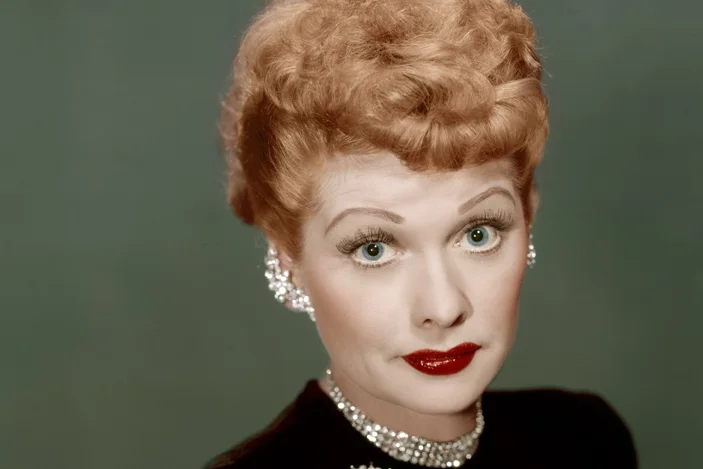
By the time the ’60s rolled around, Lucille Ball was already one of the most recognizable faces on television. Even people who had never watched an entire episode of I Love Lucy could instantly recognize that expressive redheaded comedian with the wide eyes and perfect timing. Ball’s physical comedy made her stand out in a medium that was still figuring out what television humor could be. Whether she was scheming with a friend or getting herself tangled in another ridiculous situation, audiences knew exactly who they were looking at the moment she appeared.
Ball continued her success in the ’60s with The Lucy Show, proving she was far more than a one-hit wonder. Week after week, viewers tuned in to see what kind of trouble Lucy Carmichael might get into. Her ability to combine warmth, chaos, and impeccable comedic rhythm made her unforgettable. Even a quick clip of Ball today is enough to transport people back to classic TV nights. Some faces simply belong to television history, and Ball’s is one of the most enduring.
2. Mary Tyler Moore

Mary Tyler Moore had the kind of smile that seemed made for television. Audiences first fell in love with her as Laura Petrie on The Dick Van Dyke Show, where she brought charm, wit, and a sense of realism to the role of a young suburban wife. Moore had an easygoing presence that made viewers feel like they knew her personally. Her expressive reactions and quick comedic instincts helped define the tone of one of the decade’s most beloved sitcoms.
Part of what made Moore so recognizable was the warmth she projected on screen. She could handle slapstick moments just as easily as quiet domestic scenes, and both felt completely natural. Viewers tuned in each week not just for laughs but to spend time with the Petrie household. Moore’s look, voice, and personality quickly became familiar to millions of households. Long before she became a television icon in later decades, her face was already firmly associated with the best of ’60s TV.
3. Elizabeth Montgomery
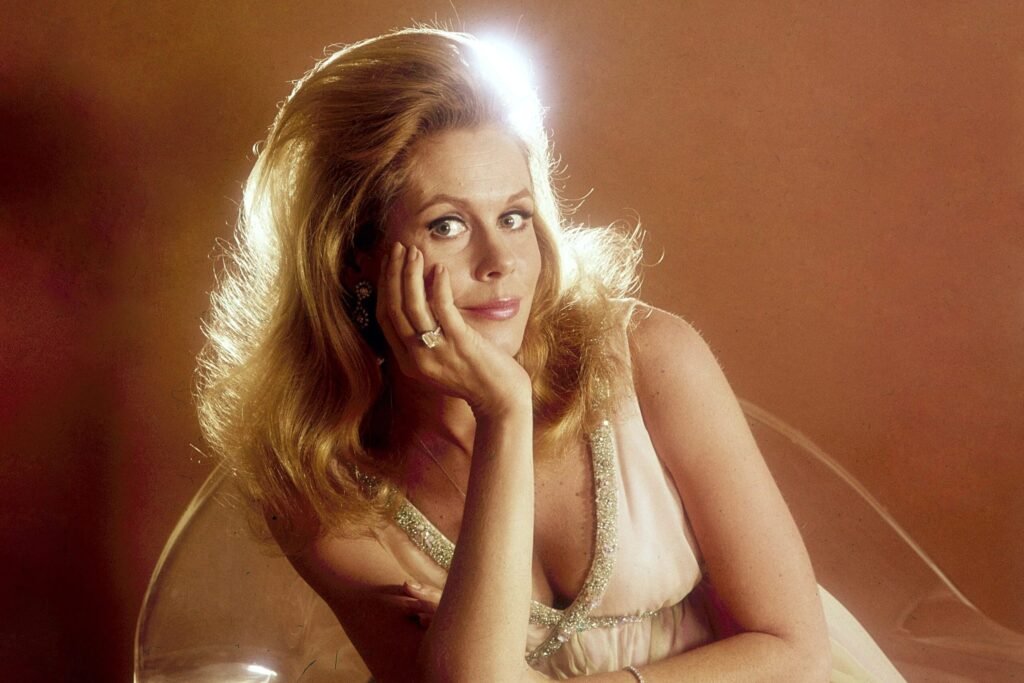
Elizabeth Montgomery became instantly identifiable thanks to her role as Samantha Stephens on Bewitched. With a quick twitch of her nose, she could make magic happen, and audiences loved watching the chaos that followed. Montgomery’s calm, slightly mischievous expression became one of the most recognizable images in television during the decade. Even people who only caught a few episodes knew exactly who she was the moment she appeared.
What made Montgomery’s presence so memorable was the balance she struck between elegance and playful humor. Samantha was powerful, but she was also relatable as a woman trying to navigate everyday life. The show’s fantasy premise worked largely because Montgomery played it with sincerity. Her expressive eyes and confident delivery made Samantha feel both magical and grounded. For many viewers, the ’60s sitcom era simply would not look the same without her.
4. Dick Van Dyke
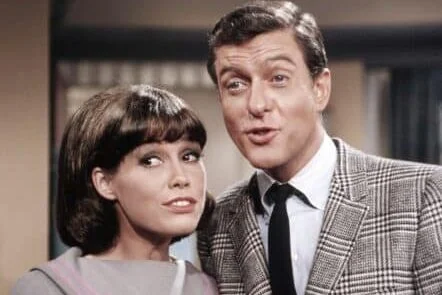
Dick Van Dyke had a face built for comedy and a physical style that made him instantly recognizable. On The Dick Van Dyke Show, his character Rob Petrie combined humor, clumsiness, and heart in a way audiences adored. Whether he was tripping over the living room ottoman or trying to juggle work and family life, Van Dyke made it all feel effortless. His tall frame and animated expressions quickly became familiar to viewers across the country.
Van Dyke’s charm was impossible to miss, and it helped make the series one of the most celebrated sitcoms of the era. He could move from witty dialogue to full physical comedy in a matter of seconds. That versatility kept the show lively and unpredictable. Even decades later, a brief clip of Rob Petrie stumbling into the living room still gets a laugh. Van Dyke’s face remains tied to some of the most joyful moments in television history.
5. Barbara Eden
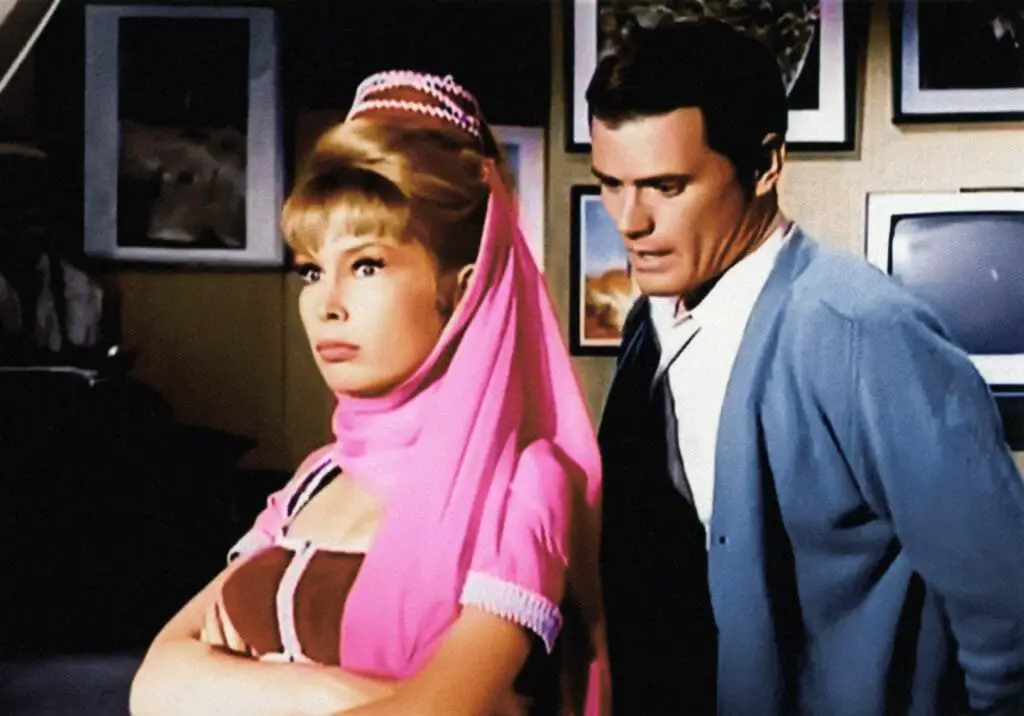
Barbara Eden became a pop culture fixture when she appeared as Jeannie on I Dream of Jeannie. With her bright smile and signature costume, Eden created a character audiences instantly recognized. The show’s premise about a magical genie living with an astronaut gave her endless opportunities for playful mischief. Every time she blinked onto the screen, viewers knew something amusing was about to happen.
Eden’s performance blended sweetness with clever humor, which helped Jeannie feel more than just a fantasy character. She was curious, loyal, and often hilariously confused by the human world around her. Eden’s expressive face helped sell every magical moment. The show quickly made her one of the most recognizable television stars of the decade. Even today, that iconic look still signals classic ’60s television fun.
6. Andy Griffith
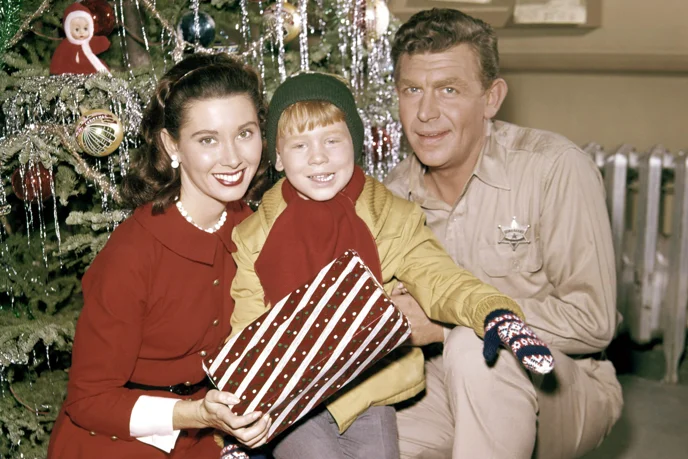
Andy Griffith brought a calm, reassuring presence to television as Sheriff Andy Taylor on The Andy Griffith Show. His relaxed demeanor and gentle humor made him feel like the trustworthy center of the fictional town of Mayberry. Griffith rarely needed big comedic moments to hold attention. Often, a simple smile or thoughtful pause was enough to carry a scene.
That understated style made his face one viewers immediately associated with comfort and familiarity. Families across the country tuned in each week to watch Andy guide his friends and neighbors through everyday problems. Griffith’s warm voice and steady presence gave the show a timeless quality. Even decades later, seeing him in the sheriff’s uniform instantly evokes memories of small-town television storytelling. His face became a symbol of the era’s most beloved sitcom.
7. Don Adams
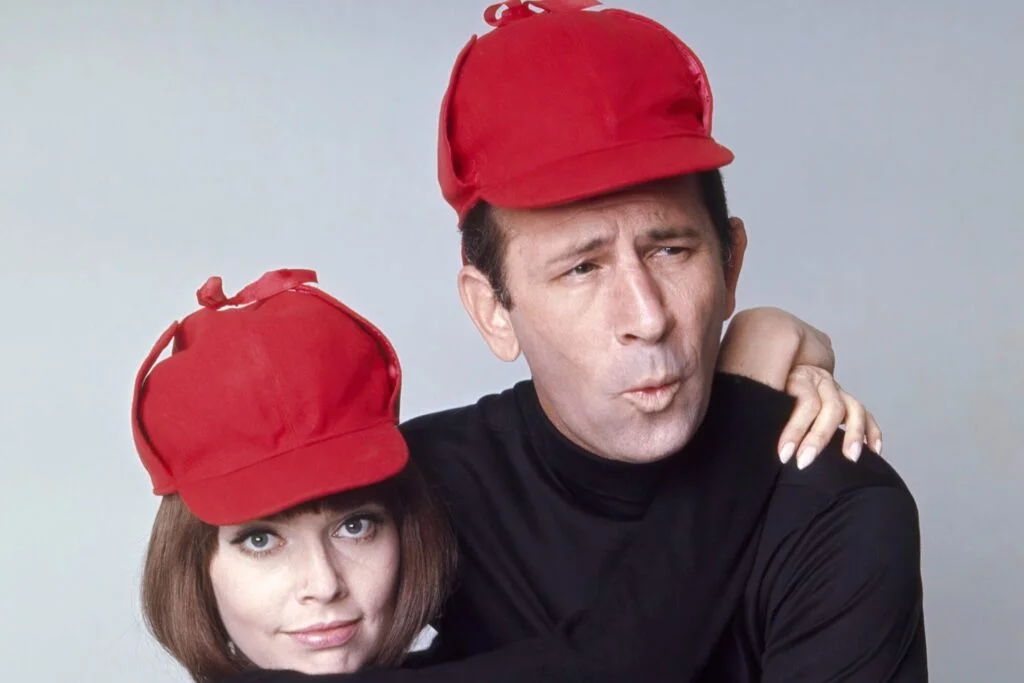
Don Adams created one of television’s most distinctive comedic characters as Maxwell Smart on Get Smart. With his deadpan delivery and slightly bewildered expression, Adams made the spy parody series unforgettable. The character’s catchphrases and exaggerated seriousness became part of pop culture almost immediately. Even people who only saw a clip or two could recognize Smart’s voice and mannerisms.
Adams’ look played a big part in that instant recognition. The suit, the cautious confidence, and the constant misunderstandings all worked together to create a memorable character. His style of humor relied heavily on timing and understatement. That made the jokes land even harder when things inevitably went wrong. Adams’ face quickly became one of the most familiar in ’60s television comedy.
8. Carroll O’Connor
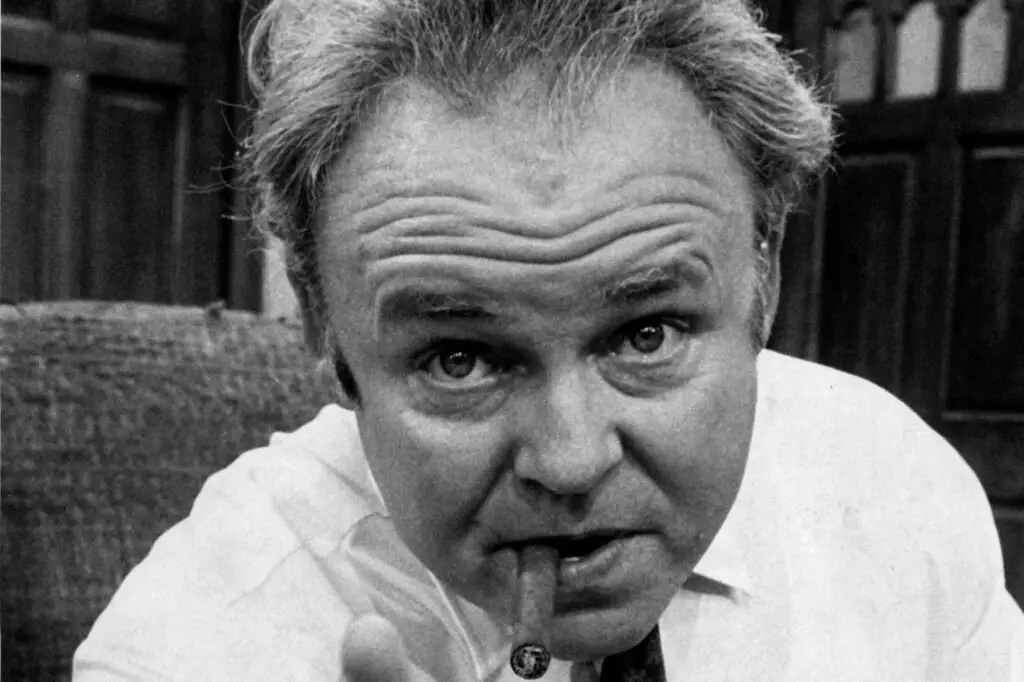
Before becoming famous in later decades, Carroll O’Connor was already appearing in memorable television roles during the ’60s. His expressive face and commanding voice made him easy to recognize even in supporting appearances. O’Connor had a natural authority on screen that made audiences pay attention whenever he appeared. That presence helped him stand out in a crowded television landscape.
His early television work laid the foundation for a long and successful career. Casting directors quickly realized he could deliver both drama and humor with equal skill. Viewers might not always remember the exact episode, but they remembered the actor. O’Connor had a face that carried personality and confidence. That combination ensured he was noticed every time he appeared on screen.
9. Robert Conrad
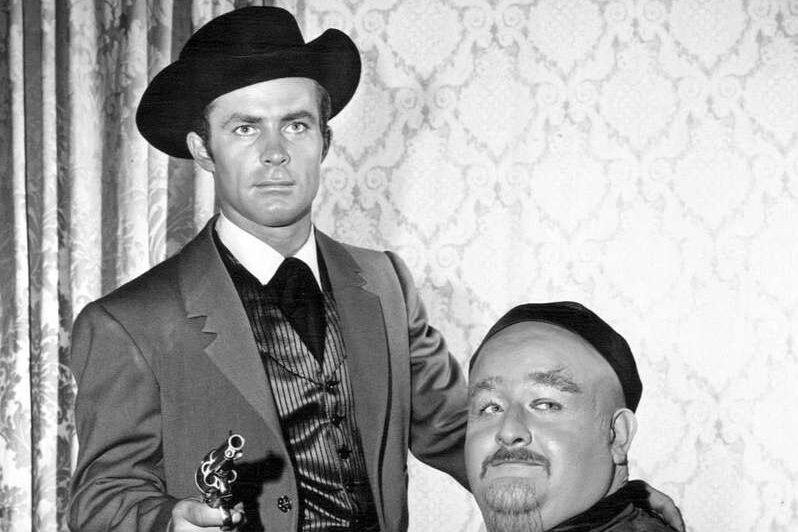
Robert Conrad became instantly recognizable as the daring Secret Service agent James West on The Wild Wild West. The show blended Western action with spy-style gadgets, giving Conrad plenty of opportunities to show off his confident screen presence. His intense gaze and athletic style made him stand out among television heroes. Audiences quickly associated his face with adventure and excitement.
Conrad’s physical performances added to the show’s appeal. He often performed his own stunts, which gave the action sequences extra energy. That fearless approach made his character feel larger than life. Viewers tuned in each week to see what kind of trouble West would face next. Conrad’s determined expression became one of the defining images of the series.
10. Bill Cosby
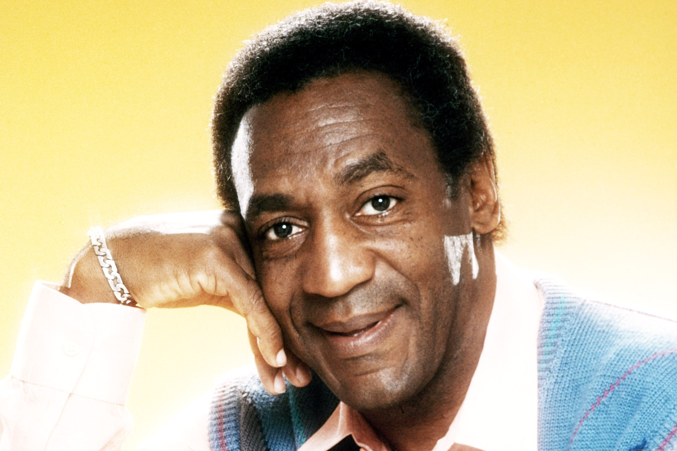
Bill Cosby became a familiar television face during the ’60s thanks to his role on I Spy. Playing intelligence agent Alexander Scott, Cosby helped bring a new level of style and humor to the spy genre. His calm confidence and quick wit made the character instantly appealing. Cosby’s easygoing delivery gave the show a relaxed rhythm that audiences enjoyed.
His presence on the series also marked an important moment in television history. Cosby’s role placed him at the center of a major network drama during a time when such opportunities were rare. His chemistry with co-star Robert Culp helped make the show stand out. Viewers quickly learned to recognize Cosby’s voice and expressive reactions. By the end of the decade, his face was firmly associated with one of television’s most distinctive spy series.
11. Jonathan Harris
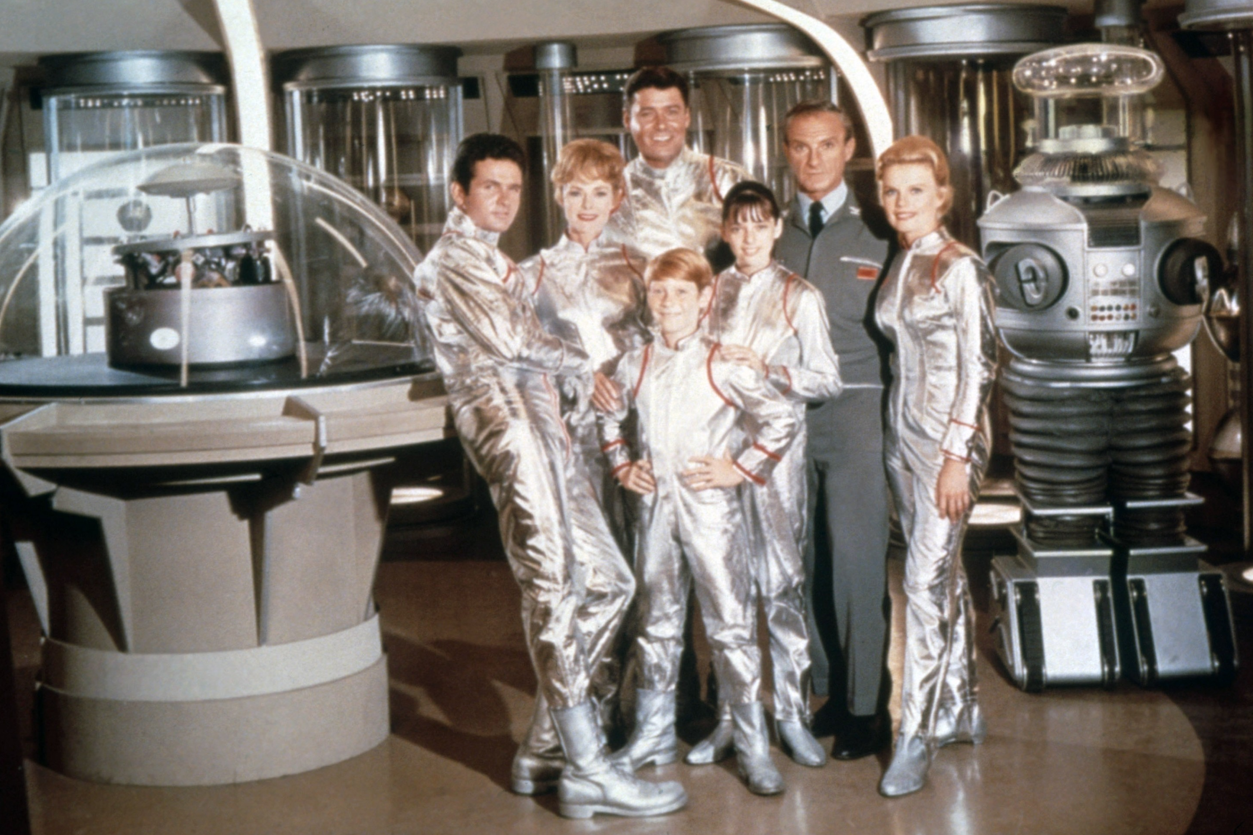
Jonathan Harris became instantly recognizable as the dramatic and hilariously cowardly Dr. Zachary Smith on Lost in Space. With his dramatic gestures and theatrical voice, Harris turned the character into one of the show’s most memorable figures. Even when the plot focused on science fiction adventures, Smith’s antics often stole the spotlight. Harris leaned fully into the character’s exaggerated personality.
That larger-than-life performance made his face unforgettable to viewers. His expressions could shift from arrogance to panic in seconds. The character’s schemes and complaints became a regular source of humor. Fans quickly learned to anticipate Smith’s dramatic outbursts. Harris’ distinctive style ensured that once people saw him on screen, they rarely forgot him.
12. Barbara Feldon
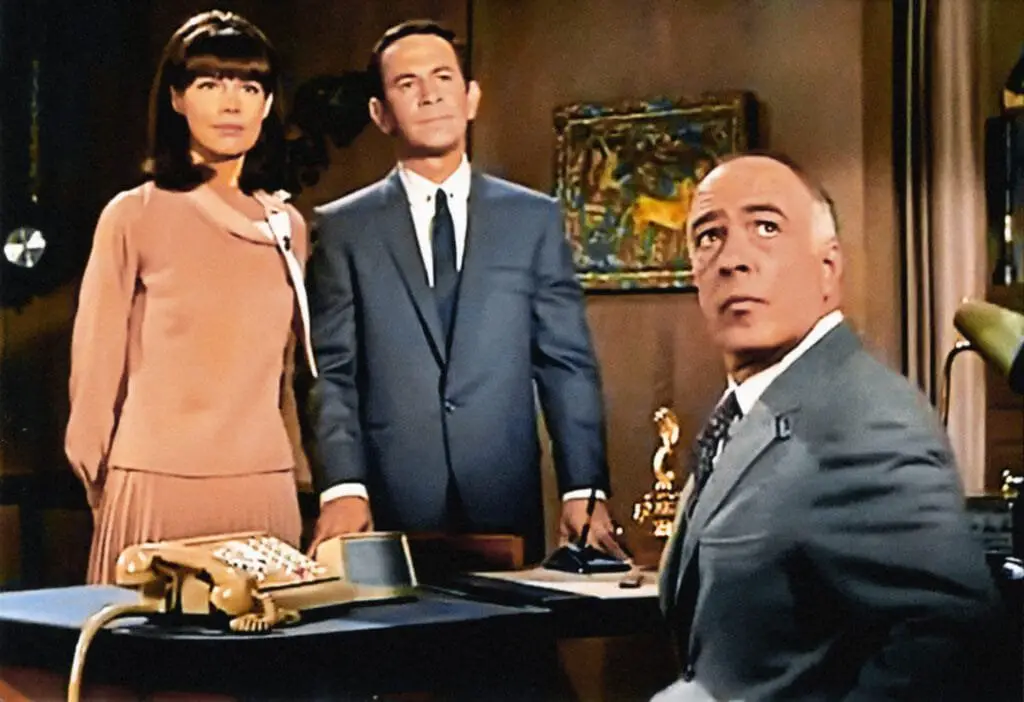
Barbara Feldon became widely recognized for her role as Agent 99 on Get Smart. Her calm intelligence balanced the chaos created by Maxwell Smart’s endless mistakes. Feldon brought elegance and sharp timing to the part, making Agent 99 both capable and entertaining. Viewers quickly learned to recognize her composed expression and confident delivery.
The character stood out because she was often the most competent person in the room. Feldon played the role with subtle humor and warmth. Her presence helped ground the show’s wild spy parody. Audiences appreciated that Agent 99 could handle danger while still sharing in the comedy. Feldon’s face became closely tied to one of television’s most beloved spy comedies.
13. Raymond Burr
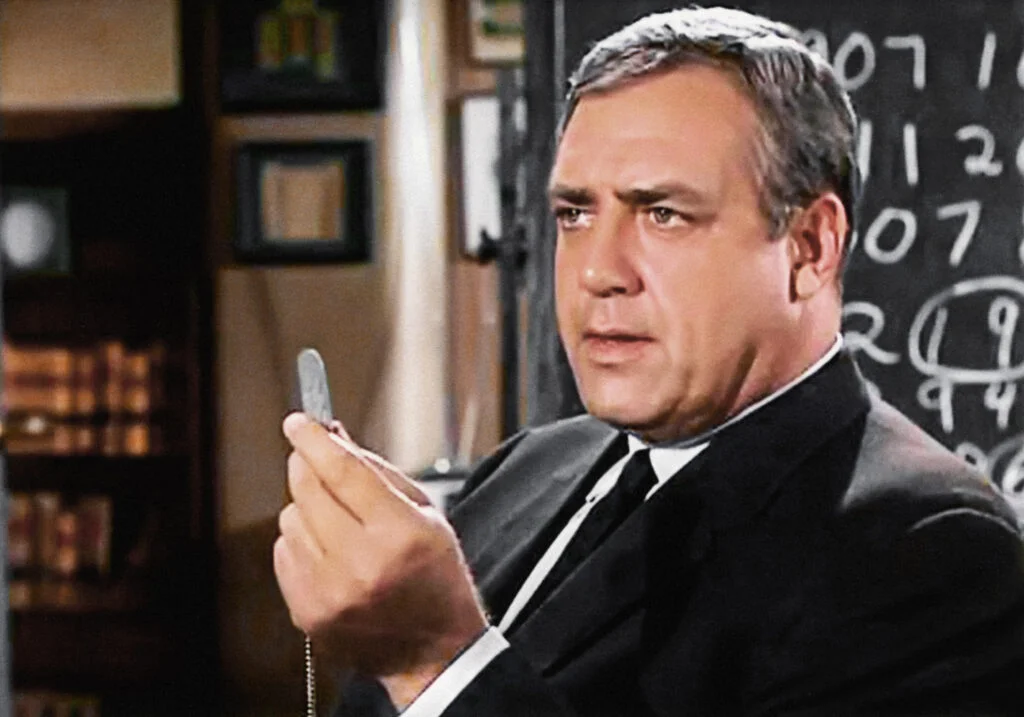
Raymond Burr had one of the most commanding faces on television during the ’60s. After becoming famous as Perry Mason in the previous decade, he returned to television as Robert T. Ironside in Ironside. Playing a detective who continued solving crimes after a serious injury, Burr brought dignity and determination to the role. His steady gaze and calm voice made the character instantly recognizable.
Burr’s presence gave the series a strong emotional core. The character relied on intelligence and strategy rather than physical action, which made the stories feel different from typical crime dramas. Burr handled the role with seriousness and restraint. Audiences responded to the sense of resilience he brought to the character. Seeing his face on screen immediately signaled a thoughtful and compelling mystery.
14. Lorne Greene
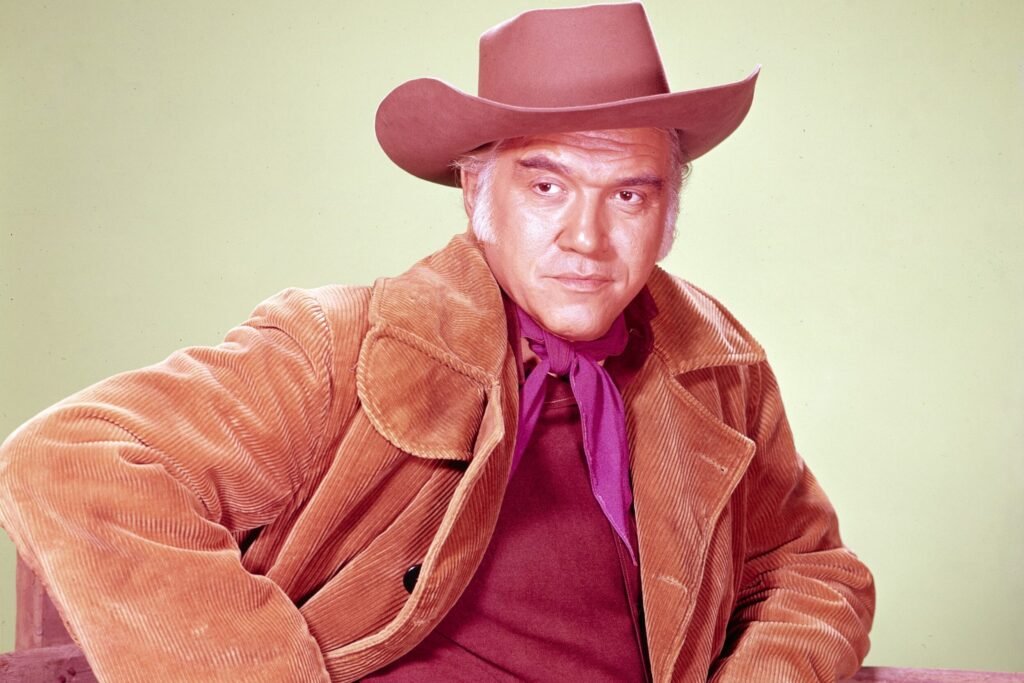
Lorne Greene became one of television’s most recognizable patriarchs as Ben Cartwright on Bonanza. With his deep voice and authoritative presence, Greene anchored one of the most popular Western series of the decade. Viewers instantly recognized him as the wise and steady leader of the Cartwright family. His calm confidence helped make the sprawling ranch feel like a real home.
Greene’s performance blended strength with compassion. He often served as the moral center of the show’s stories. Audiences trusted Ben Cartwright to guide his sons through difficult situations. That dependable presence made Greene a familiar face in households across the country. For many viewers, his image is inseparable from the golden age of television Westerns.