
1. Mr. T
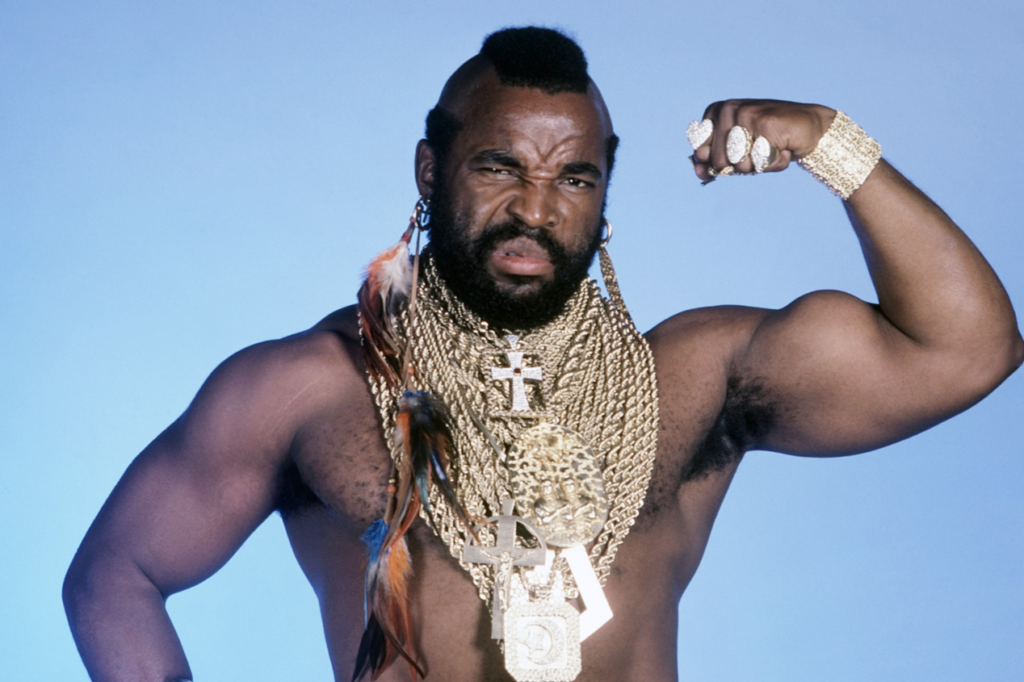
For a stretch in the early ’80s, it felt like Mr. T was absolutely everywhere. After stealing scenes as Clubber Lang in Rocky III, he quickly became one of the most recognizable faces on television thanks to The A-Team. Kids wore Mr. T T-shirts, bought Mr. T action figures, and repeated his famous catchphrases on playgrounds. His gold chains, mohawk, and booming voice made him instantly identifiable even to people who didn’t watch the show. At one point he even had his own Saturday morning cartoon. It was hard to imagine the decade without him dominating pop culture.
But the moment didn’t last quite as long as it once seemed like it would. When The A-Team ended in 1987, Mr. T’s visibility dropped quickly. He still appeared in occasional films and television projects, but the constant cultural presence faded. The early ’80s had simply been the perfect storm for his larger-than-life personality. For a few years though, he truly felt like one of the biggest celebrities on the planet.
2. Cyndi Lauper
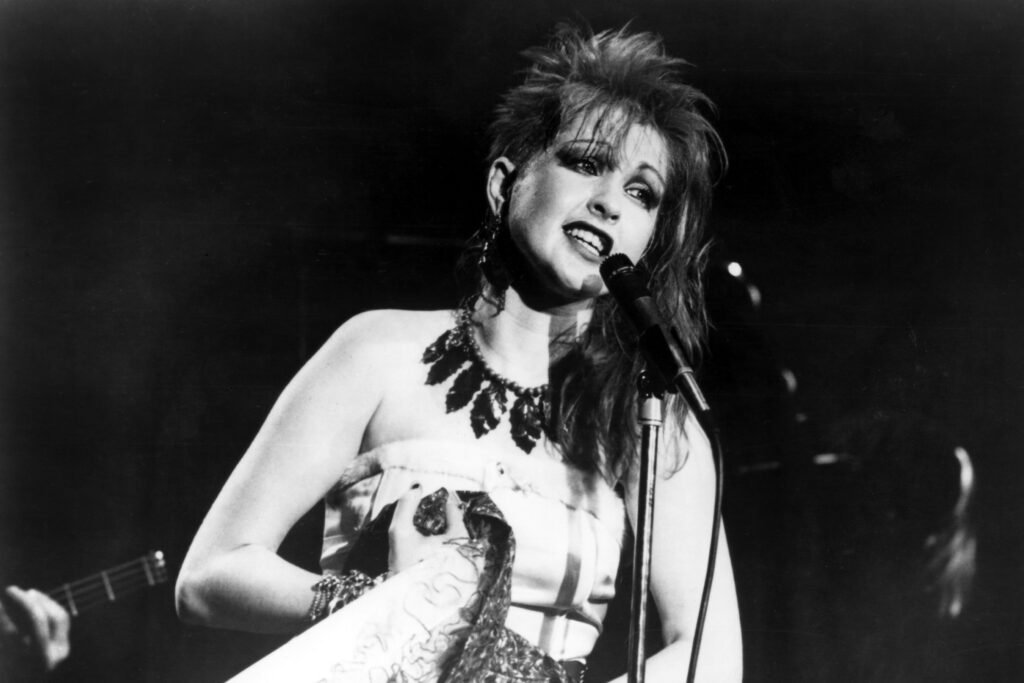
When Cyndi Lauper burst onto the scene with her 1983 album She’s So Unusual, she instantly felt different from everyone else on pop radio. Songs like “Girls Just Want to Have Fun” and “Time After Time” made her a global star almost overnight. Her colorful clothes, wild hair, and playful personality helped define the MTV era. Lauper’s music videos were constantly in rotation, and she quickly became one of the most recognizable pop figures of the decade. For a few years it seemed like she represented the entire spirit of mid ’80s pop.
By the end of the decade, though, the pop landscape had shifted dramatically. New artists and changing musical trends pushed Lauper out of the center of mainstream attention. She continued making music and eventually built a respected career in theater and songwriting. But that explosive moment of cultural dominance was largely concentrated in the mid ’80s. During that brief stretch, it felt like the world couldn’t get enough of her.
3. Molly Ringwald
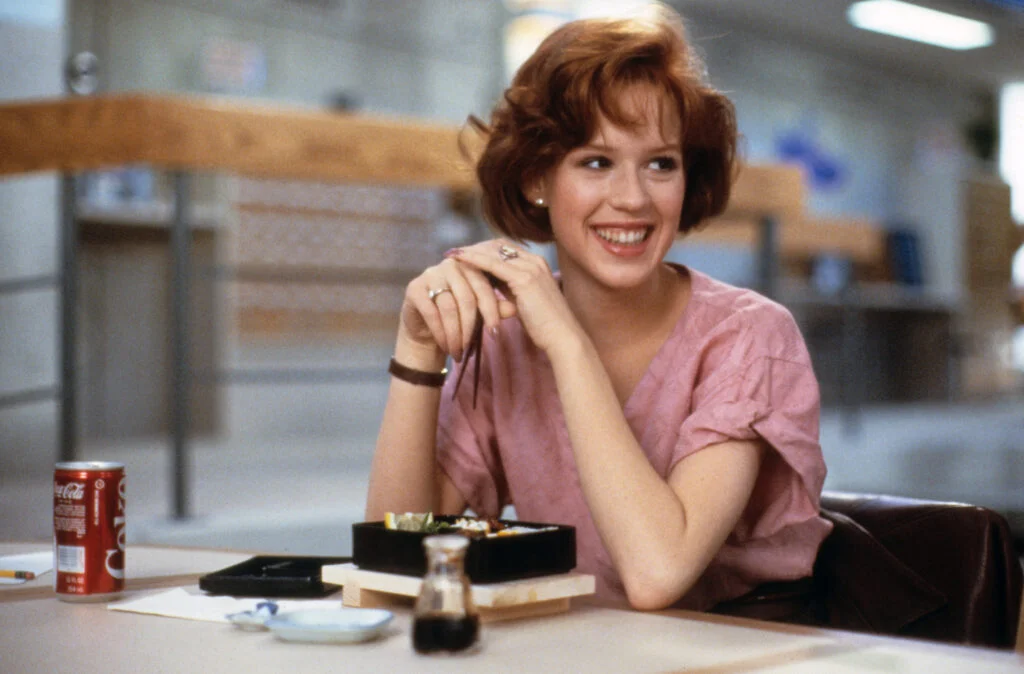
In the mid ’80s, Molly Ringwald became the face of teen movies almost overnight. Films like Sixteen Candles, The Breakfast Club, and Pretty in Pink turned her into a defining figure of the decade. Teenagers saw themselves in her characters, who often balanced vulnerability, intelligence, and quiet confidence. For a while it seemed like every major coming-of-age movie featured Ringwald in the lead. Her presence helped shape the entire tone of ’80s teen cinema.
But that wave of fame was surprisingly brief. By the late ’80s she began stepping away from the Hollywood spotlight and exploring different kinds of roles. The teen movie boom that made her famous also faded as audiences moved on to new trends. Ringwald later built a steady career in television, theater, and writing. Still, those few years in the middle of the decade gave her a lasting place in pop culture history.
4. Corey Feldman
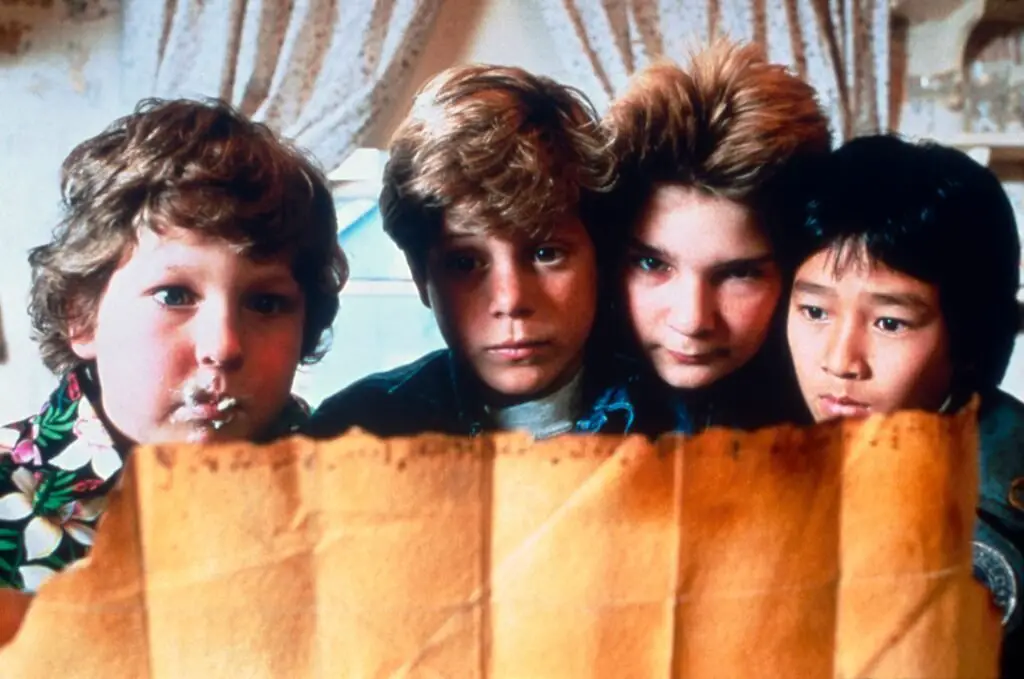
For a while in the ’80s, Corey Feldman seemed to appear in nearly every major youth-oriented movie. He showed up in The Goonies, Stand by Me, and The Lost Boys, quickly becoming one of the decade’s most recognizable young actors. Fans loved his rebellious energy and sarcastic sense of humor on screen. Alongside Corey Haim, he became half of the famous “Two Coreys,” a duo that dominated teen magazines and movie posters. For a few years, Feldman represented the ultimate ’80s teen star.
As the decade ended, that intense spotlight started to fade. Changing tastes in Hollywood and the transition from child actor to adult roles proved challenging. Feldman continued acting, but the constant blockbuster visibility slowed down. His ’80s run had been fast, loud, and incredibly visible. For a short period though, it was hard to imagine teen pop culture without him.
5. Tiffany

In 1987, Tiffany Darwish became a pop sensation almost overnight. Her cover of “I Think We’re Alone Now” shot to number one and turned her into one of the biggest teen idols of the moment. She promoted her music with mall tours, performing live in shopping centers packed with screaming fans. The strategy worked perfectly, and her debut album quickly went multi-platinum. For a brief time, Tiffany seemed to represent the entire world of teen pop.
But the pop industry moves quickly, especially for young performers. By the early ’90s, new artists had replaced her on the charts and radio playlists. Tiffany continued recording music and performing, but the massive commercial momentum slowed. Her late ’80s moment had simply been incredibly concentrated. For a couple of years, though, her songs were impossible to escape.
6. Eddie Murphy
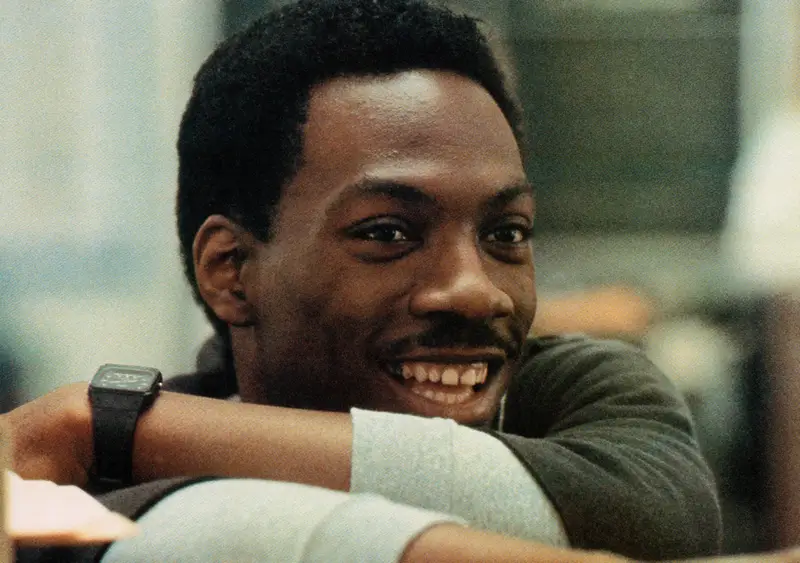
Eddie Murphy exploded into superstardom during the early ’80s in a way that felt almost unstoppable. After gaining attention on Saturday Night Live, he quickly transitioned into blockbuster films like 48 Hrs. and Beverly Hills Cop. His stand-up specials and movie performances made him one of the most talked-about comedians in the world. Murphy’s fast-talking style and sharp comedic timing defined much of the decade’s comedy landscape. At one point he seemed to dominate both film and stand-up simultaneously.
Although Murphy remained a major star in later decades, that early ’80s surge was especially intense. For several years he was practically unavoidable in theaters and on television. The combination of stand-up, movies, and cultural influence made his presence feel enormous. As the decade progressed, his career evolved into different kinds of roles. But that explosive stretch near the beginning of the ’80s remains one of the most remarkable celebrity rises of the era.
7. Ally Sheedy
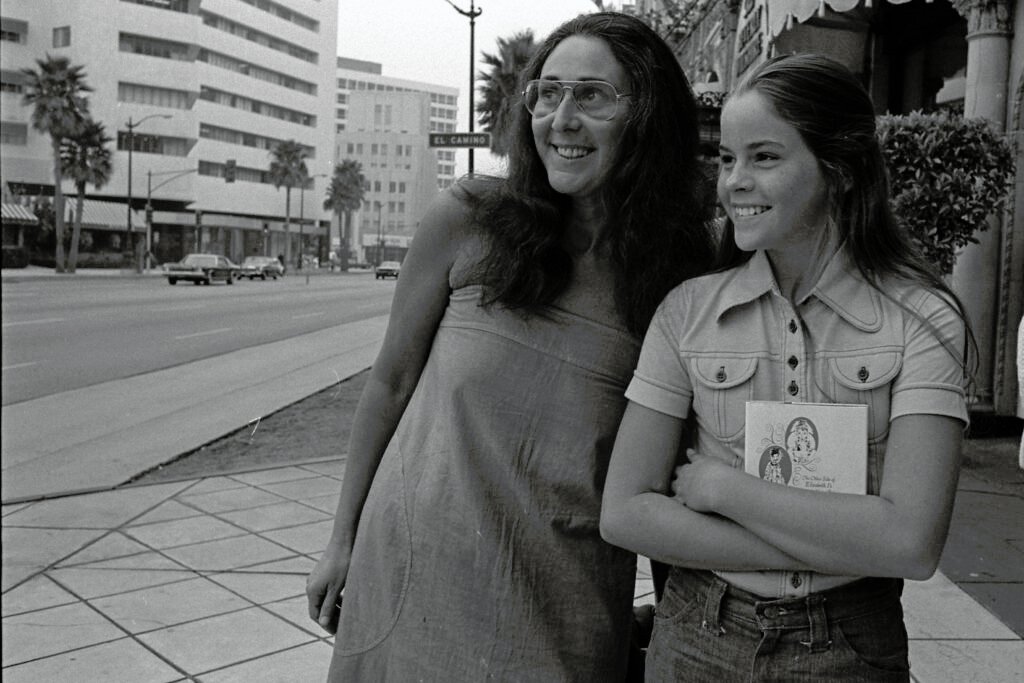
Ally Sheedy became one of the defining faces of ’80s youth culture through a series of memorable roles. She appeared in films like WarGames, The Breakfast Club, and St. Elmo’s Fire. As a member of the unofficial “Brat Pack,” Sheedy represented a generation of young actors who seemed to dominate movie screens. Her quiet, introspective performances stood out among the louder personalities around her. For a few years she was a central figure in some of the decade’s most talked-about films.
But the Brat Pack era faded quickly as the decade ended. Hollywood shifted toward different genres and new stars. Sheedy continued acting and earned praise for later performances, including her role in High Art. Still, her most visible cultural moment was concentrated in that mid ’80s period. During those years, she was one of the most familiar faces in youth-oriented cinema.
8. Boy George
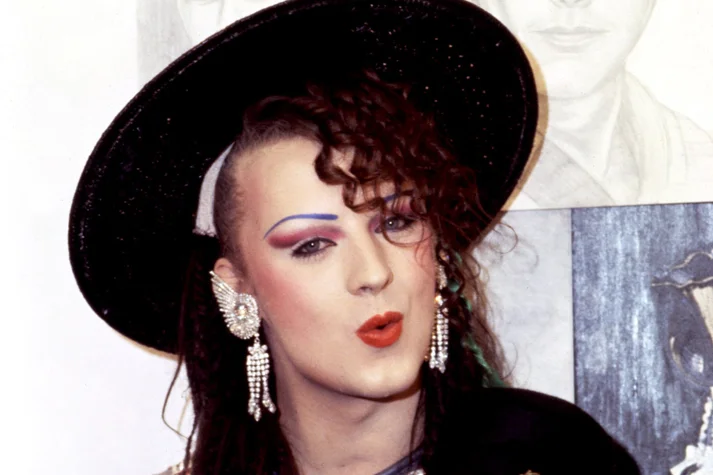
Boy George became one of the most visually unforgettable figures of the early MTV era. As the lead singer of Culture Club, he helped deliver massive hits like “Karma Chameleon” and “Do You Really Want to Hurt Me”. His androgynous fashion, colorful makeup, and distinctive voice made him instantly recognizable. Music videos amplified his image, turning him into a global pop culture symbol. For several years he seemed to represent the entire spirit of early ’80s pop music.
By the latter part of the decade, though, Culture Club’s dominance had faded. Musical trends shifted, and the band’s chart presence declined. Boy George continued working in music and DJ culture, but the massive mainstream spotlight cooled. His early ’80s peak had been incredibly intense and highly visible. For a short time, it felt like his image defined the MTV generation.
9. Debbie Gibson
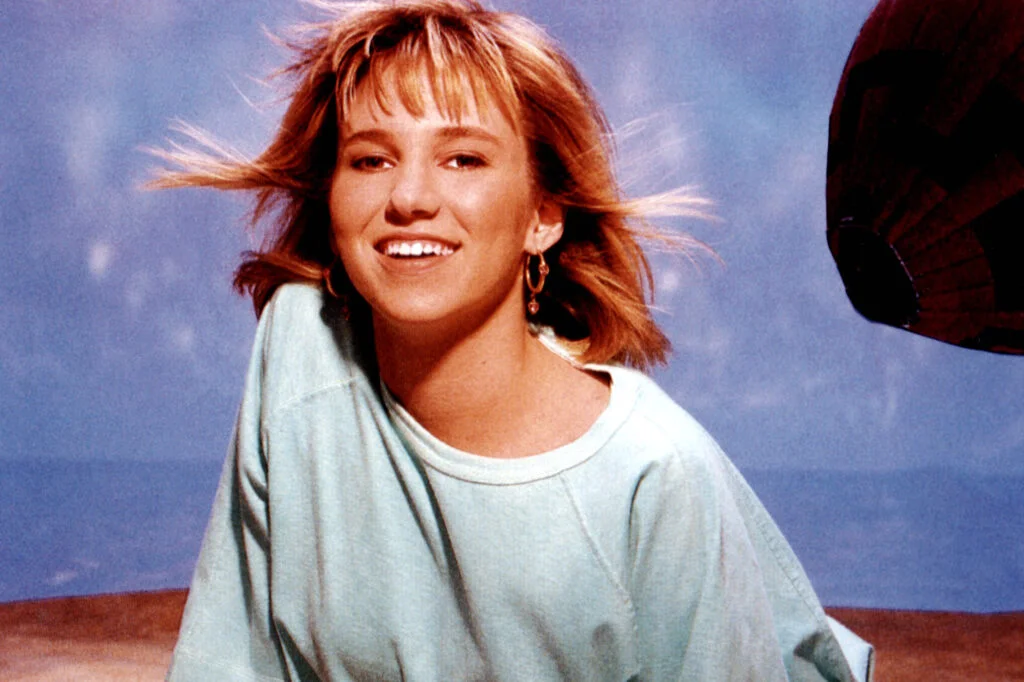
Debbie Gibson achieved something remarkable while still a teenager. Her 1987 album Out of the Blue produced multiple hit singles and made her one of the youngest artists to dominate the pop charts. Songs like “Only in My Dreams” and “Foolish Beat” turned her into a staple of late ’80s radio. Gibson also wrote much of her own material, which made her success even more impressive. For a while she seemed to represent the bright, polished sound of late ’80s pop.
But pop music rarely stands still for long. As the decade ended, new musical styles and younger artists began reshaping the charts. Gibson continued recording music and later built a career in theater and television. Still, her biggest cultural impact came during those late ’80s years. For a brief moment, she was one of the most recognizable pop stars in the world.
10. Andrew Dice Clay
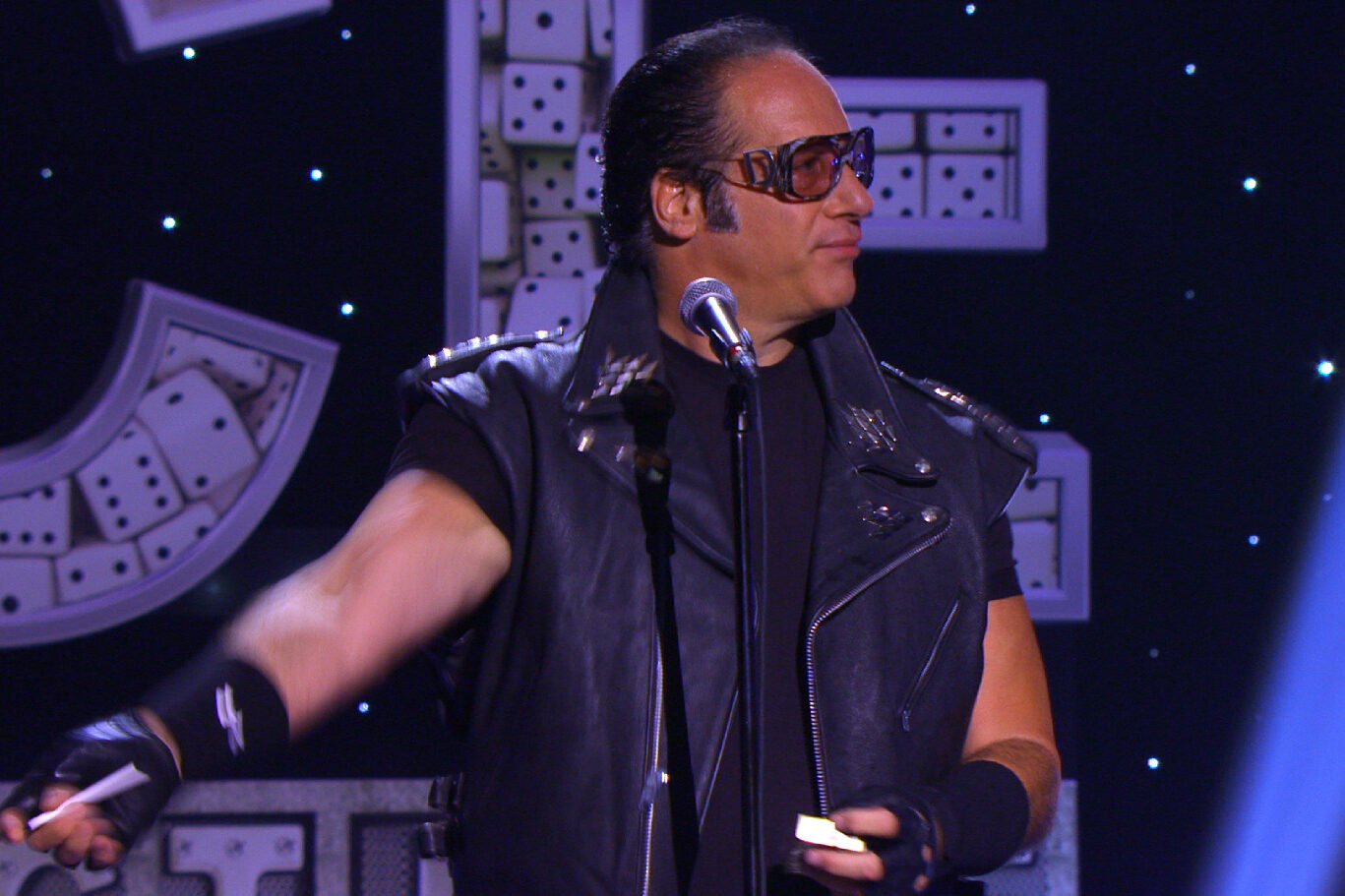
Andrew Dice Clay became one of the most controversial comedians of the late ’80s. His aggressive stage persona and shock-heavy humor made him impossible to ignore. Comedy albums and sold-out stand-up shows turned him into a major figure in the stand-up boom of the era. At his peak, Clay even headlined Madison Square Garden. His popularity was enormous among fans who embraced his brash style.
That level of cultural attention did not last forever. The controversy surrounding his material also sparked criticism and backlash. By the early ’90s, the cultural moment that fueled his rise had cooled significantly. Clay continued performing and appearing in films, but the massive wave of attention had passed. For a short stretch, though, he was one of the most talked-about comedians in America.
11. Scott Baio
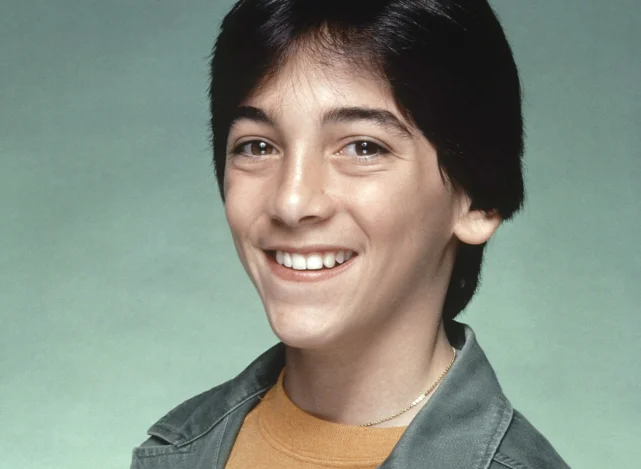
Scott Baio was already familiar to television audiences from Happy Days, but the early ’80s pushed his fame to another level. When he starred in Charles in Charge, he became one of the most recognizable faces on TV. Teen magazines frequently featured him on their covers, and his fan base grew rapidly. Baio represented the kind of wholesome television heartthrob that the decade produced so well. For a while it felt like his presence was everywhere in pop culture.
As television trends changed, though, that level of fame gradually faded. Baio continued acting in various television projects, but the intense teen idol spotlight cooled. The ’80s had simply been the perfect environment for his brand of sitcom stardom. His peak years were concentrated in a fairly narrow window. Still, during that stretch he was one of television’s most familiar young faces.
12. A Flock of Seagulls
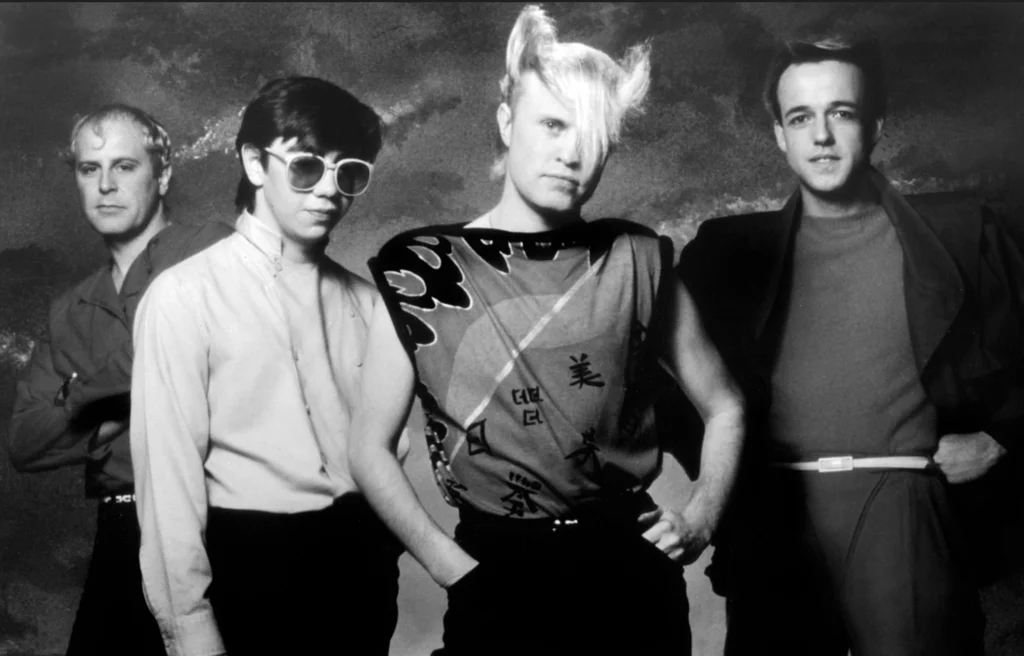
For a brief moment in the early ’80s, A Flock of Seagulls felt like one of the most visually distinctive bands in pop music. Their hit “I Ran (So Far Away)” became a staple of early MTV. Lead singer Mike Score’s famously sculpted hairstyle became almost as famous as the music itself. The band’s futuristic sound and style fit perfectly with the emerging new wave movement. For a while they seemed to embody the quirky side of early MTV culture.
But the band’s mainstream dominance was short-lived. Musical trends shifted quickly as the decade progressed. While they continued performing and recording music, their chart presence declined. Still, their early success left a lasting visual imprint on ’80s pop culture. Even today, that hairstyle alone instantly evokes the era.
13. Rick Astley
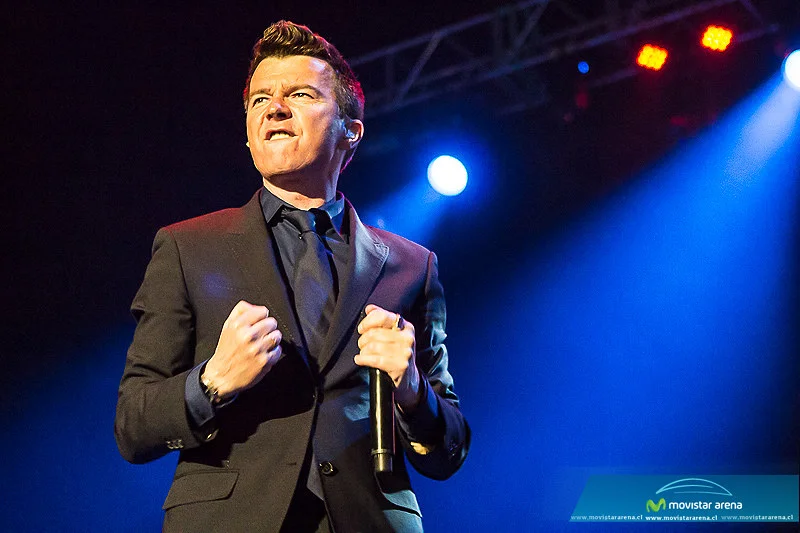
Rick Astley became an unlikely pop phenomenon in the late ’80s. His debut single “Never Gonna Give You Up” topped charts around the world and turned him into an international star. Many listeners were surprised when they first saw him, since his deep soulful voice didn’t match their expectations of a young British singer. The song dominated radio and MTV, making Astley one of the decade’s most recognizable pop performers. For a short time, his music seemed to be everywhere.
By the early ’90s, though, the pop landscape had shifted again. Astley stepped away from music for several years to focus on family life. While he eventually returned to recording and touring, the peak of his fame was concentrated in those late ’80s hits. Interestingly, his music later experienced a new wave of attention through internet culture. But the original moment of global pop dominance happened during a brief window at the end of the decade.