
1. Alka-Seltzer’s “Plop Plop, Fizz Fizz”
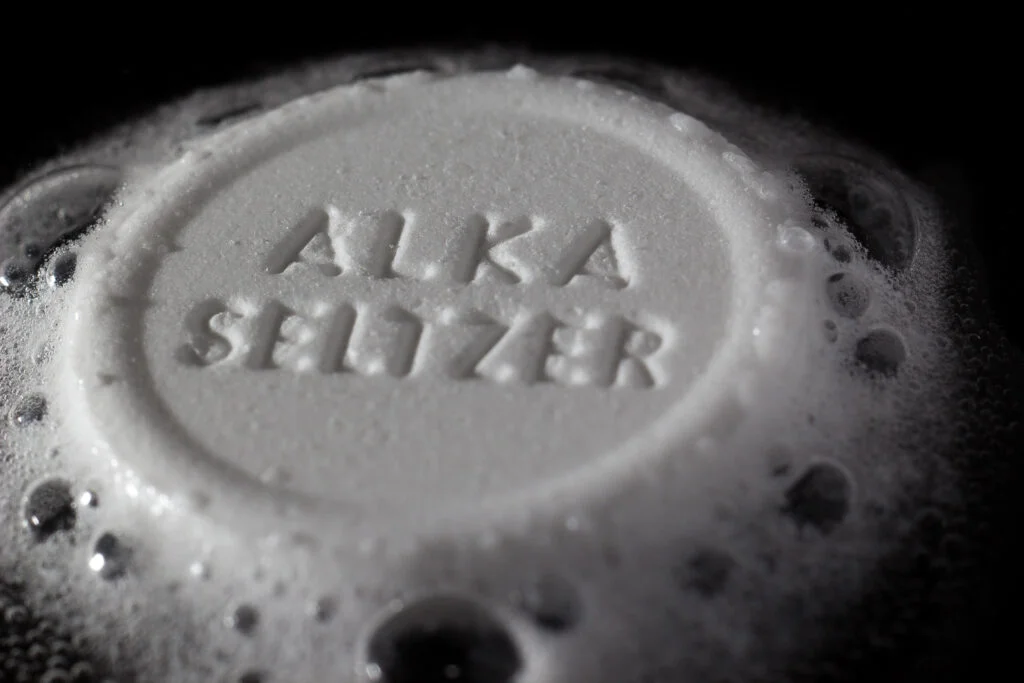
If you watched television in the ’70s, you probably heard someone cheerfully sing “Plop, plop, fizz, fizz” more times than you can count. The Alka-Seltzer ads showed people dramatically suffering through overeating before dropping the tablets into water like a tiny science experiment. The jingle was catchy enough that people repeated it everywhere, from dinner tables to school cafeterias. What feels odd today is how seriously everyone treated indigestion as a kind of everyday catastrophe. Actors clutched their stomachs as if they had just survived a banquet disaster.
Looking back now, the exaggerated misery is almost the entire joke. The solution was always the same, two tablets and a glass of water, presented like a miracle cure. Modern ads rarely linger so long on physical discomfort or bodily functions. But in the ’70s, the whole situation played out in slow, almost theatrical fashion. It turns a simple antacid commercial into something unexpectedly strange decades later.
2. Oscar Mayer’s “My Bologna Has a First Name”
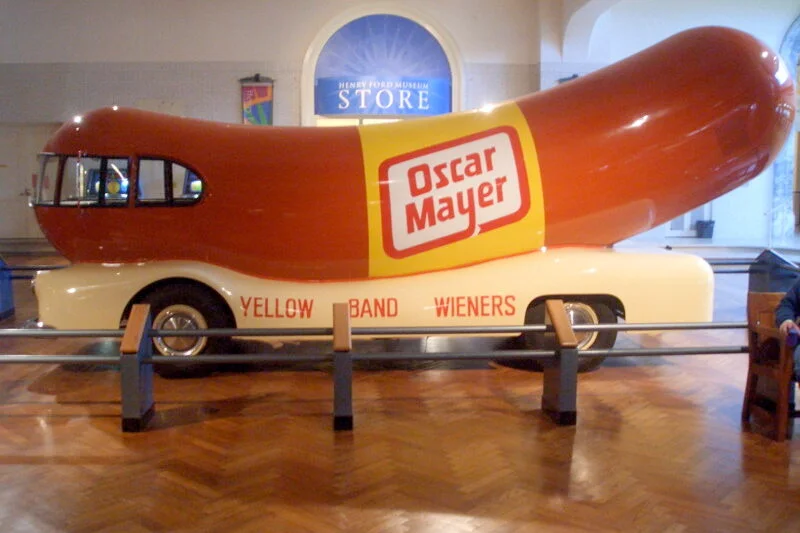
The Oscar Mayer bologna commercial featuring a kid singing about spelling the brand name is one of the most memorable ads of the decade. A young boy sits fishing while strumming a small guitar and singing the now legendary jingle. The whole commercial unfolds slowly, almost like a tiny folk song performance. Nothing flashy happens, and the camera barely moves. Yet it managed to plant the brand name in the minds of millions of viewers.
What feels strange now is how quiet and simple it is. Today’s food commercials usually move quickly and pile on bright visuals. This one is just a kid, a fishing pole, and a song about lunch meat. Somehow that gentle little tune became cultural shorthand for the product itself. It is charming, but also oddly hypnotic in its simplicity.
3. Life Cereal’s “Mikey Likes It”

The famous Life cereal commercial introduced audiences to picky eater Mikey. Two brothers hesitate to try the supposedly healthy cereal, worried it might taste terrible. Instead they give it to Mikey, assuming he hates everything. When Mikey happily eats the cereal, the boys stare in disbelief.
The whole ad hinges on the silent reaction of a very small child. Mikey barely speaks, yet his approval becomes the ultimate endorsement. Looking back, the pacing feels unusually slow and quiet for a cereal commercial. There are no colorful mascots or animated characters racing across the screen. It is just kids sitting at a kitchen table, quietly judging breakfast.
4. Coca-Cola’s Hilltop Sing-Along

The Coca-Cola hilltop commercial gathered young people from around the world to sing about sharing a Coke. Standing on a grassy hill, they held glass bottles while performing a gentle anthem about unity. At the time it reflected the hopeful tone many companies tried to capture in the early ’70s. The imagery felt global and optimistic.
Today it can feel slightly surreal. Dozens of people dressed in coordinated outfits singing in perfect harmony about soda is not exactly subtle advertising. The message is earnest in a way modern ads rarely attempt. Instead of humor or spectacle, it leans fully into idealism. That sincerity is exactly what makes it feel a little strange now.
5. Calgon’s “Ancient Chinese Secret”
One of the most famous laundry detergent commercials of the decade involved a woman explaining how her husband’s shirts stayed so bright. Her suspicious friend demands to know the secret. The punchline arrives when she reveals it is simply Calgon water softener. The friend reacts as if she has uncovered some unbelievable household trick.
What stands out today is the exaggerated setup and the cultural stereotype built into the joke. The line “ancient Chinese secret” became so memorable that it entered everyday conversation. At the time it played like harmless humor. Seen now, the whole premise feels awkward and oddly theatrical. It is a perfect snapshot of how advertising tone has changed.
6. Mr. Whipple and the Charmin Toilet Paper
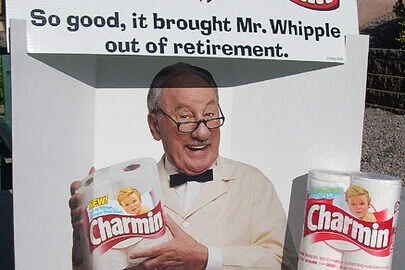
Few characters were as oddly intense as Mr. Whipple, the grocery store manager who begged customers not to squeeze the Charmin. Every commercial showed him catching shoppers squeezing packages of toilet paper. He scolded them with a kind of weary frustration. Then, when no one was looking, he squeezed the Charmin himself.
The humor was based on something that barely exists anymore, loose packages of toilet paper sitting on open grocery shelves. Watching the ads today, the whole situation feels strangely dramatic for such an ordinary product. Mr. Whipple treats each squeeze like a serious violation. The exaggerated seriousness turns the commercial into something almost absurd now.
7. McDonald’s “You Deserve a Break Today”
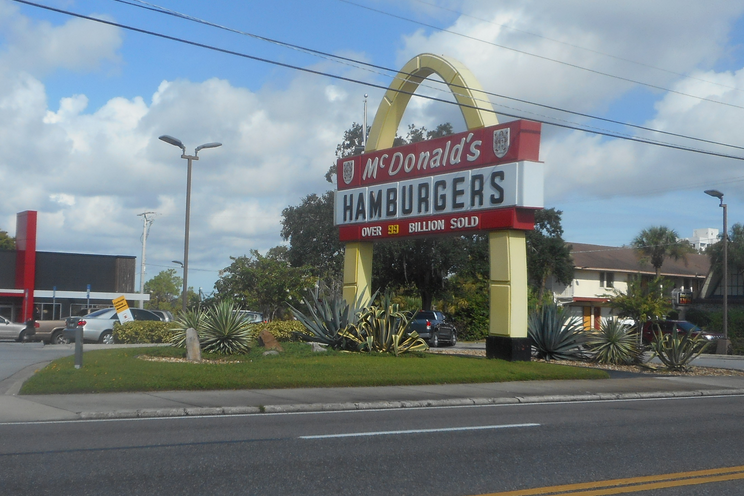
McDonald’s leaned heavily into the idea that a visit to the restaurant was a well earned reward. The commercials showed smiling families, cheerful employees, and people happily escaping the stress of daily life. The message was simple: after a long day, you deserve a break at McDonald’s. The jingle repeated the phrase so often that it stuck in people’s heads for years.
Seen now, the tone feels unusually sentimental for a fast food ad. Everything in the commercial moves slowly and warmly, almost like a soft focus family film. Modern ads tend to rely on humor or flashy visuals. This one frames burgers and fries as emotional relief from everyday struggles. The seriousness of the promise is what makes it feel unusual today.
8. Tootsie Pop’s Owl Investigation

The Tootsie Pop commercial featuring the animated owl asking how many licks it takes became an instant classic. A young boy asks several animals the famous question, but none can resist biting the candy first. Eventually the owl gives up counting and crunches straight through the shell. The narrator then invites viewers to solve the mystery themselves.
What makes it feel strange now is the total lack of an actual answer. The commercial builds suspense around a question it never intends to solve. The owl’s impatience becomes the entire punchline. It is playful but oddly unresolved. That small bit of mystery helped the ad linger in people’s minds.
9. Shake ’n Bake’s “And I Helped!”
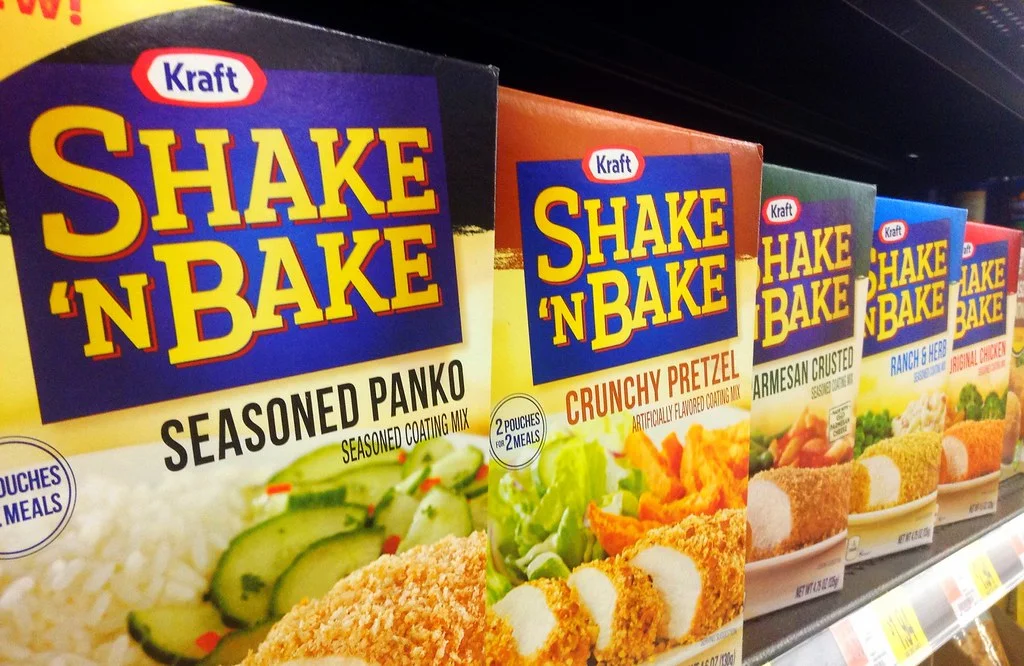
The Shake ’n Bake commercials often showed children proudly announcing their role in dinner preparation. After helping coat the chicken in the seasoned mix, a child would happily proclaim, “And I helped!” The whole ad leaned into the idea that cooking could be a fun family activity. Parents smiled approvingly while dinner came together.
Watching it today, the performances feel unusually earnest. Everyone seems incredibly excited about breaded chicken. The moment when the child delivers the line is treated like a triumphant reveal. It is sweet, but also oddly intense for such a small task. That mix of sincerity and enthusiasm makes the ad feel slightly surreal decades later.
10. Meow Mix’s Singing Cats

The Meow Mix commercials featured cats “singing” the brand name in a rhythmic chorus. The footage showed cats opening their mouths in ways that matched the musical beat. The effect was simple but memorable. Pet food commercials rarely tried anything quite so musical at the time.
Today the editing looks a little uncanny. The cats appear to perform a full song even though they obviously are not singing. The illusion is charming but also slightly strange once you notice the trick. Yet the melody was catchy enough that many viewers still remember it instantly. That combination of cute and peculiar helped the ad endure.
11. Marlboro’s Western Cowboy Image
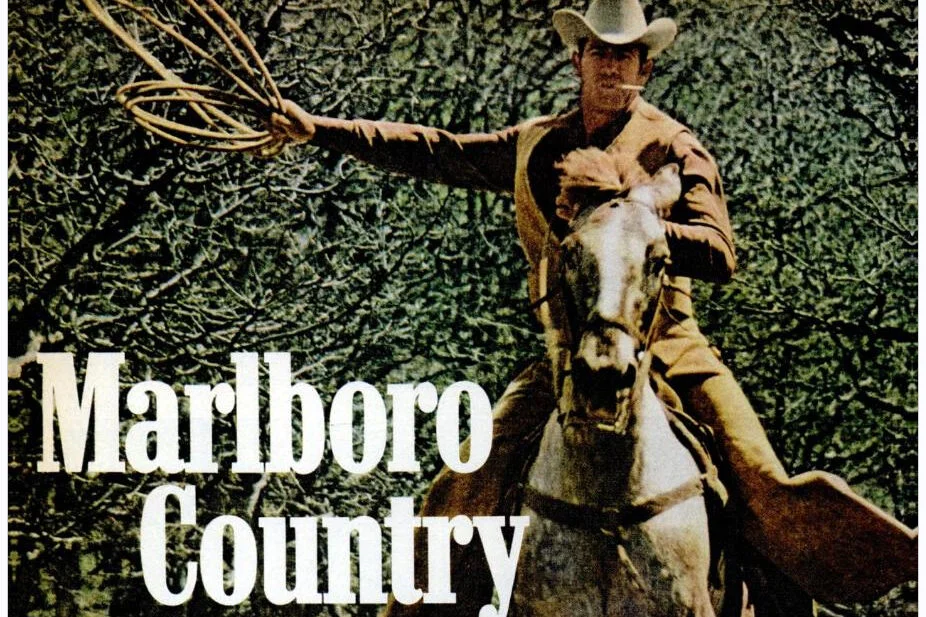
The Marlboro commercials of the ’70s leaned heavily on rugged cowboy imagery. A lone rider crossed open landscapes while quietly enjoying a cigarette. The scenes looked more like a Western movie than a typical commercial. There was very little dialogue, only dramatic music and sweeping scenery.
Looking back now, the tone feels unusually cinematic for a cigarette ad. The cowboy symbolized independence and toughness, ideas the brand wanted to capture. Modern audiences may find the imagery oddly romanticized. Smoking was framed as part of an adventurous outdoor life. That contrast between image and reality is what makes the commercials feel so strange today.
12. Geritol’s “My Wife… I Think I’ll Keep Her”
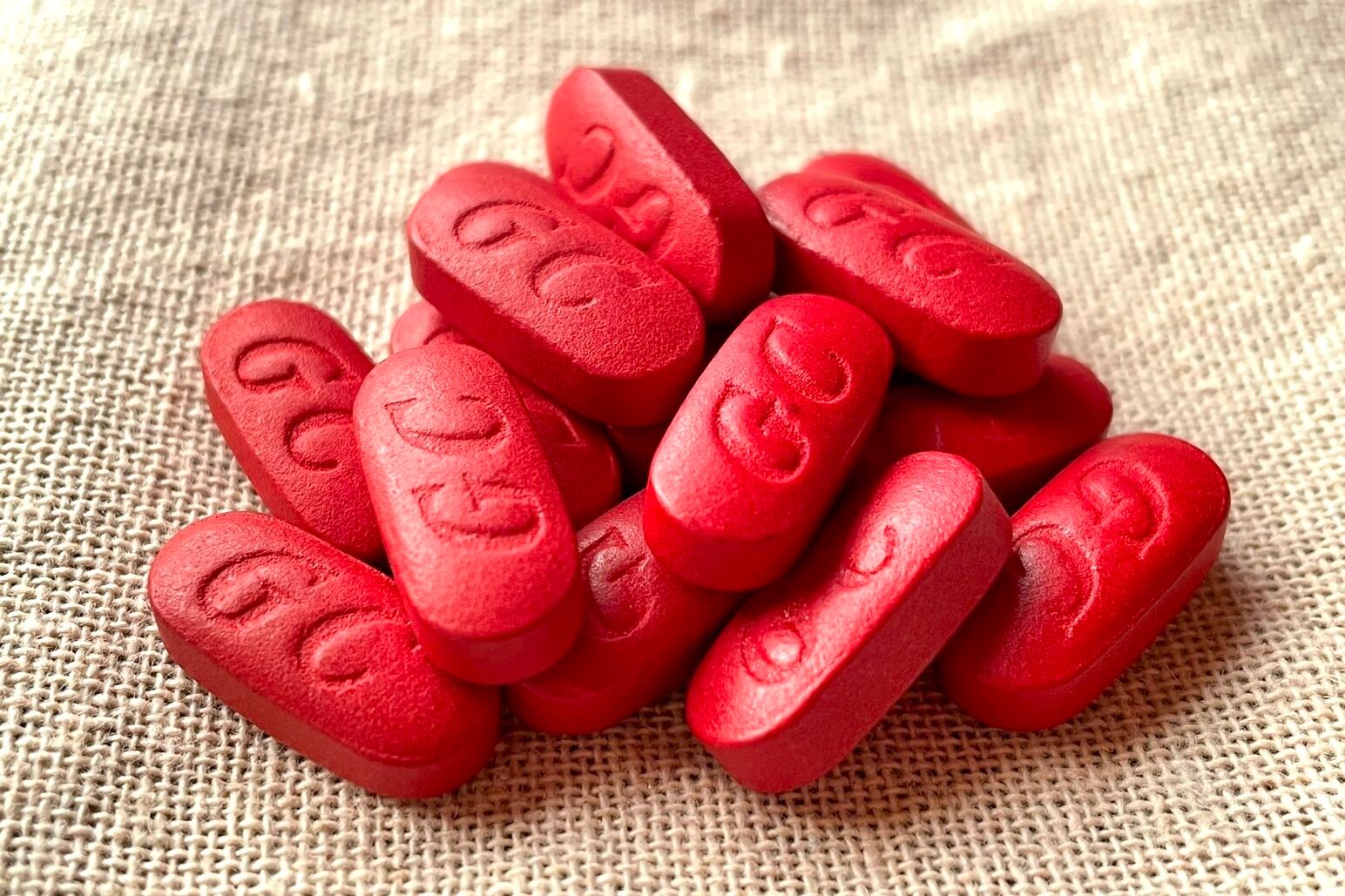
The Geritol vitamin commercials featured a husband proudly praising his energetic wife. After describing how much she accomplishes during the day, he concludes with the line, “My wife, I think I’ll keep her.” The message was that Geritol gave her the strength to handle everything at home. The commercial framed household work as a heroic level of effort.
Seen now, the tone feels unintentionally revealing. The husband’s comment sounds more patronizing than affectionate to modern ears. At the time it was meant to be humorous and complimentary. Today it lands a little differently. That shift in perspective makes the ad feel especially strange when revisited.