
1. Corporal Punishment Was an Accepted Discipline
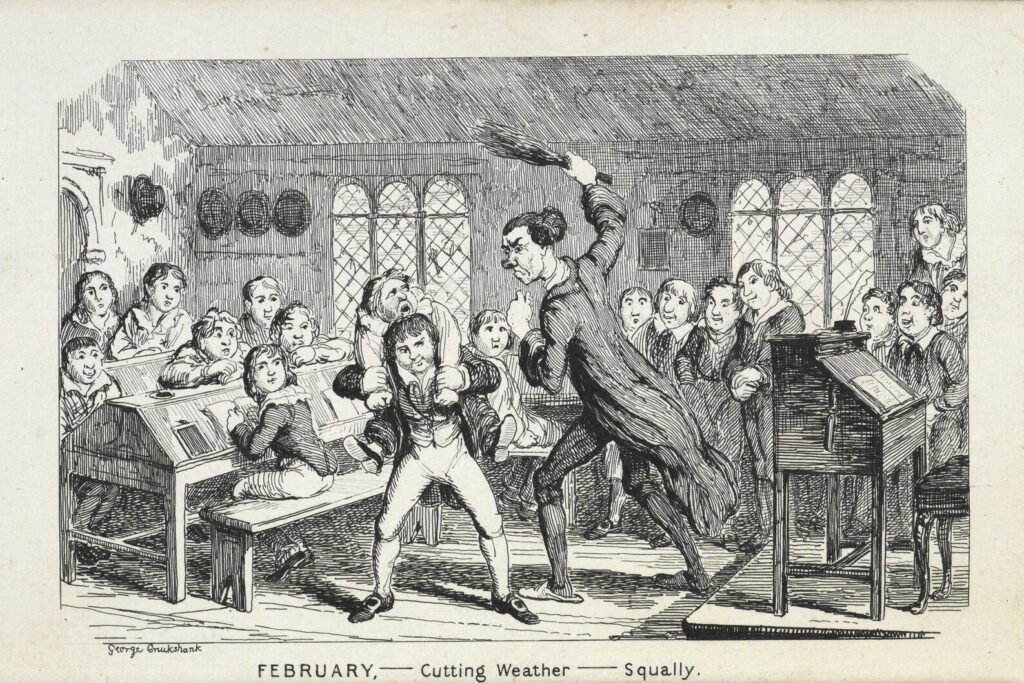
In many schools during the ’60s, corporal punishment was not just permitted, it was expected. Principals and teachers often kept paddles in their desks, and a trip to the office could end with a swat or two. Parents were rarely surprised by this approach because it reflected discipline methods common at home as well. The idea was that physical punishment reinforced respect for authority.
Today, the thought of teachers physically disciplining students would cause immediate outrage in most communities. Many states have banned the practice entirely, and schools emphasize counseling and behavioral support instead. Looking back, it is one of the clearest examples of how attitudes toward childhood and discipline have changed. What once felt normal now feels unthinkable to many parents.
2. Students Could Be Sent Home for Dress Code Violations

School dress codes in the ’60s were strict and closely enforced. Boys were expected to have short hair and wear neat clothing, while girls often had rules about skirt length and modesty. A student who showed up looking “improper” might be sent home or forced to change. The goal was to maintain a sense of order and respectability within the classroom.
Today’s dress codes still exist, but they tend to focus more on safety and general appropriateness rather than rigid standards. In many modern schools, individuality is encouraged rather than suppressed. The idea of measuring a girl’s skirt with a ruler, something that reportedly happened in some schools, would shock many parents today. It reflects a time when conformity was valued above self expression.
3. Girls Were Often Required to Take Home Economics
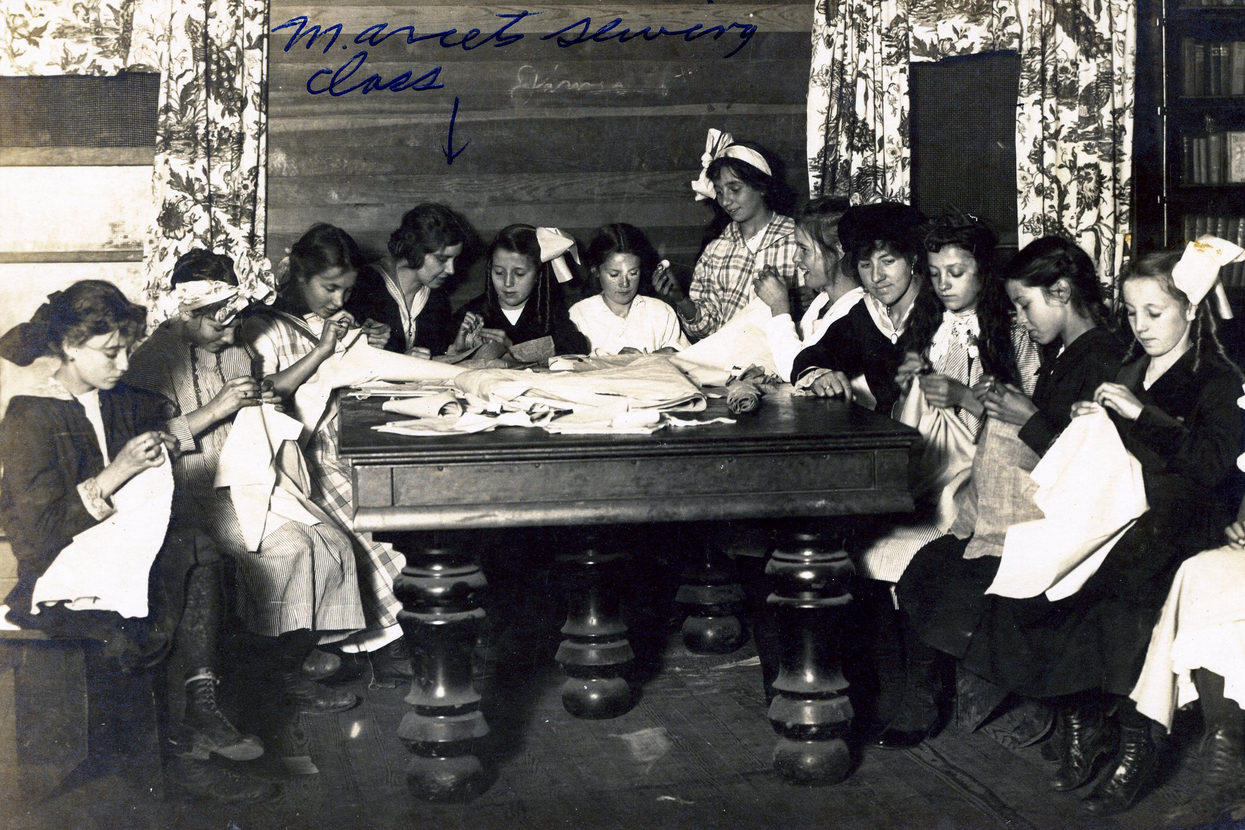
During the ’60s, many schools divided classes along gender lines. Girls were frequently steered into home economics courses where they learned cooking, sewing and household management. The assumption was that these skills would prepare them for their future roles as wives and mothers. Boys, meanwhile, were directed toward shop class or technical training.
Modern parents would likely question a system that assumed different life paths for boys and girls. Schools today generally encourage all students to explore a wide range of subjects regardless of gender. Cooking classes still exist, but they are open to everyone. The old structure now feels like a snapshot of the expectations placed on young people in that era.
4. Boys Were Expected to Keep Their Hair Short

Long hair for boys became a cultural flashpoint in the late ’60s, especially as youth culture began to change. Many schools had explicit rules about hair length, sometimes requiring it to stay above the collar or ears. Students who violated these rules could be suspended or sent home. Administrators often framed the rules as necessary for discipline and professionalism.
Parents today tend to view hair as a form of personal expression. In most schools, hairstyles are rarely restricted unless they interfere with safety or disrupt the classroom. Stories from the ’60s about boys being forced to get haircuts at school barbers or risk punishment sound extreme now. It shows how closely schools once tried to control students’ appearances.
5. Teachers Could Search Student Lockers Without Question
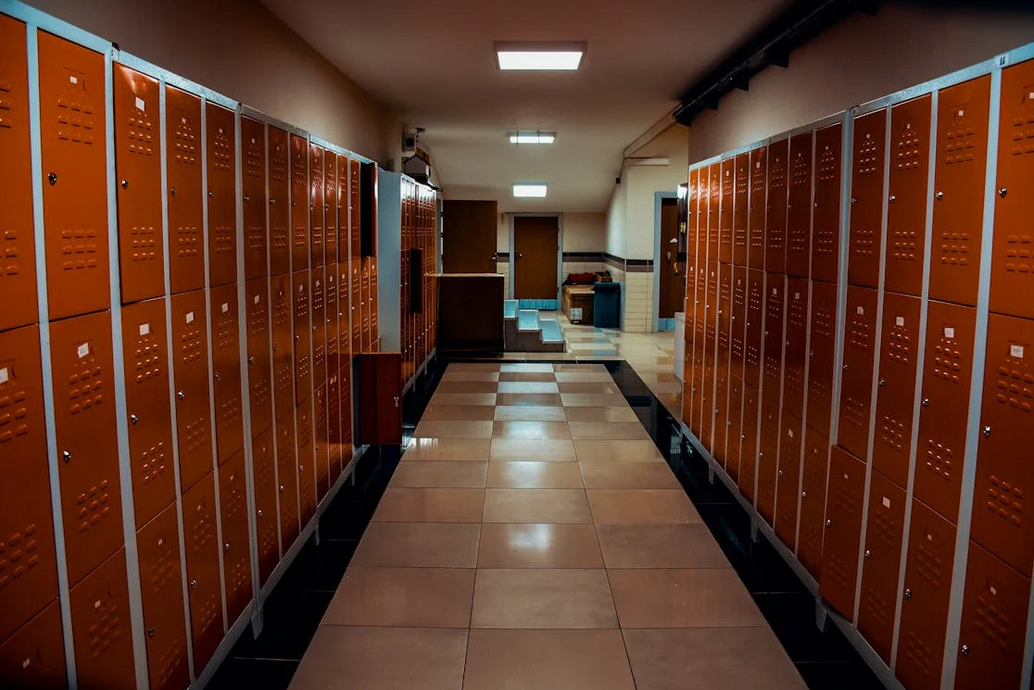
In the ’60s, students had very little expectation of privacy at school. Teachers or principals could open lockers, search desks or inspect belongings without much explanation. The reasoning was simple, schools considered themselves fully responsible for maintaining order. Students were expected to comply without protest.
Today, schools still conduct searches, but policies are more clearly defined and sometimes involve legal guidelines. Parents are more likely to ask questions about when and why a search occurs. The cultural shift toward individual rights has influenced how schools handle these situations. What once felt routine now often requires careful justification.
6. Smoking Areas Were Sometimes Allowed for Students

One of the most surprising realities of some ’60s schools was the presence of designated smoking areas. In certain high schools, older students were allowed to smoke between classes in specific outdoor spots. At the time, smoking was far more socially accepted and widely advertised. The health risks were not as publicly emphasized as they are today.
Modern parents would likely be stunned by the idea of a school-sanctioned smoking section. Schools now strictly prohibit tobacco use on campus and often include vaping in the same policies. Health education campaigns have dramatically changed how society views smoking. The shift highlights how public health awareness has evolved over the decades.
7. Students Had to Stand When an Adult Entered the Room

In many classrooms during the ’60s, students were expected to stand when a teacher or principal entered the room. It was considered a sign of respect and discipline. Teachers often insisted on quiet, orderly behavior that reinforced a formal atmosphere. The classroom structure resembled a very traditional hierarchy.
Today, classrooms tend to be more relaxed in terms of etiquette. Respect is still expected, but it is usually expressed in less ceremonial ways. The idea of an entire class immediately standing for an adult might feel overly rigid to modern parents. Yet it reflects the strong emphasis on authority that shaped many schools at the time.
8. Talking Back to Teachers Could Lead to Suspension

Students in the ’60s were expected to follow instructions without argument. Talking back to a teacher was often treated as a serious disciplinary issue. A student who openly challenged authority might be sent to the principal or suspended. Schools believed strict discipline maintained order in crowded classrooms.
Today, educators often encourage respectful discussion and critical thinking. While disrespectful behavior still has consequences, many teachers try to understand the context before imposing punishment. Parents now frequently expect schools to handle conflicts with more nuance. The older approach reflected a much stricter view of authority.
9. Girls Could Be Sent Home for Wearing Pants

For much of the ’60s, girls were not allowed to wear pants to school. Dresses or skirts were considered the appropriate standard for female students. Some girls who challenged the rule were sent home or disciplined. The rule was tied to social expectations about femininity and propriety.
By the end of the decade, those restrictions began to loosen as cultural attitudes shifted. Today, most parents would see such a rule as outdated and unfair. Clothing choices in schools are far more flexible than they once were. It is another reminder of how quickly social norms can change.
10. Detention Could Be Assigned for Minor Infractions
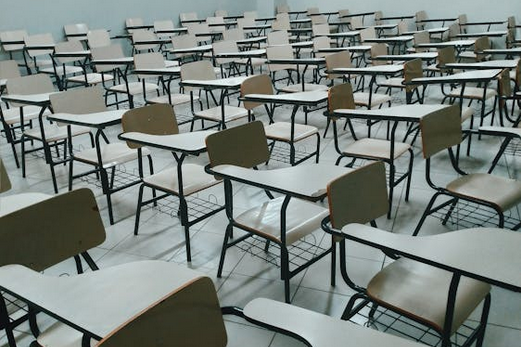
In many schools during the ’60s, detention was a common punishment for small rule violations. Being late to class, forgetting homework or whispering during a lesson could land a student in detention after school. Teachers used it as a quick way to reinforce discipline. Students often spent the time sitting quietly and completing extra work.
Modern schools still use detention, but many educators try to balance discipline with restorative approaches. Some schools focus more on addressing the underlying behavior rather than simply punishing it. Parents today may expect communication and explanation when consequences are given. The shift reflects broader changes in educational philosophy.
11. Students Recited the Pledge of Allegiance Every Morning
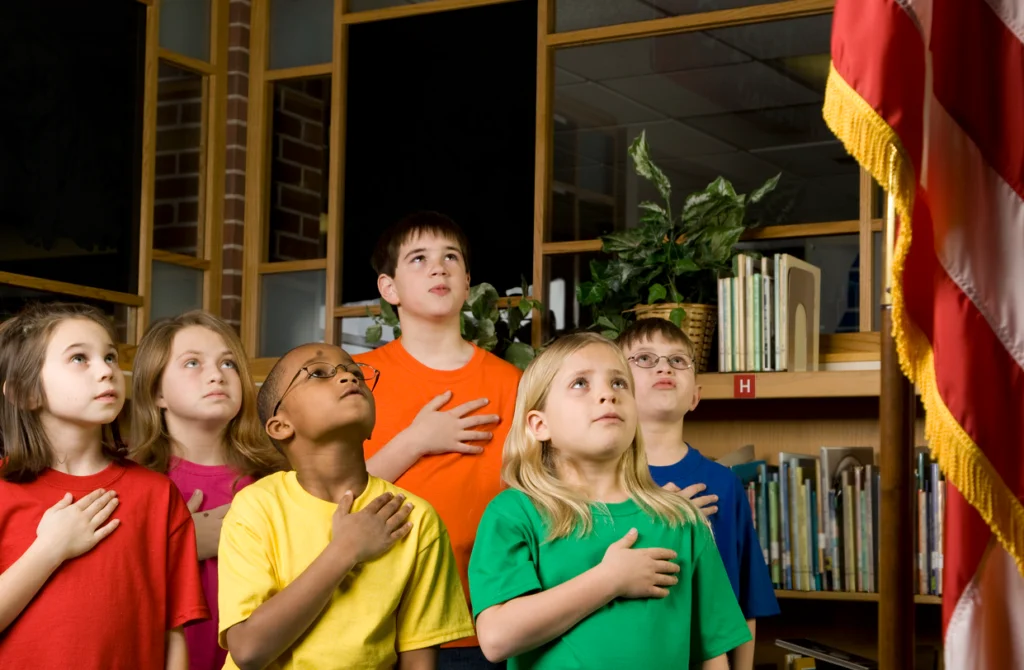
Morning routines in the ’60s often included reciting the Pledge of Allegiance as a class. Students typically stood, faced the flag and repeated the words together. For many schools, it was a daily ritual that reinforced patriotism during the Cold War era. Participation was widely expected.
Today, the pledge is still recited in many schools, but students generally have the right not to participate. Parents and educators recognize that families hold a variety of beliefs and perspectives. What was once seen as a universal routine is now approached with more flexibility. The change reflects a growing emphasis on individual choice.
12. Passing Notes Could Be Treated as a Serious Offense

Before smartphones and texting, passing handwritten notes was the classic form of classroom communication. In the ’60s, teachers often treated it as a significant disruption. Notes could be confiscated, read aloud or used as evidence of misbehavior. Students quickly learned to be careful about what they wrote.
Today, the equivalent distraction is usually a phone rather than a folded piece of paper. Schools still discourage side conversations during lessons, but the methods have evolved with technology. The idea of a teacher publicly reading a private note would likely upset many parents today. It illustrates how classroom culture has shifted over time.