
1. Pet Rock
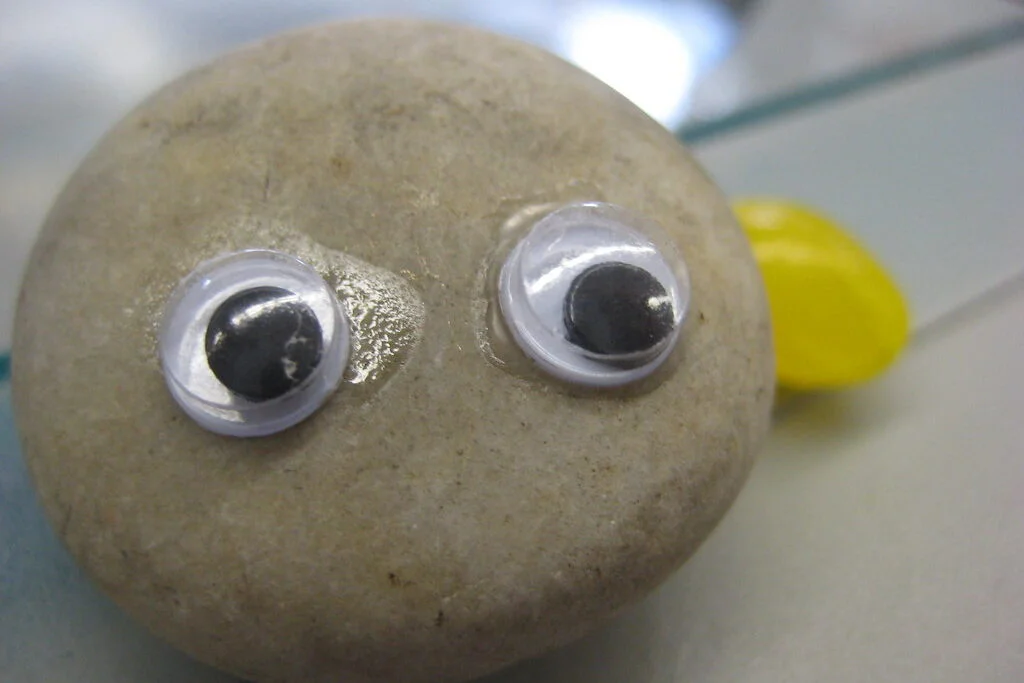
For a brief, wonderfully strange moment in the mid ’70s, one of the most popular toys in America was literally a rock. The Pet Rock arrived in a small cardboard box with breathing holes and a tongue in cheek instruction manual that explained how to “train” it. Kids instantly understood the joke, but that didn’t make the toy any less fun. Owning one felt like being part of a giant national inside joke that every kid seemed to get.
Part of the appeal was how different it felt from every other toy on the shelf. There were no batteries, no pieces to lose, and absolutely nothing it could actually do. Still, kids carried them around, gave them names, and even made little homes for them. For a toy that was just a smooth stone, it somehow managed to spark a surprising amount of imagination.
2. Stretch Armstrong
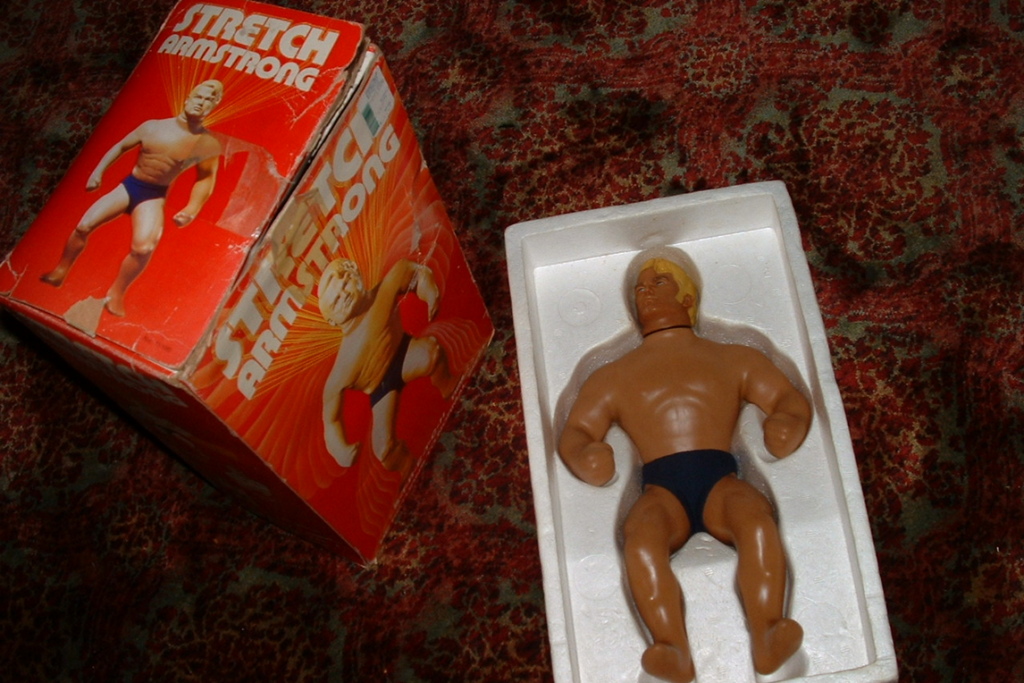
Stretch Armstrong looked like a regular muscular action figure until someone grabbed his arms. Suddenly the toy could stretch several feet in any direction, which instantly turned it into a playground challenge. Kids would pull his limbs across the room just to see how far he could go without snapping back. The rubbery skin and gel filled body made him feel unlike any other toy at the time.
Part of the fun was testing his limits. Friends would each grab a limb and stretch him like a tug of war rope, laughing when he slowly returned to shape. Even after hours of stretching, he somehow bounced right back to normal. For kids in the ’70s, that durability felt almost magical.
3. Evel Knievel Stunt Cycle
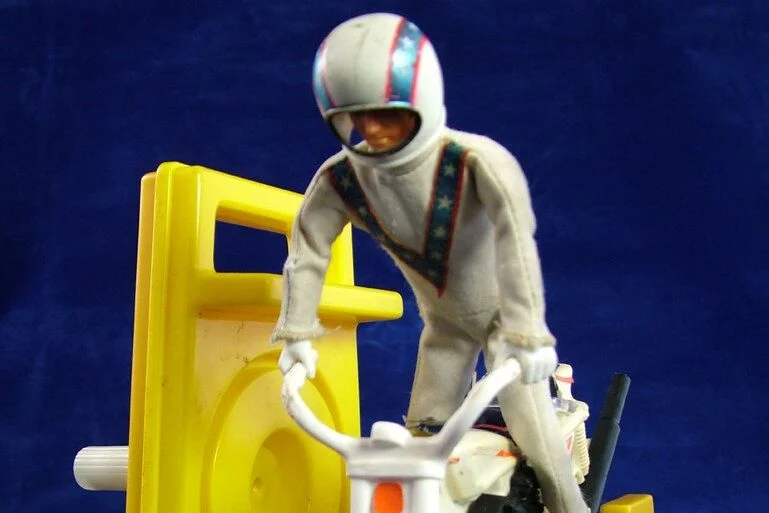
If a kid in the ’70s loved motorcycles or daredevil stunts, the Evel Knievel Stunt Cycle was practically irresistible. The toy came with a small figure of the famous stuntman attached to a motorcycle and a launcher that wound up with a hand crank. Once released, the cycle shot across the floor at surprising speed. Kids would set up ramps, books, or cardboard boxes to recreate Knievel’s legendary jumps.
The real thrill came from seeing just how far the motorcycle could go. Sometimes it soared perfectly over the ramp, and sometimes it wiped out spectacularly. Either way, the crashes were half the entertainment. For a generation that grew up watching Knievel on TV, this toy let kids stage their own backyard stunts.
4. Lite Brite
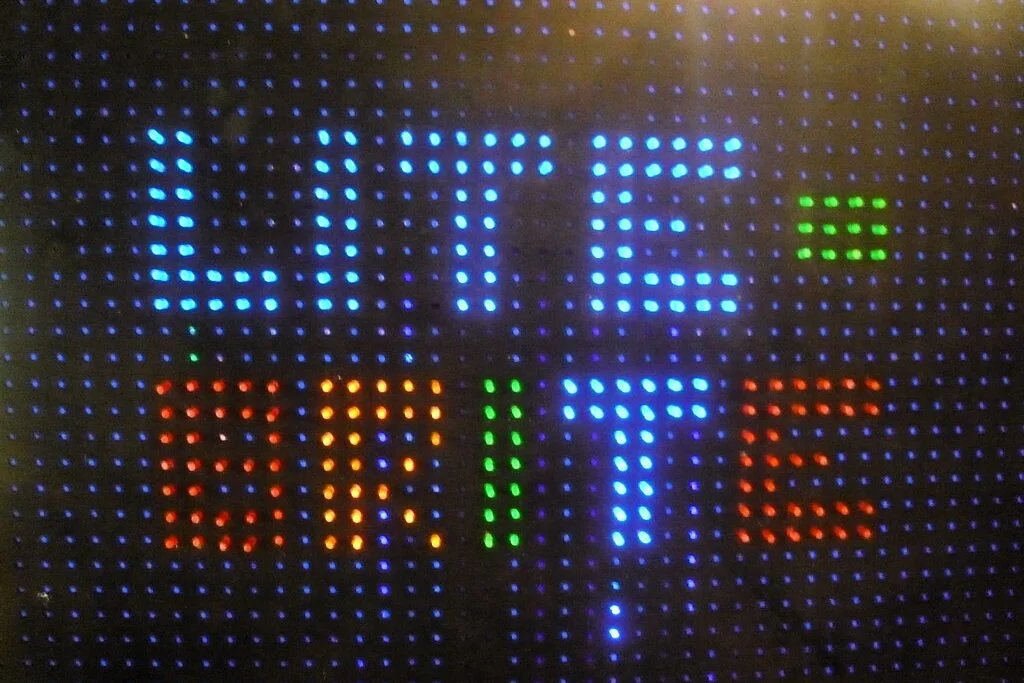
Lite Brite made kids feel like artists working with glowing pixels long before digital screens existed. The toy used a black pegboard and colorful plastic pegs that lit up from a small bulb behind the board. Kids would follow patterns or invent their own designs by poking the pegs through the holes. Once the light switched on, the picture glowed in bright neon colors.
Bedrooms would suddenly look like tiny light shows. Kids proudly displayed glowing flowers, animals, or random abstract designs they made themselves. It was simple but strangely mesmerizing to stare at once the room lights went off. For many kids, it was the first toy that felt like creating art.
5. Big Wheel
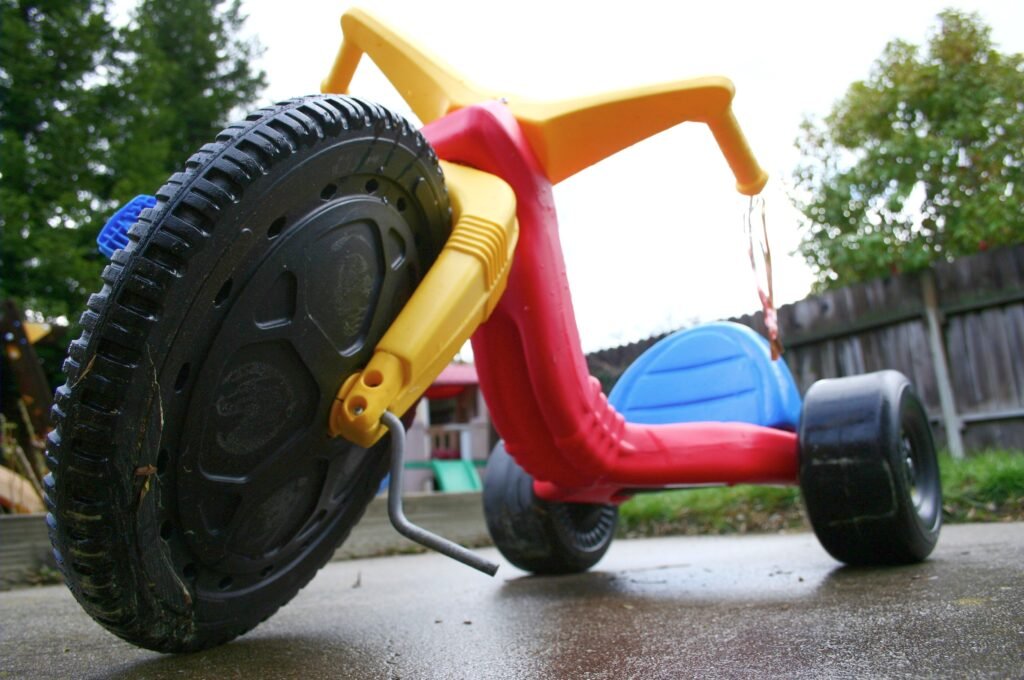
Few toys gave kids the same feeling of speed and freedom as the Big Wheel. With its oversized plastic front wheel and low riding seat, the tricycle seemed built for racing down sidewalks and driveways. Kids could pedal fast and then yank the handlebars to spin into dramatic skids. The sound of those plastic wheels scraping pavement became part of the experience.
Neighborhood streets often turned into unofficial Big Wheel racetracks. Friends would challenge each other to races, daring turns, and the longest spins. The design made it almost impossible to tip over, which meant kids rode them hard without worrying too much. For many ’70s kids, it was the first ride that felt truly exciting.
6. Weebles
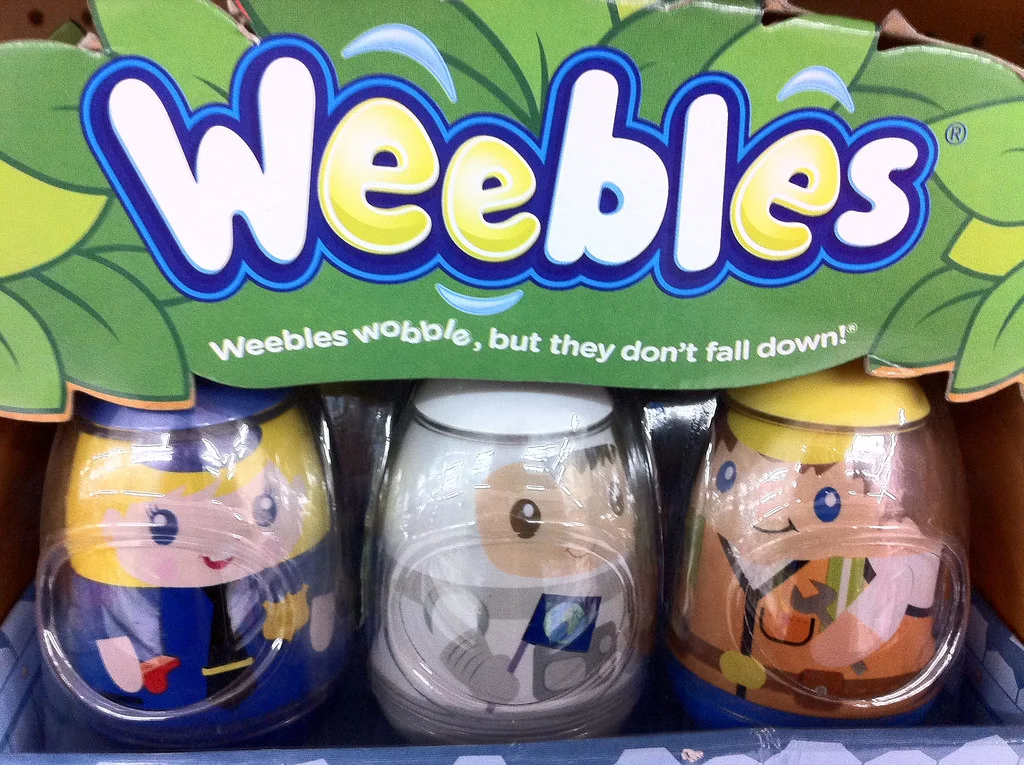
Weebles had one simple rule that every kid quickly memorized. They wobbled, but they never fell down. The egg shaped figures had weighted bottoms that always tipped them back upright no matter how hard they were pushed. Kids loved knocking them around just to watch them bounce back.
The toys came with playsets like houses, treehouses, and cars that gave them little worlds to explore. But even without the accessories, kids were entertained just watching them wobble across the table. There was something oddly satisfying about trying to make them fall and failing every time. The whole point was that gravity never quite won.
7. Simon
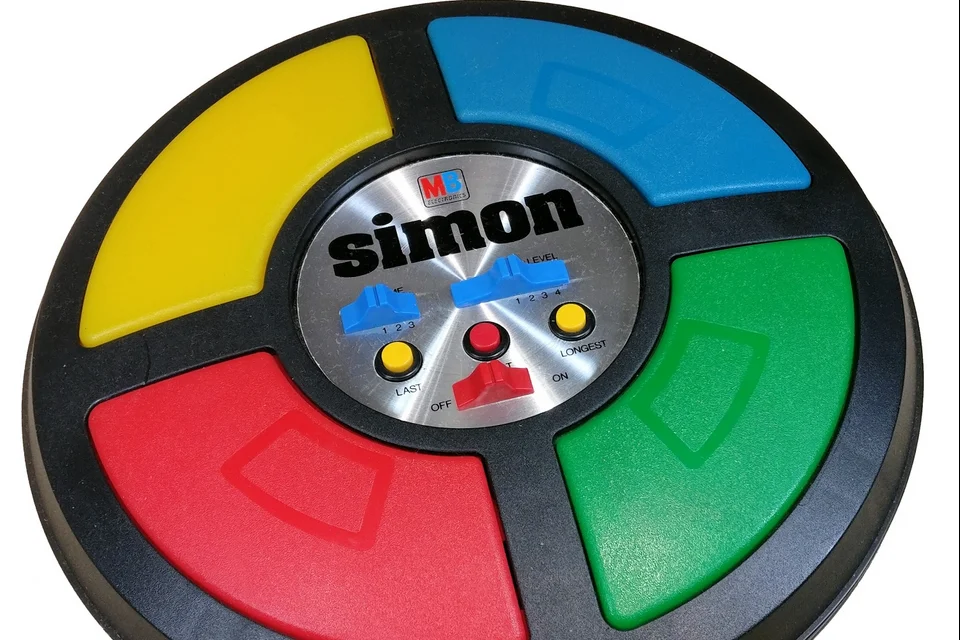
Simon looked simple at first glance, just a round electronic game with four colored buttons. But once it started lighting up and playing tones, the challenge quickly pulled kids in. The toy flashed a sequence of lights and sounds that players had to repeat in the correct order. Each round added another step, making the pattern harder and harder to remember.
Living rooms often filled with the distinctive electronic beeps of the game. Kids stared intensely at the lights, trying not to mess up the next sequence. The moment someone made a mistake, the game ended with a loud buzz. It was frustrating and addictive in equal measure.
8. Spirograph
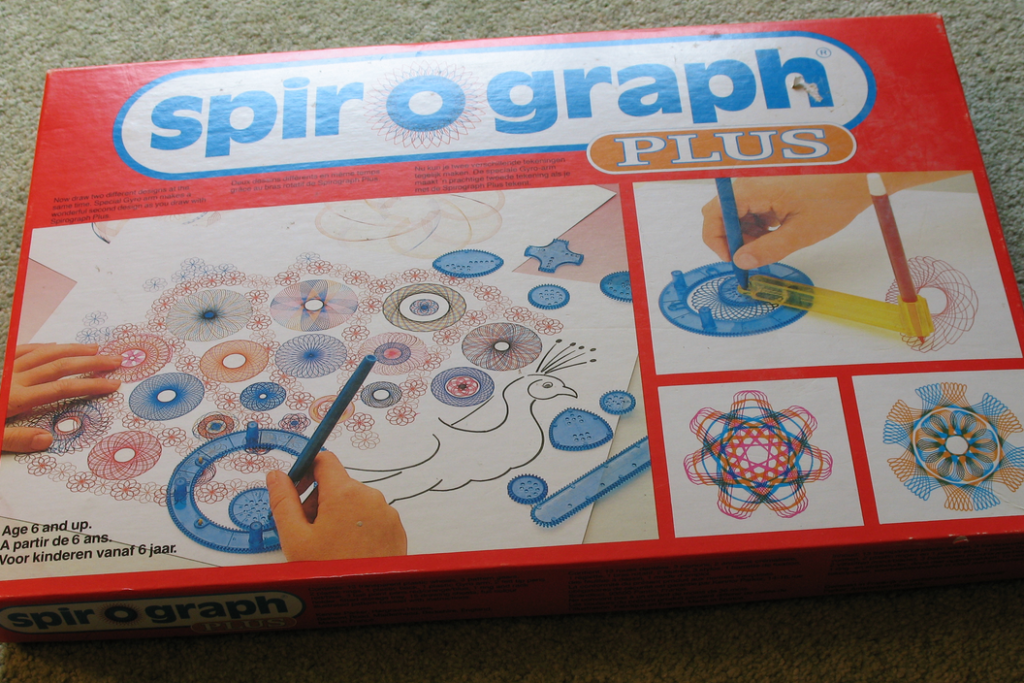
Spirograph turned math into something surprisingly fun. The toy came with plastic rings and gears that fit together on paper. By placing a pen inside the gears and moving them around, kids could create intricate swirling patterns. The designs looked far more complicated than the process used to make them.
Many kids spent hours experimenting with different gear combinations. Each one produced a completely different pattern of loops and curves. The finished drawings often looked like something from a psychedelic poster. It was one of those toys that felt oddly relaxing while still being creative.
9. Fisher Price Little People Playsets
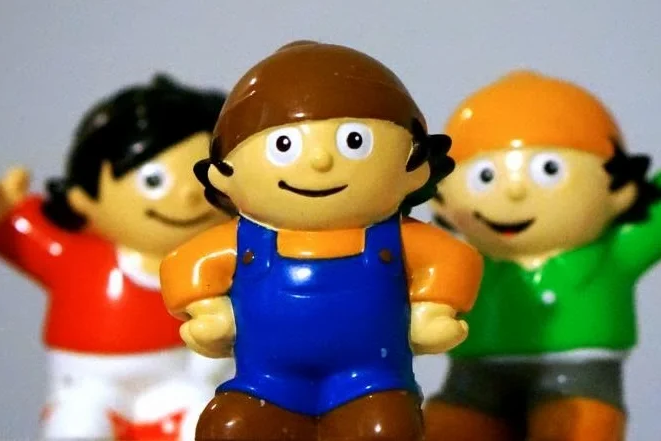
Fisher Price Little People sets were everywhere in the ’70s. The chunky wooden or plastic figures had simple faces and tiny bodies that were easy for small hands to hold. They came with playsets like farms, schoolhouses, and airports. Each set created a miniature world where kids could invent their own stories.
The toys encouraged imagination more than action. Kids could make the figures talk, travel, or explore in whatever way they wanted. Because the designs were so simple, the stories filled in the rest. For many kids, those little figures became the stars of endless adventures.
10. The Six Million Dollar Man Action Figure
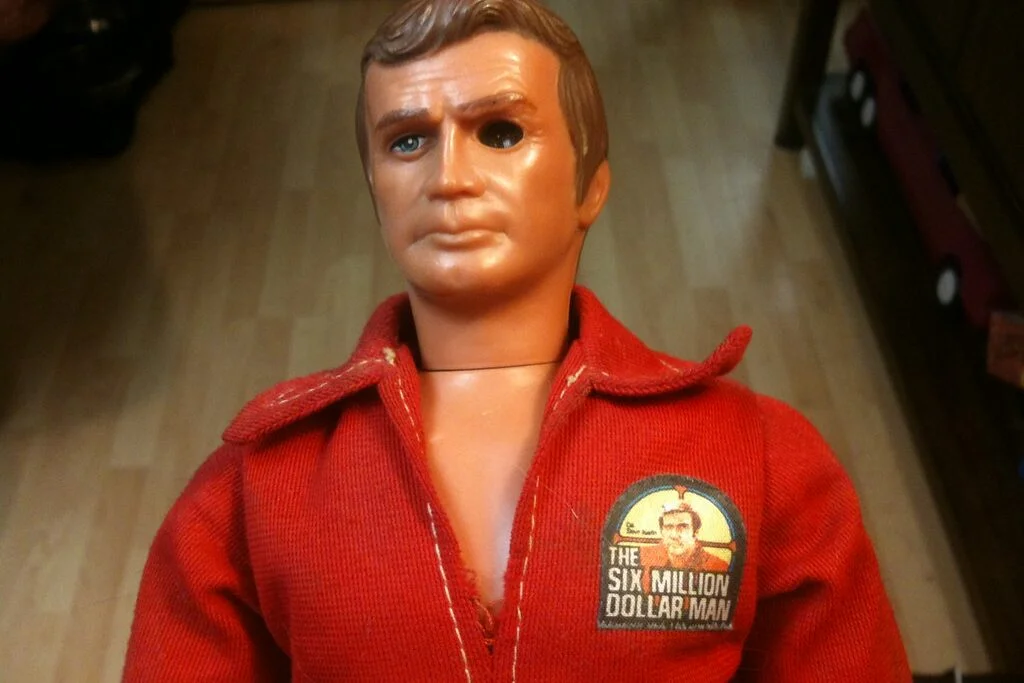
After the television hit The Six Million Dollar Man became popular, kids wanted their own bionic hero. The action figure of Steve Austin came with removable skin panels that revealed his “bionic” parts underneath. One arm had a lifting engine that let him pick up heavy objects. Another feature allowed kids to look through a small eye piece to simulate his bionic vision.
The toy felt incredibly high tech at the time. Kids recreated scenes from the show or invented new missions for the character. The mechanical parts made it seem far more advanced than most action figures. For fans of the show, it felt like bringing the TV hero home.
11. Shrinky Dinks
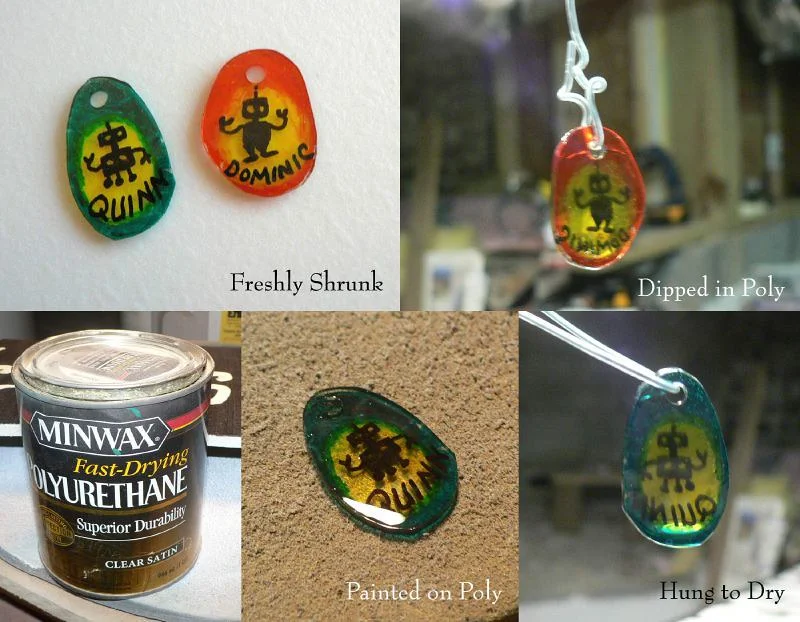
Shrinky Dinks started as thin plastic sheets that kids could color and cut into shapes. The real magic happened when they were placed in the oven. Within minutes the plastic shrank dramatically while becoming thicker and sturdier. Kids watched through the oven window as their drawings curled and tightened into tiny versions of themselves.
The finished pieces often became charms, decorations, or small toys. It felt like performing a miniature science experiment right in the kitchen. Parents helped with the oven part, which made the whole process feel like a shared project. Few toys gave such an immediate sense of transformation.
12. Star Wars Action Figures
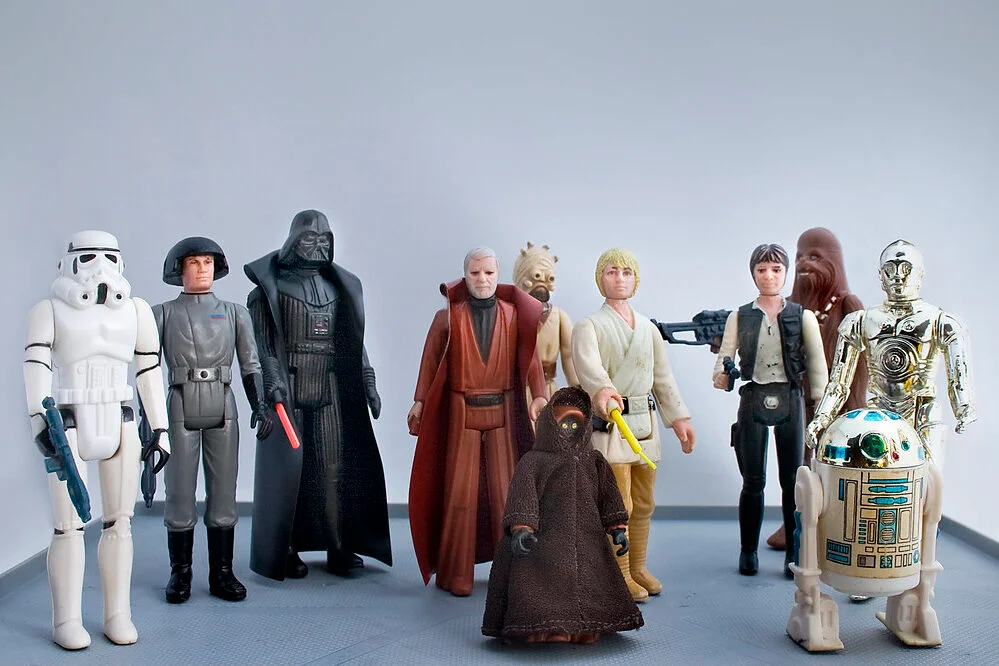
When Star Wars arrived in 1977, toy shelves changed almost overnight. Small action figures of Luke Skywalker, Princess Leia, Darth Vader, and others quickly became must have items. Unlike earlier bulky figures, these were smaller and easier to collect in large numbers. Kids could build entire battles across bedroom floors.
The toys connected directly to the world of the movie. Spaceships, playsets, and dozens of characters soon followed. Kids traded figures with friends and argued over who got to play the heroes or villains. For many children, those tiny figures turned everyday play into epic galactic adventures.


