1. Writing Letters for Everyday Updates
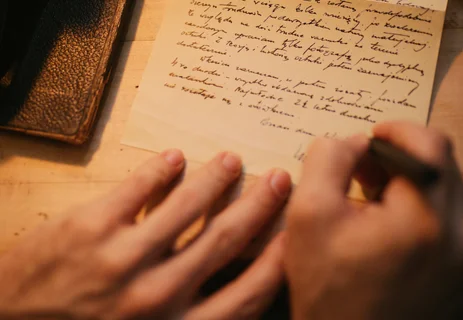
Before texting or quick phone calls became the norm, many people in the ’60s kept in touch through handwritten letters. It wasn’t unusual for someone to sit down at the kitchen table in the evening and write a few pages to a friend or relative. The ritual involved stationery, a good pen, and sometimes a pot of coffee nearby. People often described everyday life in surprising detail because letters might be the only contact for weeks.
Families saved those letters in boxes or desk drawers, creating little archives of daily life. A simple update about school, work, or the weather could turn into a full page. Waiting for the mail carrier became part of the rhythm of the week. When a familiar envelope finally arrived, opening it felt like receiving a small event.
2. Listening to the Radio While Getting Ready

Many households started the day with the radio already humming in the background. Morning news, weather reports, and popular music filled kitchens and bedrooms as people prepared for work or school. It helped set the pace for the day and made the house feel alive.
Parents might listen while making coffee or frying bacon. Teenagers often tuned in for the latest songs while combing their hair or choosing an outfit. Local DJs became familiar voices people trusted. Even short traffic updates or jokes could become part of someone’s daily routine.
3. Reading the Newspaper at the Breakfast Table

For many adults in the ’60s, the morning newspaper was as essential as breakfast. Papers were delivered early, often landing with a thump on the front porch. Someone would bring it inside and spread it across the kitchen table before the coffee finished brewing.
Readers moved through the sections with a quiet focus. Headlines, sports scores, and local announcements all mattered. Some families even had a routine where each person claimed a section first. By the time everyone left the house, the pages were folded and scattered from careful reading.
4. Polishing Shoes Before Leaving the House
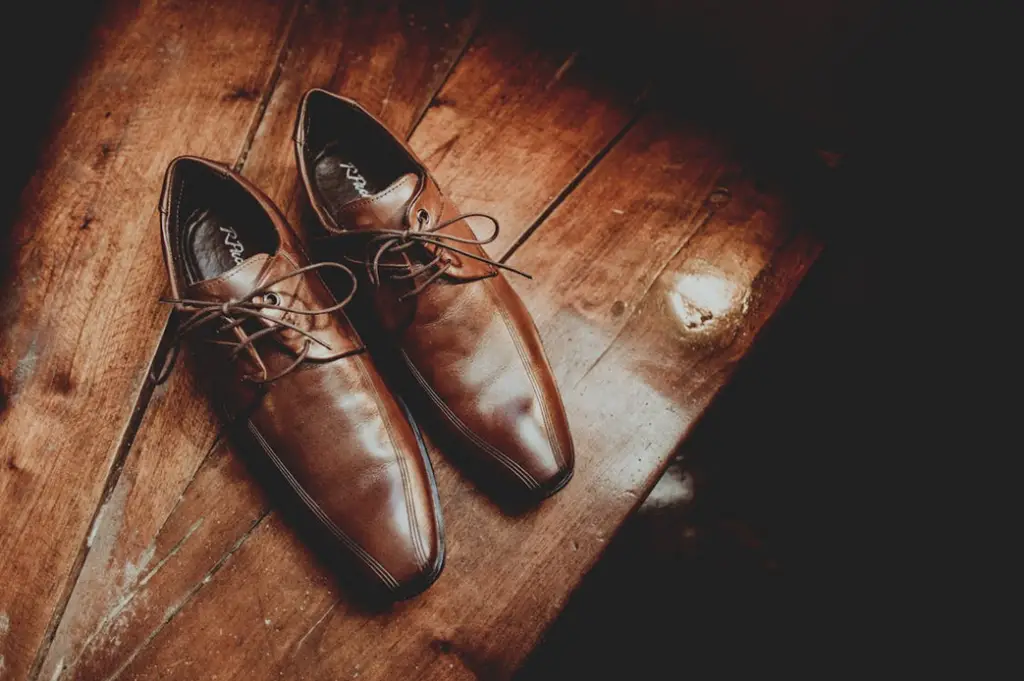
Looking presentable mattered, and shining shoes was a small habit that many people kept up regularly. A tin of polish and a brush were common items near the door or in a bedroom closet. A quick shine could make an entire outfit look more put together.
Children sometimes learned the habit from watching their parents do it. It was a small moment of preparation before heading out into the world. The smell of polish and the soft brushing sound were familiar parts of getting ready. Even a quick pass with a cloth could restore that neat, glossy look.
5. Calling Neighbors Instead of Dropping By Unannounced
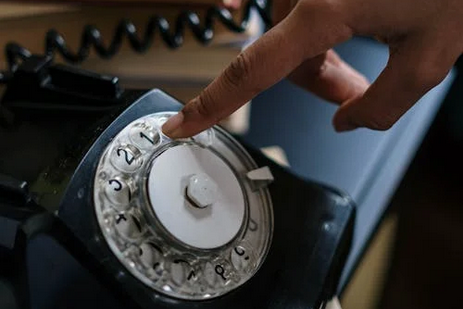
Neighborhoods were social places, but people often made a quick phone call before visiting. Landline telephones sat in kitchens or hallways, and a short call helped coordinate plans. It was simple courtesy that kept daily life running smoothly.
Someone might call to ask if a neighbor wanted to come over for coffee. Others checked if children could play together that afternoon. The conversations were brief but friendly. After hanging up, people often walked just a few houses down to meet in person.
6. Turning the TV Off During Dinner

Television was already popular in the ’60s, but many families had a rule about when it could be on. Dinner time often meant turning the set off and sitting together at the table. Parents wanted conversation instead of distractions.
People talked about school, work, or something funny they heard that day. Kids sometimes described what happened in class or what they planned to watch later. The quiet hum of the television in the living room had to wait. That pause created a small pocket of family time.
7. Walking to the Corner Store for Small Errands

Corner stores played a major role in everyday routines. If someone ran out of milk or needed a loaf of bread, they often just walked down the block. These quick trips happened several times a week.
Children were often sent on these errands with a few coins in their pocket. The store owners usually knew the families who lived nearby. A simple purchase might turn into a short conversation at the counter. Those little walks helped make neighborhoods feel connected.
8. Checking the Mail the Moment It Arrived
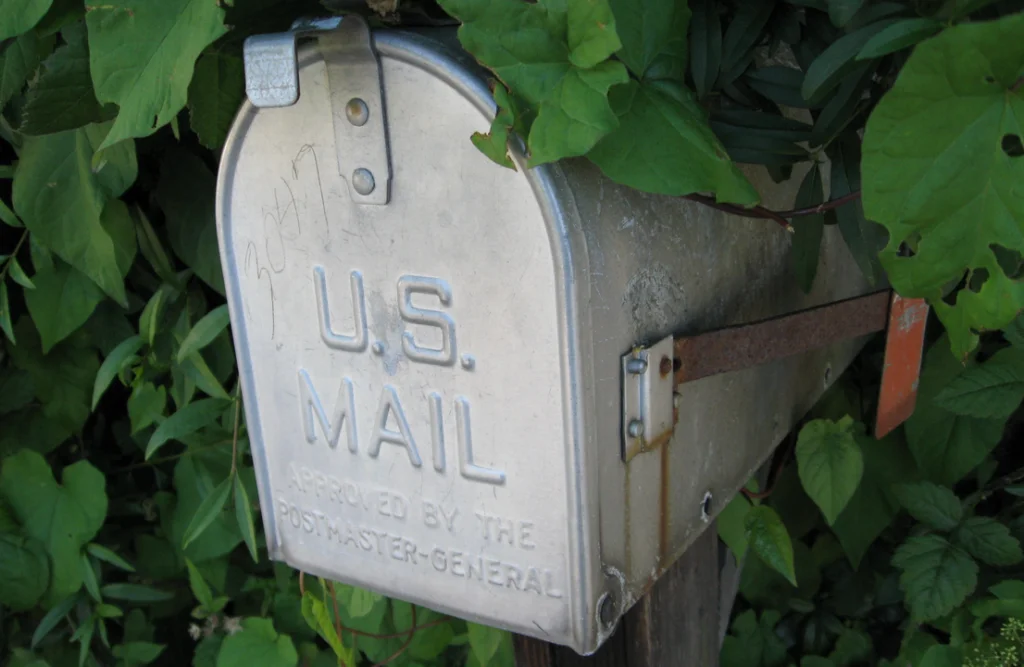
The daily arrival of the mail was something people actually noticed. Mail carriers walked routes and delivered letters directly into boxes or slots. When the sound of the mailbox lid snapped shut, someone in the house often went to check.
Inside might be letters, bills, magazines, or catalogs. Even small items like advertisements could spark curiosity. Families sometimes sorted the mail together at the kitchen table. It turned a simple delivery into a brief shared moment.
9. Keeping a Small Address Book
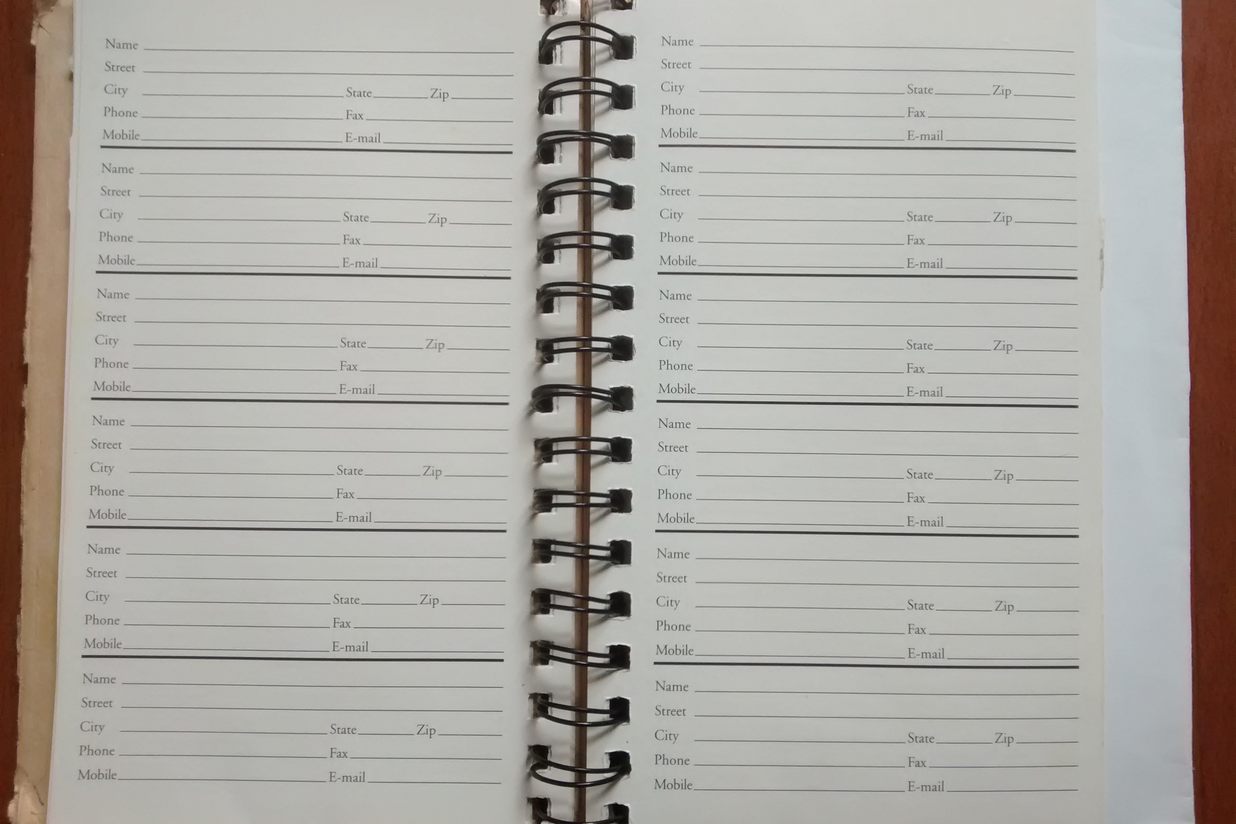
People relied on pocket-sized address books to keep track of phone numbers and mailing addresses. These little books were often tucked into drawers or handbags. Each page contained carefully written names and numbers.
If someone moved or changed their phone number, it had to be updated by hand. Over time the pages filled with crossed-out entries and new notes. The books became personal records of friendships and family connections. Losing one could feel like losing an entire contact list.
10. Ironing Clothes for the Next Day
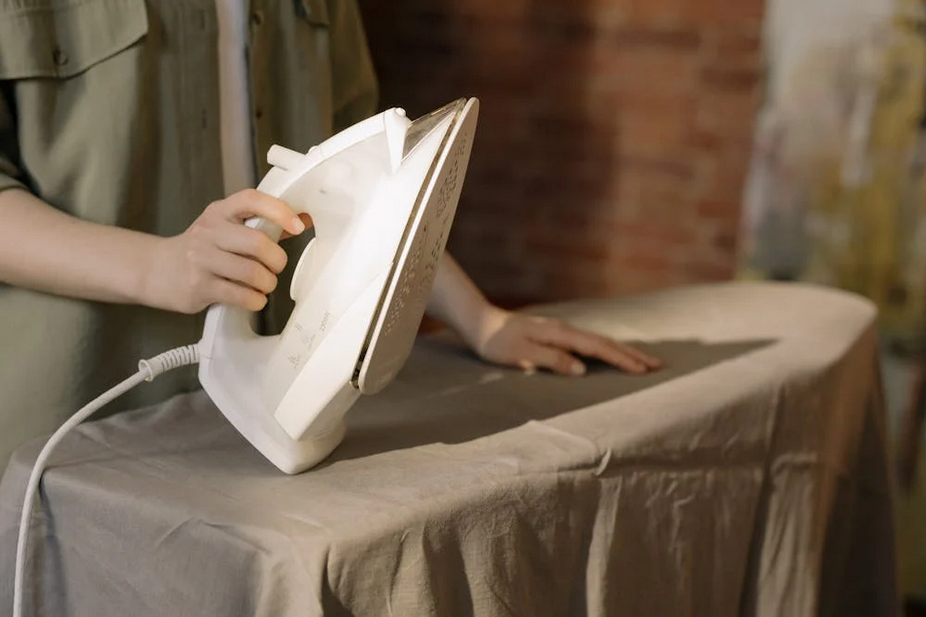
Ironing was a routine many households followed almost automatically. Wrinkled shirts or dresses rarely made it out the door. People used ironing boards in bedrooms, laundry rooms, or even living rooms while watching television.
Preparing clothes the night before made mornings easier. A crisp shirt or neatly pressed skirt felt like a sign of being organized. The quiet hiss of steam and the warm smell of fabric were familiar parts of the evening. It was a habit that kept wardrobes looking sharp.
11. Listening to the Evening News at the Same Time Every Night
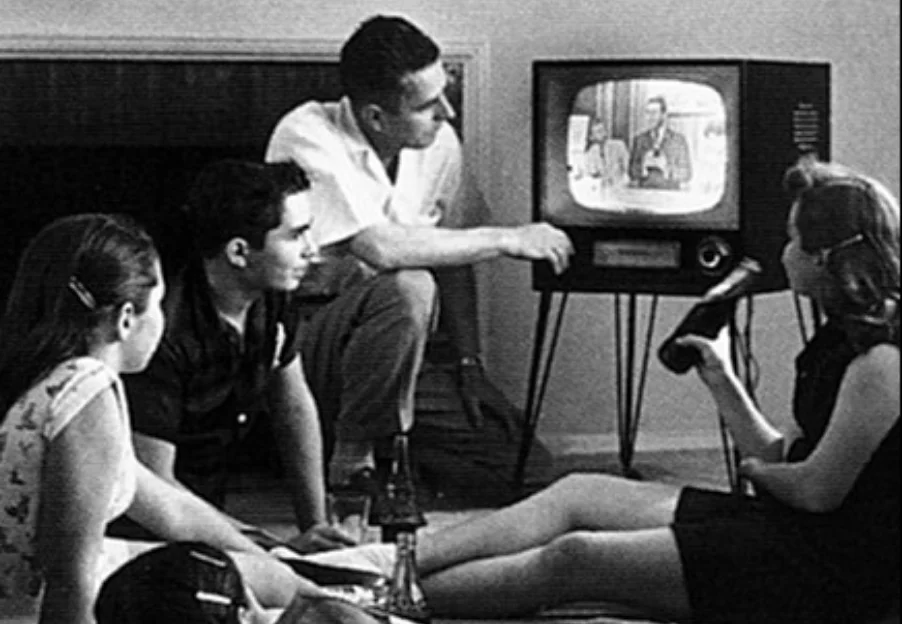
Network news broadcasts created a shared national routine. Families often gathered around the television for the evening report. The timing rarely changed, so people planned around it.
Anchors delivered updates about politics, world events, and local stories. For many viewers, it was the primary way to stay informed. After the broadcast ended, people often talked about what they had just heard. The news became part of the nightly rhythm.
12. Writing Notes on the Family Calendar

Many homes kept a calendar hanging on the kitchen wall. Instead of using phones or digital reminders, people wrote appointments directly on the paper squares. Pencil marks tracked school events, birthdays, and errands.
Everyone in the family could see what was coming up. Parents often added reminders for bills or doctor visits. Kids sometimes circled special days they were excited about. The calendar quietly organized the household.
13. Sharing Recipes With Friends
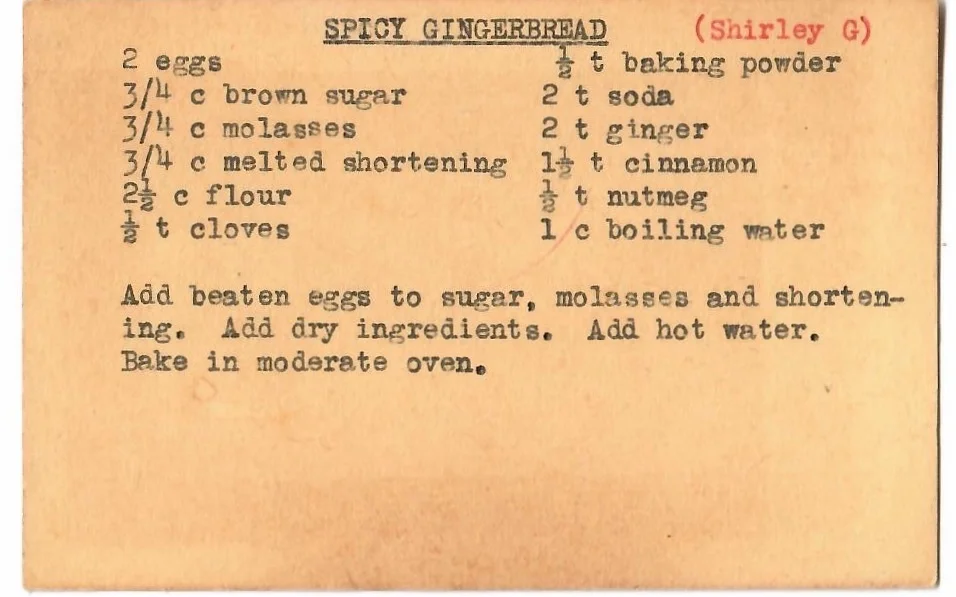
Recipe cards moved from kitchen to kitchen through friendly exchanges. Someone might jot down a favorite casserole or dessert recipe and hand it to a neighbor. These handwritten cards often ended up in small recipe boxes.
Over time the boxes filled with family favorites. Some cards had stains or notes scribbled in the margins. Each one carried a bit of personal history. Cooking from them kept traditions alive.
14. Watching the Same Weekly TV Shows
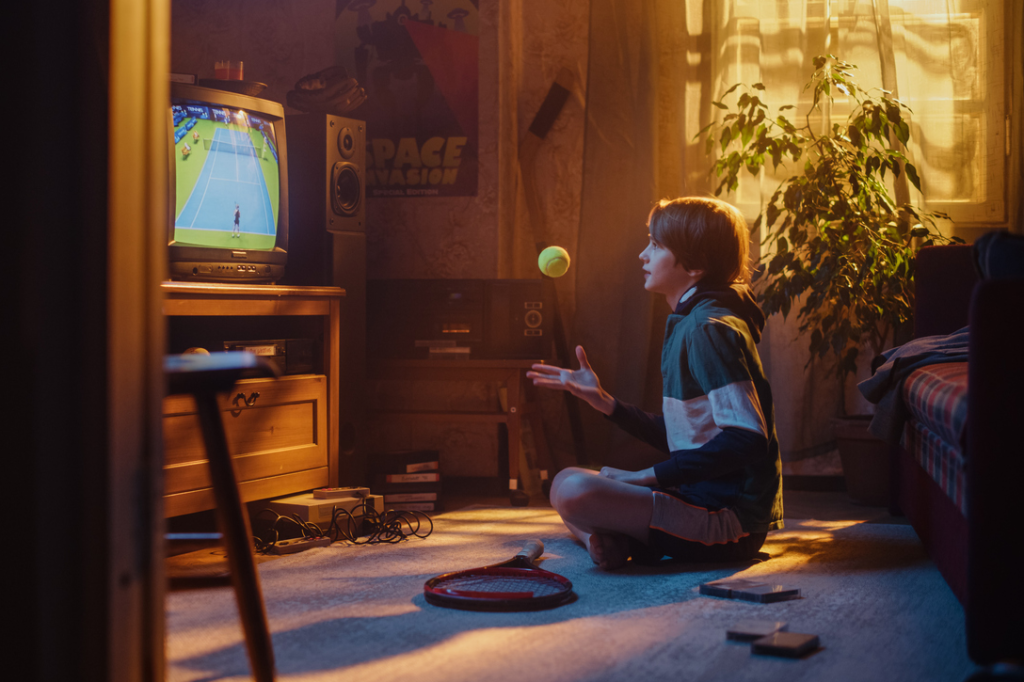
Television schedules were predictable, and people built routines around them. Families often looked forward to the same show every week at the same time. Missing an episode meant waiting for reruns.
Neighbors and coworkers sometimes talked about those episodes the next day. Certain programs felt like shared experiences across the country. Viewers planned snacks or relaxed in their favorite chair before the theme music started. It was a small but dependable weekly habit.
15. Greeting People by Name in Local Shops

Local businesses in the ’60s often knew their regular customers personally. Walking into a bakery, hardware store, or pharmacy meant being greeted by name. Shop owners recognized faces from years of visits.
The exchange usually included a bit of small talk. People asked about families, jobs, or neighborhood news. These interactions made everyday errands feel more personal. Shopping was not always rushed.
16. Sitting on the Porch in the Evening
Porch sitting was a quiet tradition that ended many days. After dinner, people stepped outside to enjoy cooler evening air. Rocking chairs or porch swings became gathering spots.
Neighbors walking by often stopped to chat for a few minutes. Children rode bikes up and down the street while adults talked. The pace was slow and relaxed. It was a simple way to end the day together.