
1. The Price Is Right
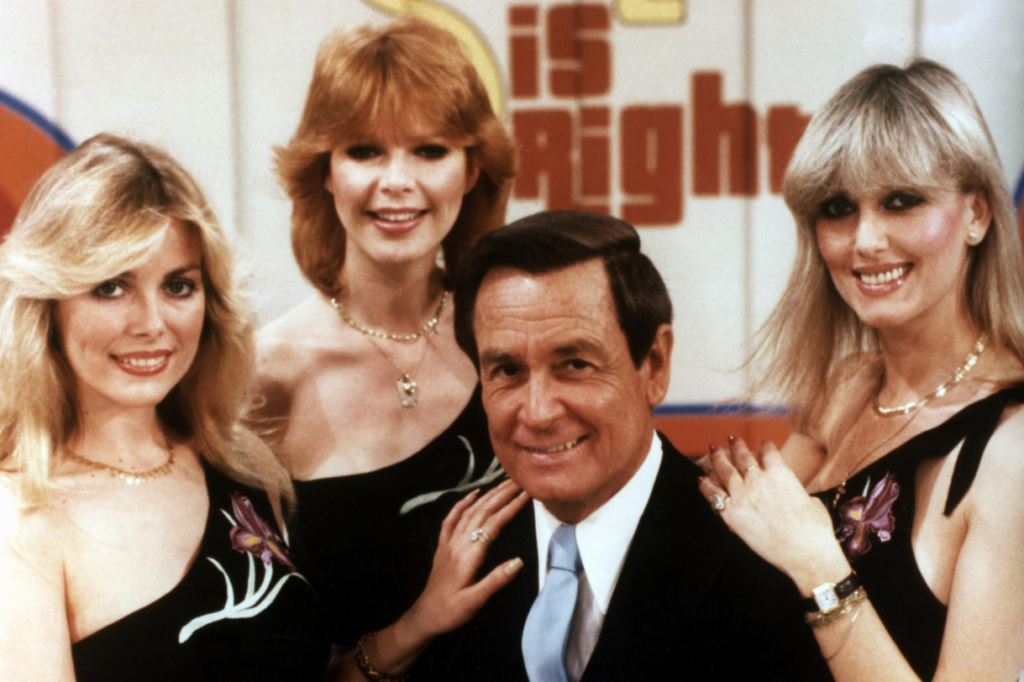
For a lot of people in the ’70s, mornings didn’t feel complete without hearing the call to “come on down.” The Price Is Right, hosted by Bob Barker, turned everyday grocery items and household appliances into dramatic guessing games. Contestants tried to estimate prices with just enough accuracy to win their way onstage, and once they got there the excitement really started. Games like Plinko, Punch-A-Bunch, and the Big Wheel quickly became part of pop culture.
What made the show feel so irresistible was how ordinary it all seemed. Anyone watching at home could imagine themselves guessing the price of a toaster or a set of luggage. Families would shout their guesses from the couch, convinced they could do better than the contestants. It had the feel of a neighborhood event that just happened to be broadcast on national television.
2. Match Game
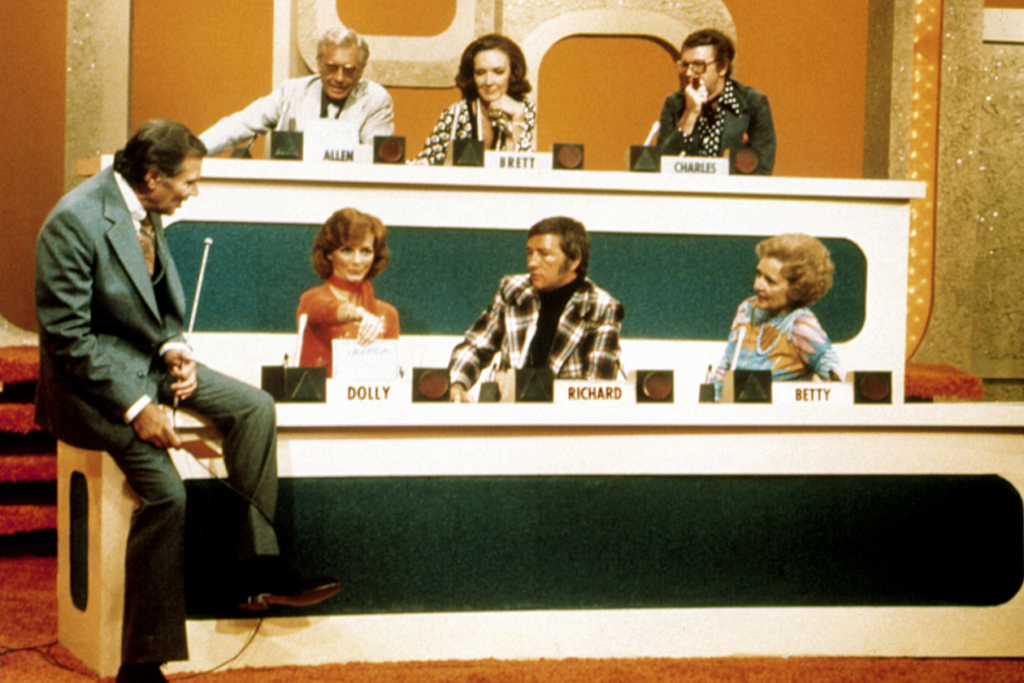
Few game shows captured the laid-back, slightly chaotic spirit of the decade like Match Game. Hosted by Gene Rayburn, the show paired everyday contestants with a panel of celebrities who filled in the blanks of often ridiculous phrases. The humor was loose, the jokes were sometimes cheeky, and the audience loved every minute of it. Rayburn’s towering microphone and easygoing style became as recognizable as the game itself.
The celebrity panel was half the fun. Regulars like Brett Somers, Charles Nelson Reilly, and Richard Dawson developed their own on-air personalities, and viewers tuned in as much for the banter as for the game. Sometimes the answers made perfect sense, and sometimes they were hilariously off the wall. Either way, the show had a comfortable, party-like energy that kept people watching day after day.
3. Family Feud
When Family Feud debuted in 1976, it quickly turned into a must-watch show for families everywhere. Richard Dawson served as host and referee while two families tried to guess the most popular responses to survey questions. The simple idea led to surprisingly tense moments as contestants struggled to think like the general public. At home, viewers loved trying to beat the buzzer themselves.
Dawson’s warm personality helped make the show feel friendly and welcoming. He was famous for greeting female contestants with a quick kiss, which became one of the show’s most talked-about traditions. The game’s fast pace and familiar questions made it easy for anyone to jump in and play along. By the late ’70s, it had become a fixture of the television schedule.
4. The $10,000 Pyramid
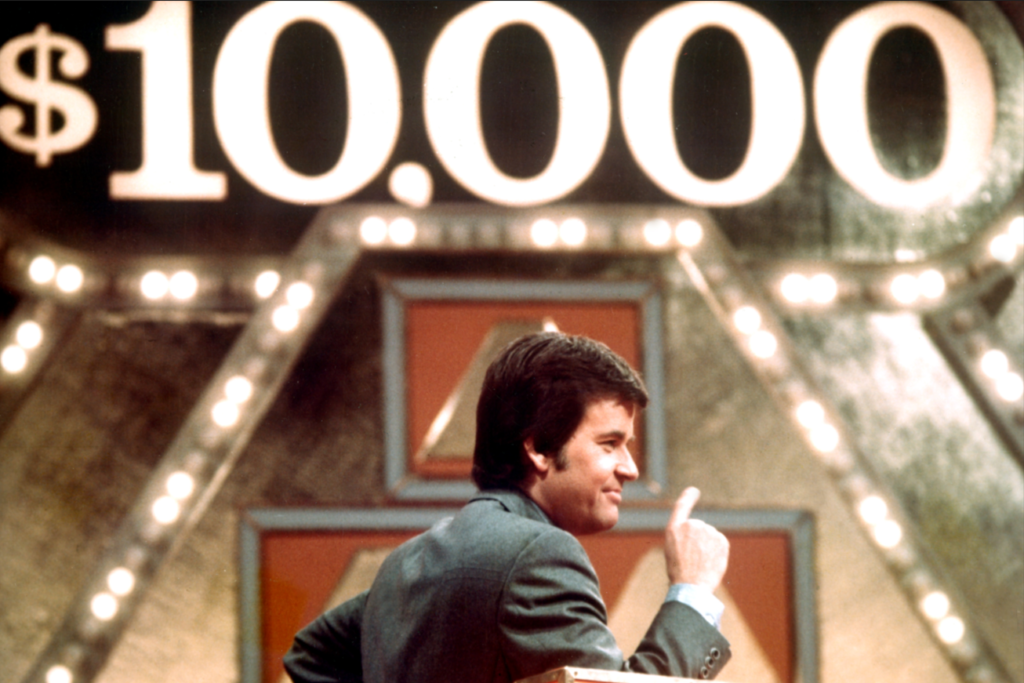
Mr. Clark brought a sense of polish and speed to The $10,000 Pyramid. The format paired contestants with celebrities who helped them guess a series of related clues before time ran out. Words flew across the screen as players tried to think quickly and communicate clearly. Watching it felt a bit like witnessing a fast-moving puzzle come together in real time.
The real excitement came in the winner’s circle round, where contestants tried to guess six categories in under a minute. When everything clicked, the pace was thrilling to watch. Clark’s calm hosting style kept the game moving smoothly while the clock ticked down. For viewers, it was one of those shows that made you sit a little closer to the TV.
5. Hollywood Squares
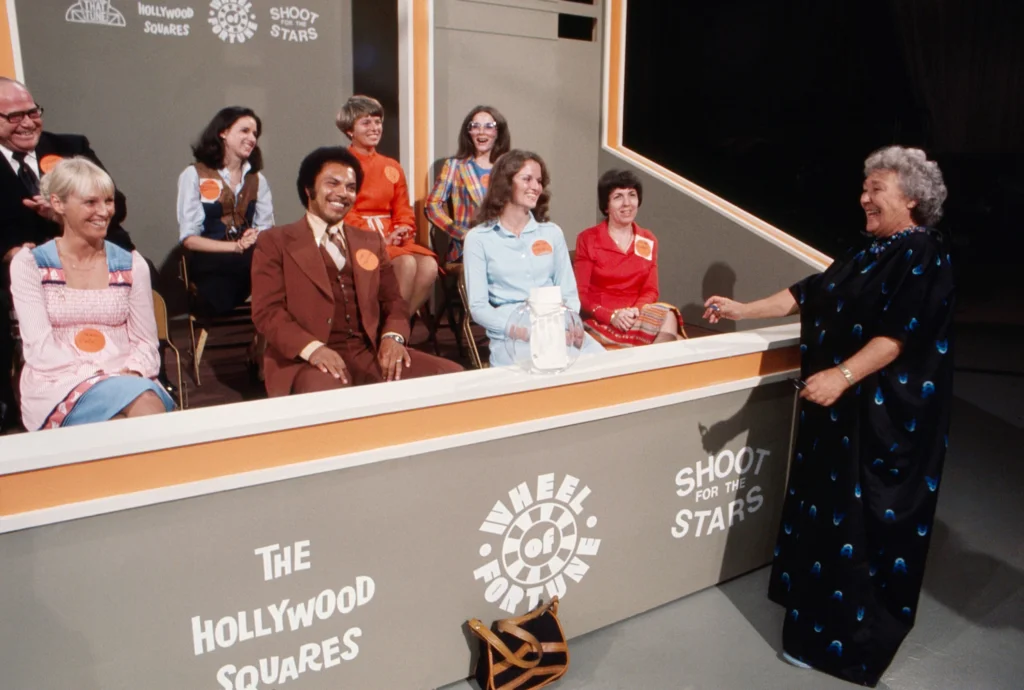
Hollywood Squares turned the familiar tic-tac-toe board into a stage for comedians and celebrities. Host Peter Marshall guided contestants through a grid of stars who answered trivia questions with plenty of humor mixed in. Players had to decide whether the celebrity was telling the truth or bluffing. That simple twist created a lot of memorable moments.
Paul Lynde, seated in the center square, became the show’s unofficial star thanks to his perfectly timed jokes. The panel’s witty exchanges often stole the spotlight from the actual game. Still, the strategy of picking squares and blocking opponents kept things interesting. It felt like watching a comedy show and a quiz show at the same time.
6. Password
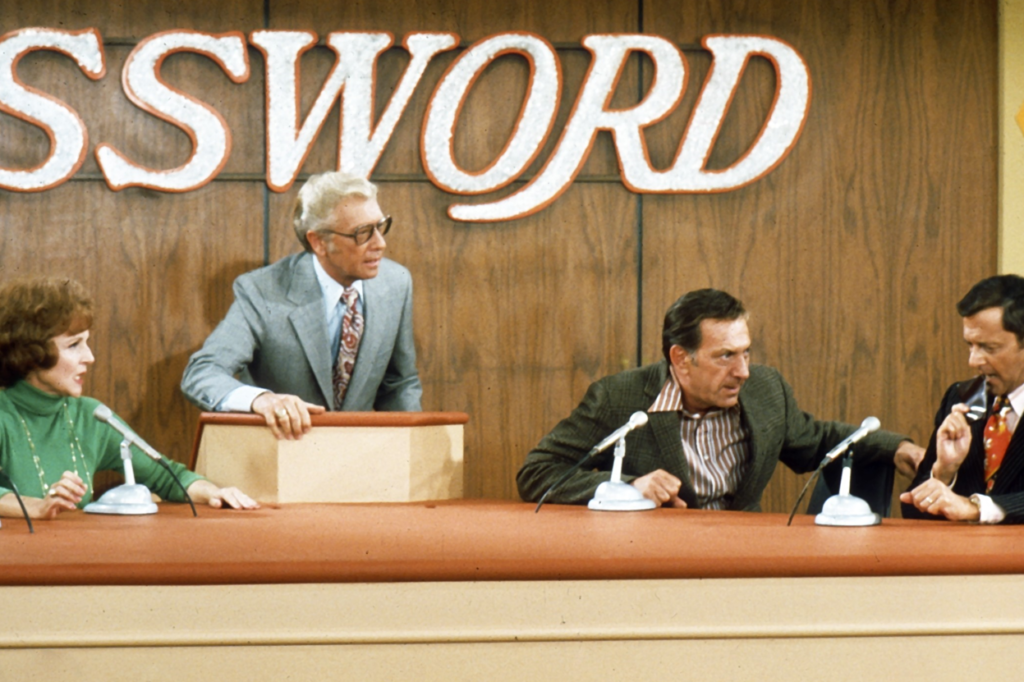
Even though Password first appeared in the ’60s, it remained hugely popular into the early ’70s. Contestants teamed up with celebrities to guess secret words based on one-word clues. The challenge was to be clever without giving too much away. Sometimes the clues were brilliant, and sometimes they led to hilariously wrong guesses.
Host Allen Ludden kept the atmosphere friendly and encouraging. The game moved quickly, but it still gave players time to think and react. Watching at home felt a little like solving a riddle alongside the contestants. For many viewers, it was the kind of show that quietly became part of their daily routine.
7. Tattletales

Tattletales brought married celebrity couples into the spotlight in a way that felt playful and revealing. Host Bert Convy asked questions about relationships, habits, and personal quirks. The husbands answered onstage while the wives predicted their responses from another area of the set. When the answers matched, contestants in the audience won money.
The real entertainment came from the couples themselves. Some pairs seemed perfectly in sync, while others hilariously misunderstood each other. The show offered a glimpse of celebrity marriages that felt surprisingly relatable. Viewers often found themselves wondering how their own partners would answer the same questions.
8. The Gong Show
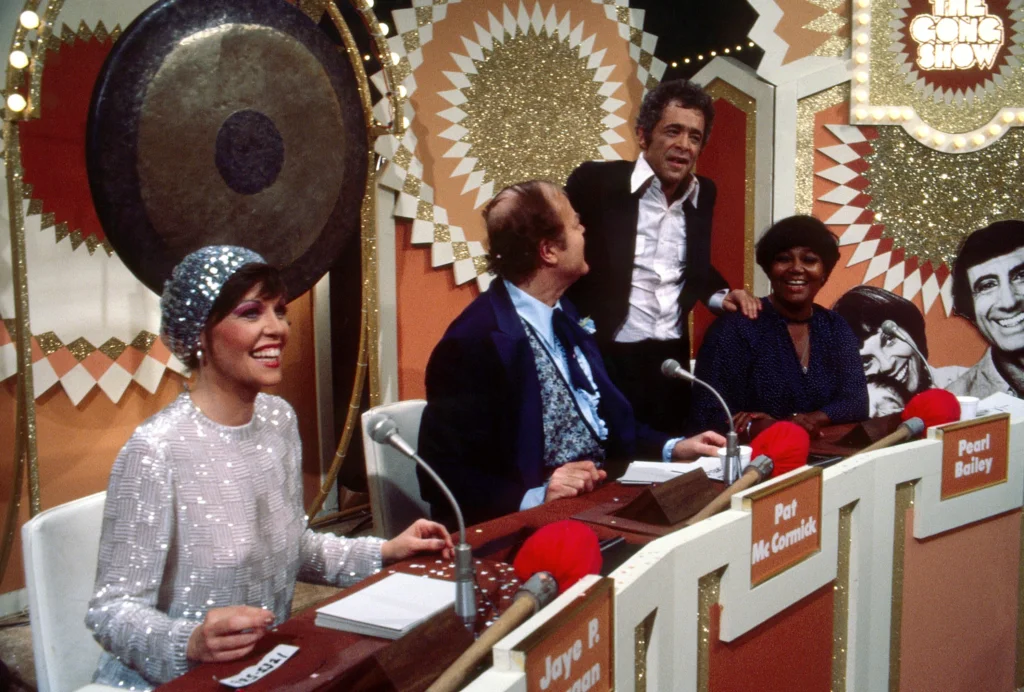
No game show of the decade was quite as unpredictable as The Gong Show. Created and hosted by Chuck Barris, the program featured amateur performers competing before a panel of celebrity judges. If the judges didn’t like the act, they could bang a giant gong to stop it instantly. The result was a strange mix of talent show and comedy circus.
Some contestants were genuinely talented, while others were intentionally outrageous. That unpredictability was exactly what made the show so addictive. Judges often played along with the absurdity, offering exaggerated praise or dramatic reactions. Watching it felt like anything might happen, and sometimes it did.
9. Press Your Luck
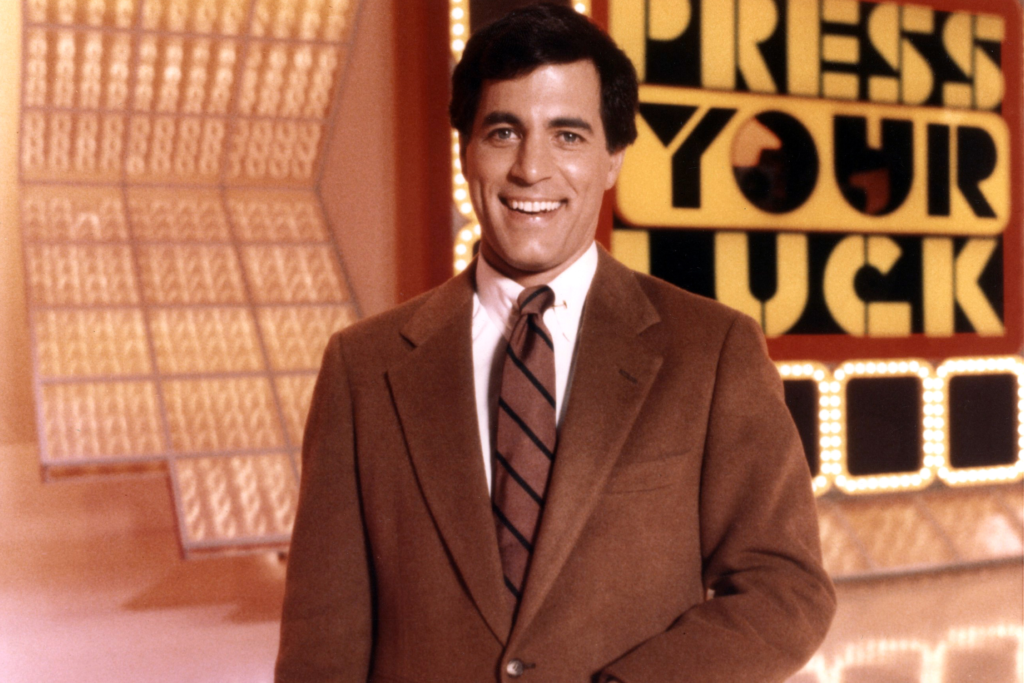
The tension on Press Your Luck came from a simple but nerve-racking idea. Contestants answered trivia questions to earn spins on a giant game board filled with prizes and dreaded “Whammies.” One wrong stop could wipe out everything they had just won. The flashing lights and rapid pace made every decision feel dramatic.
Those cartoonish Whammies became instant icons. Whenever they appeared, contestants groaned as their winnings vanished. Viewers at home often yelled “stop” along with the players, hoping the board would land on a big prize instead. The mix of luck and strategy kept the excitement high.
10. The Dating Game
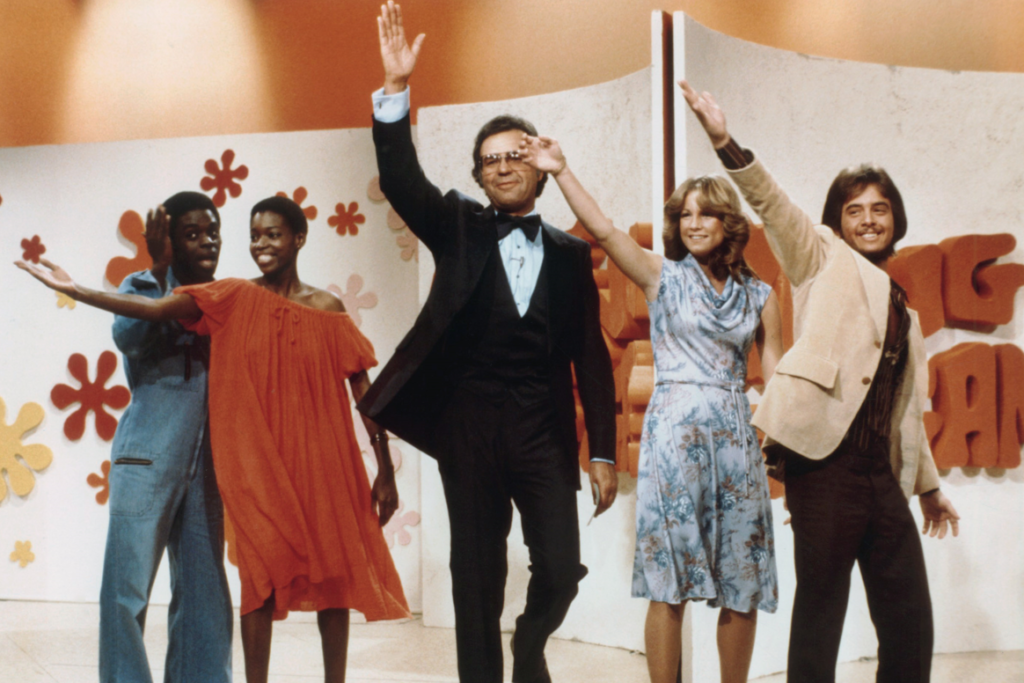
The Dating Game had been around since the ’60s, but it remained a familiar sight throughout the ’70s. A single contestant questioned three potential dates hidden behind a wall, choosing one based only on their answers. The questions were often playful and occasionally a little daring. Host Jim Lange guided the process with a steady hand.
The reveal at the end was always the highlight. Once the wall opened, audiences finally saw the personalities behind those voices. Some matches seemed perfect, while others were clearly mismatched from the start. Either way, viewers enjoyed watching the awkward charm of strangers trying to connect on national television.
11. To Tell the Truth
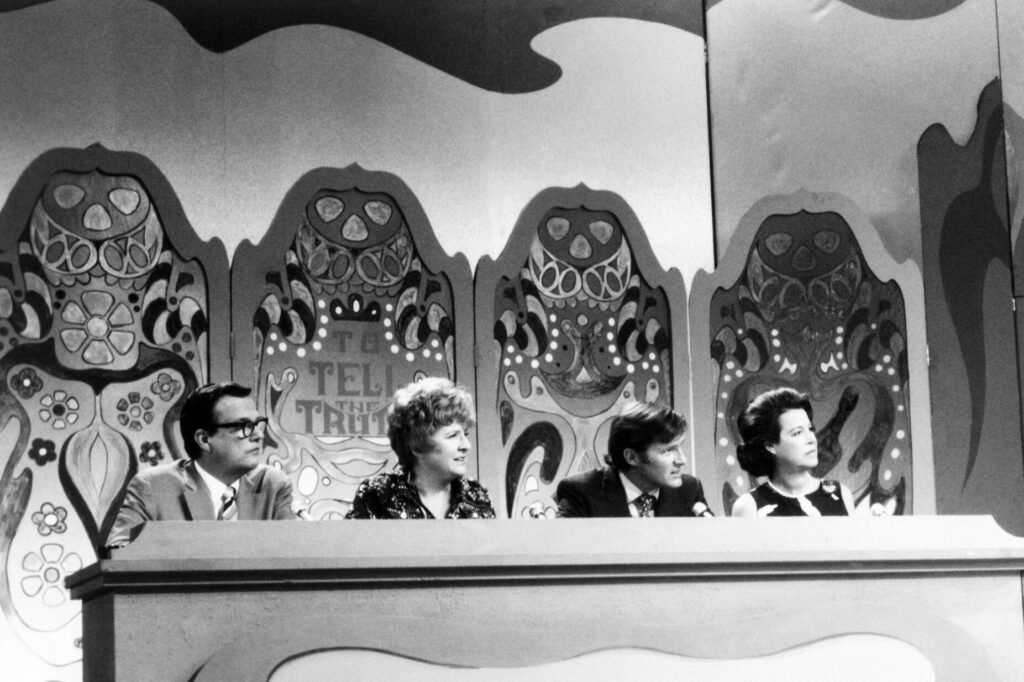
The premise of To Tell the Truth was deceptively simple. A panel of celebrities questioned three contestants, all claiming to be the same person with the same unusual job or life story. Only one was telling the truth. The panel had to figure out which one it was before the big reveal.
The fun came from watching the impostors try to stay convincing under pressure. Some delivered their stories with incredible confidence, while others struggled to keep their facts straight. When the real person finally stood up, the audience often reacted with surprise. It was a reminder that even the most serious-looking panelists could be fooled.
12. Sale of the Century
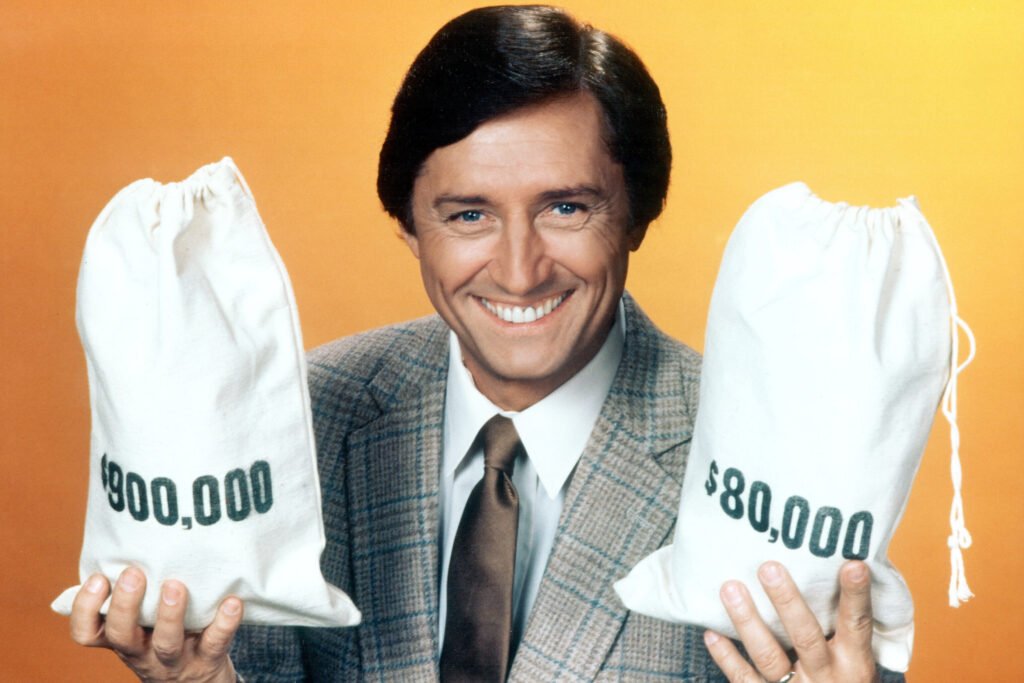
Sale of the Century blended trivia with the thrill of shopping for prizes. Contestants answered questions to build up a cash score, which they could then spend on luxury items offered during the show. Each decision involved a trade-off between taking a tempting prize or holding onto their money for a bigger reward later. That dilemma kept the tension steady throughout the game.
Host Jack Kelly guided contestants through the choices with a calm, polished style. The prize displays, which often included cars and expensive electronics, added to the sense of excitement. Viewers at home liked imagining what they would buy if they were in the contestant’s place. It felt a little like window shopping combined with a trivia contest.