
1. Dallas
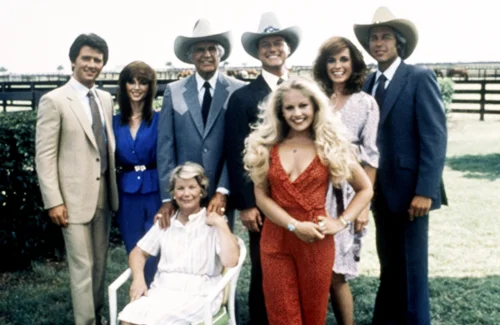
If you lived through the early ’80s, it was almost impossible to avoid Dallas. The show had everything viewers loved, money, oil, big Texas mansions and more family drama than anyone could keep track of. At the center of it all was Larry Hagman’s J.R. Ewing, one of television’s most deliciously villainous characters. People tuned in each week just to see what new scheme he had cooked up.
The show reached peak cultural impact with the famous “Who shot J.R.?” storyline in 1980. The mystery became a national obsession, and the reveal episode was watched by tens of millions of viewers. Offices, schools and living rooms all buzzed about it for months. For a while, missing an episode of Dallas meant being completely out of the conversation the next day.
2. Cheers
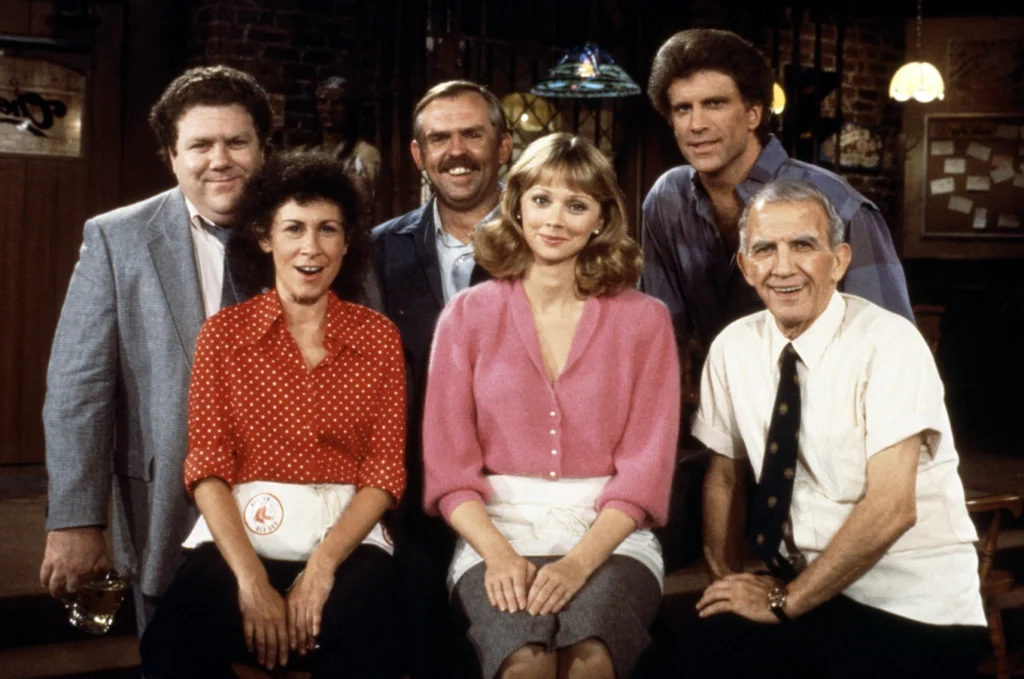
Set inside a cozy Boston bar where “everybody knows your name,” Cheers quickly became one of the most beloved sitcoms of the decade. Ted Danson played Sam Malone, a charming but flawed former baseball player who owned the bar. The regulars who gathered there felt less like customers and more like family. Over time, viewers began to feel the same way.
Part of the fun was watching the ongoing tension between Sam and Diane, played by Shelley Long. Their romantic push and pull fueled some of the show’s most memorable moments. Meanwhile, characters like Norm, Cliff and Carla delivered the kind of jokes people quoted all week. By the late ’80s, Thursday night almost felt incomplete without stopping by Cheers.
3. The Cosby Show

When The Cosby Show premiered in 1984, it quickly became one of the biggest hits on television. Bill Cosby starred as Dr. Cliff Huxtable, a laid-back obstetrician raising five kids with his lawyer wife Clair, played by Phylicia Rashad. The show centered on family life, but it felt fresh, funny and surprisingly warm. For many viewers, it felt like visiting a lively household every week.
The Huxtable family tackled everyday issues like school stress, sibling rivalry and growing up. But the show also stood out for portraying a successful, loving Black family in prime time. Audiences connected with the humor and the relatable parenting moments. For much of the decade, Thursday nights practically belonged to the Huxtables.
4. The A-Team
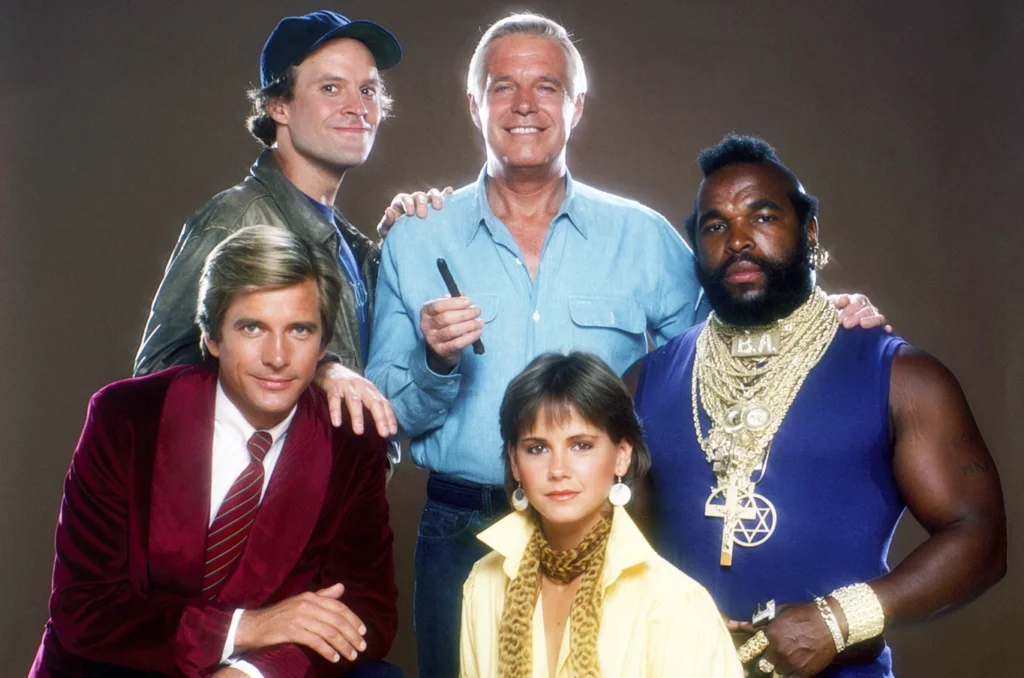
Few shows screamed “’80s action television” quite like The A-Team. The series followed a group of former Special Forces soldiers who worked as soldiers of fortune while on the run from the military. George Peppard led the team as Hannibal Smith, the cigar-chomping strategist who always seemed to have a plan. Mr. T became a breakout star as the tough but loyal B.A. Baracus.
Each episode featured elaborate plans, homemade armored vehicles and plenty of explosions. The action was over the top, but that was part of the appeal. Kids loved the gadgets, and adults enjoyed the fast pace. When Hannibal lit his cigar and said he loved it when a plan came together, viewers knew another chaotic adventure was about to begin.
5. Family Ties
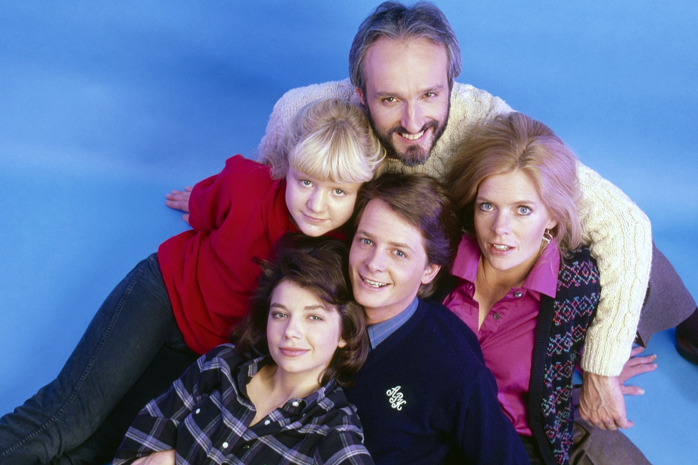
Family Ties captured the cultural mood of the decade through one unforgettable character, Alex P. Keaton. Played by Michael J. Fox, Alex was a young conservative obsessed with business and success, a sharp contrast to his former hippie parents. The generational clash produced some of the show’s funniest and most thoughtful moments. It also helped Fox become one of the decade’s biggest TV stars.
While Alex often stole the spotlight, the entire Keaton family felt believable and warm. Meredith Baxter and Michael Gross played parents who loved their kids even when they didn’t quite understand them. The show balanced comedy with heartfelt stories about growing up. For many families, watching the Keatons each week became a familiar ritual.
6. Magnum, P.I.
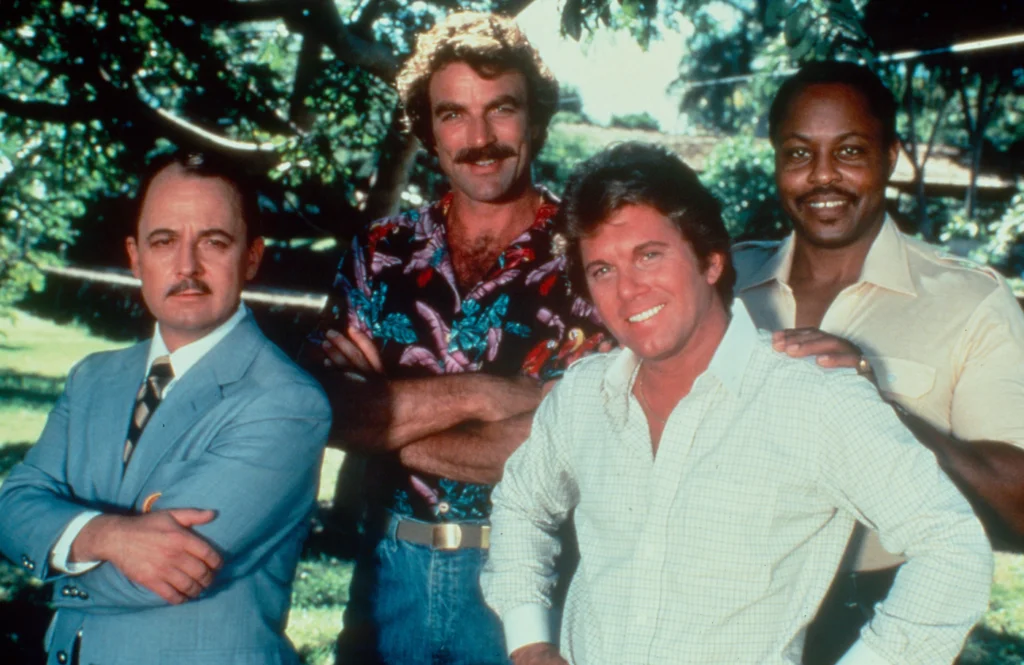
With its sunny Hawaiian setting and easygoing charm, Magnum, P.I. quickly became a favorite of the decade. Tom Selleck starred as Thomas Magnum, a private investigator living in a beachfront guest house on a massive estate. His Ferrari, mustache and relaxed style became iconic almost overnight. The show blended mystery, humor and adventure in a way that felt effortless.
Magnum rarely worked alone, thanks to his friends Rick and T.C. and the unseen estate owner Robin Masters. The show balanced lighthearted fun with deeper stories about Magnum’s past in the Vietnam War. That mix gave it a surprising emotional edge. Still, many viewers tuned in just to enjoy the tropical setting and the laid-back detective solving another case.
7. Knight Rider
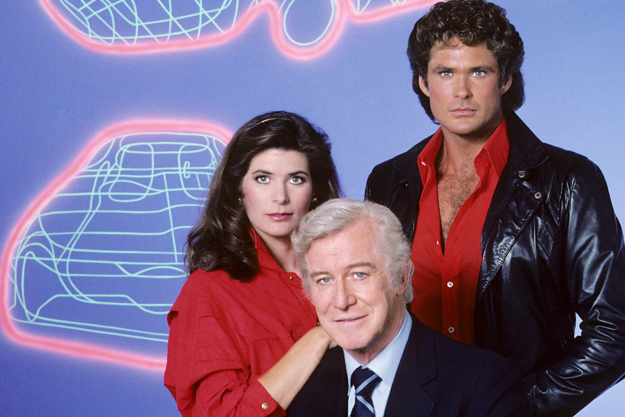
Before talking cars were common in movies or television, Knight Rider made the idea feel completely normal. David Hasselhoff starred as Michael Knight, a crime fighter partnered with a highly advanced car named KITT. The sleek black Pontiac Trans Am could talk, think and perform incredible stunts. Kids everywhere dreamed about riding in that car.
The show combined science fiction with action and just a little bit of humor. KITT’s calm, logical personality often clashed with Michael’s impulsive instincts. Their partnership became the heart of the series. By the mid ’80s, hearing that familiar electronic theme music was enough to pull viewers straight back to the TV.
8. Murder, She Wrote
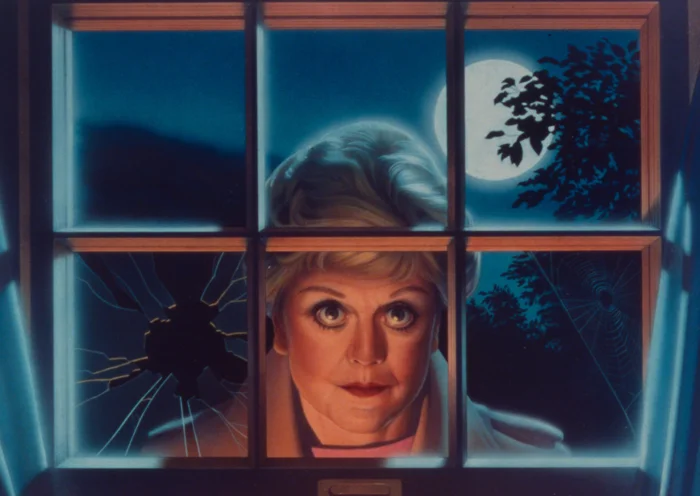
Angela Lansbury became a television icon as mystery writer Jessica Fletcher on Murder, She Wrote. Each week, Fletcher somehow found herself surrounded by suspicious deaths and complicated mysteries. Despite the danger, she always stayed calm and observant. Watching her piece together the clues became part of the fun.
The show appealed to viewers who enjoyed a classic whodunit story. Fletcher traveled frequently, meaning each episode introduced new settings and suspects. Yet the character herself remained warm and reassuring. Sunday nights often meant settling in to see which mystery Fletcher would solve next.
9. Hill Street Blues
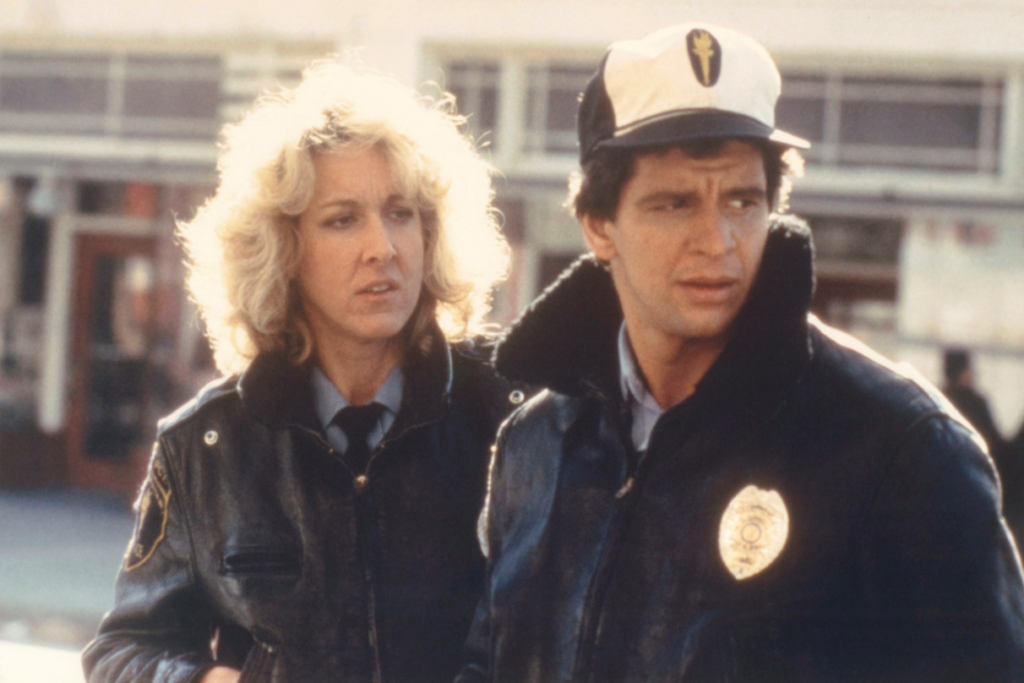
When Hill Street Blues debuted in 1981, it changed how police dramas were made. Instead of focusing on a single case each week, the show followed multiple storylines unfolding inside a busy urban precinct. The characters felt messy, flawed and very human. That approach made the show feel more realistic than many earlier crime series.
The series also introduced a style of storytelling that later dramas would adopt. Scenes often overlapped, conversations felt natural and the pacing was faster than typical television at the time. Viewers grew invested in the lives of the officers as much as the cases they worked. For fans of serious drama, Hill Street Blues became essential viewing.
10. The Golden Girls
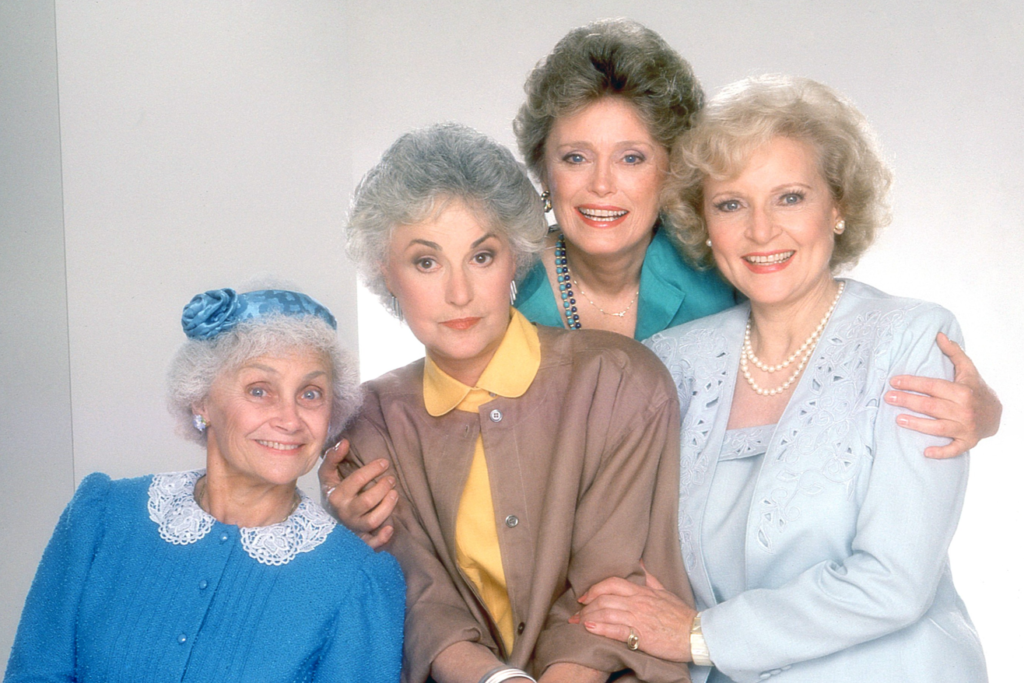
Four older women sharing a house in Miami may not have sounded like a typical sitcom premise. But The Golden Girls quickly proved that great writing and strong performances could make anything work. Bea Arthur, Betty White, Rue McClanahan and Estelle Getty formed one of television’s most memorable ensembles. Their chemistry made the show feel both hilarious and heartfelt.
The series tackled topics that many sitcoms avoided, including aging, dating later in life and friendship. Yet it always did so with warmth and sharp humor. Dorothy’s sarcasm, Rose’s odd stories and Sophia’s blunt honesty became instantly recognizable traits. For many viewers, Saturday nights meant laughing along with the women in that Miami kitchen.
11. Growing Pains
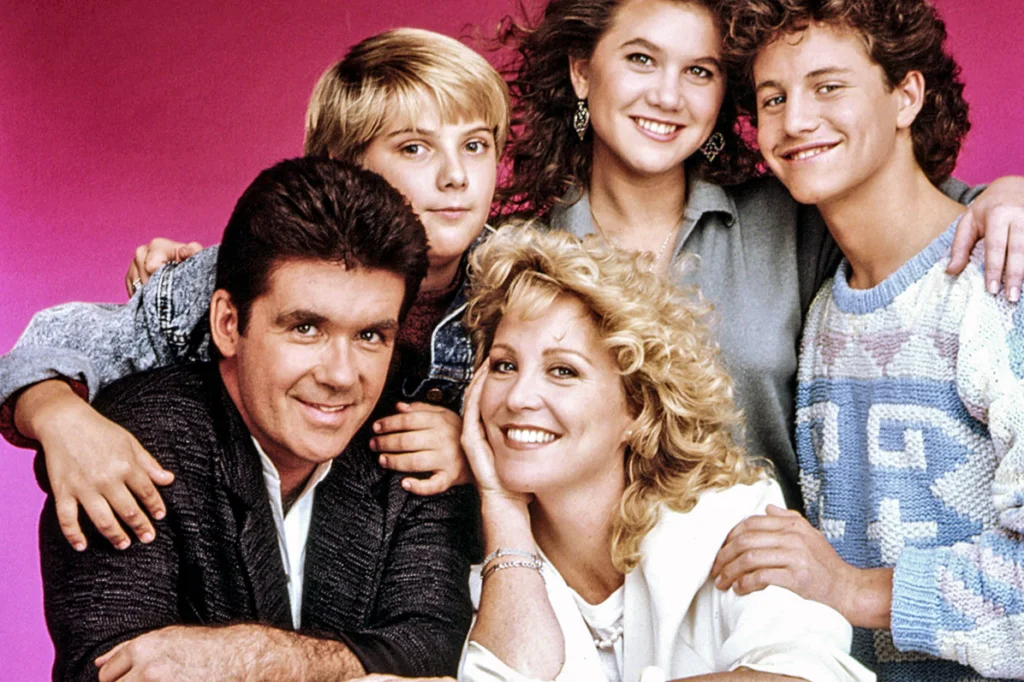
Family sitcoms were everywhere in the ’80s, but Growing Pains stood out thanks to its mix of humor and sincerity. Alan Thicke played Dr. Jason Seaver, a psychiatrist who worked from home while raising three kids. Joanna Kerns played his wife Maggie, a journalist balancing work and family life. Their household often felt chaotic but loving.
Kirk Cameron became a teen heartthrob as mischievous son Mike Seaver. His jokes and constant attempts to avoid responsibility created many of the show’s funniest moments. Yet the series also explored more serious topics about growing up. By the middle of the decade, the Seaver family felt familiar to millions of viewers.
12. MacGyver
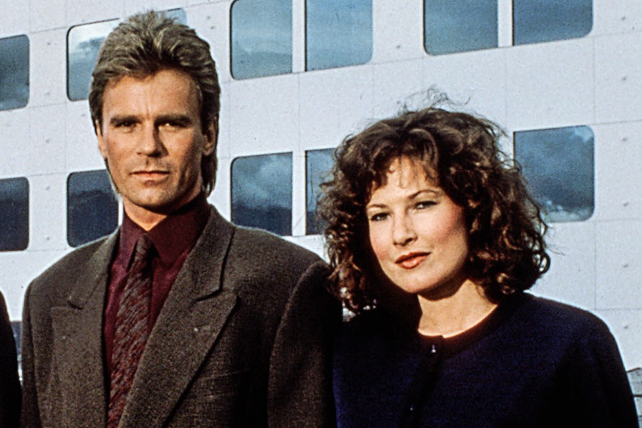
Instead of relying on guns or brute force, Angus MacGyver solved problems with creativity and everyday objects. Played by Richard Dean Anderson, the character could escape almost any situation using things like paper clips, duct tape or a pocketknife. The inventive solutions became the show’s trademark. Kids everywhere tried to imagine how they might do the same.
The series mixed action with a strong sense of optimism. MacGyver believed intelligence and patience could solve problems better than violence. That philosophy made him different from many other television heroes at the time. Watching him improvise his way out of danger became one of the most entertaining parts of the show.
13. Moonlighting
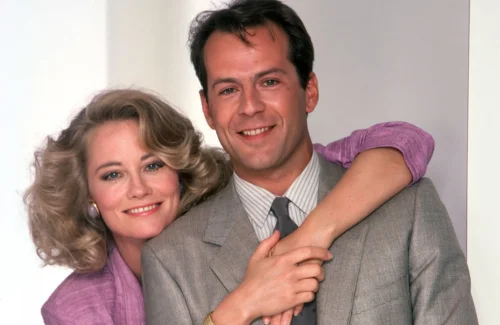
Before Bruce Willis became a movie action star, he helped lead one of the most unusual shows of the decade. Moonlighting followed the partnership between private detectives Maddie Hayes and David Addison. Cybill Shepherd played the sophisticated former model, while Willis brought chaotic energy to the role of David. Their constant arguing was half the fun.
The show mixed mystery stories with comedy and romance. Episodes often played with unusual storytelling techniques that kept audiences guessing. The chemistry between Shepherd and Willis drove the series forward. For a few years in the mid ’80s, viewers tuned in as much for the banter as they did for the cases.
14. Miami Vice
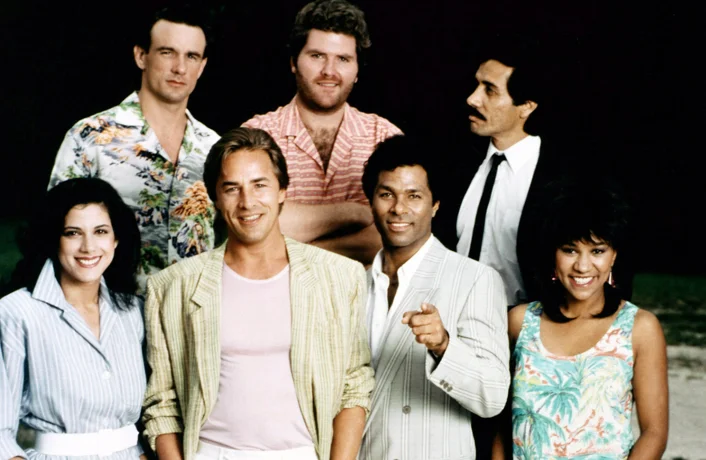
Few shows defined the style of the ’80s as clearly as Miami Vice. Don Johnson and Philip Michael Thomas starred as undercover detectives Sonny Crockett and Rico Tubbs. The series combined crime stories with neon colors, designer clothes and a soundtrack full of popular music. Visually, it looked unlike anything else on television at the time.
The show also helped popularize the use of contemporary songs within dramatic scenes. Music from artists like Phil Collins and Glenn Frey often played a central role in the storytelling. That cinematic style made the series feel almost like a movie each week. For many viewers, Miami Vice captured the flashy spirit of the decade perfectly.