
1. Sony Walkman
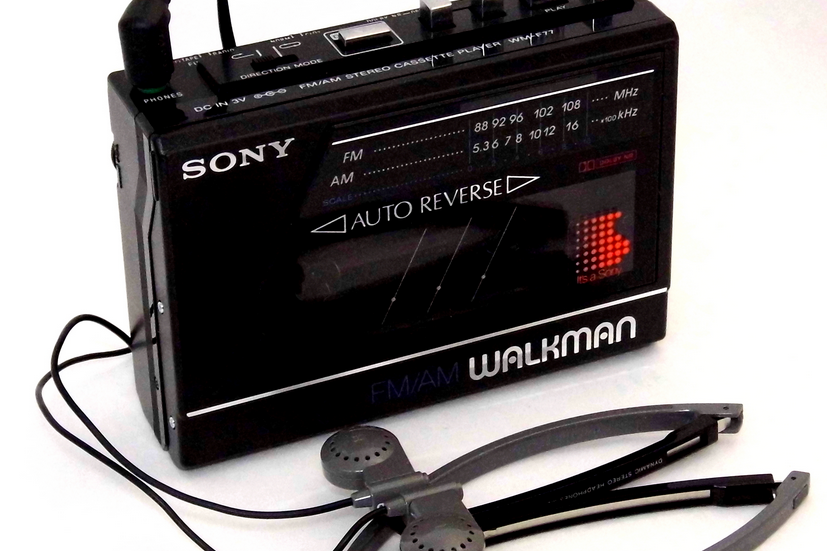
When the Sony Walkman arrived in the early ’80s, it completely changed how people listened to music. Suddenly you didn’t have to sit in your bedroom or living room to enjoy your favorite album. You could clip on a lightweight cassette player, plug in a pair of foam headphones, and take your music anywhere. Joggers, commuters and teenagers all embraced the idea of carrying their personal soundtrack with them. It felt futuristic in a way that earlier portable radios never quite managed.
At the time, many people imagined a world where everyone would always be plugged into personal music devices. In that sense, the Walkman actually predicted the future fairly well. It paved the way for portable CD players, MP3 players and eventually smartphones. Even though cassette tapes are mostly a relic now, the basic idea behind the Walkman never really disappeared. It simply evolved into the streaming earbuds people wear everywhere today.
2. Handheld Electronic Organizers
Before smartphones took over the world, electronic organizers were supposed to replace paper planners. These pocket-sized devices could store phone numbers, addresses and appointments in digital form. Many businesspeople in the ’80s treated them like serious professional tools. Typing information onto a tiny keypad felt like something straight out of science fiction.
Brands like Casio and Sharp produced early models that promised to keep your entire life organized in one place. For a while they were genuinely impressive pieces of technology. You could scroll through contacts, set reminders and carry hundreds of entries in your pocket. Looking back, they were basically the ancestors of modern contact apps and calendars. But at the time, simply having a digital address book felt incredibly advanced.
3. The Nintendo Entertainment System
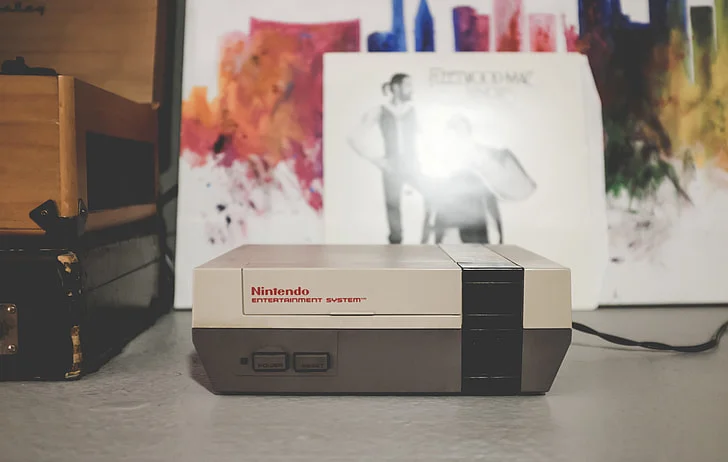
When the Nintendo Entertainment System arrived in North America in 1985, it revived the struggling home video game industry. Kids suddenly had arcade-style experiences right in their living rooms. Games like Super Mario Bros. and The Legend of Zelda made the console feel like a glimpse of the future of entertainment. The graphics and gameplay seemed astonishing compared with earlier systems.
Parents often watched in amazement as their children spent hours navigating colorful digital worlds. Many people believed gaming would soon dominate home entertainment. In many ways that prediction came true, although no one imagined just how big the industry would become. The NES also introduced accessories like the light gun and robotic toy R.O.B., which made the system seem even more futuristic. It was the beginning of the modern console era.
4. Cordless Telephones
Cordless phones were a small miracle when they first appeared in homes during the ’80s. Before that, talking on the phone usually meant stretching a long cord across the kitchen or hallway. With a cordless handset, you could wander around the house while chatting. That simple freedom felt almost magical at the time.
Many people imagined a future where phones would become completely untethered from walls. Early cordless models had limited range and occasionally picked up strange interference. Still, the concept changed how people used their home phones. It also paved the way for the mobile phone revolution that would follow in the ’90s. For a while, though, being able to pace around the living room while talking felt like living in the future.
5. VHS Camcorders
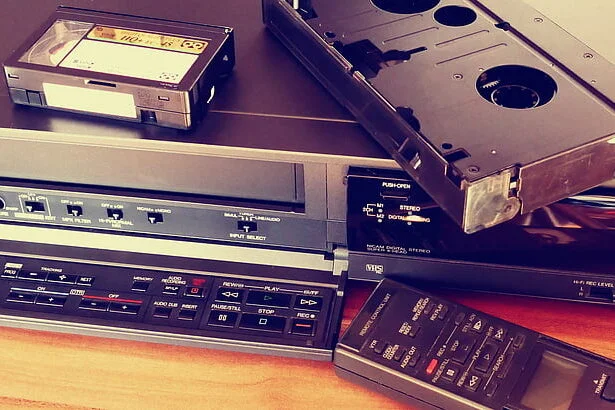
The arrival of consumer camcorders turned ordinary people into home filmmakers. Instead of using bulky film cameras, families could now record birthdays, vacations and holidays on videotape. Suddenly you could watch your memories on the TV the same day you recorded them. That capability seemed incredibly advanced in the ’80s.
Early camcorders were large and often rested on your shoulder like professional equipment. Despite their size, people loved the idea of capturing real life on video. Families started documenting everyday moments in ways that had rarely been possible before. The tapes piled up in living room cabinets across the country. In hindsight, camcorders were a major step toward the smartphone videos everyone records today.
6. Compact Disc Players
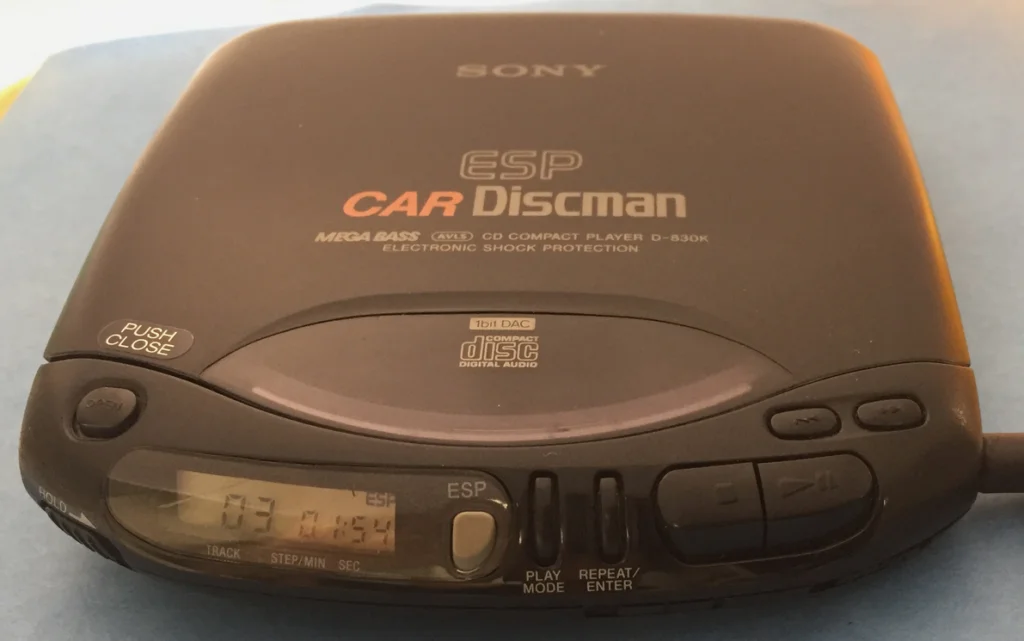
When compact discs arrived in the mid ’80s, they were marketed as a revolutionary upgrade from cassette tapes and vinyl records. The shiny discs promised “perfect sound forever,” at least according to early advertising. People were fascinated by the idea of music stored digitally rather than on magnetic tape. Watching a laser read data from a disc felt like something from a futuristic laboratory.
CD players quickly became status symbols in living rooms and stereo systems. Audiophiles loved the crisp sound and the fact that songs could be skipped instantly. No rewinding or fast forwarding was required. For many listeners, the technology felt like a dramatic leap forward. Even though streaming has largely replaced CDs, the format once represented the cutting edge of home audio.
7. Personal Computers

Home computers began appearing in living rooms during the ’80s, and they carried enormous expectations. Machines like the IBM PC, Commodore 64 and Apple II promised to change how people worked and learned. Families imagined children writing school reports, balancing budgets and even programming their own software. The glowing green text on a monitor looked undeniably futuristic.
For many households, though, the machines were confusing and underused at first. Software was limited and often complicated to install. Still, early adopters believed computers would eventually become essential tools. That prediction turned out to be correct, even if the technology evolved far beyond those early models. The humble beige computer towers of the ’80s helped launch the digital age.
8. Pager Beepers
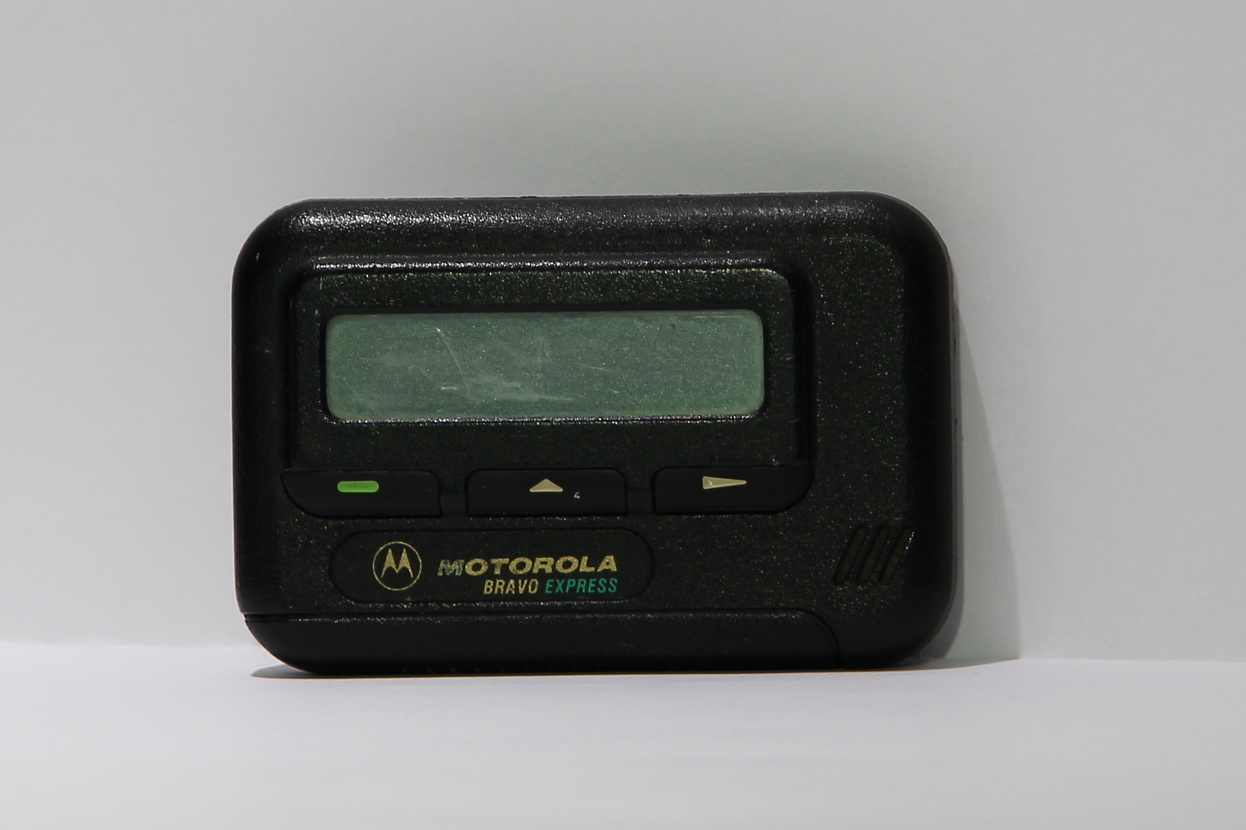
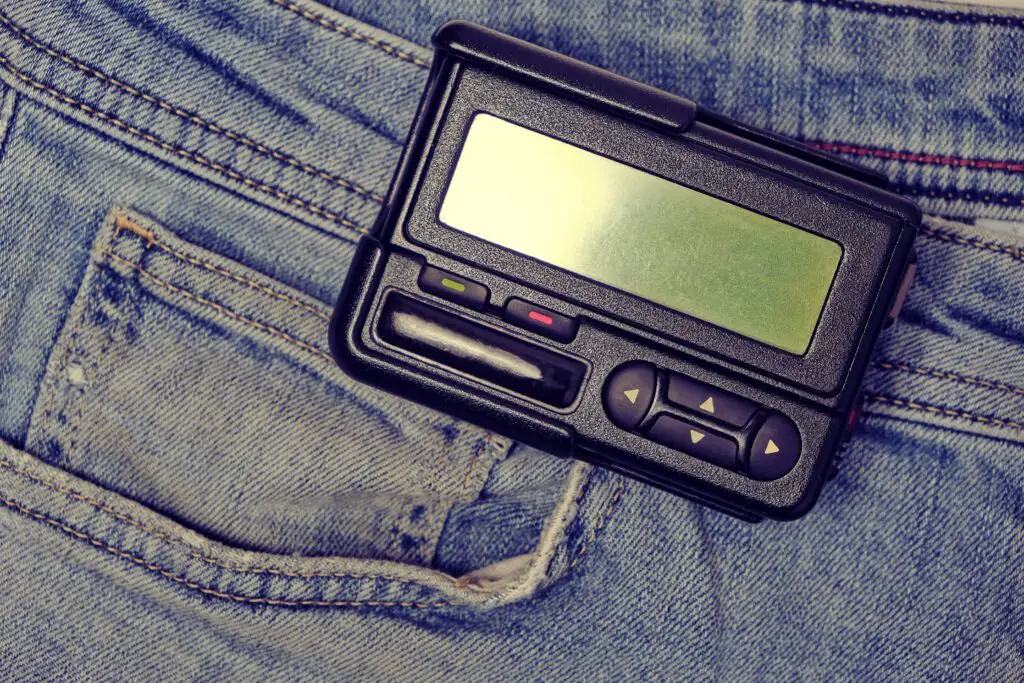
Before cell phones became common, pagers were a symbol of cutting edge communication. Doctors, business executives and emergency workers often carried these small devices clipped to their belts. When the pager beeped, it meant someone was trying to reach you. A quick glance at the tiny screen revealed a phone number to call back.
The idea that someone could contact you instantly, no matter where you were, seemed impressive. Many people believed pagers represented the future of personal communication. Of course, they still required a nearby telephone to return the call. Once mobile phones arrived, pagers quickly faded from everyday use. But for a brief time, that little beep felt like high-tech magic.
9. LaserDisc Players
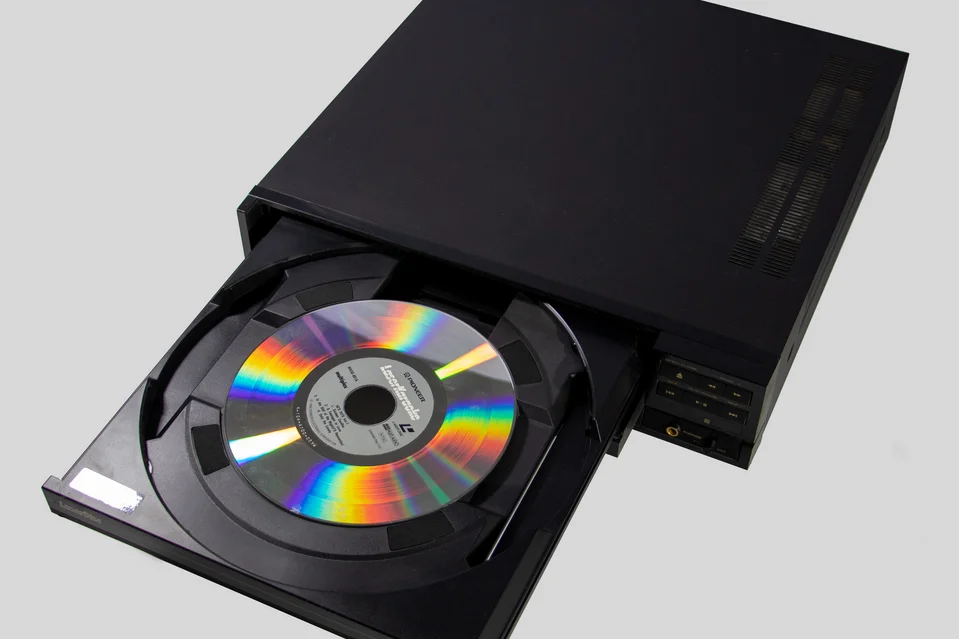
LaserDisc players looked like something out of a science fiction movie when they first appeared. The discs themselves were enormous, about the size of a vinyl record. Movies stored on these shiny platters offered picture quality that was better than VHS tapes. Film enthusiasts were amazed by the clarity.
Operating a LaserDisc player also felt futuristic. You could jump to specific scenes instantly instead of fast forwarding through tape. Some discs even included commentary tracks and bonus material. Unfortunately the players were expensive, and the discs were bulky. VHS remained more practical for most households. Still, LaserDisc helped introduce ideas that would later appear in DVDs and Blu-ray.
10. Digital Watches
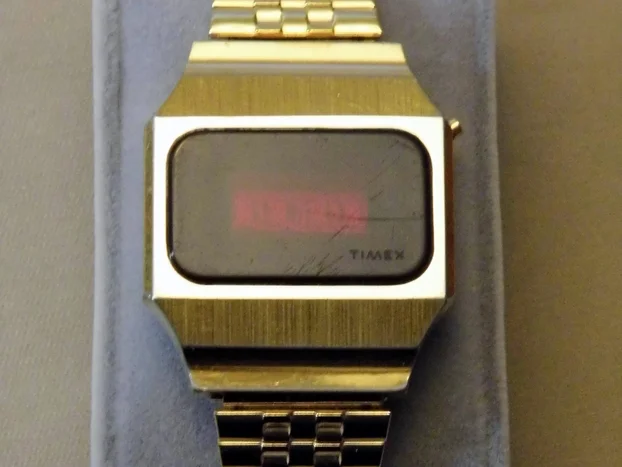
Digital watches became a huge trend during the late ’70s and early ’80s. Instead of traditional hands, they displayed the time with glowing numbers. Many models included additional features like alarms, stopwatches and even tiny calculators. Kids loved pressing the buttons and watching the display light up.
For a while, digital watches seemed like the ultimate high-tech accessory. Movies and television often portrayed them as gadgets from the future. Some models even included small games or databank features. Although smartphones eventually replaced many of these functions, digital watches were an early glimpse of wearable technology. They made ordinary wristwatches feel suddenly modern.
11. Car Radar Detectors
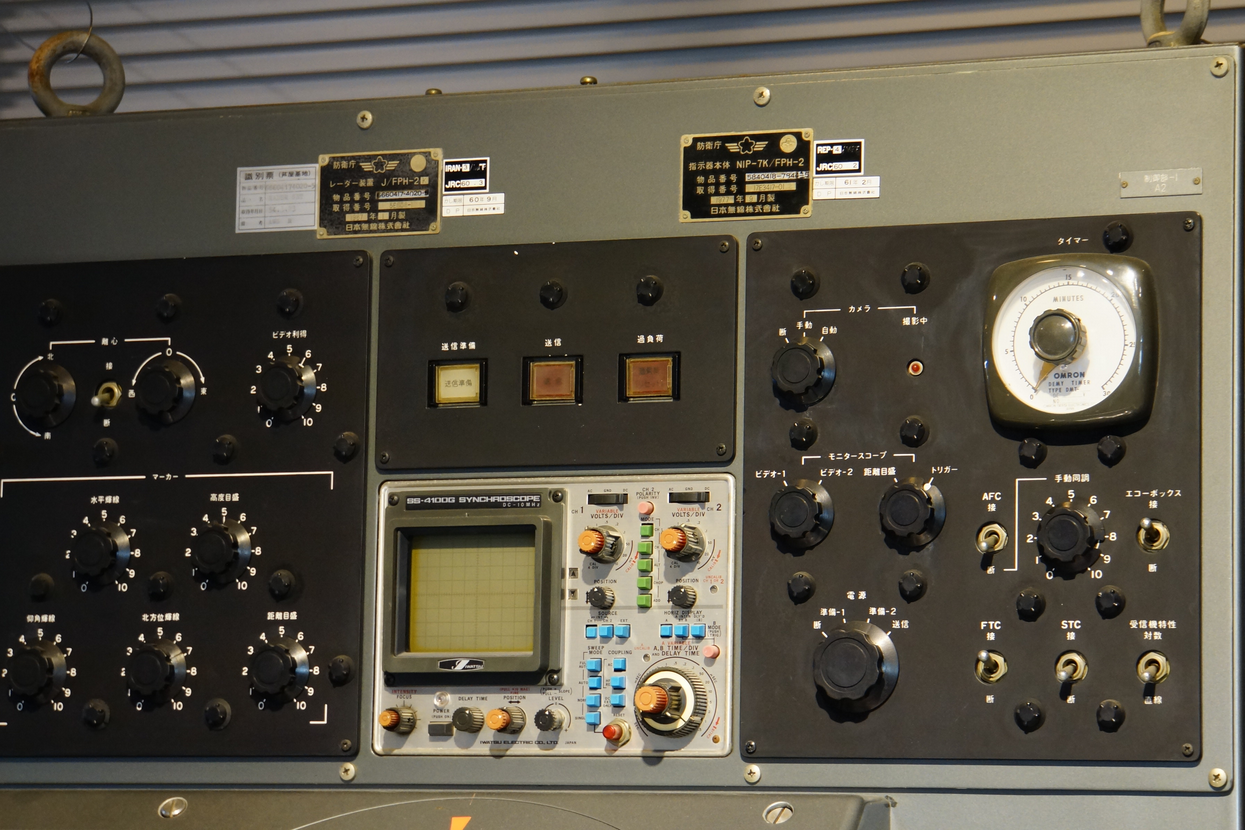
Radar detectors became popular among drivers during the ’80s who wanted to avoid speeding tickets. These devices scanned for police radar signals and warned drivers when officers might be nearby. The technology gave motorists the sense that they had a secret advantage on the highway. It felt like something out of a spy movie.
Many people believed these gadgets represented the future of smarter driving. Drivers imagined increasingly sophisticated electronics helping them navigate roads. Some states eventually restricted or banned radar detectors, which added to their rebellious reputation. Despite that controversy, they remained popular for years. The idea of cars filled with helpful electronics would eventually become reality through modern driver assistance systems.
12. Portable Cassette Recorders
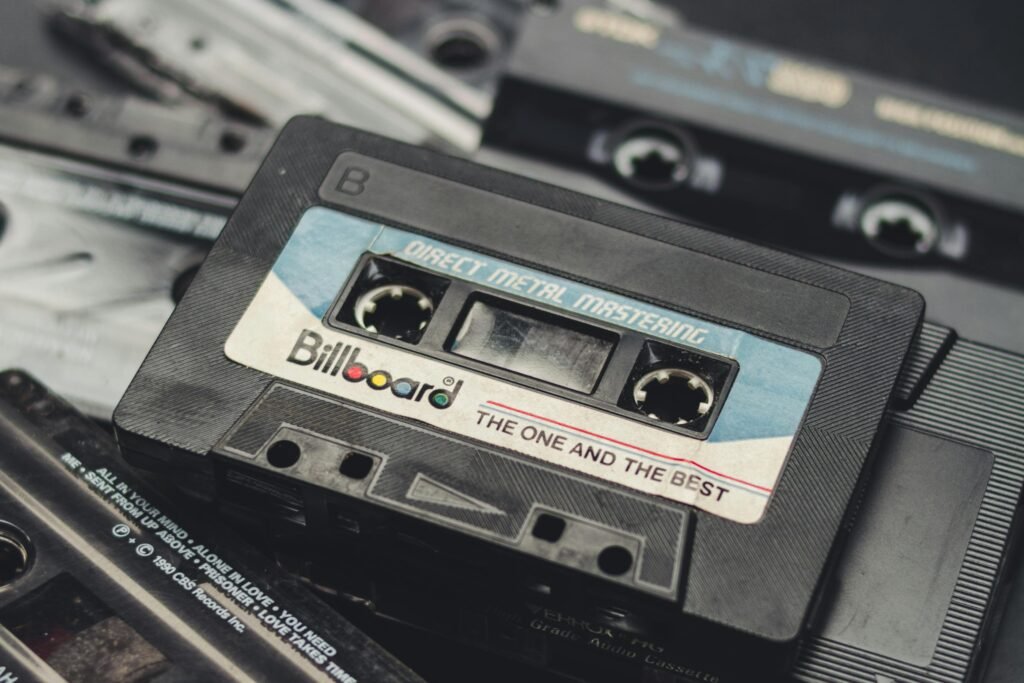
Portable cassette recorders were another gadget that made everyday technology feel futuristic. Students used them to record lectures and interviews. Journalists relied on them to capture conversations and ideas on the go. The ability to instantly record audio anywhere felt incredibly convenient.
Many people assumed devices like these would continue shrinking and improving. In fact, they were an early step toward digital voice recorders and smartphone recording apps. The whirring sound of tape spinning inside became familiar to an entire generation. Although the technology was simple by today’s standards, it opened the door to portable media creation. For its time, that felt like a big leap forward.
13. Early Car Phones
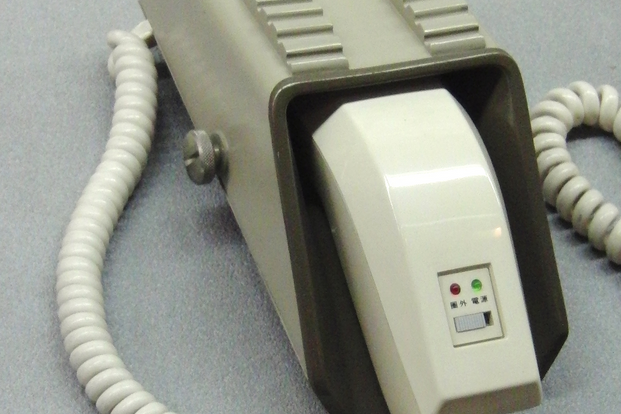
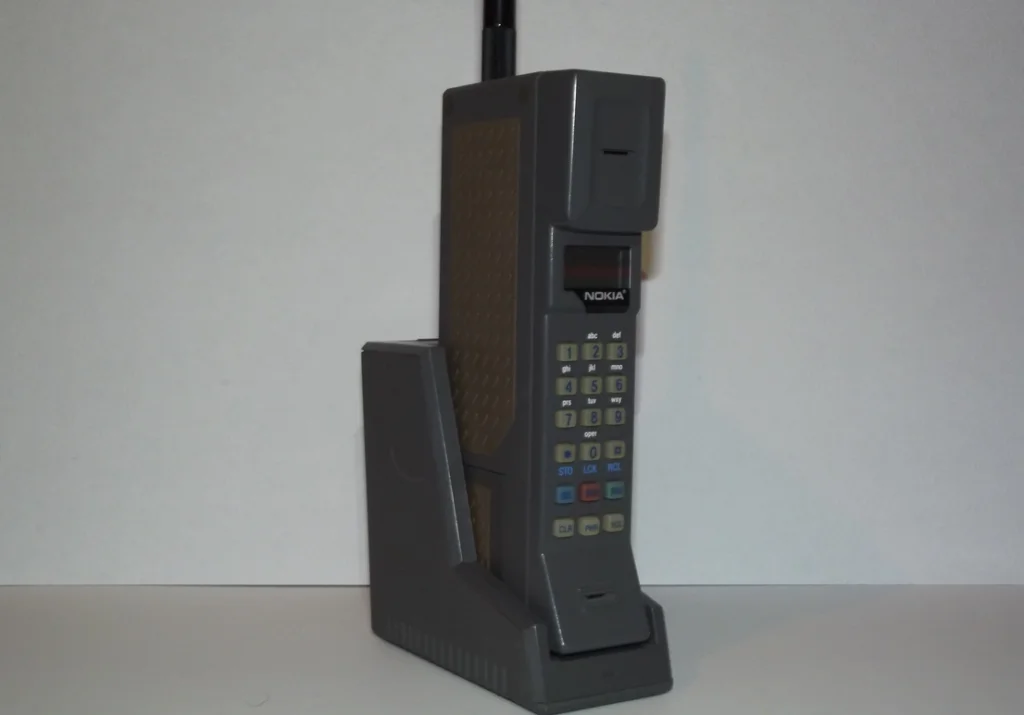
Car phones were one of the most obvious symbols of ’80s high-tech luxury. These bulky devices were often installed permanently inside expensive vehicles. The handset usually sat in a cradle between the front seats. Making a call from your car impressed almost everyone who saw it.
The systems were expensive and required large external antennas. Still, they gave drivers the sense that communication technology was evolving rapidly. Business executives especially loved the ability to make calls while traveling. It felt like a preview of a more connected world. Within a decade, smaller mobile phones would replace these massive systems entirely.
14. Video Game Handhelds
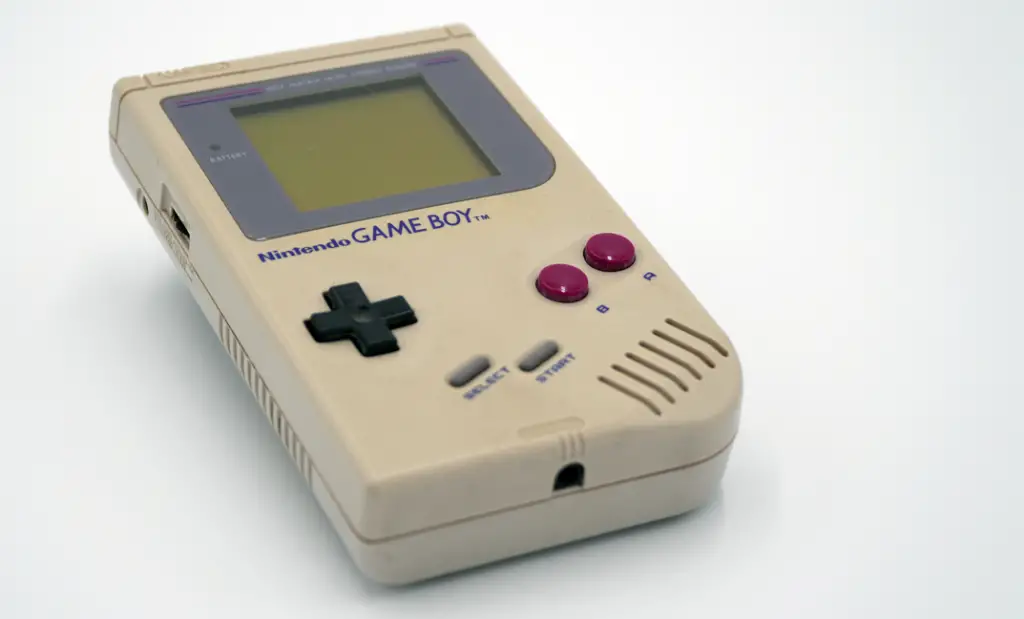
Handheld electronic games became wildly popular during the early ’80s. Devices from companies like Nintendo and Tiger Electronics let kids play simple games anywhere. The screens were small and often displayed only a few moving shapes. Even so, the idea of portable gaming felt amazing at the time.
Long car rides suddenly became much more entertaining for kids with one of these gadgets. The devices beeped, flashed and demanded quick reflexes. Many people believed handheld gaming would continue improving with better graphics and more complex gameplay. That prediction turned out to be accurate. Today’s handheld consoles and mobile games owe a lot to these simple early devices.
15. Home Satellite Dishes
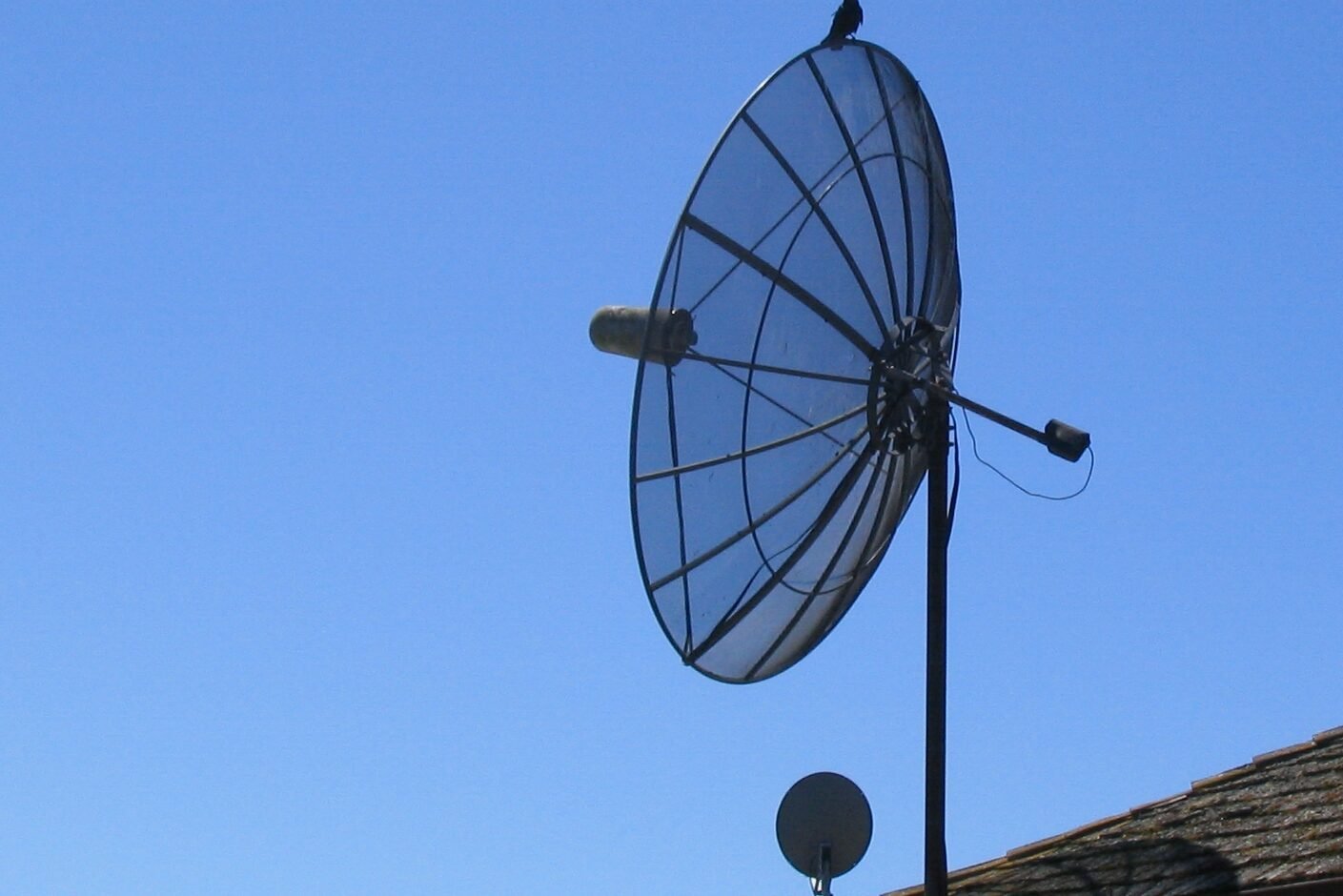
In the early ’80s, giant backyard satellite dishes were a symbol of technological ambition. Some of these dishes were more than ten feet wide and required careful installation. Once connected, they could receive television signals directly from satellites in space. That idea felt incredibly futuristic to homeowners.
Families who installed satellite dishes suddenly had access to dozens of channels that most viewers could not receive. The equipment often required manually rotating the dish to find different satellites. Despite the complexity, the technology fascinated many people. It hinted at a future with endless television choices. Modern satellite TV and streaming services trace part of their lineage back to those enormous metal dishes.