
1. Alka-Seltzer – “I Can’t Believe I Ate the Whole Thing”
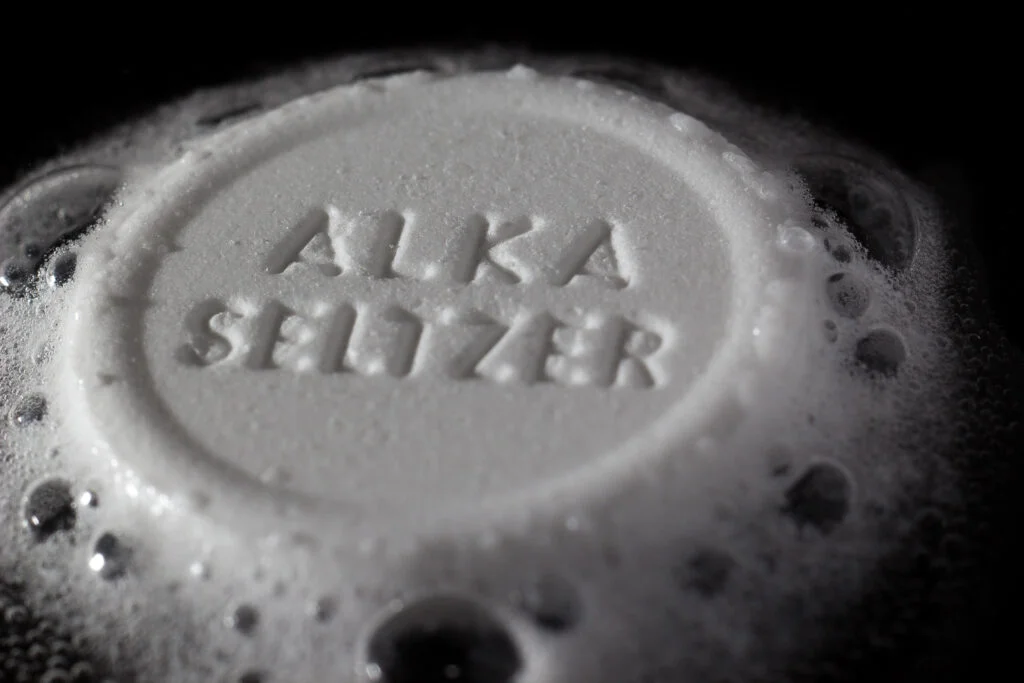
One of the most memorable ads of the late ’60s featured a man wandering into the bathroom late at night, groaning the famous line, “I can’t believe I ate the whole thing.” The commercial played like a tiny sitcom scene, complete with a worried wife and a very miserable husband clutching his stomach. It perfectly captured the era’s growing fascination with quick fixes for modern life. Alka-Seltzer tablets fizzing in a glass became the instant solution to overindulgence.
Watching it today feels like peeking into a time when late-night snacks meant roast beef sandwiches and big glasses of milk. The humor was gentle and relatable, built around everyday family life. The commercial also reflected a time when television advertising leaned heavily on simple storytelling. Decades later, that one line still echoes in pop culture.
2. Coca-Cola – “Things Go Better With Coke”

Coca-Cola commercials in the ’60s were bright, cheerful and built around catchy jingles. The “Things Go Better With Coke” campaign featured smiling young people singing while sharing bottles of soda. Scenes often showed beach parties, backyard barbecues or carefree road trips. It presented Coca-Cola as the soundtrack to the American good life.
Looking back now, the ads feel like a snapshot of idealized youth culture. Everyone seemed perfectly dressed and endlessly happy while passing around glass bottles of Coke. The music-driven format also reflected how advertising borrowed heavily from pop culture trends. In many ways, these commercials helped define the visual language of the decade.
3. Volkswagen Beetle – “Think Small”

Volkswagen’s famous “Think Small” campaign didn’t rely on flashy visuals or loud gimmicks. Instead, it leaned into self-aware humor, openly acknowledging that the Beetle looked tiny compared to American cars. The ads often showed the car sitting alone in wide, empty space while the narration gently poked fun at it. That quiet confidence made the campaign feel surprisingly modern.
At a time when Detroit was promoting giant tailfins and powerful engines, the Beetle represented something different. It suggested practicality, affordability and a little bit of counterculture thinking. Watching the commercial now highlights how advertising styles were beginning to change. Simplicity and honesty were starting to replace the hard sell.
4. Winston Cigarettes – “Winston Tastes Good Like a Cigarette Should”

Cigarette commercials were everywhere on television during the ’60s, and Winston’s jingle was among the most recognizable. Groups of cheerful smokers sang the line, “Winston tastes good like a cigarette should.” The ads often showed construction workers, musicians or ordinary people lighting up with obvious satisfaction. It framed smoking as both social and stylish.
Today the commercial feels like a relic from a very different public health landscape. Tobacco advertising on television would be banned in the United States in 1971. The carefree tone of the ad now feels almost surreal compared to modern attitudes toward smoking. Still, it remains one of the most recognizable jingles of the decade.
5. Folgers Coffee – “The Best Part of Wakin’ Up”
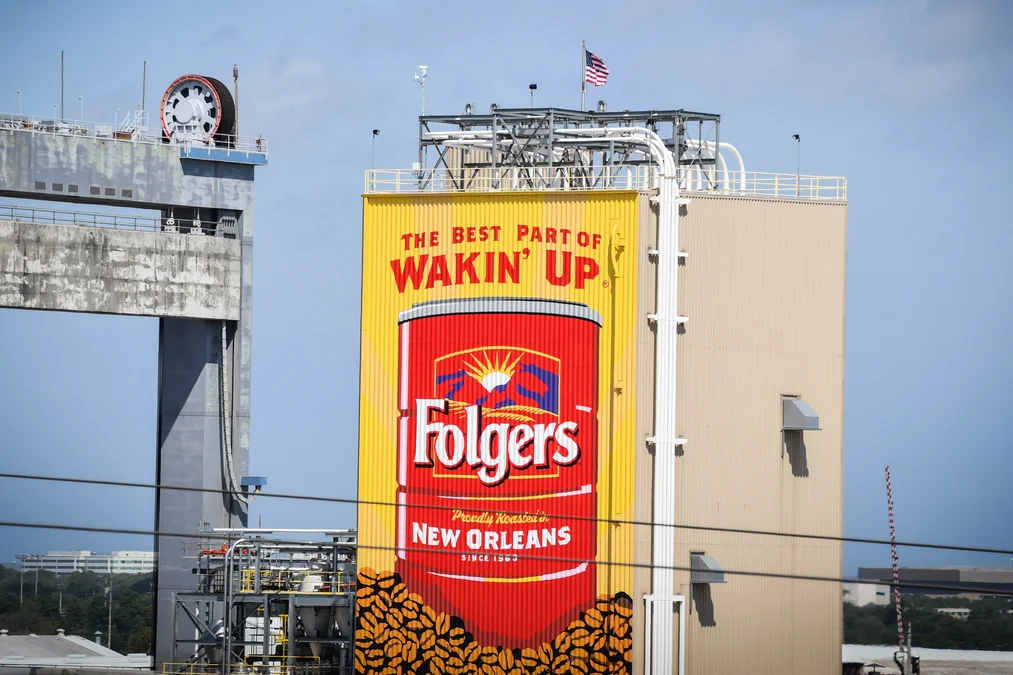
Folgers commercials leaned heavily into the idea that a perfect morning began with a fresh pot of coffee. Families would gather around the kitchen table while the rich aroma filled the room. The jingle “The best part of wakin’ up is Folgers in your cup” became instantly recognizable. The ads painted mornings as calm, cheerful and perfectly organized.
Watching them today feels like stepping into a midcentury kitchen. The mothers wore aprons, the dads read the newspaper and the kids hurried off to school. It was a carefully crafted picture of domestic harmony. Even the coffee pot bubbling on the stove feels like a nostalgic detail from another era.
6. Brylcreem – “A Little Dab’ll Do Ya”
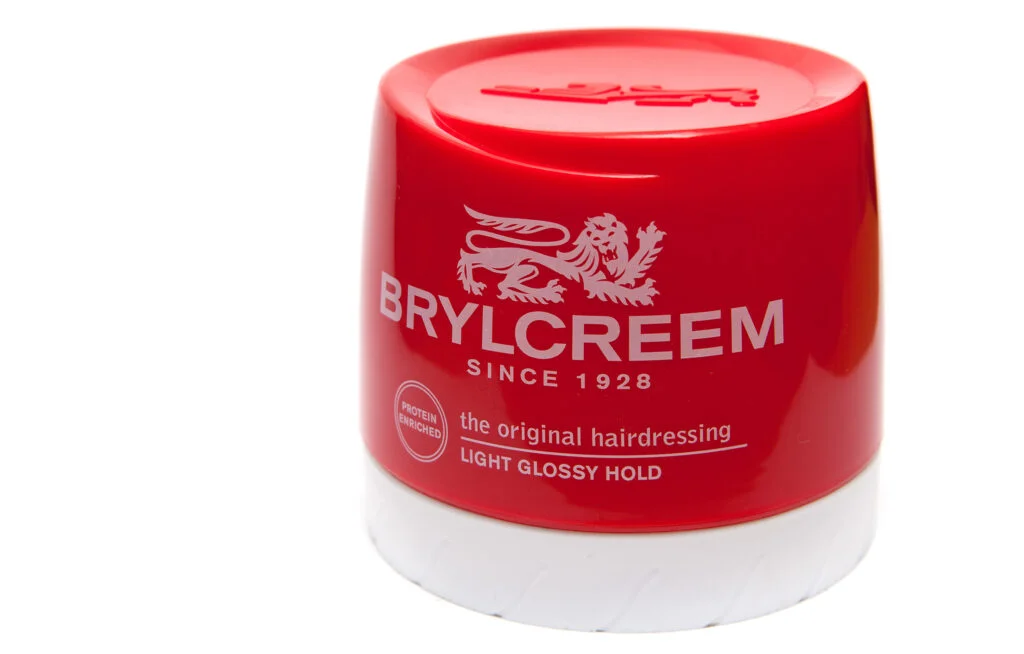
Men’s grooming ads had a particular tone in the ’60s, and Brylcreem leaned all the way into it. The commercials showed sharply dressed men smoothing their hair while the jingle promised that “a little dab’ll do ya.” Perfectly combed hairstyles were presented as the key to confidence and romance. Women in the ads often admired the results with approving smiles.
The message reflected the decade’s expectations around appearance and masculinity. Hair cream was marketed almost like a secret weapon for success. Looking back now, the exaggerated confidence feels both charming and slightly humorous. But the ad captured the importance of neat, polished grooming in the early television era.
7. Ajax Cleanser – “Stronger Than Dirt”
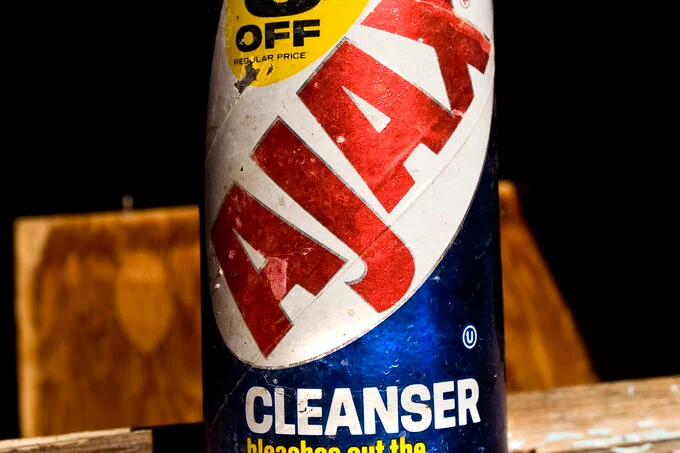
Ajax commercials loved dramatic demonstrations. In many spots, the announcer would show stubborn grime disappearing instantly under a sprinkle of Ajax powder. The phrase “Stronger than dirt” became the brand’s bold promise. Kitchen counters and bathtubs sparkled under the power of the cleanser.
The ads leaned into a kind of exaggerated enthusiasm that defined household product marketing at the time. Housewives were shown marveling at how easily their cleaning chores disappeared. The visuals were simple but effective, usually featuring side-by-side comparisons. Today they look like a cheerful reminder of midcentury domestic advertising.
8. Lucky Strike Cigarettes – “It’s Toasted”
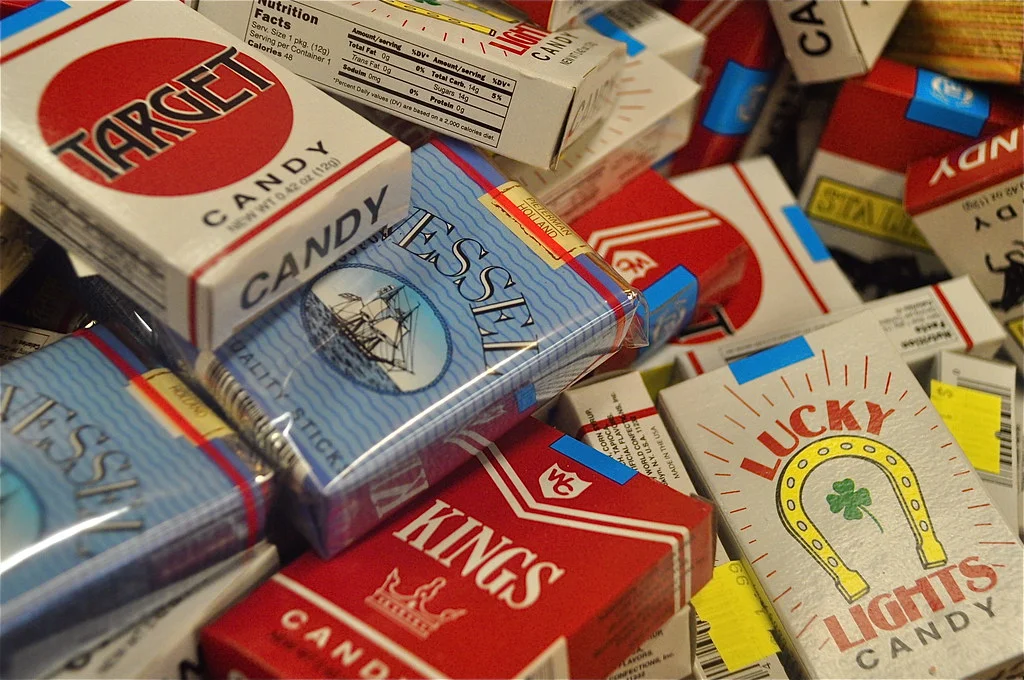
Another famous cigarette campaign came from Lucky Strike, which proudly emphasized that its tobacco was “toasted.” Commercials showed the manufacturing process while a confident announcer explained the brand’s supposed advantages. The message suggested that Lucky Strike cigarettes were smoother and better tasting than competitors. Smokers were portrayed as relaxed and sophisticated.
Seen today, the commercials highlight how normal tobacco advertising once was. Celebrities, professionals and everyday people all appeared happily smoking. The calm, reassuring narration gave the ads a documentary-like tone. That style made the product seem trustworthy and refined.
9. Tang – “Drink of the Astronauts”

When NASA astronauts began drinking Tang during space missions, the powdered orange drink suddenly had a powerful marketing hook. Commercials proudly declared Tang the “drink of the astronauts.” Kids were shown imagining themselves blasting into space while sipping the bright orange beverage. It connected everyday breakfast tables to the excitement of the space race.
The ads perfectly captured the optimism of the 1960s. Space exploration was everywhere in popular culture, and brands rushed to join the excitement. Tang’s commercials leaned heavily into futuristic imagery and playful imagination. Watching them today feels like stepping back into the early days of space-age enthusiasm.
10. Pepsi – “The Pepsi Generation”
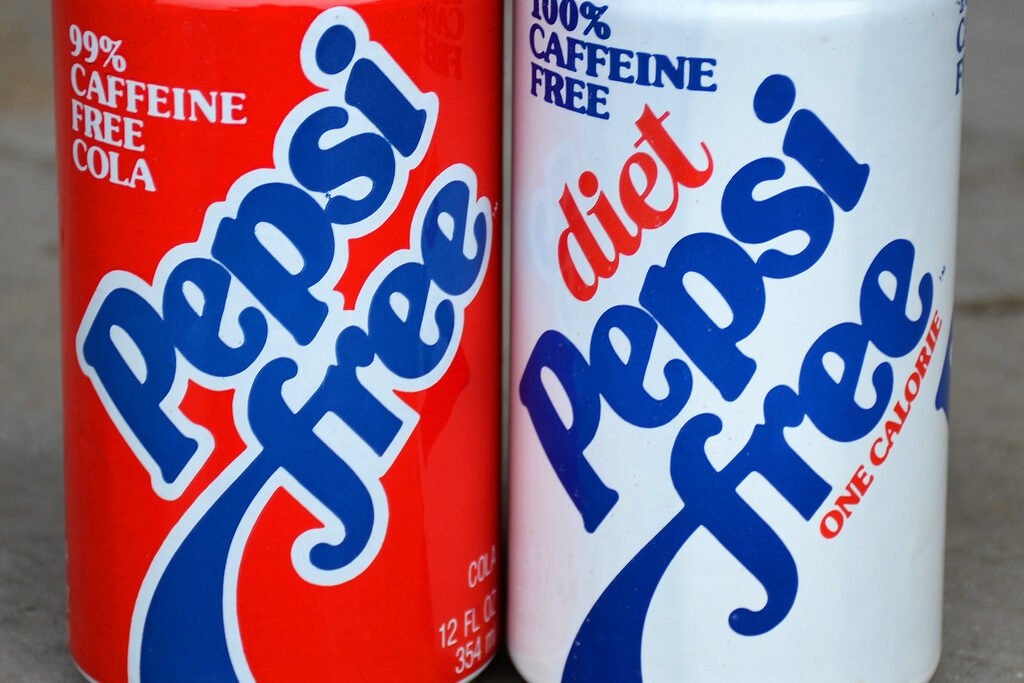
Pepsi positioned itself as the drink for younger consumers with the slogan “The Pepsi Generation.” Commercials showed energetic teenagers dancing, laughing and hanging out together. The ads suggested that Pepsi belonged to a new era of youth culture. Bright colors and upbeat music reinforced the sense of fun.
Looking back, the campaign feels like a turning point in advertising. Instead of focusing on families, it targeted young people directly. The idea that brands could represent an entire generation was powerful. Those cheerful, energetic commercials captured the spirit of a rapidly changing decade.
11. Crest Toothpaste – “Look, Ma, No Cavities”
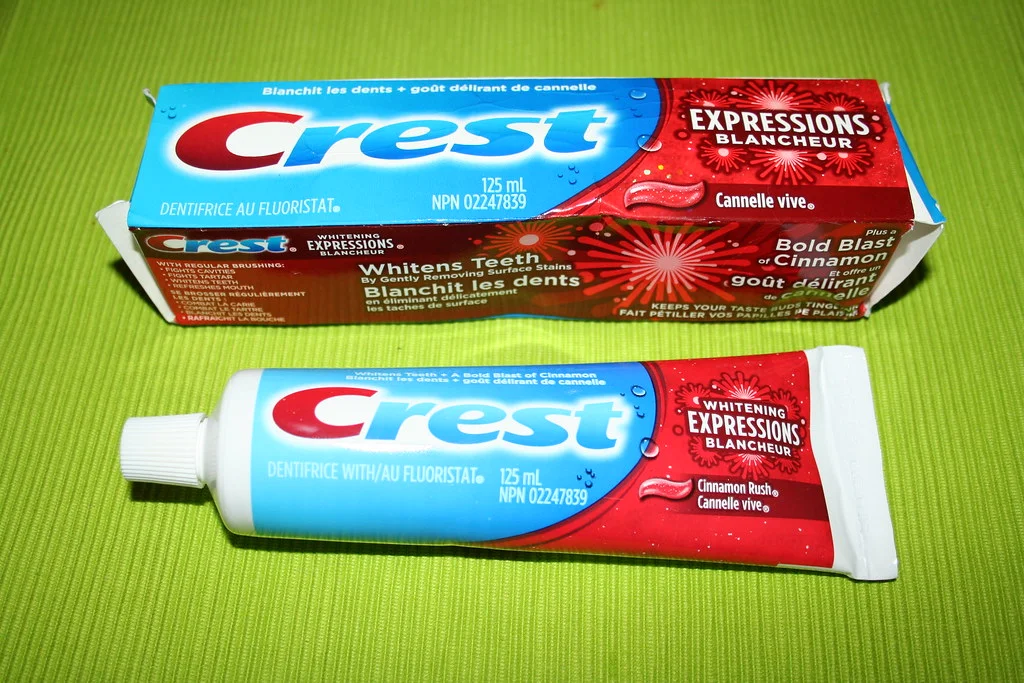
Crest toothpaste commercials often featured smiling children returning from the dentist with good news. A proud kid would announce, “Look, Ma, no cavities.” Mothers reacted with delight as the dentist confirmed Crest’s cavity-fighting power. The ads leaned heavily on the authority of dental professionals.
It was one of the earliest examples of science-based marketing in household products. The white-coated dentist added credibility to the message. Watching the ad now feels like a snapshot of how families approached health and hygiene in the era. The cheerful confidence in dental progress defined the campaign.
12. Oscar Mayer – “My Bologna Has a First Name”
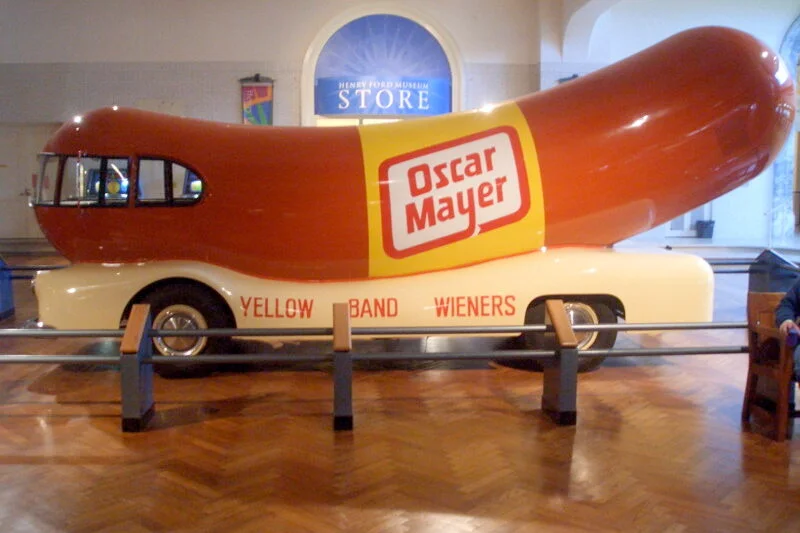
Few commercial jingles from the ’60s are as enduring as the Oscar Mayer bologna song. A young boy sat fishing while singing, “My bologna has a first name, it’s O-S-C-A-R.” The tune was simple, catchy and impossible to forget. It turned a lunchmeat brand into a cultural moment.
The commercial captured childhood innocence in a way many ads aimed for at the time. Kids watching television quickly memorized the spelling song. The relaxed outdoor setting added to the wholesome feeling. Even today, many people can still sing every word.
13. Marlboro – The Marlboro Man
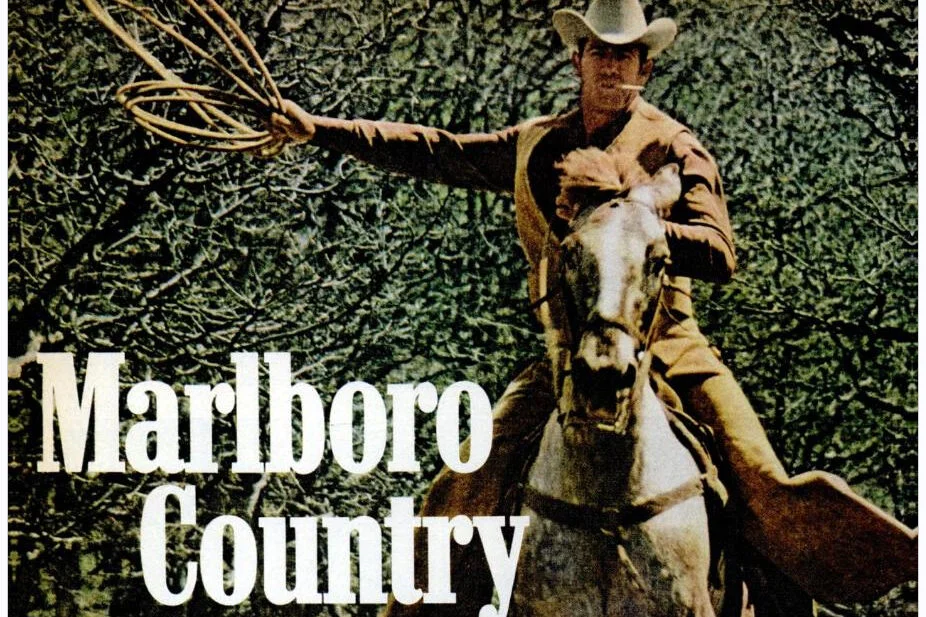
The Marlboro Man became one of the most famous advertising characters ever created. Commercials showed a rugged cowboy riding through wide open landscapes. Without saying much, the imagery suggested independence, strength and masculinity. Marlboro cigarettes were framed as the choice of tough, confident men.
Today the campaign stands as a powerful example of image-driven marketing. The quiet visuals did most of the work instead of flashy slogans. It also reflected the romanticized Western imagery that was popular in the ’60s. Watching the commercials now highlights how much cultural attitudes toward smoking have changed.
14. Clairol – “Does She or Doesn’t She?”
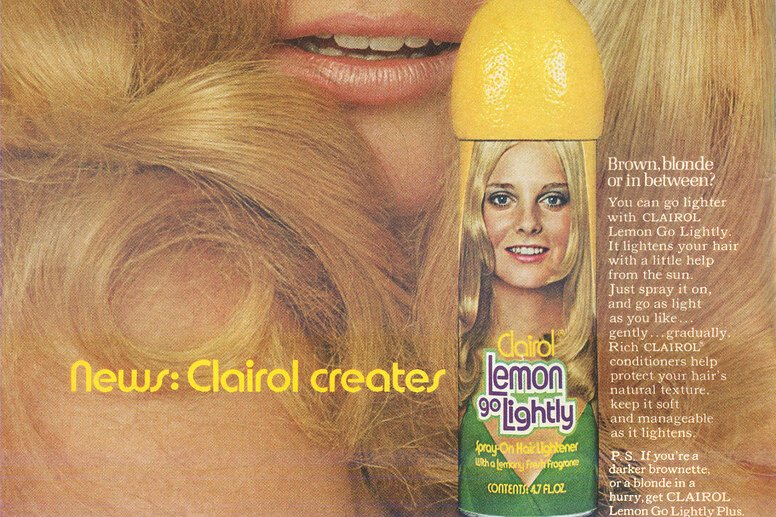
Clairol’s hair color commercials revolved around a simple question: “Does she or doesn’t she?” The ads suggested that Clairol hair dye looked so natural that no one could tell the difference. Women appeared glamorous, confident and perfectly styled. The campaign played on curiosity and mystery.
The slogan became one of the most recognizable beauty advertising lines of the era. It also reflected changing attitudes toward hair coloring. Instead of something secretive, it was presented as fashionable and empowering. Watching those commercials today reveals how beauty marketing was evolving.
15. Rice Krispies – Snap, Crackle and Pop
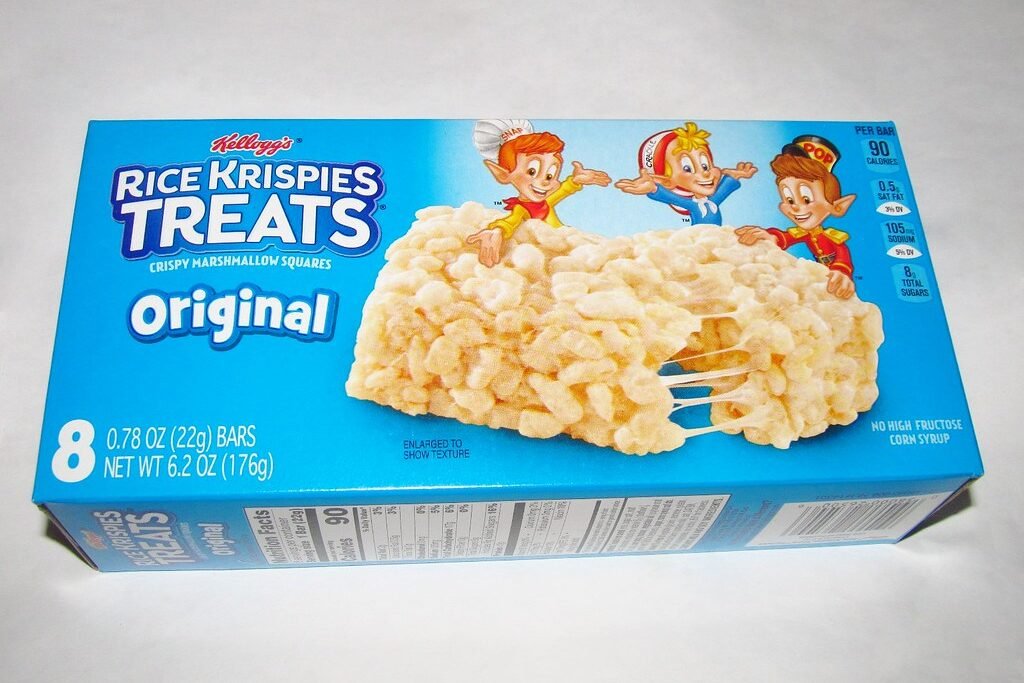
The animated mascots Snap, Crackle and Pop had already been around for years, but they remained television staples in the ’60s. Commercials showed the tiny elves celebrating the crackling sound of cereal in milk. Kids poured bowls of Rice Krispies while the characters bounced around the kitchen. The playful animation made breakfast feel like an adventure.
The ads were designed to capture children’s attention during Saturday morning television. Bright colors and cheerful voices filled the screen. Watching them today brings back the simple excitement of childhood cereal commercials. The trio of mascots still represents one of the longest-running advertising ideas in television history.
16. Kool-Aid – The Pitcher Man
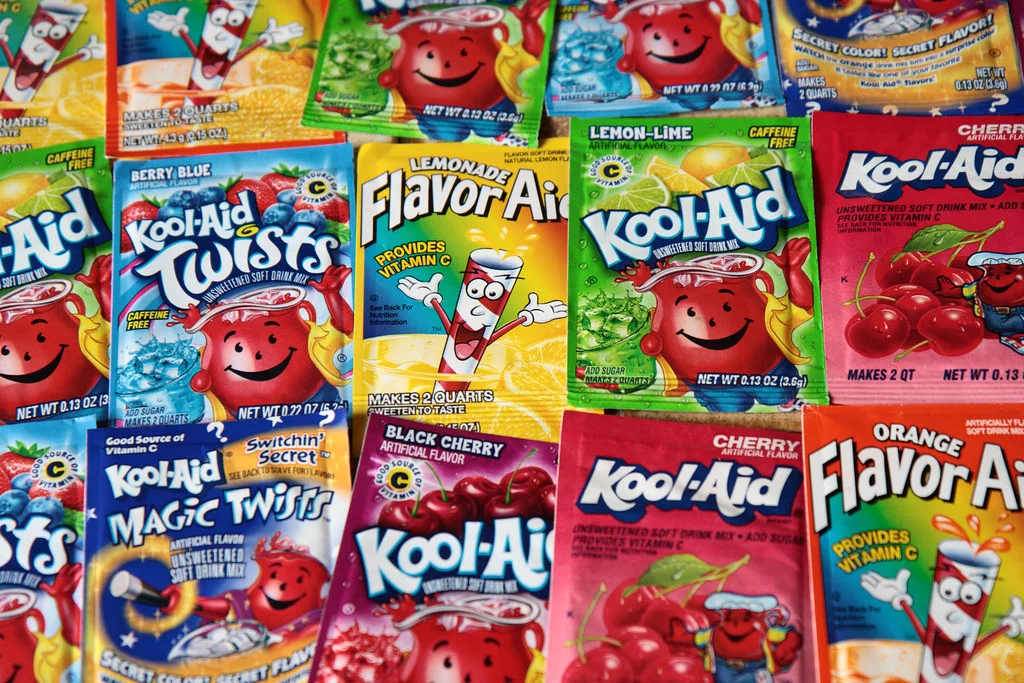
Kool-Aid commercials often featured a giant smiling pitcher bursting through walls while shouting “Oh yeah!” The Pitcher Man brought instant excitement to kitchens full of thirsty kids. Children gathered around as glasses were filled with bright red Kool-Aid. The character made the drink feel like a celebration.
The ads leaned into exaggerated fun that children immediately understood. Everything about the commercial felt energetic and playful. It also reflected how many brands in the ’60s targeted young audiences directly through television. Today those commercials feel like colorful snapshots of childhood advertising from another era.