1. Sambo’s
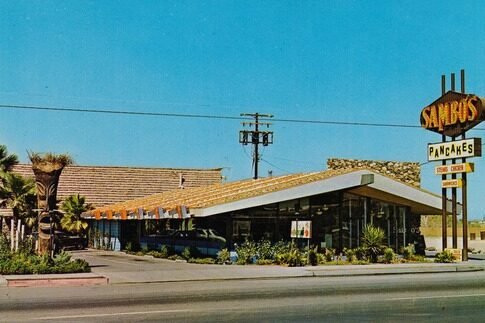
In the early ’70s, Sambo’s seemed to be everywhere. The chain specialized in big breakfasts, stacks of pancakes, and simple diner-style comfort food that families could afford. Parents liked it because it was casual and kid friendly, while kids liked the sweet breakfasts and colorful menus. At its peak in 1979, Sambo’s reportedly operated more than 1,000 restaurants across the United States. Road trips often included a stop at one because you could count on fast service and big portions.
The chain eventually became controversial because its name and branding were tied to racial stereotypes. As public attitudes changed in the late ’70s and early ’80s, many locations were forced to close or rebrand. By the mid ’80s, most Sambo’s restaurants had disappeared entirely. For people who grew up during the decade, though, it remains one of those distinctly ’70s dining memories.
2. Gino’s Hamburgers
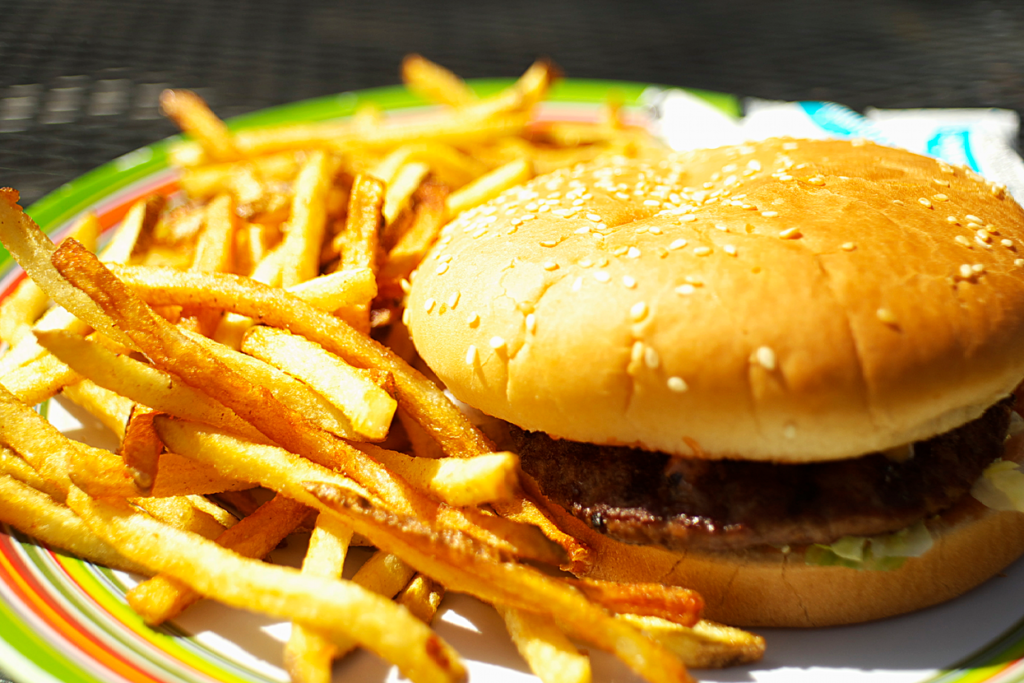
Gino’s Hamburgers started in 1957 but really exploded during the late ’60s and ’70s. The chain was founded by Baltimore Colts football player Gino Marchetti, which gave it instant celebrity appeal. Families loved the menu because it was simple, affordable, and familiar. One of the signature items was the “Gino Giant,” a double burger that clearly tried to compete with McDonald’s Big Mac.
By the mid ’70s, the chain had hundreds of locations across the East Coast. Kids often remembered the horse mascot and the colorful dining rooms. In 1982, Marriott Corporation purchased the chain and began converting many locations into Roy Rogers restaurants. After that, the Gino’s name slowly faded from the fast food landscape.
3. Burger Chef
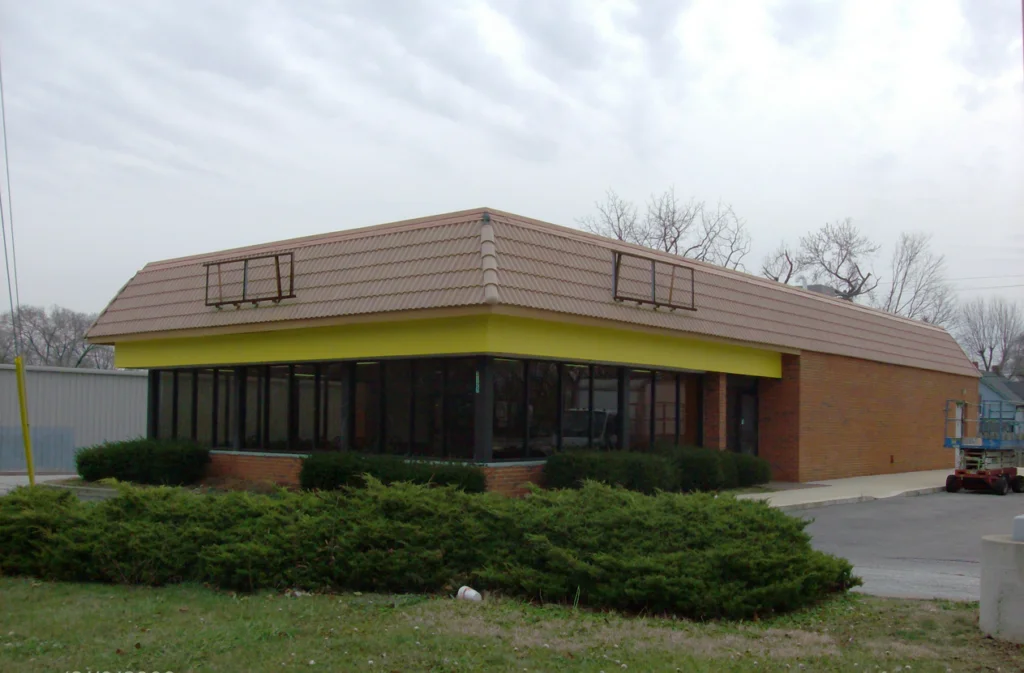
Burger Chef was once one of the biggest competitors to McDonald’s and Burger King. Founded in Indianapolis in 1954, the chain became hugely popular with families during the ’60s and ’70s. One of its most famous promotions was the “Funmeal,” which included toys for kids long before Happy Meals existed. Parents liked the low prices, and kids loved the colorful packaging and prizes.
At its height in the mid ’70s, Burger Chef had more than 1,000 locations nationwide. Unfortunately, the company struggled with management changes and increasing competition from larger chains. In 1982, the brand was sold to Hardee’s, which gradually converted most of the restaurants. Today, Burger Chef survives mostly in nostalgia and vintage commercials.
4. Red Barn
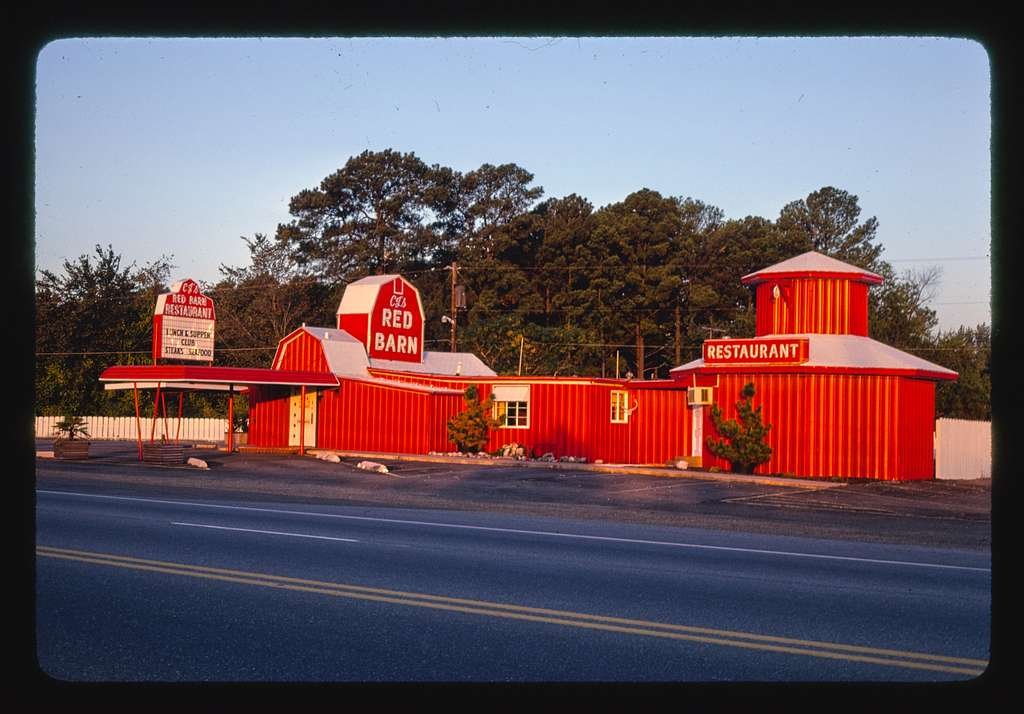
Red Barn restaurants were easy to recognize because the buildings were literally shaped like barns. The chain began in Ohio in 1961 and grew quickly during the ’70s. Families were drawn to the hearty sandwiches and the novelty of eating inside a bright red barn-shaped building. The Big Barney and Barnbuster burgers were especially popular.
Many locations also had a small self-serve salad bar, which felt pretty modern at the time. By the late ’70s, the chain had expanded across dozens of states and even into Canada. Corporate ownership changed several times, and the brand gradually disappeared in the ’80s. A few former Red Barn buildings still exist today, sometimes reused as other restaurants.
5. Lum’s
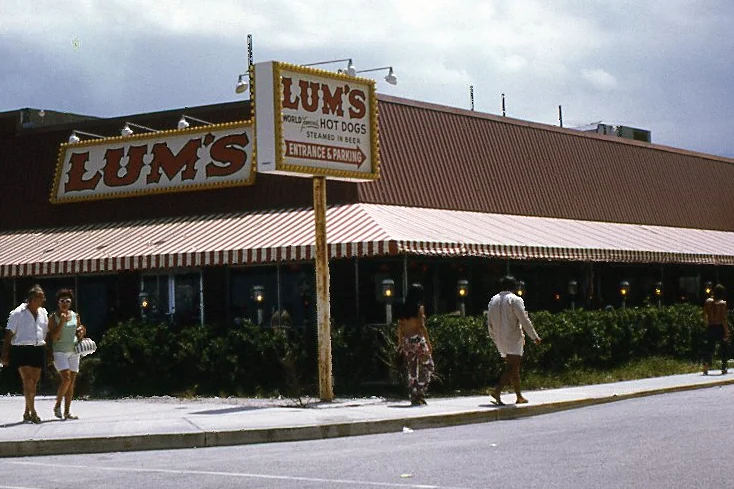
Lum’s was a casual chain restaurant famous for one unusual menu item: hot dogs steamed in beer. The concept started in Miami in the 1950s, but the chain’s biggest growth happened during the ’70s. Families liked the relaxed atmosphere and the simple American menu that included sandwiches, seafood, and burgers. It was the kind of place where parents could sit down for a full meal while kids ordered something basic.
At its peak, Lum’s operated hundreds of locations across the country. The beer steamed hot dog became a novelty people remembered long after the meal was over. But changing ownership and financial trouble eventually hurt the brand. By the early ’80s, most Lum’s restaurants had closed.
6. Henry’s Hamburgers
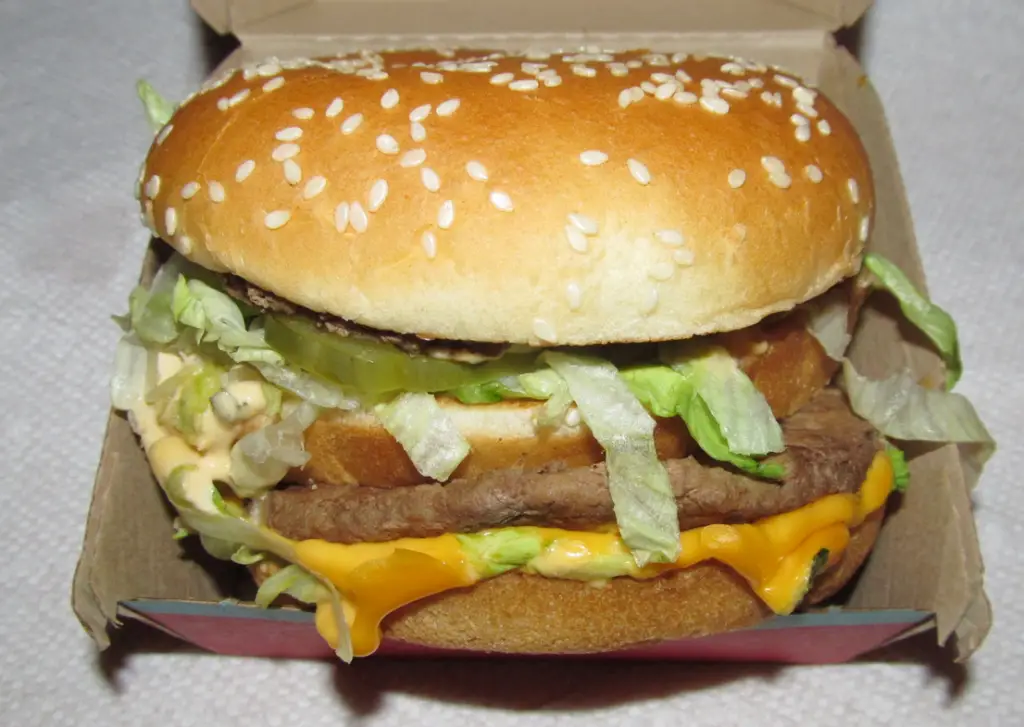
Henry’s Hamburgers was founded in Chicago in 1954 by the Bresler’s Ice Cream Company. During the ’60s and early ’70s, the chain expanded quickly throughout the Midwest. One of the biggest draws was the price, since burgers were often advertised as 10 for a dollar during early promotions. Families with several kids appreciated a place where everyone could eat without spending much money.
The restaurants were simple, with bright signs and quick counter service. Henry’s once had more than 200 locations at its peak. As larger fast food chains expanded nationally, Henry’s struggled to keep up. Most locations closed during the late ’70s and early ’80s.
7. Steak and Ale
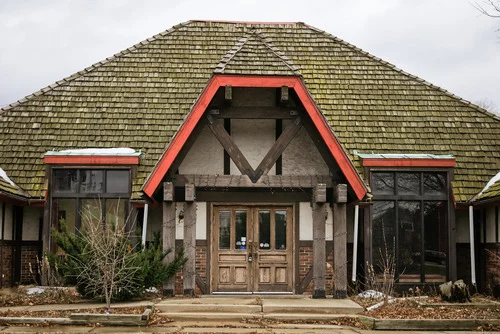
Steak and Ale opened in Texas in 1966 and quickly became popular during the ’70s. Unlike fast food chains, this restaurant offered a more upscale dining experience that still felt affordable for families. Many locations featured dim lighting, dark wood interiors, and a quiet, almost colonial atmosphere. It was a place people chose for birthdays, anniversaries, or a “special night out.”
The restaurant was famous for its salad bar and reasonably priced steaks. Parents often considered it a step above typical chain dining. The brand changed ownership several times over the years and eventually declined. By 2008, all remaining locations had closed, though nostalgia for the chain remains strong.
8. The Ground Round
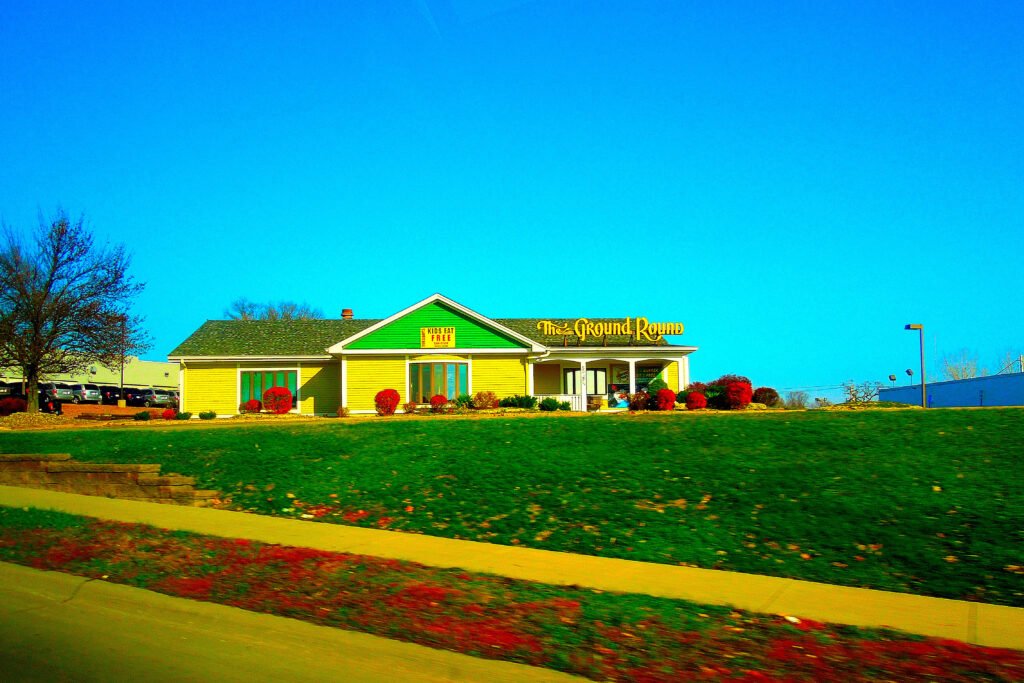
The Ground Round started in 1969 and quickly spread across the country during the ’70s. The chain tried to make dining out fun for families by showing classic cartoons and silent films on screens in the dining room. Kids sometimes received popcorn while waiting for their meals. That small detail alone made the place feel different from most restaurants.
Parents appreciated the relaxed atmosphere and casual American menu. Burgers, sandwiches, and fried appetizers dominated the offerings. The chain expanded rapidly through the ’70s and ’80s but later faced financial trouble. While a few locations still exist today, it no longer has the national presence it once did.
9. Valle’s Steak House
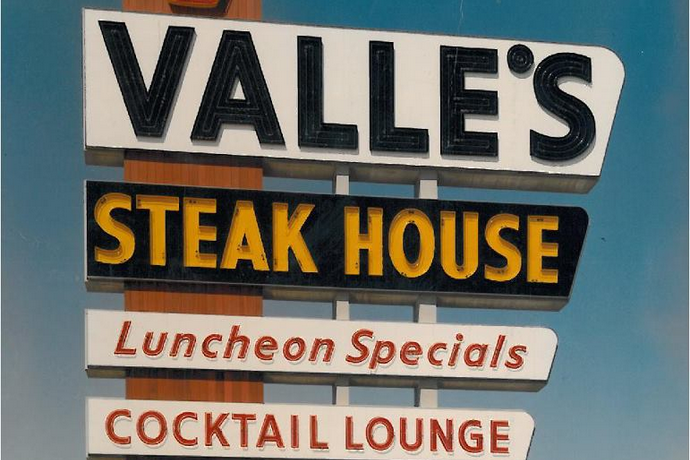
Valle’s Steak House was a regional chain that once felt like a major event for families in the Northeast and parts of the Midwest. Founded in Maine in the 1930s, it became widely known during the ’60s and ’70s. People often remember the long lines outside the restaurants on weekend nights. Large dining rooms allowed the chain to serve hundreds of guests at once.
The restaurants were famous for affordable steak dinners that felt surprisingly upscale. Many locations had a bustling, lively atmosphere that made them popular with large family groups. By the ’80s, however, rising costs and changing dining habits began hurting the chain. Most Valle’s locations closed by the early ’90s.
10. Victoria Station
Victoria Station restaurants were designed to look like old railroad dining cars. The chain began in San Francisco in 1969 and became extremely trendy during the ’70s. Families were drawn to the unusual setting, since many locations were built using actual vintage train cars. Eating dinner inside a train made the experience feel memorable.
The menu focused on prime rib, steaks, and hearty American dishes. It was considered a fun destination rather than just a quick meal. At its peak, the chain operated more than 100 restaurants around the world. Changing tastes and financial problems eventually led to its decline during the ’80s.
11. Pup ’N’ Taco
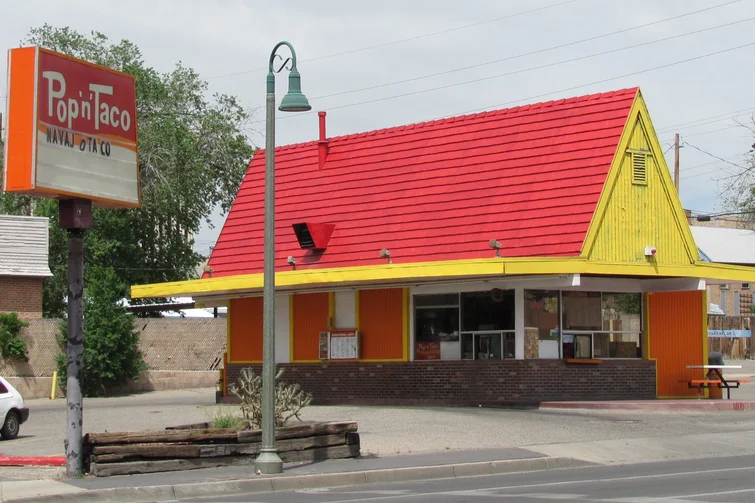
Pup ’N’ Taco was a West Coast fast food chain that blended American and Mexican style menu items. Founded in Southern California in 1956, it became especially popular during the ’70s. Families could order tacos, burgers, pastrami sandwiches, and hot dogs all in the same place. That unusual combination made it stand out among typical burger chains.
The restaurants had bright orange roofs that made them easy to spot from the road. Kids often remembered the crunchy tacos and quick service. In 1984, Taco Bell purchased most Pup ’N’ Taco locations and converted them into its own restaurants. After that, the brand quickly disappeared.
12. York Steak House
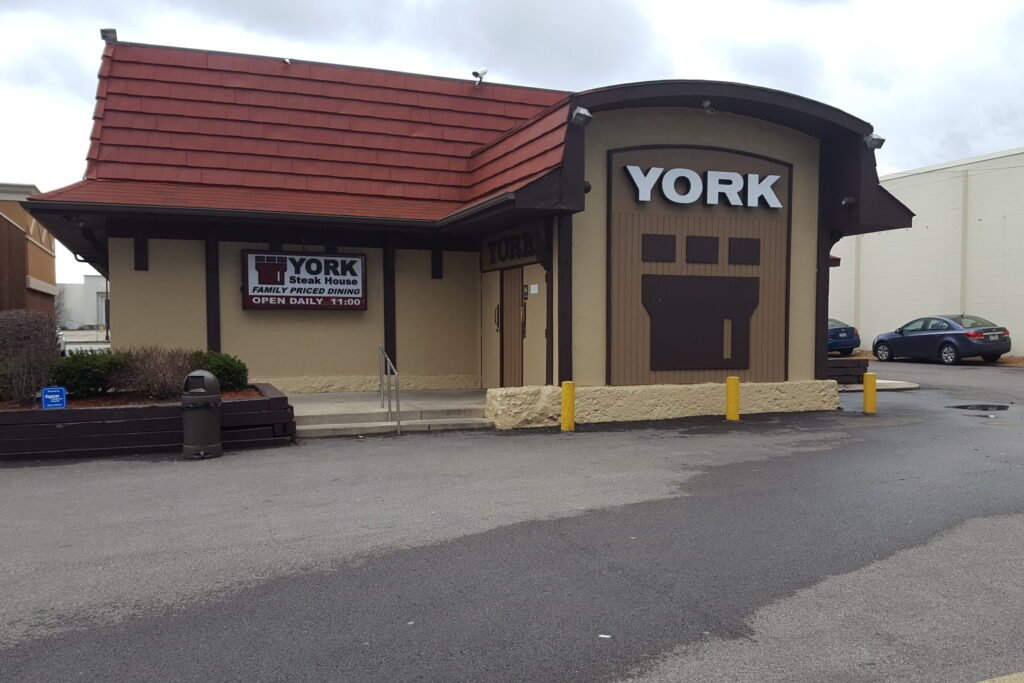
York Steak House was a cafeteria style restaurant chain that expanded rapidly during the ’60s and ’70s. Many locations were built inside shopping malls, making them convenient for families during a day of shopping. Customers would move down a serving line and choose steaks, baked potatoes, and other classic American sides. The system made it easy to feed a group without waiting for table service.
The restaurants were known for being clean, efficient, and affordable. For many families, York Steak House became part of the typical mall experience. As malls declined and dining trends changed, the chain slowly faded away. Today, only a single York Steak House location is believed to remain in operation.