1. Kids Roaming the Neighborhood Until the Streetlights Came On
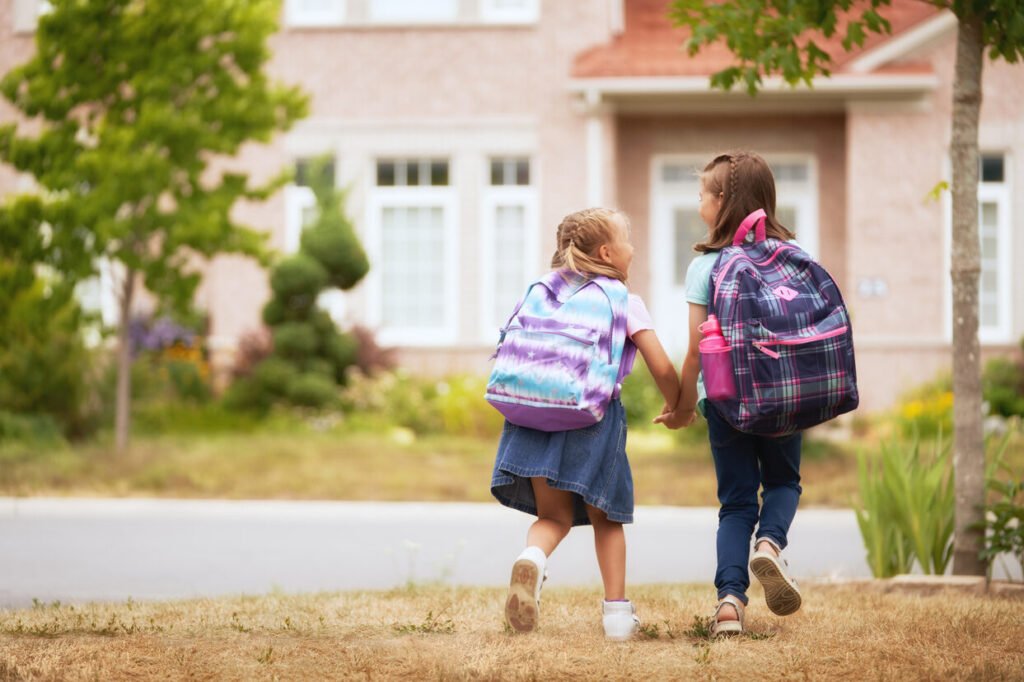
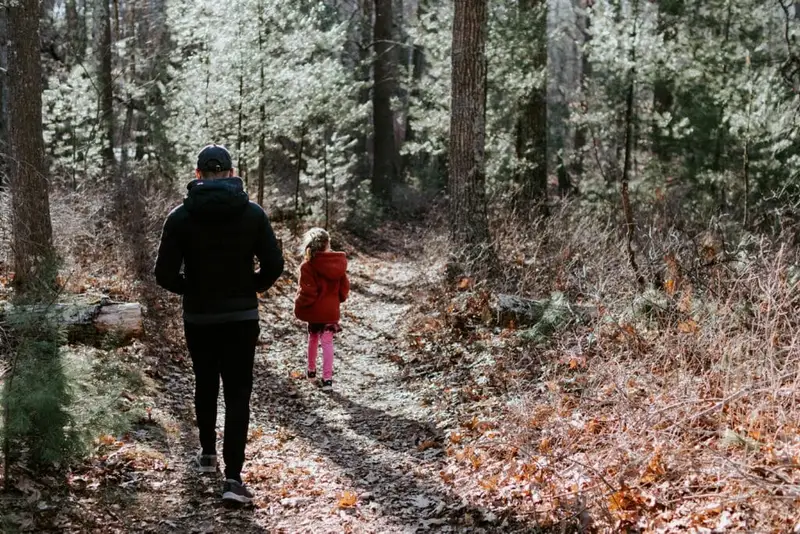
In the ’60s, one of the most universal childhood rules wasn’t written down anywhere, but everyone seemed to know it. Kids left the house in the morning or early afternoon and didn’t come back until the streetlights flickered on. Parents didn’t track them with phones or constant check-ins. Instead, children wandered the block, rode bikes for miles, and invented games on the fly.
It created a sense that the entire neighborhood was one giant playground. A group of kids might start the day playing baseball in one yard and end up climbing trees three streets away. Neighbors often kept an eye out, but mostly everyone trusted that kids would figure things out. Today, the idea of elementary schoolers roaming freely for hours feels almost shocking to some families.
2. Front Porch Visiting
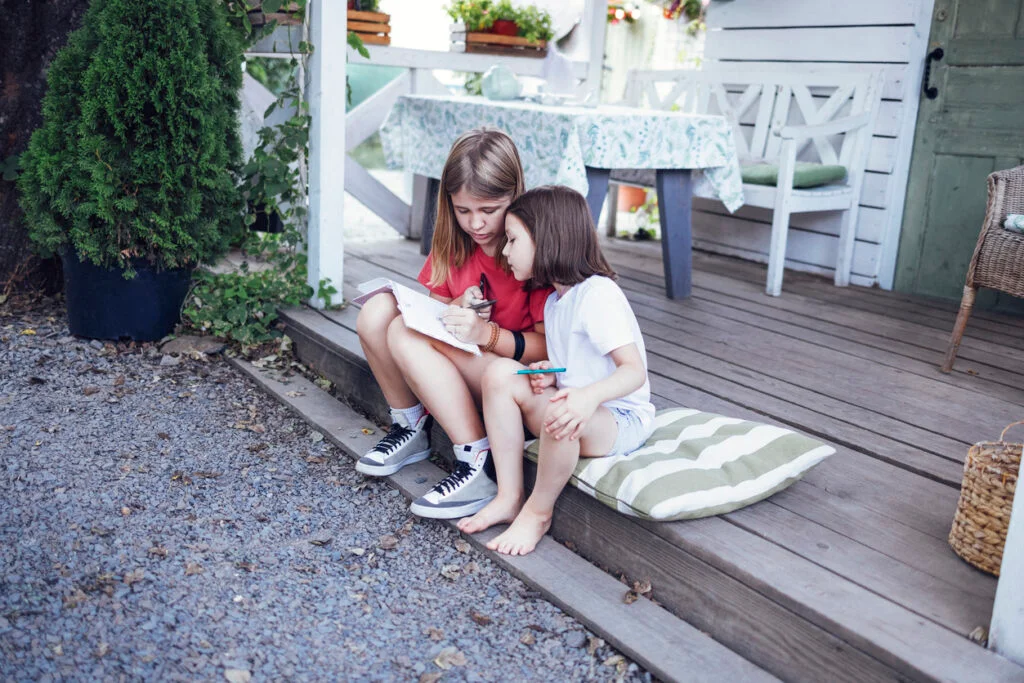
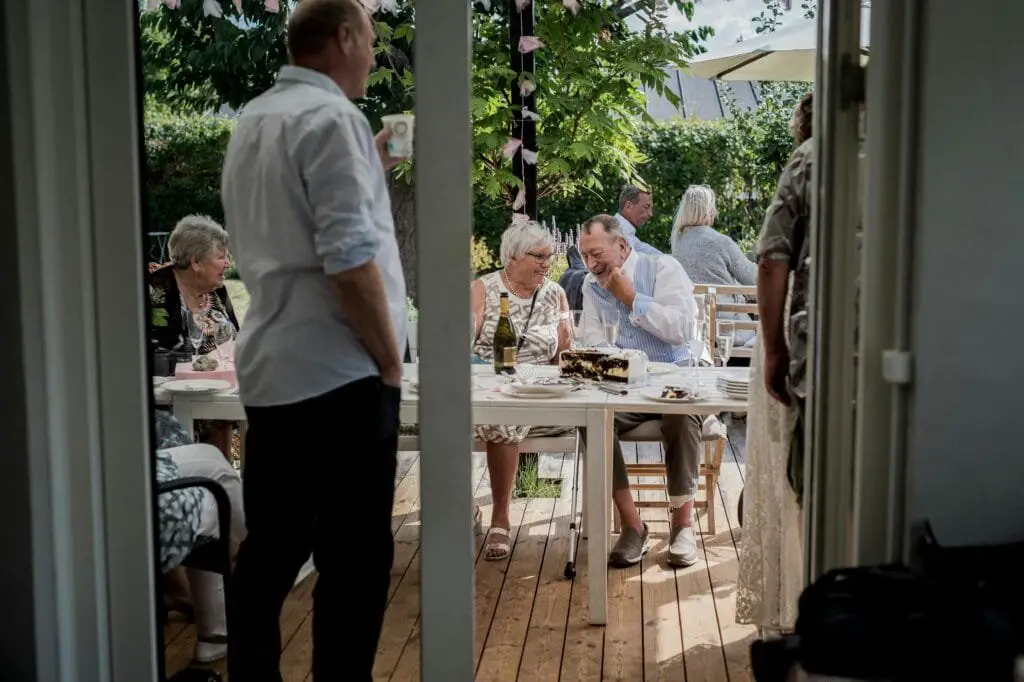
In many ’60s neighborhoods, the front porch served as the unofficial social hub. On warm evenings, adults sat in metal lawn chairs or porch swings while chatting with neighbors who wandered by. Conversations could last for hours, sometimes stretching until well after dark. Kids played nearby while adults traded stories about work, school, or the latest local gossip.
These porch gatherings weren’t planned events, they just happened naturally. Someone might wave from across the street and wander over with a glass of iced tea. Over time, entire blocks developed a routine where certain porches became regular evening hangouts. As air conditioning and indoor entertainment became more common, those spontaneous porch communities gradually faded.
3. Neighborhood Block Parties
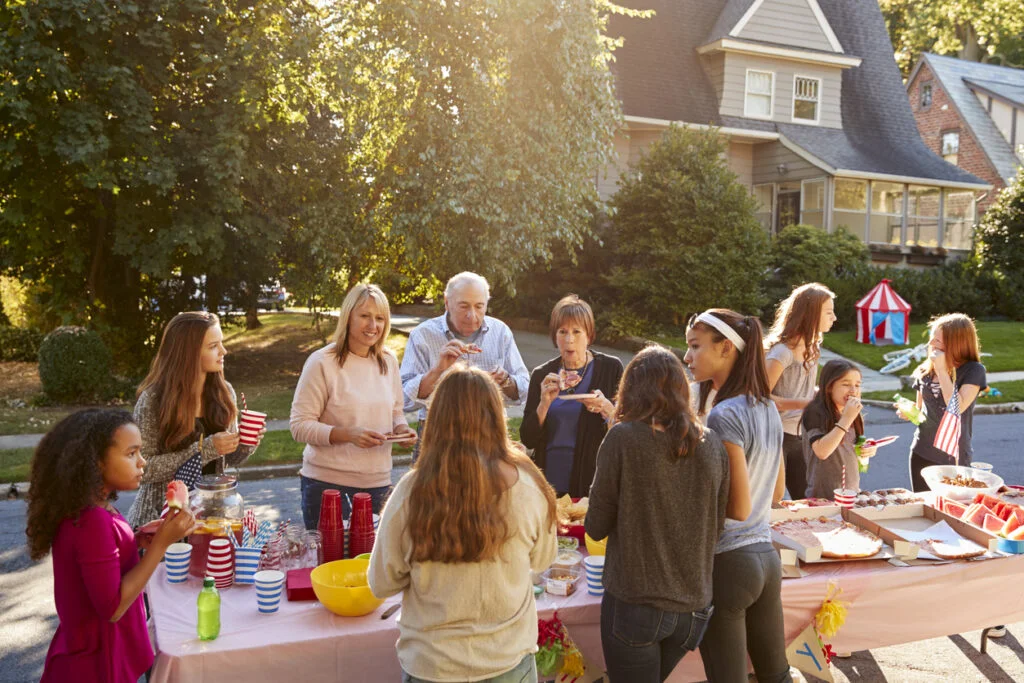
Block parties were a staple of many communities during the ’60s. Residents would close off the street for an afternoon or evening and bring tables full of homemade food. Someone always grilled hot dogs or hamburgers while kids ran around with sparklers or played tag. Music might play from a portable radio or record player set near the curb.
These gatherings helped neighbors actually get to know each other. People shared recipes, swapped stories, and sometimes even organized games for kids. The sense of community felt strong because nearly everyone on the block participated. Over the years, many neighborhoods became more private and less connected, and those large casual block parties became less common.
4. Neighborhood Watch by Default
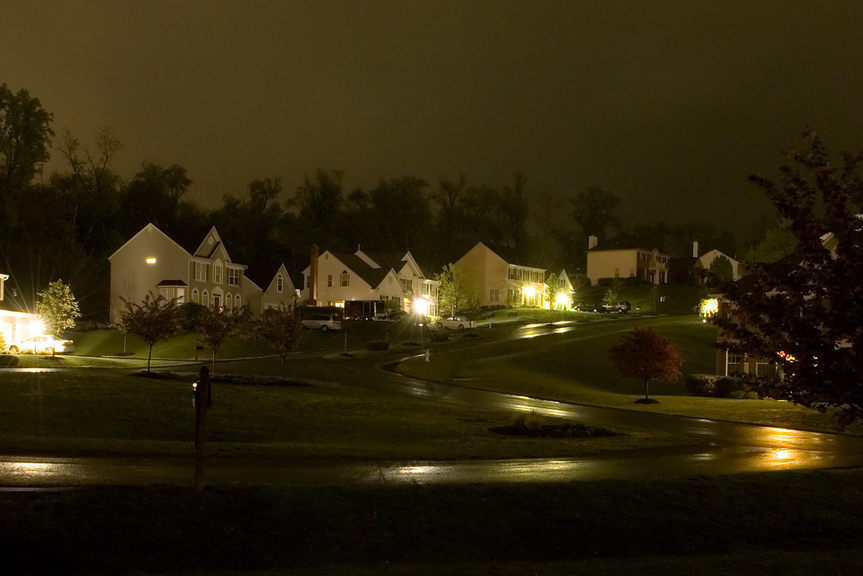
Long before official neighborhood watch programs existed, communities often looked out for each other without thinking much about it. Adults sitting on porches or doing yard work noticed who belonged on the street and who didn’t. If a strange car circled the block too many times, someone usually spotted it. Parents felt comfortable knowing multiple neighbors kept an eye on things.
Kids also knew that if they misbehaved, word might reach their parents before they even got home. Mrs. Johnson down the street or the man who ran the corner store might step in if something looked wrong. It created a kind of informal accountability that extended beyond a single household. As neighborhoods became more anonymous over the decades, that shared vigilance slowly declined.
5. Lemonade Stands and Sidewalk Businesses
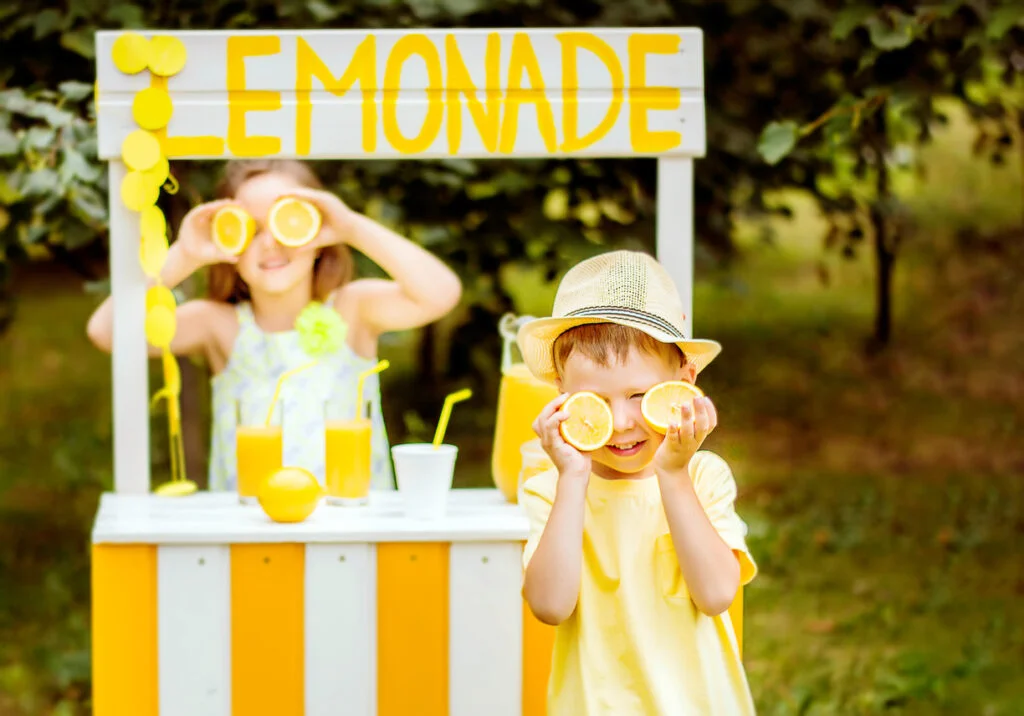
Setting up a lemonade stand was practically a childhood rite of passage. Kids dragged out a folding table, mixed up a pitcher of lemonade, and taped a hand-drawn sign to the front. Sometimes they sold cookies or popsicles too, especially on hot summer days. Passing neighbors would often stop just to encourage the effort.
It wasn’t really about the money. Running the stand made kids feel like entrepreneurs for an afternoon. Neighbors enjoyed chatting for a few minutes while sipping a plastic cup of lemonade. While lemonade stands still exist, they used to feel like a constant feature of neighborhood life.
6. Everyone Gathering Around a Single Television
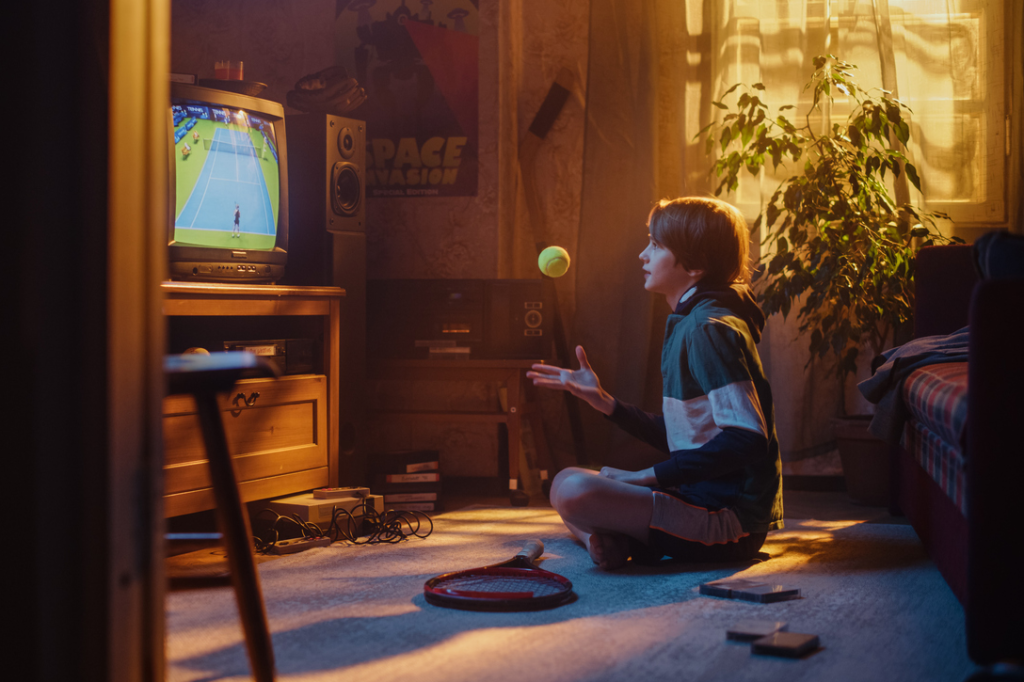
Television was still a fairly new and exciting thing in the ’60s, and not every house had the newest set. On big nights, neighbors sometimes gathered in one living room to watch a major event or a popular show. Kids sprawled on the floor while adults squeezed onto couches and chairs. The room filled with laughter, commentary, and the occasional debate about the plot.
Watching TV was surprisingly social back then. Instead of everyone viewing programs separately, people experienced them together. A hit show could spark conversations across the entire block the next day. As televisions became more common in every home, that shared viewing tradition gradually disappeared.
7. Neighborhood Baseball Games in the Street
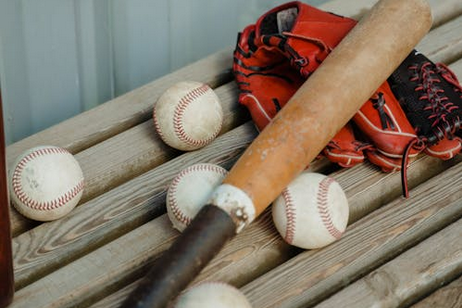
Many quiet residential streets turned into baseball fields during the ’60s. Kids used a broomstick, a taped-up ball, and whatever objects were handy for bases. Parked cars often counted as automatic doubles, while a ball landing in someone’s yard might mean an instant out. The rules were constantly negotiated depending on who was playing that day.
Adults occasionally joined in or watched from their yards with amusement. These games could last until sunset, with teams constantly shifting as kids arrived or left. It was casual, noisy, and sometimes chaotic, but it kept entire groups entertained for hours. Organized sports eventually replaced much of that spontaneous neighborhood play.
8. Door-to-Door Dessert Sharing

If someone baked a pie or a batch of cookies in the ’60s, there was a good chance a few slices ended up traveling down the block. Neighbors often shared extra desserts simply because it felt neighborly. A child might be sent next door with a plate wrapped in foil or wax paper. The receiving household usually returned the favor at some point.
This informal exchange created small but meaningful connections between families. People chatted on front steps while passing along homemade treats. It also meant that good news, birthdays, or even minor celebrations were shared with others nearby. Over time, busier schedules and more private lifestyles made these spontaneous exchanges less common.
9. Borrowing Sugar or Tools from Next Door

Running out of an ingredient didn’t mean a trip to the store right away. In many neighborhoods, it meant knocking on a neighbor’s door. A quick request for sugar, flour, or even a hammer was perfectly normal. Most people didn’t think twice about lending something for the afternoon.
These small exchanges created constant interaction between households. Borrowing a tool often turned into a short conversation about home repairs or weekend plans. It reinforced the idea that neighbors were part of a shared community. Today, many people barely know the names of the people living next door.
10. Evening Bike Rides in Large Packs
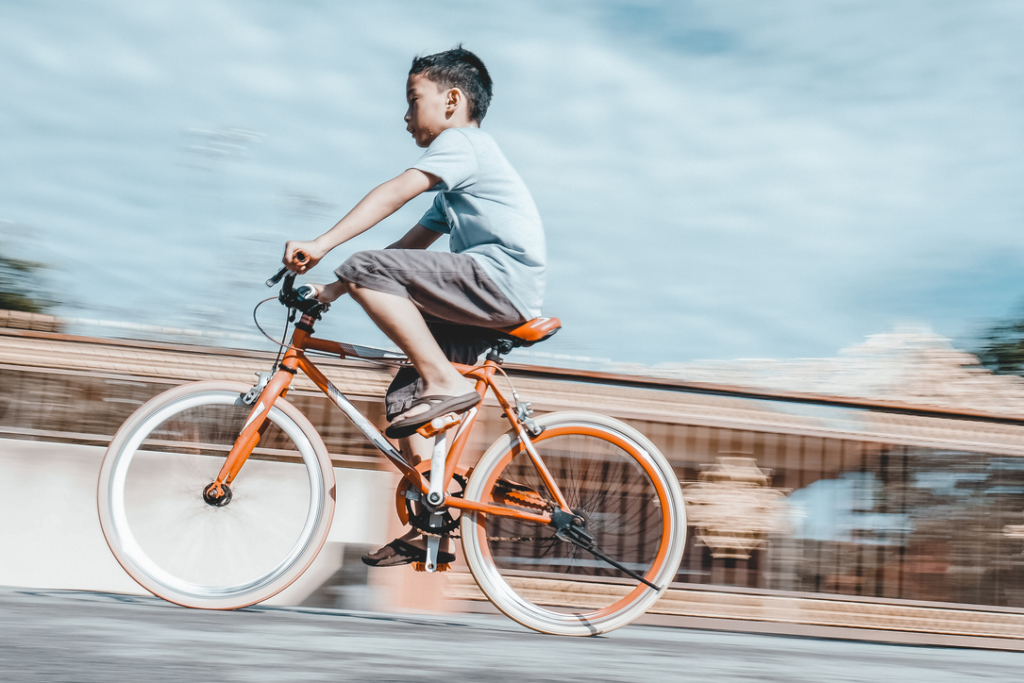
As the sun started to set, groups of kids often gathered for long bike rides around the neighborhood. Ten or fifteen bicycles might roll down the street together in a noisy pack. They raced down hills, circled the block, and sometimes ventured to nearby parks. The rides felt like small adventures even if they stayed close to home.
Parents usually weren’t worried as long as everyone returned before dark. Kids developed their own routes and traditions, sometimes stopping for a quick drink from a backyard hose. Those group bike rides created lasting friendships and shared memories. Today, traffic and safety concerns have made that kind of free roaming less common.
11. Yard Sales That Felt Like Community Events
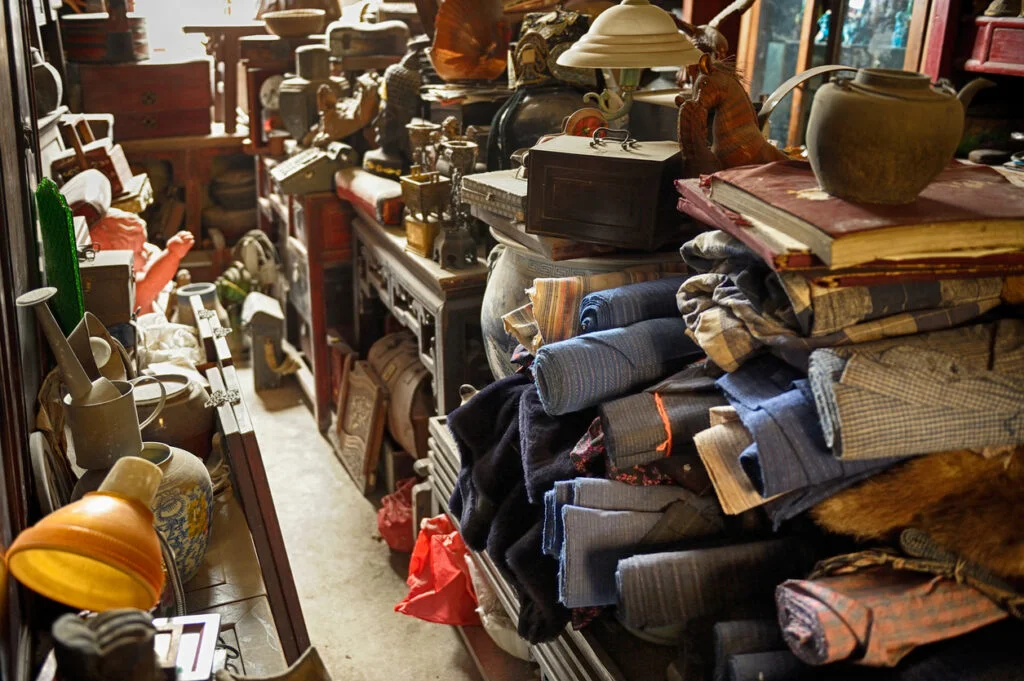
Yard sales in the ’60s often felt more like neighborhood gatherings than serious business ventures. Families spread old toys, dishes, and furniture across their lawns on Saturday mornings. Neighbors wandered from house to house browsing and chatting. Kids sometimes sold lemonade nearby to attract more visitors.
The sales created an easy excuse for people to mingle. You might stop by intending to buy a book and end up talking for twenty minutes. It felt relaxed and social rather than purely transactional. While yard sales still happen today, they rarely draw the same sense of neighborhood participation.
12. Neighborhood Holiday Decorating
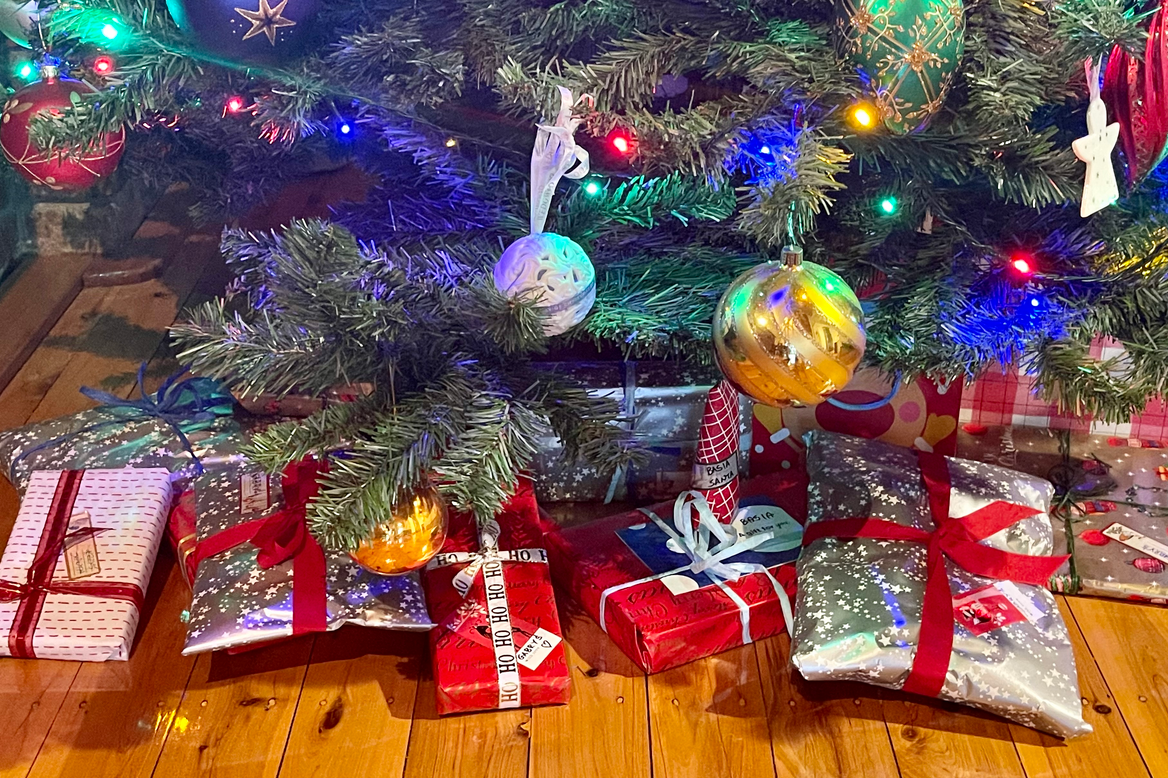
During holidays, entire blocks sometimes decorated together in the ’60s. Christmas lights, handmade decorations, and glowing plastic figures appeared on lawns across the street. Families took evening walks just to admire the displays. Kids compared which house had the biggest tree or the brightest lights.
Halloween decorations and Fourth of July flags also added to the atmosphere. The decorations created a shared sense of excitement that spread through the neighborhood. It wasn’t unusual for neighbors to help each other hang lights or set up displays. As lifestyles changed and schedules grew busier, that coordinated decorating slowly faded.
13. Backyard Cookouts That Turned into All-Day Gatherings

Weekend cookouts in the ’60s often started small and gradually grew into full neighborhood gatherings. A family might begin grilling hamburgers in the backyard. Soon a neighbor wandered over with a bowl of potato salad or a pitcher of lemonade. Before long, several families were sitting around lawn chairs sharing food and stories.
Kids ran through sprinklers or played tag while adults talked for hours. No one worried much about formal invitations or schedules. The relaxed atmosphere made it easy for people to drift in and out throughout the afternoon. Over time, busy routines and changing social habits made those spontaneous cookout gatherings far less common.