
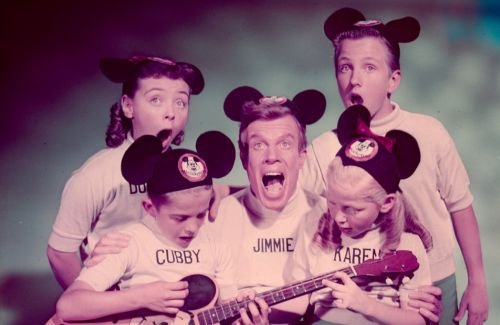
1. Thousands of Kids Auditioned for the Original Cast
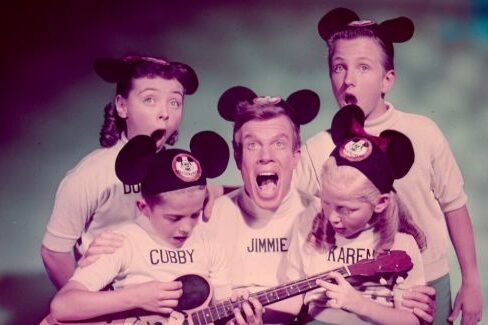
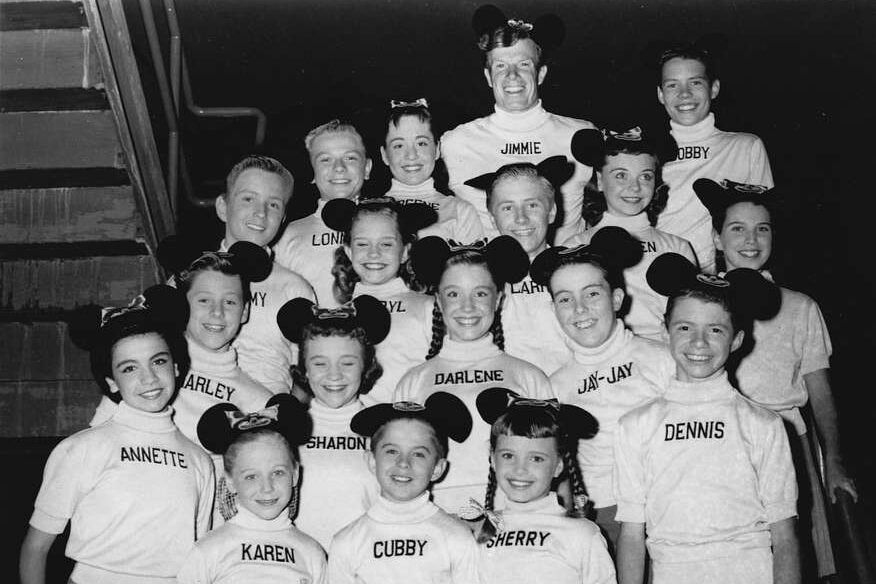
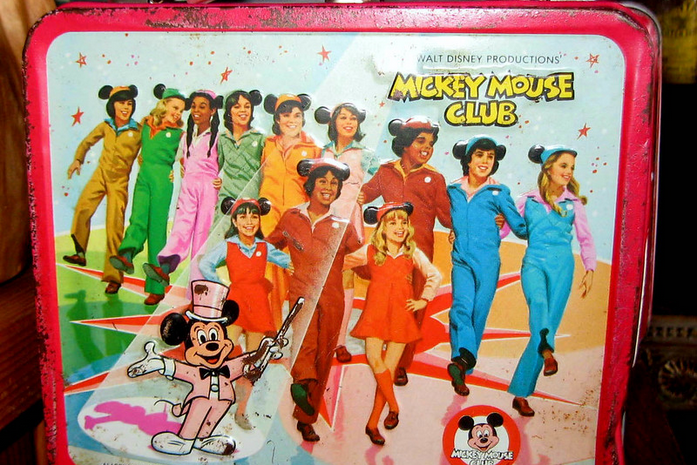
When The Mickey Mouse Club debuted in 1955, becoming a Mouseketeer was not easy. Disney held a massive nationwide search and auditioned thousands of children before narrowing it down to a small group for the show. Ultimately, 24 kids were chosen for the first season of the program.
Producers were looking for children who could sing, dance, act, and handle live television work. Many of the kids already had stage or dance training, which helped them stand out. Even so, most had never appeared on television before. The experience turned several of them into household names almost overnight.
2. The Famous Mouse Ears Were Designed by a Disney Artist
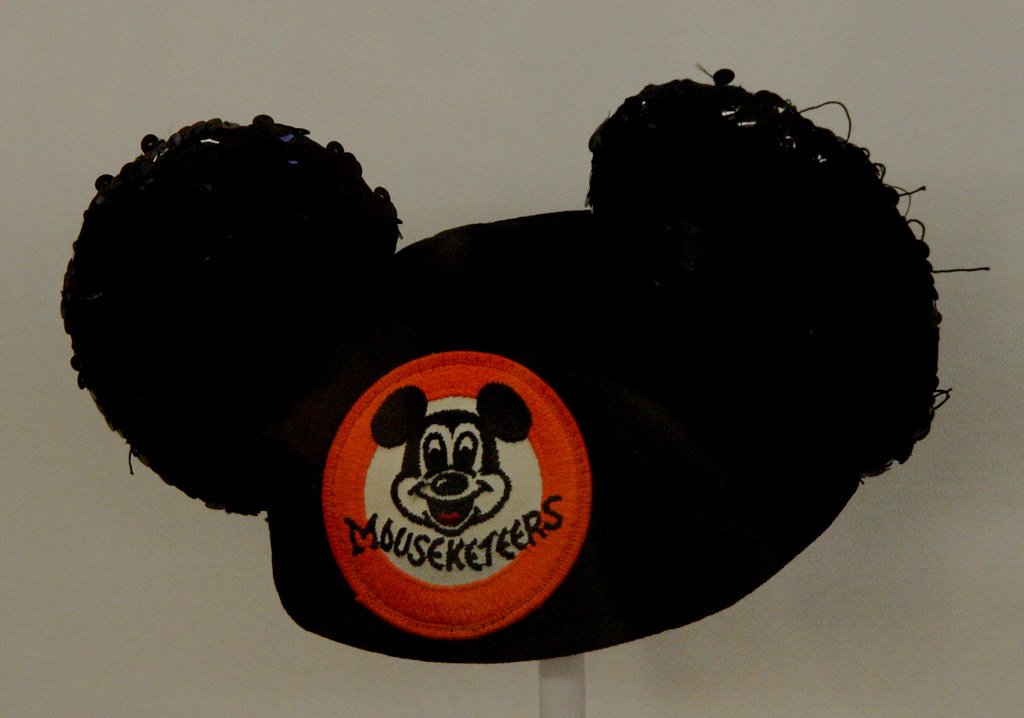
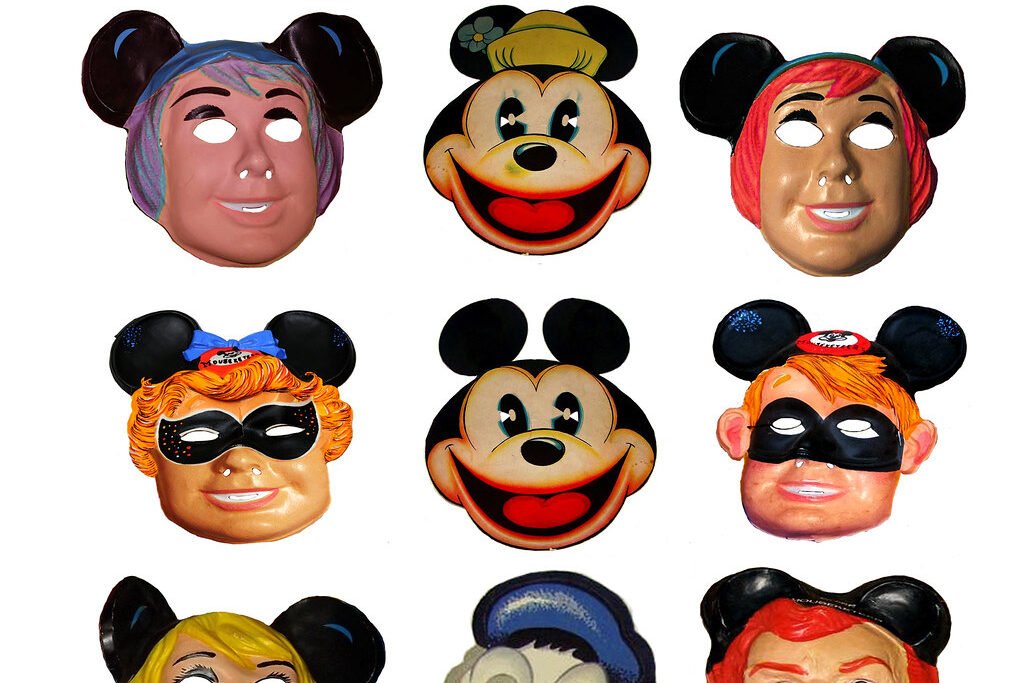
Those iconic black mouse ears did not happen by accident. They were designed by Disney artist Roy Williams, who also appeared on the show as the “Big Mooseketeer.” Williams created the simple hat with two round ears so it would instantly connect the kids to the Mickey Mouse brand.
The hats quickly became one of the most recognizable pieces of Disney merchandise ever made. Kids across America wanted their own pair after watching the show. Disney began selling them widely in stores and at theme parks. Decades later, the mouse ear hat is still a staple of Disney culture.
3. Annette Funicello Became the Breakout Star

Among all the Mouseketeers, Annette Funicello became the clear fan favorite. She joined the show at age 12 after Walt Disney personally noticed her at a dance recital. Not long after the series premiered, she began receiving more fan mail than any other cast member.
Disney recognized her popularity and started giving her more prominent roles. She even starred in a serialized storyline on the show simply called Annette. Her success on The Mickey Mouse Club eventually led to a recording career and the famous beach party movies of the early ’60s.
4. The Show Featured Ongoing Adventure Serials
One of the most memorable parts of The Mickey Mouse Club was its serialized stories. These mini-adventures aired in segments across multiple episodes, keeping kids eager to tune in the next day. The most famous of these was Spin and Marty, which followed two boys at a western-style summer camp.
Spin and Marty became incredibly popular with young viewers. The storyline ran for several seasons and helped boost the show’s ratings. It also gave the program a narrative element beyond singing and dancing numbers. Many fans remember the serial just as clearly as the Mouseketeers themselves.
5. Mouseketeers Had to Go to School on Set
Because most of the cast members were still in school, Disney had to build education into the production schedule. The children attended classes on the studio lot for several hours each day while filming the series. Teachers were hired specifically to keep them on track academically.
This arrangement allowed the kids to work long television production days without falling behind in school. It was similar to the system used for child actors in film and television today. The balance between school and performance was demanding. Still, many of the Mouseketeers later said the experience was exciting and unforgettable.
6. Jimmie Dodd Wrote the Famous Theme Song

The show’s cheerful opening song, “The Mickey Mouse Club March,” was written by cast member Jimmie Dodd. Dodd served as the adult host of the program and was affectionately known as the “Head Mouseketeer.” His upbeat personality helped guide the young cast throughout the series.
The song became one of the most recognizable television themes of the 1950s. Its catchy spelling of “M-I-C-K-E-Y M-O-U-S-E” stuck in the minds of millions of viewers. Even decades later, many people can still sing it from memory. The tune remains closely associated with Disney’s early television success.
7. The Show Was Cancelled Because of a Network Dispute
Despite its popularity, The Mickey Mouse Club ended rather abruptly in 1959. The cancellation was not due to poor ratings but to a business dispute between The Walt Disney Company and the American Broadcasting Company (ABC).
Disney wanted to sell reruns of the show to other networks and syndication markets. ABC objected because the series had originally been produced for its network. When negotiations broke down, the show stopped production after four seasons. The episodes later found a long second life in syndication.
8. The Mouseketeers Were Organized Into Teams
Early in the show, the children were divided into two teams known as the Red Team and the White Team. These teams often competed in games, skits, and performances during the program. It added a playful rivalry that made the show feel more interactive for viewers.
The structure also helped producers organize the large group of kids on screen. Different teams would appear in different segments depending on the episode. Fans often developed favorite teams along with favorite Mouseketeers. The format helped keep the show lively and varied.
9. One Mouseketeer Became a Professional Rock Drummer

Cubby O’Brien was known on the show for his energetic drumming. Even as a child, he stood out as a talented musician. His skill behind the drum kit was featured frequently during musical segments.
O’Brien later built a professional music career. In the early 1970s he toured as a drummer with The Carpenters. It was a surprising path for someone who had started out on a children’s television show. His career proved that some Mouseketeers carried their talents far beyond Disney.
10. The Show Helped Pioneer Children’s Television Programming
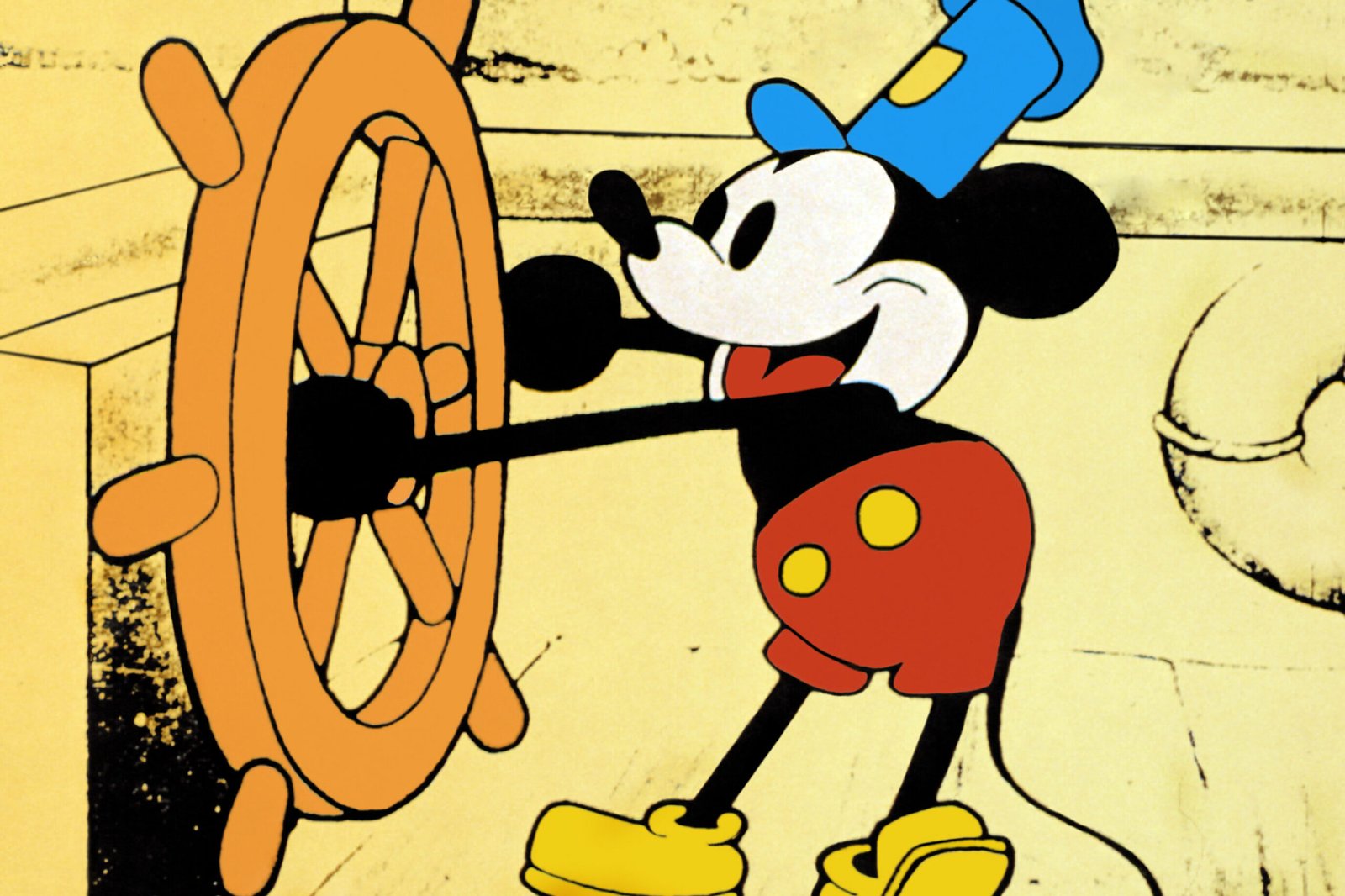
When The Mickey Mouse Club premiered in 1955, children’s television was still relatively new. Disney designed the program specifically for after-school viewing. It combined music, comedy sketches, educational segments, and adventure serials into one daily show.
This format influenced many later children’s programs. The idea of a recurring cast of kids hosting segments became a model for shows that followed. Disney also used the program to promote its films and theme park attractions. In many ways, The Mickey Mouse Club helped define what kids’ television could be.