
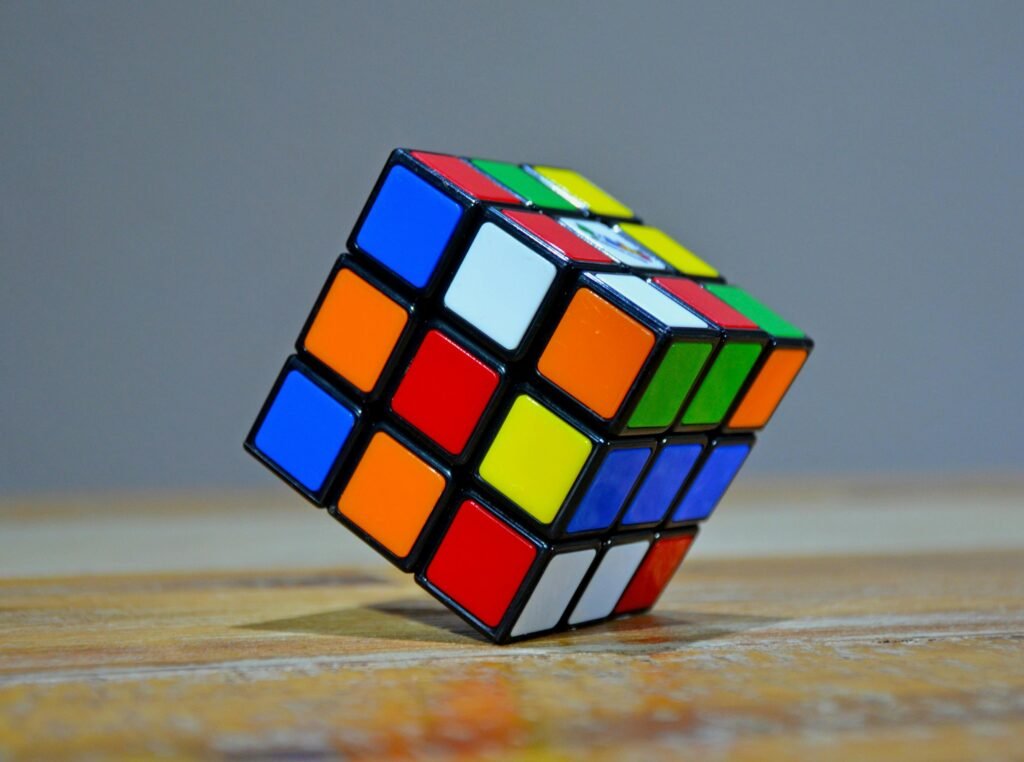
1. It Was Originally Created as a Teaching Tool
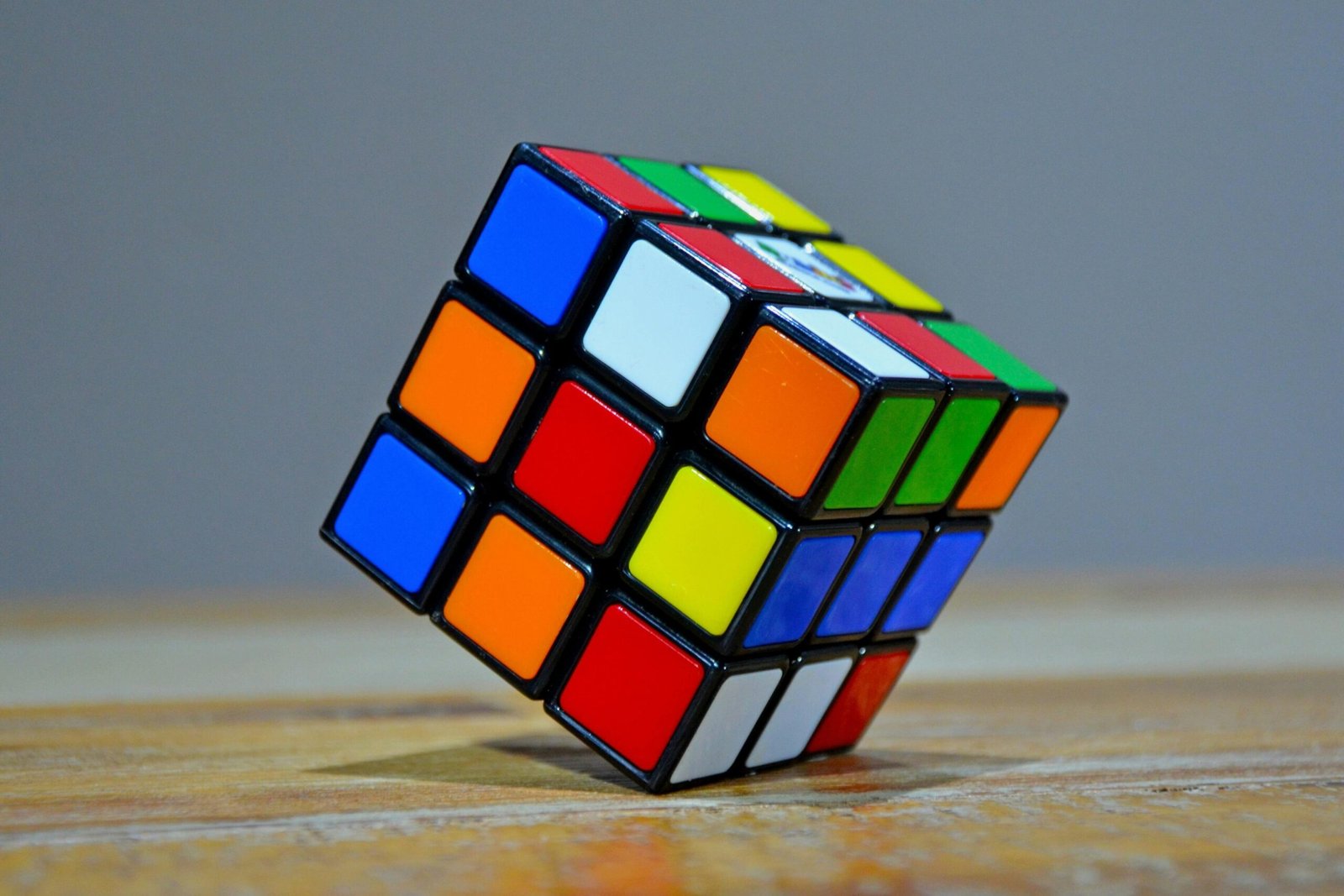
The Rubik’s Cube wasn’t invented as a toy at all. In 1974, Hungarian architecture professor Ernő Rubik built the puzzle to help his students understand three-dimensional geometry and spatial relationships. At the time, he called it the “Magic Cube.” Rubik was trying to demonstrate how individual parts could move independently while still staying connected as a structure.
When he first scrambled the cube, Rubik realized he had accidentally created a much bigger challenge than he expected. It reportedly took him about a month to solve his own invention. That moment helped him realize the puzzle could be fascinating for people beyond the classroom. Soon the concept began moving toward commercial production.
2. The Puzzle Nearly Stayed a Hungarian Secret
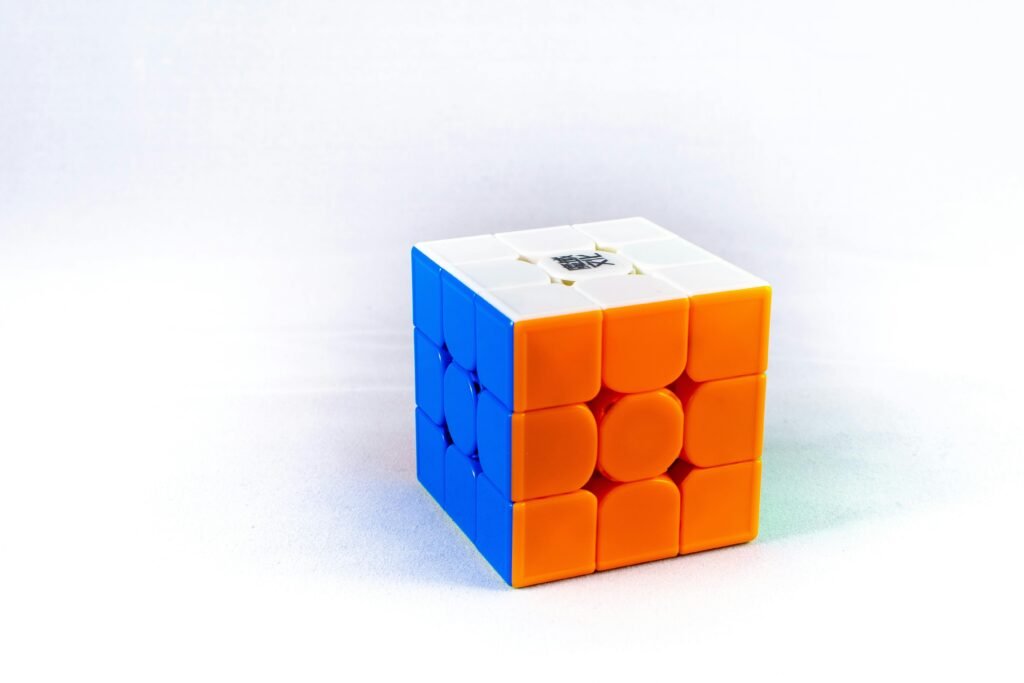
For a few years, the cube was sold only in Hungary. It appeared in local toy stores starting in 1977 and quickly became a curiosity across the country. However, international distribution was slow because the puzzle was difficult to manufacture properly.
Eventually, the toy company Ideal Toy Company secured the rights to sell it worldwide. They renamed it the Rubik’s Cube and launched it internationally in 1980. Almost overnight, the puzzle spread through Europe and North America. Within a short time, it became one of the most recognizable toys in the world.
3. There Are Over 43 Quintillion Possible Combinations
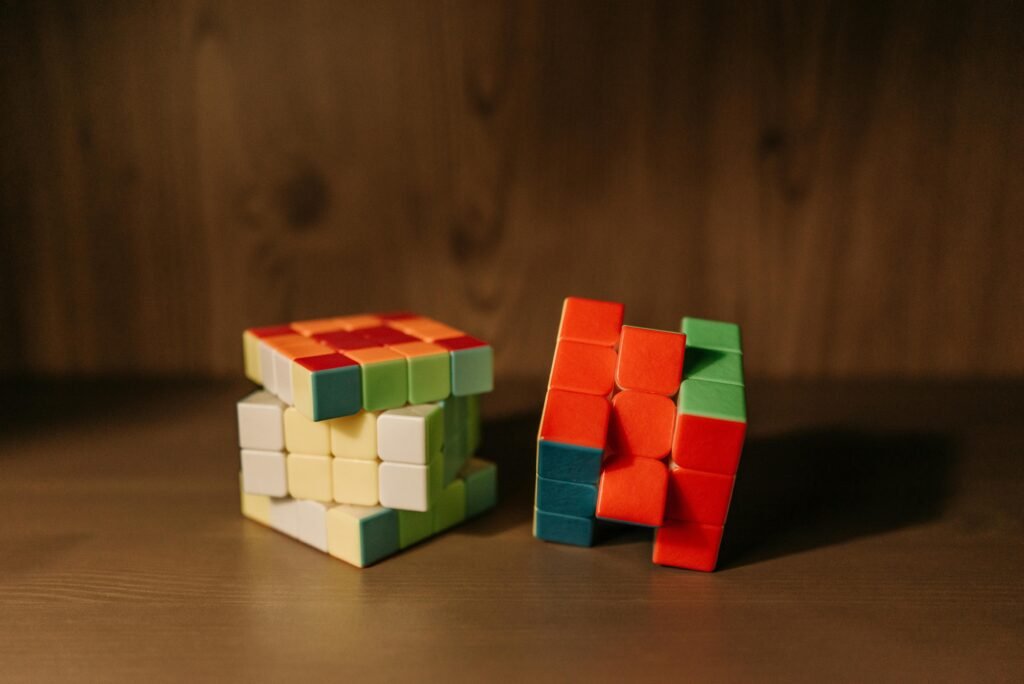
The cube may look simple, but mathematically it is incredibly complex. A standard 3×3×3 Rubik’s Cube has 43,252,003,274,489,856,000 possible arrangements. That number is often shortened to “43 quintillion.”
Despite this staggering number, every possible scramble can still be solved. The trick is knowing the correct sequence of moves. Over time, mathematicians and puzzle experts analyzed the cube’s structure to understand how its permutations work. That analysis eventually helped determine the theoretical minimum number of moves needed to solve it.
4. Mathematicians Discovered “God’s Number”

For decades, puzzle experts wondered what the absolute shortest solution could be for any scrambled cube. This number became known informally as “God’s Number.” After years of computer analysis, the answer was finally confirmed in 2010.
Researchers using large computing systems determined that any Rubik’s Cube position can be solved in 20 moves or fewer. No configuration requires more than that. The result surprised many experts who expected the number to be higher. It showed just how elegant the cube’s mathematical structure really is.
5. The ’80s Saw a Global Cube Craze
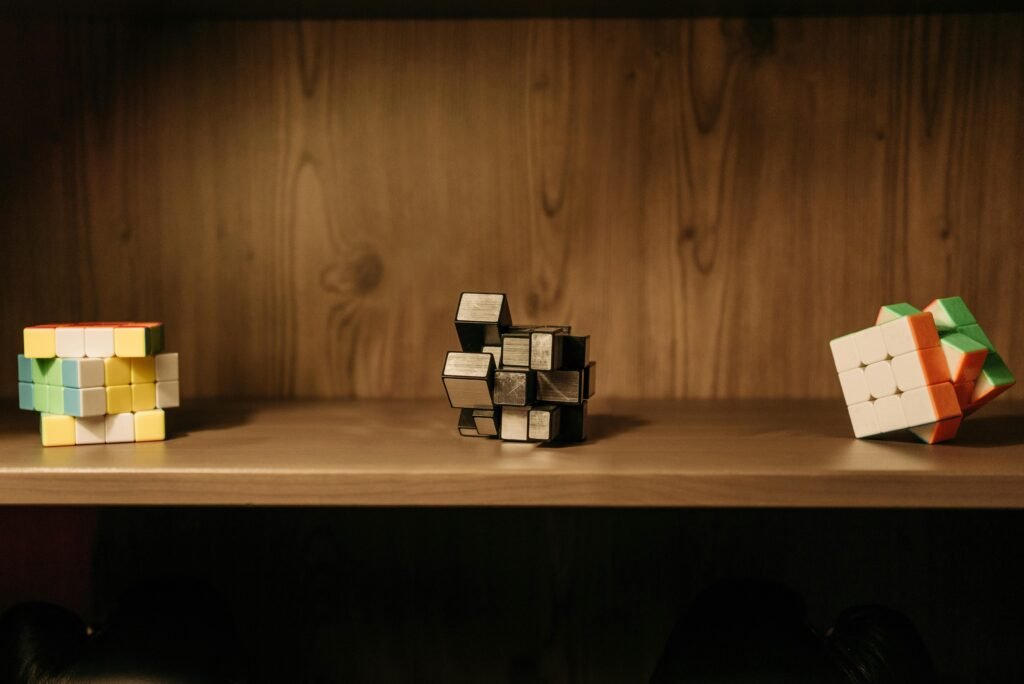
Once the puzzle reached international markets in 1980, it exploded into a full cultural phenomenon. Millions of cubes sold within the first few years alone. Schools, offices, and living rooms everywhere seemed to have someone twisting the colored sides.
By 1982, more than 100 million official cubes had been sold worldwide. That number eventually climbed into the hundreds of millions. The puzzle became a symbol of the decade, appearing in magazines, cartoons, and advertisements. For many people, it was the ultimate brain teaser of the era.
6. The First World Championship Happened in 1982
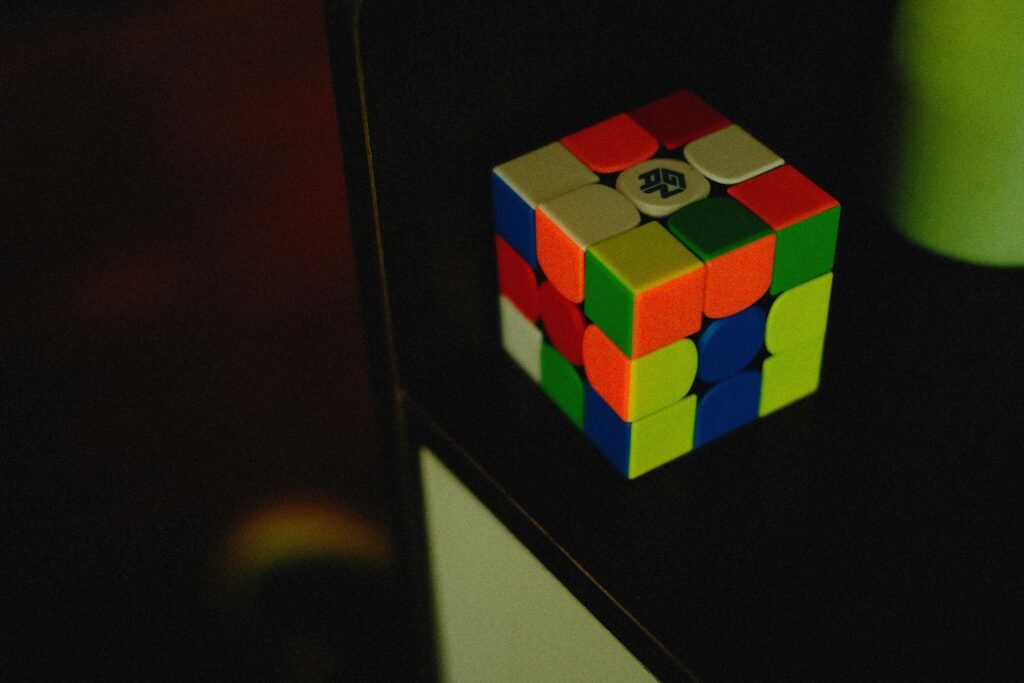
As the craze grew, competitive solving quickly followed. The first official world championship took place in Budapest in 1982. Contestants from multiple countries gathered to see who could solve the puzzle the fastest.
The winner was American teenager Minh Thai. His winning time was 22.95 seconds. At the time, that performance seemed almost unbelievable. Compared to modern records, it now looks slow, but in the early ’80s it was considered astonishing.
7. Early Cubes Had a Mechanical Problem
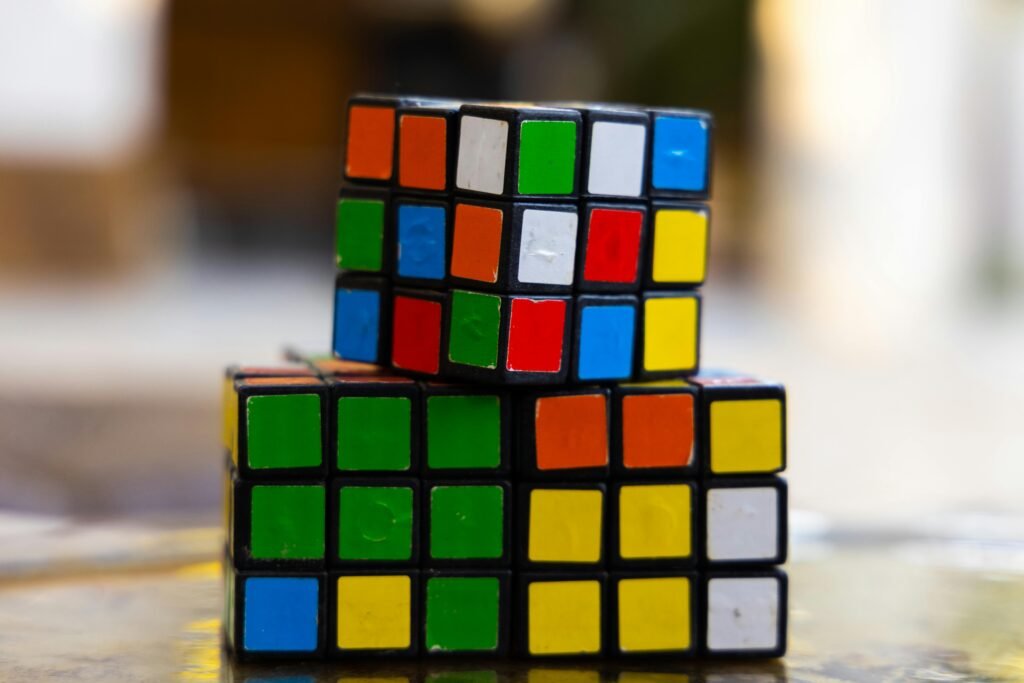
The earliest Rubik’s Cubes sometimes had a frustrating flaw. If you twisted them too aggressively, pieces could pop out of the mechanism. This happened because the internal design was still being refined during the early production years.
Manufacturers later improved the internal core to make it more stable. That redesign allowed smoother turning and reduced breakage. Modern cubes are far sturdier than the early versions. Today’s speed cubes are specifically engineered for quick rotations without pieces coming loose.
8. There Was Even a Saturday Morning Cartoon
At the height of the craze, the cube crossed into television. In 1983, ABC launched an animated show called Rubik, the Amazing Cube. The series featured a magical cube that could change shape and help solve problems.
The show ran as part of a Saturday morning block for a short time. While it didn’t last long, it showed how popular the puzzle had become. Few toys had ever inspired their own animated character before. The cube had clearly moved beyond just being a puzzle.
9. It Was Once the Best-Selling Toy in the World
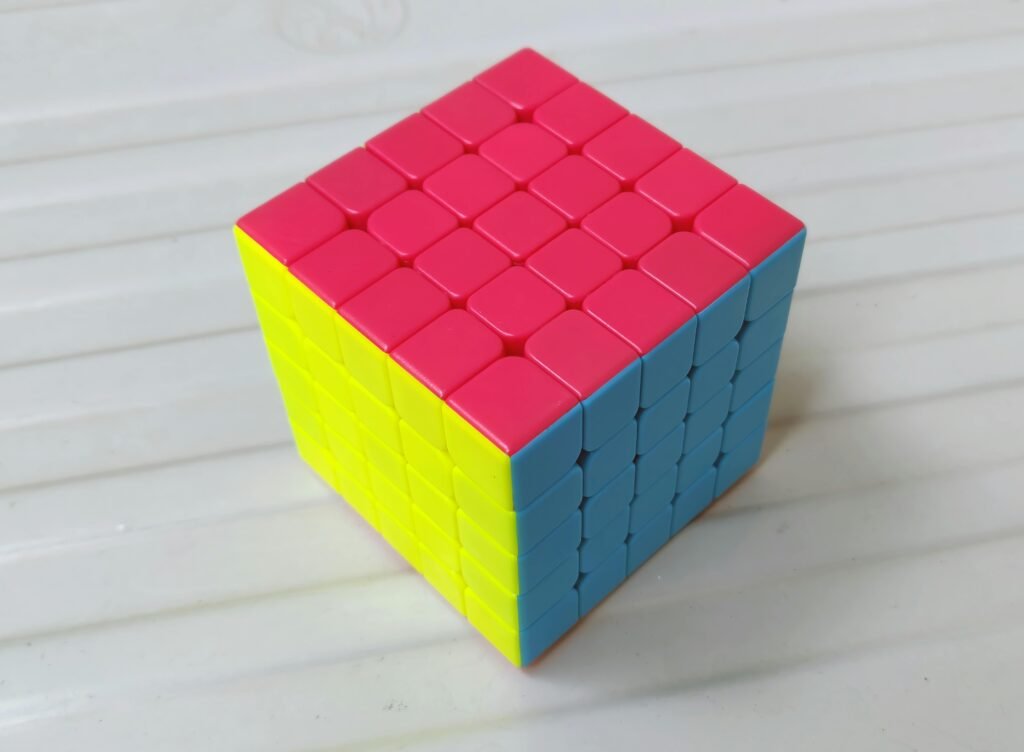
During the early ’80s, the Rubik’s Cube briefly became the best-selling toy globally. Demand was so high that stores sometimes struggled to keep it in stock. Children and adults alike wanted to try solving the mysterious puzzle.
By the mid-1980s, hundreds of millions of cubes had been sold worldwide. Few puzzles had ever reached that level of popularity. The cube’s success also inspired dozens of similar puzzles from other companies. None matched the original’s cultural impact.
10. The Cube Inspired Entire Books of Strategies
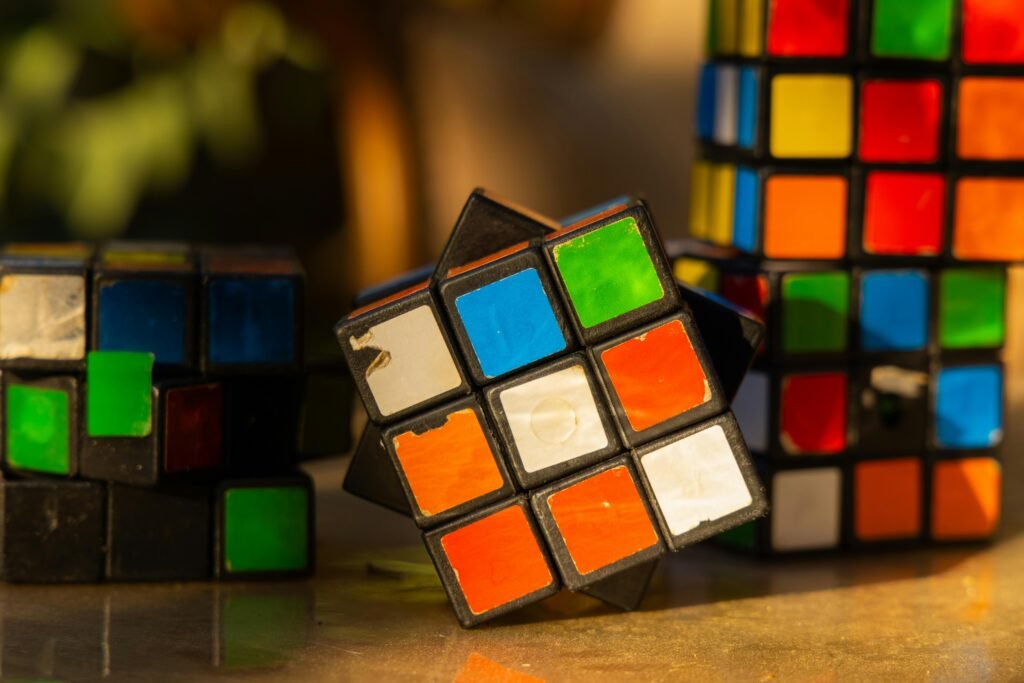
Once people realized brute force wouldn’t solve the puzzle easily, guides began appearing. Books explaining solving methods became surprisingly popular. One of the most famous was The Simple Solution to Rubik’s Cube by James G. Nourse.
These guides introduced step-by-step algorithms that allowed beginners to solve the cube consistently. Many players memorized sequences of moves instead of guessing randomly. Learning these patterns turned the cube into something closer to a skill than a mystery. For many fans, mastering the algorithms became part of the fun.
11. Speedcubing Became a Serious Competitive Hobby
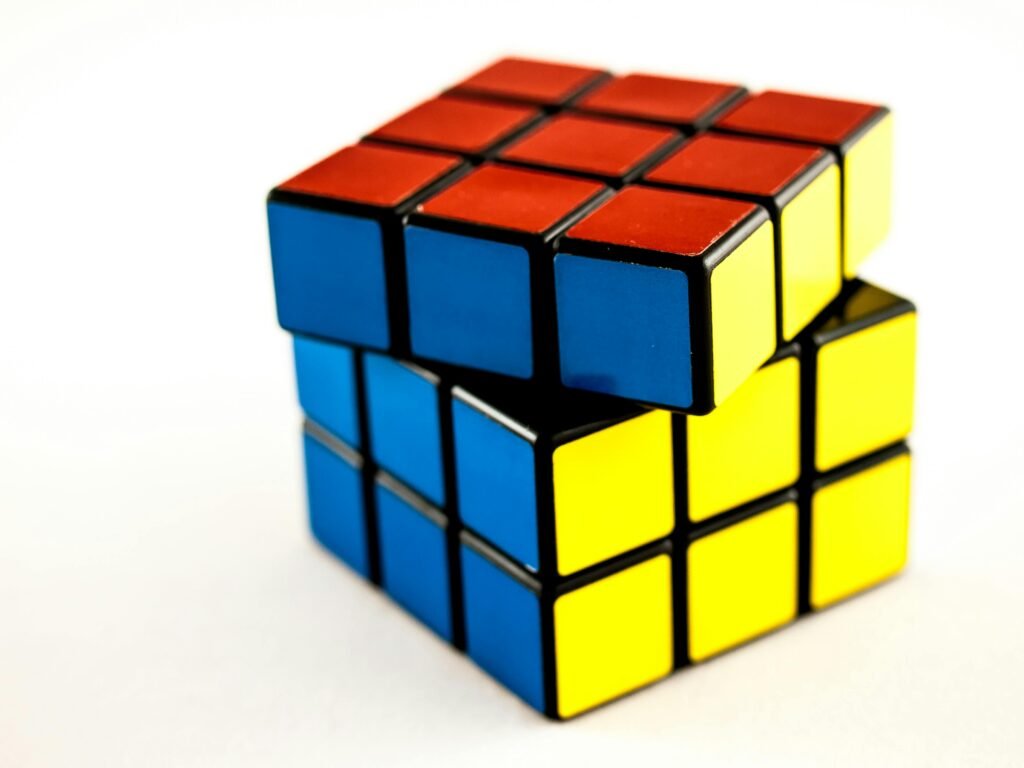
Over time, solving the cube evolved into a specialized competitive activity known as speedcubing. Competitors practice algorithms, finger tricks, and memorization techniques to solve the cube extremely quickly. Some train for years to shave seconds off their times.
Modern competitions are organized by the World Cube Association. Events include one-handed solving, blindfolded solving, and even solving multiple cubes at once. What began as a simple toy challenge has become a worldwide competitive scene. Thousands of participants now attend official tournaments each year.
12. There Are Many Different Versions of the Puzzle
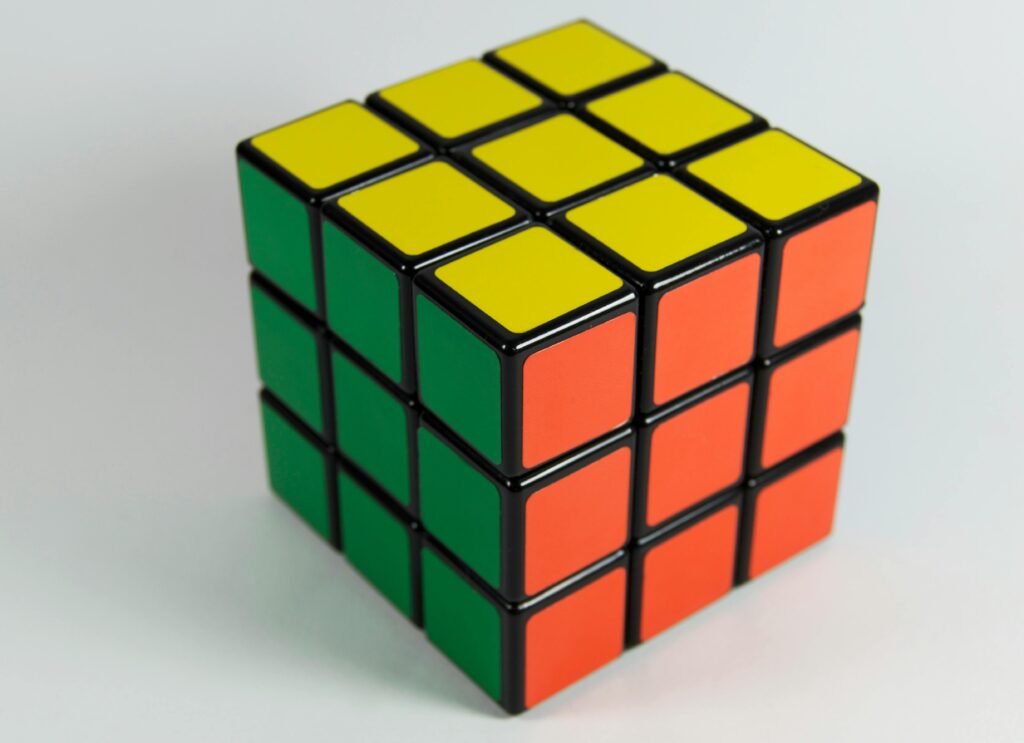
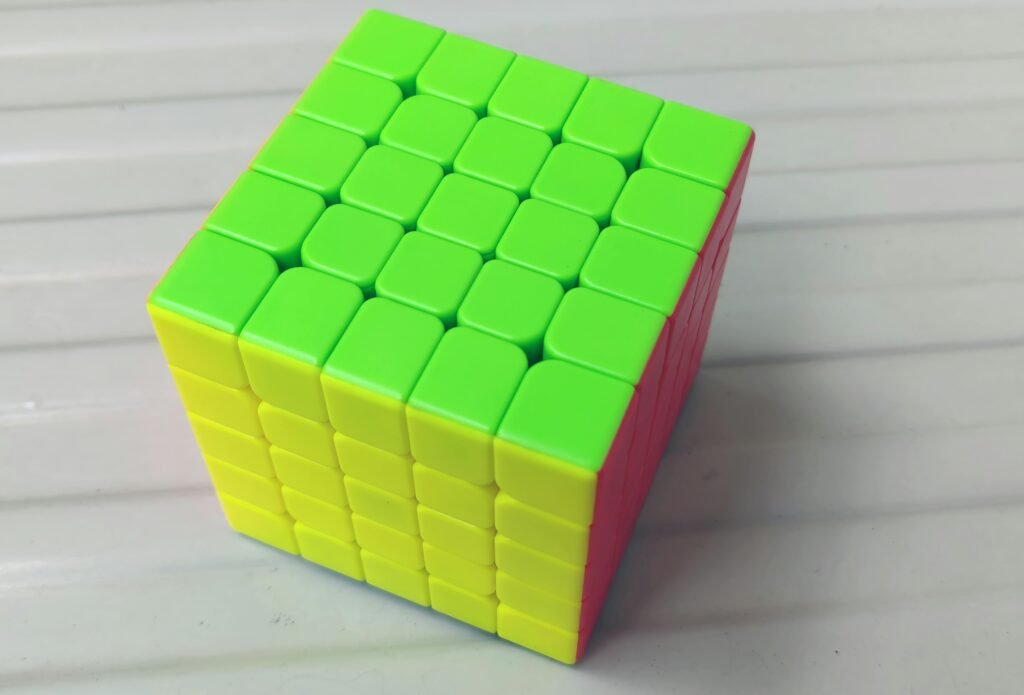
The original Rubik’s Cube has a 3×3×3 structure, but many variations exist. Larger cubes such as the 4×4 and 5×5 became popular in later years. Some versions change the shape entirely while keeping the same twisting concept.
Other puzzles add extra layers, unusual geometry, or new solving challenges. Collectors often build large collections of these variations. Despite the many alternatives, the classic cube remains the most iconic. It still serves as the standard puzzle that most people try first.
13. The Cube Became a Symbol of Intelligence in Pop Culture
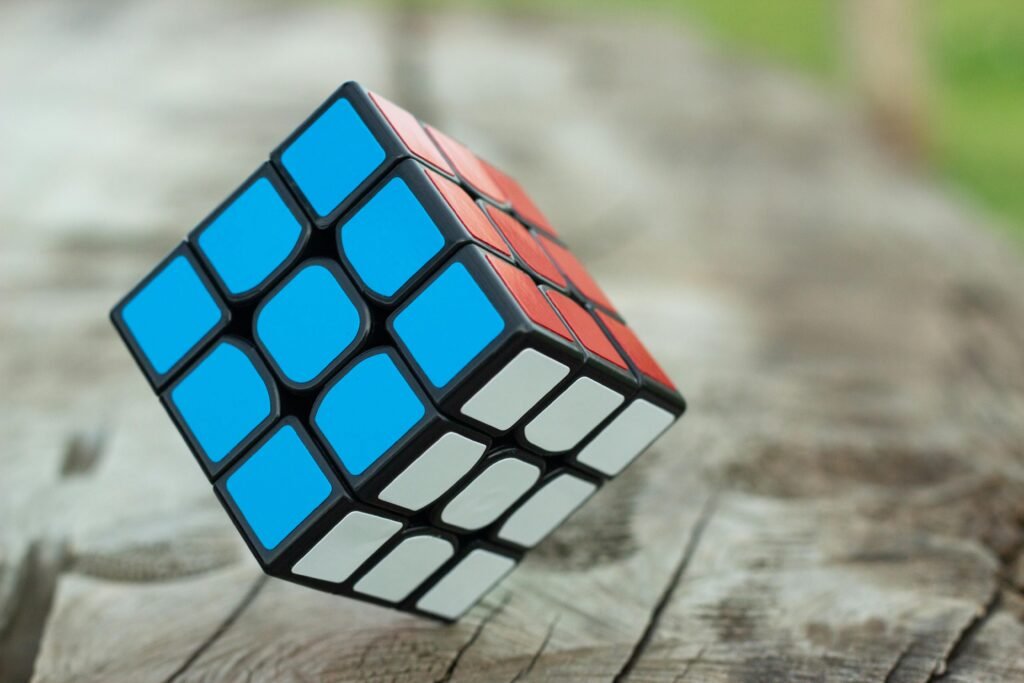
During the ’80s, the cube quickly developed a reputation as a “genius puzzle.” Movies, television shows, and magazines often showed characters solving it to signal intelligence. Even if someone only knew a few moves, holding the cube carried a certain cultural meaning.
The puzzle appeared in classrooms, offices, and dorm rooms everywhere. For some people it was simply a fidget toy. For others, it became a serious intellectual challenge. Either way, the cube turned into one of the decade’s most recognizable symbols.
14. It Eventually Became a Museum Piece

Today, the Rubik’s Cube is recognized as an important design object. Museums around the world have included it in exhibits about creativity and engineering. The puzzle represents a rare combination of mathematics, art, and mechanical design.
It is often displayed alongside other influential inventions of the late 20th century. The cube’s elegant internal mechanism is frequently highlighted in these exhibits. What started as a classroom teaching aid eventually became a celebrated design icon. Few toys have made that transition so successfully.
15. It’s Still One of the Best-Selling Puzzles Ever
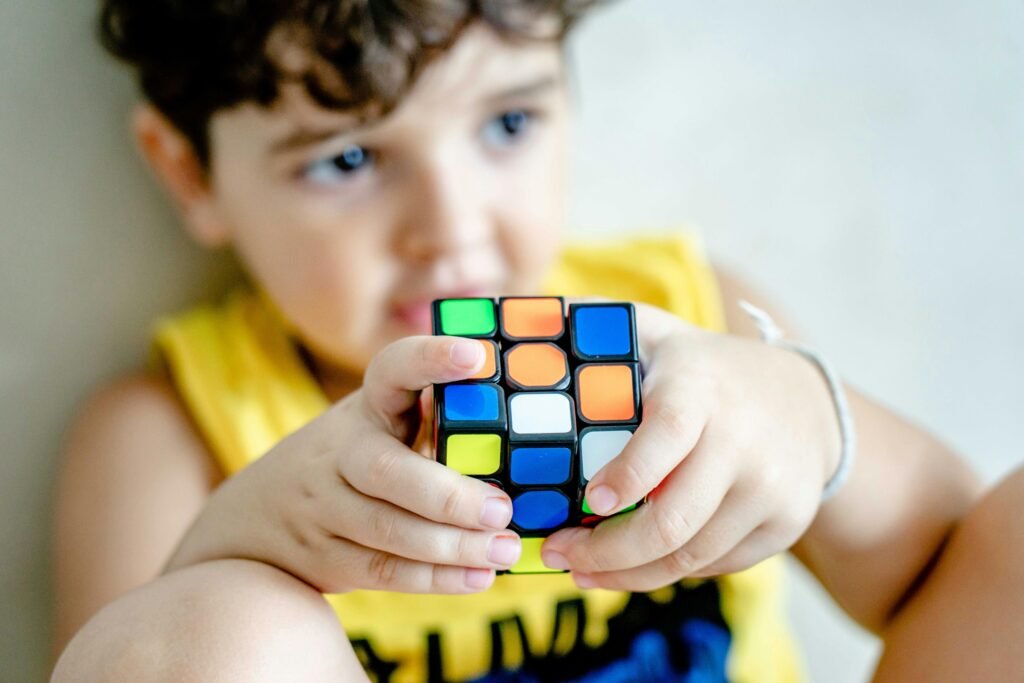
Decades after its invention, the Rubik’s Cube continues to sell around the world. Hundreds of millions of units have been purchased since the puzzle first appeared. Estimates often place total sales at well over 450 million official cubes.
That makes it one of the best-selling toys in history. New generations continue discovering the puzzle each year. Competitive solving communities remain active, and improved cube designs keep appearing. More than fifty years after its creation, the little colorful cube still fascinates people everywhere.