
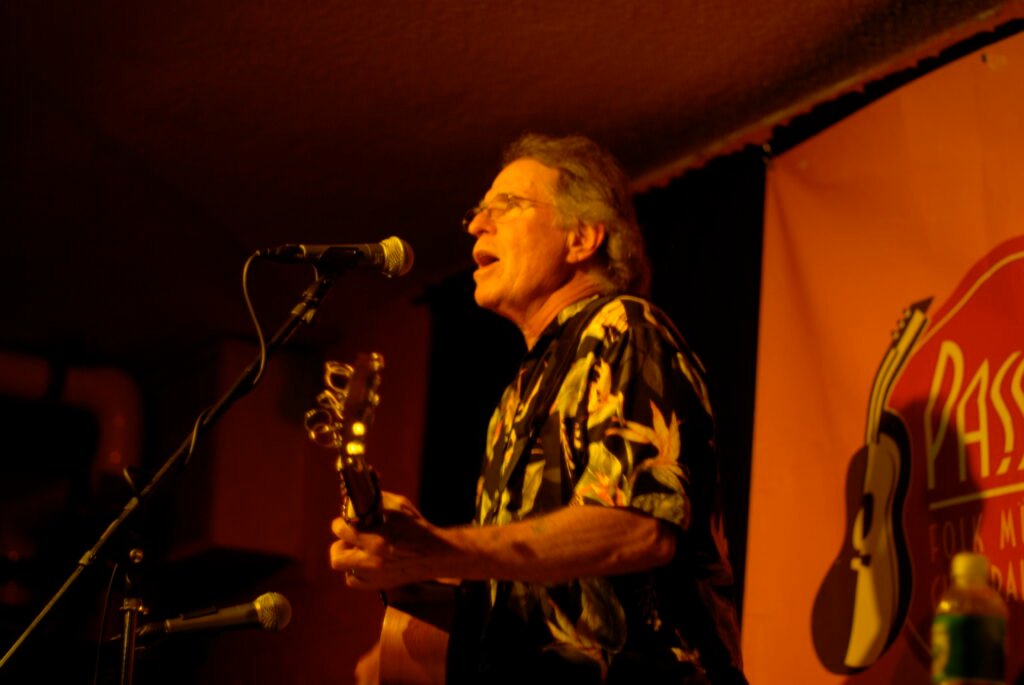
1. The Song That Defined a Generation’s Anger
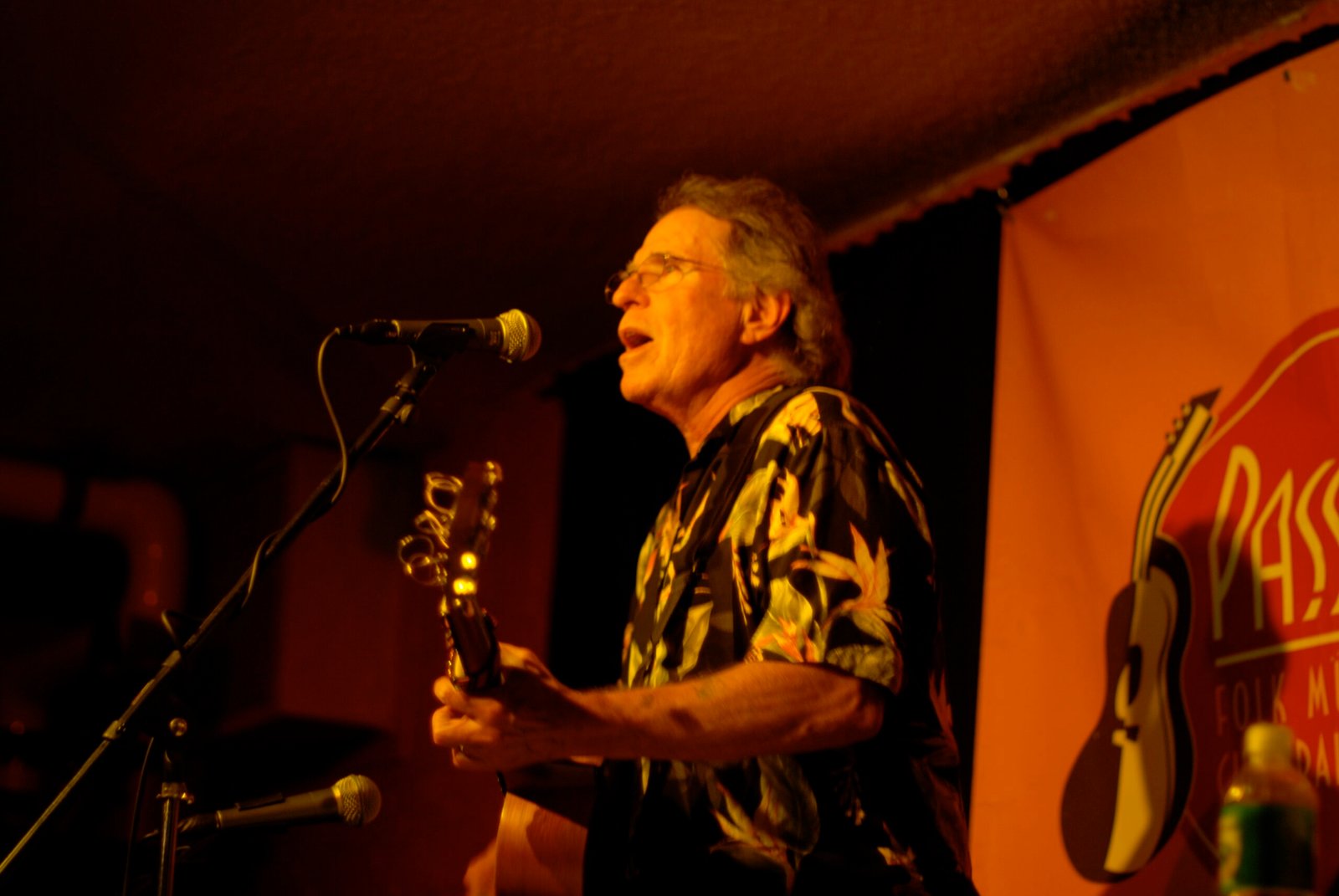
When Country Joe McDonald performed “I-Feel-Like-I’m-Fixin’-to-Die Rag,” it captured a level of frustration that had been building throughout the late ’60s. The song had already been circulating before Woodstock, but the festival gave it a massive audience. Its blunt lyrics about the Vietnam War made it stand out immediately. This was not a subtle protest song, and that was part of its power. It used humor and irony to make a serious point about the cost of war. Listeners didn’t just hear it, they reacted to it in real time. It became one of the defining musical moments tied to anti-war sentiment. Even decades later, it remains closely associated with that cultural shift.
The performance resonated because it felt spontaneous and unfiltered. People at Woodstock were already uneasy about the war, and the song gave that feeling a voice. It didn’t try to soften the message or make it more palatable. Instead, it leaned into the discomfort. That directness helped it stick in people’s memories. Many attendees later recalled it as one of the most unforgettable moments of the weekend. It wasn’t just entertainment, it was commentary. That distinction mattered in a time when music and politics were deeply intertwined.
2. The Famous “Fish Cheer” That Got Everyone Involved
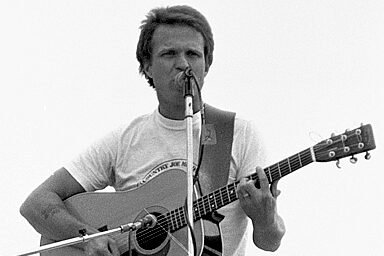
Before launching into the song, McDonald led the crowd through what became known as the “Fish Cheer.” It started with a simple call-and-response, asking the audience to spell out a word. Instead of something harmless, he guided them into spelling out an expletive. The crowd responded loudly, fully embracing the moment. It was shocking, funny, and oddly unifying all at once. This brief exchange set the tone before the music even began. It broke down any remaining distance between performer and audience.
That moment became one of the most talked-about parts of Woodstock. It captured the rebellious spirit of the festival in a way few other moments did. People weren’t just watching a performance, they were participating in it. The cheer also made the transition into the song feel seamless. It was as if the crowd had already committed to the message before the first chord. That sense of shared energy helped amplify everything that followed. It turned a performance into a collective experience.
3. A Solo Performance That Wasn’t Originally Planned

Country Joe McDonald did not originally intend to perform solo at Woodstock. He was part of a band, Country Joe and the Fish, who were also scheduled to play. However, due to delays and scheduling confusion, he ended up going onstage alone. This unexpected shift changed the tone of the performance entirely. Without a full band, the focus stayed on his voice and lyrics. It made the message feel even more direct.
The stripped-down setup added a sense of urgency. There was nothing to distract from what he was saying. It also gave the performance a raw, almost improvised feel. That authenticity resonated with the audience. Sometimes limitations can sharpen a moment, and that seems to have happened here. The lack of polish worked in his favor. It made everything feel immediate and real.
4. The Vietnam War as the Central Target
“I-Feel-Like-I’m-Fixin’-to-Die Rag” was explicitly about the Vietnam War. Unlike many protest songs that relied on metaphor, this one named its subject clearly. It criticized the political and economic forces behind the conflict. The lyrics pointed to the idea that young men were being sent to fight for reasons that didn’t benefit them. That perspective was controversial but widely shared among certain groups at the time. The song gave voice to those concerns in a way that was hard to ignore.
The timing of the performance also mattered. By 1969, public opinion about the war was shifting. Protests were becoming more visible, and tensions were high. Hearing those sentiments expressed on such a large stage amplified their impact. It wasn’t just a niche viewpoint anymore. The song reflected a broader cultural conversation. That’s part of why it felt so significant in that moment.
5. Humor as a Weapon in Protest Music

One of the most distinctive things about the song is its use of humor. The upbeat, almost cheerful melody contrasts sharply with the serious subject matter. That contrast makes the message more striking. It invites listeners in before confronting them with something uncomfortable. This approach made the song more accessible without diluting its point. People could laugh and think at the same time.
Humor also made the critique feel sharper rather than softer. By exaggerating certain ideas, the song exposed what McDonald saw as the absurdity of the situation. It was a deliberate choice that paid off. The audience responded not just with applause but with recognition. They understood what he was doing. That balance between levity and seriousness helped the song endure. It’s still studied as an example of how protest music can operate on multiple levels.
6. The Crowd’s Reaction Was Immediate and Loud
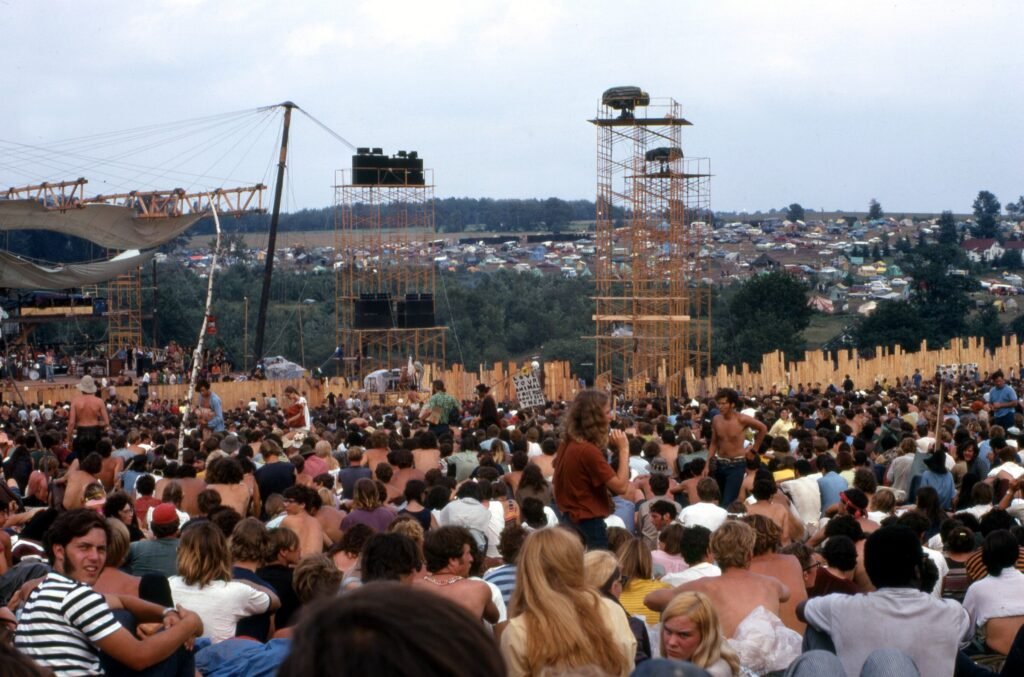
Woodstock crowds were known for their energy, but this performance triggered a particularly strong response. As soon as McDonald started, people leaned in. The “Fish Cheer” had already primed them, and they were ready to engage. You can hear the crowd reacting throughout the performance in recordings. There’s a sense of momentum building as the song continues. It’s not passive listening.
That reaction contributed to the performance’s legacy. A protest song can exist on a record, but seeing how people respond to it live adds another layer. At Woodstock, the audience essentially validated the message in real time. Their participation made it feel like a shared statement. It wasn’t just one person speaking out. It was thousands of people echoing that sentiment together. That collective energy is part of why the moment still stands out.
7. A Song That Existed Before Woodstock but Was Defined by It
“I-Feel-Like-I’m-Fixin’-to-Die Rag” was first released in 1965, years before Woodstock. It had already been part of the protest music scene. However, its performance at Woodstock gave it a new level of visibility. Suddenly, it wasn’t just a song people knew, it was a moment people remembered. The festival acted as a kind of amplifier. It brought the song to a wider audience.
That shift shows how context can change a piece of music. The same song can mean different things depending on where and how it’s performed. At Woodstock, it became tied to a specific historical moment. People who were there carried that memory forward. Those who weren’t saw it through film and recordings. Either way, the association stuck. The song and the festival became linked in a lasting way.
8. The Role of the Woodstock Film
The Woodstock documentary helped cement the performance’s place in history. When the film was released in 1970, it introduced the moment to people who hadn’t attended the festival. McDonald’s performance was included and quickly became one of the standout scenes. Seeing the crowd react added context that audio alone couldn’t provide. It showed just how engaged people were.
The film extended the life of the performance beyond the event itself. It allowed new audiences to experience it years later. That kind of exposure matters for cultural memory. Without it, the moment might have faded more quickly. Instead, it became part of a larger narrative about the ’60s. The film turned a live performance into a widely shared reference point. That helped ensure its lasting influence.
9. Country Joe McDonald’s Background in Activism
Before Woodstock, McDonald was already involved in political activism. He had been part of the counterculture scene in San Francisco. His music often reflected his views on social and political issues. This wasn’t a case of an artist suddenly turning to protest. It was consistent with what he had been doing for years. That background gave the performance added credibility.
Listeners could tell that the message came from a genuine place. It wasn’t just a performance choice, it was a reflection of his beliefs. That authenticity mattered, especially in a time when audiences were skeptical of anything that felt manufactured. McDonald’s history informed how people received the song. It made the message feel more grounded. That connection between artist and message is part of what made the moment so effective.
10. The Contrast With Other Woodstock Performances
Woodstock featured a wide range of artists, from folk to rock to experimental acts. Many performances were memorable, but not all were explicitly political. McDonald’s set stood out because it directly addressed a pressing issue. While others focused on music itself, he brought a clear message to the stage. That contrast made his performance more noticeable.
It also highlighted the diversity of the festival. Woodstock wasn’t just about one kind of expression. It included both escapism and confrontation. McDonald’s performance leaned firmly into the latter. That balance is part of what defined the event. It showed that music could serve multiple purposes at once. His set became one of the clearest examples of that dynamic.
11. The Song’s Structure Made It Easy to Remember
“I-Feel-Like-I’m-Fixin’-to-Die Rag” has a simple, repetitive structure. That simplicity made it easy for audiences to follow along. Even people hearing it for the first time could quickly grasp the rhythm and message. The chorus in particular sticks with listeners. It’s catchy in a way that contrasts with its serious subject.
That accessibility helped the song spread beyond the performance. People could remember it and repeat it. It didn’t require deep musical knowledge to appreciate. That kind of structure is often key in protest songs. It allows the message to travel more easily. In this case, it helped the song become part of the broader cultural conversation. Its simplicity was part of its strength.
12. Its Place in Anti-War Music History
The song is often grouped with other anti-war tracks from the era. It stands alongside works by artists who were also responding to the Vietnam War. What sets it apart is its tone and delivery. While some songs were somber, this one used a more ironic approach. That gave it a distinct voice within the movement.
Over time, it has remained a reference point in discussions about protest music. Scholars and critics often cite it as an example of how music can engage with political issues. Its Woodstock performance is usually part of that discussion. The combination of timing, audience, and message created something lasting. It wasn’t just one more song in a crowded field. It became a defining example.
13. Why the Performance Still Gets Talked About
Decades later, people still bring up Country Joe McDonald’s Woodstock appearance. Part of that comes down to how clearly it captured the mood of the time. It wasn’t vague or abstract. It addressed a specific issue in a direct way. That clarity helps it hold up over time. People can still understand what it was trying to say.
It also benefits from being tied to a larger cultural moment. Woodstock itself has become symbolic of an entire era. Being part of that story keeps the performance relevant. New generations continue to discover it through recordings and documentaries. Each time, it offers a snapshot of a particular moment in history. That combination of specificity and symbolism is why it endures.