1. Jimi Hendrix
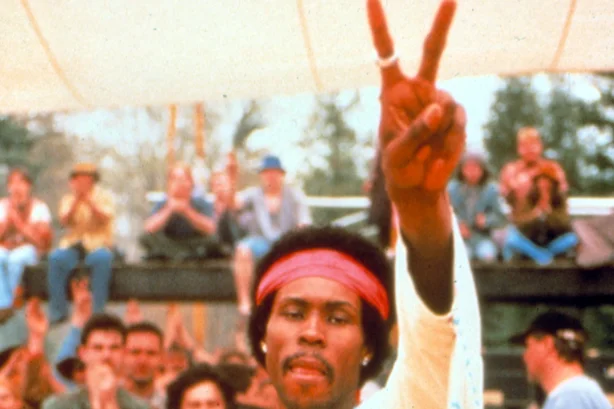
By the time Jimi Hendrix took the stage on the morning of August 18, 1969, the crowd had thinned dramatically, but what remained witnessed something unforgettable. Hendrix closed Woodstock with a set that blurred the line between performance and political statement. His rendition of “The Star-Spangled Banner” became the defining moment, using feedback and distortion to echo the chaos of the era. It was not just a guitar solo, it felt like a commentary on Vietnam and America itself. Hendrix had already been a star, but this solidified his legend.
What makes the performance so enduring is how raw and unfiltered it feels. There was no spectacle, just Hendrix, his guitar, and a field of exhausted fans still willing to listen. Even decades later, that version of the anthem is still referenced as one of the most powerful live performances ever captured. It turned Woodstock into more than just a music festival, it became a cultural moment. Few closing sets have ever carried that kind of weight.
2. Santana
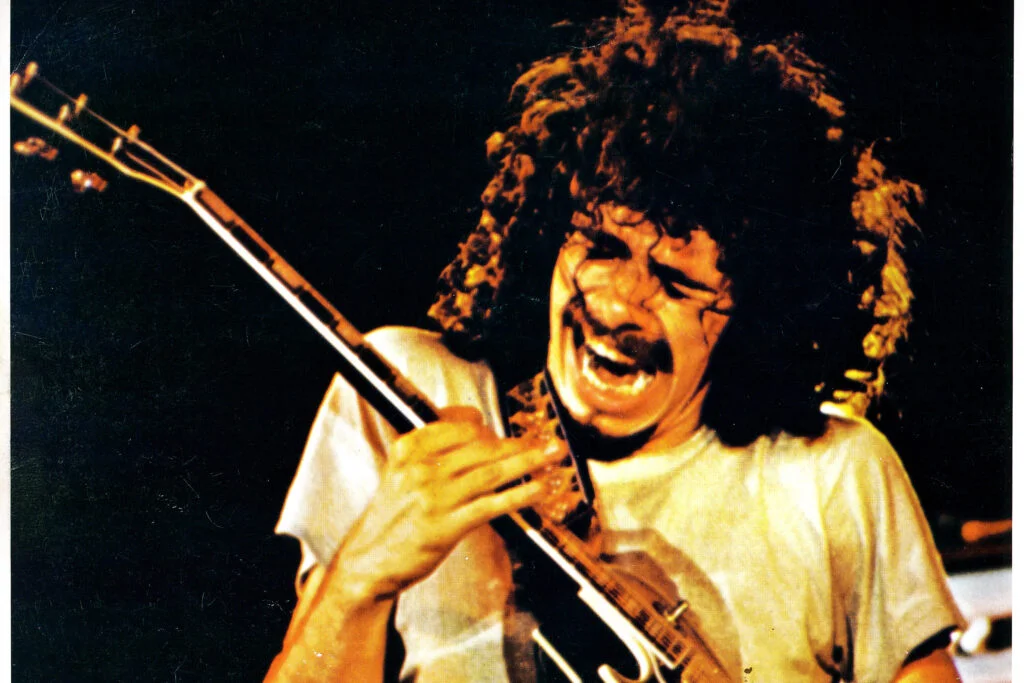
Santana’s afternoon set on August 16 introduced a relatively unknown band to a massive audience. At the time, their debut album had not even been released yet, but that quickly changed after Woodstock. Their performance of “Soul Sacrifice” became the standout, driven by Michael Shrieve’s intense drum solo. The blend of Latin rhythms, rock, and improvisation felt completely fresh. It was the kind of set that made people stop and pay attention.
Carlos Santana later admitted he was under the influence of mescaline during the performance, which adds another layer to the intensity people saw on stage. Whether or not the audience knew that, they could feel something different happening. The energy was almost hypnotic, and it translated even through the muddy chaos of the weekend. By the time the festival ended, Santana had gone from unknown to essential. It remains one of the clearest examples of Woodstock launching a career overnight.
3. The Who
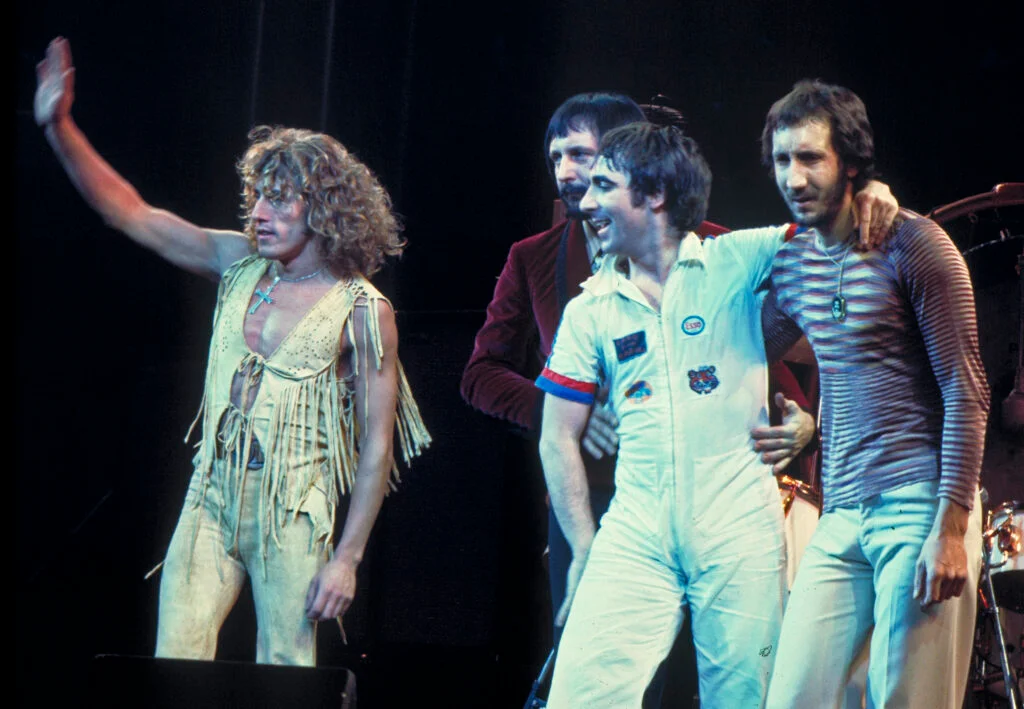
The Who took the stage in the early hours of August 17 and delivered one of the tightest, most explosive sets of the weekend. They performed much of their rock opera Tommy, which was still relatively new at the time. Pete Townshend’s windmill guitar moves and Roger Daltrey’s powerful vocals cut through the long night. Despite the late hour and the festival’s growing disorganization, the band played with sharp precision. It felt like a full-scale concert dropped into the middle of chaos.
There was also a famous interruption when activist Abbie Hoffman rushed the stage during “Pinball Wizard” to protest the imprisonment of John Sinclair. Townshend quickly pushed him off, keeping the performance moving without losing momentum. That moment only added to the unpredictability of Woodstock. The Who’s set showed what a seasoned touring band could do even under difficult conditions. It still stands as one of the most disciplined and electric performances of the event.
4. Janis Joplin
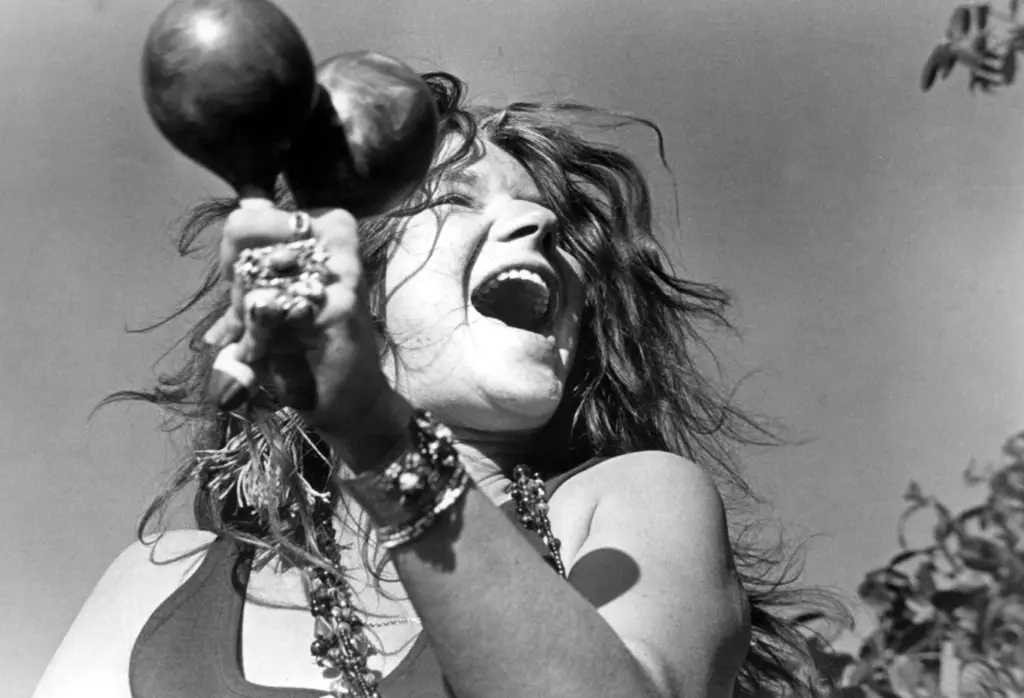
Janis Joplin performed late on August 16 with the Kozmic Blues Band, bringing a gritty, emotional energy to the stage. Her voice carried across the field in a way that felt both powerful and vulnerable. Songs like “Piece of My Heart” and “Ball and Chain” hit especially hard in the early morning hours. Joplin had already built a reputation, but Woodstock added another layer to her myth. It was not a polished set, but that was part of the appeal.
There were reports that she had been drinking before going on, and she later admitted she felt the performance was not her best. Still, what the audience saw was something deeply human and unfiltered. That rawness connected with people in a way a perfect performance might not have. Watching her command that stage, even imperfectly, reinforced her status as one of rock’s most compelling voices. It remains one of the most talked-about female performances of the festival.
5. Sly and the Family Stone
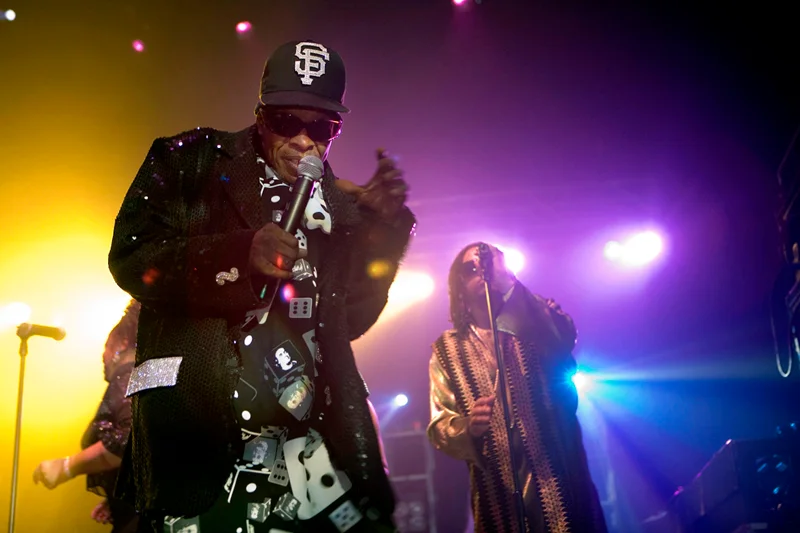
Sly and the Family Stone took the stage in the early morning hours of August 17 and completely transformed the atmosphere. Their set felt like a communal celebration, blending funk, soul, and rock into something irresistible. Songs like “Dance to the Music” and “I Want to Take You Higher” turned the muddy crowd into an active part of the show. Sly Stone’s charisma was undeniable, and he knew exactly how to work the audience. It felt less like a concert and more like a shared experience.
What made the performance so memorable was its timing. By that point, many attendees were exhausted, but the band somehow reignited the energy. The call-and-response moments created a sense of unity that defined Woodstock at its best. It was one of the few sets where the crowd’s participation became just as important as the music itself. Even today, it is often cited as one of the most joyful performances of the entire weekend.
6. Joe Cocker
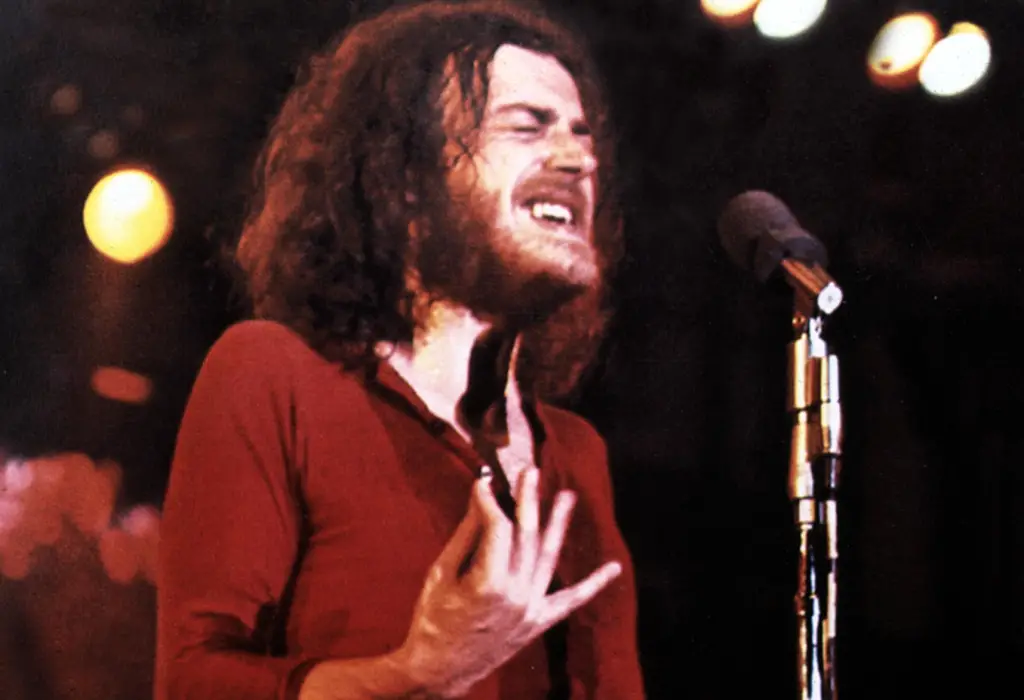
Joe Cocker’s performance on August 17 became iconic largely because of his rendition of “With a Little Help from My Friends.” His raspy voice and intense physical delivery made the Beatles cover feel entirely his own. Cocker’s movements on stage were almost as memorable as his singing, with his arms flailing in rhythm. The performance built slowly before reaching a powerful emotional peak. It was one of those moments where everything seemed to click.
Almost immediately after his set, a massive rainstorm hit the festival, forcing a pause in the music. That timing gave his performance an almost cinematic quality, as if it marked the end of one chapter of the weekend. The image of Cocker singing just before the storm has become part of Woodstock’s mythology. It showcased how a reinterpretation of a familiar song could become something entirely new. His version remains one of the defining covers in rock history.
7. Crosby, Stills, Nash & Young
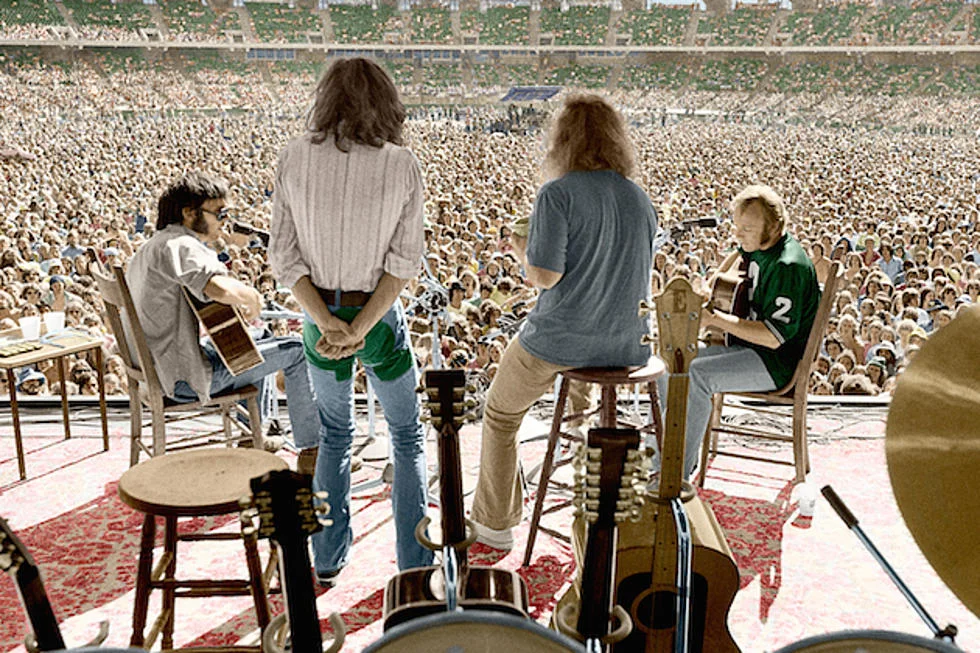
Crosby, Stills, Nash & Young played only their second live show ever at Woodstock, which adds context to how impressive it was. The group openly admitted to the crowd that they were nervous, which made the performance feel more intimate. Their acoustic set included songs like “Suite: Judy Blue Eyes,” highlighting their harmonies. Later, they brought out electric instruments and expanded the sound. It was a careful balance between vulnerability and confidence.
Neil Young notably avoided being filmed during the set, which is why he is largely absent from the official footage. Even so, the performance remains one of the most beloved among fans. The mix of acoustic and electric segments showed their range in a way few other acts attempted. It felt less like a spectacle and more like a conversation with the audience. That honesty helped define their identity moving forward.
8. Richie Havens
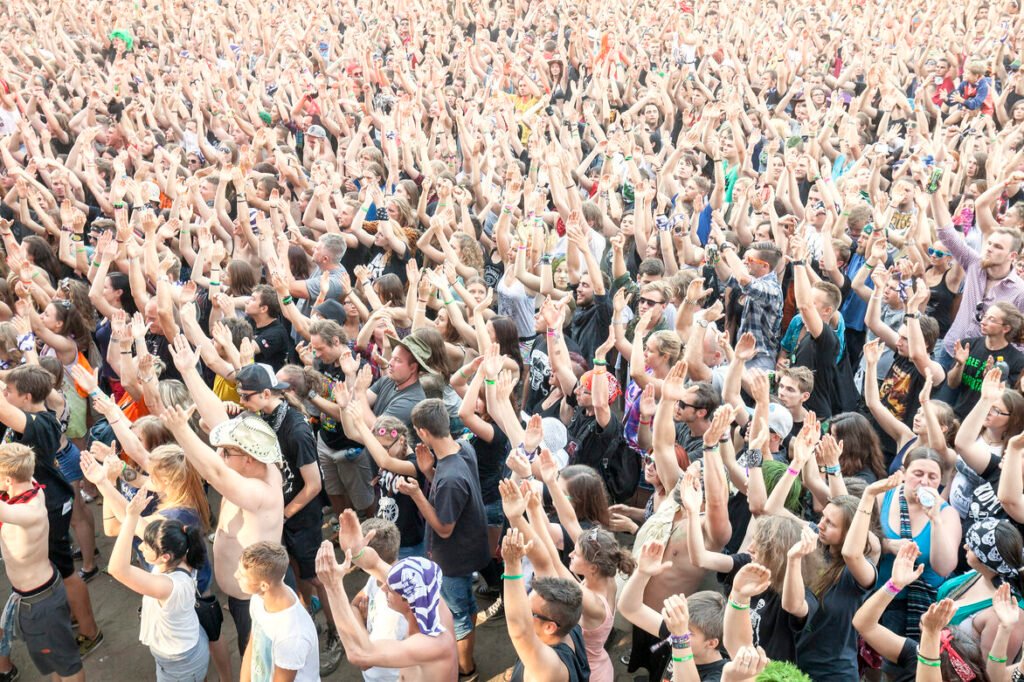
Richie Havens had the difficult task of opening Woodstock on August 15 after delays pushed back the schedule. He ended up playing much longer than planned because other acts had not yet arrived. To fill time, he began improvising, which led to the creation of “Freedom.” That spontaneous moment became one of the most iconic performances of the festival. Havens’ rhythmic guitar style and intense delivery set the tone for the entire weekend.
What stands out is how unplanned it all was. “Freedom” was not originally written as a full song, but it became one in front of the crowd. The audience responded immediately, creating a powerful shared moment right at the start. Havens essentially helped define the emotional atmosphere of Woodstock before anyone else had a chance. His set proved that sometimes the most memorable performances come from necessity.
9. Jefferson Airplane
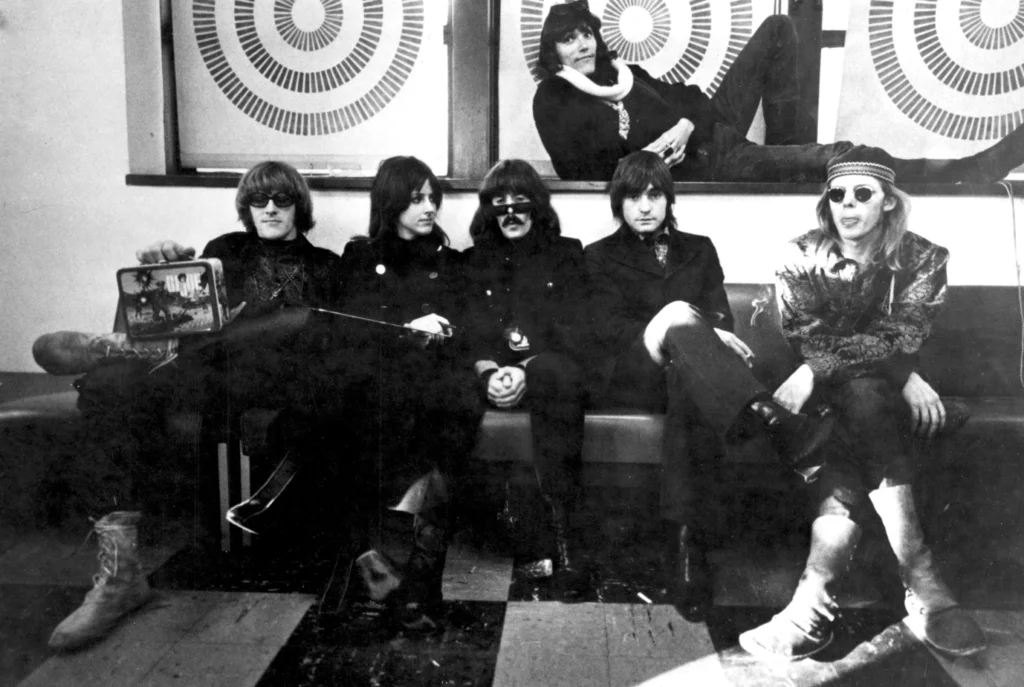
Jefferson Airplane took the stage at sunrise on August 17, closing out a long night of music. Grace Slick famously greeted the crowd with “Good morning, people. You’ve seen the heavy groups, now you will see morning maniac music.” That line captured the surreal feeling of the moment. Their performance included songs like “White Rabbit” and “Somebody to Love.” The band leaned into the psychedelic atmosphere surrounding the festival.
The timing of their set gave it a dreamlike quality, as the sun rose over a tired but engaged audience. Slick’s vocals cut through the haze, anchoring the performance. It felt like a bridge between night and day, both literally and musically. Jefferson Airplane managed to keep the energy alive when it could have easily faded. Their set remains one of the most visually and emotionally distinctive of the weekend.
10. Ten Years After
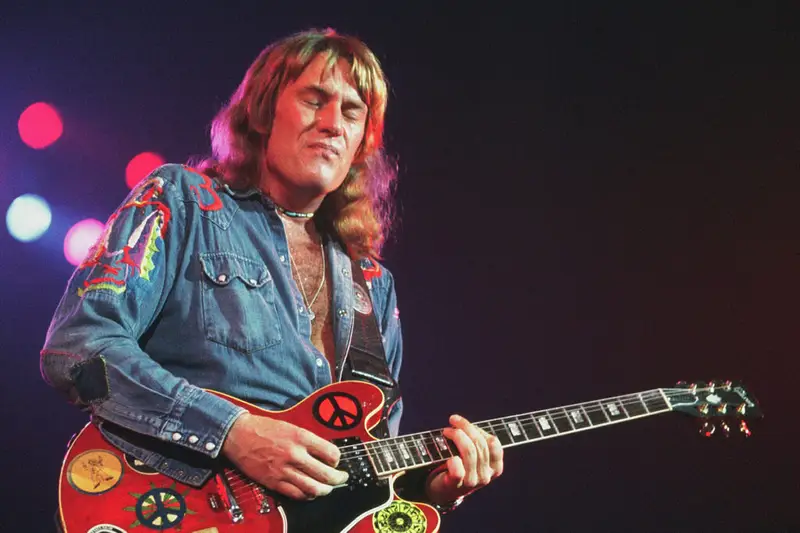
Ten Years After delivered one of the most technically impressive sets at Woodstock. Alvin Lee’s guitar work during “I’m Going Home” became the centerpiece of their performance. His speed and precision stood out even among a lineup filled with strong musicians. The band’s blend of blues and rock gave their set a driving momentum. It was a reminder of how powerful live instrumentation could be.
The performance gained even more recognition after being featured prominently in the Woodstock documentary film. That exposure helped cement their reputation internationally. Lee’s playing in particular became a reference point for aspiring guitarists. The set may not have had the same cultural symbolism as others, but musically, it was hard to match. It remains one of the most celebrated guitar performances of the festival.
11. Arlo Guthrie
Arlo Guthrie brought a lighter, more conversational tone to Woodstock during his August 16 set. His storytelling between songs felt natural and unforced, giving the audience a moment to breathe. He performed “Coming into Los Angeles,” which connected with the counterculture audience. Guthrie’s style was less about spectacle and more about connection. That made his set stand out in a different way.
There was also a sense of humor and ease in his performance that contrasted with some of the heavier acts. He reportedly referenced a motorcycle incident earlier in the day, adding to the relaxed, almost rambling feel. The audience responded well to that authenticity. Guthrie’s set showed that Woodstock was not just about high-energy rock. It also made space for quieter, more reflective voices.
12. Joan Baez
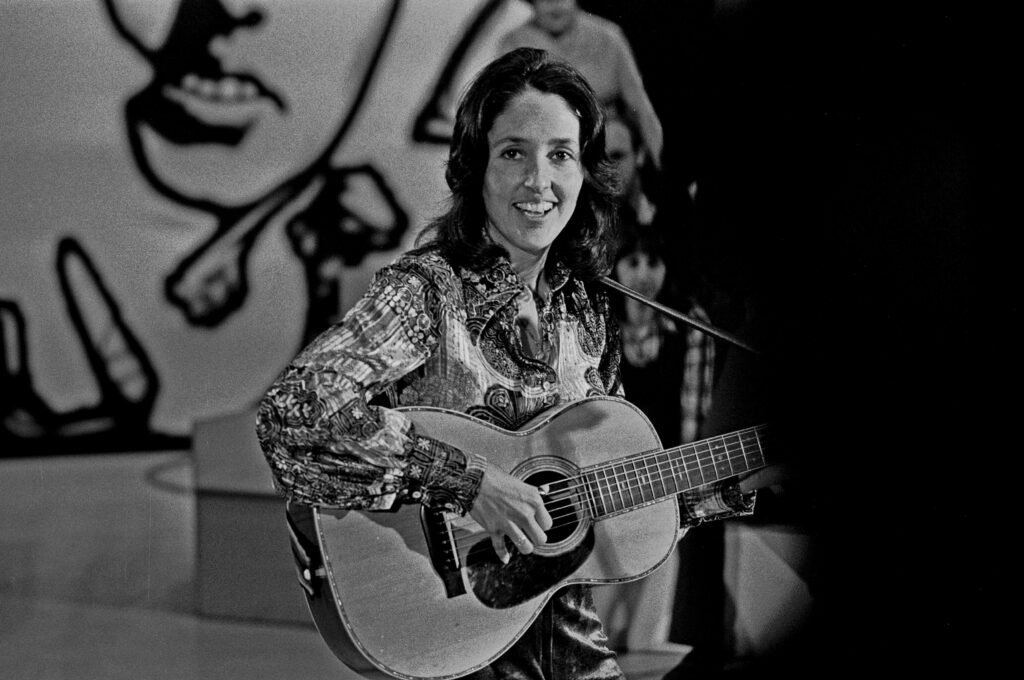
Joan Baez performed late on August 15 while six months pregnant, which adds an important layer to her appearance. Her set leaned heavily on folk and protest songs, including material connected to the anti-war movement. Baez also spoke about her husband, David Harris, who had been imprisoned for draft resistance. That gave the performance a deeply personal tone. It was not just music, it was a statement.
Her voice carried clearly through the night, even without elaborate backing. The simplicity of the performance made it feel grounded amid the chaos of the festival. Baez represented a different side of Woodstock, one rooted in activism and tradition. Her presence helped connect the event to the broader political climate of the time. It remains one of the most quietly powerful sets of the weekend.
13. Canned Heat
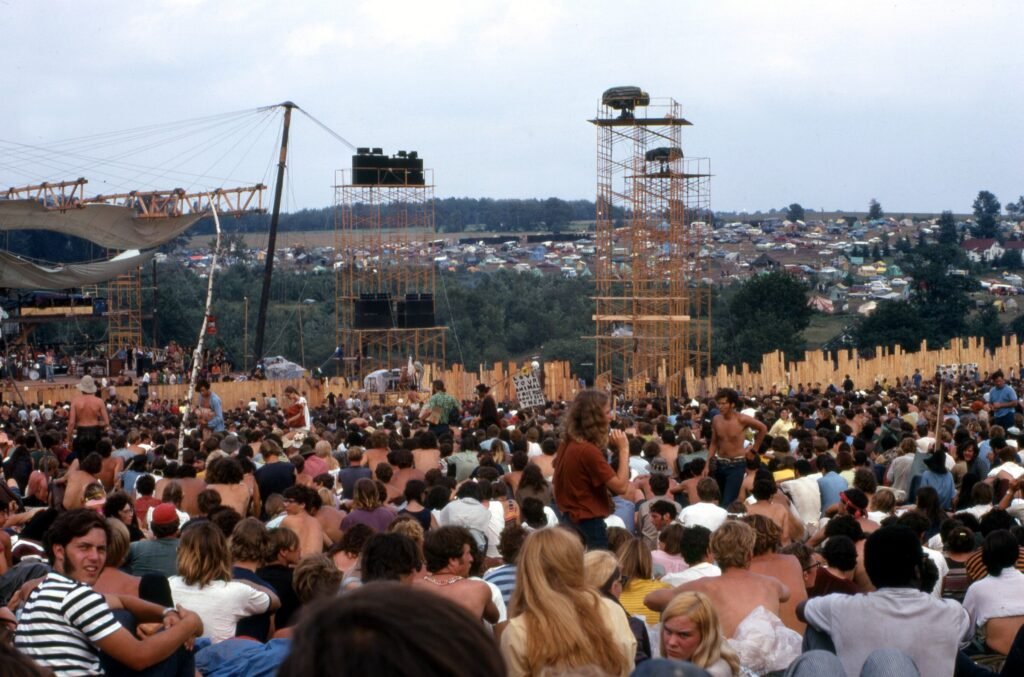
Canned Heat brought a laid-back blues groove to Woodstock that fit perfectly with the atmosphere. Their performance of “Going Up the Country” became closely associated with the festival, especially through the documentary. The song’s upbeat, almost carefree tone contrasted with some of the heavier performances. It felt like a moment of relief for the audience. The band’s relaxed style matched the pace of the weekend.
Despite the casual feel, the musicianship was solid and consistent. They were not trying to dominate the stage, but rather to settle into it. That approach worked well in the festival setting. “Going Up the Country” in particular has remained tied to Woodstock in popular memory. It is often used as shorthand for the festival’s more peaceful side.
14. Creedence Clearwater Revival
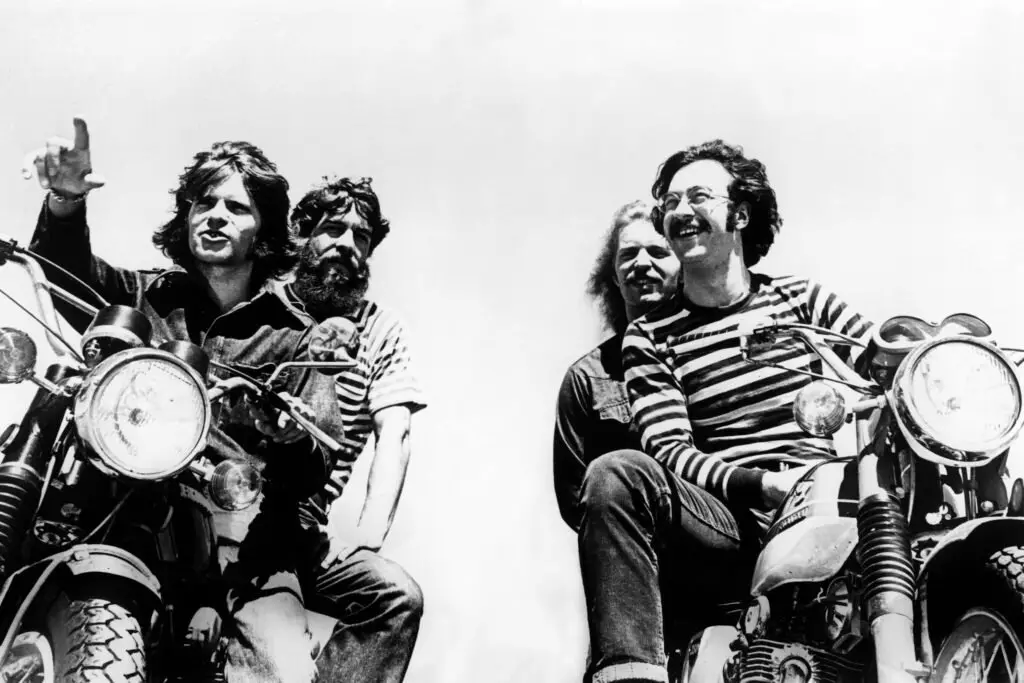
Creedence Clearwater Revival played in the early hours of August 17, following a long delay caused by earlier acts running over time. By then, much of the crowd had fallen asleep, which frustrated the band. John Fogerty later described the experience as playing to a “sleeping audience.” Even so, they delivered a strong set featuring songs like “Bad Moon Rising” and “Proud Mary.” The band’s tight, no-frills style stood out.
Fogerty chose to block the release of their performance in the original Woodstock film, which is one reason it is less remembered than others. That decision contributed to its relative obscurity despite the band’s popularity. Musically, however, the set was solid and professional. It showed how a major act could still perform at a high level under less-than-ideal conditions. Over time, more fans have come to appreciate it as an underrated part of Woodstock’s history.