
1. Rocky (1976)
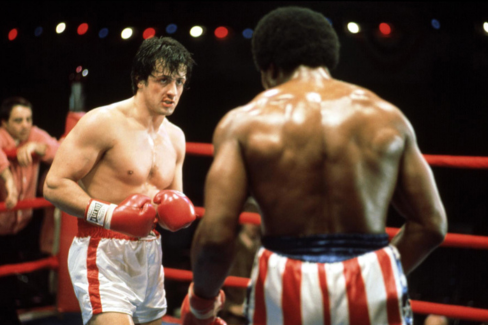
When Rocky premiered in 1976, it introduced audiences to a scrappy underdog who felt a lot like real life. Sylvester Stallone not only starred as Rocky Balboa, he also wrote the screenplay, which became part of Hollywood legend. The film follows a small-time boxer given a once-in-a-lifetime shot at the heavyweight title, and it resonated because it wasn’t really about winning, it was about proving something to yourself. Made on a modest budget, it became a massive box office success and a cultural phenomenon. The now-iconic training montage and the run up the Philadelphia Museum of Art steps are still instantly recognizable.
It went on to win the Academy Award for Best Picture, beating several other major films from that year. Stallone earned nominations for both acting and writing, which was rare at the time. The movie also launched one of the most successful franchises in film history. More than anything, Rocky captured the grit and determination that defined much of ’70s cinema. It felt grounded, emotional, and personal in a way audiences hadn’t seen in a long time.
2. Taxi Driver (1976)
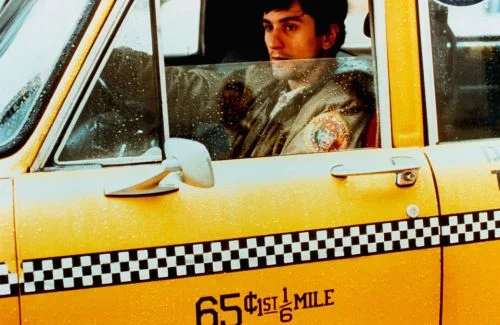
Directed by Martin Scorsese, Taxi Driver remains one of the most unsettling portraits of urban isolation ever put on screen. Robert De Niro plays Travis Bickle, a Vietnam veteran drifting through New York City as a nighttime cab driver. The film captures the gritty, decaying atmosphere of ’70s Manhattan with almost documentary-like realism. Bickle’s slow descent into paranoia and violence made audiences both fascinated and deeply uncomfortable. Lines like “You talkin’ to me?” became instantly iconic.
The movie was controversial upon release but critically acclaimed, winning the Palme d’Or at the Cannes Film Festival. It also earned multiple Oscar nominations, including Best Picture. Jodie Foster’s performance as a young girl caught in Bickle’s orbit added another layer of complexity. Over time, Taxi Driver has been recognized as one of the greatest films ever made. It perfectly reflects the darker, more introspective tone that defined the decade.
3. All the President’s Men (1976)
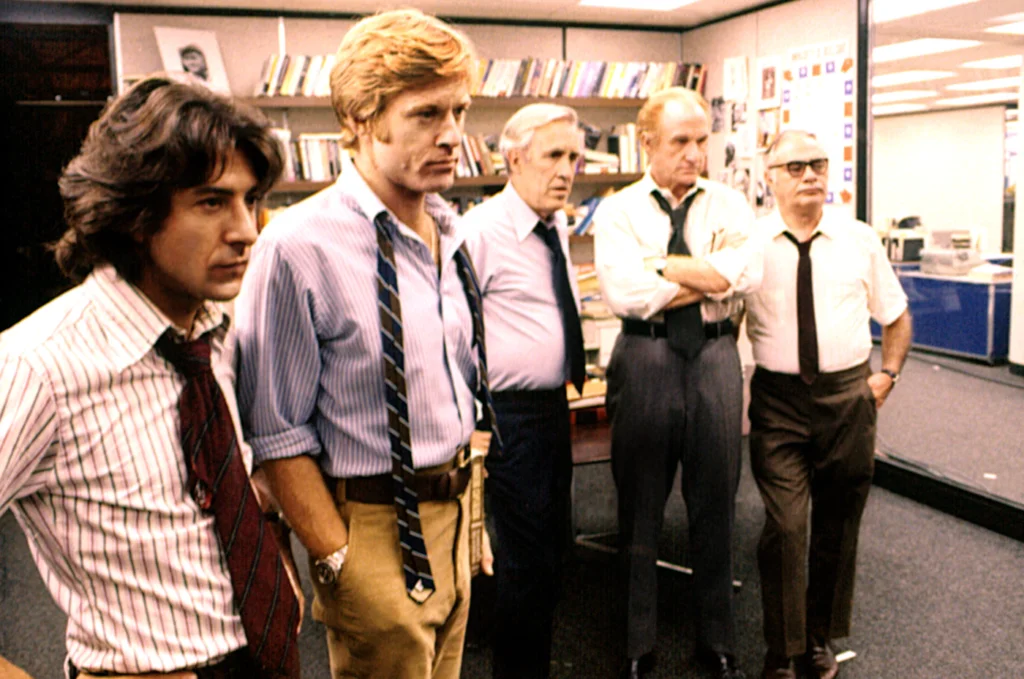
Few films capture real-life political tension quite like All the President’s Men. Starring Robert Redford and Dustin Hoffman, the film follows Washington Post reporters Bob Woodward and Carl Bernstein as they investigate the Watergate scandal. It doesn’t rely on flashy action or dramatics, instead building suspense through conversations, phone calls, and relentless reporting. That approach made it feel incredibly authentic. Audiences were drawn into the process of journalism itself.
The film was released just a few years after the actual events, which made it feel immediate and urgent. It won four Academy Awards, including Best Supporting Actor for Jason Robards. The movie helped solidify the importance of investigative journalism in the public eye. It also reflected a growing distrust of government that defined the ’70s. Even today, it’s still considered the gold standard for newsroom dramas.
4. Network (1976)
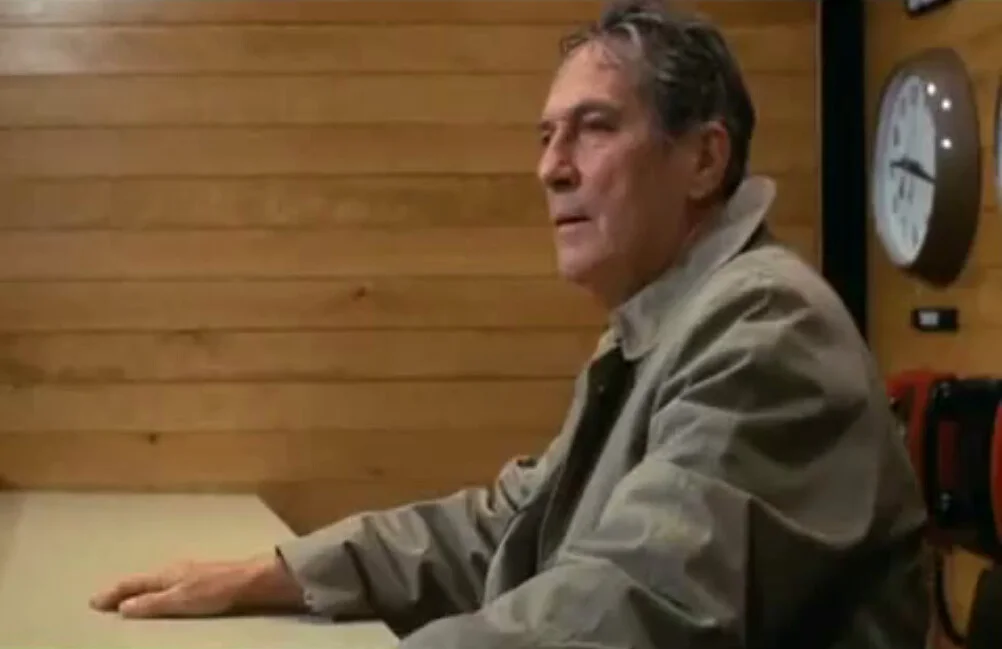
Network is one of those films that somehow feels even more relevant now than it did in 1976. The story centers on a television anchor who begins unraveling on air, leading to soaring ratings. Peter Finch’s performance as Howard Beale, especially his famous “I’m as mad as hell” speech, became instantly iconic. The film is both a satire and a warning about the power of media. It dives into how entertainment and news began to blur together.
The movie won four Academy Awards, including Best Actor for Finch, who was awarded posthumously. Faye Dunaway also won for her role as a ruthless television executive. The screenplay by Paddy Chayefsky is sharp, cynical, and eerily prophetic. It captures the growing commercialization of television during the decade. Looking back, it feels like a blueprint for modern media culture.
5. Carrie (1976)

Based on Stephen King’s first published novel, Carrie brought a new kind of horror to the screen. Directed by Brian De Palma, it tells the story of a shy, bullied teenage girl with telekinetic powers. Sissy Spacek’s performance made Carrie both terrifying and deeply sympathetic. The infamous prom scene remains one of the most shocking moments in horror history. It combined emotional trauma with supernatural horror in a way that felt fresh.
The film was both a commercial and critical success, helping launch King’s career in Hollywood. Piper Laurie also earned acclaim for her intense role as Carrie’s mother. Carrie showed that horror films could be character-driven and emotionally complex. It became a defining entry in the genre. Its influence can still be seen in countless films that followed.
6. The Omen (1976)
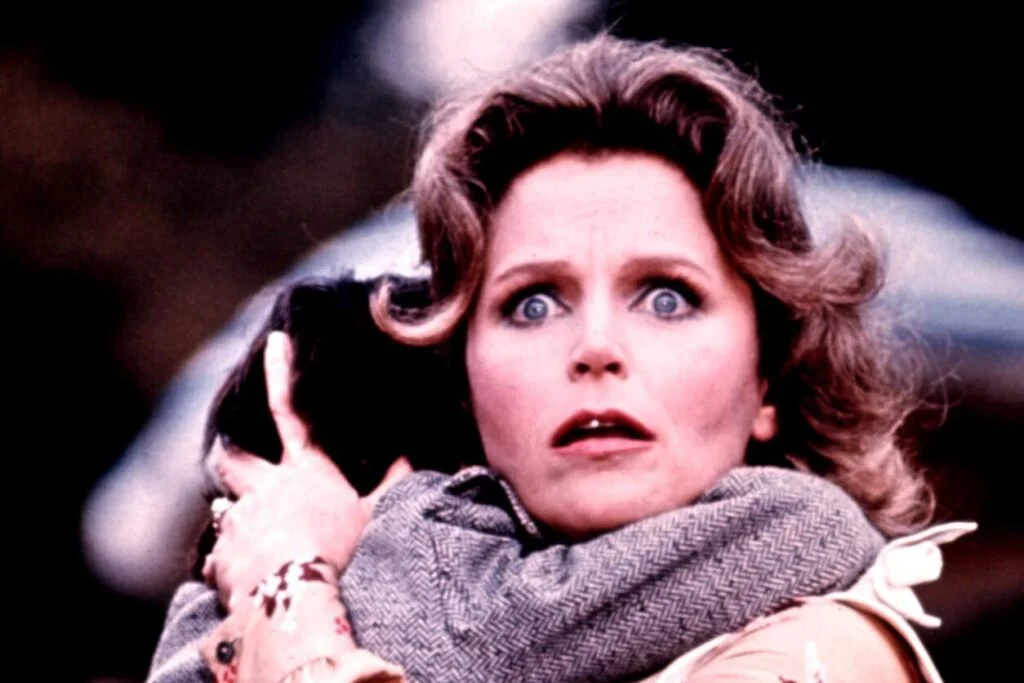
The Omen tapped into a wave of supernatural horror that defined the mid-’70s. The story follows a diplomat who begins to suspect that his adopted son may be the Antichrist. Gregory Peck leads the film with a grounded, serious performance. Rather than relying on jump scares, the film builds dread through atmosphere and inevitability. The score by Jerry Goldsmith added a chilling layer that elevated the entire experience.
The movie was a major box office hit and helped cement the popularity of religious horror. It won an Academy Award for Best Original Score. The film’s shocking death scenes became widely discussed at the time. The Omen fit perfectly into a decade fascinated by darker themes and existential fear. It remains one of the most recognizable horror films of its era.
7. Logan’s Run (1976)
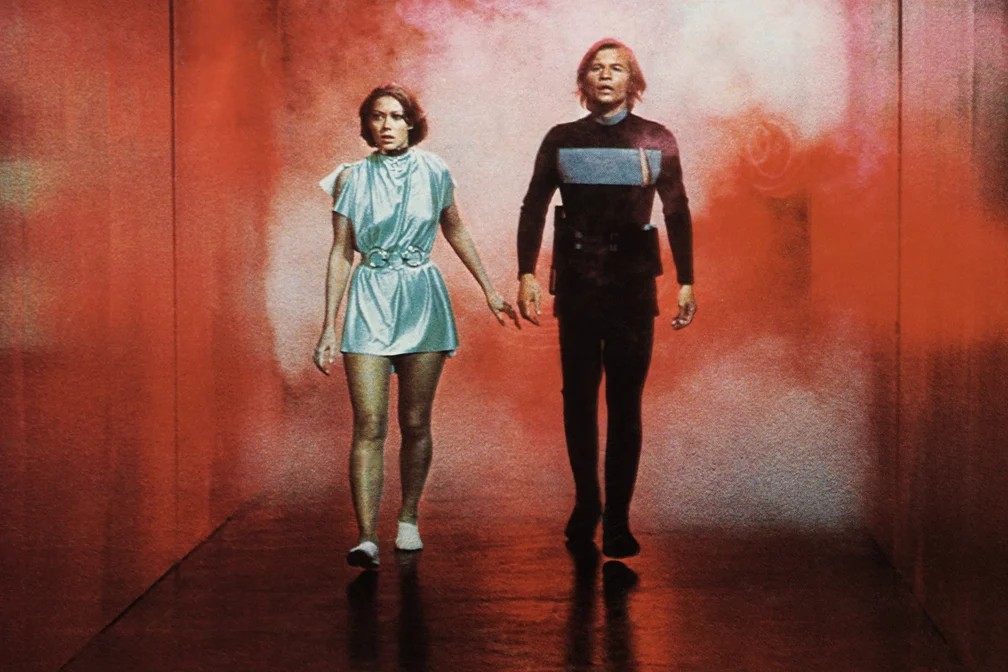
Logan’s Run offered a sleek, futuristic vision that reflected ’70s anxieties about control and aging. Set in a society where people are terminated at age 30, the film follows Logan as he begins to question the system. Michael York leads the film, bringing a mix of curiosity and unease to the role. The visual design, including its domed city and automated systems, felt cutting-edge at the time. It explored themes of youth obsession and societal conformity.
The film was a commercial success and won a special Academy Award for visual effects. It stood out among science fiction films for its philosophical undertones. The idea of a seemingly perfect society hiding something darker resonated strongly with audiences. It later inspired a short-lived television series. Even decades later, it’s still referenced in discussions about dystopian storytelling.
8. The Bad News Bears (1976)
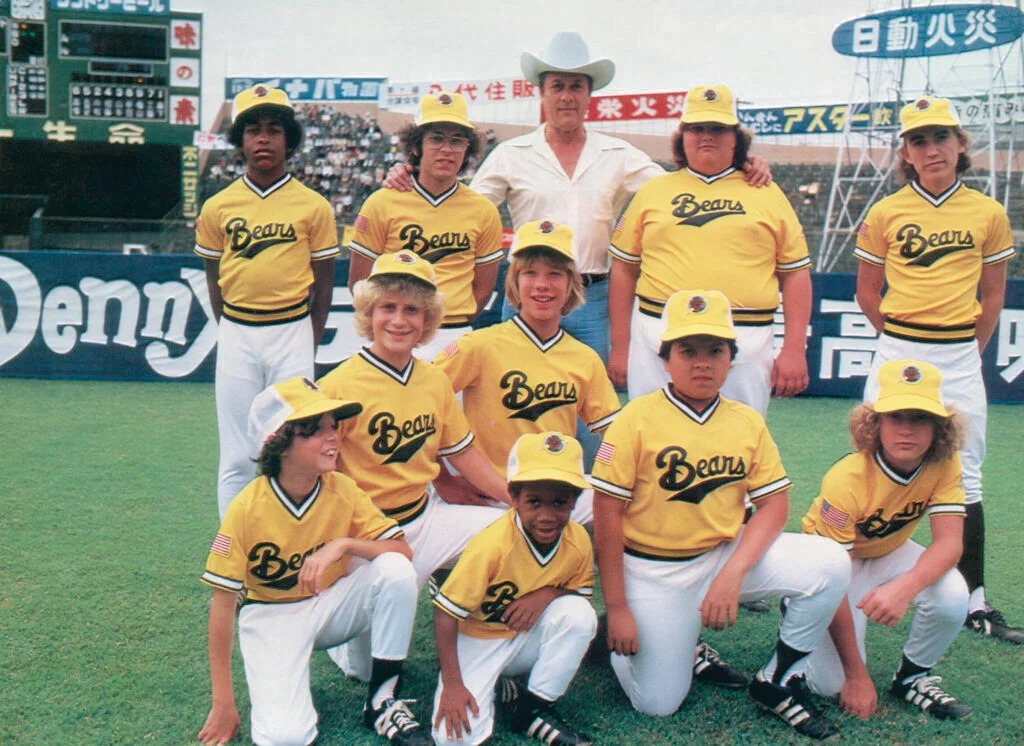
The Bad News Bears brought a completely different tone to sports movies. Starring Walter Matthau as a reluctant Little League coach, the film focused on a team of misfits rather than champions. It was rough around the edges, often crude, and surprisingly honest about youth sports. The kids in the film didn’t feel like polished Hollywood characters. They felt real, flawed, and unpredictable.
The movie was a big hit and sparked multiple sequels. Tatum O’Neal stood out as one of the team’s standout players. The film’s humor and tone would likely be handled very differently today. At the time, though, it felt refreshing and rebellious. It captured a looser, less sanitized approach to storytelling that defined the decade.
9. Marathon Man (1976)
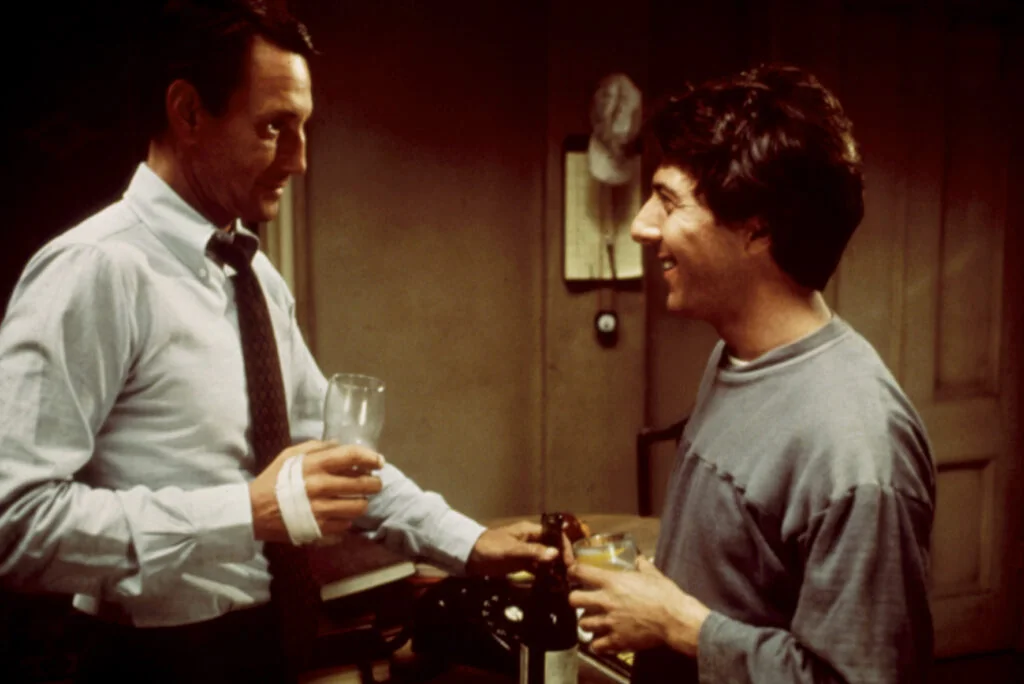
Marathon Man delivered one of the most memorable thriller moments of the decade. Dustin Hoffman stars as a graduate student pulled into a dangerous conspiracy involving a former Nazi. The film blends paranoia, espionage, and psychological tension. Laurence Olivier plays the villain, delivering a chilling performance. The infamous dental torture scene became legendary for its intensity.
The film was both a critical and commercial success. It tapped into post-Watergate paranoia that was common in ’70s cinema. The question “Is it safe?” became instantly recognizable. Director John Schlesinger kept the tension tight and unrelenting. It remains a standout example of the era’s darker thrillers.
10. Assault on Precinct 13 (1976)
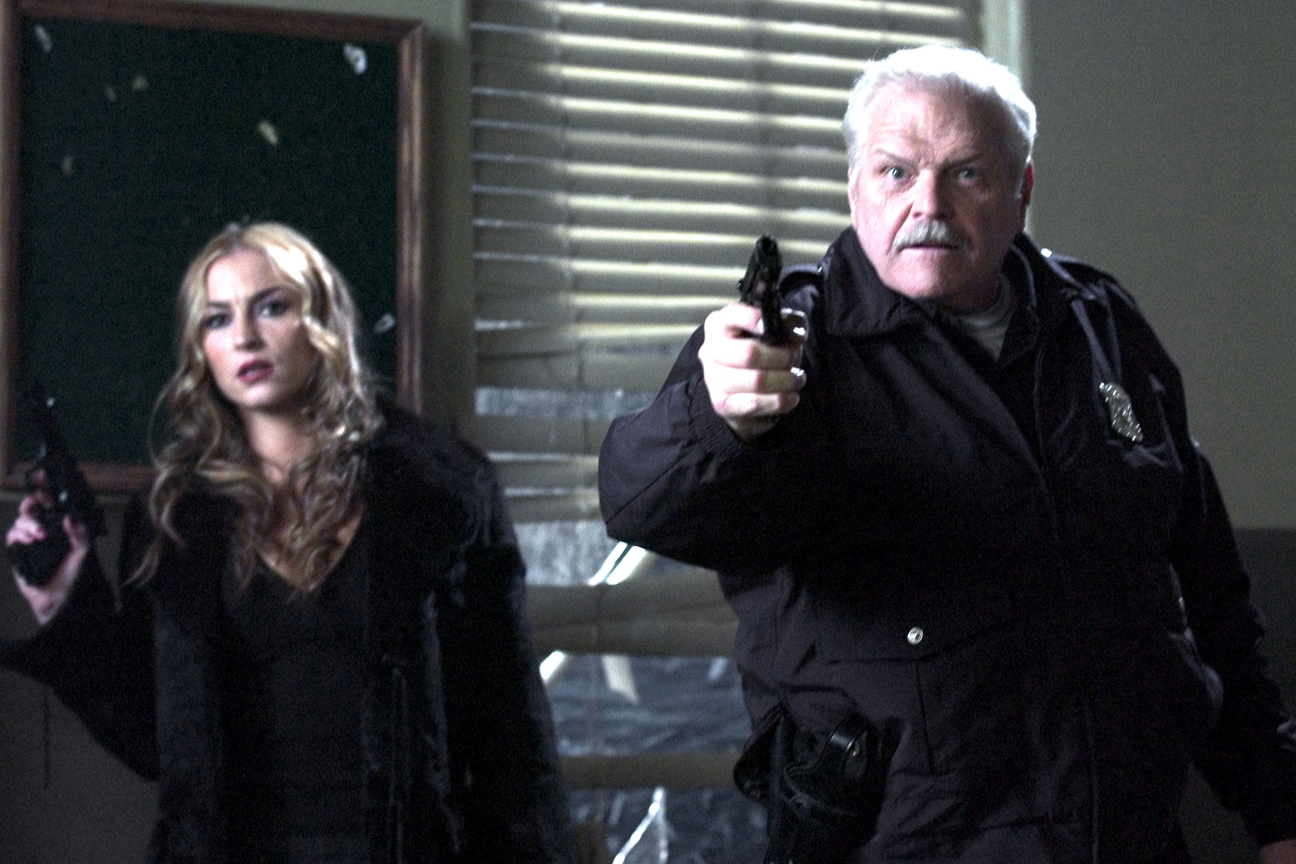
Directed by John Carpenter, Assault on Precinct 13 helped establish Carpenter as a major voice in genre filmmaking. The story follows a nearly abandoned police station under siege by a relentless gang. The film is stripped down, tense, and incredibly efficient. Carpenter’s use of music and pacing creates a constant sense of danger. It feels almost like a modern western set in an urban environment.
While it didn’t initially perform strongly at the box office, it gained a cult following over time. Its minimalist style influenced many filmmakers who came after. The film’s gritty tone fits perfectly with the decade’s aesthetic. It showed how much could be done with a limited budget and a strong vision. Today, it’s considered a classic of independent filmmaking.
11. Silver Streak (1976)
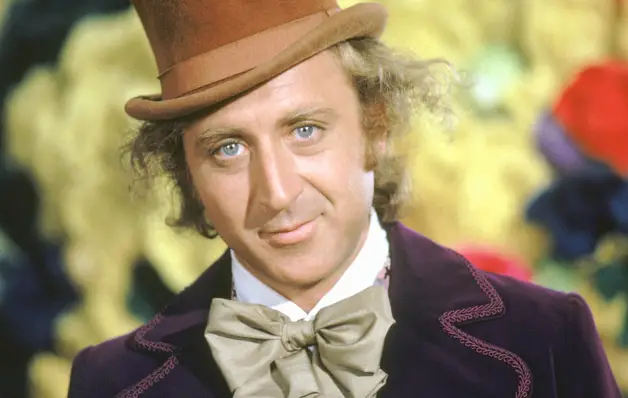
Silver Streak combined comedy, action, and mystery in a way that audiences loved. Starring Gene Wilder and Richard Pryor, the film takes place largely on a cross-country train. Their chemistry became one of the film’s biggest strengths. The story mixes humor with suspense, keeping audiences engaged throughout. It was one of the first times Wilder and Pryor worked together on screen.
The film was a major box office success and led to more collaborations between the two. It balanced genres in a way that felt fresh at the time. The train setting gave it a unique visual identity. It also reflected the growing popularity of buddy comedies. Silver Streak remains a fan favorite for its humor and energy.
12. The Outlaw Josey Wales (1976)
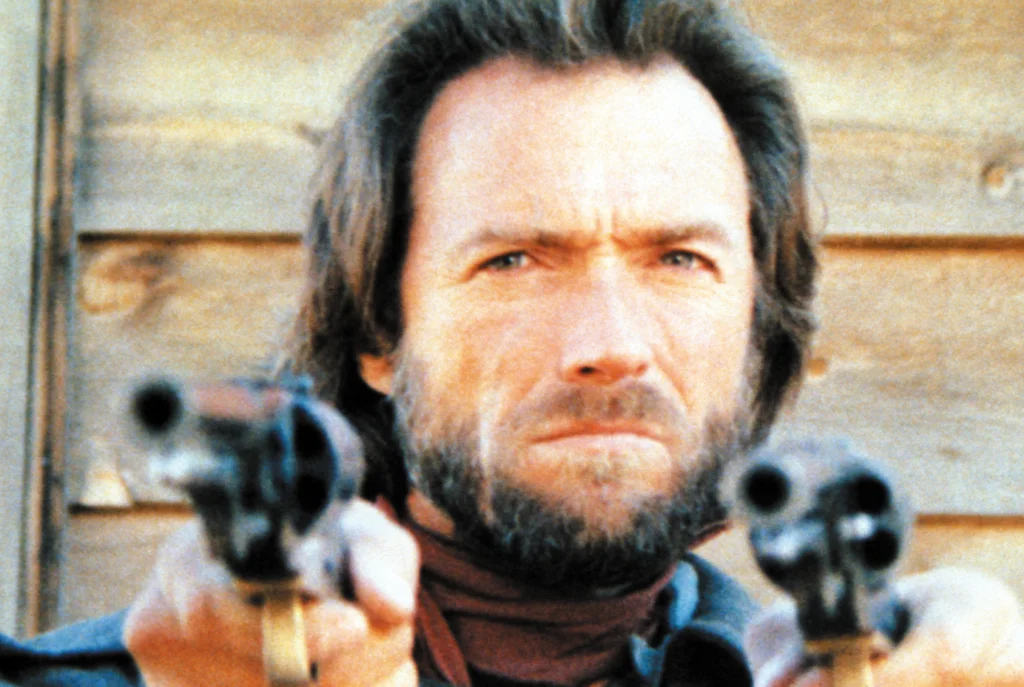
Directed by and starring Clint Eastwood, The Outlaw Josey Wales is one of the most respected westerns of the decade. The film follows a Missouri farmer who becomes an outlaw after the Civil War. It blends action with a more reflective, character-driven story. Eastwood’s portrayal of Wales is both tough and deeply human. The film explores themes of revenge, loss, and redemption.
It received strong critical acclaim and has only grown in reputation over time. The movie stands out for its nuanced portrayal of its characters. It also reflects a shift in westerns toward more complex storytelling. Eastwood’s direction added a personal touch to the film. It remains one of his most celebrated works.
13. King Kong (1976)
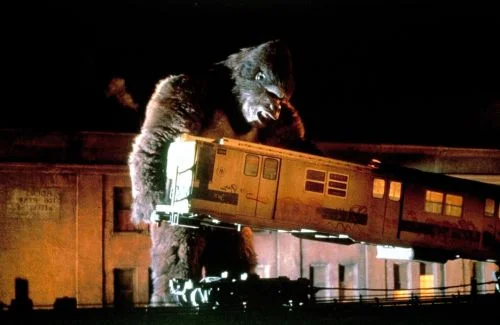
The 1976 remake of King Kong brought the classic story to a new generation. Starring Jeff Bridges and Jessica Lange, the film updated the setting while keeping the core story intact. The use of practical effects, including a massive mechanical Kong, was a major draw. Audiences were impressed by the scale and ambition of the production. It was one of the most expensive films of its time.
The film was a box office success and won an Academy Award for Special Effects. It also helped launch Lange’s acting career. While it received mixed critical reviews, it became a memorable part of ’70s cinema. The remake reflected Hollywood’s growing interest in revisiting classic properties. It remains a notable interpretation of the iconic story.
14. Bound for Glory (1976)
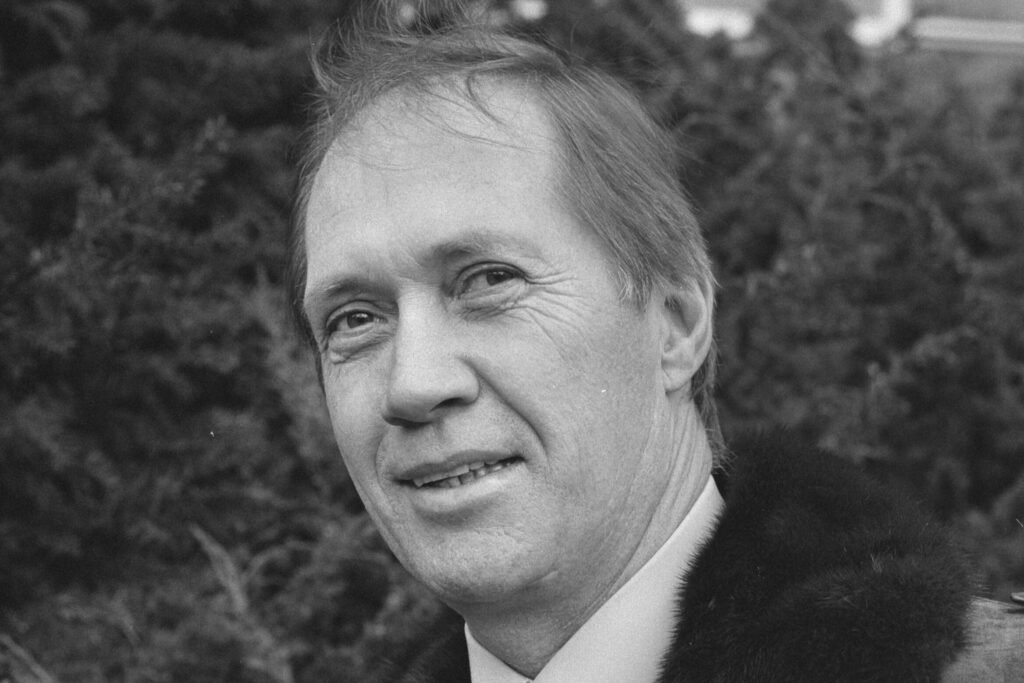
Bound for Glory tells the story of folk singer Woody Guthrie and his journey during the Great Depression. David Carradine stars in the lead role, bringing a quiet intensity to the character. The film is known for its beautiful cinematography, which captures the vast landscapes of America. It takes a slower, more reflective approach than many films of the time. The storytelling feels almost poetic.
The movie won two Academy Awards, including Best Cinematography. It stood out for its visual style and historical focus. While it wasn’t a major box office hit, it earned critical respect. The film reflects the ’70s interest in revisiting American history through a more personal lens. It remains an important biographical drama.
15. The Pink Panther Strikes Again (1976)
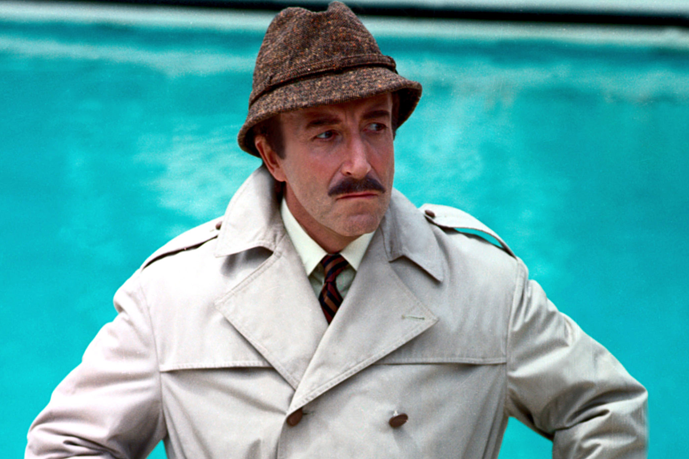
The Pink Panther Strikes Again brought back Peter Sellers as the famously clumsy Inspector Clouseau. By this point, the character was already beloved, and the film leaned fully into the absurd comedy. The plot involves Clouseau facing off against his former boss, who has gone completely unhinged. The humor is exaggerated, physical, and often ridiculous in the best way. Sellers’ performance is what truly carries the film.
It was a commercial success and one of the most popular entries in the series. The film’s over-the-top tone reflected the era’s willingness to embrace sillier comedy. Director Blake Edwards kept the pacing fast and playful. The character of Clouseau remained a cultural icon. Even decades later, the film still holds up for fans of classic comedy.