
1. The “Good Morning, Vietnam!” Radio Broadcast (Good Morning, Vietnam, 1987)
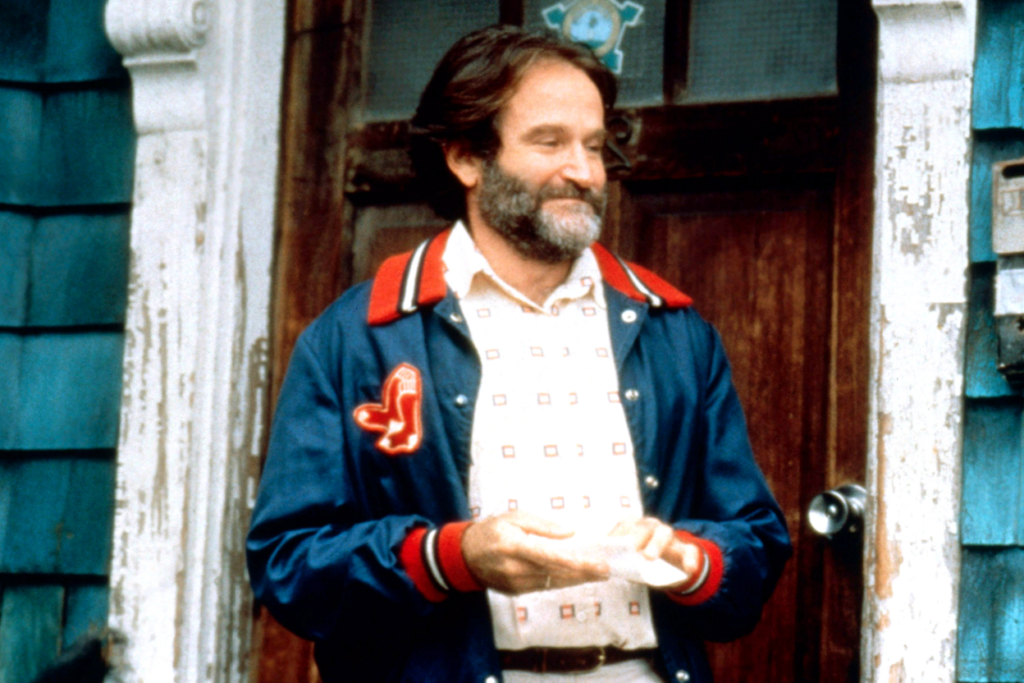
There’s a reason people still quote “Gooooood morning, Vietnam!” like they just heard it yesterday. Williams’ performance as Adrian Cronauer was electric, especially during those rapid-fire radio segments where he seemed to improvise half the script. The way he blended comedy with sharp political satire made those scenes feel alive in a way that scripted dialogue rarely does. You can almost picture the microphones shaking as he riffed through impressions, jokes, and unexpected turns. It wasn’t just funny, it was fearless, and it showed how quickly he could pivot from silly to pointed commentary. Even today, those broadcasts feel like lightning in a bottle.
What really sticks, though, is how those comedic moments were layered with something deeper. Cronauer’s humor became a form of resistance, pushing back against the realities of war in a way that felt both personal and universal. Williams made you laugh, then quietly made you think about why you were laughing in the first place. It’s one of those performances that reminds you just how much range he had. And every time you revisit it, it hits a little differently.
2. The Genie’s Entrance (Aladdin, 1992)
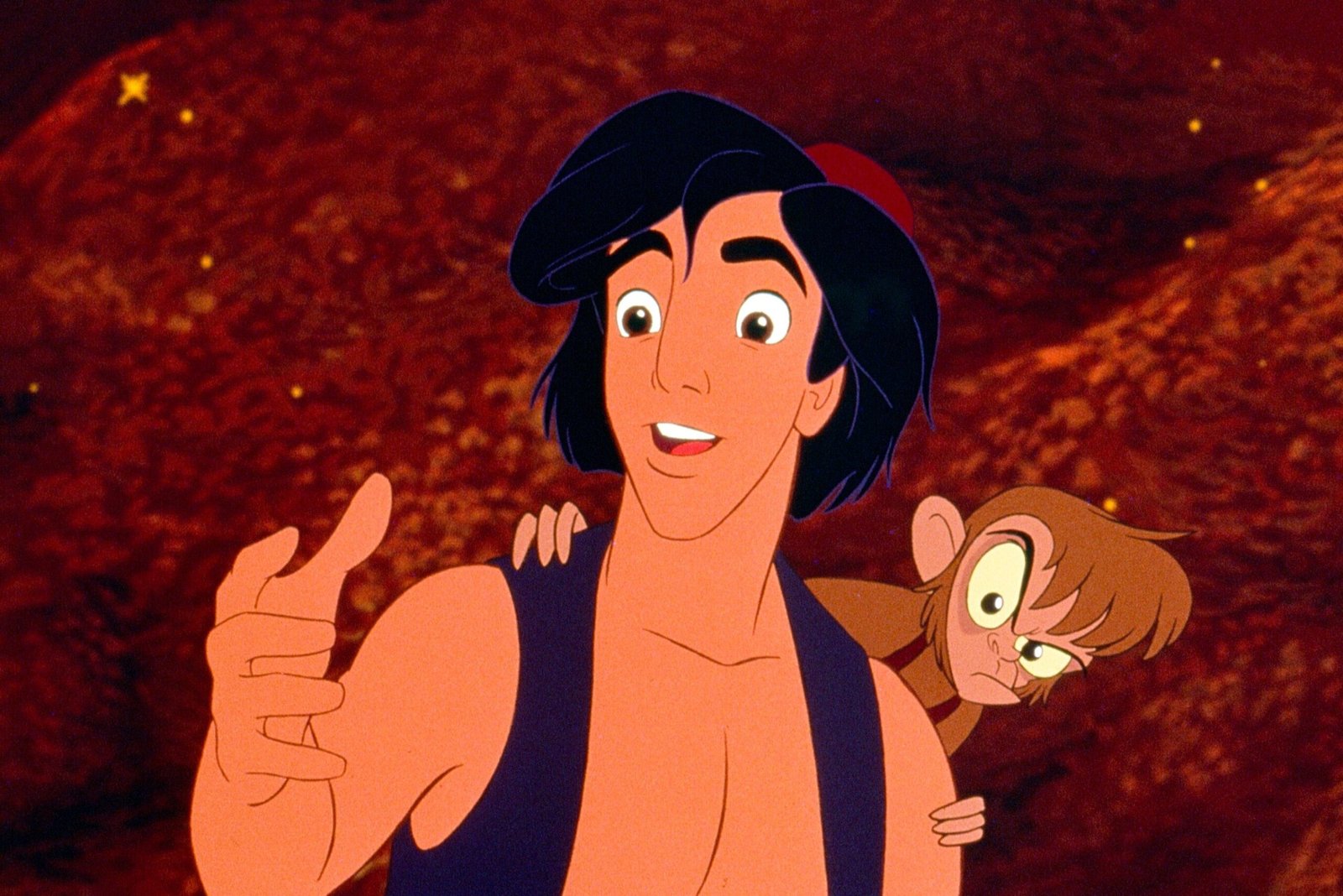
When the Genie bursts out of the lamp, it feels like the movie suddenly wakes up and starts running at full speed. Williams’ voice performance is packed with impressions, pop culture references, and pure chaos that somehow never feels overwhelming. He jumps from character to character so quickly that you almost forget it’s just one person doing all of it. It’s playful, unpredictable, and completely unforgettable. For a lot of people, this was the first time they realized animation could feel that alive. The Genie didn’t just entertain, he practically hijacked the movie in the best way.
At the same time, Williams gave the character a surprising amount of heart. Beneath all the jokes was someone who genuinely wanted freedom, and that emotional core grounded the performance. The moment when Genie admits he can’t make anyone fall in love still lands with a quiet sincerity. It’s that balance of humor and vulnerability that made the role iconic. Decades later, it still feels like no one else could have done it the same way. And honestly, no one has.
3. “It’s Not Your Fault” (Good Will Hunting, 1997)
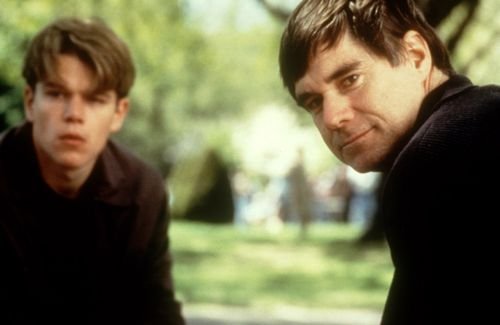
This scene is often remembered for its emotional weight, but it starts with something deceptively simple. Williams’ character, Sean Maguire, repeats “It’s not your fault” over and over, almost gently teasing Will at first. There’s a rhythm to it that feels almost like a setup to a joke, something you expect to break with a punchline. But instead, it just keeps going, building tension in a completely different way. You can see Will trying to brush it off, then slowly cracking. It’s uncomfortable, raw, and completely real.
When the emotional breakthrough finally happens, it feels earned in a way that few movie moments do. Williams doesn’t overplay it, he lets the silence and repetition do the work. It’s a reminder that his greatest strength wasn’t just making people laugh, it was knowing when not to. That scene has been talked about endlessly for a reason. It stays with you, long after the credits roll. And it’s one of the clearest examples of how deeply he could connect with an audience.
4. Mrs. Doubtfire’s Restaurant Disaster (Mrs. Doubtfire, 1993)
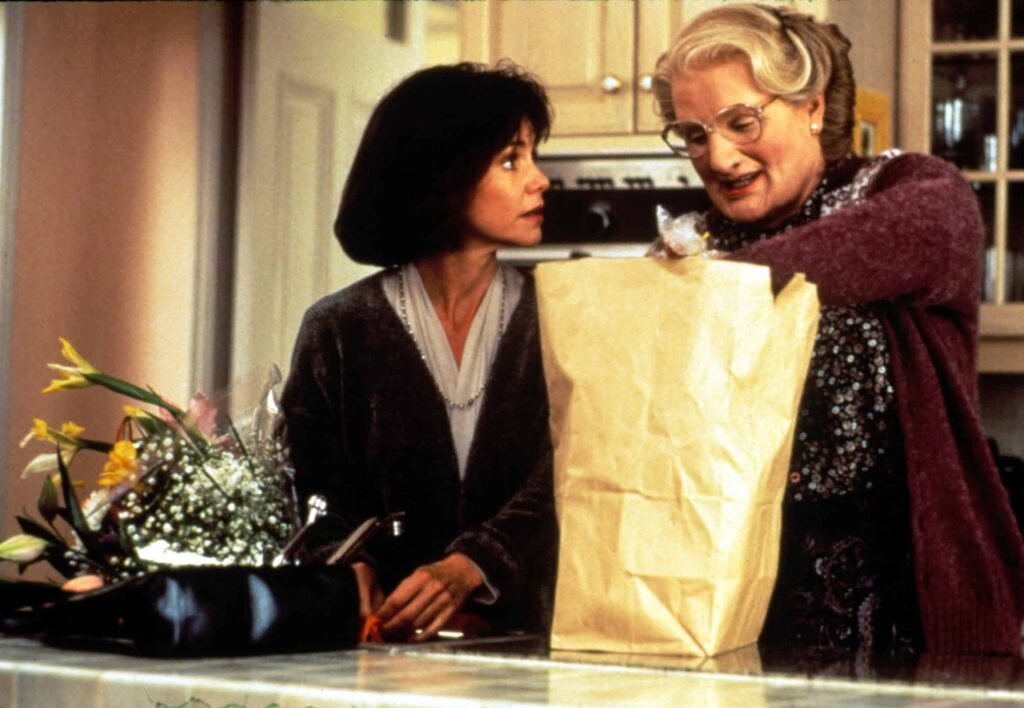
Few scenes capture Williams’ physical comedy better than the chaotic restaurant sequence where Daniel is juggling two identities at once. Watching him bounce between being Mrs. Doubtfire and himself is like watching a perfectly timed stage performance unravel in real time. The quick costume changes, the slipping accents, and the escalating panic all build into something hilariously stressful. You can almost feel the sweat through the screen as everything starts to go wrong. It’s the kind of scene that makes you laugh because you know there’s no way out of it. And yet, he keeps trying.
What makes it even better is how grounded it still feels emotionally. Beneath the ridiculous setup, there’s a father desperately trying to stay connected to his kids. That tension gives the comedy an extra layer that keeps it from feeling hollow. Williams manages to make you laugh at the chaos while still rooting for him the entire time. It’s messy, heartfelt, and completely unforgettable. And honestly, it’s hard to imagine anyone else pulling it off with that level of charm.
5. Peter Pan’s Food Fight (Hook, 1991)
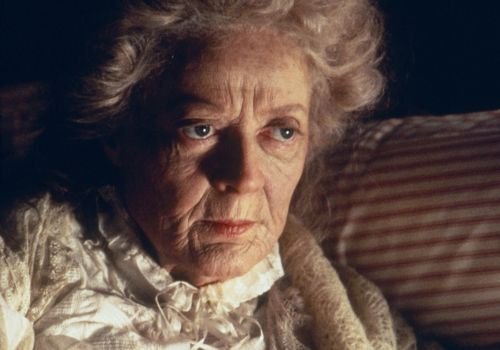
The imaginary feast scene starts off with frustration, with Peter unable to see what the Lost Boys see so clearly. Williams plays it with just enough confusion and irritation to make it relatable. Then something shifts, and suddenly the table bursts into color and chaos. What follows is a full-on food fight that feels like pure childhood unleashed. It’s playful, messy, and completely over the top in the best way. You can practically feel the joy radiating off the screen.
At its core, though, the scene is about rediscovering imagination. Williams captures that transition beautifully, moving from skeptical adult to wide-eyed kid in a matter of moments. It’s funny, but it’s also a little bittersweet when you think about what it means. That ability to tap into something so universal is what made him so special. He didn’t just perform the moment, he made you feel it with him. And for a lot of viewers, it brought back something they didn’t even realize they’d lost.
6. The Park Bench Monologue (Good Will Hunting, 1997)
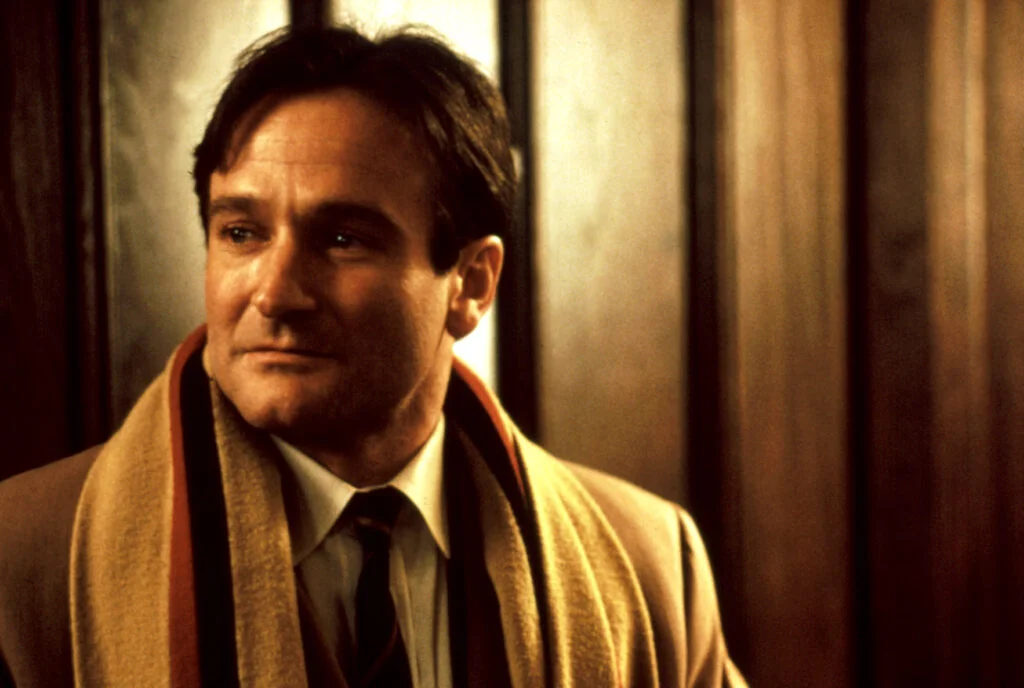
Sitting quietly on a bench, Williams delivers one of the most memorable speeches of his career. He talks about love, loss, and the difference between knowledge and experience in a way that feels completely unscripted. There’s no rush, no need for dramatic flair, just a steady, honest conversation. It’s the kind of moment that makes you lean in and really listen. You can feel the weight of everything his character has lived through. And yet, it never feels heavy-handed.
What makes it so effective is how personal it feels. Williams brings a warmth to the scene that makes Sean Maguire feel like someone you’ve known for years. It’s not about showing off, it’s about connecting. That authenticity is what gives the speech its lasting power. People quote it, revisit it, and still find something new in it. It’s a reminder that sometimes the quietest moments leave the biggest impact.
7. The “O Captain! My Captain!” Tribute (Dead Poets Society, 1989)
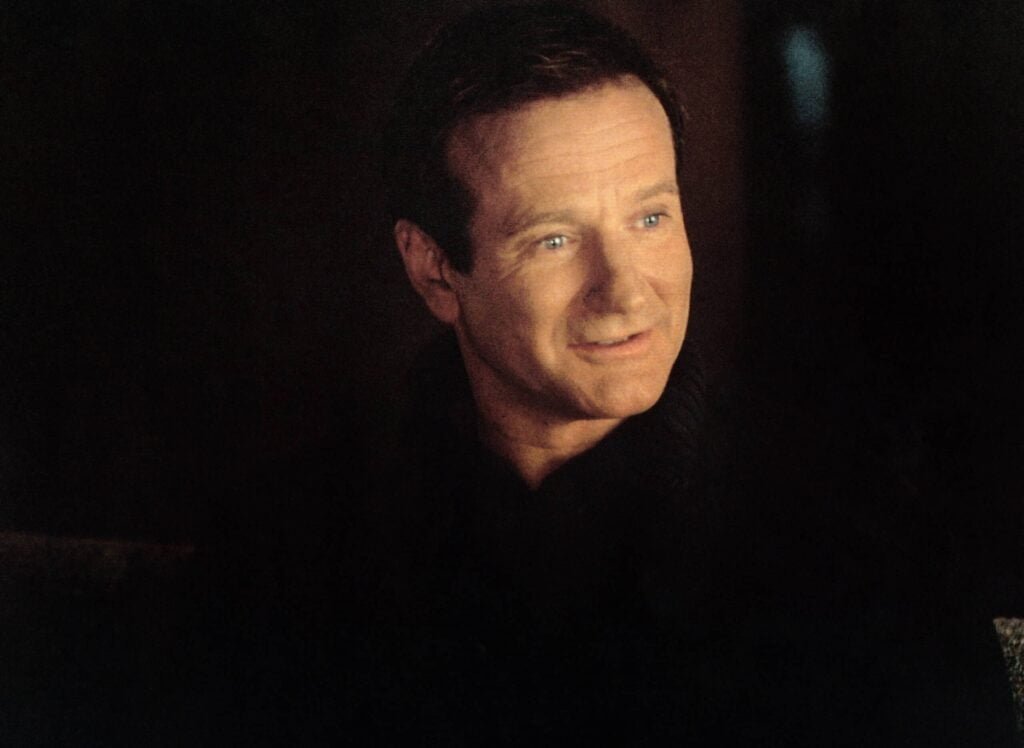
By the time this scene arrives, the emotional tension has been building for a while. Williams’ character, John Keating, has already changed the lives of his students in ways that aren’t immediately obvious. When the boys stand on their desks and salute him, it’s a simple gesture that carries enormous weight. There’s no big speech from Keating, just a quiet reaction that says everything. It’s the kind of moment that makes your throat tighten before you even realize it. And it lands every single time.
Williams plays it with restraint, letting the students take center stage. That choice makes the moment feel earned rather than forced. It’s about respect, gratitude, and the lasting impact of a teacher who dared to be different. The scene has become one of the most iconic in film history for a reason. It’s emotional without being manipulative, powerful without being loud. And it perfectly captures the kind of legacy Williams himself left behind.
8. The Board Game Comes to Life (Jumanji, 1995)
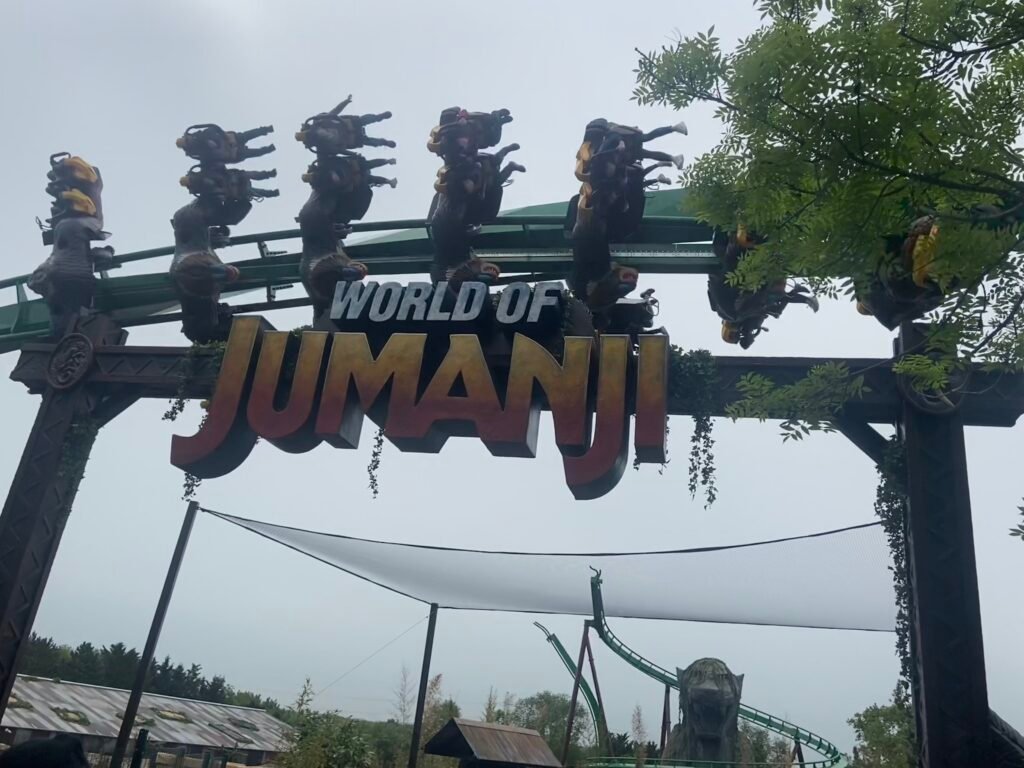
When Alan Parrish first reappears as an adult, there’s a mix of disbelief and wonder that Williams plays perfectly. He’s been trapped in the jungle for decades, and yet there’s still a spark of humor in how he reacts to everything. The early scenes, especially as the game starts unleashing chaos, are packed with both tension and comedy. Animals stampede through the house, and Williams reacts with a kind of seasoned disbelief. It’s like he’s the only one who understands just how bad things can get. That contrast makes his performance even more engaging.
At the same time, there’s a vulnerability underneath it all. Alan isn’t just dealing with a dangerous game, he’s dealing with lost time and unresolved childhood fears. Williams brings that emotional layer into even the funniest moments. It’s what keeps the film from being just a spectacle. You’re not just watching chaos, you’re watching someone try to make sense of his life again. And that balance is what makes the movie so memorable.
9. The Improvised Press Conference (Good Morning, Vietnam, 1987)
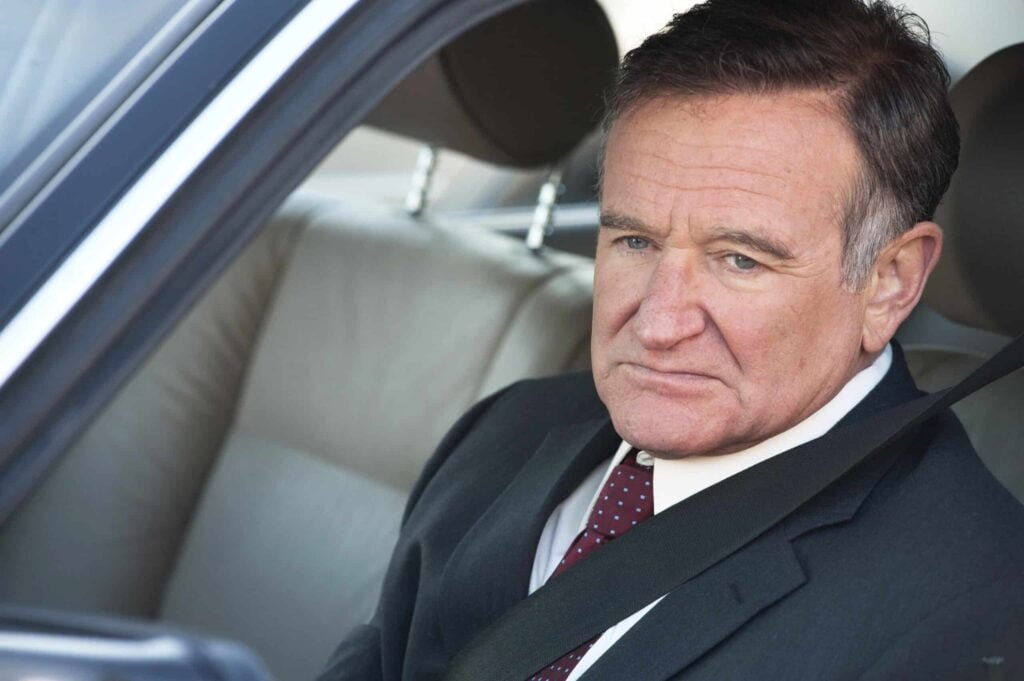
One of the standout moments in the film comes when Cronauer faces military authority with his usual irreverence. Williams plays the scene like a live wire, constantly pushing boundaries while still managing to stay just within the line. His delivery feels spontaneous, as if he’s making it up on the spot. There’s a tension between humor and consequence that makes the scene especially compelling. You’re laughing, but you’re also aware that he might have gone too far. That edge keeps the moment from feeling safe.
It’s a perfect example of how Williams used comedy as a tool, not just for laughs but for commentary. The way he challenges authority without losing his charm is part of what made the character so memorable. It’s bold, but never reckless in a way that feels unrealistic. You can see why audiences connected with it so strongly. It’s funny, yes, but it also says something meaningful. And that combination is what sets it apart.
10. Patch Adams Treating Patients with Humor (Patch Adams, 1998)
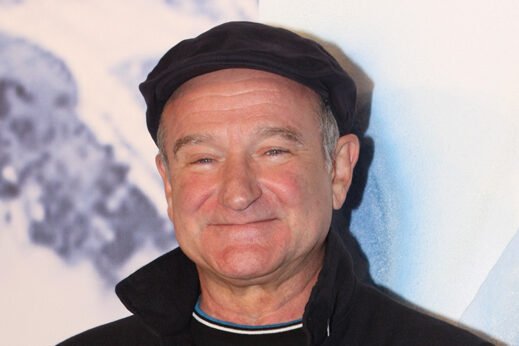
Williams leaned fully into the idea that laughter could be a form of medicine in this role. As Hunter “Patch” Adams, he approaches patients with warmth, creativity, and a refusal to treat them like numbers. The scenes where he uses humor to connect with people feel genuine rather than forced. It’s not about performing, it’s about reaching someone who needs it. You can see how much care he put into making those interactions feel real. That sincerity is what carries the film.
At the same time, the movie doesn’t ignore the skepticism surrounding his methods. Williams plays Patch as someone who knows he’s not always understood, but keeps going anyway. That persistence adds depth to what could have been a one-note character. It’s a reminder that his performances often walked a fine line between idealism and reality. He made you believe in the possibility of kindness without pretending it was easy. And that’s what makes those moments linger.
11. The Opening Stand-Up Energy (Robin Williams: Live on Broadway, 2002)
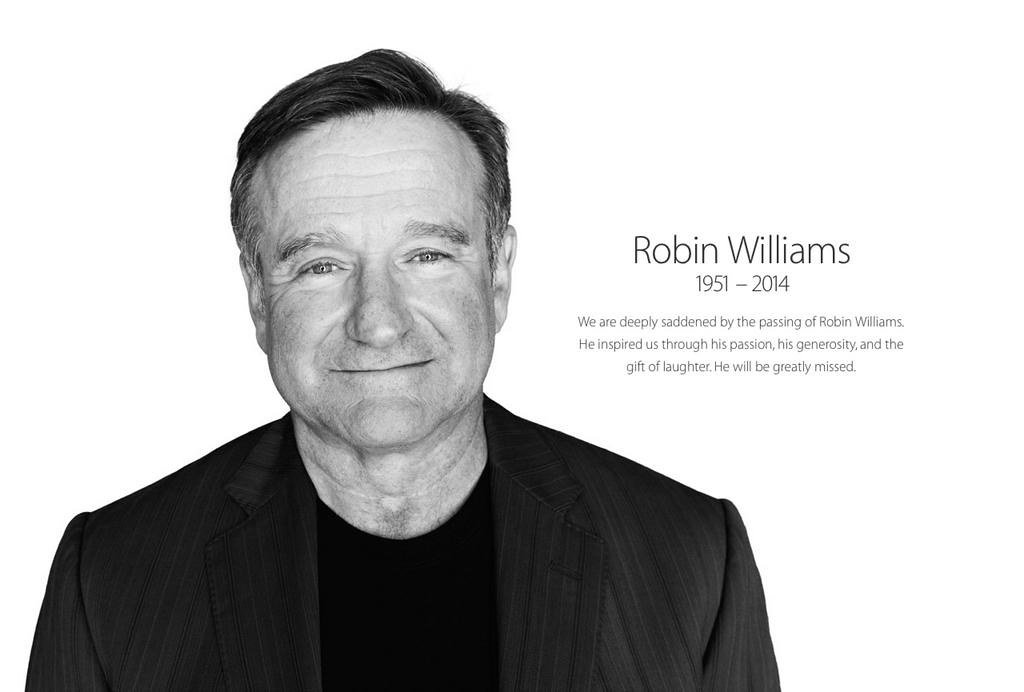
Watching Williams perform live is a completely different experience from seeing him in films. In this special, he moves at a pace that feels almost impossible to keep up with. His jokes shift topics rapidly, often looping back in ways that feel both chaotic and controlled. There’s a physicality to his comedy that adds another layer to everything he says. He doesn’t just tell jokes, he acts them out, voices and all. It’s a masterclass in stand-up performance.
What stands out most is how present he feels in the moment. Even when covering familiar material, there’s a sense that anything could happen. That unpredictability is part of what made him so compelling to watch. You’re not just listening, you’re trying to keep up. It’s exhausting in the best possible way. And it highlights just how sharp and instinctive his comedic mind really was.
12. The Final Goodbye (Mrs. Doubtfire, 1993)
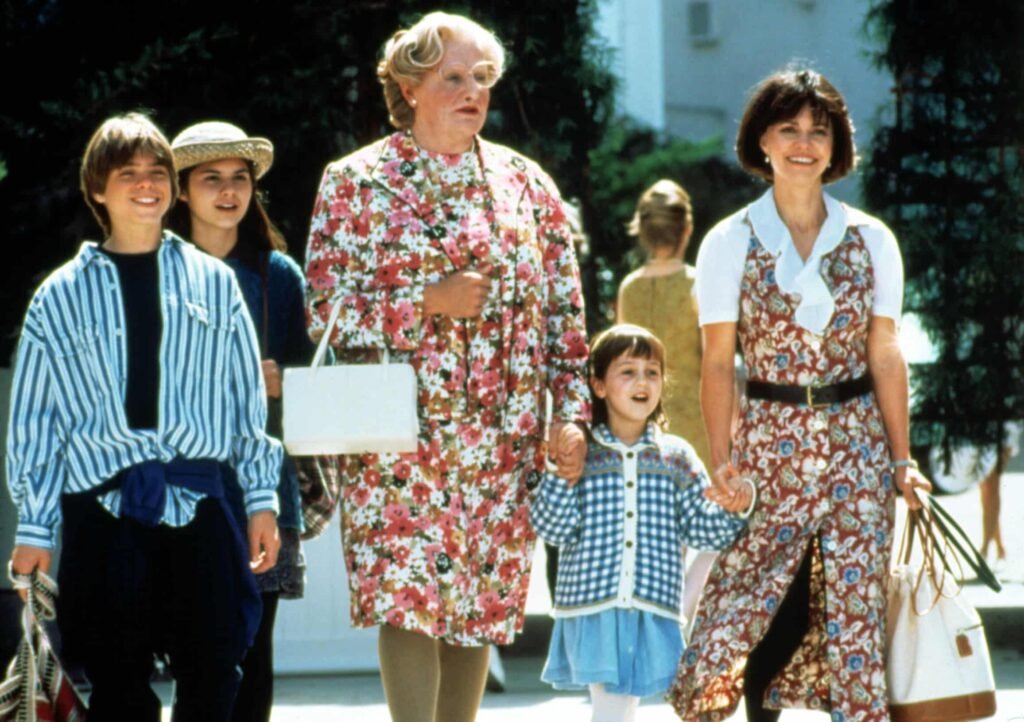
The ending of Mrs. Doubtfire doesn’t go the easy route, and that’s part of what makes it so memorable. Williams delivers a heartfelt message about family that avoids tying everything up neatly. The final TV segment, where Mrs. Doubtfire answers a child’s question about divorce, is both comforting and honest. It’s not overly sentimental, but it still carries emotional weight. You can feel the care in how the message is delivered. It’s gentle, but it doesn’t shy away from reality.
Williams brings a quiet sincerity to the moment that stays with you. After all the chaos and comedy, he shifts into something much more grounded. It’s a reminder that his work often balanced humor with real-life complexity. That final scene feels like a conversation rather than a performance. And in a way, it sums up what made him so special. He could make you laugh, then leave you thinking long after the laughter faded.