

1. Handwritten Letters

There was a time when staying in touch meant sitting down with a pen, picking out the right stationery, and carefully writing out your thoughts. Baby Boomers grew up when handwritten letters were still a primary form of communication, especially for long-distance relationships. It wasn’t unusual to wait days or even weeks for a reply, and that delay made every letter feel more meaningful. You could recognize someone’s handwriting instantly, and that personal touch carried a kind of intimacy that texts just don’t have.
Today, most communication is instant and digital, and letter writing has largely become a novelty rather than a habit. While some people still send cards for holidays, the everyday exchange of letters is fading quickly. Younger generations often see it as time-consuming or unnecessary when a quick message can do the job. As Boomers age, the routine of writing and receiving letters may quietly disappear with them. It’s not gone yet, but it’s definitely on its way out.
2. Fine China for Special Occasions
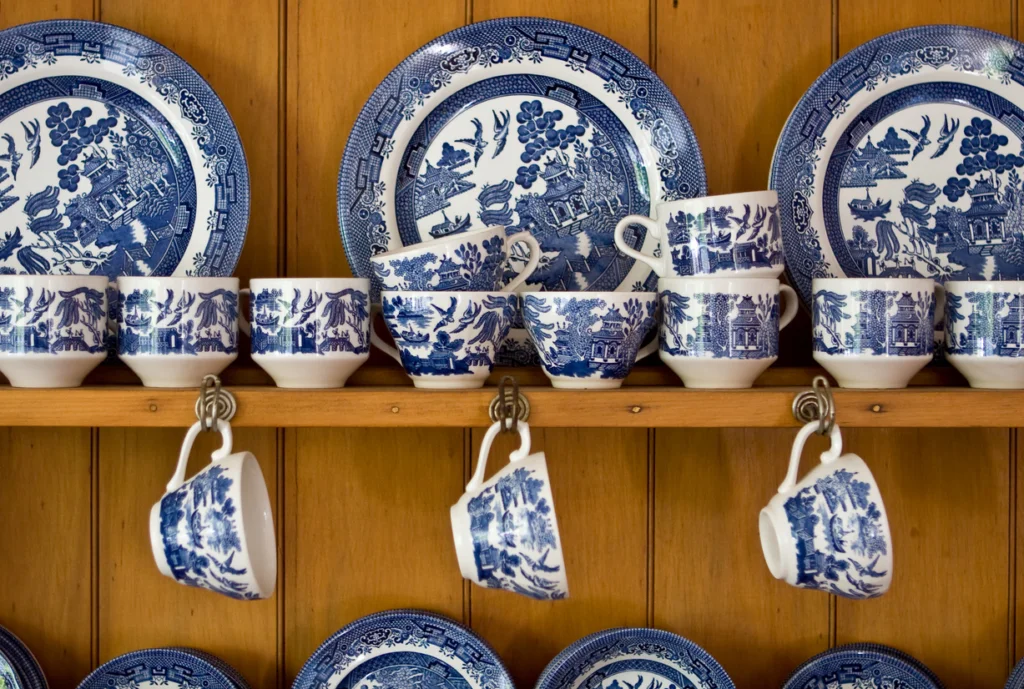
Many Boomer households had a cabinet filled with fine china that was reserved strictly for holidays or special guests. These sets were often wedding gifts or family heirlooms, carefully stored and rarely used. Bringing them out was part of the ritual, something that made gatherings feel more formal and intentional. It was less about practicality and more about tradition and presentation.
Younger generations tend to favor simplicity and everyday usability over saving items for rare occasions. As a result, many inherited china sets end up boxed away, donated, or sold. There’s less interest in maintaining something that requires careful handling and doesn’t fit into modern lifestyles. The idea of a “special occasion dish” is becoming less common. Over time, those cabinets full of untouched plates may become a thing of the past.
3. Landline Telephones
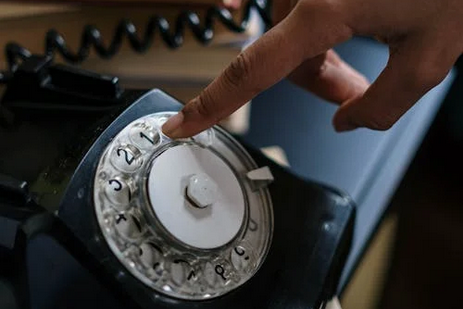
For decades, the landline was the center of communication in the home, often mounted on a wall or sitting on a small table in the kitchen. Baby Boomers grew up memorizing phone numbers and dealing with busy signals or long cords that stretched across the room. It was a shared device, which meant conversations weren’t always private. Families even had rules about how long you could stay on the phone.
Now, smartphones have completely replaced the need for a landline in most households. Many younger people have never had one at all, and some wouldn’t know what to do with it if they did. Landlines still exist, especially for older adults, but their usage continues to decline. Telecom data over the past decade has consistently shown a steady drop in landline subscriptions. It’s one of the clearest examples of a technology fading out with a generation.
4. Formal Dress Codes

Boomers were raised in an era when dressing up was expected in many everyday situations. People wore suits to fly on airplanes, dresses to go shopping, and proper attire to attend church or dine out. There was a shared understanding of what was considered appropriate in public spaces. Looking presentable wasn’t optional, it was part of social etiquette.
Over time, dress codes have relaxed significantly across nearly every setting. Airlines, restaurants, and workplaces have all shifted toward more casual standards. Younger generations tend to prioritize comfort and self-expression over formality. While formalwear still exists for specific events, it’s no longer the default expectation. As Boomers fade from the cultural center, those stricter norms may continue to loosen.
5. Department Store Loyalty

For many Boomers, shopping at a particular department store was almost like a tradition. Stores like Sears, JCPenney, and Macy’s were reliable places where families returned year after year. People trusted these stores for everything from clothing to appliances, and loyalty was often passed down through generations. Shopping was as much about familiarity as it was about necessity.
That loyalty has weakened in the age of online shopping and big-box retailers. Many iconic department stores have closed locations or struggled financially in recent years. Consumers now prioritize convenience, price comparison, and fast delivery over brand attachment. Younger shoppers are less likely to feel tied to a single store. As a result, the department store culture Boomers knew is steadily fading.
6. Collecting Physical Photo Albums
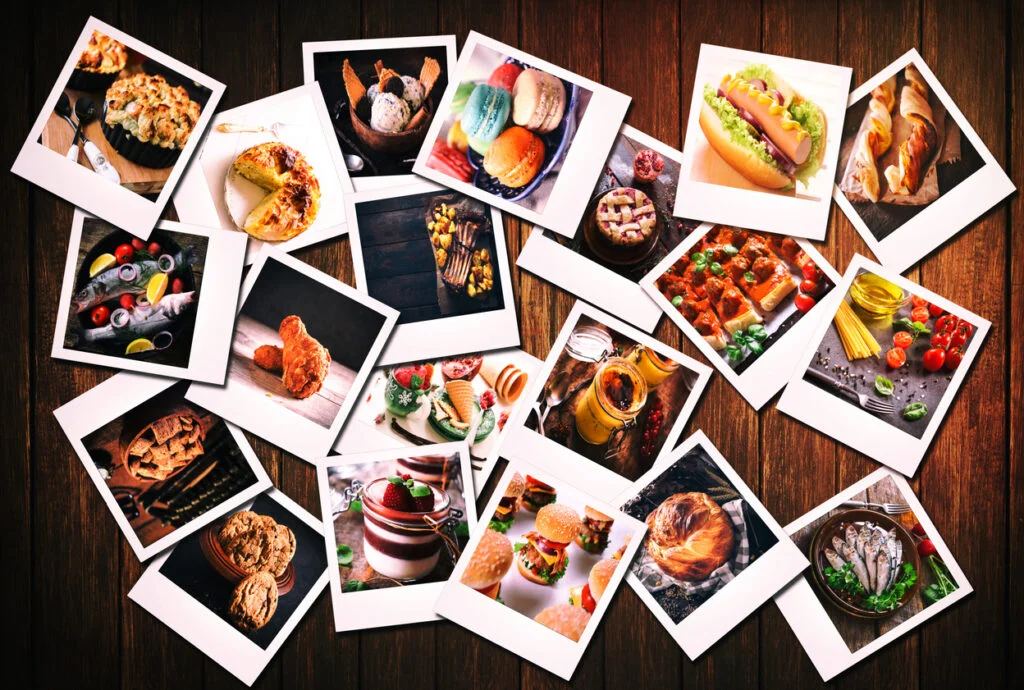
Boomers often documented their lives through printed photographs organized into albums. These books were carefully arranged and brought out during family gatherings to relive memories. Each photo had a physical presence, and sometimes even handwritten notes on the back. It was a slower, more deliberate way of preserving moments.
Today, most photos live on phones or in cloud storage, rarely printed or physically displayed. While digital albums are convenient, they don’t always get revisited in the same way. Younger generations may take thousands of photos but seldom organize them into something tangible. The ritual of flipping through a family album is becoming less common. As Boomers pass on, that tradition may go with them.
7. Newspaper Subscriptions

Daily newspapers were once a staple in Boomer households, often delivered to the doorstep every morning. Reading the paper with coffee was part of the daily routine, whether it was for local news, sports, or classifieds. It was also one of the primary ways people stayed informed before the internet. Entire sections were dedicated to things that now exist online.
Print circulation has declined significantly as digital news has taken over. Many newspapers have reduced print editions or shifted entirely to online platforms. Younger readers are more likely to get news through apps, social media, or email alerts. The habit of sitting down with a physical paper is no longer widespread. As Boomers age, traditional newspaper subscriptions continue to decline.
8. Writing Checks

Writing checks used to be a standard way to pay bills, rent, or even groceries. Boomers were accustomed to balancing checkbooks and keeping detailed records of their spending. It required a level of attention that made financial transactions feel more deliberate. Checks were also widely accepted across businesses.
Digital payments have largely replaced checks in everyday life. Debit cards, credit cards, and mobile payment apps are faster and more convenient. Many younger people have never written a check at all. Some businesses no longer accept them due to processing time and fraud concerns. As a result, check writing is steadily becoming obsolete.
9. Sitting Down for Scheduled TV
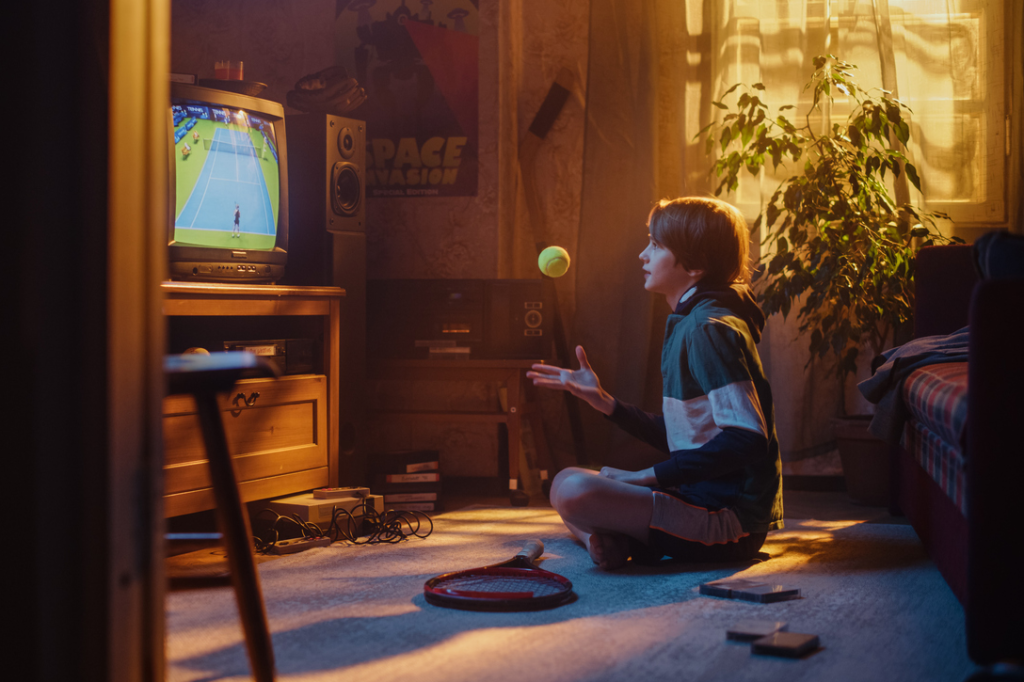
Boomers grew up in a time when television followed a strict schedule, and missing a show meant waiting for a rerun. Families often gathered around the TV at a specific time each week to watch their favorite programs. It was a shared experience that created routines and conversations. You planned your evening around what was on.
Streaming services have completely changed how people watch television. Viewers can now watch what they want, when they want, without waiting. The idea of appointment viewing has largely disappeared, especially among younger audiences. While live TV still exists for events like sports, it’s no longer the norm. That structured way of watching TV is fading with the Boomer generation.
10. Repairing Instead of Replacing
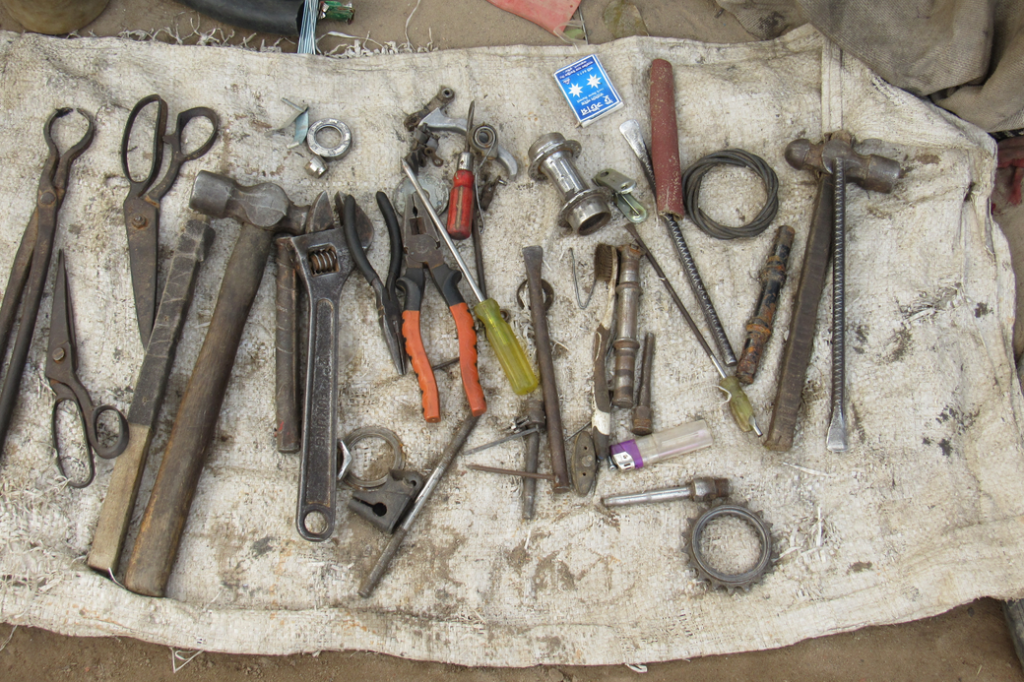
Boomers were more likely to fix broken items rather than throw them away. Whether it was a toaster, a piece of furniture, or a pair of shoes, repair was often the first option. This mindset was influenced by both cost and a culture that valued durability. People learned basic repair skills and passed them down.
Today, many products are designed to be replaced rather than repaired. It’s often cheaper and easier to buy something new than to fix it. Younger generations may not have the same experience or tools to repair household items. This shift has contributed to a more disposable culture. As Boomers age, that repair-first mentality may continue to decline.
11. Calling Instead of Texting

Phone calls were once the default way to communicate, especially for important conversations. Boomers were comfortable picking up the phone and having long, real-time discussions. It was seen as more direct and personal than other forms of communication. Even casual check-ins often happened over the phone.
Texting has become the preferred method for many younger people. It allows for quick communication without interrupting someone’s day. Some even avoid phone calls unless absolutely necessary. This shift has changed how people connect and maintain relationships. The habit of calling first is gradually becoming less common.
12. Printed Maps and Road Atlases

Before GPS, Boomers relied on printed maps and atlases to navigate unfamiliar places. Planning a road trip often involved studying routes ahead of time and keeping a map handy in the car. It required a sense of direction and some patience. Getting lost was part of the experience.
Now, navigation apps provide real-time directions and updates. Most drivers no longer need to read a physical map. Younger generations may have little experience using one at all. Printed maps are still available, but they are rarely used in everyday travel. As Boomers age, this skill may become less common.
13. Union Membership as a Norm

Union membership was more common among Boomers, especially in manufacturing and skilled trades. It provided job security, benefits, and a sense of collective bargaining power. Many families depended on union jobs for stable, middle-class livelihoods. It was a defining part of the workforce for decades.
Union participation has declined in the United States since the late 20th century. While unions still exist, they represent a smaller portion of the workforce today. Economic shifts and changes in labor laws have contributed to this trend. Younger workers are less likely to belong to a union. This cultural shift may continue as Boomers retire.
14. Rotary Phones and Memorized Numbers
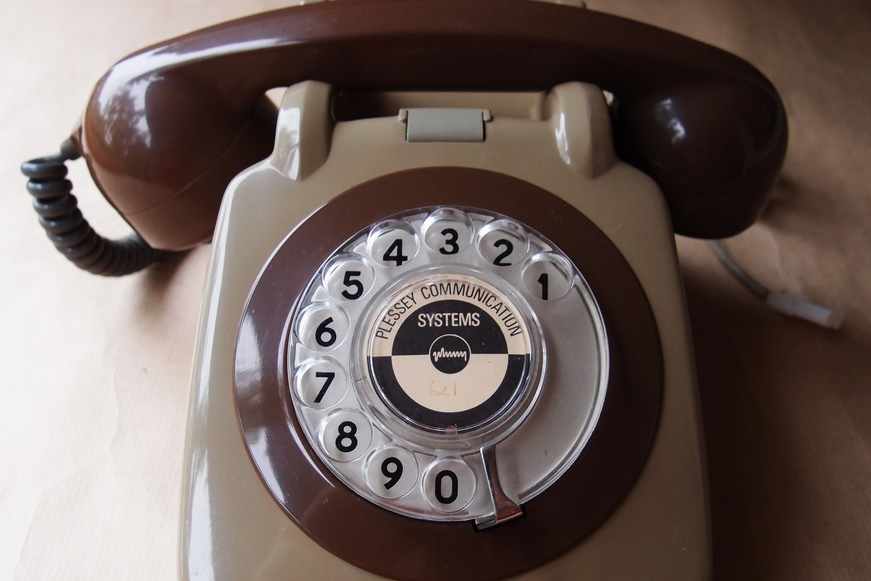
Boomers grew up dialing numbers on rotary phones and memorizing important contacts. There was no contact list to scroll through, so remembering numbers was essential. It became second nature to know the numbers of friends, family, and workplaces. Even kids often had several numbers memorized.
Smartphones have eliminated the need to remember phone numbers. Contacts are stored digitally, and most people rely on search functions. Many younger individuals can’t recall more than a few numbers from memory. Rotary phones themselves have become collector’s items. The skill of memorizing numbers is slowly fading.
15. Formal Thank-You Notes

Sending a handwritten thank-you note was once considered basic etiquette. Boomers were often taught to write one after receiving a gift or attending an event. It was a way to show appreciation in a thoughtful and personal way. The effort involved made the gesture feel more meaningful.
Today, a quick text or email often replaces a formal note. While the intention is still there, the format has changed. Some people still value handwritten notes, but they are less common. Younger generations may not see them as necessary. As a result, this tradition is gradually disappearing.
16. Full-Service Gas Stations

Boomers remember when attendants pumped gas, checked oil, and cleaned windshields. It was a standard part of the driving experience in many areas. Drivers didn’t even have to leave their cars. It added a level of service that felt personal and convenient.
Most gas stations in the United States are now self-service. Full-service stations still exist in a few places, but they are far less common. The shift was driven by cost and efficiency. Younger drivers may never experience it firsthand. This once-normal service is becoming increasingly rare.
17. Home Economics and Shop Classes
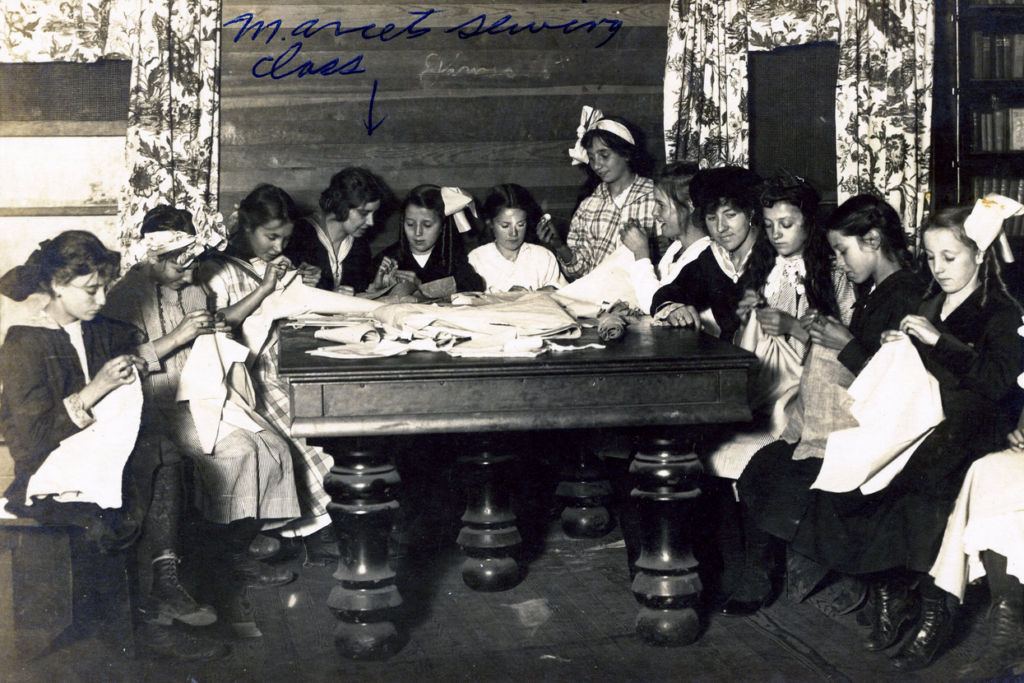
Many Boomers took classes like home economics and shop in school. These courses taught practical skills like cooking, sewing, and basic woodworking. They were seen as essential preparation for adult life. Students learned how to manage a household and handle simple repairs.
Over time, many schools reduced or eliminated these programs. Educational priorities shifted toward academic and technology-focused subjects. While some schools still offer them, they are not as widespread as they once were. Younger generations may miss out on these hands-on skills. As Boomers age, these classes may become even less common.
18. Sunday Blue Laws and Limited Shopping Hours

Boomers grew up in a time when many businesses were closed on Sundays due to blue laws. Shopping hours were limited, and Sundays were often reserved for rest or family time. It created a slower pace that structured the week differently. People planned their errands around these restrictions.
Most of those laws have been repealed or relaxed in many areas. Stores and services are now open seven days a week, often with extended hours. The expectation of constant availability has replaced limited schedules. Younger generations are used to this convenience. The idea of widespread Sunday closures is largely fading into history.