1. “Thanksgiving Orphans” (Season 5, Episode 9)
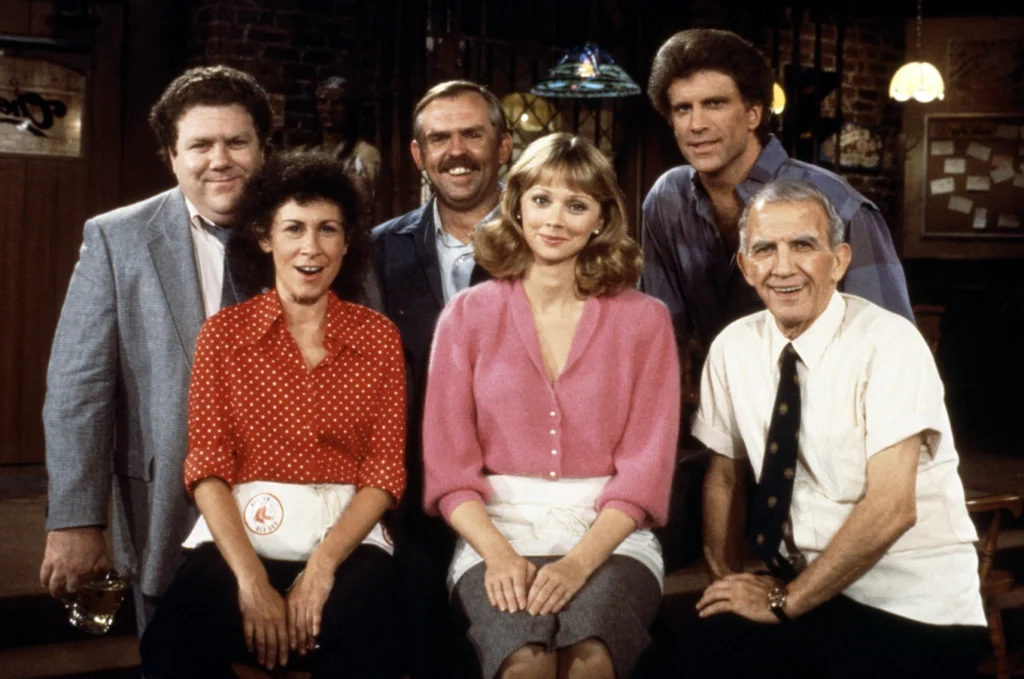
If there’s one episode that fans consistently point to as peak Cheers, it’s this chaotic holiday gathering. The premise is simple, a group of lonely bar regulars decides to spend Thanksgiving together, but nothing about what follows is calm or normal. The dinner quickly unravels into one of the most perfectly staged food fights in sitcom history. What makes it work isn’t just the slapstick, it’s the emotional buildup that makes the explosion feel earned.
The cast plays every beat with precision, especially Ted Danson and Rhea Perlman, who anchor the chaos with sharp reactions. The episode also highlights how much these characters rely on each other, even when they’re at their most dysfunctional. There’s a warmth underneath the madness that keeps it from feeling mean-spirited. By the end, it feels like a holiday disaster you’d still want to be part of.
2. “Pick a Con… Any Con” (Season 1, Episode 19)
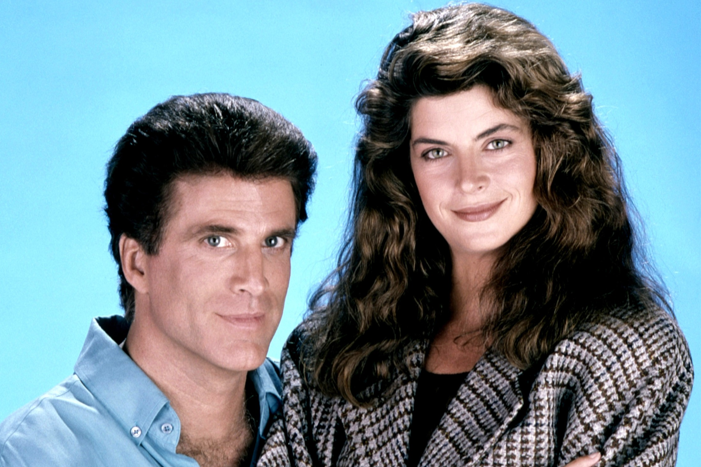
This early episode is where Cheers really starts to show off its character-driven humor. Sam and Diane team up to con a wealthy man, which naturally turns into a battle of egos. Watching them try to outmaneuver each other while pretending to work together is where the real comedy lies. Their chemistry, still new at this point, feels electric and unpredictable.
The episode also establishes a key dynamic that defines the show for years, Sam’s confidence versus Diane’s intellect. Nicholas Colasanto’s Coach adds an extra layer of charm, grounding the story with his earnest confusion. The con itself almost becomes secondary to the character interplay. It’s a perfect example of how Cheers could turn a simple premise into something memorable.
3. “Dinner at Eight-ish” (Season 5, Episode 20)
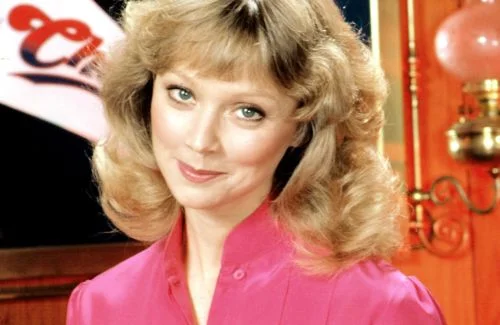
This episode takes Sam and Diane out of the bar and into a painfully awkward dinner party. Diane tries to mold Sam into something more refined, while Sam resists at every turn. The tension comes from watching Sam attempt to navigate a world that clearly isn’t his. It’s uncomfortable in the best possible way.
Danson leans into Sam’s fish-out-of-water discomfort without making him seem foolish. Shelley Long, as Diane, plays the social ambition perfectly, balancing sincerity with a hint of self-importance. The humor builds slowly but pays off in increasingly cringe-worthy moments. It’s one of the show’s best explorations of class differences.
4. “Showdown, Part 2” (Season 1, Episode 12)
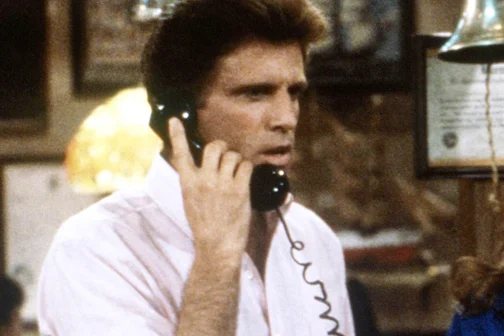
This episode introduces Diane’s ex-fiancé Sumner Sloan, played by Michael McGuire, and immediately raises the stakes. Sam is forced to confront someone who represents everything Diane once valued. The tension between the two men is both comedic and deeply personal. It’s one of the first times the show leans into emotional storytelling.
Shelley Long gives one of her strongest early performances, showing Diane’s internal conflict. The episode blends humor with real emotional weight, which becomes a hallmark of the series. It also cements Sam and Diane as a couple worth rooting for. Even early on, their relationship feels layered and complicated.
5. “Coach’s Daughter” (Season 3, Episode 15)
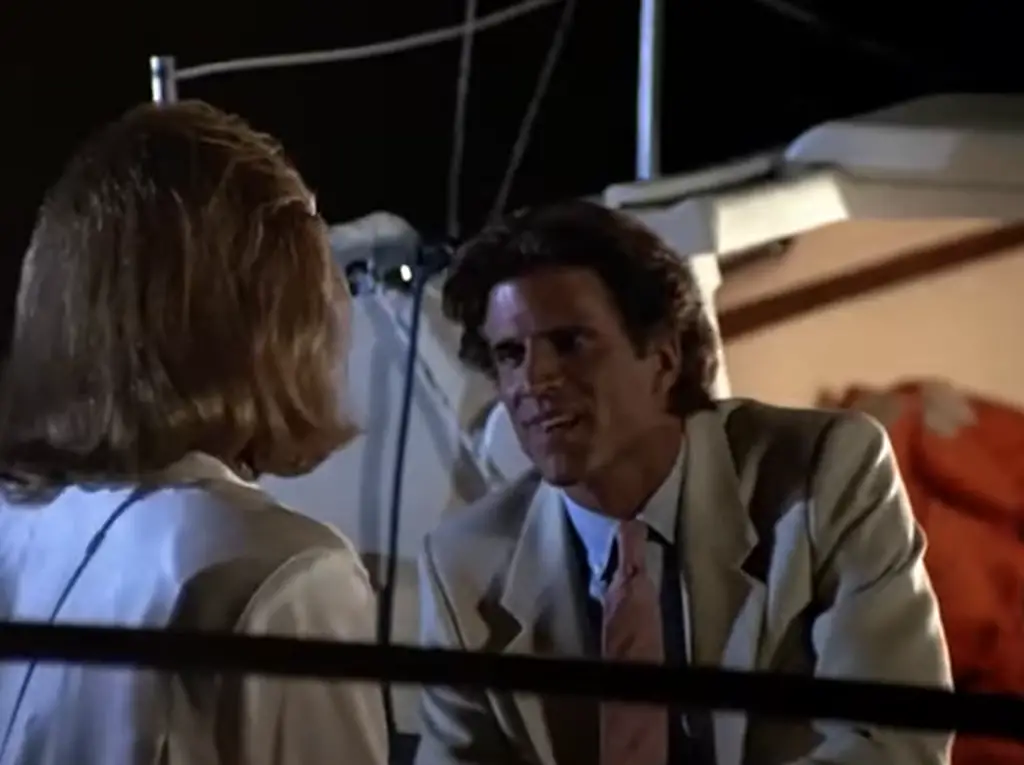
Coach’s relationship with his estranged daughter brings a rare emotional depth to Cheers. When she visits the bar, the joy and awkwardness between them feel incredibly real. The episode balances heartfelt moments with the show’s usual humor, never tipping too far in either direction. Nicholas Colasanto delivers a quietly powerful performance.
The supporting cast steps back just enough to let the story breathe. There’s a sincerity here that stands out in a series known for its rapid-fire jokes. It’s a reminder that Cheers could be genuinely touching when it wanted to be. The ending, in particular, lingers long after the laughs fade.
6. “An Old-Fashioned Wedding” (Season 10, Episodes 25–26)

Rebecca and Don’s wedding episode is anything but traditional. What starts as a romantic milestone quickly spirals into chaos, misunderstandings, and last-minute doubts. The show leans into farce here, with multiple storylines colliding at once. Kirstie Alley shines as Rebecca, capturing both her desperation and vulnerability.
The ensemble cast keeps the energy high, with each character adding to the unraveling situation. The pacing is fast, but it never feels rushed. There’s a sense that everything could fall apart at any moment. It’s a fitting example of how Cheers handled big events, by making them as messy as possible.
7. “Simon Says” (Season 5, Episode 21)
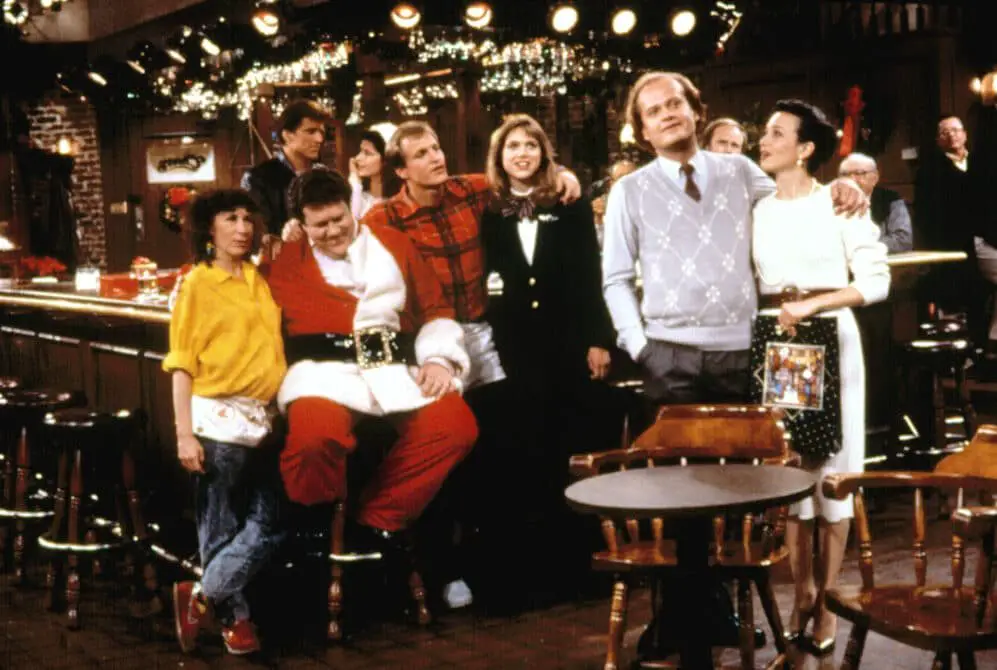
Diane’s old friend Simon arrives and immediately disrupts the balance of the bar. His charm and pretension clash with Sam’s more grounded personality. The episode plays with the idea of intellectual versus instinctual living. It also gives Diane a chance to reflect on who she really is.
Sam’s reactions to Simon are some of Danson’s funniest moments in the series. The writing leans heavily on dialogue, letting the characters spar verbally. Shelley Long gets to explore Diane’s insecurities in a subtle way. It’s a smart, character-focused episode that doesn’t rely on big set pieces.
8. “The Heart Is a Lonely Snipe Hunter” (Season 1, Episode 8)
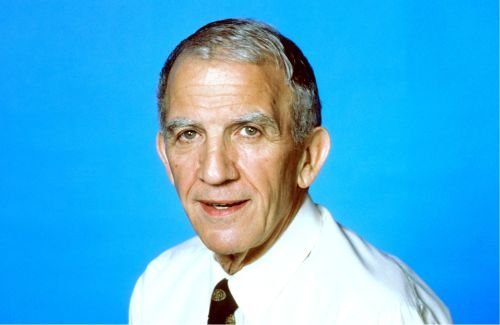
This episode dives into the loneliness behind the bar’s lively atmosphere. Frasier and Diane try to help Sam move on emotionally, but it doesn’t go as planned. The humor is quieter here, built around conversations rather than chaos. It’s one of the show’s more introspective early entries.
Ted Danson gives a more restrained performance, showing a different side of Sam. Kelsey Grammer, still relatively new to the show, adds a distinct energy. The episode explores vulnerability without losing its comedic edge. It’s a sign of how Cheers could balance humor with introspection.
9. “One for the Book” (Season 1, Episode 1)
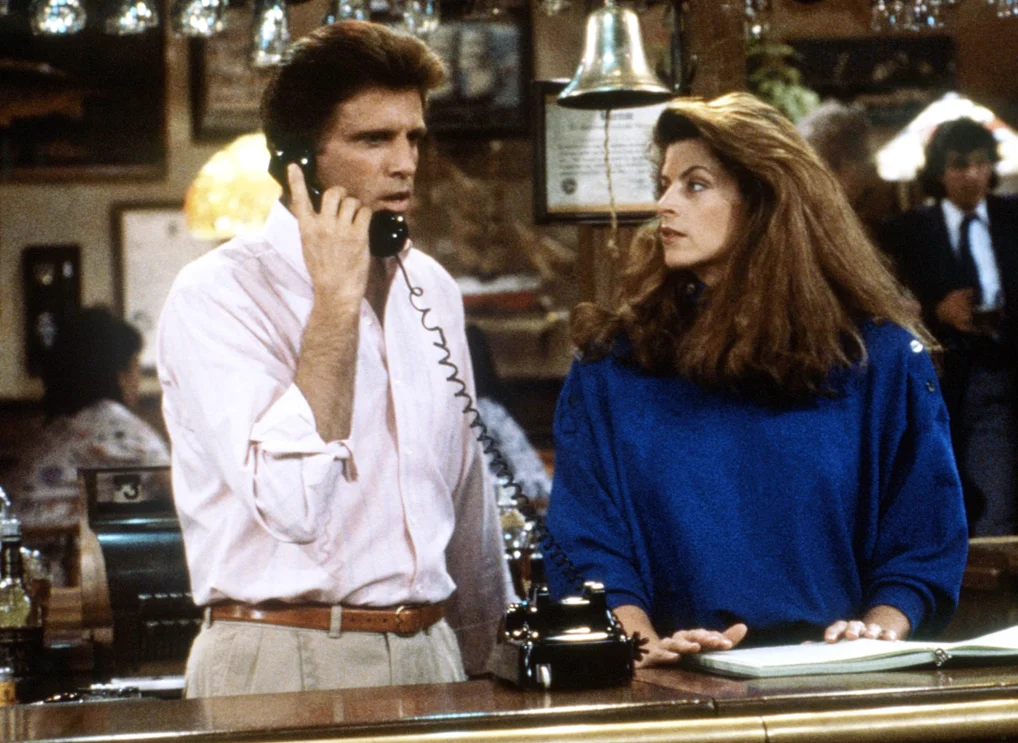
The pilot sets the tone for everything that follows. We’re introduced to Sam, Diane, and the bar’s regulars in a way that feels natural rather than forced. The dialogue is sharp from the start, establishing the show’s signature rhythm. It’s clear immediately that this is a character-driven series.
Shelley Long’s entrance as Diane creates instant tension with Sam. The supporting cast, including Norm and Cliff, already feel like fully formed characters. There’s a sense of comfort in the setting, even in this first episode. It’s a strong foundation that the series builds on for years.
10. “The Boys in the Bar” (Season 1, Episode 16)
This episode tackles themes of sexuality and acceptance in a way that was ahead of its time. Sam’s old baseball teammate is revealed to be gay, leading to tension among the bar’s patrons. The show approaches the topic with humor, but also with a surprising amount of sensitivity. It avoids easy stereotypes.
Ted Danson’s performance anchors the episode, showing Sam’s growth as a character. The humor never undercuts the seriousness of the subject. It’s a thoughtful exploration of changing social attitudes in the early ’80s. Even decades later, it still feels relevant.
11. “Abnormal Psychology” (Season 5, Episode 4)
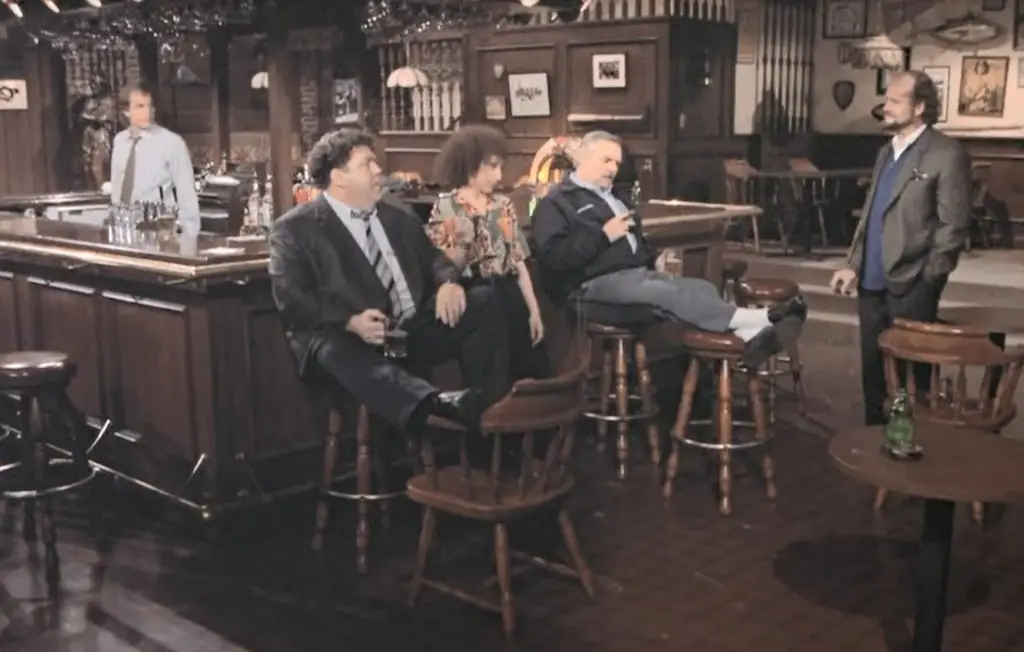
Frasier’s return to the bar leads to one of the show’s funniest breakdowns. After a series of setbacks, he unravels in spectacular fashion. Kelsey Grammer fully commits to the meltdown, making it both hilarious and oddly sympathetic. The episode builds steadily toward this moment.
The rest of the cast plays off Frasier’s instability perfectly. There’s a rhythm to the chaos that feels almost theatrical. The writing allows the humor to escalate naturally. It’s one of the best showcases of Grammer’s ability to balance comedy and drama.
12. “Bar Wars VII: The Naked Prey” (Season 11, Episode 21)
The long-running rivalry with Gary’s Olde Towne Tavern reaches one of its most outrageous points here. The prank war escalates to absurd levels, culminating in a memorable and ridiculous payoff. These episodes were always about pushing the characters into competitive extremes. This one does it particularly well.
The ensemble chemistry is on full display, with everyone contributing to the madness. The stakes are low, but the commitment is high. It’s pure, unapologetic sitcom fun. By this point in the series, the characters feel like old friends, which makes the antics even more enjoyable.
13. “I Do, Adieu” (Season 5, Episode 26)
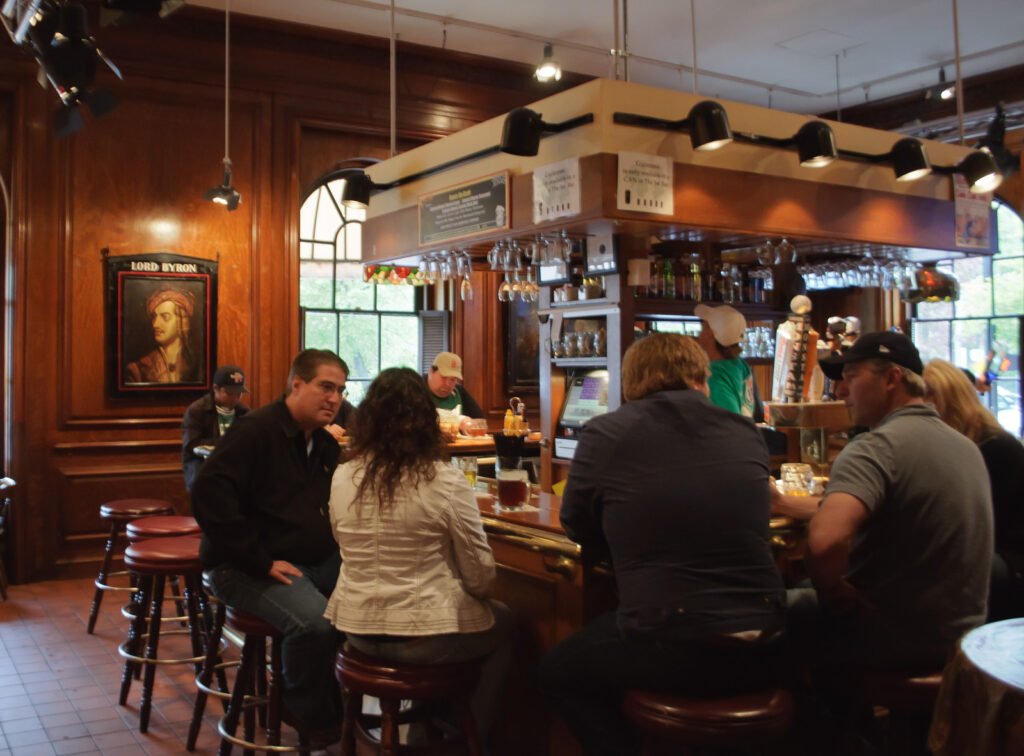
Diane’s departure is one of the most emotional moments in the series. The episode balances humor with a sense of finality that’s hard to ignore. Sam and Diane’s relationship reaches a turning point that feels both inevitable and heartbreaking. It’s a goodbye that doesn’t try to tie everything up neatly.
Shelley Long’s performance carries much of the emotional weight. Ted Danson matches her with a quieter, more reflective approach. The episode acknowledges that not all relationships have happy endings. It’s a mature, bittersweet conclusion to a defining storyline.
14. “Give Me a Ring Sometime” (Season 1, Episode 1, Alternate Title Segment)
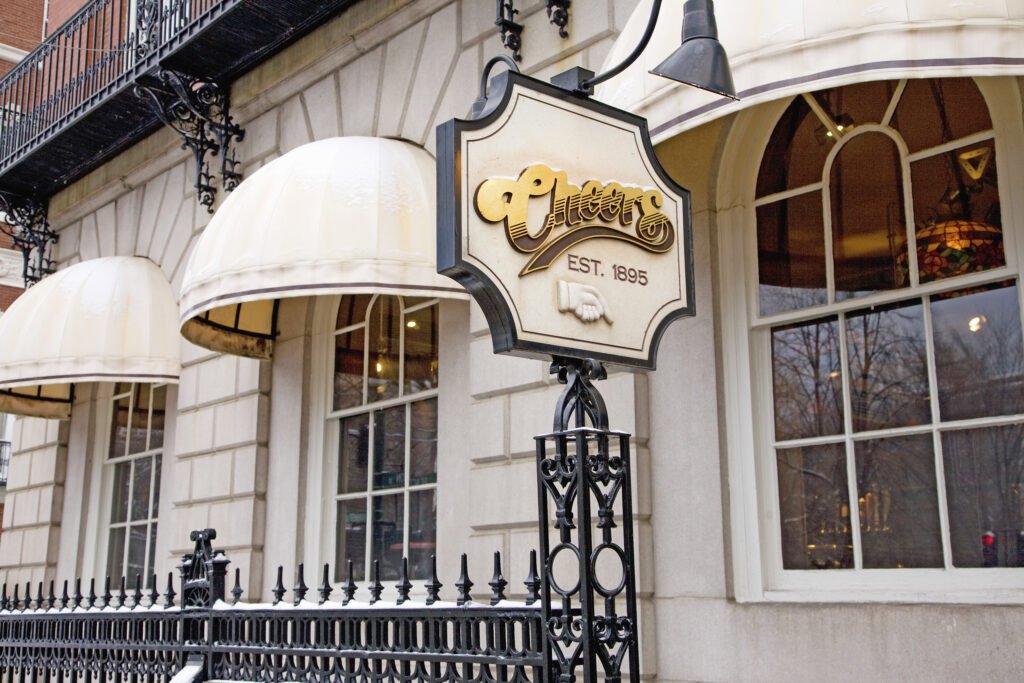
This portion of the pilot focuses more directly on Sam and Diane’s initial dynamic. Their conversations are filled with sharp, layered dialogue that defines the series. It’s where the show’s tone really locks into place. The back-and-forth feels both scripted and spontaneous.
The chemistry between Danson and Long is immediate and undeniable. Even in these early moments, you can see the foundation of one of television’s most iconic relationships. The humor is rooted in character rather than situation. It’s a small but important piece of what makes the pilot so effective.
15. “Finale, Part 2” (Season 11, Episode 28)
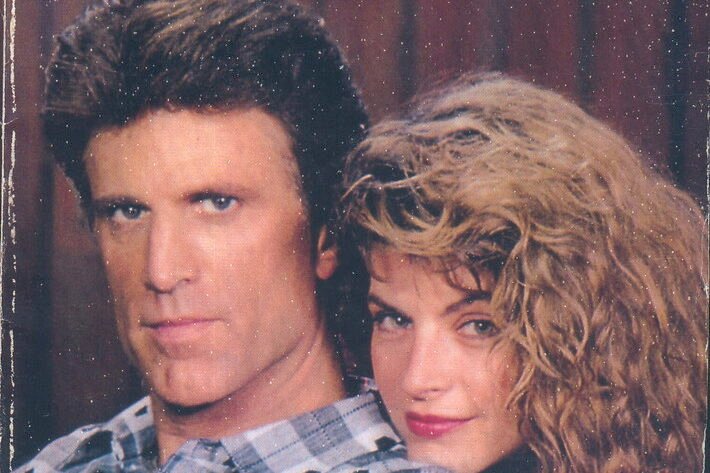
The series finale brings everything full circle without over-explaining. Sam is faced with a choice that reflects how much he’s grown over the years. The return of Diane adds emotional weight without overshadowing the rest of the cast. It feels like a true ending rather than just another episode.
The final moments, with Sam alone in the bar, are understated but powerful. The show resists the urge to be overly sentimental. Instead, it leans into what made Cheers special in the first place, a sense of place and belonging. It’s a quiet, fitting conclusion to a long-running series.