1. There Was No Real Sense of Time
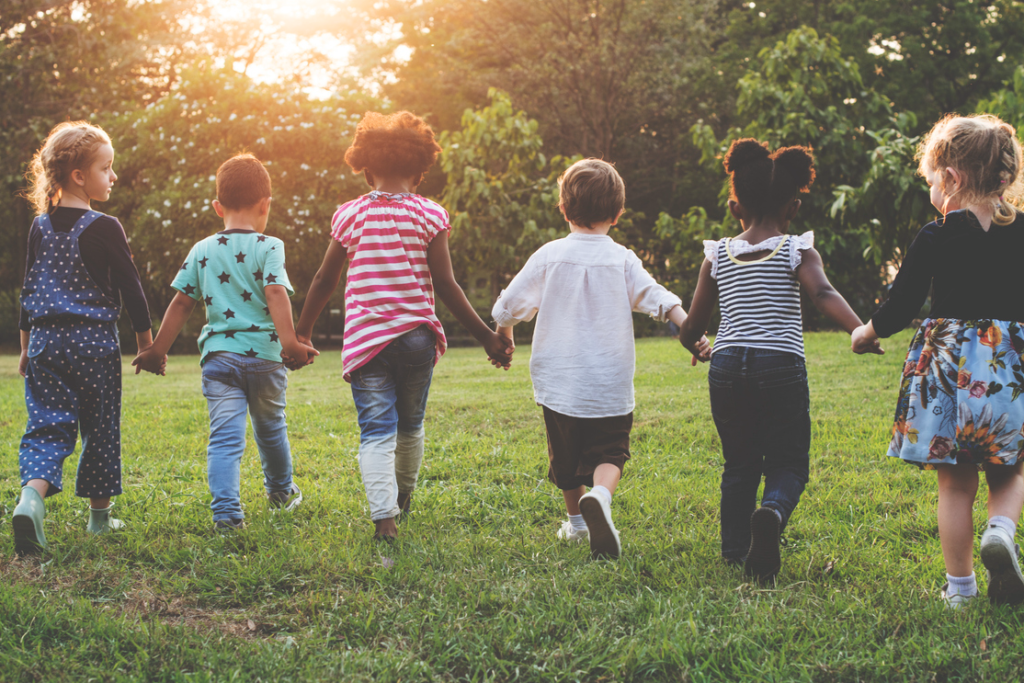
When you’re a kid, time doesn’t operate the way it does when you’re an adult with a calendar full of responsibilities. A single afternoon could stretch on forever, especially if it was filled with something fun like riding bikes or swimming. You weren’t watching the clock or counting down to your next obligation. Days felt self-contained, almost like little stories with a beginning, middle and end.
Without deadlines or schedules, there was nothing forcing your brain to measure time in a structured way. Summer didn’t feel like a limited stretch between two school years, it just felt like life. Weeks blended together in a way that made it hard to tell where one ended and another began. That lack of urgency made everything feel slower. Looking back now, it’s clear that perception, not reality, made it feel endless.
2. School Was Completely Out of Mind
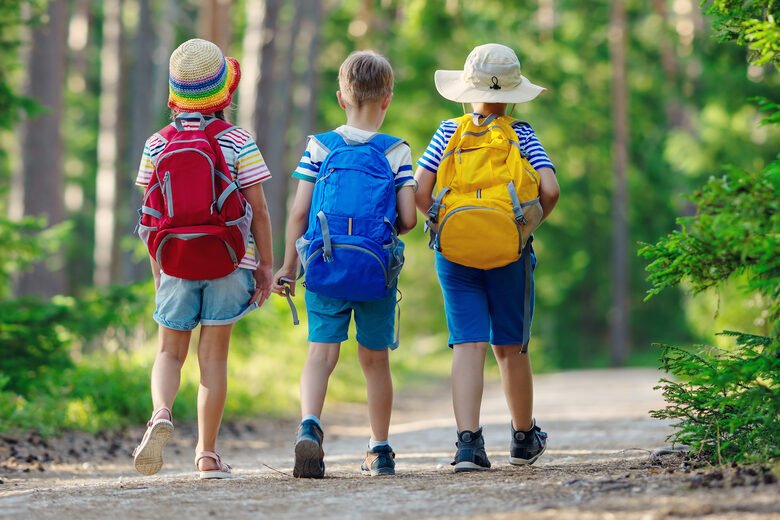
Once the last day of school hit, it was like flipping a switch. Homework, tests and early mornings disappeared almost instantly from your daily thoughts. There wasn’t a constant reminder of what was coming next in the fall. For most kids, summer existed in its own bubble, separate from the rest of the year.
Because of that mental separation, it didn’t feel like a countdown to anything. You weren’t thinking about August creeping closer or back-to-school shopping just yet. Instead, you were fully immersed in the present. That kind of focus makes time feel expansive. It’s only when school starts looming again that summer suddenly feels like it went by fast.
3. Every Day Felt Different

During the school year, days follow a predictable routine. In summer, that structure disappears, and no two days feel exactly the same. One day might be spent at the pool, the next at a friend’s house, and another just wandering around outside. That variety makes it feel like more time has passed than actually has.
Your brain tends to measure time based on how many new experiences you have. When each day brings something slightly different, it creates more “memories,” which makes the period feel longer in hindsight. As a kid, even small changes felt like big adventures. That constant novelty stretched the feeling of time. It’s the opposite of adult routines, where weeks can blur together.
4. You Spent Most of Your Time Outside
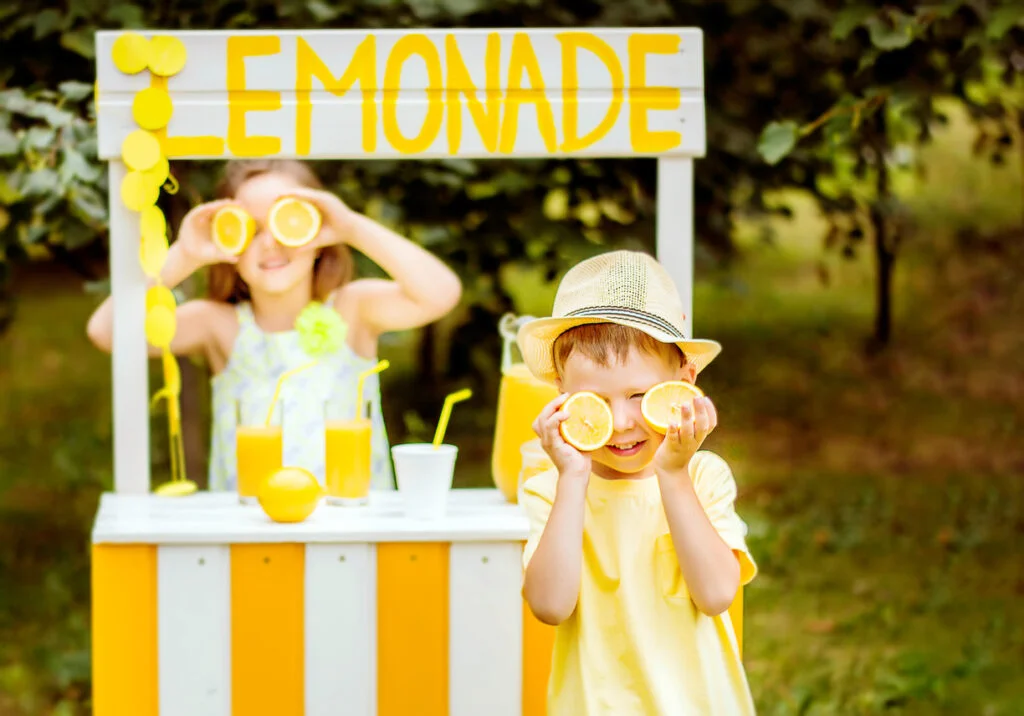
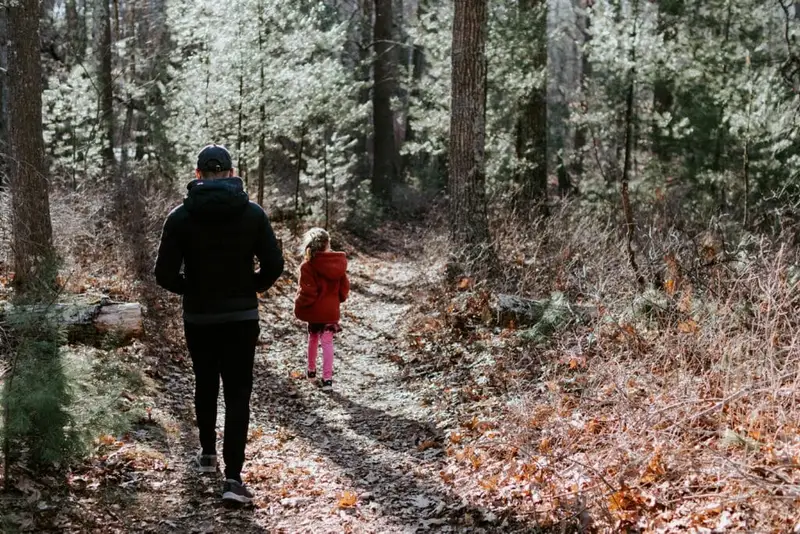
Summer meant being outside for hours, often from morning until the streetlights came on. Whether it was playing tag, riding bikes, or just lying in the grass, outdoor time felt open-ended. There was no ceiling, no walls, and no clear stopping point. That physical freedom contributed to the sense that the day could go on forever.
Nature also slows things down in subtle ways. Watching clouds, catching bugs, or just sitting in the sun doesn’t feel rushed. Those moments don’t have a clear start or finish, which makes time feel less defined. Without constant interruptions, your attention stayed in one place longer. That kind of focus makes hours feel bigger than they are.
5. Boredom Was Part of the Experience
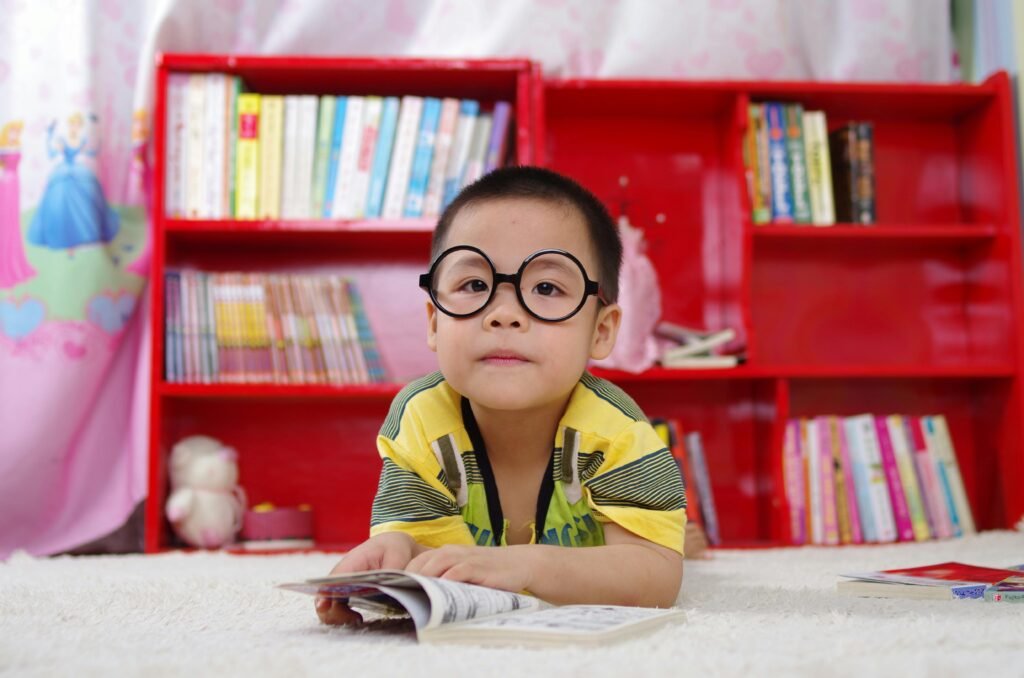
There were definitely moments when you had “nothing to do,” and those moments could feel like they lasted forever. Sitting around on a hot afternoon with no plans made time crawl. You might stare at the TV, flip through channels, or just lie on the floor waiting for something to happen. It wasn’t always exciting, but it stretched the day.
That boredom actually played a role in making summer feel longer overall. When your brain isn’t stimulated, it perceives time as moving more slowly. Kids experience that more intensely because they’re not used to managing downtime. Even though boredom wasn’t always fun, it added to the sense that summer had no end. It filled in the gaps between the more exciting moments.
6. Sleep Schedules Were Flexible
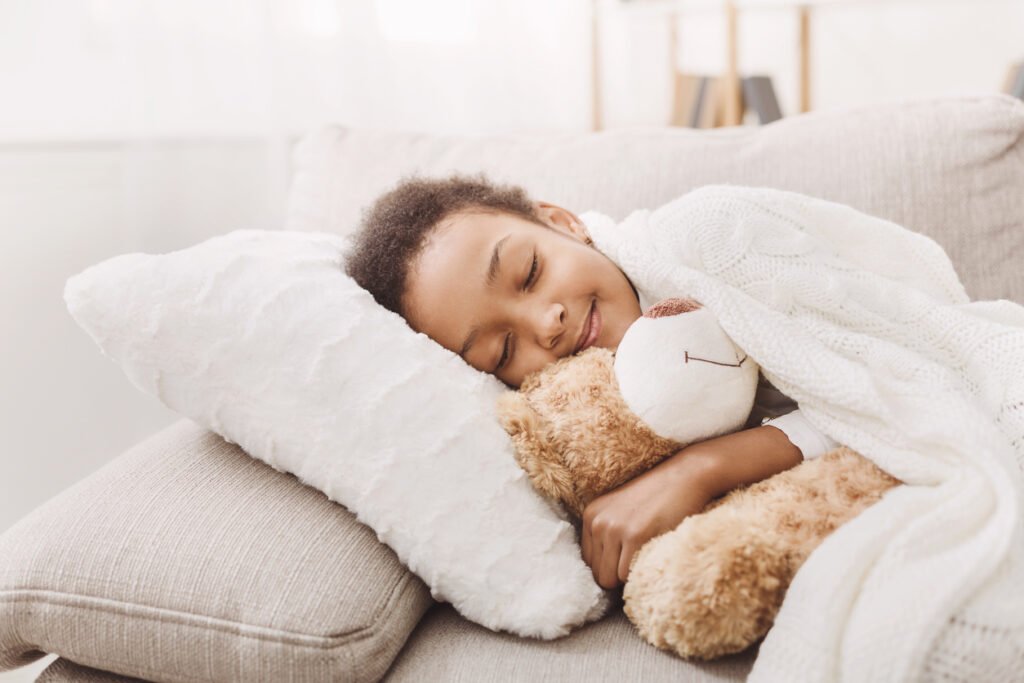
During the summer, bedtime rules often loosened, and mornings didn’t come with alarms. You might stay up late watching TV or talking with family, then sleep in the next day. Without a strict schedule, the boundaries of each day became blurry. Nights felt longer, and mornings felt slower.
That shift changes how time is experienced. When you’re not waking up at the same time every day, it’s harder to track the passage of time. Days feel less segmented and more fluid. Kids weren’t checking calendars or counting hours of sleep. That freedom made it seem like there was always more time left.
7. Small Events Felt Like Big Deals

A trip to the ice cream shop or a visit from a cousin could feel like the highlight of the week. Even something as simple as getting a new toy or watching a favorite movie felt significant. Those moments stood out and gave the summer a sense of fullness. Each event felt like its own occasion.
Because those experiences felt big, they made the season seem packed with activity. When you look back, it feels like so much happened, even if it was spread out over a couple of months. Kids attach more meaning to small moments than adults often do. That emotional weight stretches the memory of time. It makes the summer feel richer and longer.
8. Vacations Broke Up the Season
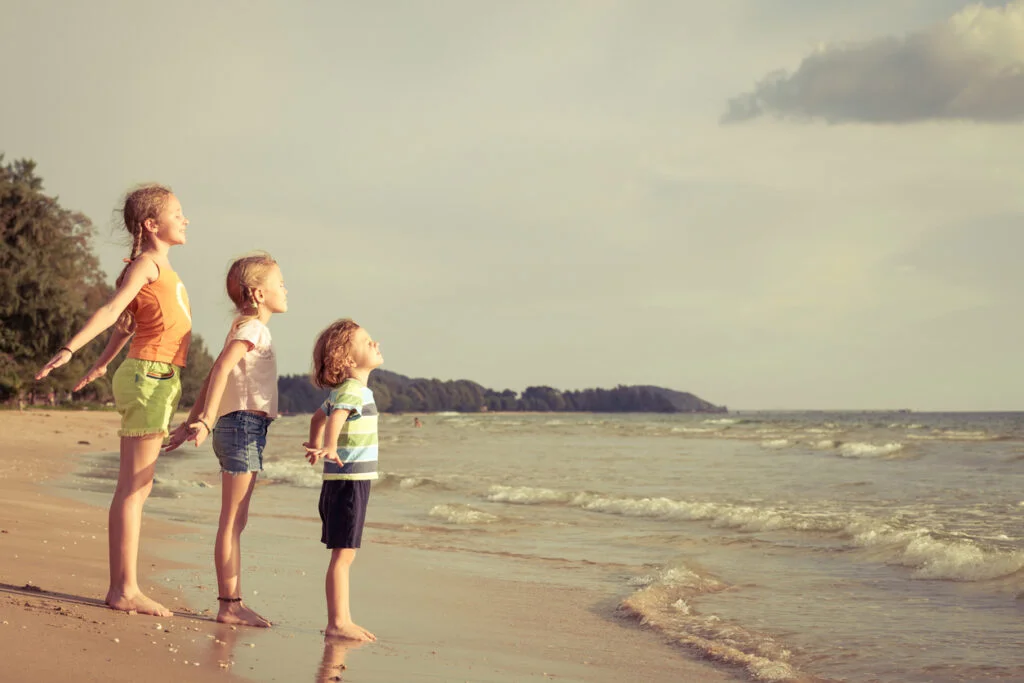
Family trips were often a major part of summer, even if they only lasted a week. Traveling somewhere new created a clear “chapter” in the season. You might remember the drive, the hotel, and all the little details that came with it. It felt like a big shift from everyday life.
Those trips made summer feel segmented in a good way. Instead of one long stretch, it felt like multiple phases. There was the time before the trip, the trip itself, and the time after. Each part had its own identity. That structure made the whole season feel longer than it actually was.
9. There Was Less Awareness of the Calendar
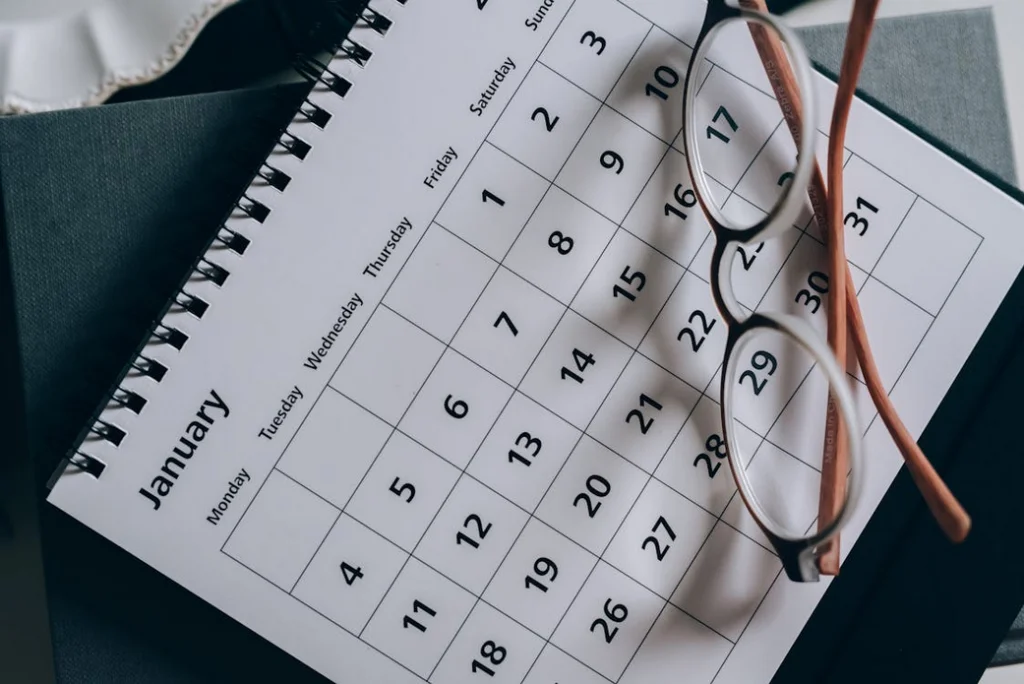
Kids aren’t usually tracking dates or thinking about how many weeks are left in summer. You might know what month it is, but that’s about it. There’s no constant checking of schedules or counting down to deadlines. Time feels less like something you’re managing.
Without that awareness, summer doesn’t feel like it’s slipping away. It just feels like it exists. Adults, on the other hand, are always aware of how quickly time is passing. That awareness can make things feel shorter. As a kid, you simply weren’t measuring it the same way.
10. Friendships Were Constant and Immediate

During summer, you often saw the same friends almost every day. Whether it was neighbors or kids from down the street, there was a sense of continuity. You didn’t have to plan weeks in advance or coordinate schedules. You just showed up and started playing.
That constant interaction created a rhythm that felt steady and ongoing. Days flowed into each other without interruption. Because those connections were so immediate, it felt like time was stretching around them. There was always another day to hang out. That made the whole season feel open-ended.
11. Responsibilities Were Minimal
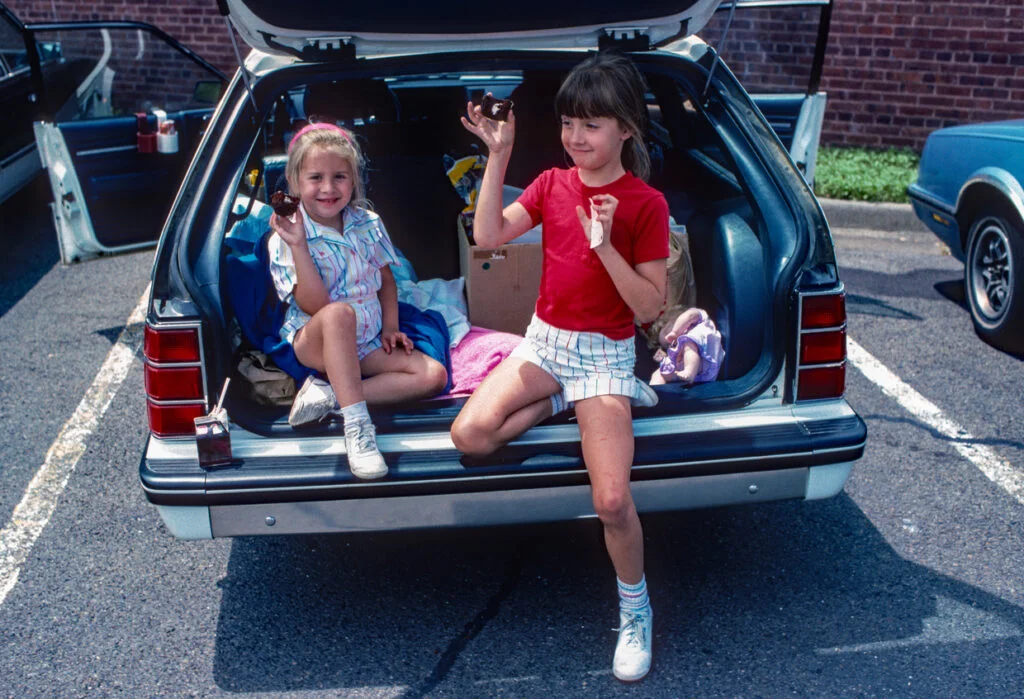
For most kids, summer came with very few obligations. There were no assignments, no meetings, and very few expectations beyond basic chores. That lack of responsibility created a sense of freedom. You weren’t rushing from one task to another.
When you’re not juggling responsibilities, time feels less compressed. Adults often feel like there’s never enough time because so much is packed into each day. Kids didn’t have that pressure. Their days had space in them. That space is what made summer feel so long.
12. Your Brain Was Constantly Taking in New Experiences
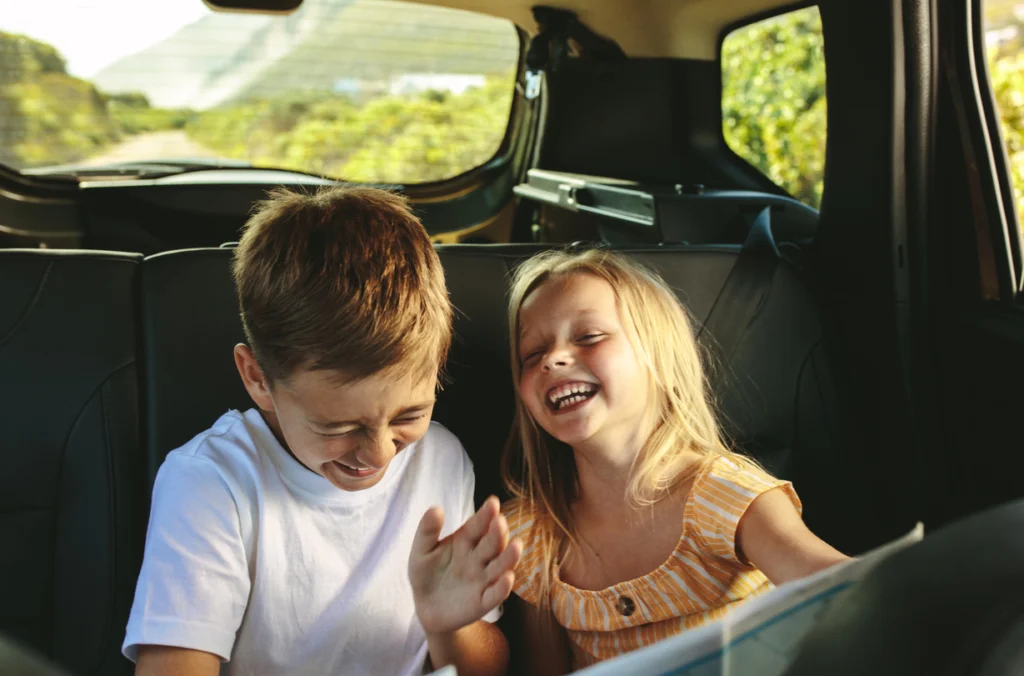
Childhood is a period of rapid learning and discovery. Even familiar activities can feel new because you’re still figuring out the world. During summer, you had more time to explore, experiment, and notice things. That constant intake of new information slows your perception of time.
The brain processes novel experiences differently than routine ones. More new experiences create more detailed memories. When you look back, it feels like a longer stretch because there’s more to remember. That’s why childhood summers feel so vivid. They were packed with firsts, even if you didn’t realize it at the time.
13. You Didn’t Know How Fast Time Could Feel Later
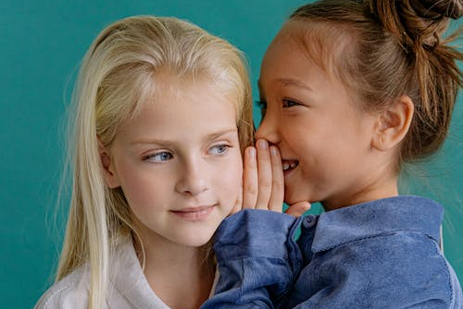
As a kid, you had no real comparison for how quickly time can pass in adulthood. Summer felt like a long break because it was one of the longest uninterrupted stretches of free time you’d experienced. You didn’t have decades of perspective telling you it would fly by. It just felt normal.
That lack of comparison made the season feel even bigger. You weren’t thinking about how short two or three months actually is in the grand scheme of things. It felt like a huge portion of your life. Only later, when time starts to feel faster, do you realize how brief it really was. That contrast is what makes those memories stand out so strongly.