
1. All in the Family
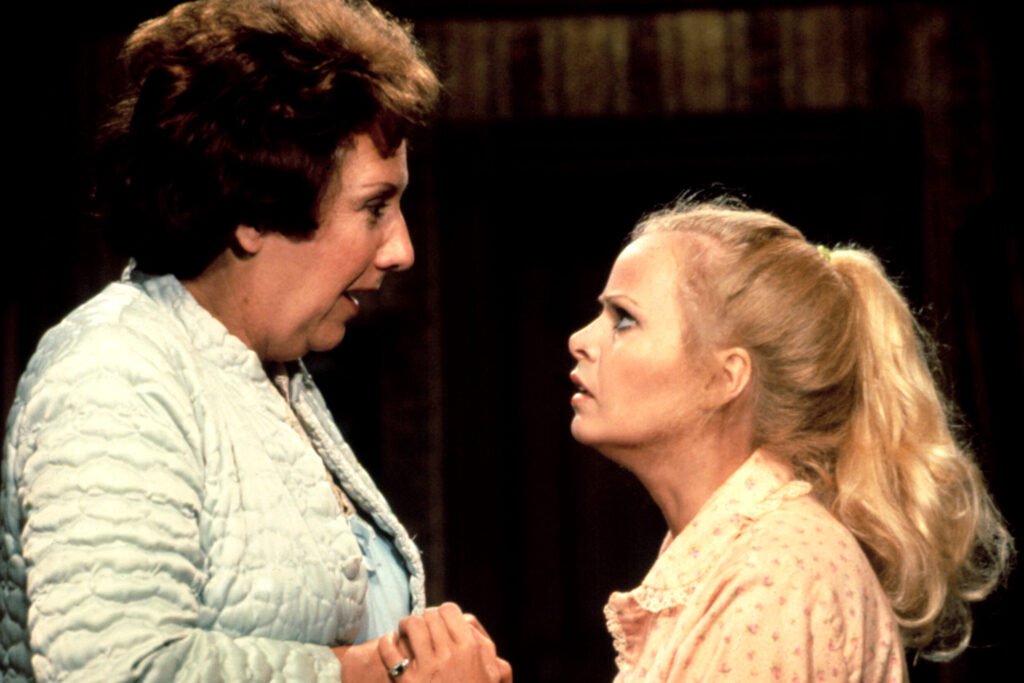
When All in the Family debuted in 1971, it didn’t just push boundaries, it bulldozed them. The show centered on Archie Bunker, a working-class man whose openly prejudiced views were played for both discomfort and satire. Norman Lear designed the series to expose bigotry, but the language and topics were blunt even by the standards of the time. Episodes tackled racism, sexism, and homophobia head-on, often using terms that would not be broadcast on network television today. Even though the intent was to critique those attitudes, the delivery was intentionally raw and unfiltered.
Watching it now can feel jarring, especially if you’re not expecting how direct the dialogue is. Some viewers still debate whether the satire always landed the way it was meant to. Archie was supposed to be the butt of the joke, but he also became incredibly popular. That duality is part of what makes the show so complicated in hindsight. Today’s sitcoms tend to approach similar topics with more sensitivity and clearer framing. It is hard to imagine a modern network taking the same risks in quite the same way.
2. The Jeffersons
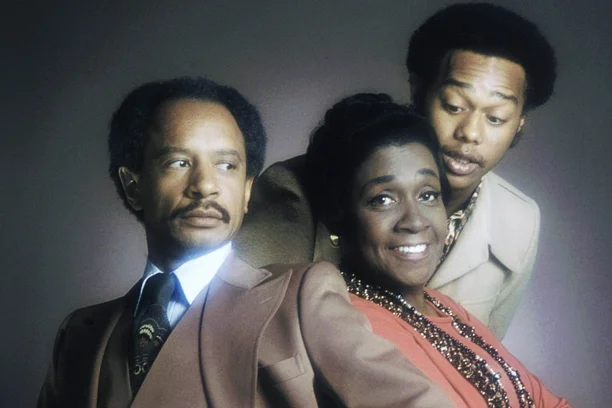
As a spinoff of All in the Family, The Jeffersons carried over the same willingness to confront social issues. The show followed George and Louise Jefferson, a Black couple who moved into a luxury apartment building and navigated life among mostly white neighbors. It dealt with race relations, class differences, and interracial marriage through humor that could be sharp and sometimes uncomfortable. George himself was outspoken, opinionated, and frequently dismissive of others, including his own neighbors.
Some of the humor relied on stereotypes that modern audiences would likely question. At the same time, the show broke ground by placing a successful Black family at the center of a prime-time sitcom. That contrast is what makes it both important and complicated today. Certain jokes and character dynamics would likely be reworked or avoided entirely in a contemporary version. Still, its cultural impact is difficult to overstate.
3. Three’s Company
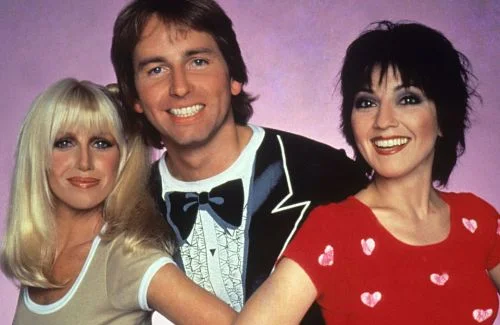
On the surface, Three’s Company looks like a light, goofy sitcom about roommates. But its central premise involved Jack Tripper pretending to be gay so he could live with two women without raising suspicion. That setup was played for laughs, often relying on misunderstandings and exaggerated stereotypes. At the time, it was considered edgy just for acknowledging the concept at all.
Today, the portrayal would likely be seen as reductive and outdated. The humor leaned heavily on confusion about sexuality rather than genuine representation. Many of the landlord’s reactions were meant to be funny but would now come across as insensitive. It is one of those shows that feels very tied to its era. Modern sitcoms tend to approach identity with more nuance and authenticity.
4. Married… with Children
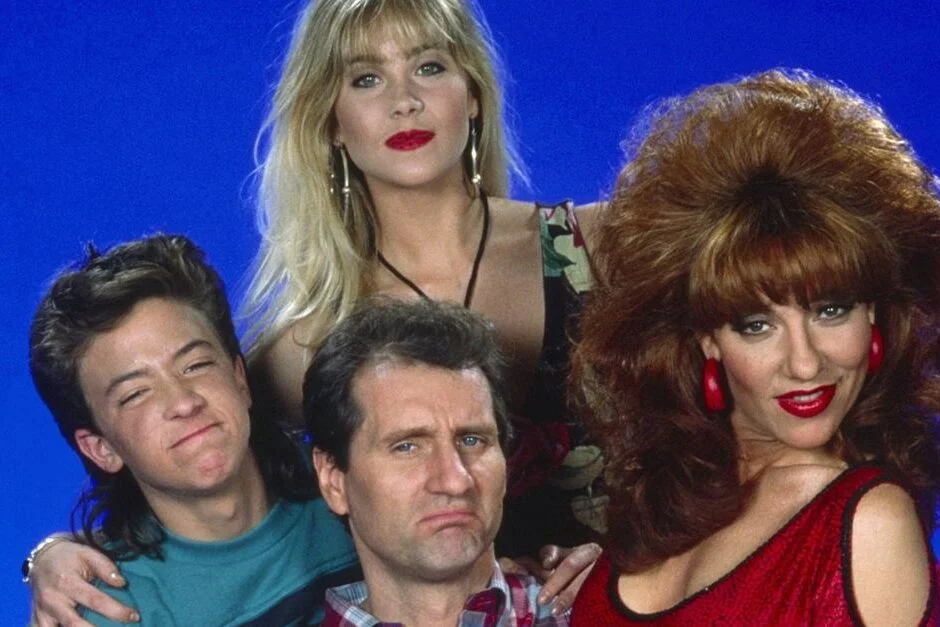
When Married… with Children premiered in 1987, it set out to be the opposite of wholesome family sitcoms. The Bundys were crude, cynical, and openly miserable, with humor that often pushed into territory considered inappropriate for network TV at the time. Al Bundy’s insults, Peg’s behavior, and the show’s overall tone were intentionally abrasive. It even sparked complaints from viewers that led to organized protests.
A lot of the jokes focused on gender stereotypes and body-shaming humor. While the show built a loyal audience, it would likely face significant backlash today. Comedy has shifted toward more self-awareness and less reliance on punching down. Even fans of the show often acknowledge that parts of it have not aged particularly well. It remains a snapshot of late ’80s and early ’90s TV rebellion.
5. The Simpsons (early seasons)
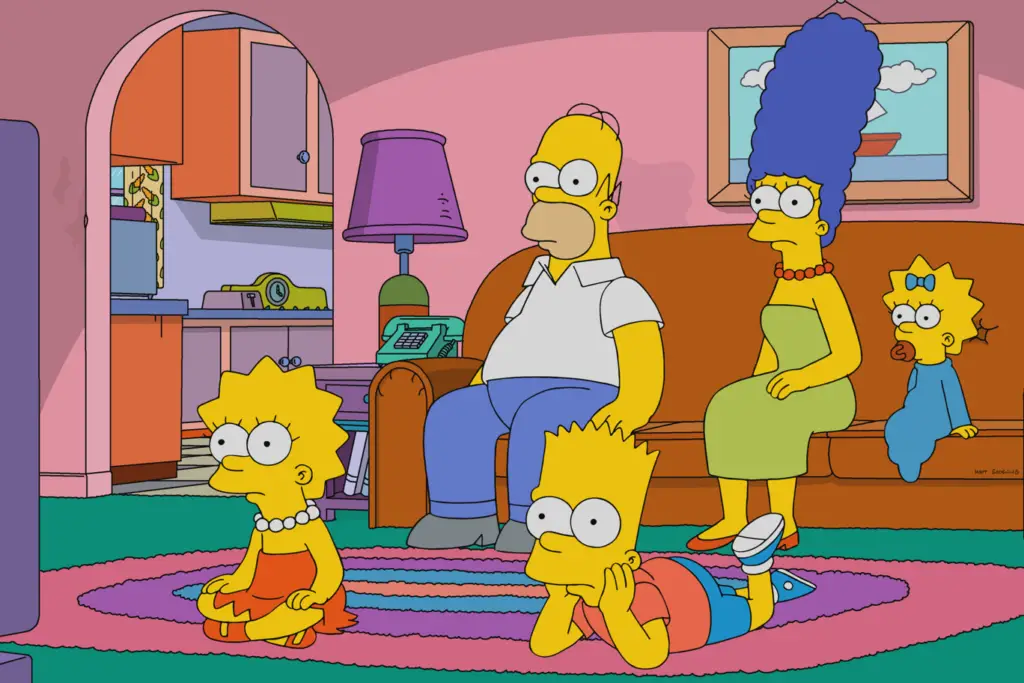
The Simpsons is still on the air, but its early seasons contained elements that would likely be handled differently today. One of the most discussed examples is Apu Nahasapeemapetilon, whose characterization and voice performance later became the subject of widespread criticism. The show also leaned into stereotypes for quick humor in ways that were more accepted at the time. While it was groundbreaking in many ways, it also reflected the norms of its era.
In more recent years, the show has made changes, including recasting certain roles. That evolution highlights how cultural expectations have shifted. Early episodes still hold up in terms of writing and satire, but some aspects feel dated. It is a reminder that even influential shows are not immune to reassessment. The series has had to adapt to remain relevant.
6. South Park (early seasons)
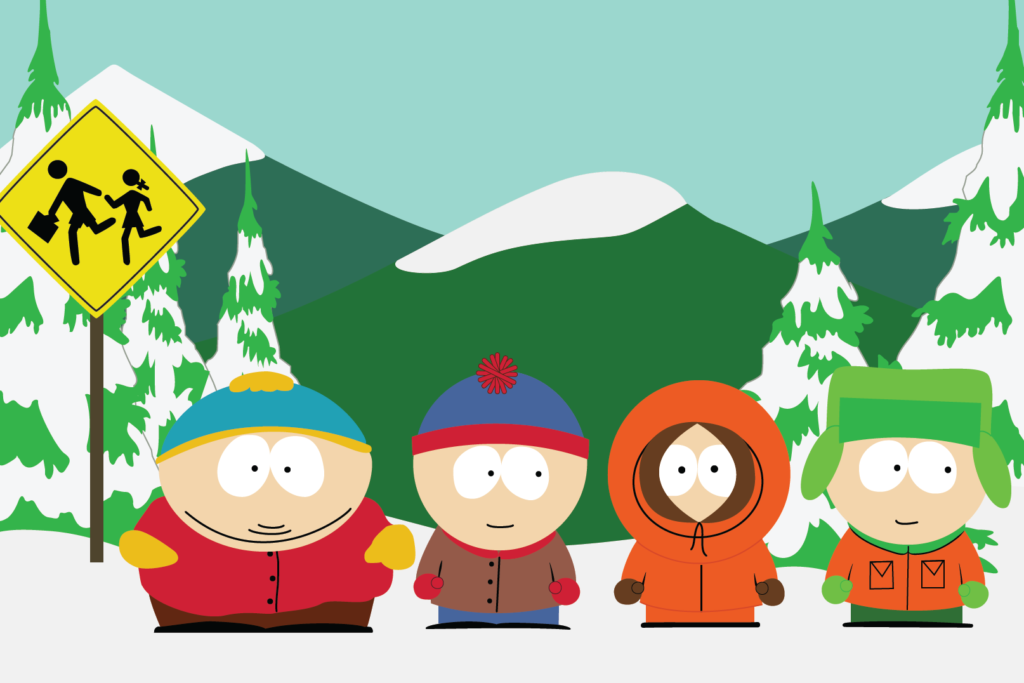
When South Park launched in 1997, it quickly became known for its shock value. The show tackled religion, politics, and social issues with a level of irreverence that was almost unheard of at the time. Early episodes relied heavily on offensive humor, often using taboo topics as the punchline. Nothing was considered off-limits.
While the show still exists, its tone has evolved significantly. The earliest seasons are much more focused on provocation than commentary. Today, some of those episodes would likely face stronger scrutiny or calls for removal. The creators have acknowledged that the show matured over time. Looking back, the early years feel like a very different era of television.
7. Family Guy (early seasons)
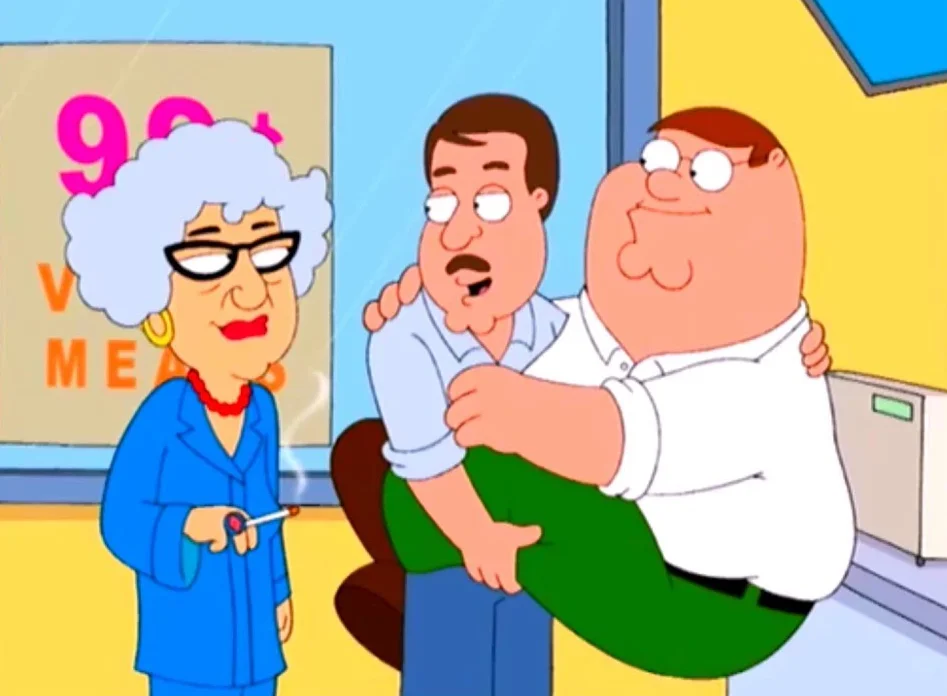
Family Guy built its identity on cutaway gags and boundary-pushing jokes. In its early run, many of those jokes targeted sensitive topics, including race, disability, and tragedy. The humor was fast, shocking, and often intentionally inappropriate. That approach helped it stand out but also made it controversial.
Over time, audiences have become more critical of humor that relies on shock alone. Some early episodes would likely spark backlash if released today without changes. The show has adjusted its tone slightly, though it still pushes limits. It is another example of how animated sitcoms have had to evolve with shifting expectations. What once felt edgy can now feel excessive.
8. Beavis and Butt-Head
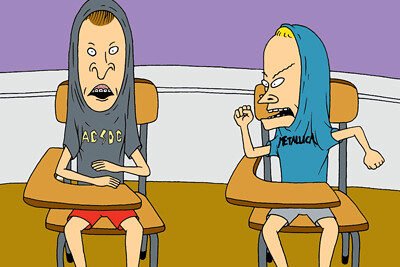
Beavis and Butt-Head was a defining show of the ’90s, known for its crude humor and aimless teenage protagonists. The characters spent much of their time watching music videos and making inappropriate comments. Critics at the time accused the show of promoting bad behavior. It even became the subject of public concern after reports that some viewers imitated what they saw.
The show’s content would likely be scrutinized more heavily today, especially in terms of influence on younger audiences. Its humor was intentionally immature and often centered on destruction or mockery. While it has been revived in recent years, the cultural context around it has shifted. The original run feels very much of its time. It is harder to imagine it debuting in the same form now.
9. Ren & Stimpy
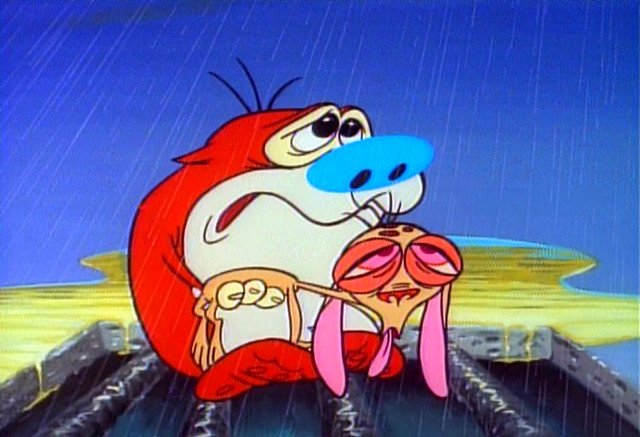
The Ren & Stimpy Show looked like a typical cartoon at first glance, but it quickly revealed a much stranger side. The animation style was exaggerated and sometimes grotesque, and the humor often included adult innuendo. It aired on Nickelodeon, which made the contrast even more surprising. Parents were not always sure what their kids were watching.
Some episodes pushed boundaries in ways that would likely not be approved for children’s programming today. The show also became controversial behind the scenes due to production issues and creator behavior. While it remains influential, it is often cited as an example of how far kids’ TV once went. Modern standards for children’s content are much stricter. It would likely be handled very differently now.
10. Tom and Jerry
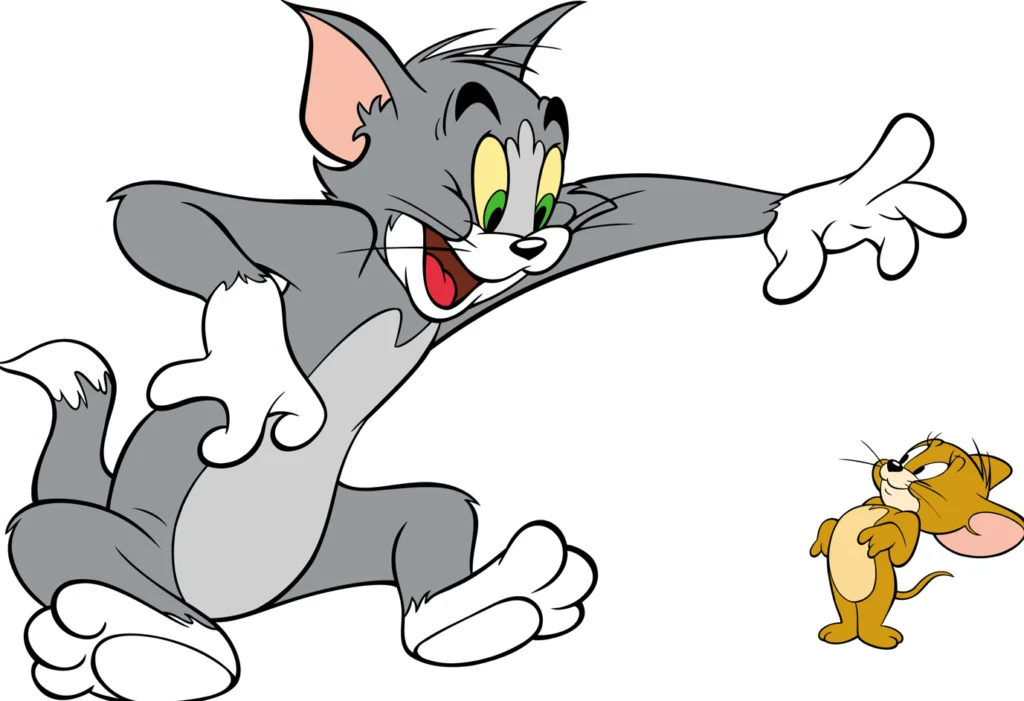
Tom and Jerry is often remembered as a harmless classic, but some of its older episodes contain elements that have not aged well. Early cartoons included racial caricatures and stereotypes that are now widely criticized. Certain scenes have been edited or removed in later releases. The violence, while slapstick, is also much more intense than what is typically shown in children’s programming today.
Despite that, the core cat-and-mouse dynamic remains iconic. The controversy mostly centers on specific historical elements rather than the entire series. Still, those elements are significant enough that they are often addressed with disclaimers. It highlights how even beloved cartoons can reflect outdated attitudes. Modern productions are far more cautious about representation.
11. Looney Tunes (classic shorts)
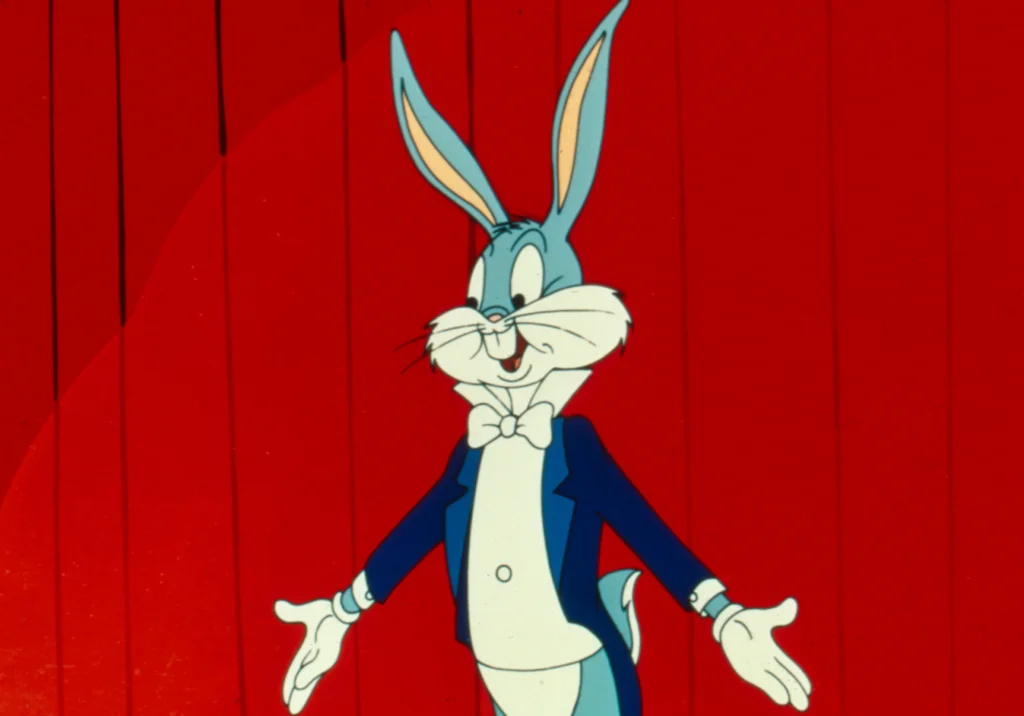
Classic Looney Tunes shorts are some of the most recognizable cartoons ever made. However, several of them include depictions and jokes that are now considered offensive. Warner Bros. has even restricted certain cartoons, sometimes referred to as the “Censored Eleven,” from being widely distributed. These shorts featured racial stereotypes that are no longer acceptable.
Most of the well-known characters remain popular, but the company has taken steps to contextualize older content. That includes adding disclaimers rather than removing everything entirely. The issue is not the characters themselves, but how they were sometimes portrayed. It is a clear example of how cultural standards evolve over time. What was once mainstream can later become problematic.
12. The Flintstones

The Flintstones was one of the first prime-time animated sitcoms and became a massive hit in the early ’60s. It mirrored live-action family shows, but set in a prehistoric world. One aspect that often surprises modern viewers is that the characters appeared in cigarette commercials during its original run. That kind of advertising tie-in would not be allowed today.
The show also reflected the gender roles of its era, with traditional dynamics between Fred and Wilma. While much of it remains charming, those elements stand out more now. It is not considered offensive in the same way as some other entries, but it does feel dated. Modern audiences tend to expect different portrayals of family life. That shift changes how the show is perceived.
13. Diff’rent Strokes
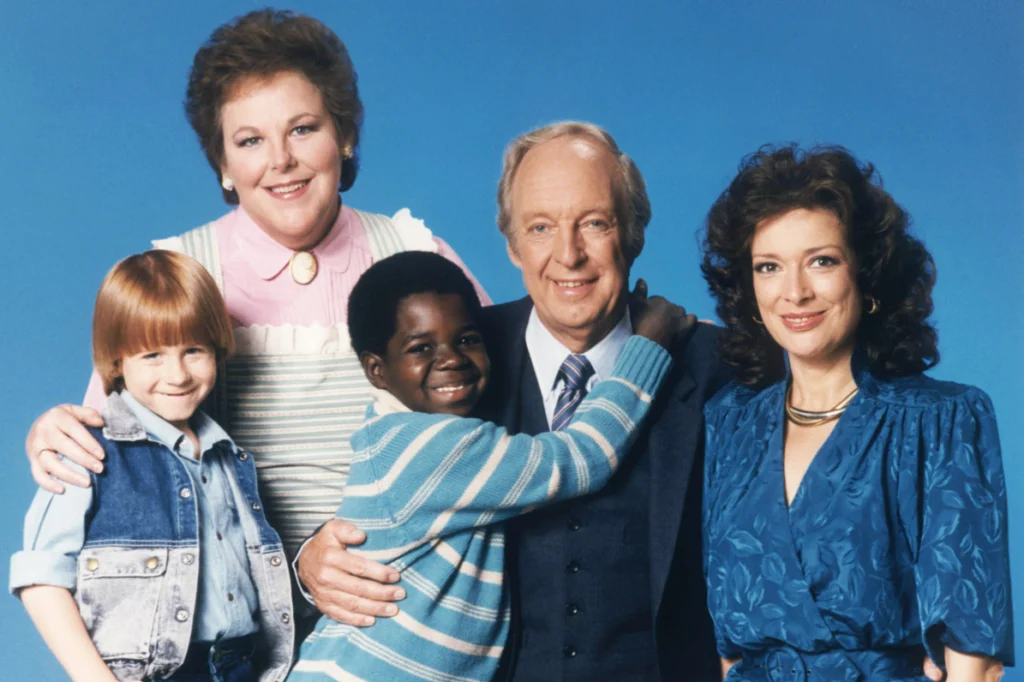
Diff’rent Strokes is remembered for its catchphrases and lighthearted moments, but it also tackled very serious topics. Episodes addressed issues like child abuse, drug use, and kidnapping, sometimes in ways that were surprisingly direct for a sitcom. The tone could shift quickly from comedy to something much heavier. That approach was unusual at the time.
Some of those “very special episodes” would likely be handled differently today. Modern shows tend to integrate serious topics more gradually rather than presenting them in isolated episodes. There is also more emphasis on sensitivity and realism. While the show was praised for raising awareness, parts of it can feel abrupt now. It reflects a different approach to storytelling.
14. Speedy Gonzales cartoons
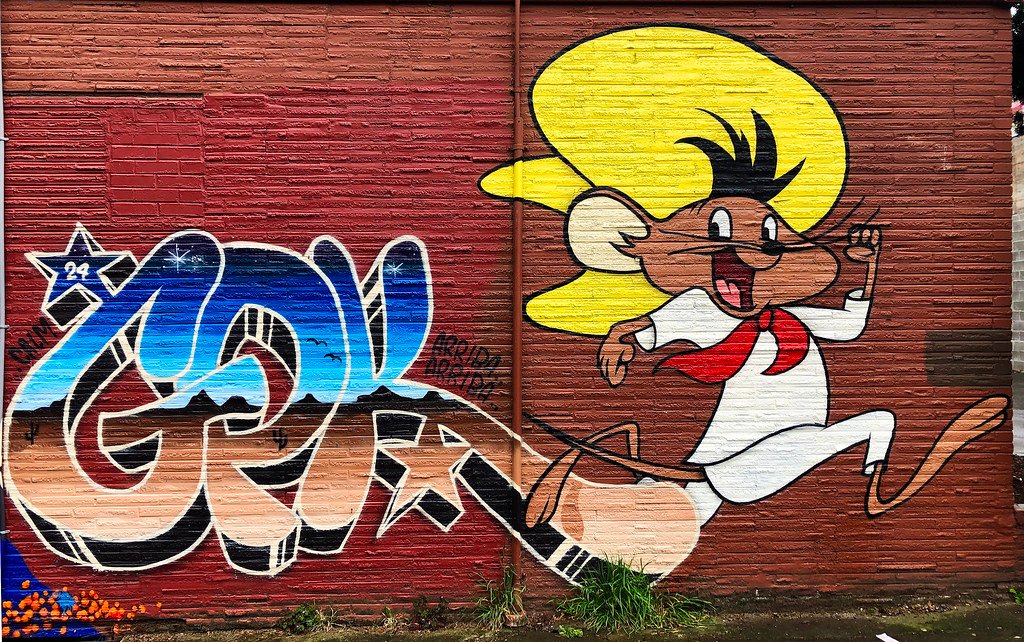
Speedy Gonzales remains a beloved character for many, but his cartoons have also been part of ongoing debates. Some critics argued that the portrayal of other Mexican characters relied on stereotypes. For a period, certain cartoons were pulled from rotation due to those concerns. At the same time, others defended Speedy as a positive and clever hero.
The discussion around the character shows how complex these issues can be. Cultural context plays a significant role in how content is interpreted. Today, studios are more cautious about how characters are depicted. While Speedy still appears in modern media, his legacy is often revisited. It is another example of how older cartoons are reassessed through a contemporary lens.