1. Sears
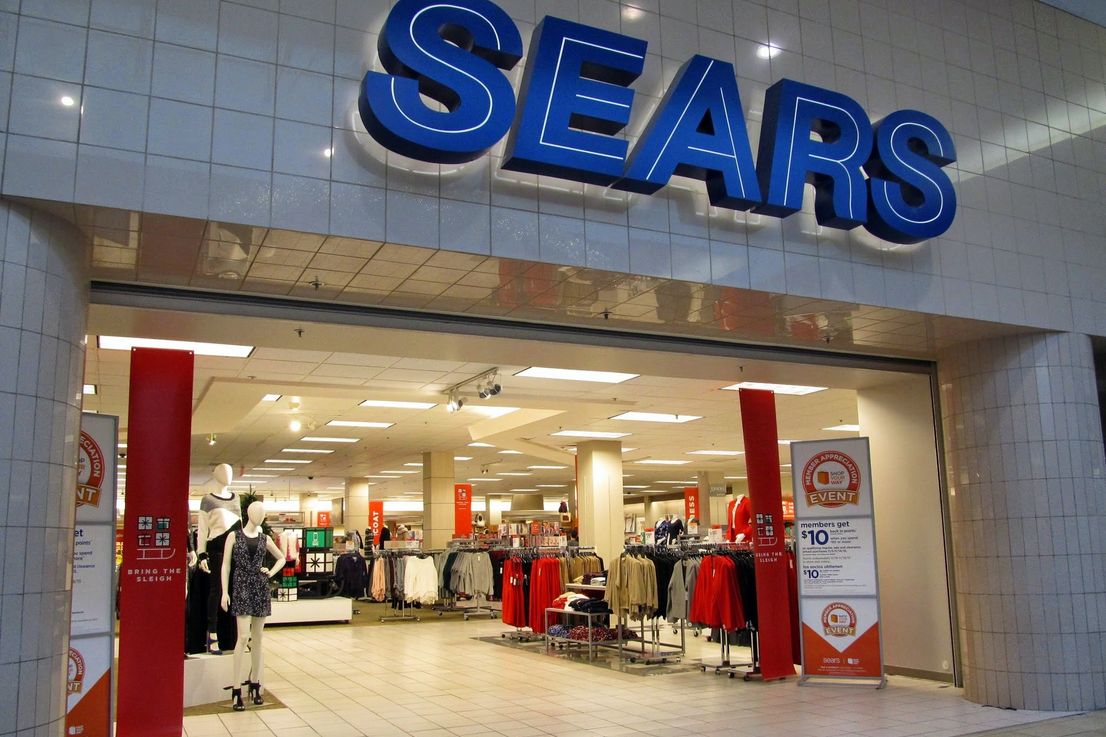
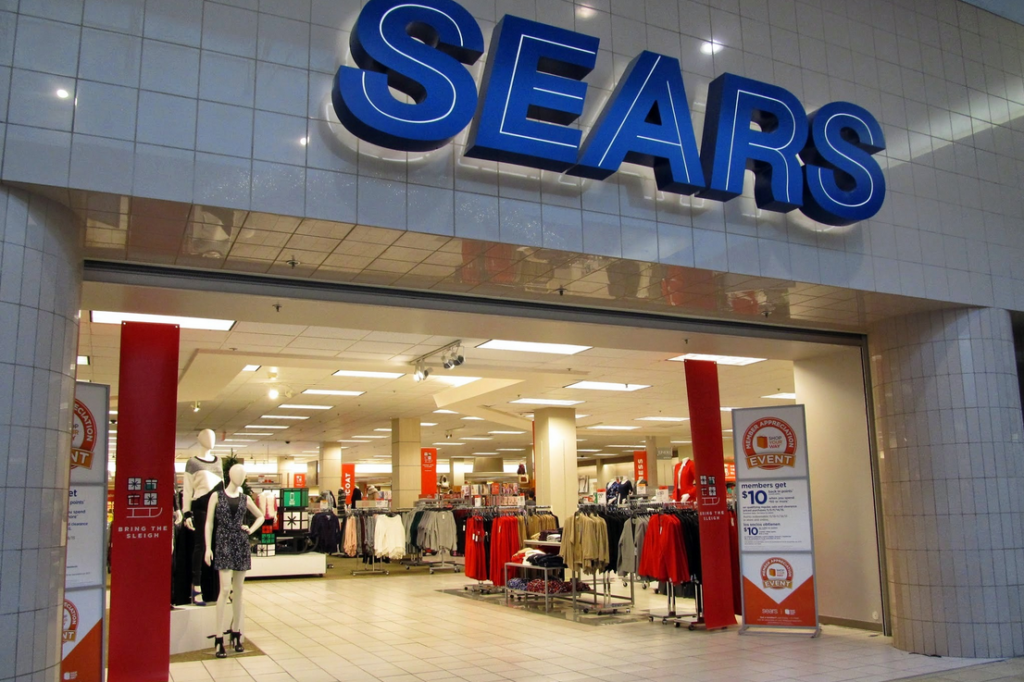
There was something comforting about walking into Sears with Grandma, especially knowing you could find just about anything under one roof. From appliances to school clothes to that unmistakable catalog, it felt like the center of everyday life for decades. The store had a practical, no-nonsense layout, but somehow it still felt familiar and warm. Kids often gravitated toward the toy section, while adults compared tools or browsed home goods. Even the smell, a mix of rubber, fabric, and popcorn from the snack counter, stuck with you.
Sears started declining in the late 20th century and filed for bankruptcy in 2018, closing hundreds of locations. While a handful of stores still technically exist, they no longer hold the cultural weight they once did. For many families, a trip there was less about shopping and more about routine. It was where back-to-school lists got checked off and Christmas wish lists quietly took shape. Today, it’s one of the most commonly cited examples of a retail giant that couldn’t adapt quickly enough.
2. JCPenney
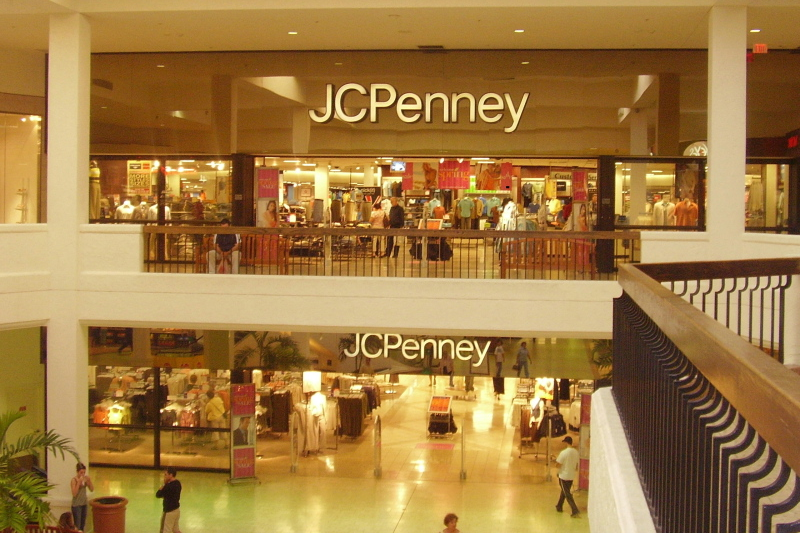
JCPenney always felt like a place where Grandma could find a good deal without sacrificing quality. It was dependable, from its racks of sensible clothing to its home goods and reliable salon tucked inside. Many people remember getting their first “nice outfit” there, especially for holidays or school pictures. The store had a slightly dressier feel than some competitors, but it never felt out of reach. There was a sense that everything had been thoughtfully chosen.
Although JCPenney still operates today, it has closed hundreds of stores and gone through bankruptcy restructuring in 2020. The version people remember from decades ago had a stronger identity as a middle-class anchor store in malls. Grandparents trusted it, which meant entire families ended up shopping there together. The catalogs and seasonal sales added to its appeal, making it feel like a place tied to tradition. It’s not gone, but it’s undeniably changed.
3. Montgomery Ward
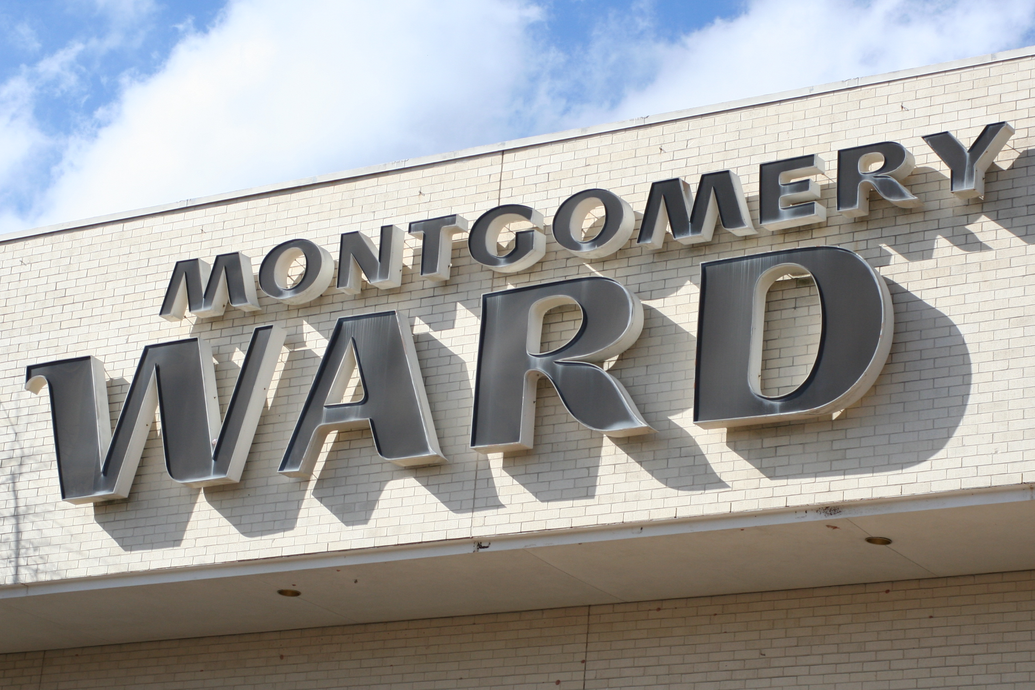
Montgomery Ward was one of those stores that felt deeply rooted in American retail history. Long before online shopping, it helped pioneer mail-order catalogs, which many grandparents relied on. Walking into a physical Ward store still carried that legacy, with a wide range of goods that felt both practical and slightly old-fashioned. It wasn’t flashy, but it was dependable, and that mattered. Families often treated it as a one-stop shop for household essentials.
The company filed for bankruptcy and closed its remaining stores in 2001. While the brand exists today as an online retailer, the in-store experience is gone. For many, Montgomery Ward represents a bridge between catalog-era shopping and modern retail. It was a place where generations overlapped, with grandparents often more familiar with it than younger shoppers. That sense of continuity is hard to replicate now.
4. Marshall Field’s
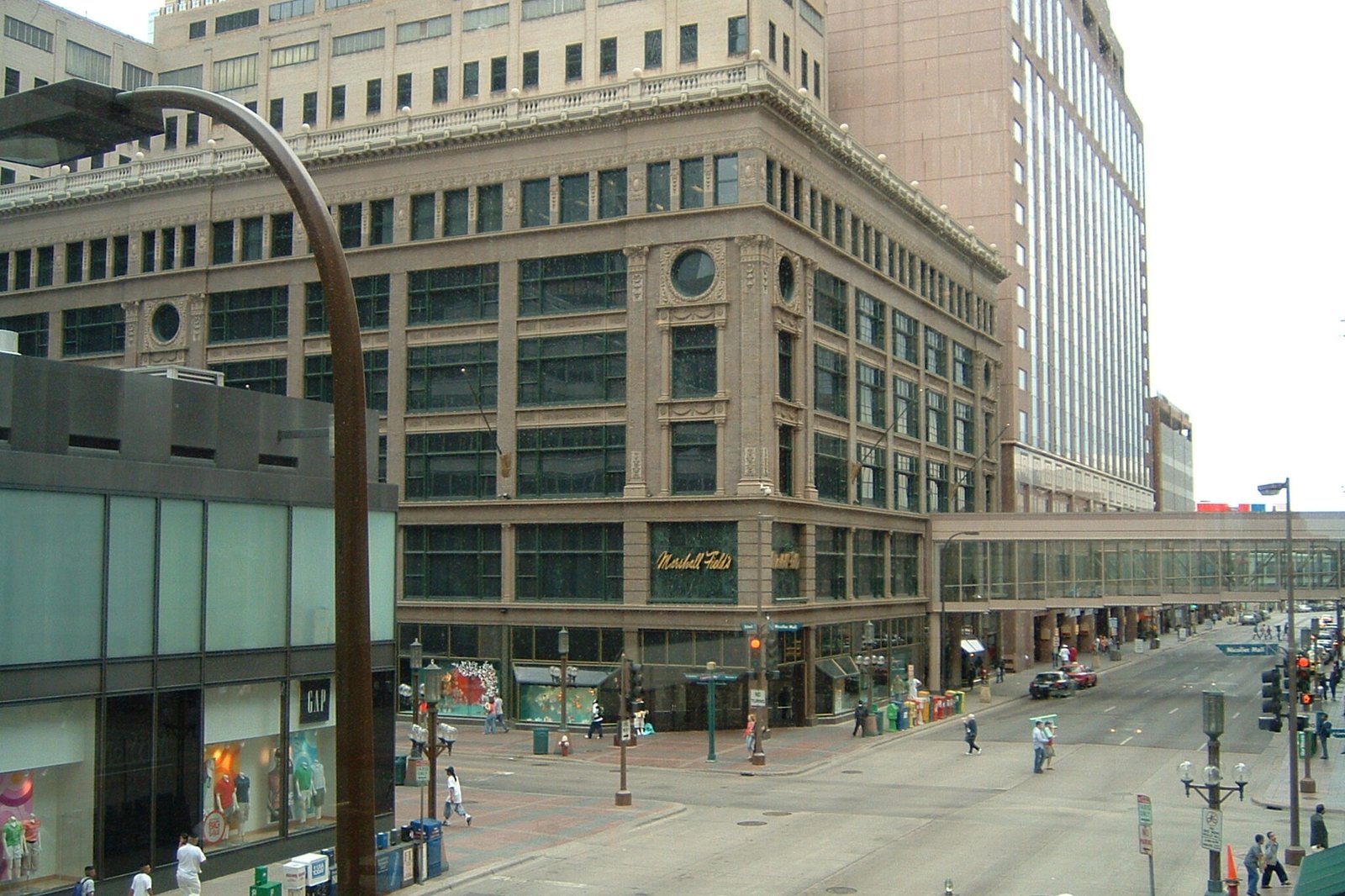
Marshall Field’s felt elegant in a way that made even a casual visit seem special. The flagship store in Chicago was especially memorable, with its grand architecture and famous holiday window displays. Shopping there with Grandma often meant dressing up just a little more than usual. The store carried high-quality goods, and there was a quiet expectation of good manners and patience. Even browsing felt like an event.
In 2006, Marshall Field’s was rebranded as Macy’s, which sparked strong backlash from loyal customers. Many felt that something uniquely local and refined had been lost in the transition. The name itself carried history and pride, especially in the Midwest. For those who grew up with it, Marshall Field’s wasn’t just a store, it was part of family tradition. Its disappearance marked the end of a distinctly regional retail identity.
5. Woolworth’s
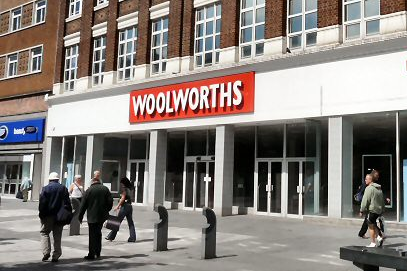
Woolworth’s was less about luxury and more about simple pleasures, especially the iconic lunch counter. Sitting on a spinning stool and ordering something small felt like a treat, even if it was just a sandwich or a soda. The store itself was packed with affordable goods, from toys to housewares. It had a slightly cluttered charm that made browsing fun. Kids loved it because there was always something within reach.
Most Woolworth’s stores in the United States closed by 1997, ending a long chapter in retail history. The brand itself evolved into what is now Foot Locker, though the connection isn’t obvious to most people. For many families, Woolworth’s was as much about the experience as the shopping. It was a place where everyday errands turned into small outings. That casual, welcoming vibe is hard to find in modern stores.
6. Mervyn’s
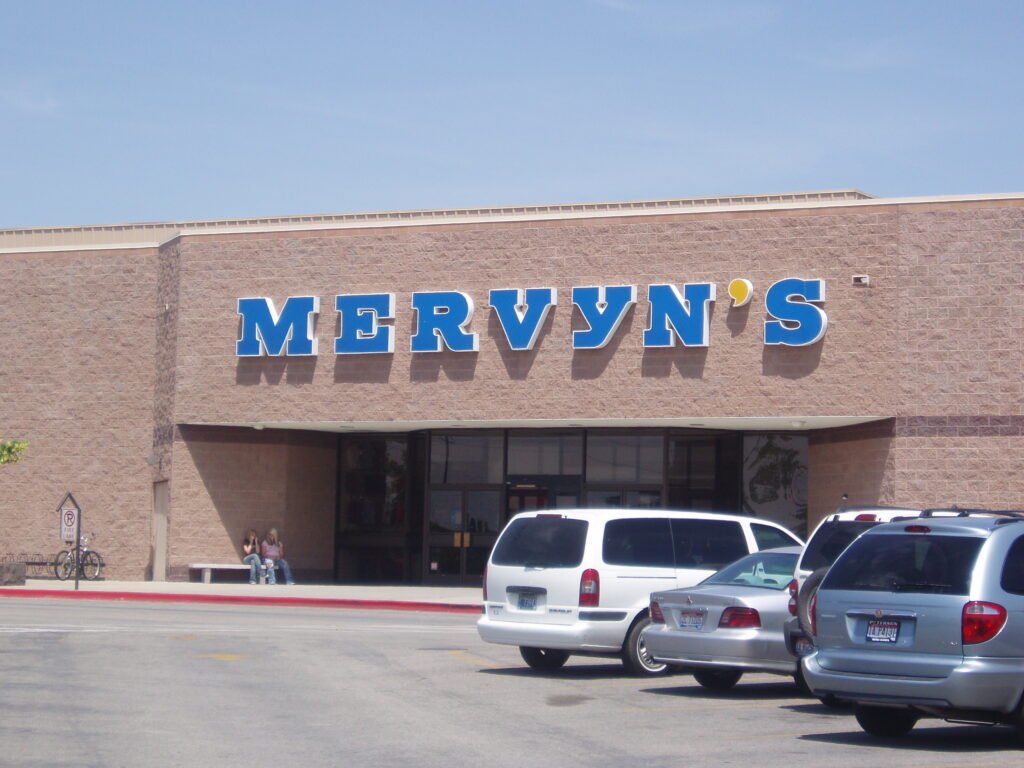
Mervyn’s struck a balance between affordability and style that made it a regular stop for many families. It wasn’t as upscale as some department stores, but it offered dependable clothing and home goods. The “Open, open, open” commercials became part of pop culture, making the brand feel familiar even before you walked in. Shopping there often felt low-pressure, which grandparents appreciated. It was easy to spend time browsing without feeling rushed.
The chain filed for bankruptcy and closed all its stores in 2008. Its disappearance left a noticeable gap in mid-tier retail, especially in the western United States. For many, Mervyn’s represented a comfortable middle ground between discount stores and high-end retailers. It was practical, but not boring. That balance is something many shoppers still look for today.
7. Hudson’s
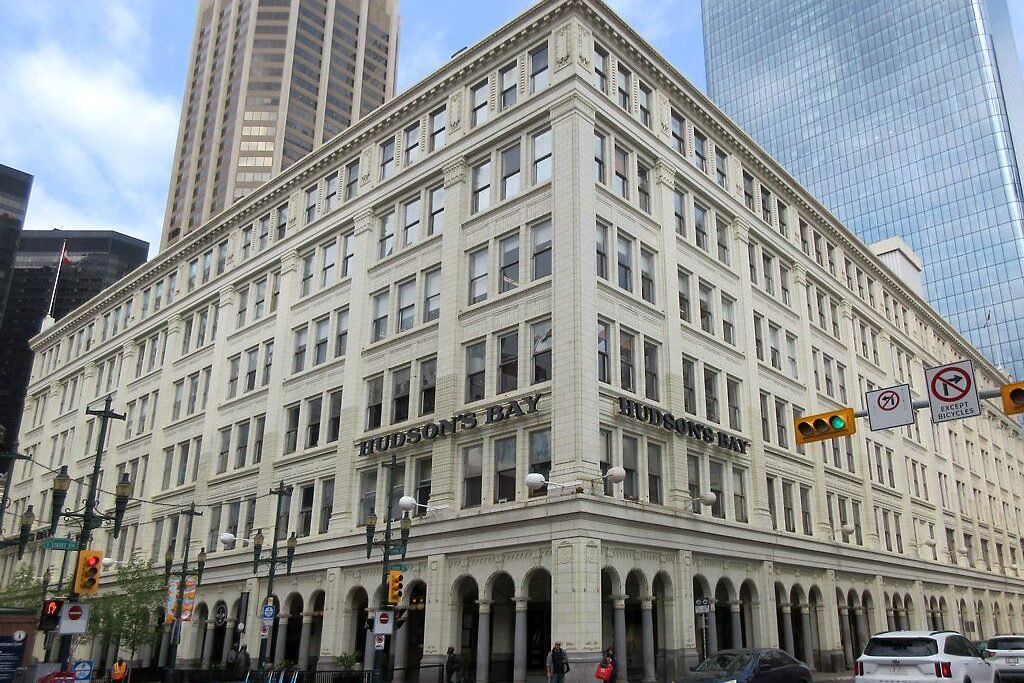
Hudson’s was a cornerstone of shopping in the Midwest, especially in Michigan. The downtown Detroit flagship store was once one of the largest department stores in the world. Visiting Hudson’s with Grandma often meant a full day trip, complete with lunch and plenty of browsing. The store had a sense of scale that felt almost overwhelming, in a good way. It was the kind of place where you could get lost and not mind at all.
Hudson’s was eventually rebranded as Marshall Field’s and later absorbed into Macy’s. The original Detroit store closed in 1983, marking the end of an era. For many families, Hudson’s was tied to memories of holiday shopping and big city visits. It wasn’t just a store, it was an experience. Its legacy still lingers in the region.
8. Bon-Ton
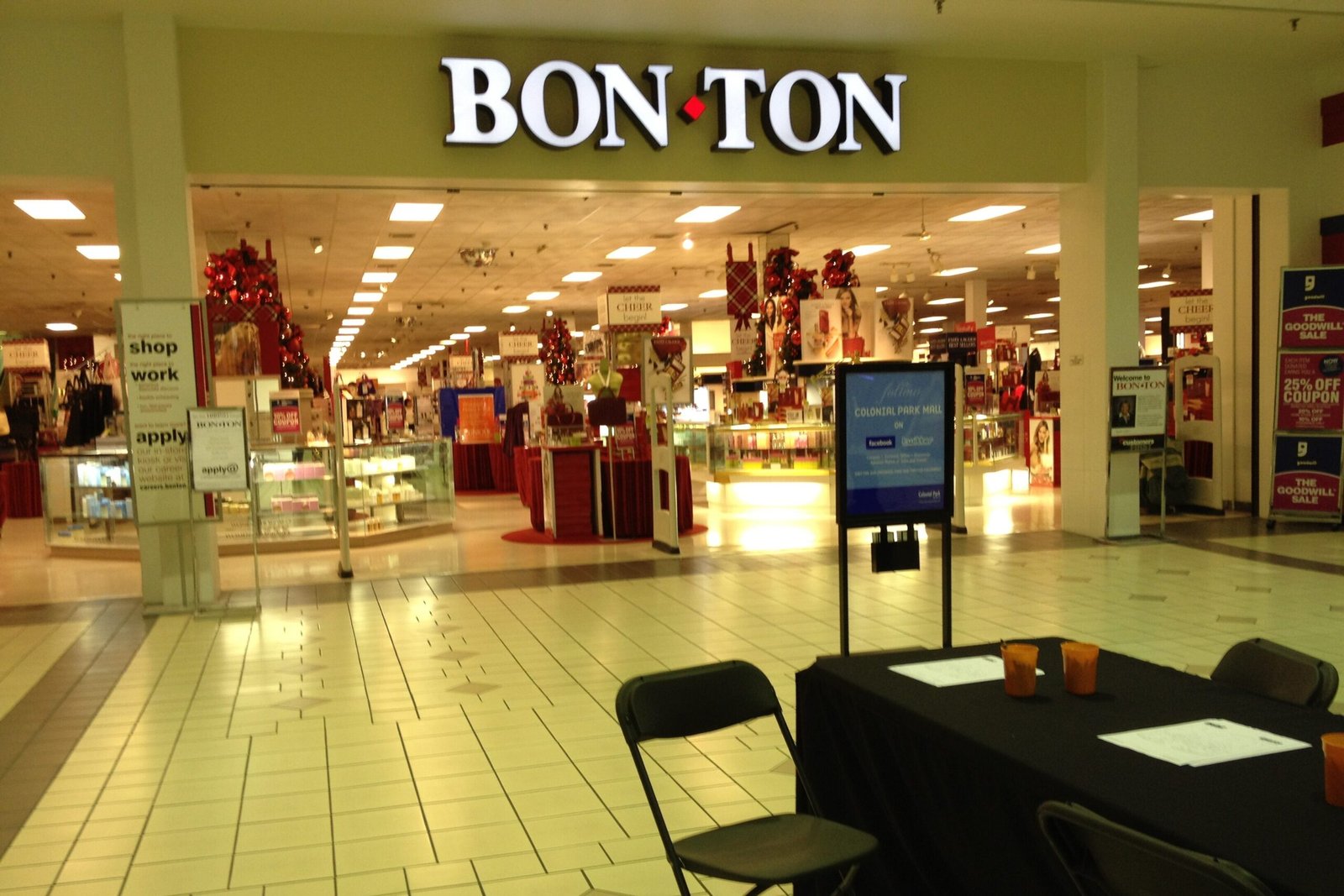
Bon-Ton stores were a familiar presence in many smaller cities and towns. They offered a mix of clothing, cosmetics, and home goods that felt accessible and reliable. Shopping there with Grandma often meant taking your time, moving from one department to another without any rush. The stores had a quieter atmosphere compared to larger chains. That made them feel a little more personal.
The Bon-Ton Stores company filed for bankruptcy and closed all locations in 2018. Its disappearance hit smaller communities especially hard, where it often served as a key anchor store. For many, it was a dependable place for everything from gifts to everyday essentials. The loss felt less like a corporate shift and more like a local change. That kind of connection is hard to replace.
9. Lord & Taylor
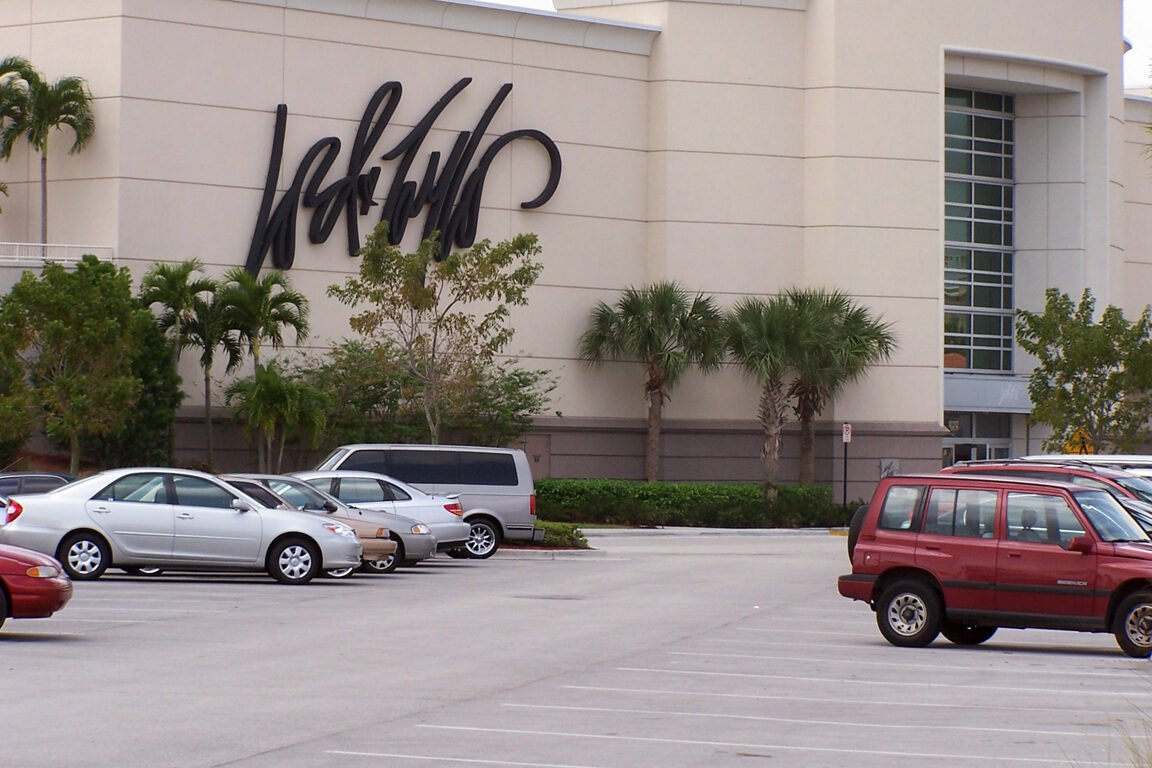
Lord & Taylor had a reputation for elegance and tradition that appealed to older generations. The stores were known for their refined clothing and carefully curated displays. Shopping there with Grandma often felt like stepping into a more formal world. It was the kind of place where quality mattered, and it showed in the merchandise. Even window shopping felt a little elevated.
The company closed its last traditional department stores in 2021. While the brand has attempted to continue online, the in-person experience is gone. For many, Lord & Taylor represented a certain standard of shopping that has largely faded. It was less about quick purchases and more about thoughtful selection. That slower pace is something people still miss.
10. Ames
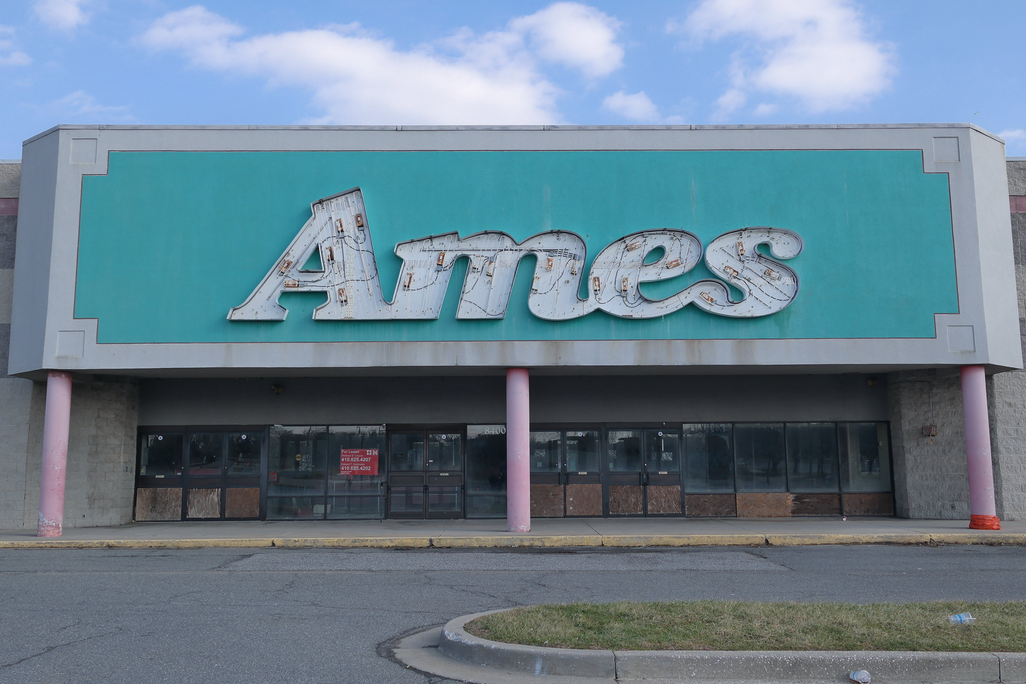
Ames wasn’t flashy, but it was dependable and affordable, which made it a staple for many families. It carried a little bit of everything, from clothing to household items, often at prices that worked for tight budgets. Shopping there with Grandma felt practical, but it still had its moments of fun, especially in the toy aisle. The stores had a straightforward layout that made errands quick. That simplicity was part of its appeal.
Ames filed for bankruptcy twice and ultimately closed all stores in 2002. Its disappearance marked the end of a familiar option for budget-conscious shoppers. For many, Ames was part of everyday life rather than a special outing. It filled a necessary role in many communities. That kind of steady presence is easy to overlook until it’s gone.
11. Filene’s
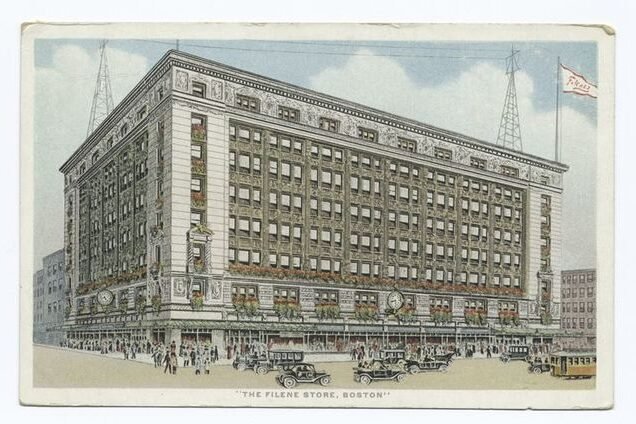
Filene’s was a major name in department store history, especially in the Northeast. It was known for its famous Filene’s Basement, where shoppers hunted for deals in a more chaotic, treasure-hunt environment. Going there with Grandma often meant digging through racks and hoping to find something special. The main store itself had a more traditional department store feel. Together, they created a unique shopping experience.
Filene’s was rebranded as Macy’s in 2006, ending its long-standing identity. The loss of the name felt significant to many loyal customers. It represented a blend of tradition and bargain hunting that was hard to replicate. For families, it was both practical and a little adventurous. That combination made it memorable.
12. Carson Pirie Scott
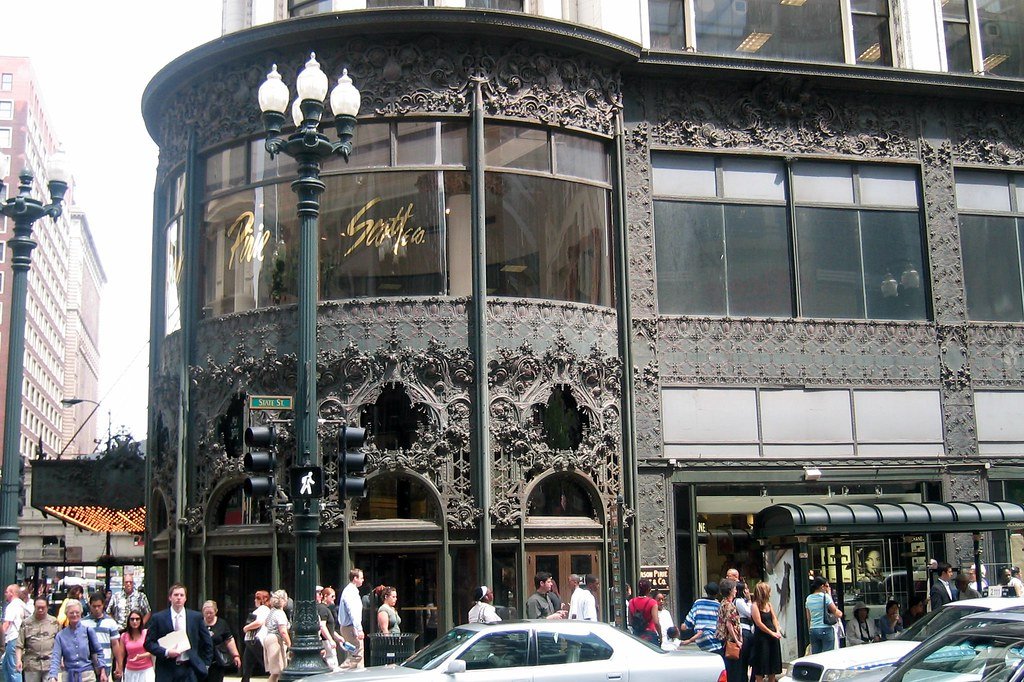
Carson Pirie Scott, often just called Carson’s, was another Midwestern staple. The stores had a classic department store feel, with a strong focus on clothing and home goods. Shopping there with Grandma often felt relaxed and familiar. It wasn’t overly flashy, but it had a dependable charm. Many families returned year after year for the same reliable experience.
The chain went through multiple bankruptcies and eventually closed its stores in 2018. While the name has been revived online, the physical locations are gone. For many, Carson’s was tied to local shopping traditions. It was the kind of place you didn’t think twice about visiting. That sense of normalcy is part of what people miss.
13. Hecht’s
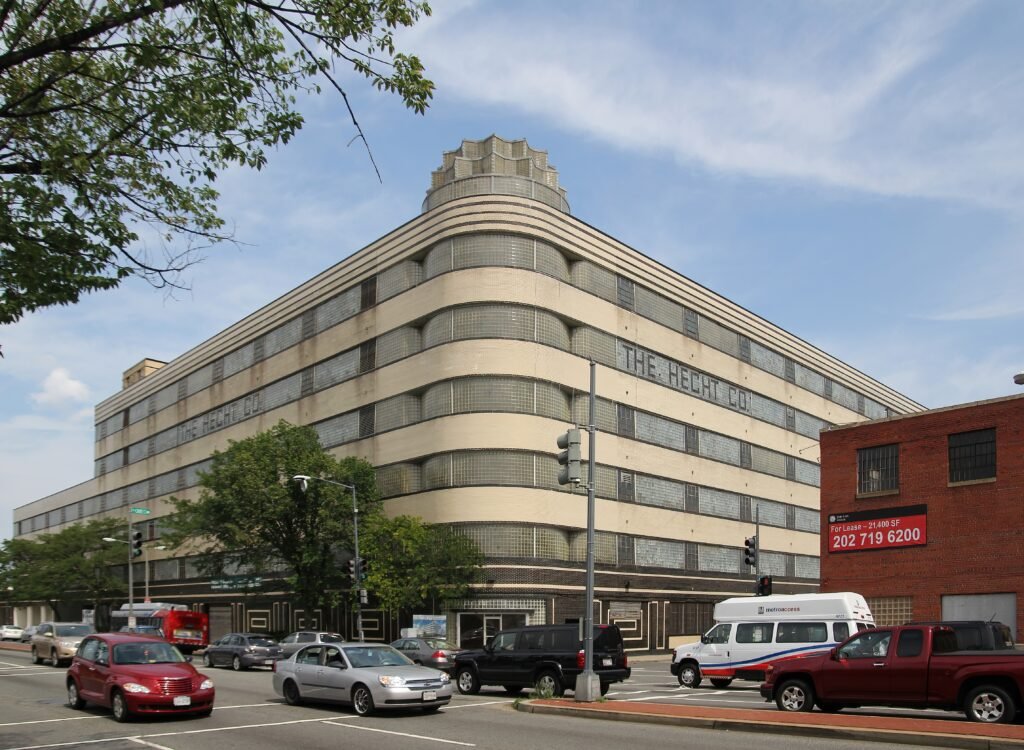
Hecht’s was a well-known department store in the Mid-Atlantic region. It offered a mix of quality clothing, cosmetics, and home goods that appealed to a wide audience. Shopping there with Grandma often meant browsing through carefully arranged displays and taking your time. The stores had a polished but approachable feel. It struck a balance that made it widely popular.
Hecht’s was rebranded as Macy’s in 2006 as part of a broader consolidation. The name disappeared, but many shoppers still remember it fondly. It represented a specific era of regional department stores. For families, it was a familiar and trusted option. That kind of loyalty is hard to recreate.
14. Strawbridge’s
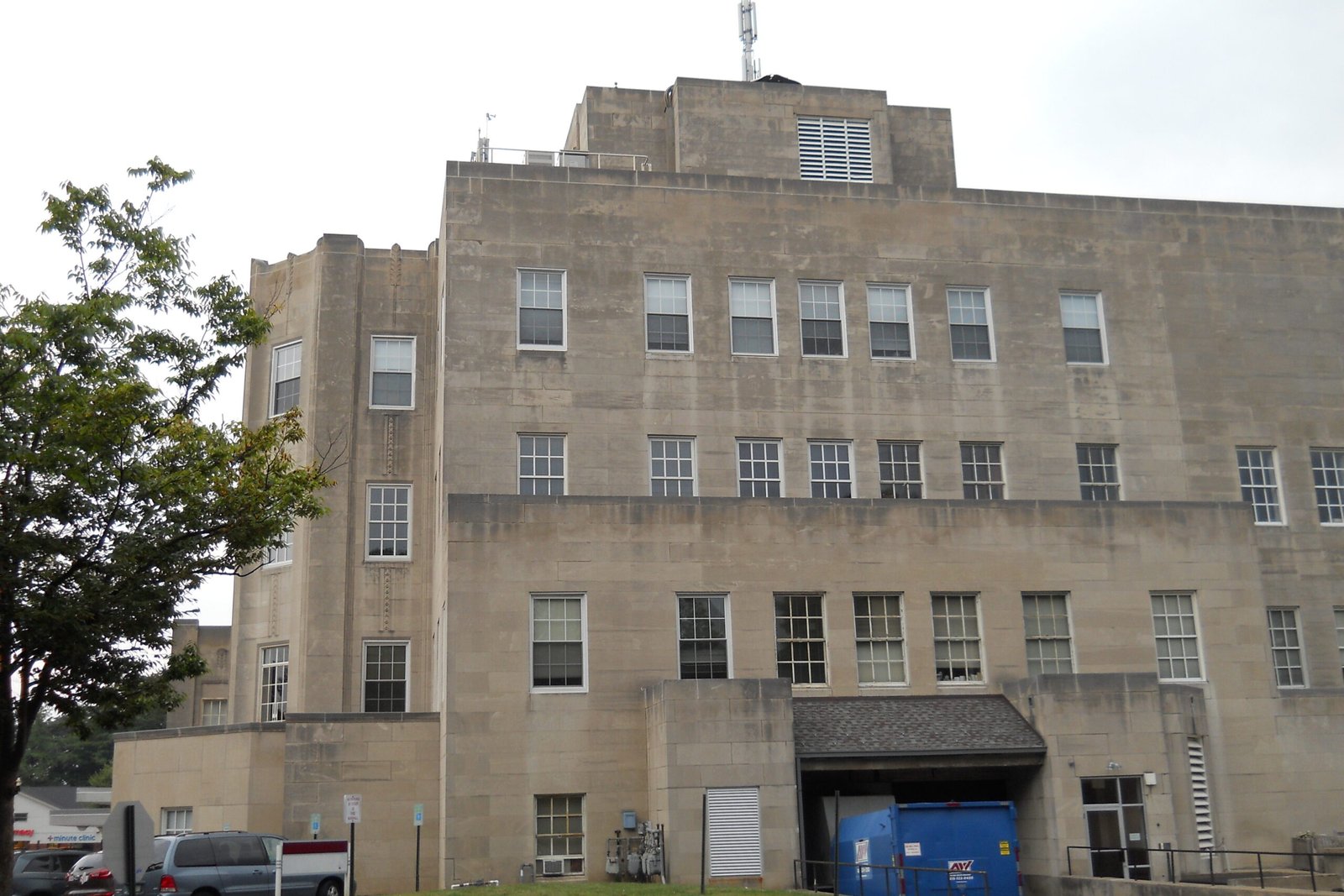
Strawbridge’s was another regional favorite, particularly in the Philadelphia area. It had a reputation for quality and a slightly more refined shopping experience. Visiting with Grandma often meant browsing through well-organized departments and maybe picking out something for a special occasion. The store felt dependable and a little traditional. That consistency was part of its appeal.
Strawbridge’s was also rebranded as Macy’s in 2006, ending its independent identity. Like many regional stores, its disappearance reflected a larger shift in retail. For many families, it wasn’t just about what you bought there. It was about the experience of going together. That shared routine is what people tend to remember most.