1. Gather Your Materials First
Before you start, it helps to have everything within reach so you are not scrambling halfway through. You will need a clear bottle or jar, vegetable oil, water, food coloring, and effervescent tablets like Alka-Seltzer. A tall, transparent container works best because it lets you clearly see the “lava” movement. Make sure the bottle is clean and completely dry before using it. Any leftover residue can affect how the liquids separate.
You do not need anything fancy or specialized for this project, which is part of the appeal. Most of these items are already in a typical kitchen or medicine cabinet. The key is using oil and water because they naturally do not mix. That separation is what makes the lava lamp effect possible. Once you have everything lined up, the rest moves quickly.
2. Fill the Bottle Mostly with Oil
Start by pouring vegetable oil into your container until it is about three quarters full. This ratio matters because you need enough space for the water layer to form below it. Oil is less dense than water, which means it will always float on top. That physical property is what drives the entire visual effect.
Take your time while pouring so you do not create unnecessary bubbles. If bubbles do form, let the container sit for a minute so they can rise and dissipate. A steady, clear layer of oil works best for visibility. You should now see a single, uniform layer filling most of the container. This becomes the “background” for your lava movement.
3. Add Water Slowly and Watch What Happens
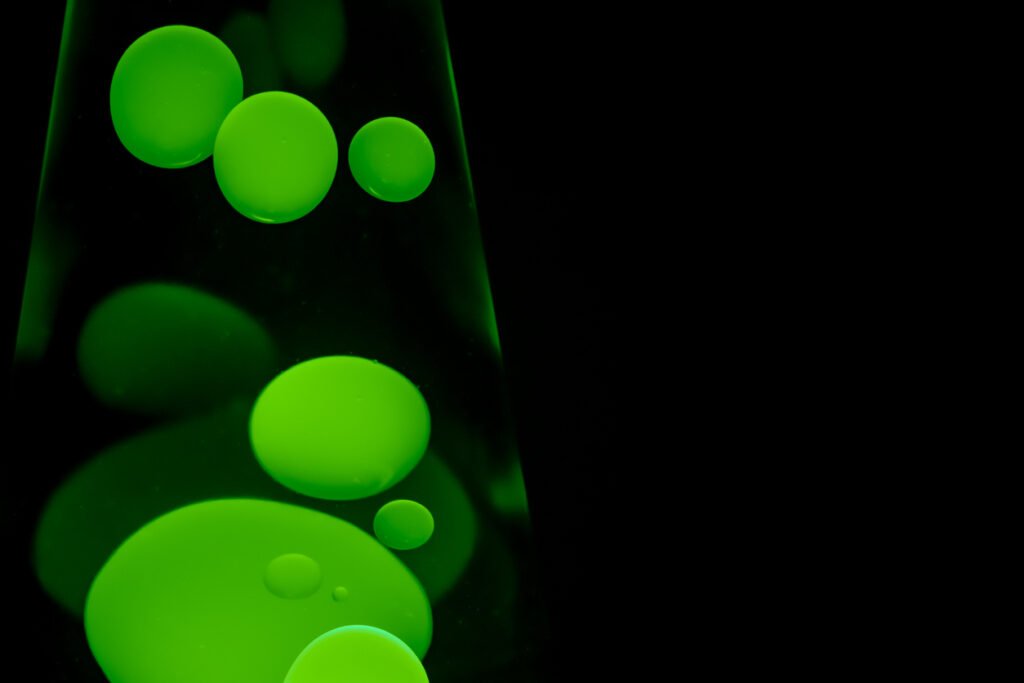
Next, carefully pour water into the container until it is nearly full. As you pour, you will immediately notice the water sinking beneath the oil. This happens because water is denser than oil, so it naturally settles at the bottom. The separation should be very clear, forming two distinct layers.
Pour slowly to avoid mixing the layers too aggressively. Even if some temporary mixing happens, the liquids will separate again after a short time. That is one of the reassuring parts of this experiment. You now have the basic structure needed for the lava lamp effect. The next steps are what bring it to life.
4. Add Food Coloring to the Water Layer
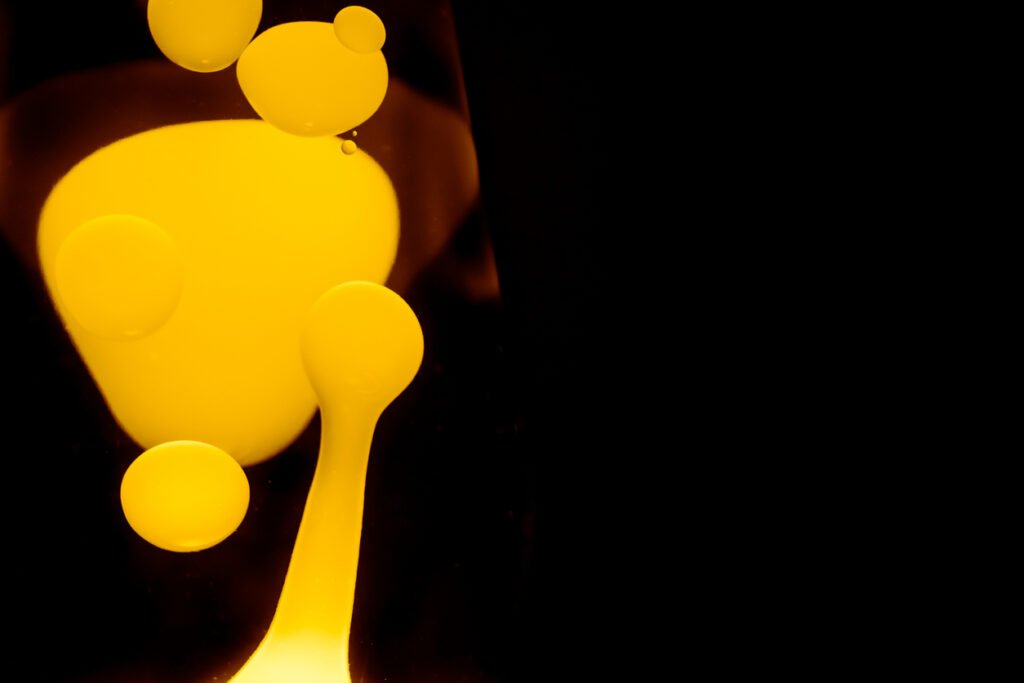
Drop in a few drops of food coloring, aiming for the water layer at the bottom. You might notice the color passing through the oil before settling below. That is normal because the coloring is water-based and will not mix with the oil. Once it reaches the bottom, it will spread through the water layer.
You can choose any color you like, depending on the look you want. Brighter colors tend to be more visible against the clear oil. Stirring is not necessary because the coloring will disperse on its own. Give it a moment to fully blend into the water. Now your “lava” has its signature color.
5. Break the Effervescent Tablet into Pieces
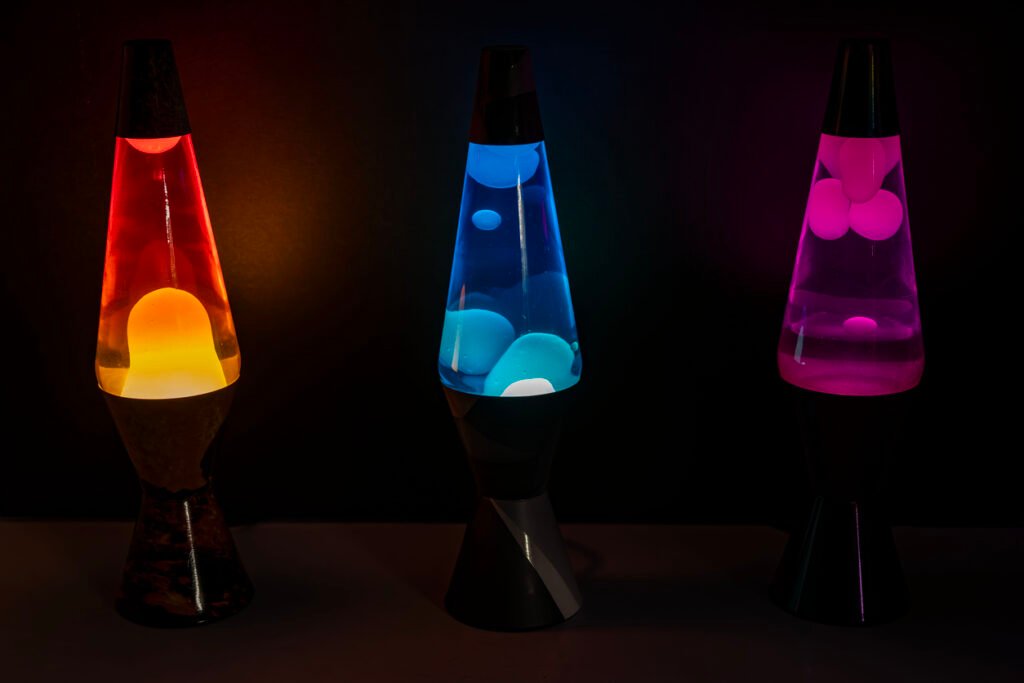
Take an effervescent tablet and break it into smaller chunks. Smaller pieces help create multiple bubbles instead of one large reaction. This leads to a more dynamic and interesting lava effect. You do not need to crush it into powder, just break it into a few parts.
Having multiple pieces ready allows you to add them one at a time. This helps extend the activity rather than having it all happen at once. It also gives you more control over the intensity of the reaction. Set the pieces aside so they are easy to grab. You are about to see the transformation.
6. Drop in the First Piece and Observe
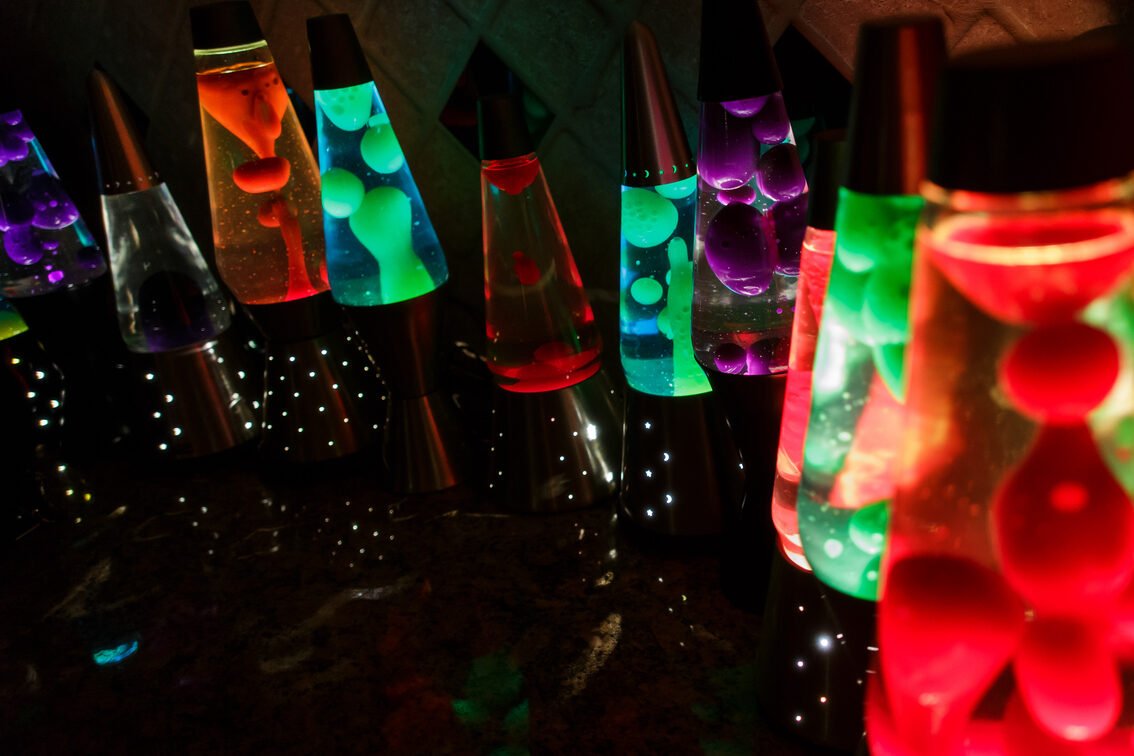
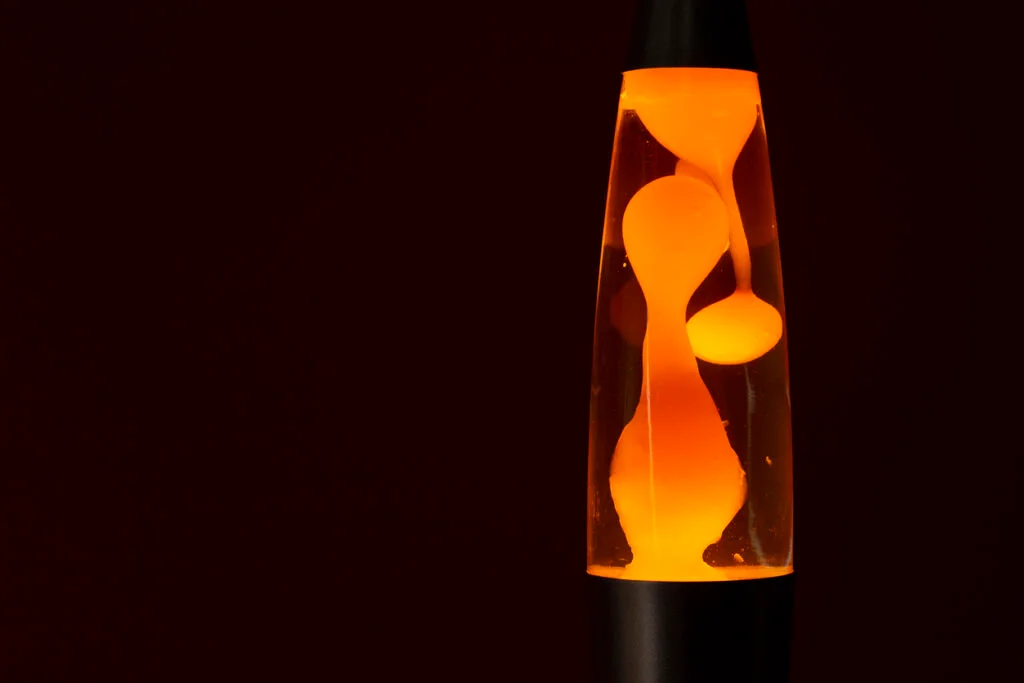
Place one piece of the tablet into the bottle and watch closely. As it reaches the water layer, it begins to react and produce carbon dioxide gas. These gas bubbles attach to blobs of colored water. The bubbles lift the water upward through the oil, creating the lava lamp effect.
When the bubbles reach the top, the gas escapes and the colored water sinks back down. This cycle repeats until the tablet piece is fully dissolved. The motion is smooth and continuous, which is why it resembles a real lava lamp. You can see how simple chemistry creates something visually engaging. It is surprisingly satisfying to watch.
7. Add More Tablet Pieces for Continuous Motion
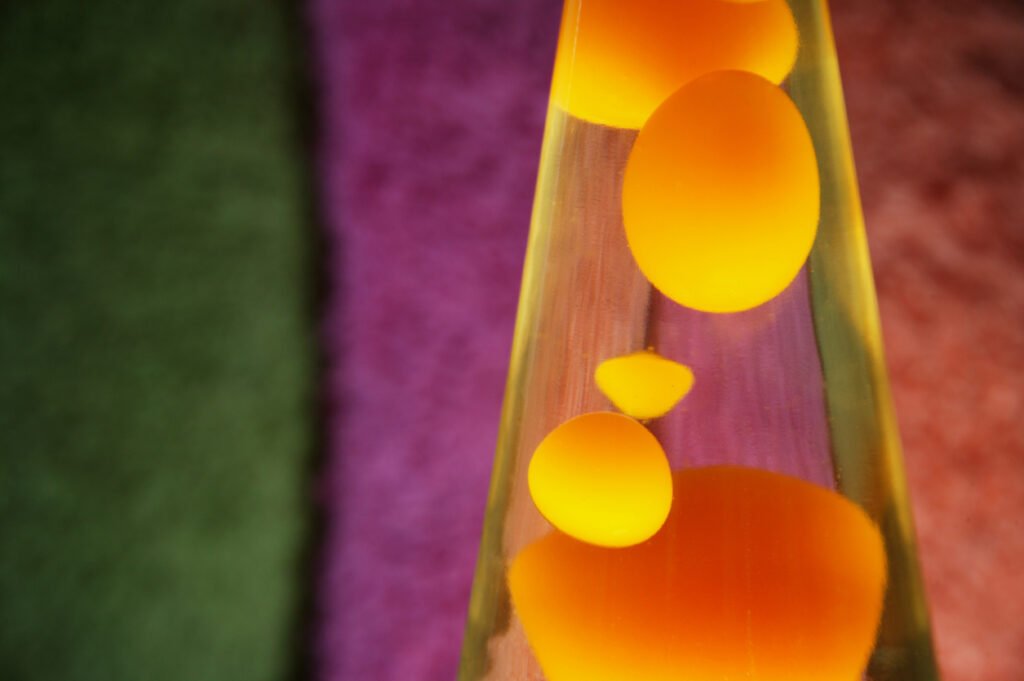
Once the first piece finishes reacting, you can drop in another. Each new piece restarts the bubbling and movement. This lets you control how long your lava lamp stays active. You can keep it going for several minutes just by adding pieces gradually.
Avoid adding too many pieces at once because it can make the reaction overly chaotic. Smaller, spaced-out additions create a more classic lava lamp look. This pacing also makes the experience last longer. It becomes something you can casually watch rather than a quick burst. The rhythm of the bubbles is part of the charm.
8. Adjust Colors or Layers if You Want Variation
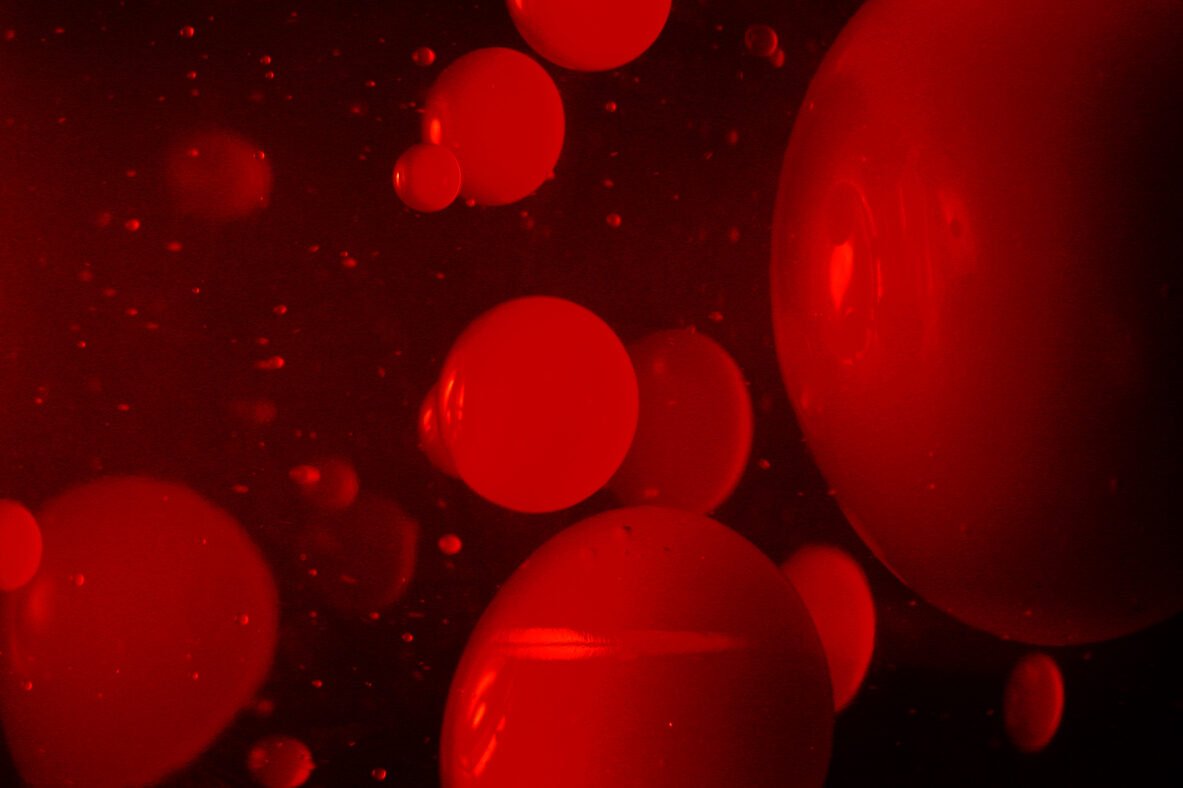
If you want to experiment, you can add a second color to the water layer. This creates a slightly more complex visual effect as the colors mix. Keep in mind that colors will blend rather than stay completely separate. That can still look interesting depending on your choices.
You can also try different bottle shapes to change how the lava moves. Narrow containers create faster vertical motion, while wider ones allow more spreading. The basic science stays the same, but the appearance shifts. These small adjustments let you personalize the result. It turns a simple experiment into something a bit more creative.
9. Seal the Container for Display
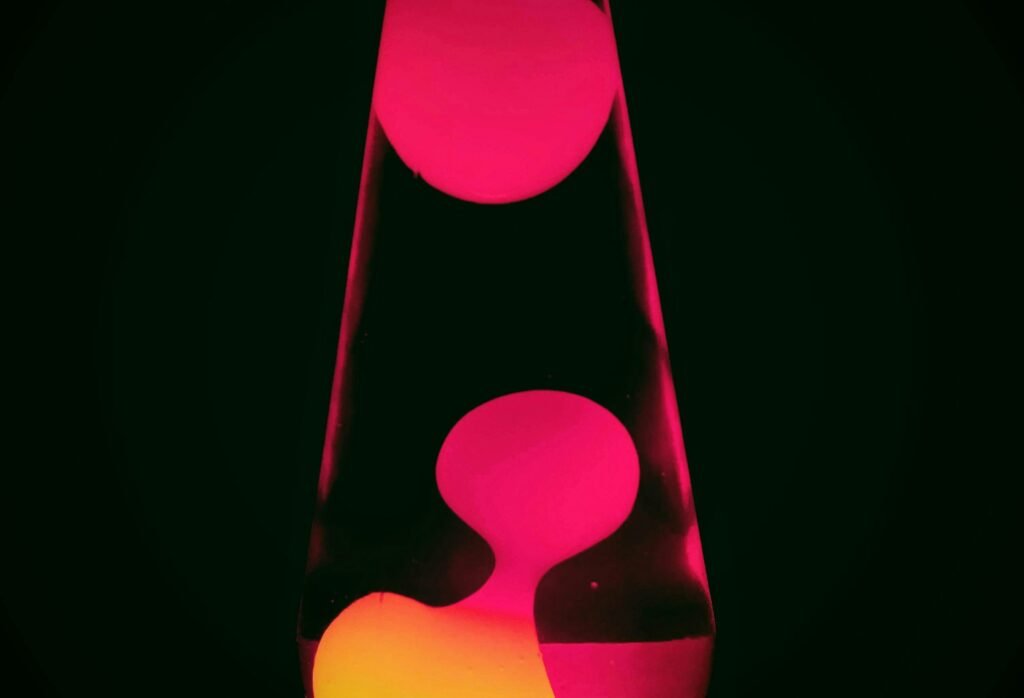
If you want to keep your lava lamp for later use, you can put a lid on the container. Make sure it is tightly sealed to prevent spills. This is especially helpful if you plan to move it or use it again later. The liquids will remain separated even after sitting for a long time.
When you are ready to use it again, just add another tablet piece. The reaction will work the same way each time. There is no need to remake the entire setup. This makes it reusable, which adds to its practicality. It is a simple project that does not feel disposable.
10. Understand Why It Works
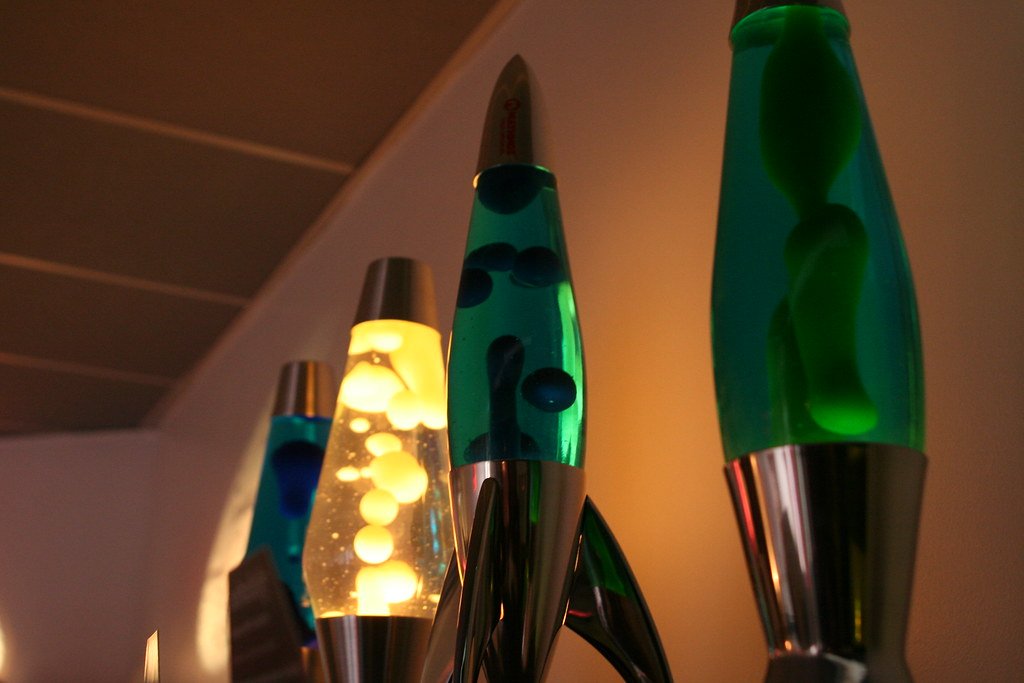
The effect comes down to density and gas production. Oil and water do not mix, and water is heavier, so it stays at the bottom. The tablet creates carbon dioxide gas when it reacts with water. That gas forms bubbles that temporarily lift the colored water upward.
Once the gas escapes at the top, gravity pulls the water back down. This continuous cycle creates the familiar lava motion. There is no heat involved, unlike a real lava lamp. It is a safe and accessible way to demonstrate basic scientific principles. Knowing what is happening makes it even more interesting to watch.