
1. Brad Pitt Banned From China
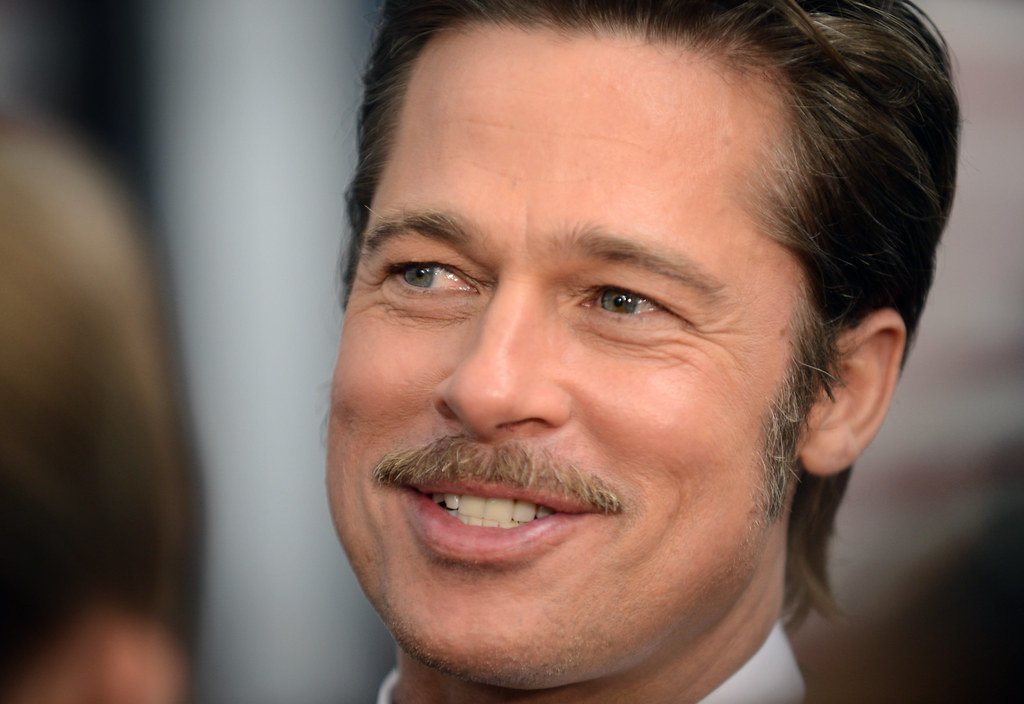
For years, Brad Pitt wasn’t allowed to enter China because of his role in the 1997 film Seven Years in Tibet. The movie depicted China’s occupation of Tibet in a way that angered Chinese authorities, and it led to a long-standing unofficial ban on Pitt. At the time, China also restricted the film itself, along with the careers of several people involved. Pitt didn’t publicly address the situation much, but it quietly followed him for years. The ban was widely understood in industry circles, even if it wasn’t always formally documented.
Things eventually shifted in the mid-2010s as China softened its stance. Pitt was able to visit the country again, and his films began appearing more freely in the market. It was a reminder of how one project can ripple across an actor’s global career. The situation also reflected how sensitive geopolitical topics can impact Hollywood access. Even today, studios are more cautious about how films portray China for that reason.
2. Harrison Ford Banned From China

Harrison Ford also faced restrictions from China, largely due to his outspoken support for Tibet and the Dalai Lama. In the ‘90s, Ford testified before the U.S. Senate about Tibet, which didn’t go unnoticed by Chinese officials. His advocacy, combined with Hollywood’s growing presence in China, made him a complicated figure for the government.
As a result, Ford was effectively barred from entering China for a period of time. While the situation has eased somewhat over the years, his activism is still part of his public identity. Unlike some celebrities who quietly navigate these issues, Ford has never really walked back his views. It’s one of those cases where personal beliefs clearly shaped international access. And it shows how political advocacy can have real-world consequences for even the biggest stars.
3. Beyoncé Banned From Malaysia
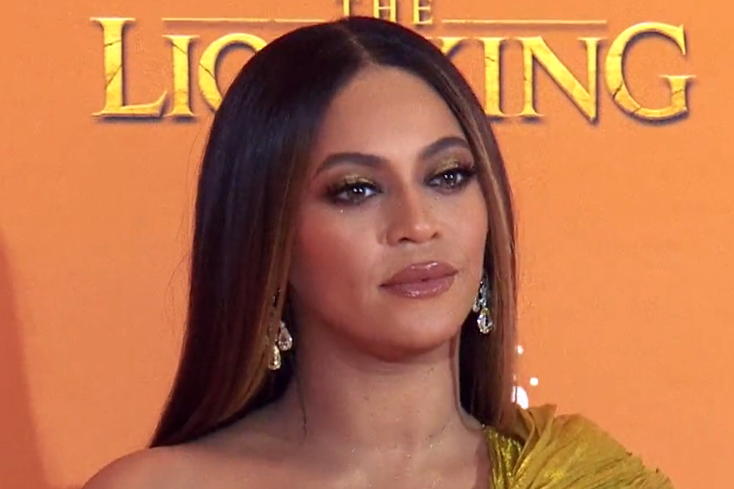
Beyoncé faced controversy in Malaysia, where strict cultural and religious guidelines influenced whether international performers could appear. In 2007, she postponed a planned concert after concerns were raised about her stage attire and performance style. Authorities and local groups objected to what they considered revealing costumes.
Although it wasn’t a formal permanent ban, the situation effectively kept her from performing there at the time. Beyoncé later returned to Malaysia in 2009 under adjusted guidelines, which shows how these restrictions can be negotiated. The incident highlighted how global artists sometimes have to adapt their shows for different audiences. It also sparked conversations about censorship versus cultural sensitivity. For Beyoncé, it was a moment that underscored how carefully global tours are planned.
4. Lady Gaga Banned From China
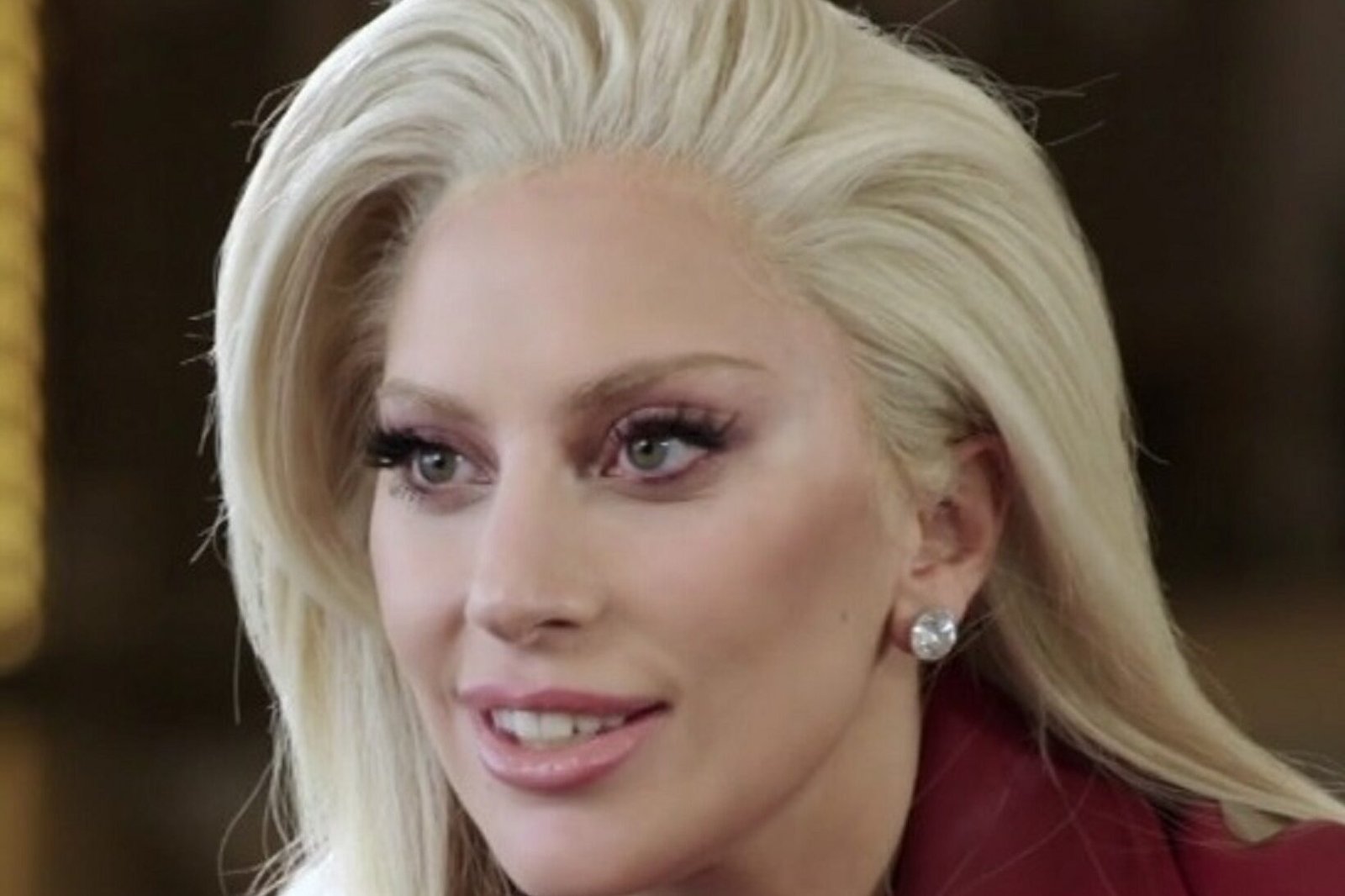
Lady Gaga was banned from China in 2016 after meeting with the Dalai Lama. Chinese authorities viewed the meeting as politically sensitive, and her music and appearances were subsequently restricted. Her songs were reportedly removed from Chinese streaming platforms, and media outlets were instructed not to cover her.
The move was part of a broader crackdown on artists seen as supporting Tibetan independence. Gaga didn’t appear to change her stance, and she continued her career largely unaffected elsewhere. Still, the ban limited her reach in one of the world’s largest entertainment markets. It also demonstrated how quickly access can disappear based on a single public action. For global pop stars, that kind of risk is always in the background.
5. Miley Cyrus Banned From China
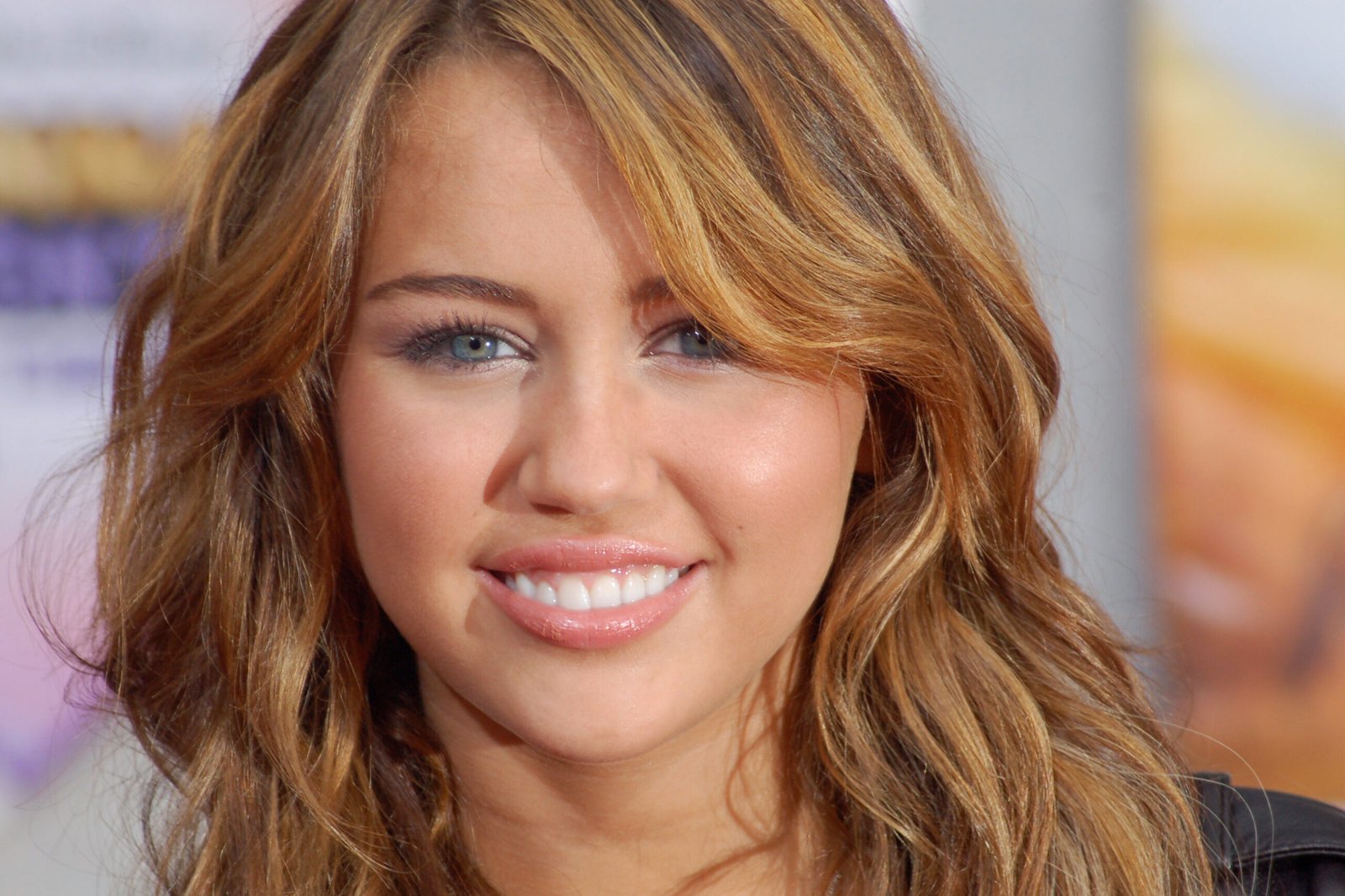
Miley Cyrus was banned from China after a controversial photo surfaced of her pulling her eyes back in a gesture widely seen as offensive. The image, taken in 2009, drew backlash and led Chinese officials to label her a negative influence. As a result, her content was restricted and she was reportedly barred from entering the country.
The incident followed her for years and shaped how she was perceived internationally. Cyrus later matured her public image, but the early controversy remained part of her story. It showed how quickly a single image can have lasting consequences in a global context. Cultural sensitivity became a bigger conversation around her brand afterward. And for many fans, it was a reminder of how much the world was starting to watch celebrities online.
6. Justin Bieber Banned From China
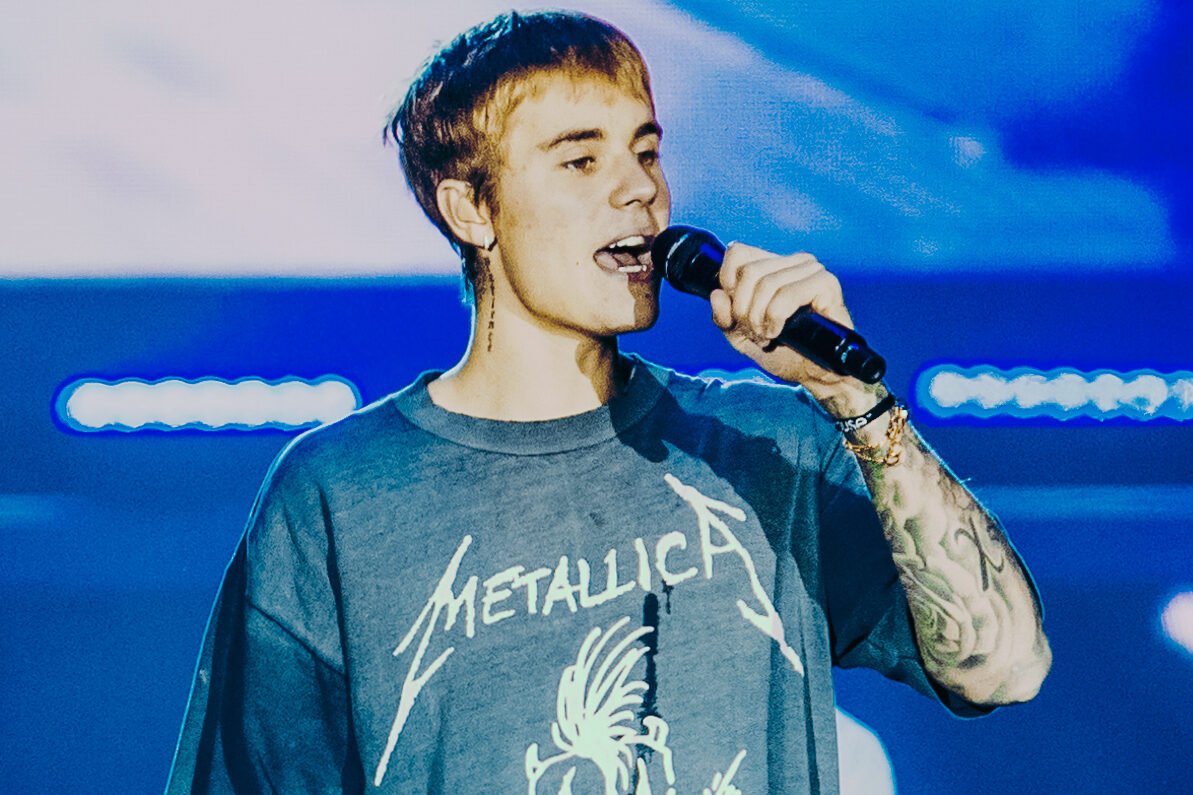
Justin Bieber was officially banned from performing in China in 2017, and this time it came with a public explanation. Beijing’s municipal culture bureau stated that his behavior had caused public dissatisfaction. That included past incidents involving legal trouble and controversial actions during tours.
The statement made it clear that the decision was tied to maintaining what authorities called a “good order” in the entertainment market. Bieber had performed in China earlier in his career, but the ban prevented future concerts. Over time, he focused on rebuilding his reputation globally. While his career remained strong elsewhere, China stayed off the tour map. It’s one of the clearer examples of a government openly explaining a celebrity restriction.
7. Selena Gomez Banned From China
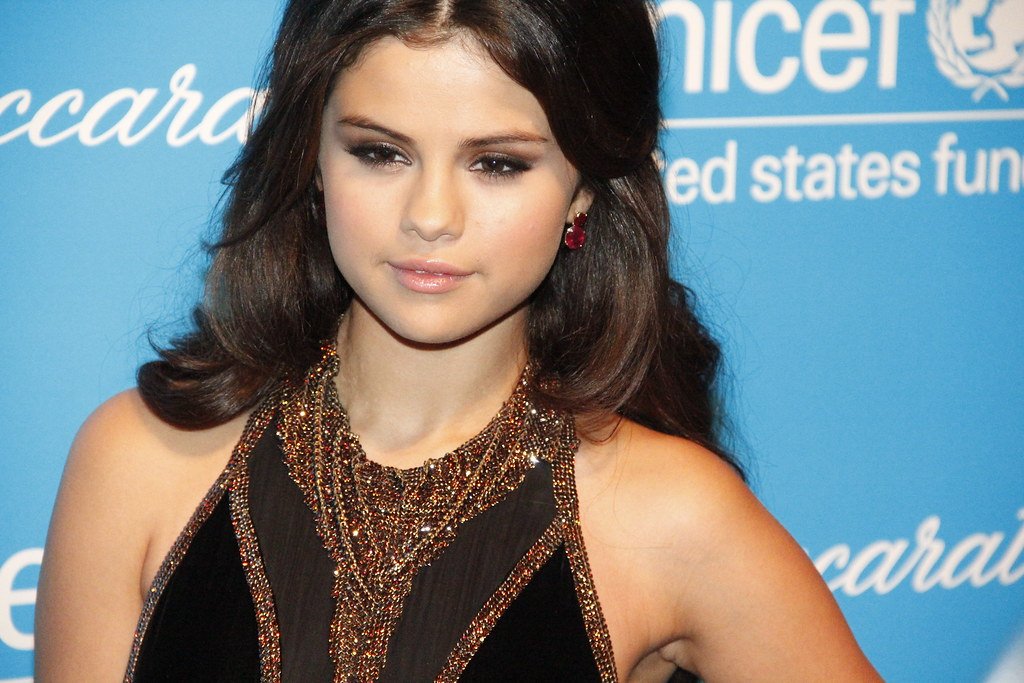
Selena Gomez reportedly faced restrictions in China after she was photographed with the Dalai Lama in 2014. While there was no widely publicized formal statement, her projects and appearances in China were affected. Observers noted that her 2016 tour did not include any Chinese dates, which fueled speculation about a ban.
The situation aligns with how China has treated other celebrities linked to Tibetan issues. Gomez never made a major public controversy out of it, and her career continued to thrive globally. Still, it likely limited her access to a major audience. These kinds of unofficial bans can be harder to track but still very real. It’s another case where a single moment can quietly reshape international opportunities.
8. Katy Perry Banned From China
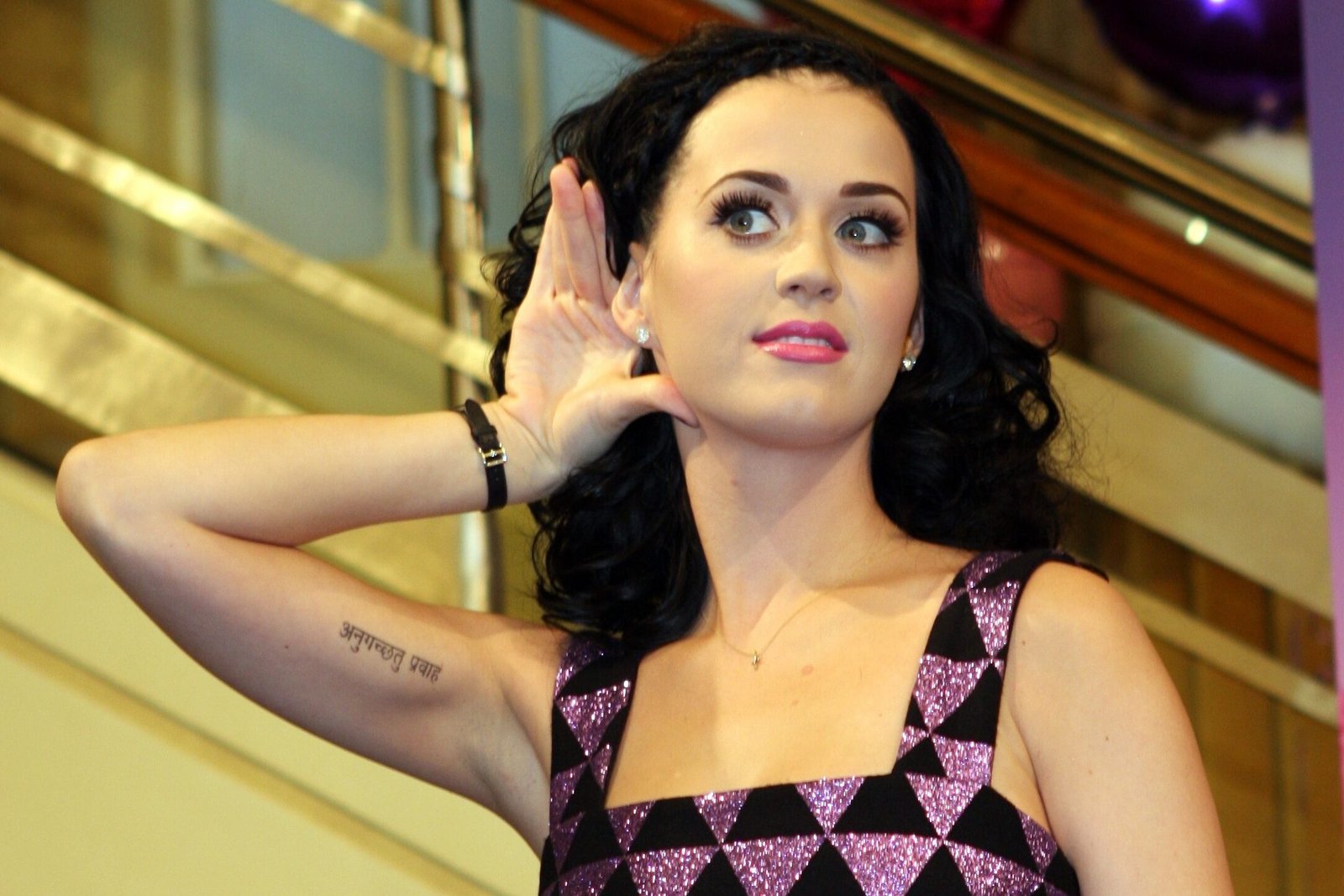
Katy Perry was reportedly denied entry into China ahead of the 2017 Victoria’s Secret Fashion Show in Shanghai. The issue stemmed from a 2015 performance in Taiwan where she wore a sunflower dress, a symbol associated with anti-China protests. She had also waved a Taiwanese flag during that appearance.
Chinese authorities interpreted the gesture as politically charged. As a result, her visa application was reportedly denied, preventing her from performing at the event. Perry never issued a detailed public response, but the situation was widely reported. It highlighted how even wardrobe choices can carry political meaning internationally. For artists, it reinforced the need to be aware of symbolic gestures abroad.
9. Bob Dylan Banned From China
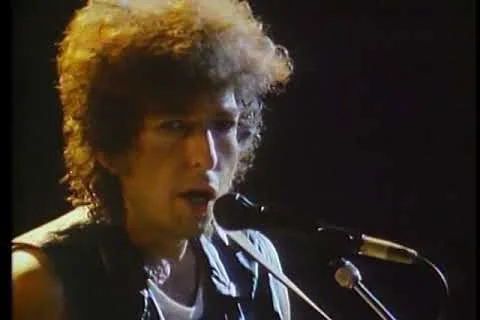
Bob Dylan wasn’t exactly banned permanently, but he was denied permission to perform in China for years. Authorities were cautious about his history as a protest singer and the political themes in his music. Concerts that had been rumored or planned in the past never materialized because of those concerns.
Eventually, Dylan was allowed to perform in China in 2011, but under strict conditions. His setlist had to be approved in advance, and the shows were closely monitored. The long delay reflected how governments can manage cultural influence as much as political messaging. Dylan’s case shows a softer form of restriction compared to outright bans. Still, it shaped how and when he could connect with audiences there.
10. Oasis Banned From China
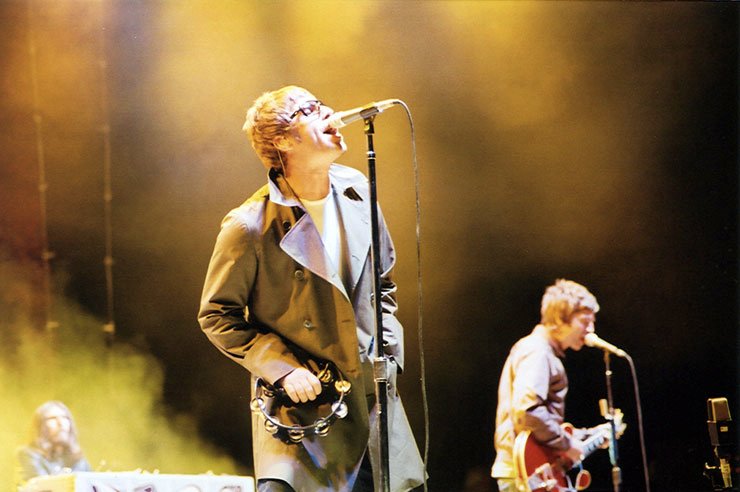
The band Oasis faced issues with China after footage surfaced of Noel Gallagher performing at a Free Tibet concert in 1997. When the band planned a tour in China in 2009, authorities canceled the shows after reviewing that history. The decision came just days before the concerts were set to happen.
It was a sudden and costly cancellation that caught fans off guard. The government cited concerns about the band’s past political associations. Oasis never ended up performing in mainland China as a result. The incident became a cautionary tale for artists with political ties. It showed how even events from years earlier can resurface in a big way.
11. Maroon 5 Banned From China
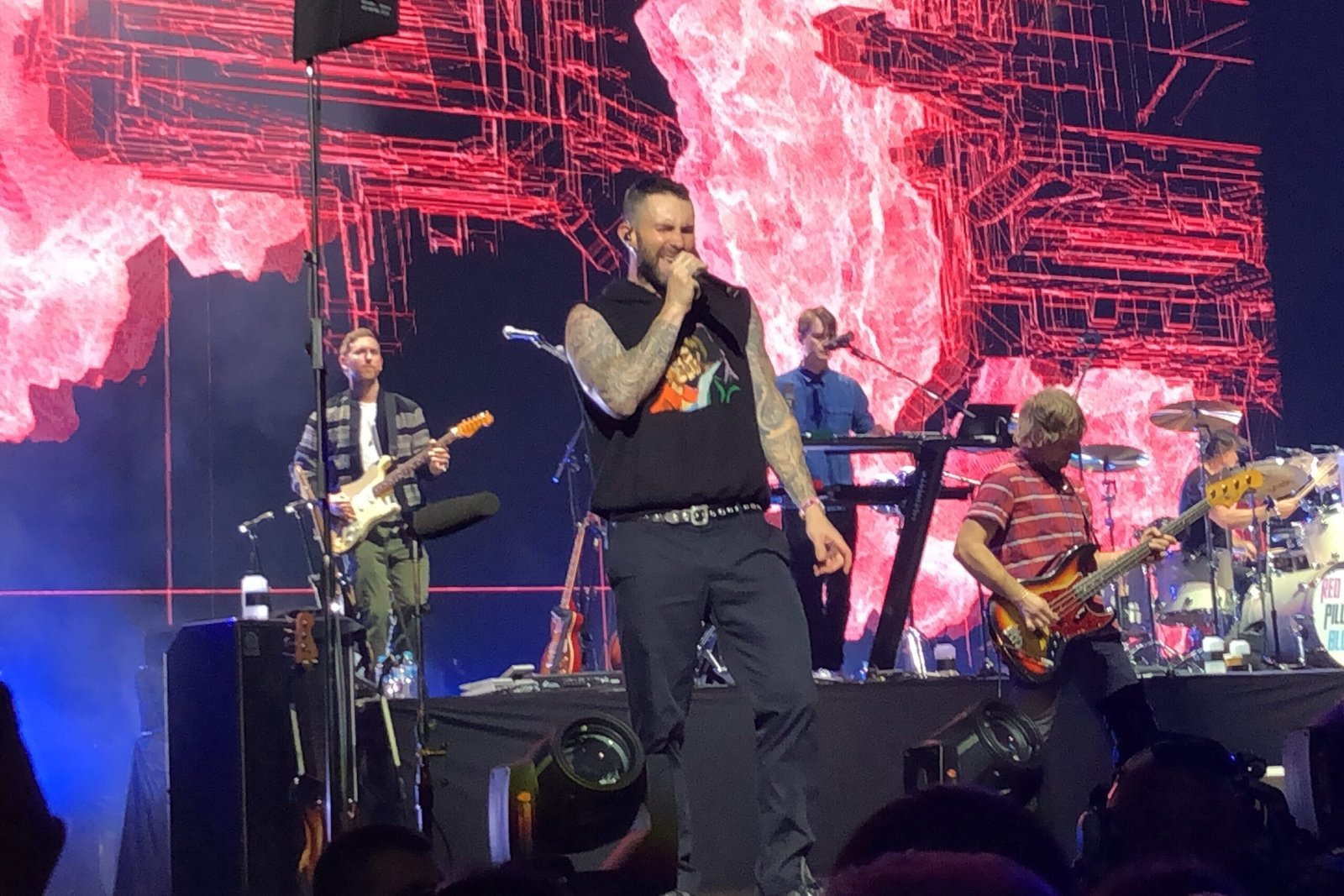
Maroon 5 had concerts in China canceled in 2015 after band member Jesse Carmichael reportedly posted a birthday message to the Dalai Lama on social media. Chinese authorities reacted by pulling the band’s scheduled performances. The move was swift and left little room for negotiation.
The band didn’t publicly escalate the issue, and the cancellations quietly stood. It demonstrated how even indirect connections to sensitive topics can trigger consequences. For a globally touring band, losing access to China is a significant setback. The situation also showed how social media posts can have international implications. In today’s environment, even a single message can carry weight far beyond its original audience.
12. Snoop Dogg Banned From Norway
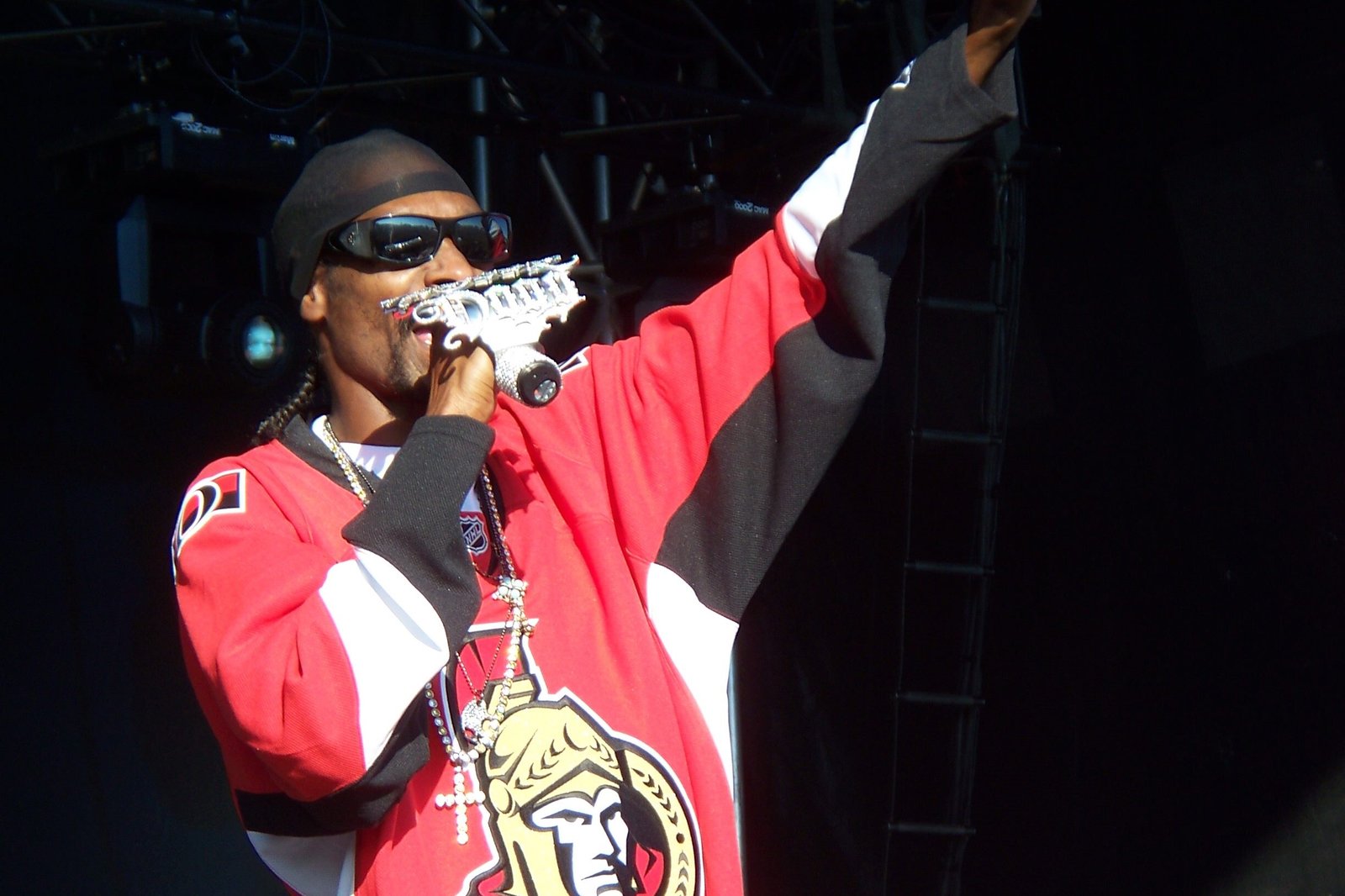
Snoop Dogg was banned from entering Norway for two years in 2012 after being caught with cannabis at an airport. Authorities also found more cash than the legal limit, which added to the violation. As a result, he was issued a formal entry ban by Norwegian officials.
Unlike many politically driven bans, this one was tied to legal issues. Snoop Dogg accepted the penalty and later returned after the ban expired. The incident was relatively straightforward compared to some of the more complex geopolitical cases. Still, it showed how local laws can directly affect international travel for celebrities. Even global stars aren’t exempt from border rules.