
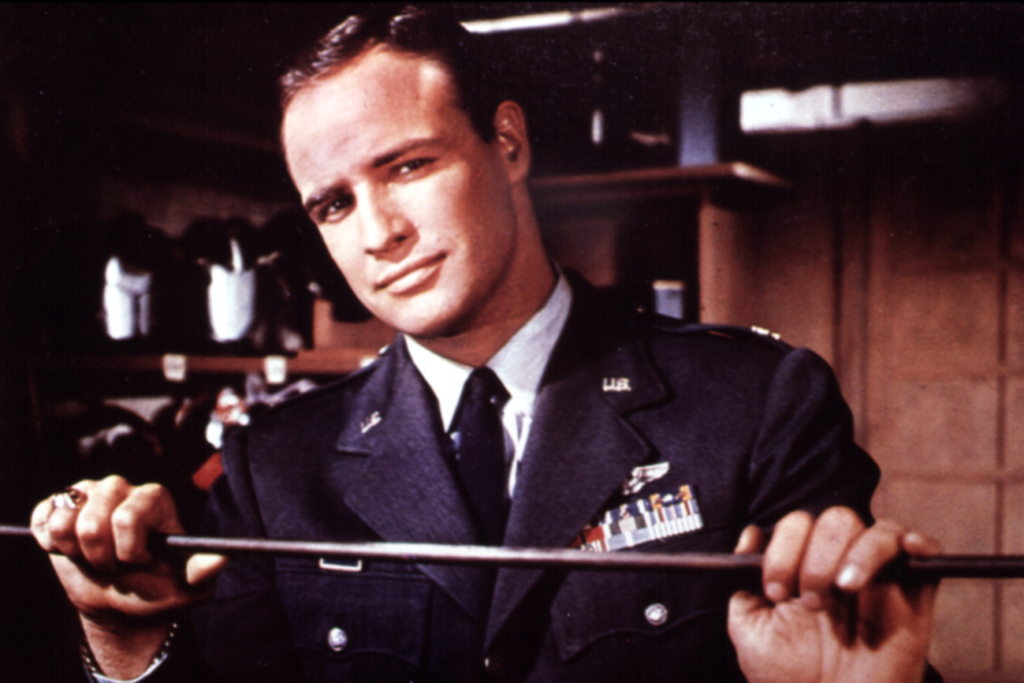
1. Marlon Brando
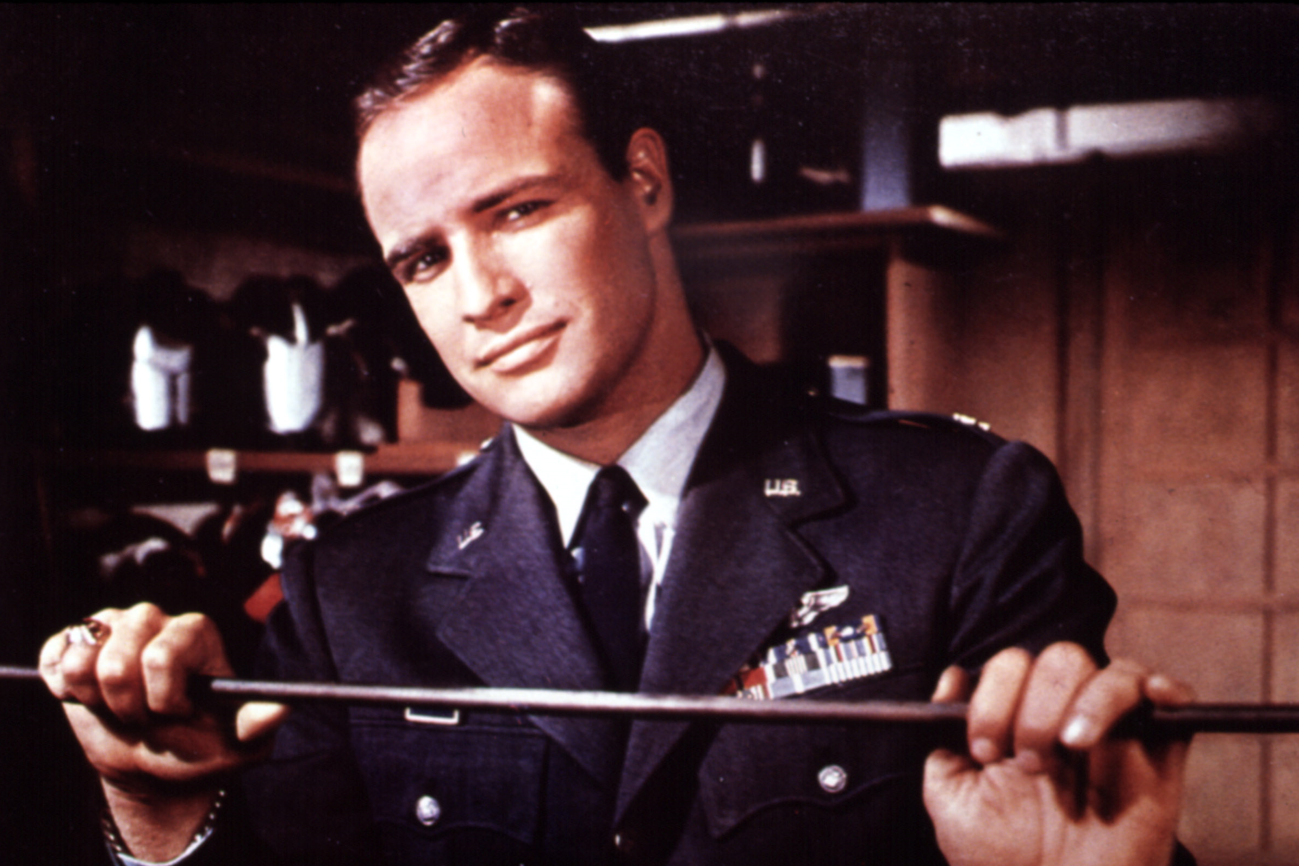
Marlon Brando is widely considered one of the greatest actors of all time, but his reputation on set was often the opposite of cooperative. By the time he made films like The Island of Dr. Moreau, Brando had developed a habit of refusing to learn his lines, sometimes having them fed to him through an earpiece. Directors and co-stars frequently described him as unpredictable, which could derail filming schedules. Even earlier in his career, he clashed with directors over creative control and interpretation.
During Apocalypse Now, his arrival overweight and unprepared forced significant last-minute script adjustments. Director Francis Ford Coppola had to rework entire scenes around Brando’s limitations. While the final performance was still powerful, the process was chaotic and expensive. His talent was undeniable, but it often came with logistical challenges. Many filmmakers admired his genius but found the experience of working with him exhausting.
2. Faye Dunaway
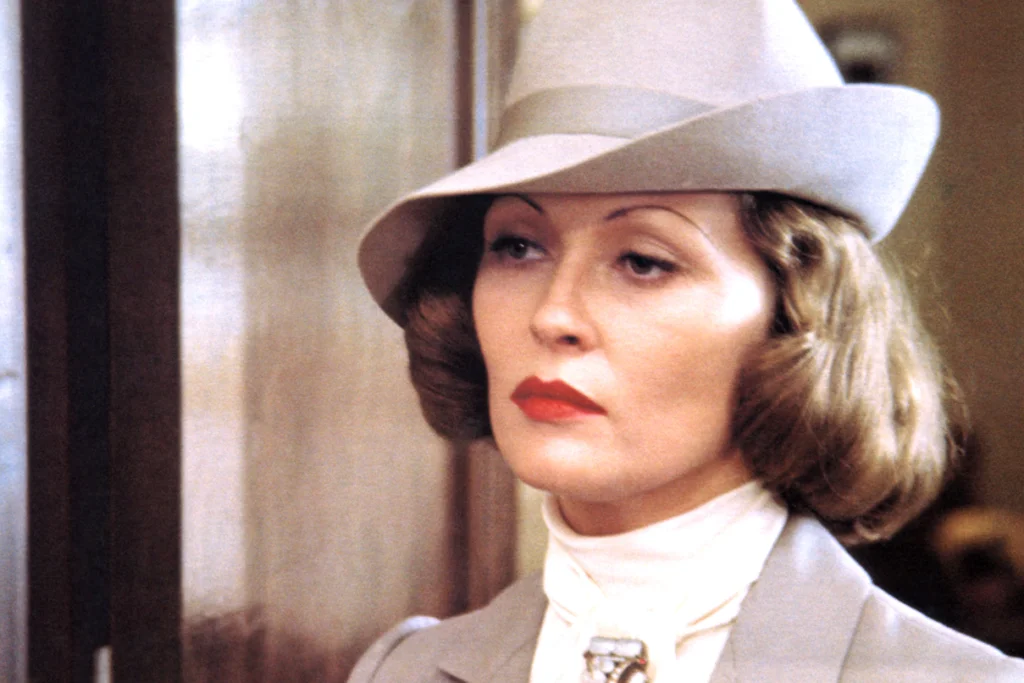
Faye Dunaway delivered an Oscar-winning performance in Network, but her on-set behavior has been described as demanding and volatile. She reportedly had intense disagreements with directors and crew members, sometimes walking off set. Her perfectionism could slow production, especially when she insisted on multiple takes to get a scene just right.
During the filming of Chinatown, Dunaway famously clashed with director Roman Polanski. One often-cited incident involved her throwing a cup of liquid at him during a disagreement, though accounts vary slightly on details. Co-stars have also described her as difficult to collaborate with emotionally. Despite this, her performances remain highly respected. The tension often seemed to fuel her work, even if it strained relationships.
3. Edward Norton

Edward Norton is known for being deeply involved in the creative process, sometimes to the frustration of directors. On American History X, he reportedly re-edited the film without the director’s approval, leading to a major dispute. This pattern of asserting creative control has followed him throughout his career.
During The Incredible Hulk, Norton’s involvement in script revisions reportedly caused tension with Marvel Studios. He was ultimately replaced in future films, with the studio citing the need for a more collaborative actor. Directors have described him as intelligent and committed, but occasionally overbearing. His intensity can elevate performances, but it can also complicate production. The balance between dedication and control has been a recurring theme in his career.
4. Katherine Heigl
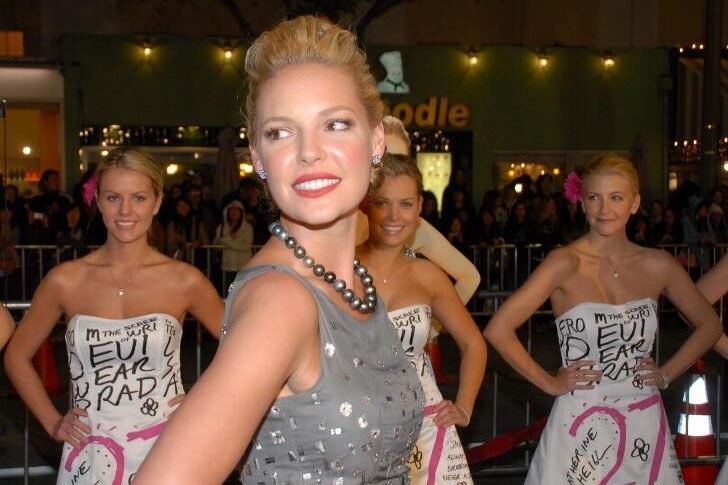
Katherine Heigl rose to fame on Grey’s Anatomy, but her public comments about the show created friction. She withdrew her name from Emmy consideration in 2008, stating she didn’t feel she was given strong enough material. That decision reportedly upset both writers and producers.
On the set of Knocked Up, Heigl later criticized the film’s portrayal of women, calling it “a little sexist.” Director Judd Apatow responded publicly, and the comments contributed to her reputation as difficult. Industry insiders began describing her as hard to please and outspoken. While some saw her as honest, others viewed it as unprofessional. Her career momentum slowed in the years that followed. The situation became a cautionary tale about navigating public criticism.
5. Val Kilmer
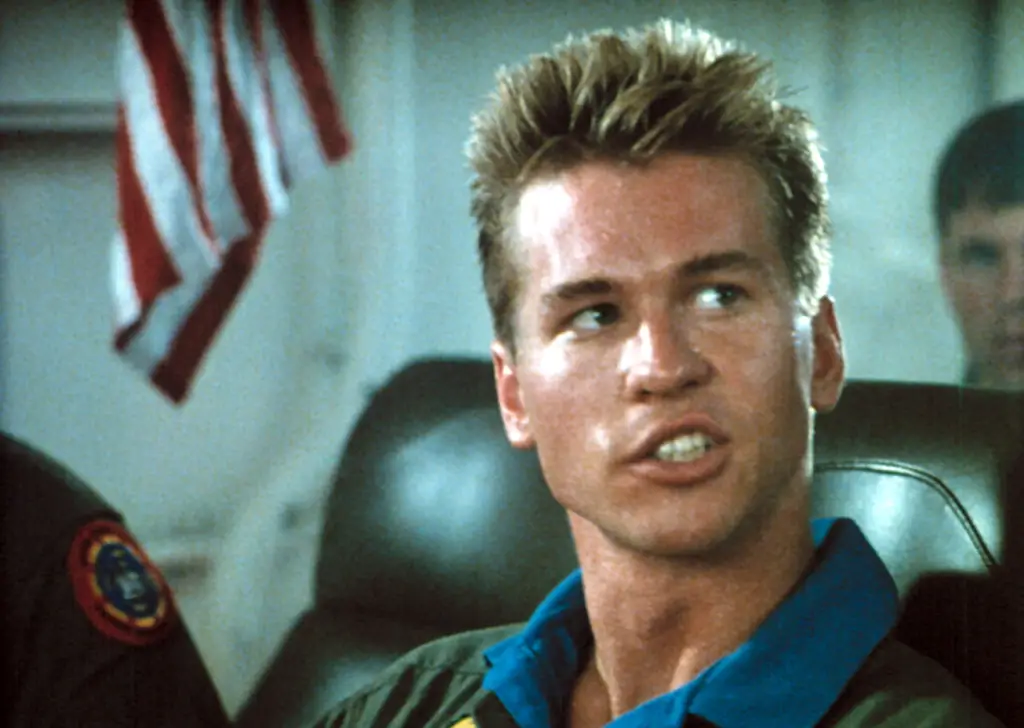
Val Kilmer’s performances in films like The Doors and Tombstone are widely praised, but his behavior on set has long been controversial. Directors including Joel Schumacher and John Frankenheimer described him as difficult and confrontational. Frankenheimer reportedly said he would never work with Kilmer again under any circumstances.
During Batman Forever, Kilmer clashed with Schumacher, who later called him “psychotic” in interviews. Crew members have described unpredictable mood swings and a reluctance to take direction. Despite this, Kilmer’s dedication to roles, such as fully immersing himself in Jim Morrison’s persona, was undeniable. His intensity sometimes blurred the line between commitment and conflict. Colleagues often found him challenging, even when admiring his talent. His reputation followed him throughout much of his career.
6. Sharon Stone
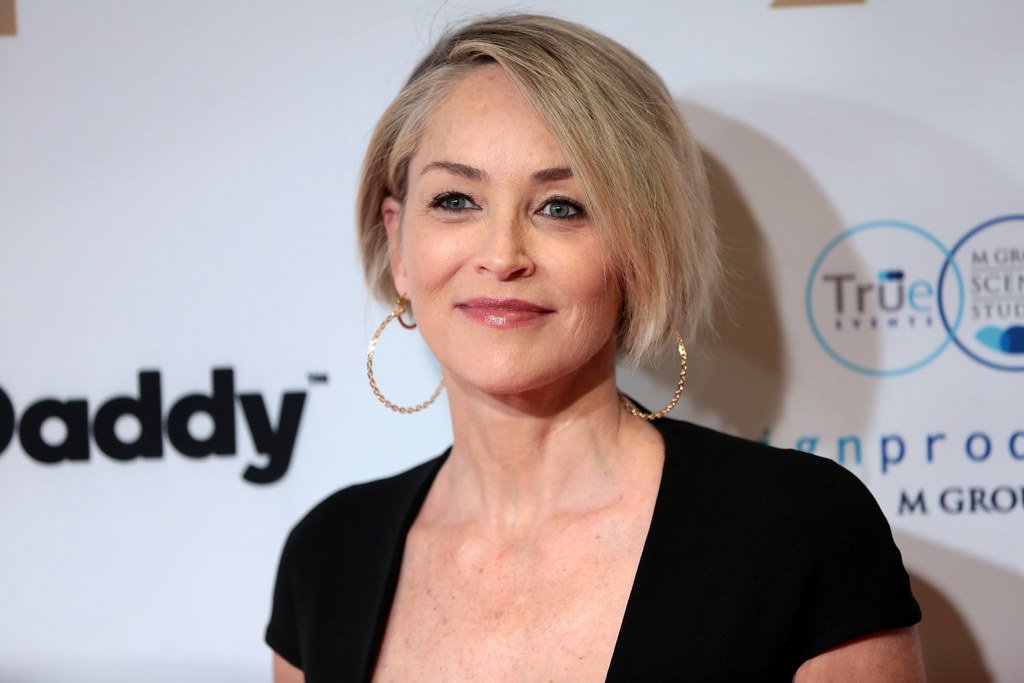
Sharon Stone became a major star after Basic Instinct, but reports of difficult behavior surfaced soon after. Directors and co-stars have described her as controlling and particular about how scenes are shot. She has also been known to challenge directors openly during production.
During Sliver, Stone reportedly had significant disagreements with the creative team, including script changes. Producer Robert Evans later spoke about tensions on set. Some collaborators found her assertiveness empowering, while others saw it as disruptive. Stone has defended herself by saying she fought for better material and stronger roles. The divide often comes down to perspective. Her confidence has been both an asset and a source of conflict.
7. Chevy Chase
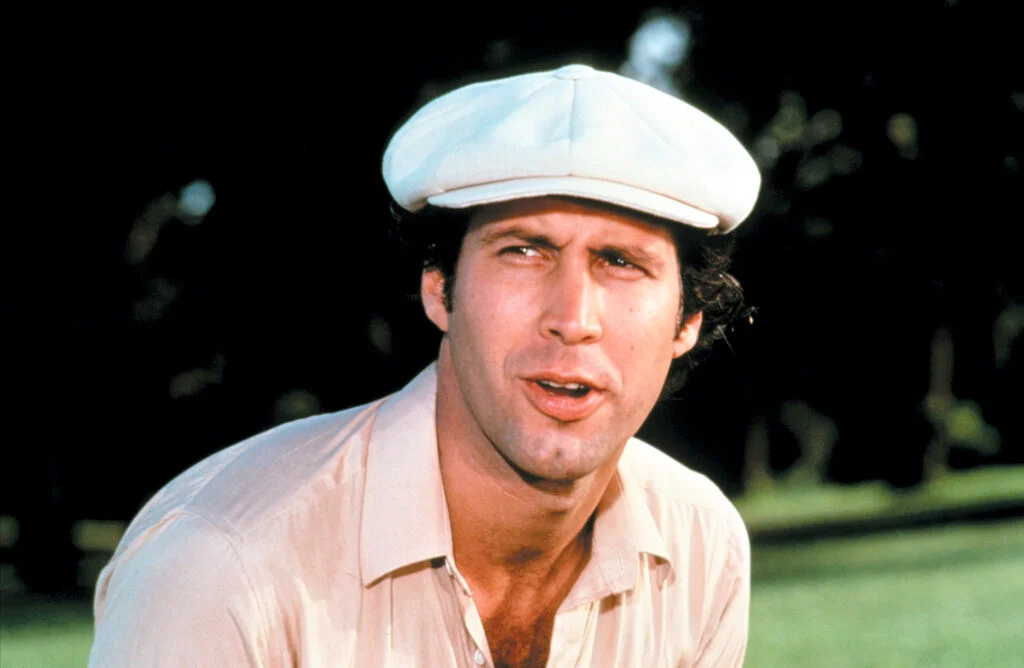
Chevy Chase was one of the breakout stars of Saturday Night Live, but his relationships with cast members were often strained. Co-stars have described him as difficult, competitive, and sometimes openly hostile. His return to host the show led to backstage conflicts, including a physical altercation with Bill Murray.
On the sitcom Community, Chase’s behavior became a major issue. He reportedly used offensive language on set and clashed with creator Dan Harmon. The situation escalated to the point where he eventually left the show. Cast members have spoken about the tense working environment during his tenure. Despite his comedic talent, the interpersonal challenges were significant. His reputation has been consistent across multiple decades.
8. Julia Roberts

Julia Roberts has long been one of Hollywood’s most bankable stars, but she has also been labeled difficult at times. During the filming of Hook, director Steven Spielberg reportedly nicknamed her “Tinkerhell” due to tensions on set. Roberts later acknowledged that she was going through a difficult period personally at the time.
She has also been known for demanding high salaries and strong creative input. While this is not unusual for major stars, it has occasionally caused friction with studios. Some co-stars have described her as distant or guarded during production. Others, however, have had positive experiences working with her. The mixed reports suggest a more complex picture. Her professionalism appears to vary depending on the project and circumstances.
9. Russell Crowe
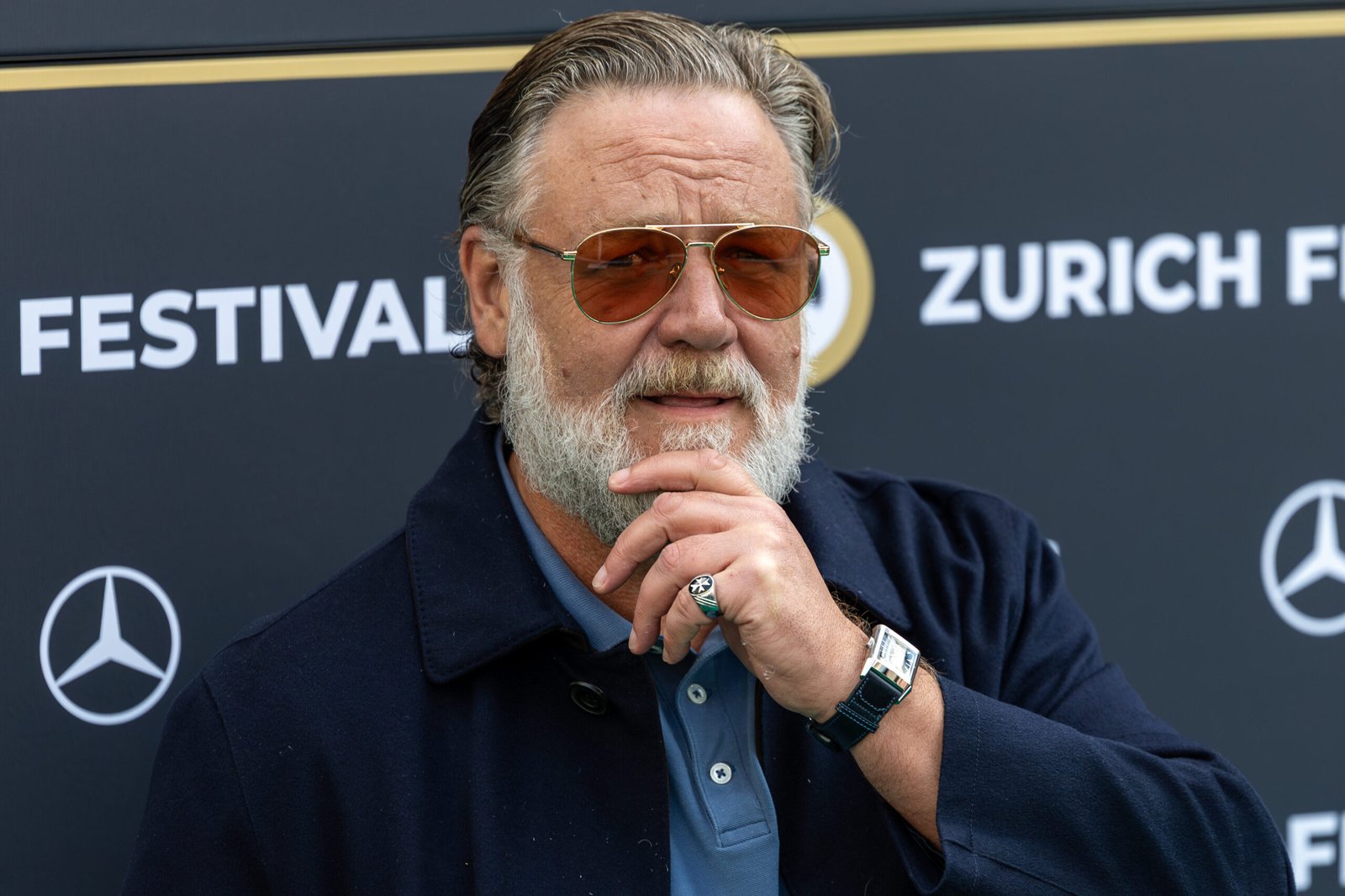
Russell Crowe is known for intense performances in films like Gladiator, but his off-screen temper has been well documented. He has had multiple public incidents, including a 2005 arrest for throwing a phone at a hotel employee. These episodes contributed to his reputation as volatile.
On set, Crowe has clashed with directors over script and character choices. During Gladiator, he reportedly criticized the dialogue, though he ultimately worked through it with the filmmakers. Directors have described him as passionate but sometimes confrontational. His commitment to authenticity can lead to conflict when visions differ. While many respect his dedication, the intensity can be difficult to manage. His reputation has remained consistent over time.
10. Lindsay Lohan
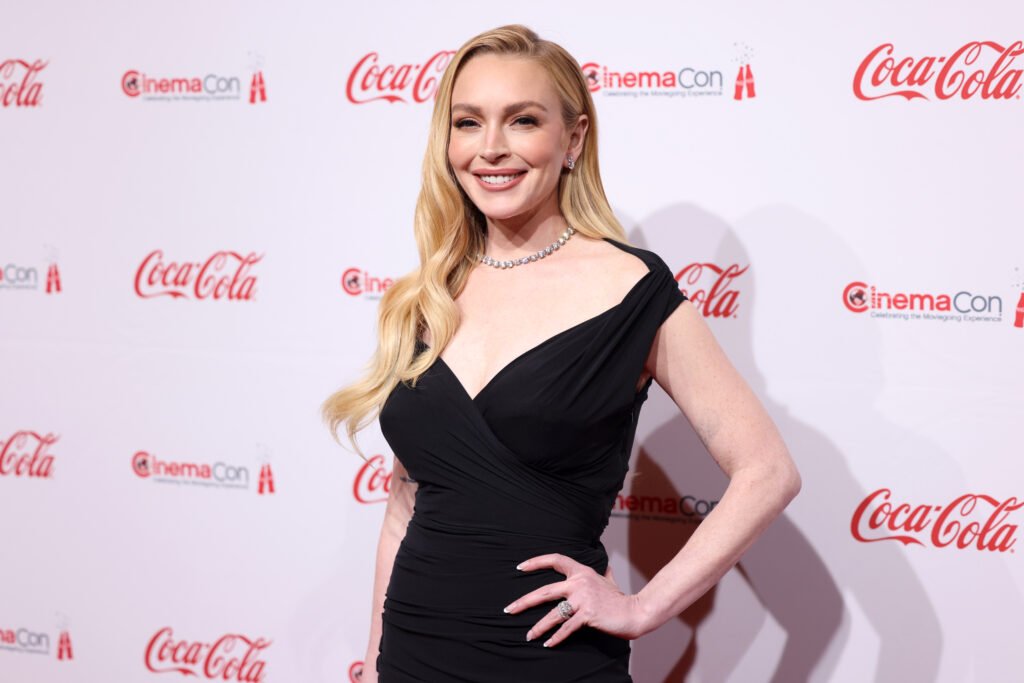
Lindsay Lohan showed early promise in films like Mean Girls, but her career was frequently disrupted by personal issues. Directors and producers have cited tardiness and absenteeism as major problems on set. These issues led to production delays and increased costs.
During Georgia Rule, producer James G. Robinson publicly criticized Lohan for her behavior, calling it unprofessional. Insurance companies became hesitant to cover projects involving her, which affected casting decisions. Despite flashes of strong performances, reliability became a central concern. Colleagues often found it difficult to depend on her during production. The pattern impacted her long-term career opportunities. It remains one of the more documented cases of off-screen issues affecting work.
11. Christian Bale
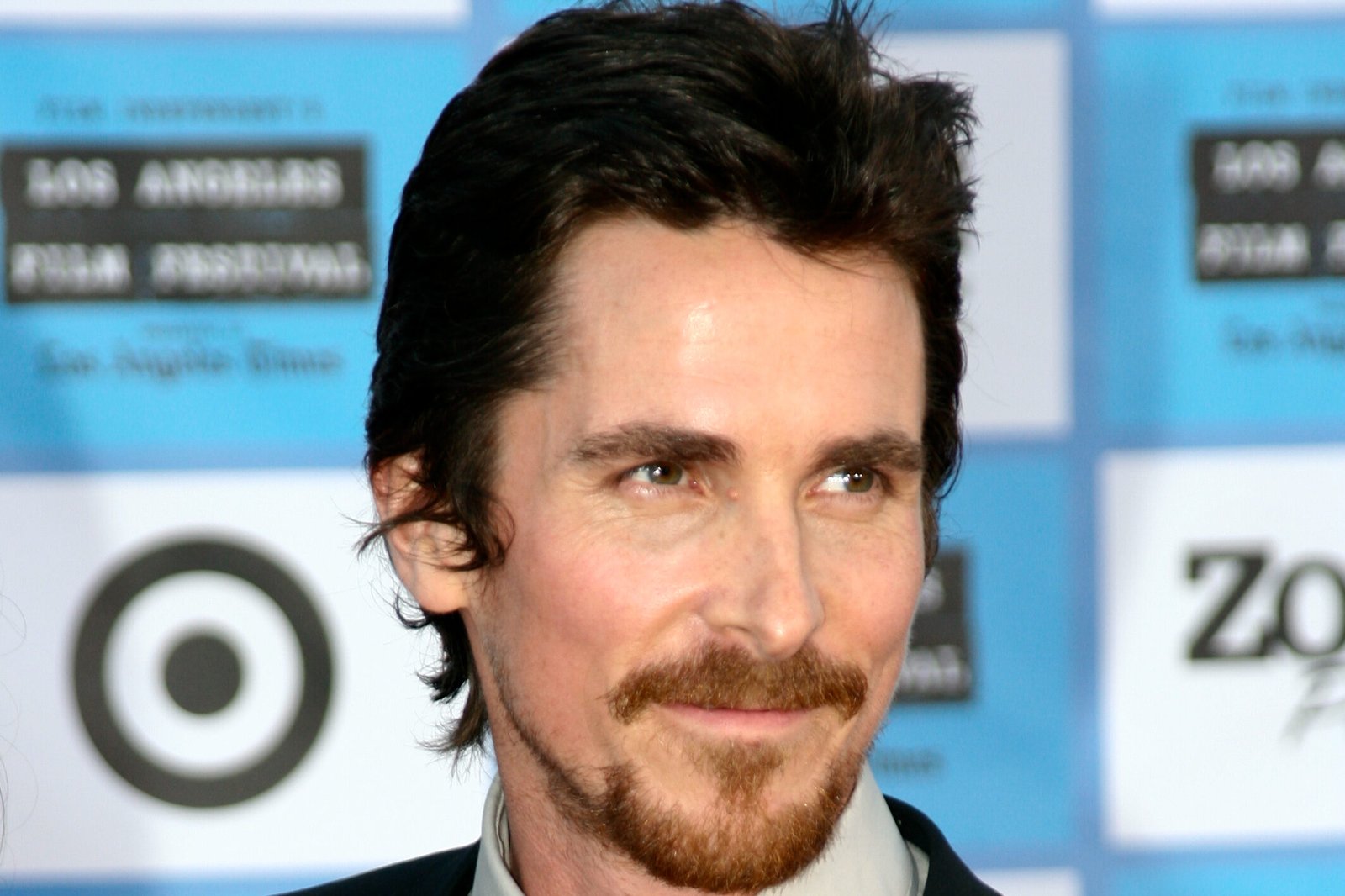
Christian Bale is widely respected for his transformative performances, but he has also had moments of controversy. A leaked audio recording from the set of Terminator Salvation captured Bale yelling at a crew member in an extended outburst. The incident drew widespread attention and criticism.
Bale later apologized publicly, acknowledging that his behavior was unacceptable. Co-workers have described him as intensely focused, sometimes to the point of friction. His method-style approach can create tension in high-pressure environments. However, many directors continue to work with him due to his results. The incident did not derail his career, but it did shape public perception. His professionalism is often viewed as inconsistent under stress.
12. Gene Hackman
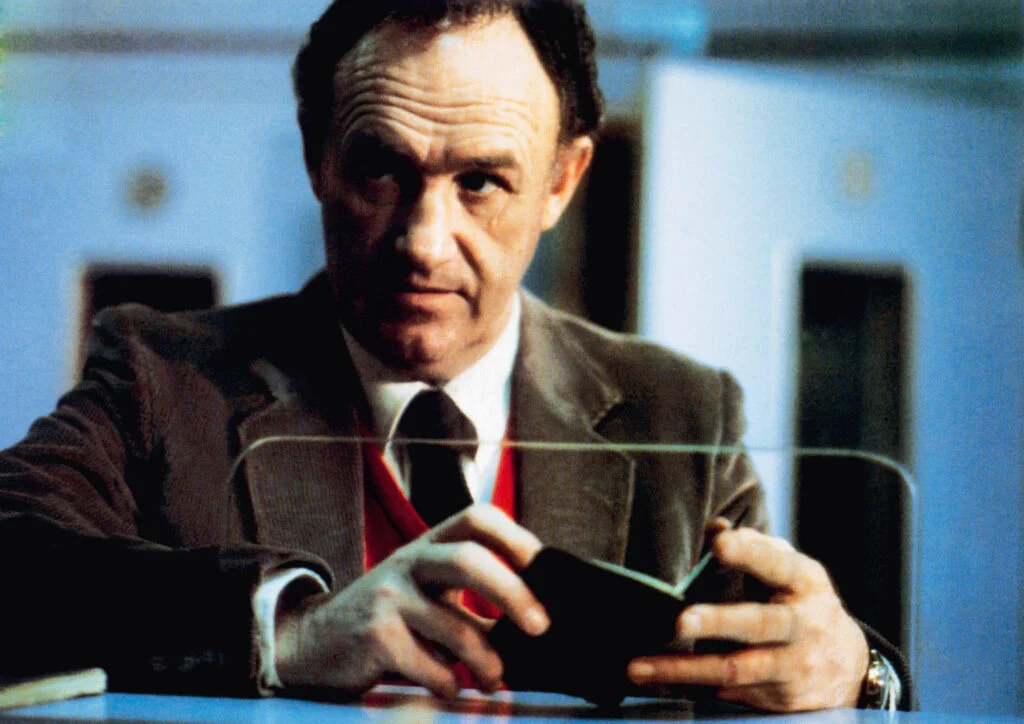
Gene Hackman was known for delivering powerful performances, but he also had a reputation for being difficult on set. Director Wes Anderson described him as challenging during the filming of The Royal Tenenbaums. Hackman reportedly clashed with both the director and co-stars.
Earlier in his career, similar reports surfaced about his demanding personality. Some collaborators found him intimidating and hard to approach. Others believed his intensity contributed to the quality of his performances. Hackman himself acknowledged that he could be tough to work with. Despite this, he remained highly sought after for decades. His professionalism was respected, even if his demeanor was not always easy.
13. Megan Fox
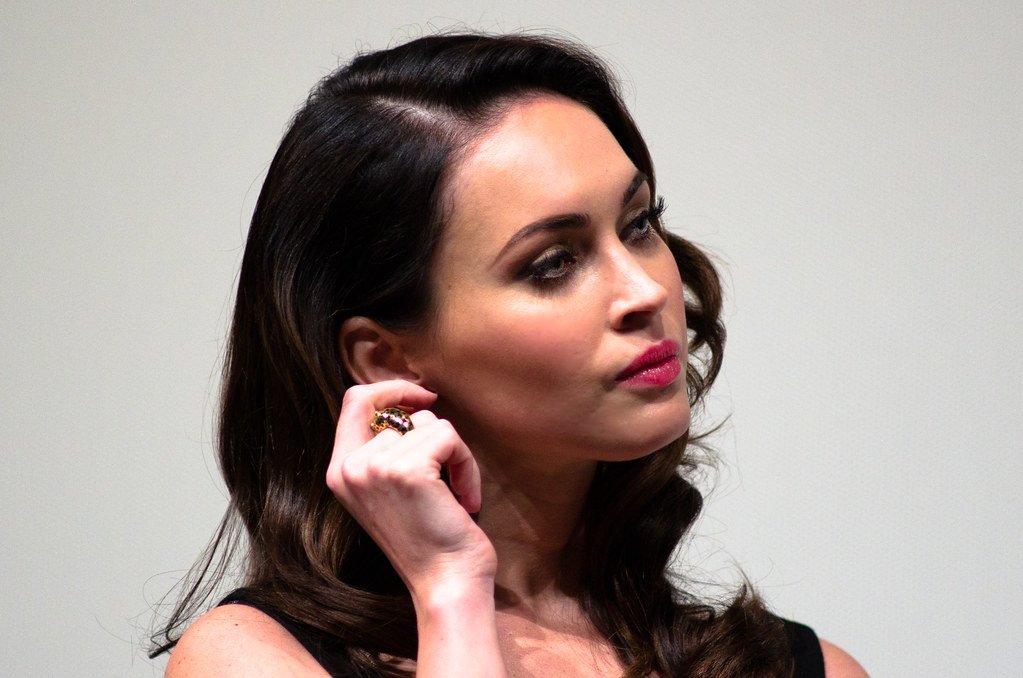
Megan Fox gained widespread attention with Transformers, but her comments about director Michael Bay created controversy. She compared working with him to working for Adolf Hitler in a 2009 interview, which led to significant backlash. Bay later confirmed that the comments contributed to her being removed from the franchise.
The incident affected her reputation within the industry. Some producers viewed her as difficult due to her willingness to criticize collaborators publicly. Fox later expressed regret over how the situation was handled. She has since spoken about feeling misunderstood during that period. The experience became a turning point in her career. It highlighted the risks of public disputes in Hollywood.
14. Alec Baldwin
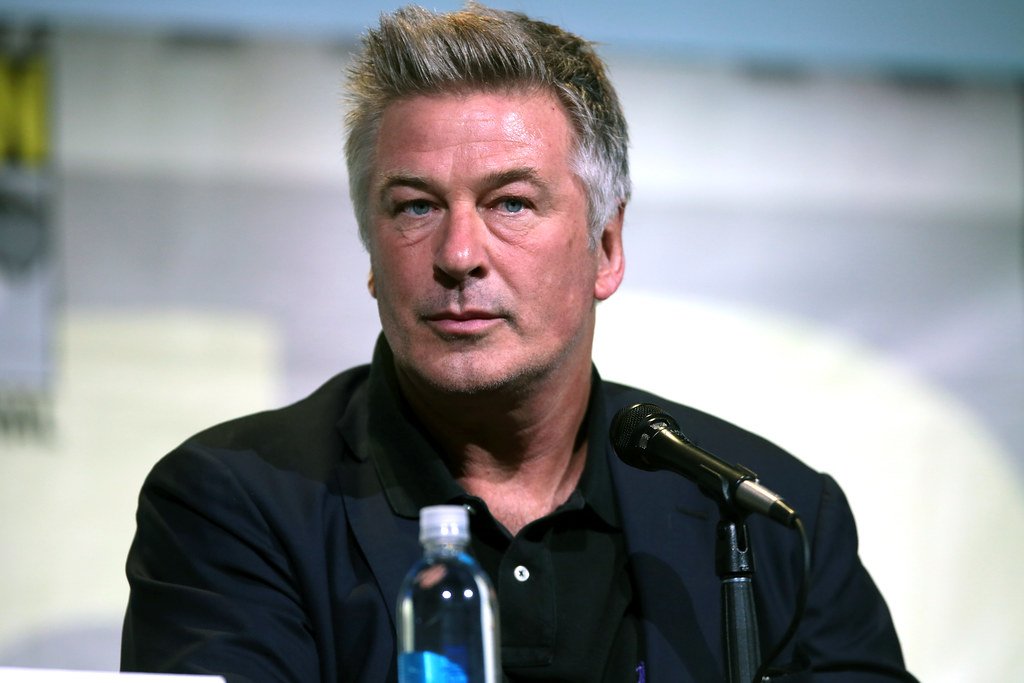
Alec Baldwin is an accomplished actor with a long career, but he has also been involved in numerous public and on-set conflicts. He has had well-documented confrontations with photographers, airline staff, and others. These incidents have contributed to a perception of volatility.
On set, Baldwin has occasionally clashed with directors and crew members. His intensity and quick temper have been cited as factors. Despite this, he has maintained steady work across film and television. Many collaborators describe him as professional when focused on the job. The contrast between his performances and off-screen behavior is notable. His reputation remains complex and sometimes contradictory.
15. Terrence Howard
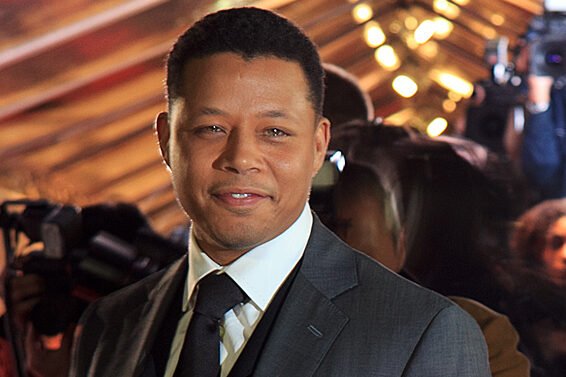
Terrence Howard has been involved in several disputes with studios and co-stars. After appearing in Iron Man, he was replaced in the sequel following salary negotiations that did not go as planned. Howard has publicly stated that he felt he was treated unfairly.
He has also made controversial public claims unrelated to acting, which have affected his professional image. Some collaborators have described him as difficult to work with due to disagreements over contracts and creative direction. Despite this, he delivered a strong performance in Empire, which helped revive his career. The combination of talent and controversy has defined much of his public persona. His career trajectory has been uneven as a result. The industry response to him has been mixed.
16. Mike Myers
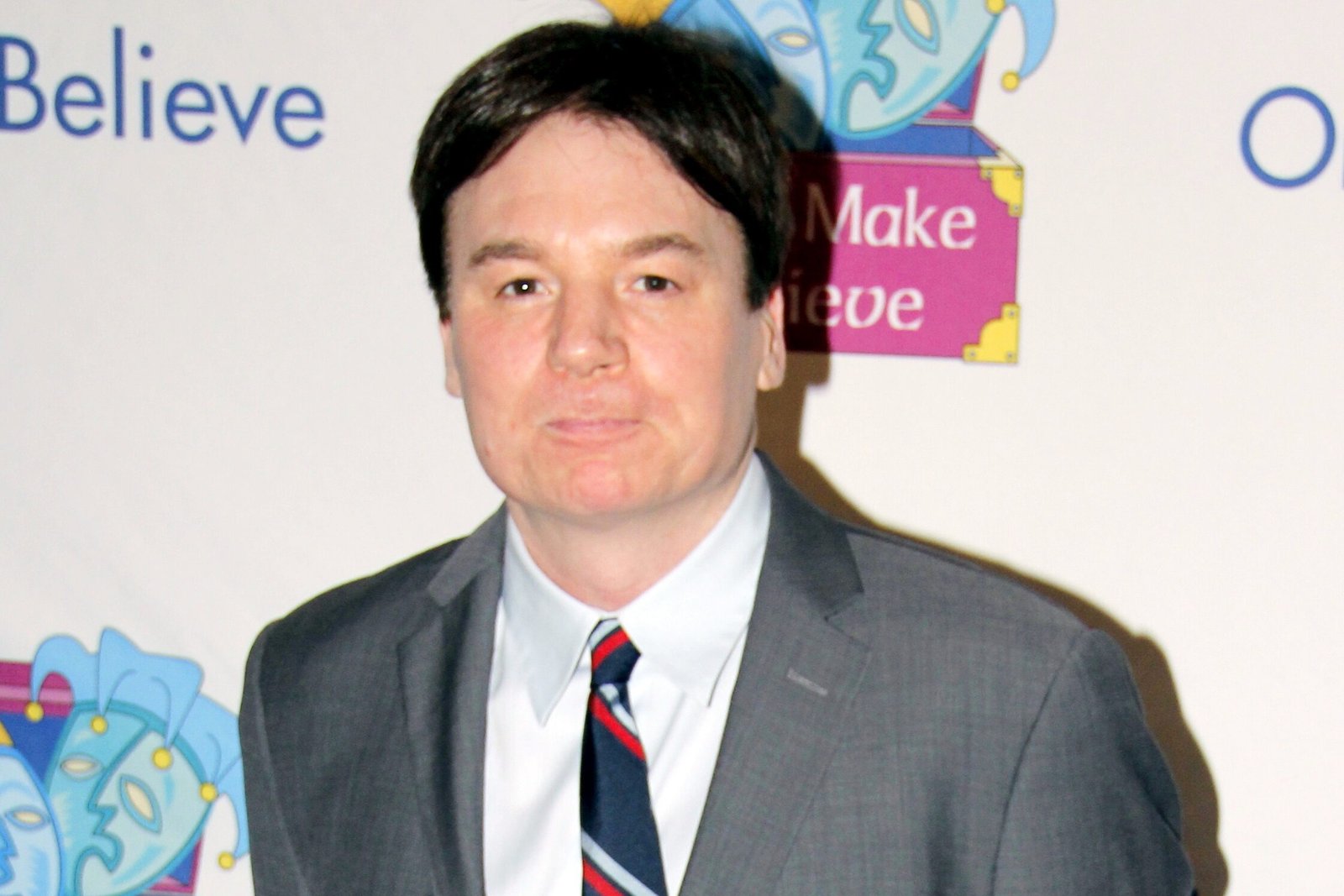
Mike Myers is known for comedic hits like Austin Powers, but reports from behind the scenes suggest he can be difficult. During the production of The Cat in the Hat, crew members described a tense working environment. Myers was reportedly very particular about scripts and performances.
Director Penelope Spheeris, who worked with him on Wayne’s World, has spoken about conflicts during production. She claimed that Myers had her removed from directing the sequel, though accounts vary. Myers has denied some of these claims. His perfectionism has been cited as both a strength and a source of tension. Collaborators sometimes found him controlling. Despite this, his films have been commercially successful, reinforcing his influence in projects.