
1. Johnny Depp
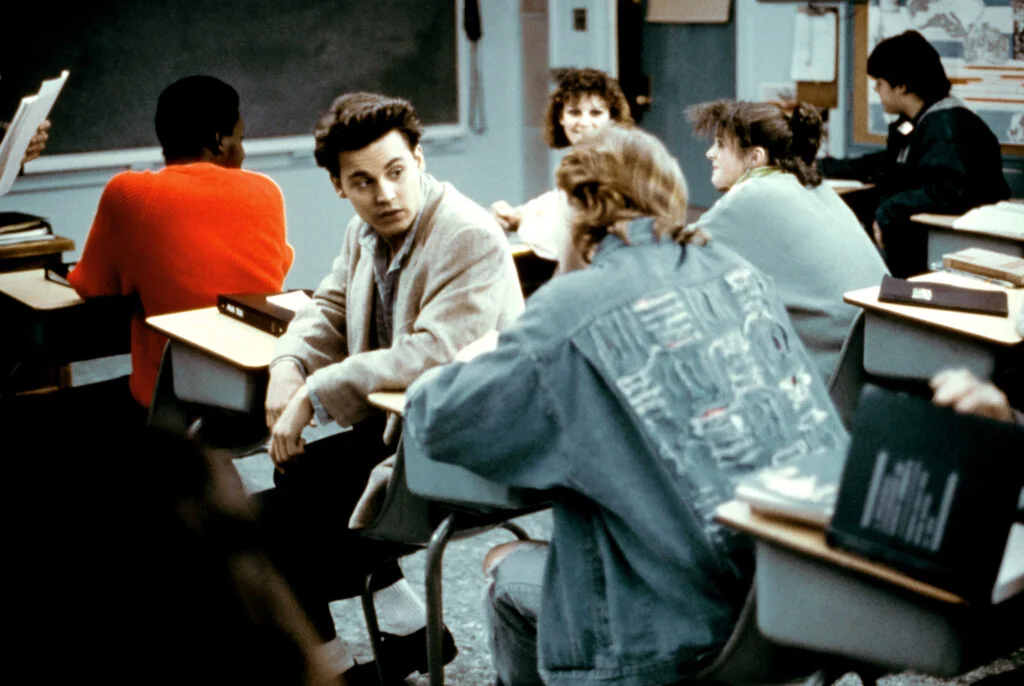
For years, Johnny Depp built a reputation as one of Hollywood’s most versatile actors, especially through films like Edward Scissorhands, Donnie Brasco, and the early Pirates of the Caribbean movies. His performances often leaned into eccentric, highly stylized characters that still felt grounded. Captain Jack Sparrow, in particular, became one of the most recognizable roles of the 2000s. During that stretch, Depp was consistently praised for taking risks and avoiding predictable roles.
More recently, some fans and critics have argued that his performances have become repetitive, especially when he leans into similar quirky mannerisms. Films like later Pirates entries and Mortdecai drew criticism for feeling overly familiar. His career has also been shaped by well-documented legal disputes, which affected his public image and project choices. While he still has strong supporters, the perception of his acting range has shifted compared to his earlier peak.
2. Robert De Niro
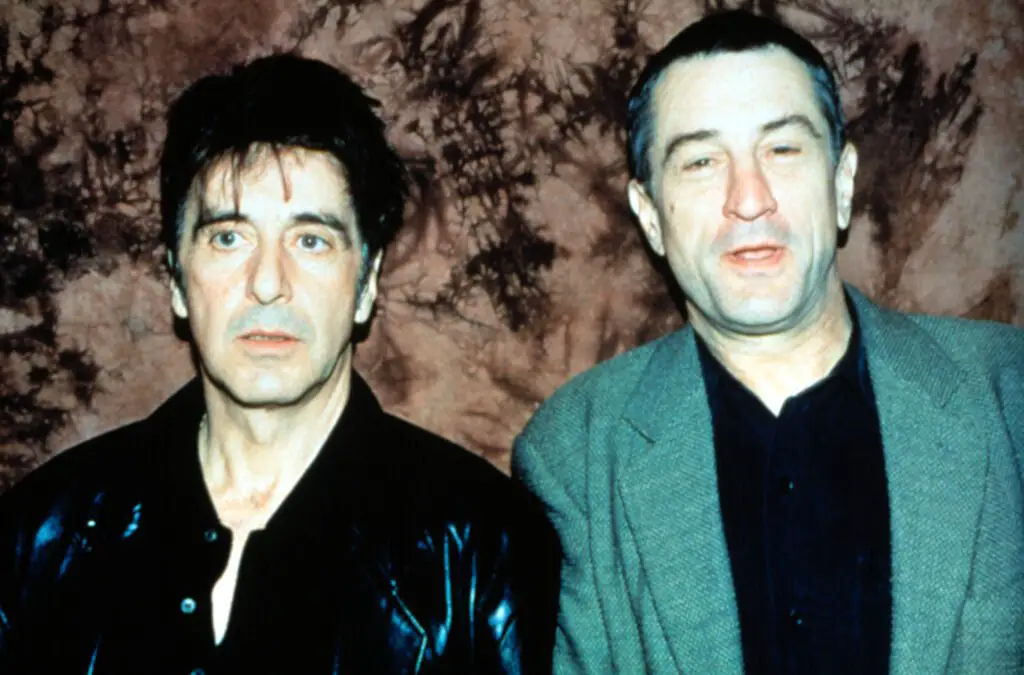
Robert De Niro’s early career includes some of the most respected performances in film history, including Taxi Driver, Raging Bull, and The Godfather Part II. He was known for intense preparation and a willingness to fully inhabit complex characters. His collaborations with Martin Scorsese helped define an era of American cinema. For decades, De Niro was considered one of the gold standards for dramatic acting.
In later years, De Niro has appeared in a wide range of projects, including comedies like Meet the Parents and Dirty Grandpa. Some fans feel these roles rely less on the depth that defined his earlier work. However, he has still delivered acclaimed performances in films like The Irishman, showing he remains capable of strong dramatic work. The criticism tends to focus more on inconsistency rather than a complete decline.
3. Nicolas Cage
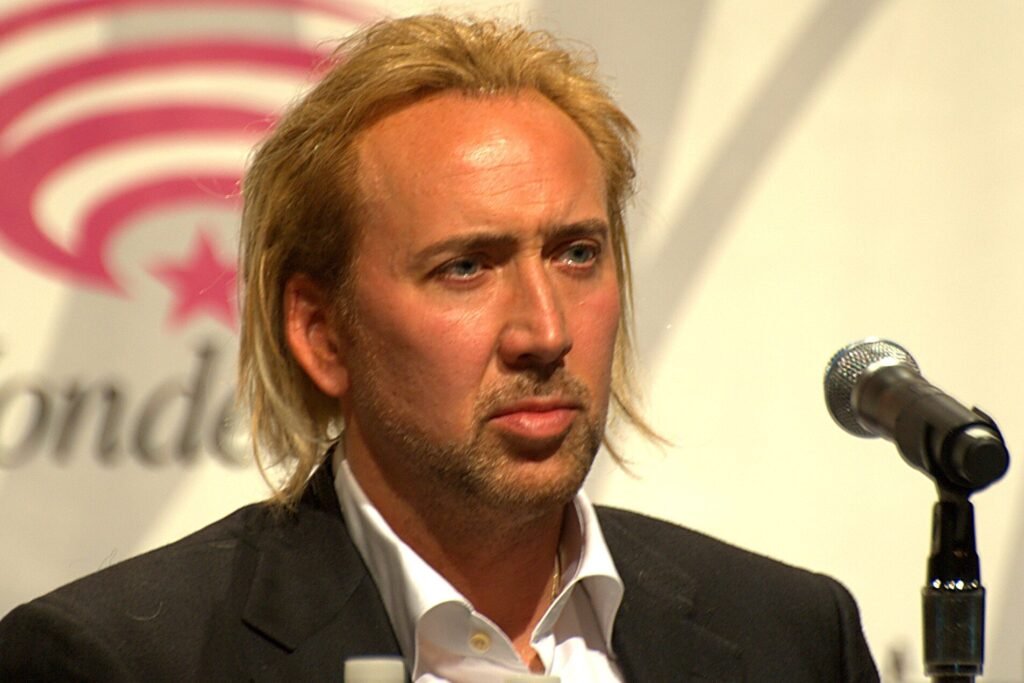
Nicolas Cage built a career on bold, unpredictable performances, with highlights including Leaving Las Vegas, which earned him an Academy Award, and Adaptation. He became known for taking risks that other actors might avoid. In the ’90s and early 2000s, he balanced prestige films with big-budget action roles like Face/Off and National Treasure. His style was often described as intense and unconventional.
Over time, Cage became associated with a high volume of direct-to-video and lower-budget films, particularly in the 2010s. This led to a perception among some viewers that his choices diluted his reputation. However, recent projects like Pig and The Unbearable Weight of Massive Talent have been widely praised, suggesting a resurgence. The “decline” narrative is not universal, but it is a common fan discussion point.
4. Bruce Willis
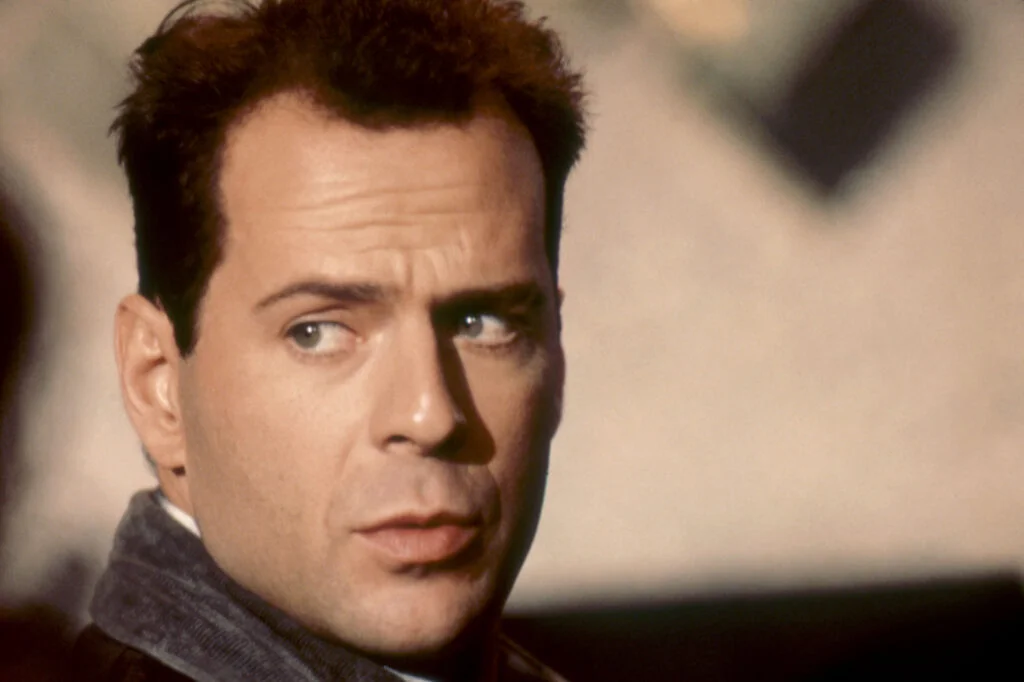
Bruce Willis became a major star with Die Hard and went on to deliver strong performances in films like Pulp Fiction and The Sixth Sense. He was known for balancing action roles with more nuanced, character-driven performances. His screen presence and timing made him a reliable leading man for decades. At his peak, he was one of the most bankable actors in Hollywood.
In the later part of his career, Willis appeared in a large number of low-budget films, often in smaller roles. Reports indicated he worked on tight schedules, which contributed to criticism about the quality of those projects. In 2022, his family announced his retirement following a diagnosis of aphasia, later updated to frontotemporal dementia. This context has reshaped how many fans view his final performances.
5. Adam Sandler
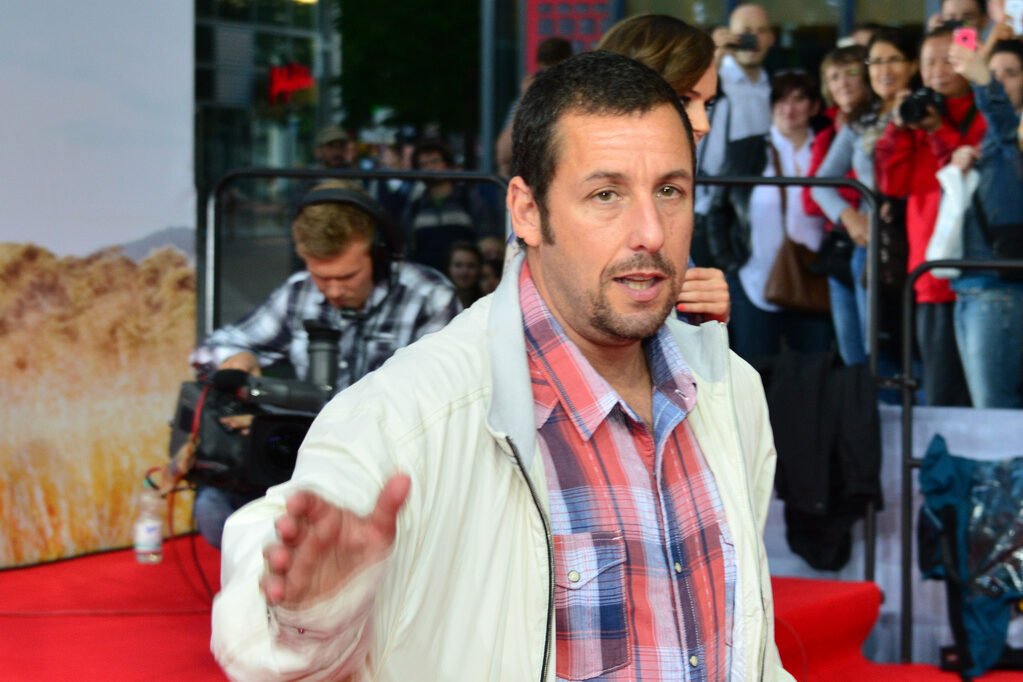
Adam Sandler rose to fame with comedies like Happy Gilmore and Billy Madison, becoming one of the most recognizable comedic actors of the ’90s. His early work had a distinct style that resonated with audiences and led to major box office success. He also demonstrated dramatic range in films like Punch-Drunk Love. At his best, Sandler balanced humor with unexpected depth.
In the years that followed, Sandler became known for a string of critically panned comedies, many produced through his own company. Films like Jack and Jill were widely criticized, even as they performed well commercially. More recently, performances in Uncut Gems and Hustle have earned strong reviews, showing he remains capable of serious acting. The criticism largely centers on his uneven project selection.
6. John Travolta
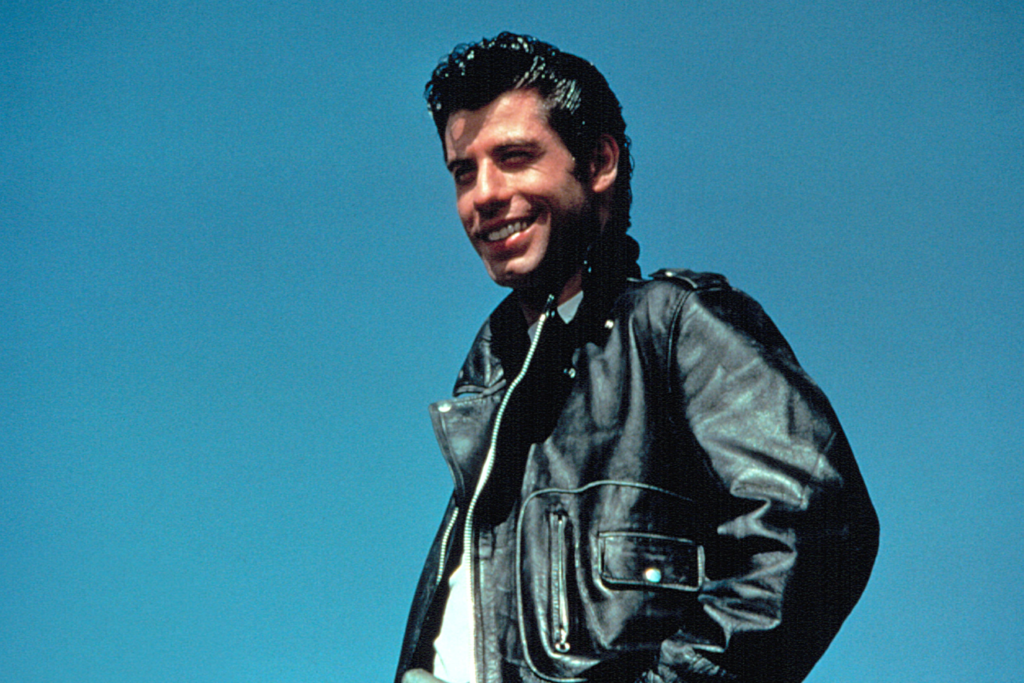
John Travolta experienced multiple career peaks, first with Saturday Night Fever and Grease, and later with a major comeback in Pulp Fiction. He was known for his charisma and strong screen presence. Throughout the ’90s, he delivered a series of successful films that reestablished him as a leading actor. His versatility helped him move between genres with ease.
In the 2000s and beyond, Travolta appeared in several films that received poor critical reception, including Battlefield Earth. Some fans feel his performances became less consistent during this period. While he continues to work steadily, his projects have not reached the same cultural impact as his earlier hits. The contrast between his career highs and later choices fuels ongoing discussion.
7. Will Smith
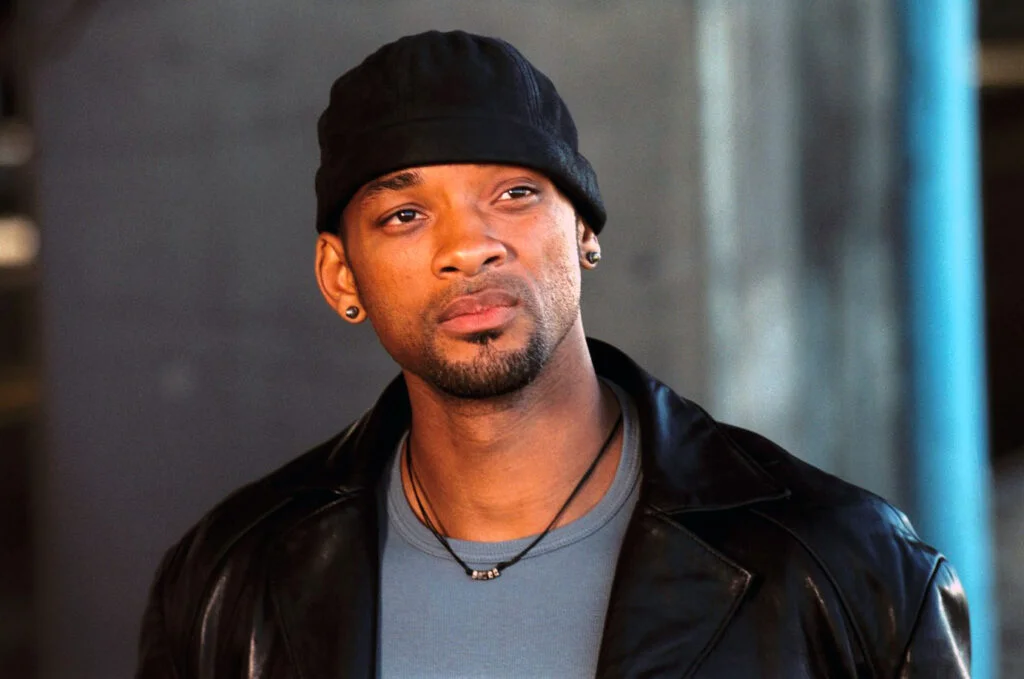
Will Smith built a highly successful career with films like Independence Day, Men in Black, and Ali. He was widely praised for his ability to carry both blockbuster films and more serious roles. His performance in The Pursuit of Happyness further demonstrated his dramatic range. For many years, he was one of the most dependable stars in Hollywood.
In recent years, Smith’s career has faced challenges, including mixed reactions to films like Gemini Man and After Earth. The 2022 Oscars incident also significantly affected public perception. While he won an Academy Award for King Richard, the surrounding controversy overshadowed that achievement. Fans remain divided on how his recent work compares to his earlier output.
8. Jim Carrey
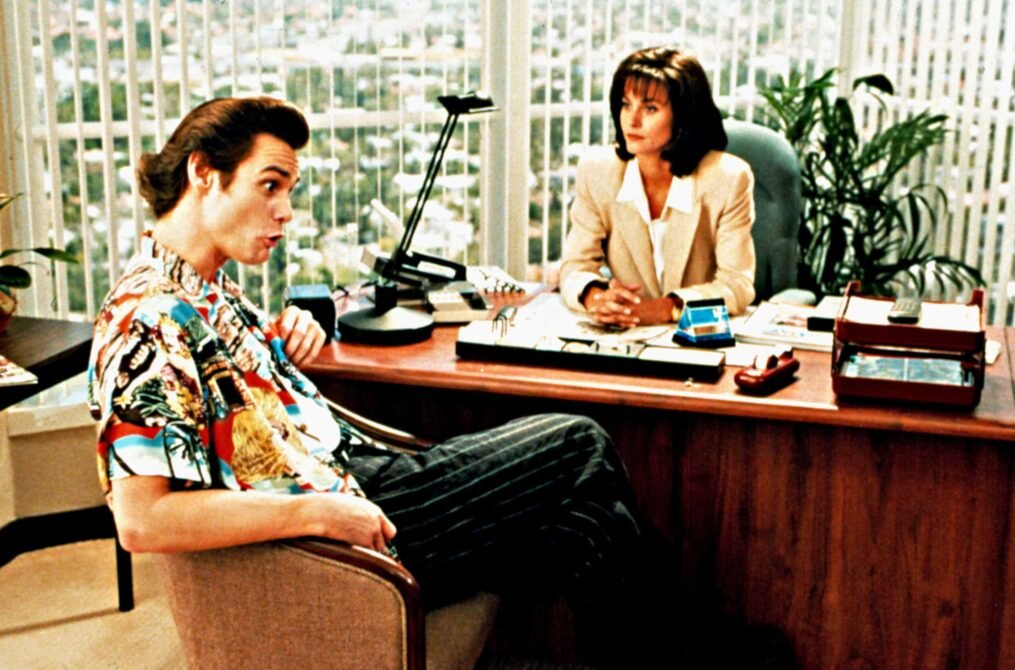
Jim Carrey became a household name with comedies like Ace Ventura: Pet Detective, The Mask, and Dumb and Dumber. His physical comedy and expressive style made him one of the biggest stars of the ’90s. He later proved his dramatic abilities in films like The Truman Show and Eternal Sunshine of the Spotless Mind. His range was broader than many initially expected.
Carrey has taken fewer roles in recent years, and his performances have been more selective. Some fans feel his later work lacks the energy that defined his early career. However, his portrayal of Dr. Robotnik in the Sonic the Hedgehog films has been well received. The perception of decline often reflects reduced output rather than a clear drop in ability.
9. Eddie Murphy
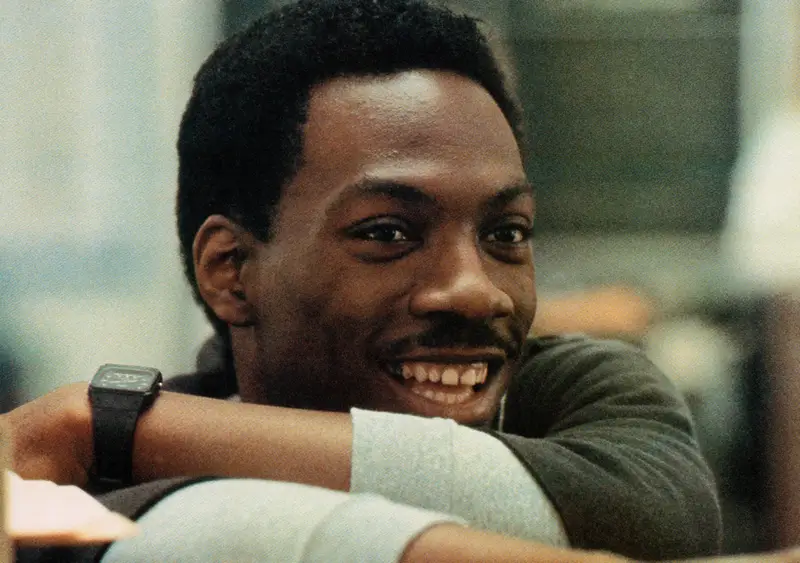
Eddie Murphy was one of the biggest comedy stars of the ’80s and ’90s, with films like Beverly Hills Cop and Coming to America. He was known for his sharp comedic timing and ability to carry entire films. His work on Saturday Night Live also helped define his early career. Murphy’s influence on comedy is widely acknowledged.
In the 2000s, Murphy appeared in several family-oriented comedies that received mixed or negative reviews. Films like Norbit were particularly criticized. However, his performance in Dolemite Is My Name marked a strong return to form and earned critical acclaim. The discussion around his career often centers on the contrast between his early edge and later choices.
10. Mark Wahlberg
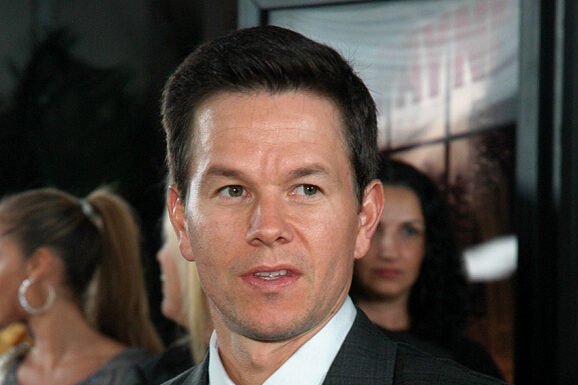
Mark Wahlberg transitioned from music to acting and built a solid career with films like Boogie Nights and The Departed. He earned respect for taking on more serious roles and working with acclaimed directors. His performances often balanced intensity with relatability. By the late 2000s, he was a consistent box office presence.
More recently, some fans feel his roles have become more formulaic, particularly in action films. Projects like Infinite and Mile 22 received mixed reviews. While he continues to work steadily, the critical reception of his films has been inconsistent. The perception is less about ability and more about repetitive role selection.
11. Keanu Reeves
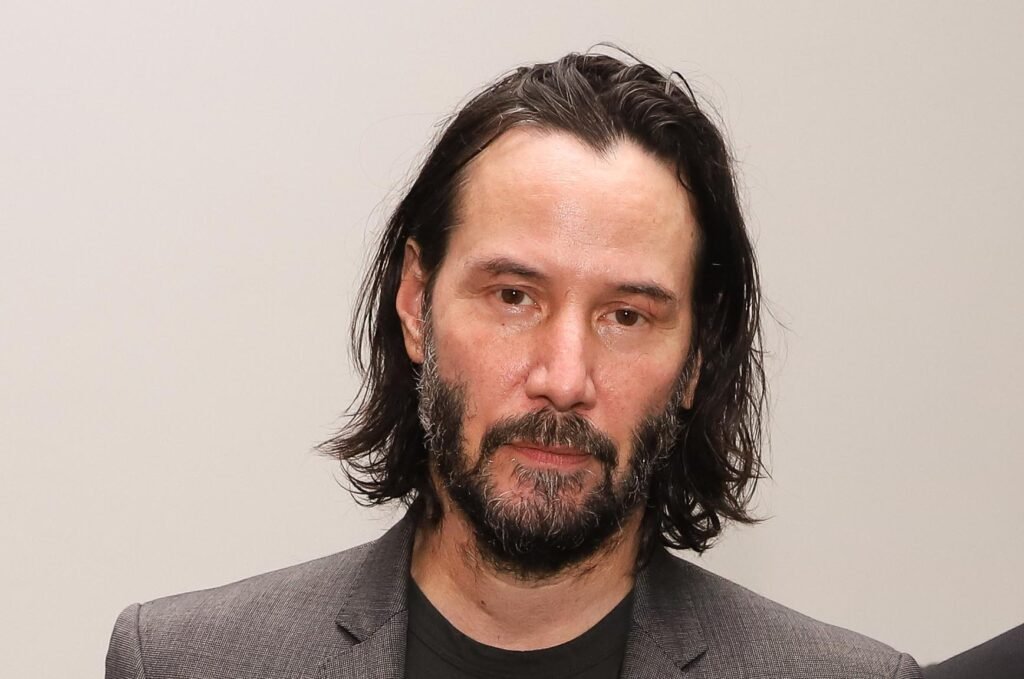
Keanu Reeves built a unique career with films like The Matrix and Speed, becoming known for his understated style. His performances often rely on a calm, controlled presence rather than overt emotional expression. Over time, that approach became part of his appeal. His resurgence with the John Wick series has been widely praised.
However, some viewers feel his acting range has always been limited, and that hasn’t significantly changed. Criticism tends to focus on his delivery rather than his overall screen presence. Despite that, Reeves remains highly popular and continues to headline successful films. The conversation around him is often divided between admiration and critique.
12. Al Pacino
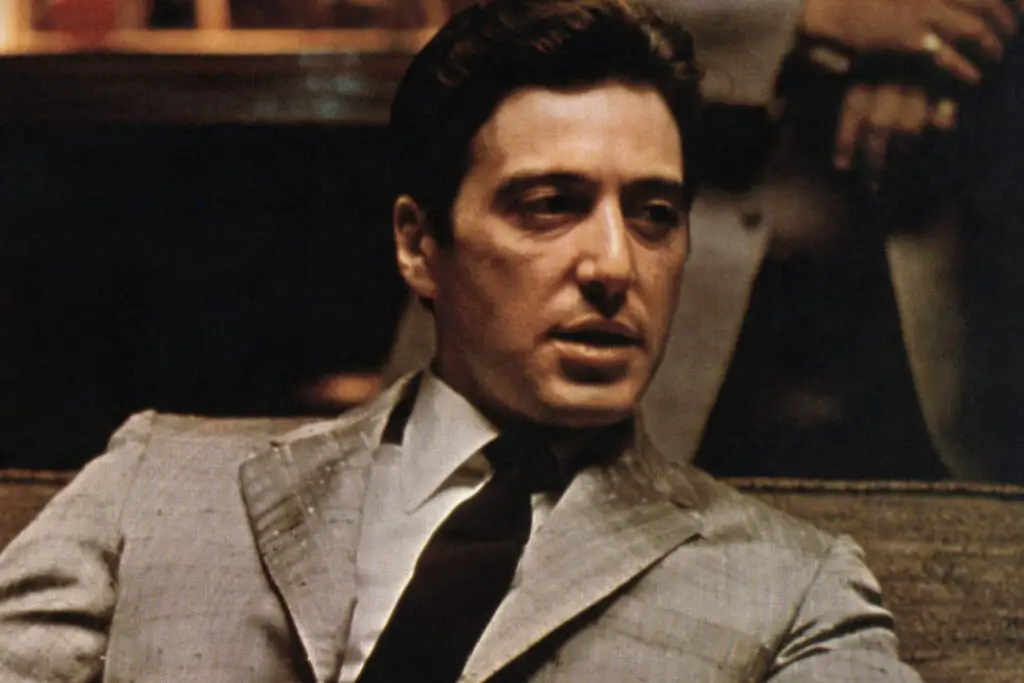
Al Pacino’s early work in The Godfather, Dog Day Afternoon, and Scarface set a high standard for screen acting. He was known for intense, emotionally charged performances that became iconic. His ability to command attention made him one of the most respected actors of his generation. For many, his early career represents a benchmark.
In later years, some fans have noted a tendency toward more exaggerated performances. Films like Jack and Jill were widely criticized, although Pacino has also delivered strong work in projects like The Irishman. The shift in style has sparked debate about whether his acting has changed or simply evolved. The criticism is not universal but remains a recurring topic.
13. Ben Stiller
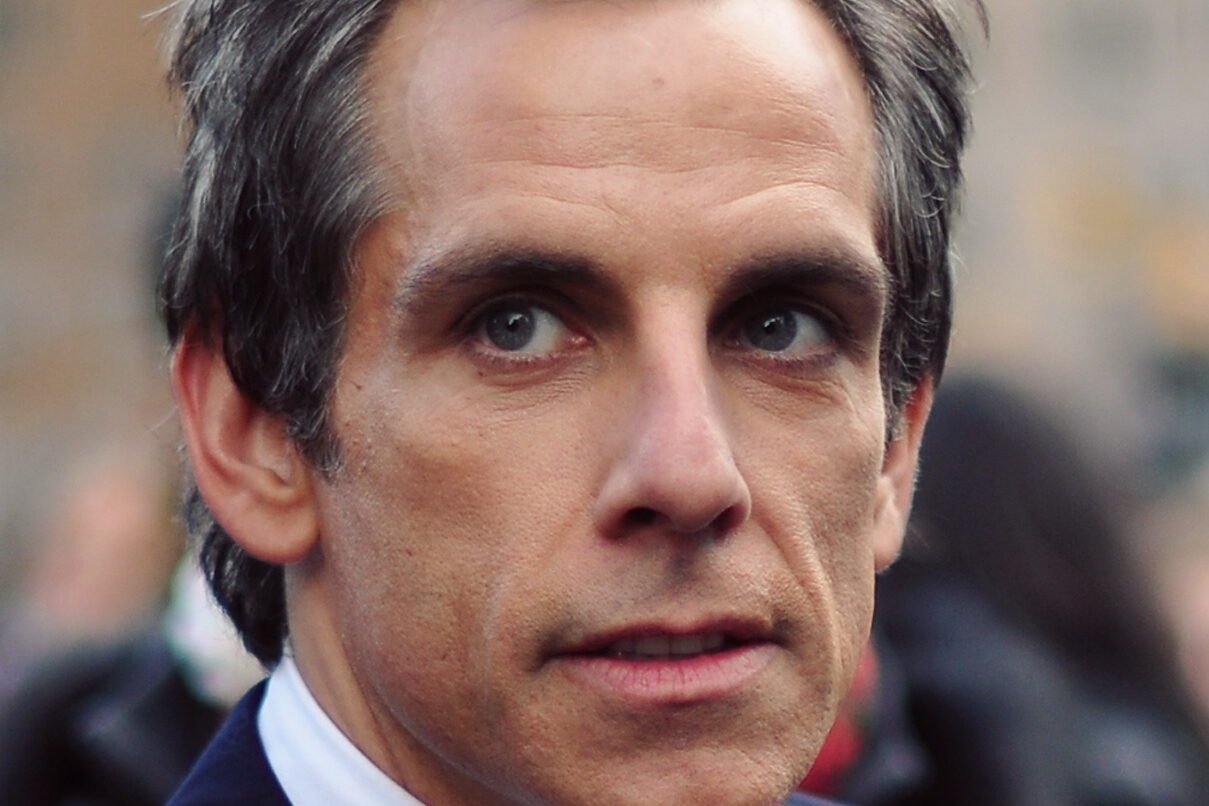
Ben Stiller found major success with comedies like Zoolander, There’s Something About Mary, and Meet the Parents. His style often combined awkward humor with strong character work. He also proved himself as a director with films like Tropic Thunder. At his peak, he was a consistent presence in both acting and filmmaking.
In more recent years, Stiller has taken fewer acting roles, focusing more on directing, including the series Severance. Some fans feel his absence from major comedy films has contributed to the perception that his acting career has slowed. However, his shift behind the camera has been critically successful. The change reflects a career pivot rather than a clear decline.
14. Harrison Ford

Harrison Ford became one of Hollywood’s most iconic actors through roles like Indiana Jones and Han Solo in Star Wars. His performances were defined by a mix of charm, grit, and understated humor. Throughout the ’80s and ’90s, he was one of the most reliable leading men in film. His influence on blockbuster cinema is significant.
In later years, Ford has returned to many of his classic roles, including Indiana Jones and the Dial of Destiny. Some fans feel these performances rely more on nostalgia than fresh character development. However, he has also received praise for roles in projects like Shrinking. The discussion often centers on whether legacy roles enhance or limit his later career.