
1. “Conjunction Junction”
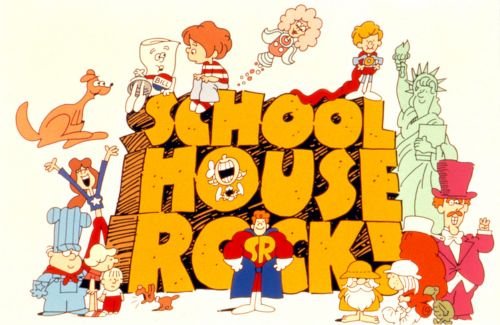
If you grew up watching Schoolhouse Rock!, there’s a very good chance “Conjunction Junction” pops into your head the second someone says the word “and.” The song originally aired in 1973 and was written by Bob Dorough, who had a knack for turning grammar into something catchy. It teaches coordinating conjunctions like “and,” “but,” and “or,” using a train metaphor that’s surprisingly effective. Even decades later, people still quote “what’s your function?” without missing a beat. It sticks because it repeats the concept in a way that feels almost like a playground chant. You didn’t just learn grammar rules, you absorbed them. That’s part of why so many adults still remember it word for word. It’s one of the clearest examples of how music can lock information into your brain.
What makes it even more memorable is how simple the animation is compared to how complex the idea could have been. Instead of overwhelming kids, it breaks things down into something visual and rhythmic. The train cars connecting words made the concept easy to picture. It also helps that the melody leans into a bluesy style that feels natural to sing along with. Teachers still reference it today when introducing conjunctions. There’s a reason it’s probably the most quoted Schoolhouse Rock! song. It managed to make grammar feel approachable instead of intimidating. And once it’s in your head, it rarely leaves.
2. “I’m Just a Bill”

“I’m Just a Bill” might be the most recognizable civics lesson ever put on television. First airing in 1976, it walks through how a bill becomes a law, told from the perspective of a piece of legislation sitting on Capitol Hill. The character’s slightly weary voice makes the process feel long and complicated, which is actually accurate. It explains committees, votes, and presidential approval in a way that kids could follow. Even adults who haven’t thought about it in years can still recall the steps because of this song. It’s one of the rare educational pieces that holds up even when you revisit it later. The melody is simple but persistent, which helps the information stick. It also doesn’t oversimplify to the point of being misleading.
The visual of the bill literally sitting on the steps of the U.S. Capitol became iconic. It gave a face and personality to something abstract. That’s likely why so many people still mentally replay it when hearing about legislation. The song also introduced basic government vocabulary without making it feel like a lecture. It has been referenced and parodied countless times in pop culture. Despite being created for children, it remains a surprisingly accurate overview of the legislative process. That balance is difficult to achieve. It’s probably why it continues to be used in classrooms today. And for many people, it’s still their first association with how laws are made.
3. “Interjections!”

“Interjections!” is one of those songs that sneaks up on you. It first aired in 1974 and focuses on words like “hey,” “ouch,” and “wow,” explaining how they express emotion. The song is fast-paced and filled with exaggerated expressions, which makes it hard to forget. It turns something that could feel minor into something energetic and important. Even people who don’t remember grammar rules often remember this one. That’s because it leans heavily into performance and personality. The way the words are shouted and sung makes them stand out. It’s less about memorization and more about feeling the language. That approach made it especially effective.
The animation amplifies that energy with bold movements and reactions. Each interjection gets its own moment, which reinforces its meaning. It’s also one of the shorter songs, which may help it stick more easily. Teachers often use it to introduce parts of speech in a fun way. The repetition of the word “interjection” itself helps cement the concept. It’s another example of how the series used rhythm as a teaching tool. Even years later, hearing someone say “hey!” can trigger the tune. That kind of recall doesn’t happen by accident. It’s carefully built into the structure of the song.
4. “Lolly, Lolly, Lolly, Get Your Adverbs Here”

This 1974 segment is one of the more playful takes on grammar, focusing on adverbs. “Lolly, Lolly, Lolly, Get Your Adverbs Here” uses a candy shop setting to explain how adverbs modify verbs, adjectives, and other adverbs. The jingle-like chorus makes it especially catchy. It’s one of those songs that people find themselves humming without realizing it. The concept of “how,” “when,” and “where” gets repeated in a way that feels natural. That repetition is what helps it stick. Even if you didn’t fully understand adverbs at the time, the song laid the groundwork. It made the idea feel less abstract.
The visual of scooping adverbs like candy is simple but effective. It connects something familiar to something academic. That’s a recurring strength of Schoolhouse Rock!. The song also uses clear examples, which reinforces the lesson. It’s not just catchy, it’s functional. Many people still recall the phrase “get your adverbs here” instantly. It has a rhythm that’s hard to shake. Teachers still bring it up when introducing adverbs. It shows how a strong metaphor can carry a lesson. And like many of these songs, it sticks far beyond childhood.
5. “Three Is a Magic Number”

“Three Is a Magic Number” was one of the earliest segments, debuting in 1973. It focuses on multiplication, specifically the number three, and uses patterns to show how numbers relate. The song has a softer, almost meditative tone compared to others in the series. That makes it stand out in a different way. It doesn’t rely on high energy, but it still stays with you. The repetition of the number three in different contexts reinforces the concept. It connects math to everyday patterns, like triangles and rhythms. That broader approach makes it feel less like a strict math lesson. It’s more about recognizing patterns in the world.
The animation reflects that tone with more fluid and abstract visuals. It feels slightly more artistic than some of the other segments. That might be why it’s often remembered differently. The song has been covered and referenced outside the show as well. Its melody is simple but distinctive. Even people who struggle with math often remember this one fondly. It shows that not all learning has to be loud or fast-paced. Sometimes a slower approach can be just as effective. The concept of three being “magic” makes the lesson feel special. And that idea tends to linger.
6. “Unpack Your Adjectives”

“Unpack Your Adjectives” aired in 1975 and focuses on describing words. It uses a train setting similar to “Conjunction Junction,” which helps create a visual link between ideas. The song explains how adjectives modify nouns, using examples like “dirty,” “heavy,” and “shiny.” It’s another case where repetition plays a key role. The phrase “unpack your adjectives” is both literal and metaphorical. It encourages breaking down language into parts. That makes it easier to understand how sentences are built. The melody is upbeat but not overwhelming. It strikes a balance that keeps it memorable.
The imagery of unpacking items from a train car helps ground the lesson. It turns abstract language into something tangible. That’s a consistent strategy throughout the series. The song also builds on concepts introduced in other segments, which reinforces learning. Many people remember it alongside “Conjunction Junction” because of the similar setting. It creates a sense of continuity. Teachers often pair the two when teaching grammar. The structure of the song makes it easy to follow. It’s another example of how Schoolhouse Rock! used storytelling to teach. And like the others, it tends to stick long after you’ve forgotten the lesson itself.
7. “Figure Eight”

“Figure Eight” debuted in 1973 and focuses on the number eight and its multiples. The song has a dreamy, almost hypnotic quality that sets it apart. It doesn’t rush through the information. Instead, it lingers on patterns and repetition. That slower pace makes it easier to absorb. The visuals of skating in a figure eight reinforce the concept. It ties movement to math in a subtle way. Many people remember the melody more than the exact lesson, but the pattern stays with them. That’s part of its effectiveness.
The song’s tone feels almost nostalgic even when you first hear it. It has a lullaby-like quality that makes it stand out. The repetition of counting by eights reinforces multiplication without feeling forced. It’s one of the more artistic entries in the series. That might be why it’s remembered so vividly. It doesn’t rely on humor as much as others. Instead, it creates a mood. That approach works differently but just as well. It shows the range of styles within Schoolhouse Rock!. And for many people, it’s one of the most quietly memorable songs.
8. “The Preamble”
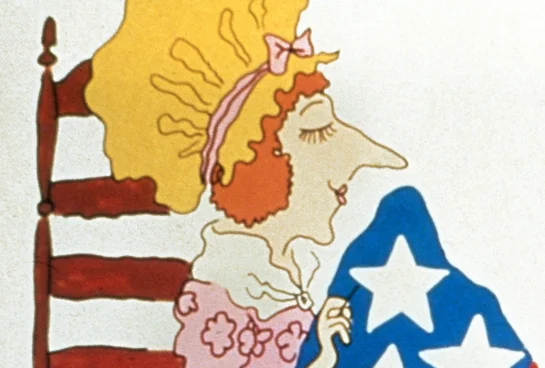
“The Preamble” aired in 1975 and sets the opening words of the U.S. Constitution to music. It’s one of the most ambitious songs in the series because it tackles a dense piece of text. Somehow, it makes it singable. The repetition of phrases like “We the People” helps anchor the words. It turns something formal into something approachable. Many students have used it to memorize the Preamble for school. Even years later, people can still recite it because of this song. That’s a strong indicator of its impact. It simplifies without removing the original language.
The animation places the words in a historical context, which adds depth. It connects the text to real-world meaning. The melody is steady and clear, which helps with memorization. It’s not flashy, but it’s effective. Teachers still use it as a learning tool. It’s one of the clearest examples of educational music working exactly as intended. The structure of the Constitution can be difficult to grasp, but this song provides an entry point. It’s both accurate and accessible. That balance is what makes it endure. And for many people, it’s still the easiest way to remember the Preamble.
9. “Electricity, Electricity”

“Electricity, Electricity” brought science into the mix when it aired in 1973. It explains basic concepts like current and circuits in a way that feels approachable. The song uses repetition and rhythm to reinforce key ideas. It doesn’t go too deep into technical detail, but it introduces the basics clearly. That makes it a good starting point for understanding electricity. The visuals show how energy moves, which helps make the concept concrete. It’s one of the few songs in the series that focuses more on science than language or civics. That variety helped broaden the show’s appeal.
The melody has a slightly different tone compared to the grammar songs. It leans more into explanation than storytelling. Still, it manages to stay catchy. Many people remember the phrase “electricity” being repeated in rhythm. That repetition helps anchor the concept. It’s another example of how the series used music to simplify complex ideas. While it may not be as quoted as others, it’s still widely remembered. It shows that the formula worked across different subjects. And it helped introduce basic science concepts in a way that stuck.
10. “A Noun Is a Person, Place or Thing”

“A Noun Is a Person, Place or Thing” is one of the foundational grammar songs from 1973. It introduces the basic definition of a noun in a straightforward, memorable way. The melody is simple and easy to follow, which makes it ideal for younger audiences. It focuses on clear examples rather than complex explanations. That clarity is part of why it sticks. Many people still recall the definition exactly as it’s sung. It’s often one of the first grammar lessons children learn. The song reinforces the idea through repetition and examples.
The animation supports the lesson with visual representations of nouns. It shows people, places, and objects in a way that’s easy to understand. That combination of audio and visual learning is key. The song doesn’t try to do too much. It stays focused on one concept and does it well. Teachers still use it as an introduction to parts of speech. It’s simple, but effective. And even years later, hearing the word “noun” can bring the song back instantly. That kind of recall is exactly what the series aimed for.