
1. MySpace Top 8 Drama
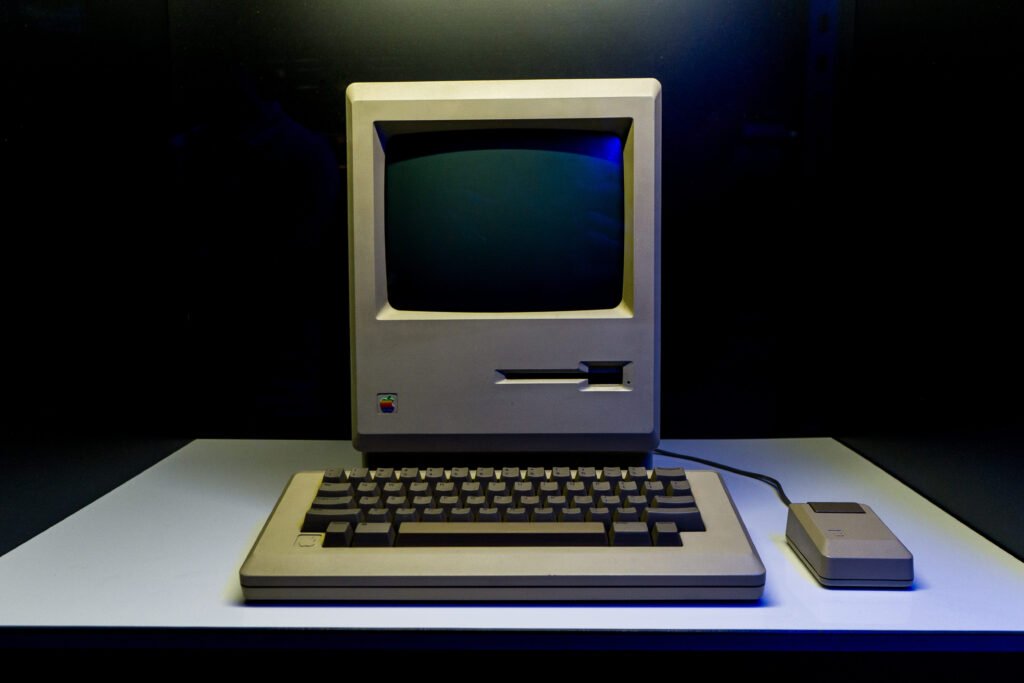
If you were on MySpace in the mid-2000s, your “Top 8” friends list was basically a public ranking of your social life. It wasn’t just a feature, it was a source of daily stress, passive-aggressive moves, and sometimes full-blown arguments. People would notice immediately if they dropped a spot or disappeared altogether. That tiny grid of profile pictures somehow carried real emotional weight.
When Facebook started gaining traction around 2008 and 2009, that feature quietly disappeared from mainstream social media culture. Modern platforms still have followers and friends, but they don’t publicly rank them in the same way. The specific social tension tied to Top 8 simply doesn’t exist anymore. It is one of those oddly specific digital experiences that defined the era.
2. AOL Instant Messenger (AIM)
AOL Instant Messenger, better known as AIM, was the go-to way to talk to friends after school or late at night. You logged in, set your away message with song lyrics or cryptic quotes, and waited for that familiar door-opening sound. Screen names were often a mix of inside jokes and random numbers. Conversations could last hours, even if most of it was just typing “lol.”
AIM officially shut down in 2017 after years of decline. Texting and apps like iMessage and WhatsApp replaced it long before that. What disappeared with AIM was the ritual of logging in and out, and the idea that being “online” was a specific event. It was a different pace of communication that feels very distant now.
3. Dial-Up Internet Sounds

Before broadband became standard, connecting to the internet meant using dial-up through services like AOL. The connection process came with a series of loud, unmistakable tones that filled the room. You had to wait for it to connect, and sometimes it failed and forced you to start over. It also tied up your phone line completely.
Today, that entire experience is gone for most households. High-speed internet is always on, and there is no waiting or noise involved. Many younger people have never even heard those sounds outside of videos. It is one of the clearest examples of how much technology has streamlined everyday life.
4. Blockbuster Video Stores
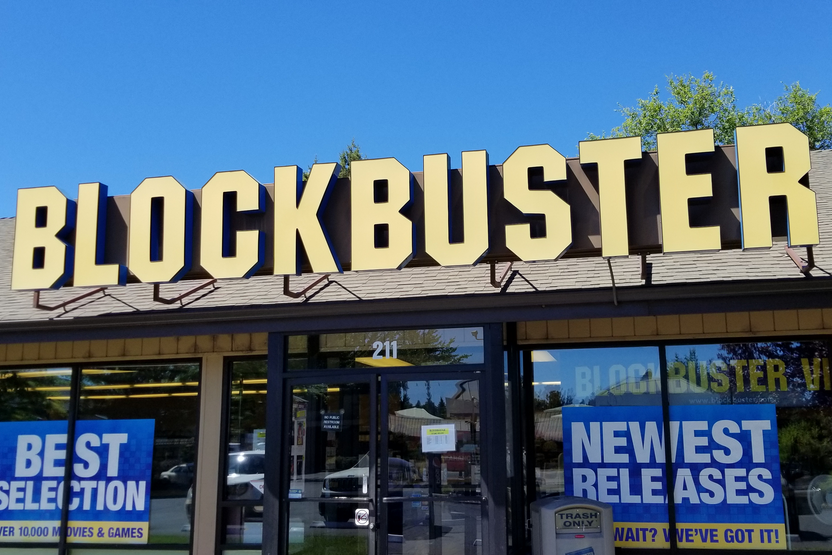
At its peak, Blockbuster had thousands of stores where people rented movies and video games for the weekend. Walking the aisles, hoping your pick was still in stock, was part of the experience. Late fees were a constant concern if you forgot to return something on time. It was a weekly ritual for many families.
Streaming services eventually made the entire business model obsolete. Blockbuster filed for bankruptcy in 2010, and almost all locations closed. One store in Oregon remains open as a novelty, but the chain itself no longer exists in any meaningful way. The idea of physically renting movies has largely disappeared.
5. CD Burning for Mixes
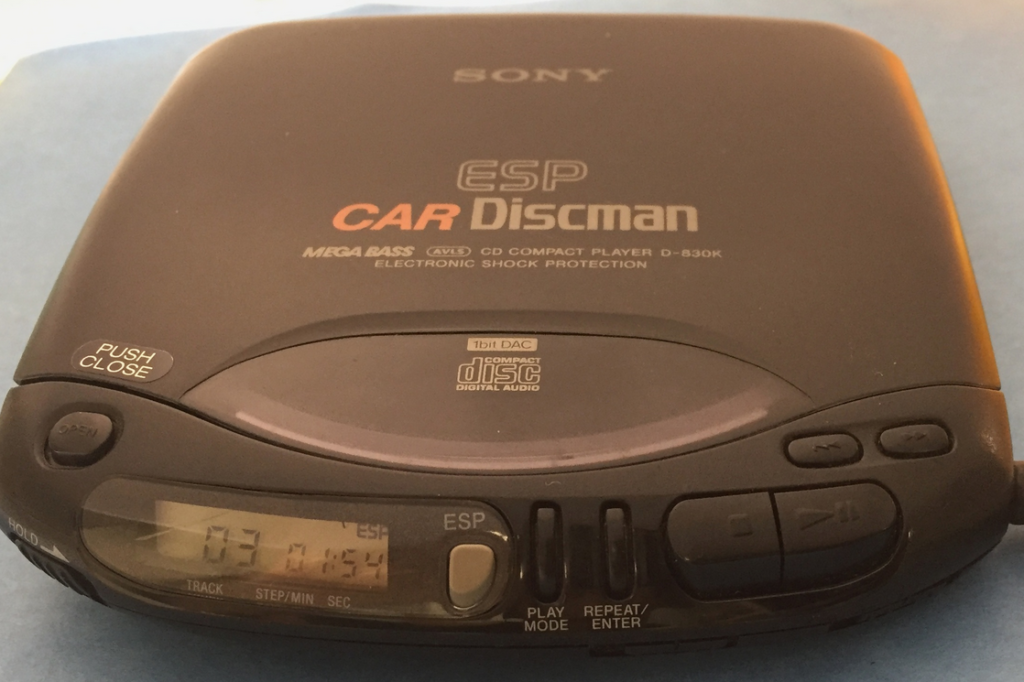
Creating a custom playlist once meant burning a CD on your computer using programs like Windows Media Player or iTunes. You carefully selected songs, arranged the order, and sometimes even labeled the disc with a marker. These CDs were often shared with friends or given as gifts. It felt personal and intentional.
Streaming services eliminated the need for physical media entirely. Playlists are now digital and can be created instantly without any materials. While CDs still exist, the specific act of burning them for mixes is no longer common. That hands-on process has mostly faded away.
6. Ringtone Purchases
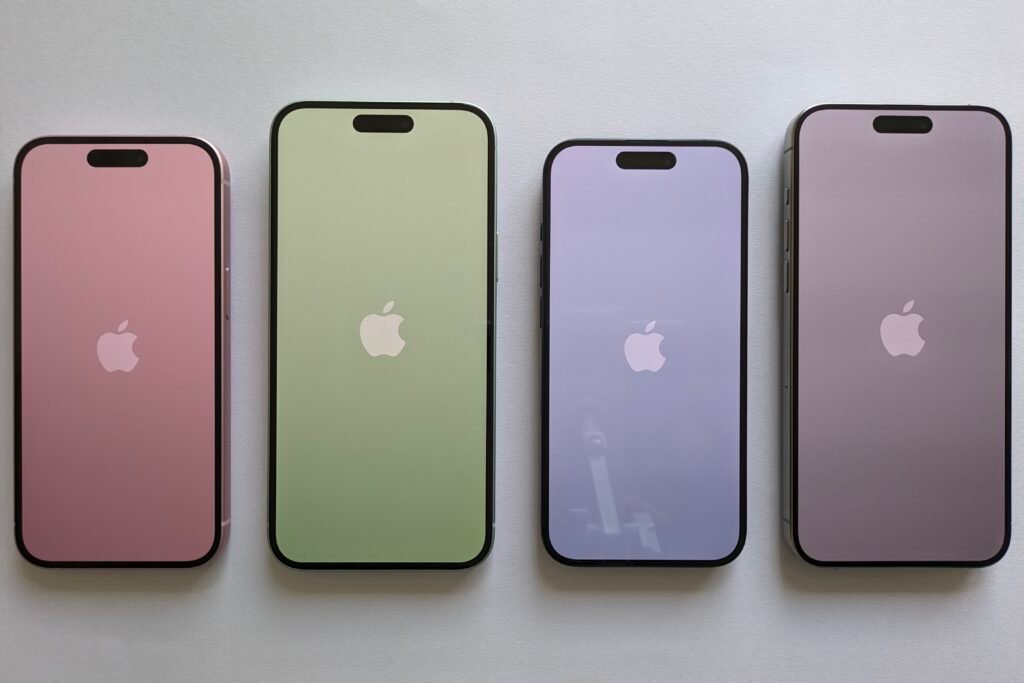
In the 2000s, buying ringtones was a huge business. People paid real money to have clips of songs or custom tones on their phones. Ads for ringtones were everywhere, especially on TV channels like MTV. Having a unique ringtone was a way to show personality.
Smartphones changed everything by allowing full songs or custom sounds without extra purchases. The ringtone market collapsed as a result. Today, most people either keep default tones or use simple alternatives. The era of paying for short audio clips is essentially over.
7. Portable MP3 Players (Pre-Smartphone Era)
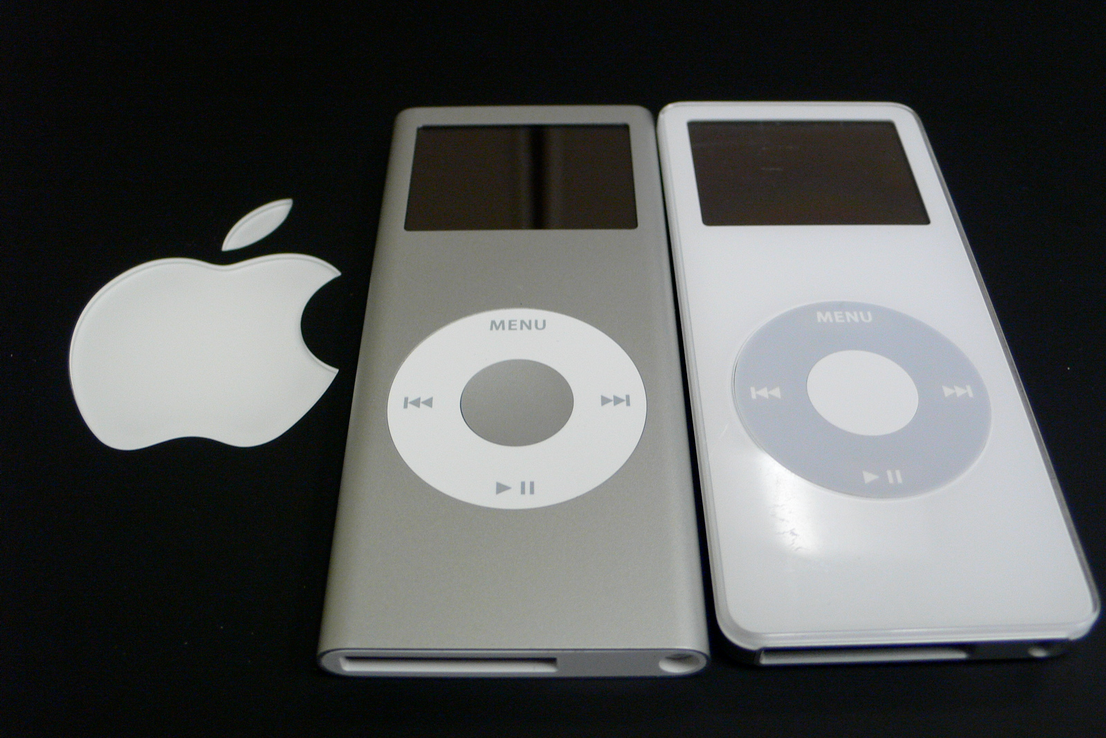
Devices like the iPod Classic were once essential for listening to music on the go. You loaded songs onto them from your computer and carried your entire library in your pocket. Battery life, storage space, and syncing were constant considerations. It was a dedicated device with a single purpose.
Smartphones absorbed that function completely. Apple discontinued the iPod line in 2022, marking the end of an era. While music listening is more convenient now, the standalone MP3 player is no longer part of everyday life. It has become more of a nostalgic object than a necessity.
8. Flip Phones as the Standard
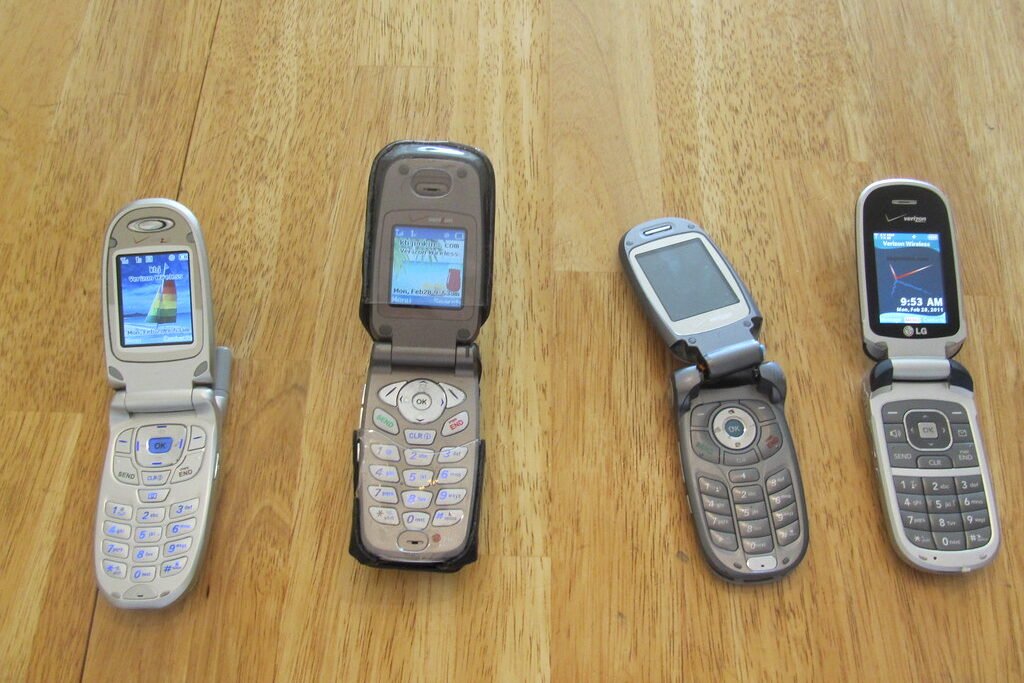
Before smartphones took over, flip phones were everywhere. Models from brands like Motorola, especially the Razr, were considered stylish and advanced. Closing the phone with a snap at the end of a call felt satisfying. Texting on numeric keypads was the norm.
Smartphones replaced flip phones as the default by the early 2010s. While some modern versions exist, they are niche products rather than the standard. The physical design and interaction style of flip phones are no longer dominant. It is a clear shift in how people use mobile devices.
9. Video Stores’ “Be Kind, Rewind” Culture
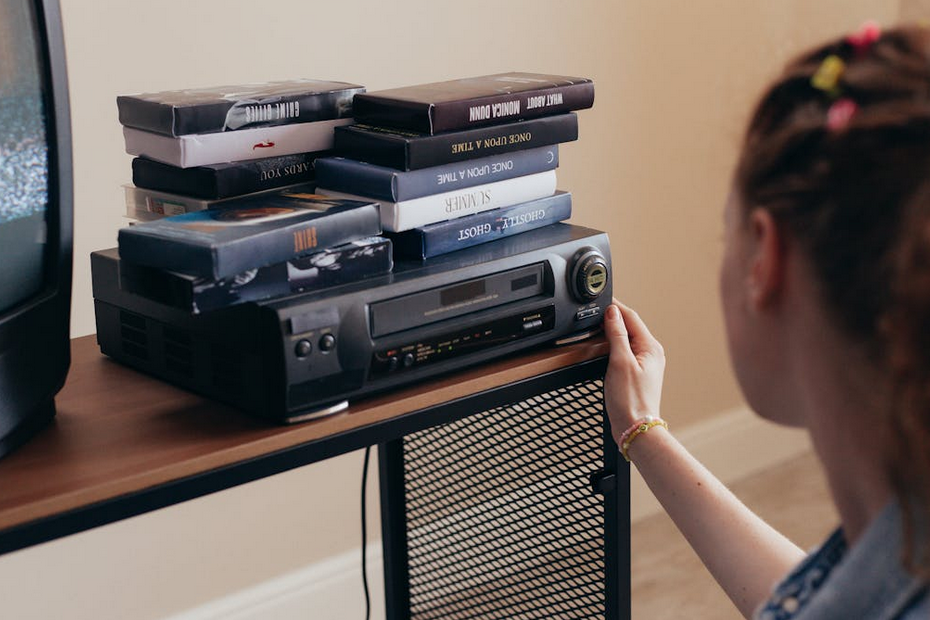
Even as DVDs took over, VHS tapes were still common in the early 2000s. Rental stores expected customers to rewind tapes before returning them. If you forgot, you might be charged a small fee. It became such a known rule that it turned into a cultural phrase.
As DVDs and later streaming replaced VHS entirely, that expectation disappeared. There is no modern equivalent to rewinding a physical tape. The phrase itself still exists, but the actual behavior does not. It is tied to a format that is no longer in everyday use.
10. Desktop Widgets Like WeatherBug
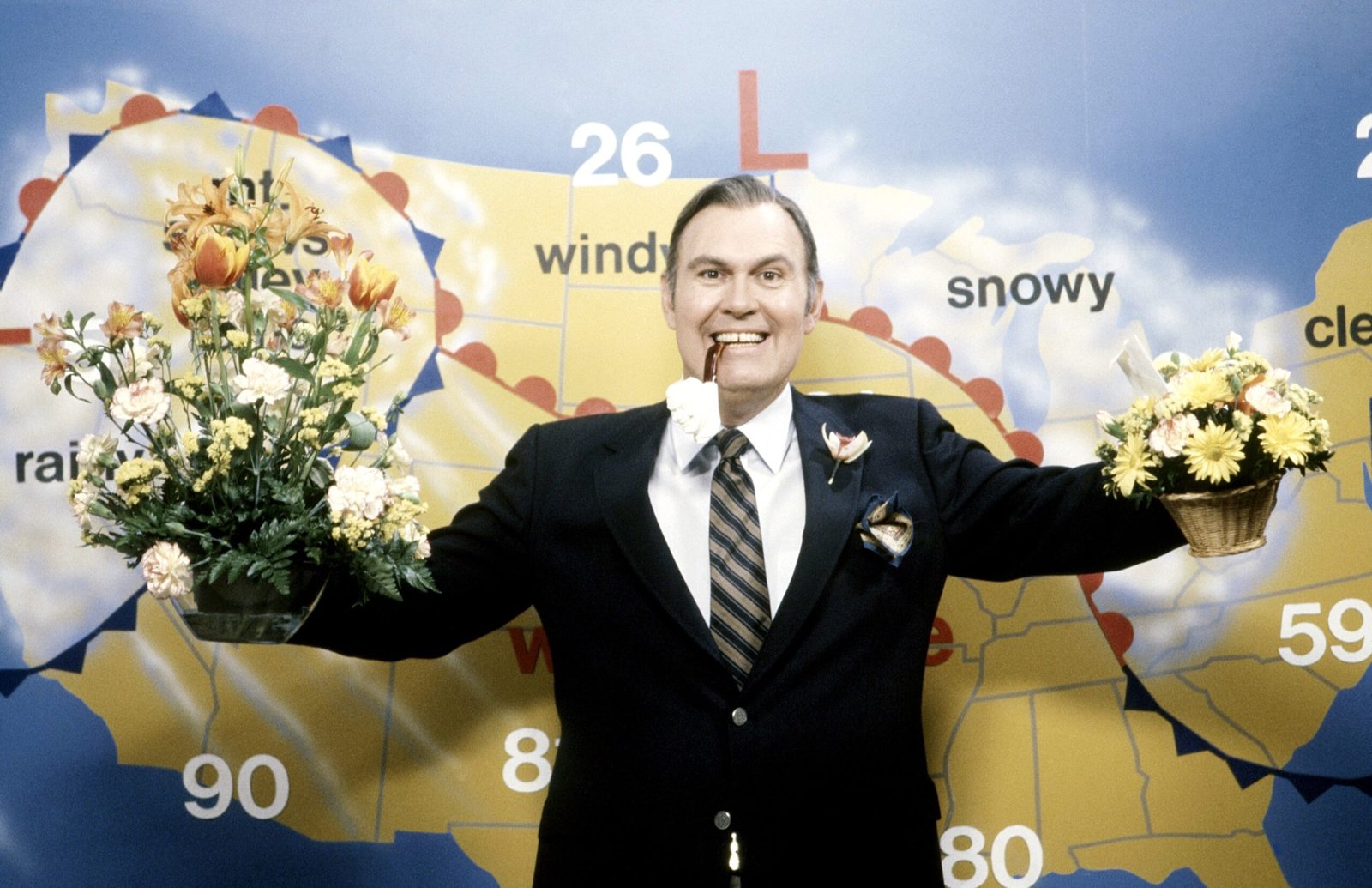
Programs like WeatherBug were commonly installed on home computers. They displayed weather updates, alerts, and other information directly on the desktop. Many people kept multiple widgets running at once. It made the desktop feel more interactive.
Modern operating systems and smartphones now integrate those features natively. Separate desktop widgets are far less common than they once were. The need to install third-party programs for basic information has largely gone away. That entire ecosystem has faded.
11. Chat Room Culture
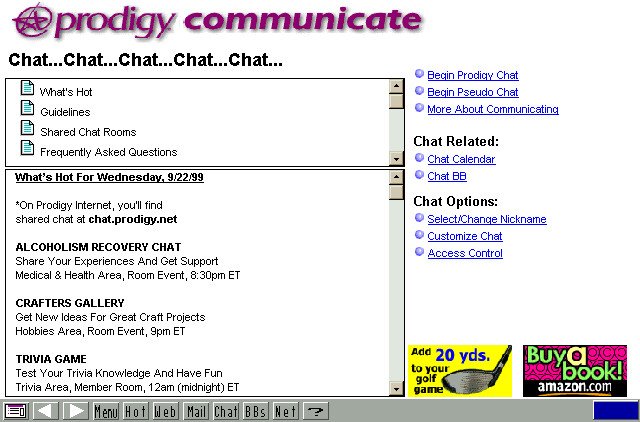
Public chat rooms, especially those hosted by services like Yahoo!, were a major part of early online interaction. People joined rooms based on interests, locations, or random topics. Conversations were fast, chaotic, and often anonymous. It was a very different social dynamic.
Most of those chat rooms shut down by the mid-2010s. Social media platforms replaced them with more structured interactions. While forums and group chats still exist, the open chat room format is no longer widespread. That style of online socializing has mostly disappeared.
12. Physical Netflix DVD Queues
Before streaming, Netflix operated as a DVD-by-mail service. You created a queue of movies online, and discs were sent to your house in red envelopes. Once you returned one, the next in your list was shipped. It required planning and patience.
Netflix officially ended its DVD service in 2023. Streaming made physical delivery unnecessary. The idea of waiting days for a movie to arrive feels outdated now. It marked a major shift in how people consume media.
13. Camera Film Drop-Off Counters
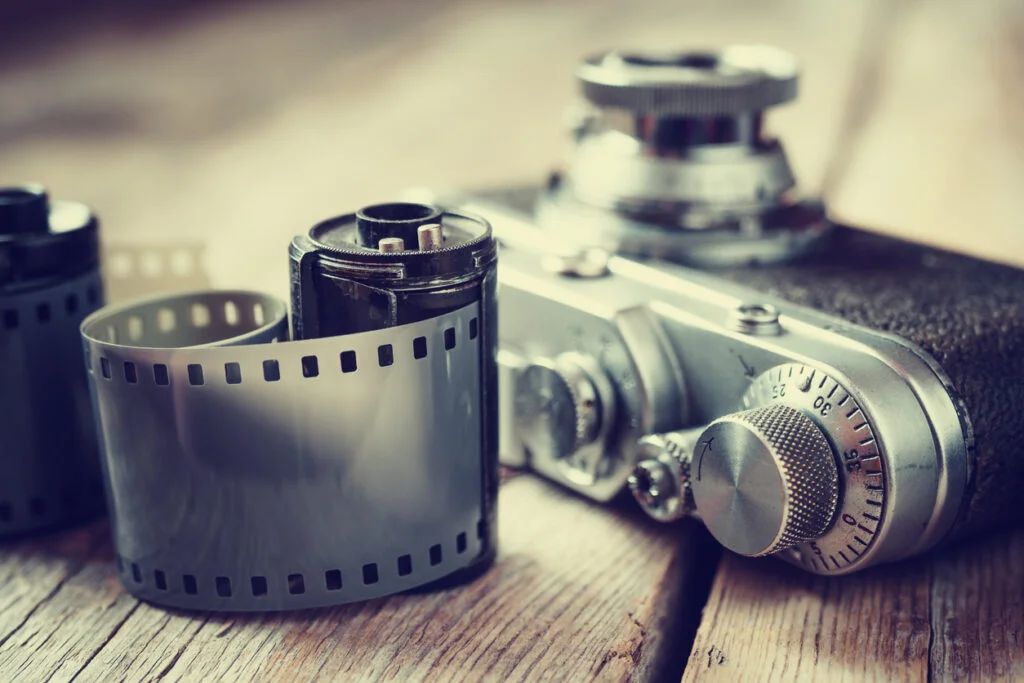
Many stores had photo counters where you dropped off disposable cameras or film rolls to be developed. Chains like Kodak were closely associated with this process. You would come back days later to pick up printed photos. There was always a sense of anticipation.
Digital cameras and smartphones eliminated the need for film processing. Most people now view and store photos instantly. Photo labs still exist in limited form, but they are no longer a routine part of everyday life. The delayed gratification of film development is largely gone.
14. Internet Explorer Dominance
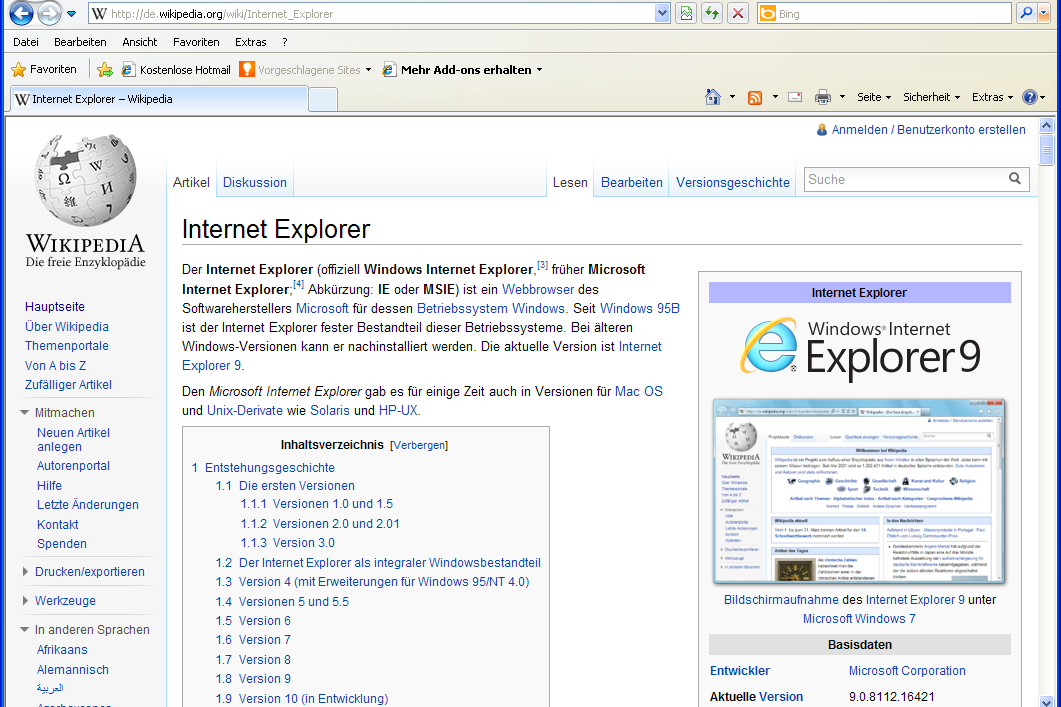
Internet Explorer was the default web browser on most computers in the 2000s. It came pre-installed with Windows and dominated usage for years. Many websites were even optimized specifically for it. It was simply what people used without much thought.
Microsoft officially retired Internet Explorer in 2022. Browsers like Chrome and Firefox replaced it long before then. Its dominance is now a thing of the past. It serves as a reminder of how quickly software ecosystems can change.
15. LimeWire Downloads
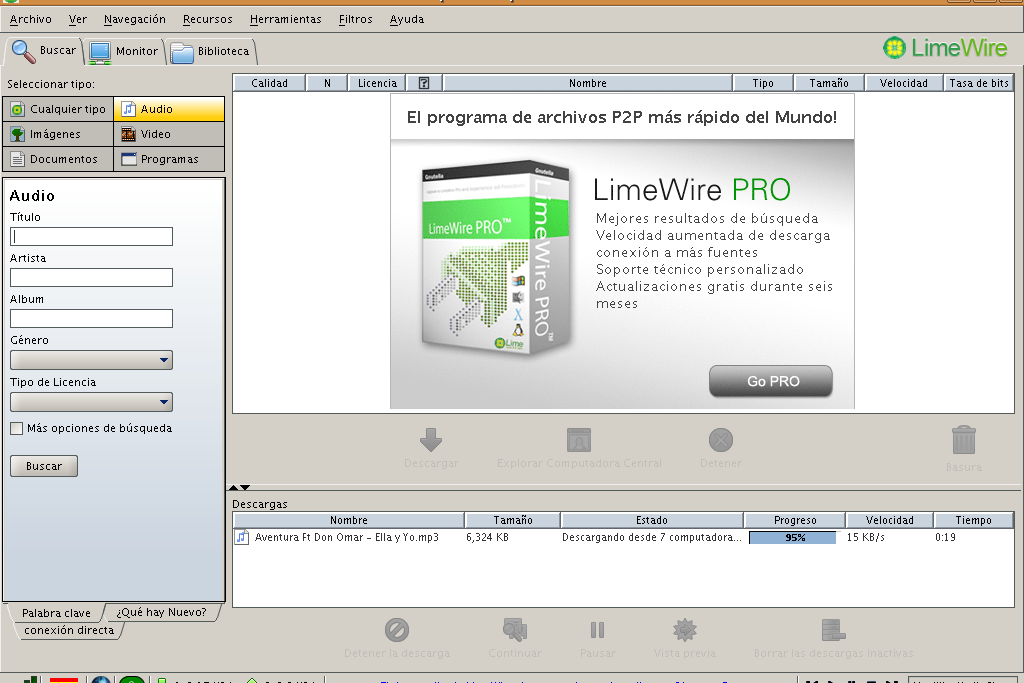
LimeWire was widely used for downloading music and other files in the early 2000s. It allowed users to share files directly, often without regard for copyright. It was popular but also risky, with frequent malware concerns. Many people still remember accidentally downloading the wrong version of a song.
LimeWire shut down in 2010 after legal action from the music industry. Streaming services provided a legal and safer alternative. The culture of peer-to-peer music downloading has largely faded from the mainstream. It marked a turning point in how music is distributed and consumed.