
1. Breaking Bad
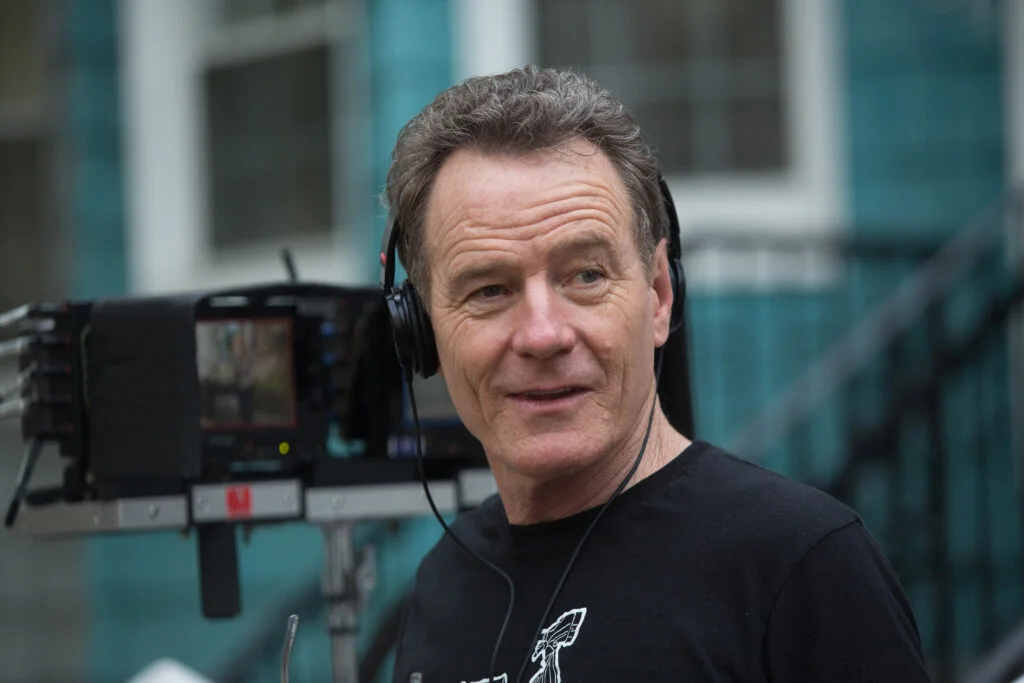
When Breaking Bad was first conceived by Vince Gilligan, it wasn’t imagined as a long-running television series. Gilligan has said he originally thought of the story as a movie about a man who transforms from mild to monstrous over a short period of time. The concept of a high school chemistry teacher turning to crime felt cinematic in scope, especially with its moral descent arc. However, as he developed the idea further, he realized the character evolution needed more room to breathe. A feature-length runtime simply wouldn’t allow for the gradual transformation he had in mind. That realization pushed the project toward television instead.
Once Breaking Bad became a series, the slower pacing turned out to be one of its greatest strengths. Viewers could watch Walter White’s change unfold step by step rather than all at once. That shift from film to TV is part of why the show became so layered and widely praised. It also helped redefine what serialized drama could look like in the late 2000s. In hindsight, it’s difficult to imagine the story working as effectively in movie form. The expanded format gave it the depth that made it iconic.
2. Stranger Things
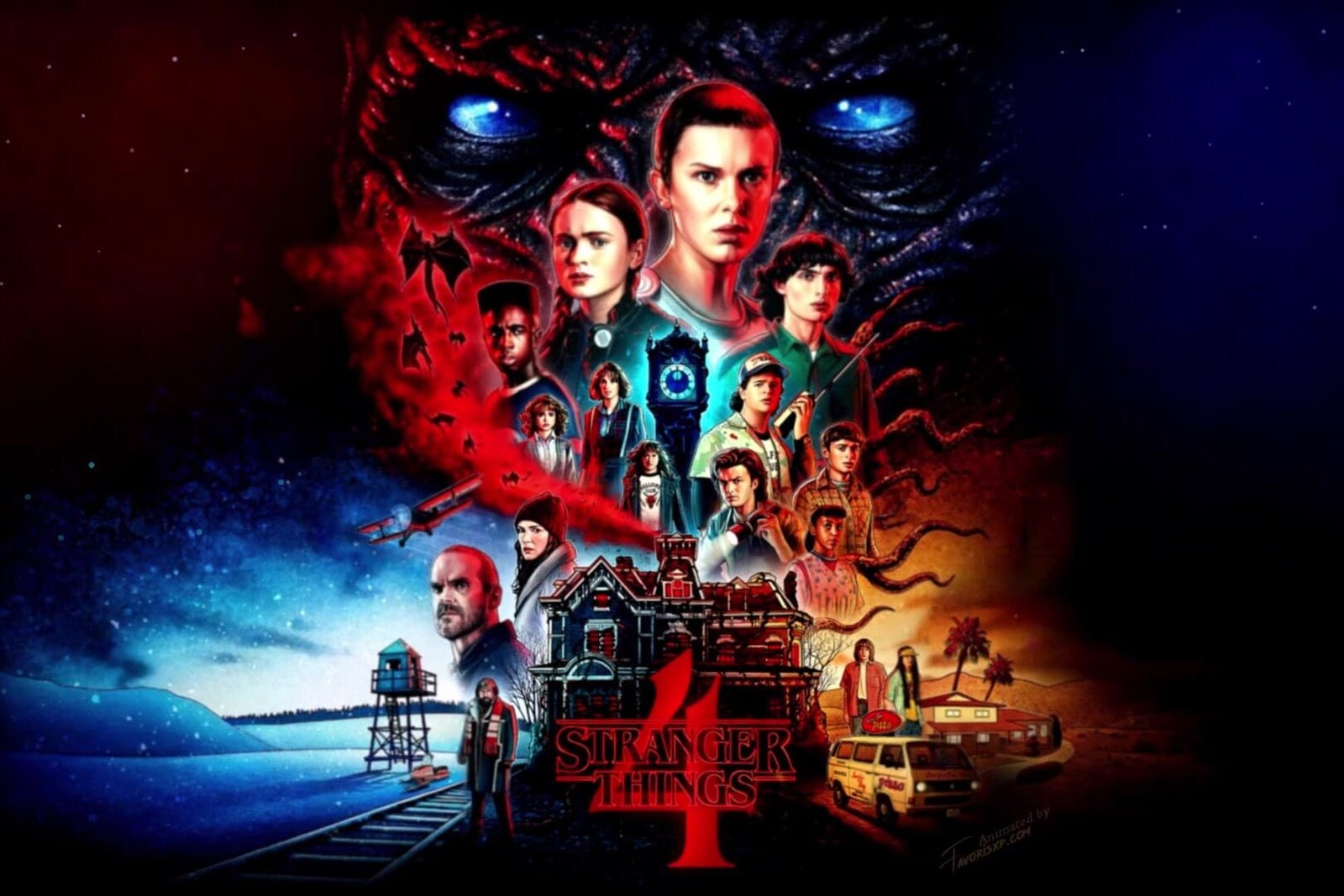
Stranger Things began as a very different kind of pitch from creators Matt and Ross Duffer. They initially envisioned it as a feature film inspired by E.T. the Extra-Terrestrial and classic ’80s sci-fi. The story of a missing boy, government experiments, and a mysterious girl felt like it could fit neatly into a two-hour format. But studios repeatedly passed on the concept as a movie. Executives weren’t convinced the story had enough mainstream appeal as a standalone film.
When the Duffers reworked it as a television series, everything changed. The episodic format allowed them to expand the world, introduce multiple character arcs, and build suspense over time. That structure also let the nostalgic tone develop more naturally. Netflix eventually picked it up, and the rest is well documented. The show’s success likely wouldn’t have been the same if it had stayed a single film. The longer format gave it room to become a cultural phenomenon.
3. The Walking Dead
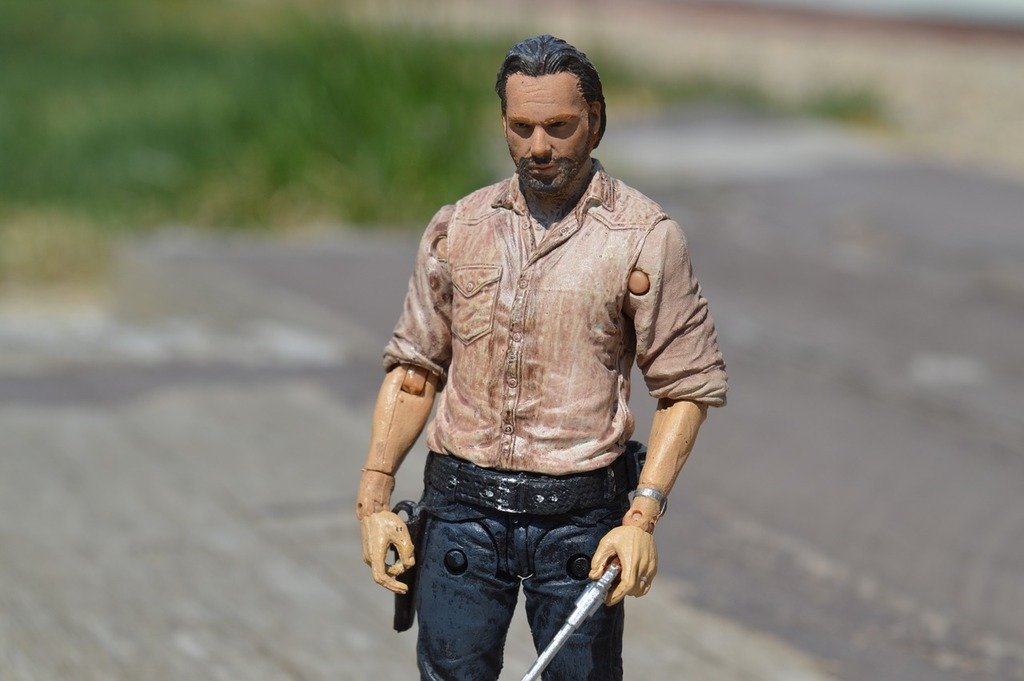
Before The Walking Dead became a major television franchise, it was considered for a film adaptation. The original comic by Robert Kirkman had the kind of scope that studios often try to condense into a movie. Early discussions explored turning the story into a feature-length zombie film. But the narrative quickly proved too expansive for that approach. There were too many characters and storylines to fit into a single runtime.
Moving The Walking Dead to television allowed the story to unfold over multiple seasons. That decision preserved the slow-burn survival elements that define the series. It also gave audiences time to connect with the characters in a way a movie couldn’t. The show’s success on AMC demonstrated the advantage of long-form storytelling for this type of material. It turned into one of the most watched cable shows of its time. A movie likely would have felt compressed by comparison.
4. Buffy the Vampire Slayer
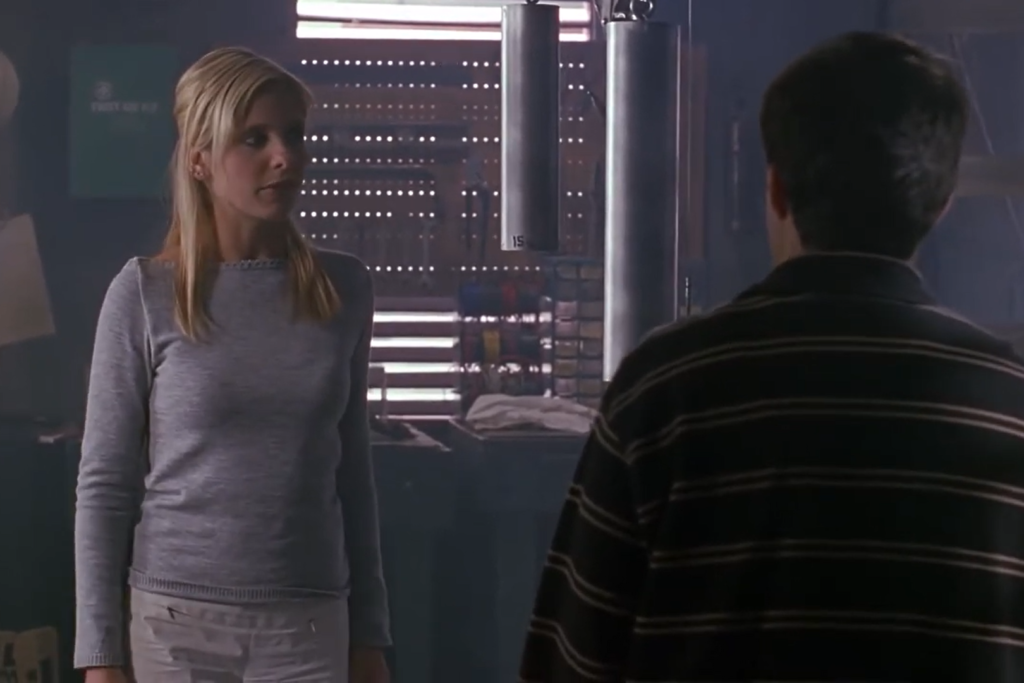
Buffy the Vampire Slayer actually started as a film in 1992, written by Joss Whedon. But Whedon’s original vision for the story didn’t fully translate in that version. He had imagined something darker and more character-driven than what ended up on screen. After the film, he revisited the concept with the idea of expanding it. That’s when the television version began to take shape. In many ways, the show was closer to what he originally intended.
The series allowed for deeper character development and ongoing story arcs. It also gave Buffy and her friends more room to grow over time. The format shift turned a modest cult movie into a long-running hit. Fans often point out how much richer the TV version feels compared to the film. It’s a clear example of a concept finding its proper medium. Without that transition, it likely wouldn’t have had the same lasting impact.
5. Westworld
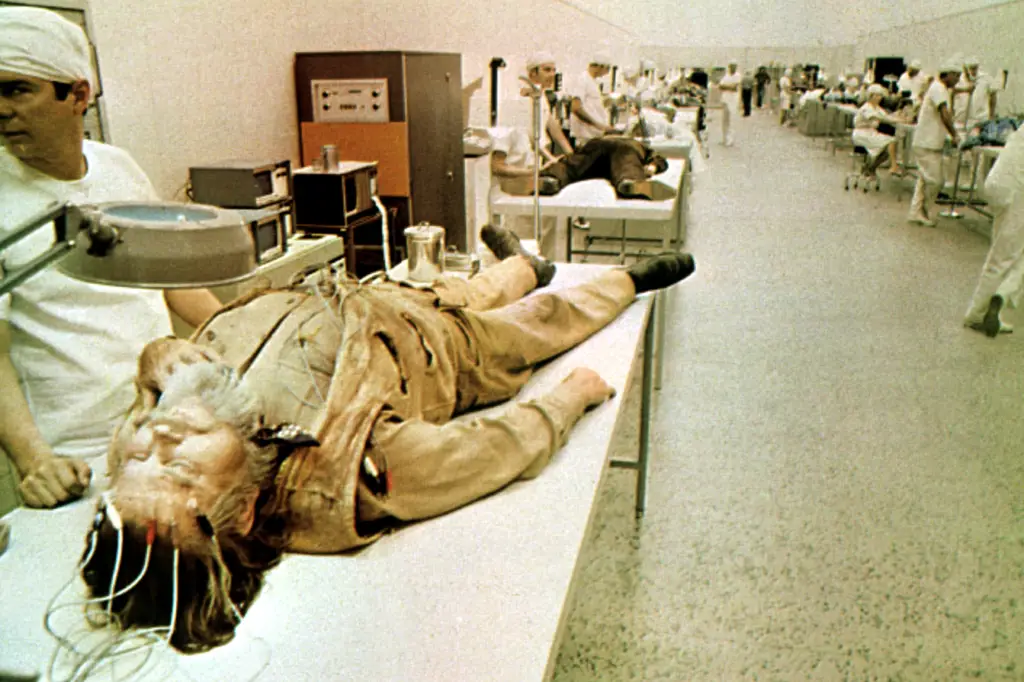
Westworld originated from the 1973 film directed by Michael Crichton. When Jonathan Nolan and Lisa Joy developed the modern version, they explored how the concept might work as a feature. The philosophical themes and complex timelines made that difficult. The story demanded more space than a typical film could offer. The creators ultimately realized that a series format would better suit the narrative.
As a television show, Westworld was able to dive into deeper questions about consciousness and identity. The multiple timelines and character perspectives became a defining feature. Those elements would have been hard to manage in a two-hour movie. HBO gave it the scope and production value to match its ambition. The result was something far more intricate than a standard film adaptation. It demonstrated how expanding a concept can elevate it.
6. Entourage
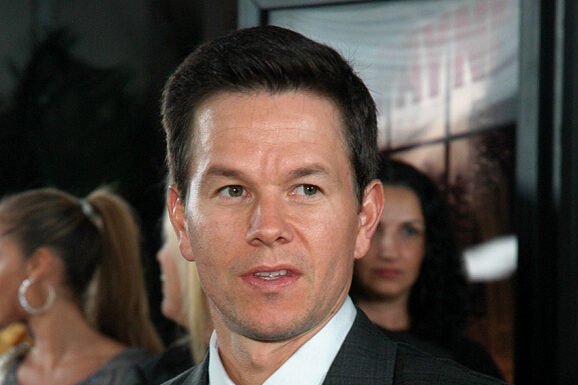
Entourage was inspired by the real-life experiences of Mark Wahlberg. Early on, there was discussion about telling that story in movie form. The idea of a rising actor navigating Hollywood seemed like a natural fit for a feature. But as the concept developed, it became clear there were too many stories to tell. The behind-the-scenes world of entertainment offered endless material.
The show’s episodic nature allowed Entourage to explore different aspects of Hollywood life each week. It also gave the characters time to evolve in ways a film couldn’t accommodate. The success of the series eventually led to a movie, but only after years of storytelling. In that sense, it reversed the usual process. Starting as a series gave it depth before transitioning to film. It’s a rare example of a concept growing beyond its original format.
7. Lost
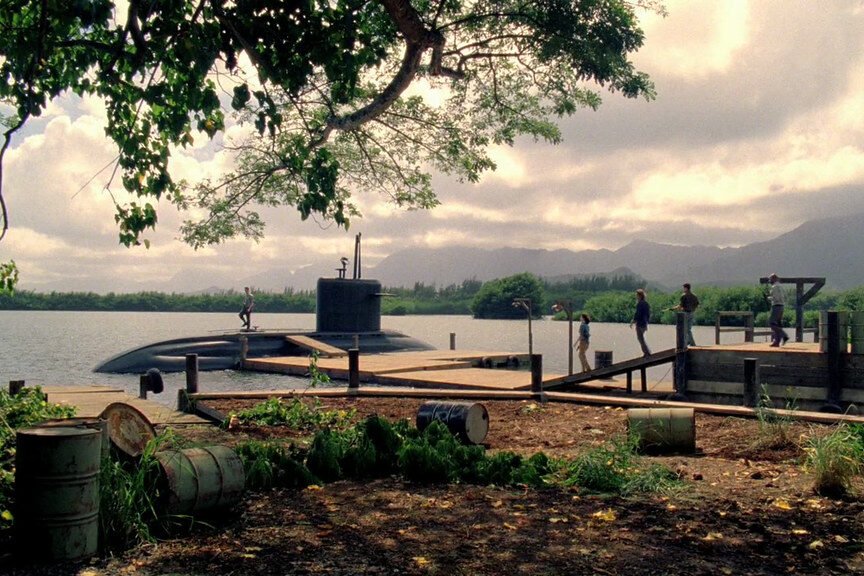
Lost had a concept that initially sounded like a high-concept disaster film. A plane crash on a mysterious island is a setup that fits neatly into movie territory. Early development conversations considered how it might work as a feature. But the layered mysteries and large ensemble cast made that difficult. The story simply required more time than a film could provide.
As a television series, Lost was able to unfold gradually and keep audiences guessing. The flashbacks, flash-forwards, and character backstories became central to its appeal. Those narrative techniques would have been hard to sustain in a single movie. ABC took a risk on the ambitious format, and it paid off. The show became one of the defining series of the 2000s. Its complexity is exactly what a film version would have lacked.
8. Fargo
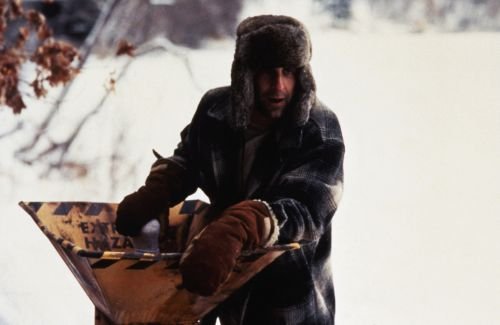
Fargo was based on the 1996 film by Joel and Ethan Coen. When adapting it, creator Noah Hawley initially considered how to continue the story in a movie format. But instead of making a direct sequel, he expanded the concept into an anthology series. That allowed each season to tell a new story within the same universe. The approach gave him more creative flexibility than a single film would.
Each season of Fargo explores different characters and timelines while maintaining a consistent tone. That structure wouldn’t have worked as well in a traditional movie sequel. The television format allowed the world of Fargo to grow beyond its original boundaries. It also introduced new audiences to the style of the original film. FX supported the anthology approach, which became one of its defining features.
9. Snowpiercer
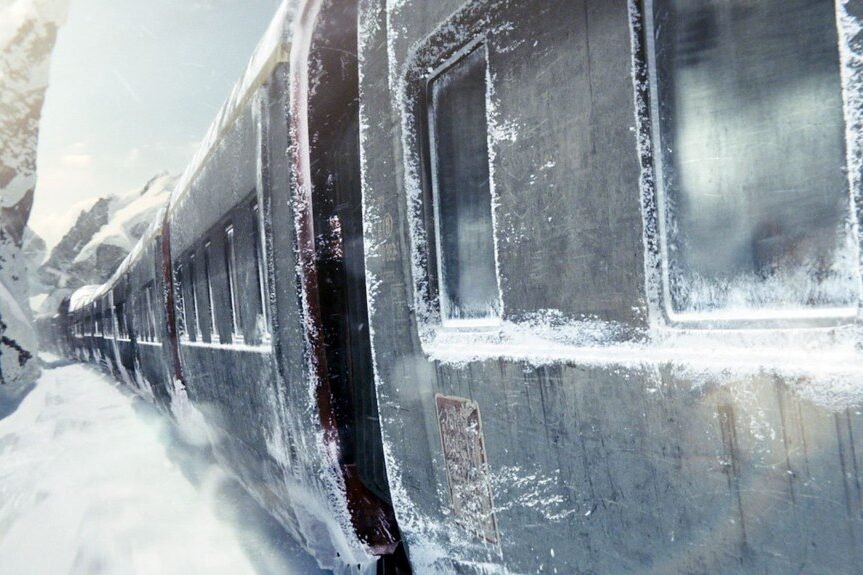
Snowpiercer began as a graphic novel and was later adapted into a 2013 film directed by Bong Joon-ho. When discussions began about continuing the story, a film sequel was considered. But the world of the train and its class system had more to explore than a single follow-up movie could handle. That led to the idea of a television series instead. The expanded format allowed for deeper exploration of the social hierarchy.
The show introduced new characters and storylines while building on the film’s premise. Snowpiercer also slowed down the pacing to focus on the dynamics within each train car. That level of detail would have been difficult in a movie sequel. The series format gave it room to expand its themes. It turned a contained story into an ongoing narrative.
10. Hannibal
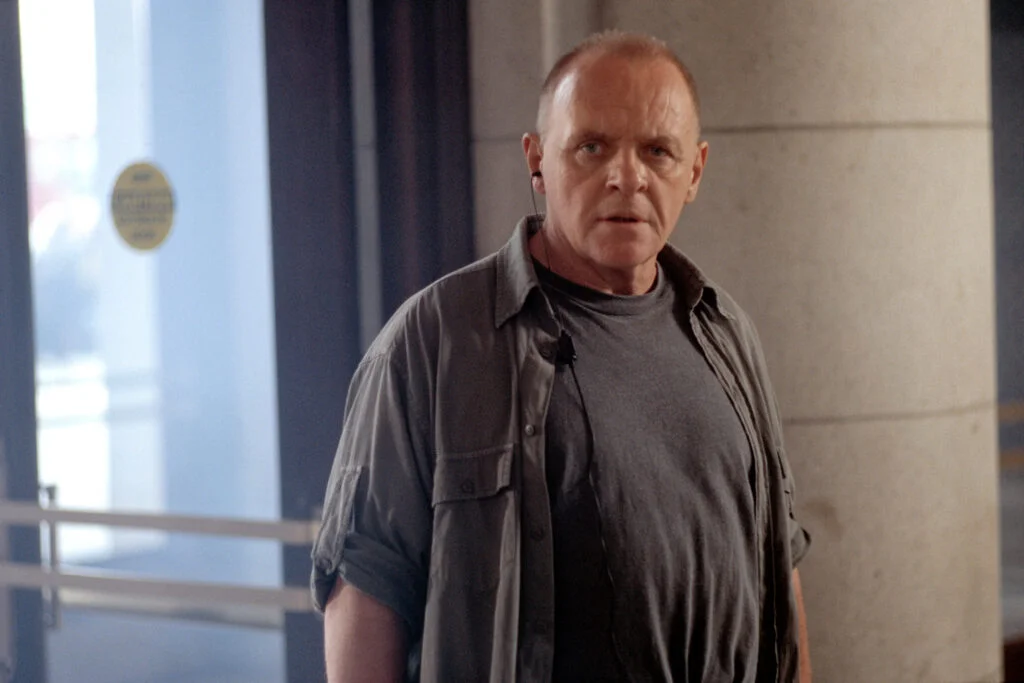
Hannibal draws from the novels by Thomas Harris, which had already been adapted into films. When developing a new version, there was initial interest in continuing the story through another movie. But creator Bryan Fuller saw potential for a serialized approach instead. The psychological depth of the characters required more time to develop. A television format made that possible.
The series explored the relationship between Hannibal Lecter and Will Graham in greater detail. Hannibal also allowed for a more stylized and deliberate pacing. That kind of storytelling would have been constrained in a film. NBC took a chance on the darker tone, which became one of its defining traits. The result was a show that felt distinct from the movies.
11. M*A*S*H
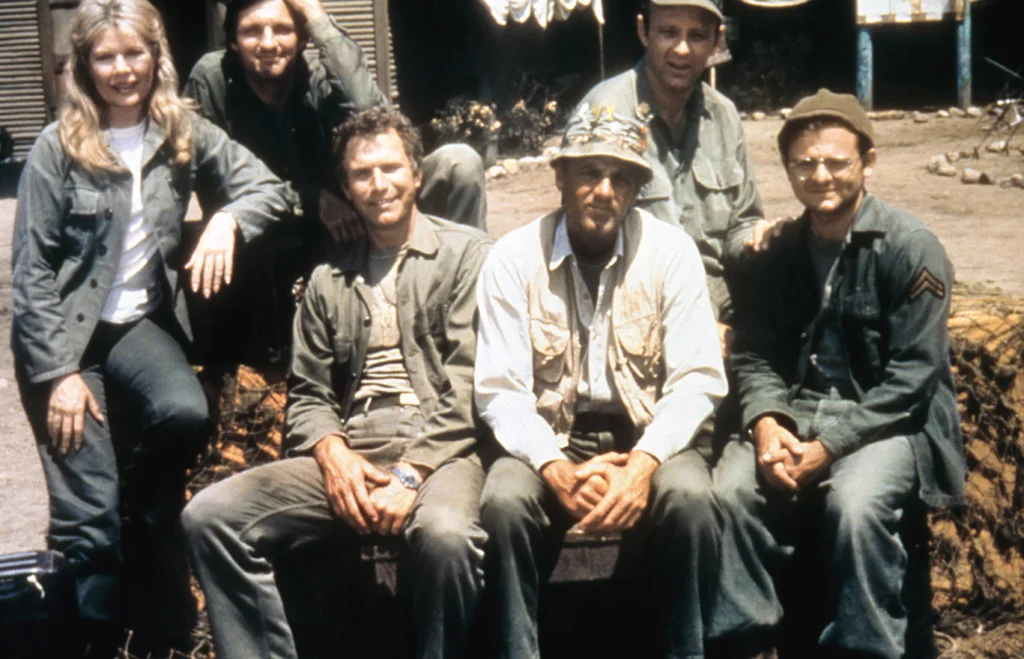
M*A*S*H began as a 1970 film directed by Robert Altman. But even before the TV adaptation was finalized, there were discussions about continuing the story in film form. The characters and setting had more potential than a single movie could contain. That led to the idea of expanding it into a television series. The transition allowed for a broader exploration of life during the Korean War.
The show ran for over a decade, something a film franchise might not have achieved in the same way. M*A*S*H blended comedy and drama in a format that evolved over time. The episodic structure allowed for both standalone stories and ongoing character development. It eventually became one of the most watched series finales in television history. The decision to move beyond film was clearly the right one.
12. Friday Night Lights

Friday Night Lights was based on a 2004 film, itself adapted from a nonfiction book by H. G. Bissinger. While the movie told a complete story, there was early interest in expanding it further. A sequel film was one possibility. But the ongoing nature of high school football made television a better fit. Each season could follow a new team and set of challenges.
The series version focused more on the community and relationships surrounding the team. Friday Night Lights used its longer format to explore family dynamics and small-town pressures. That broader scope wouldn’t have fit into a single movie sequel. The TV format allowed for deeper emotional storytelling. It became known for its grounded and character-driven approach.
13. Star Wars: The Clone Wars
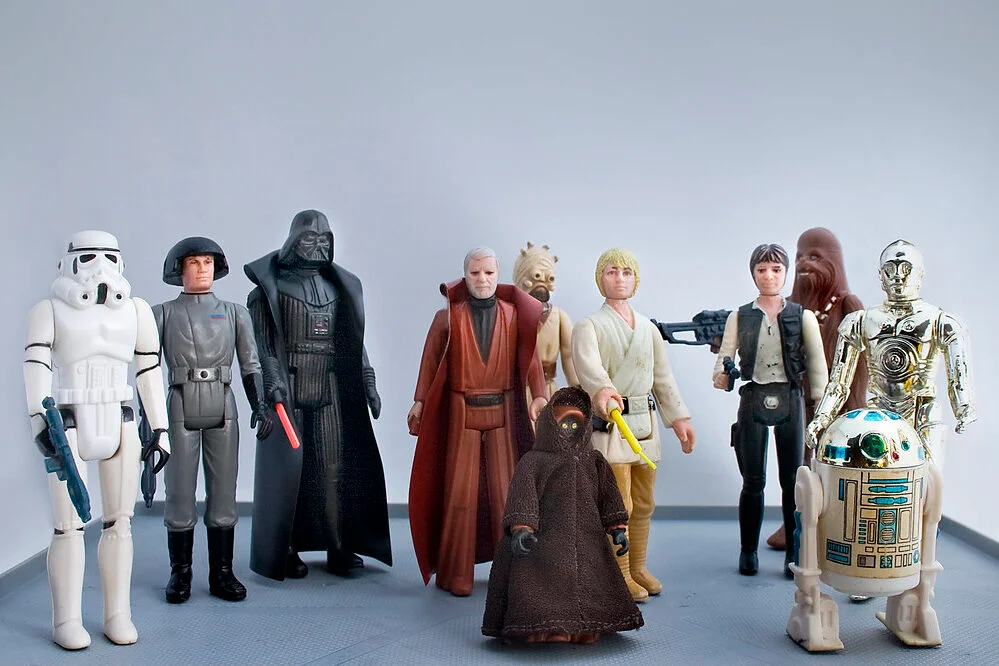
Before Star Wars: The Clone Wars became a full television series, it was initially developed as part of a broader plan for animated films within the Star Wars universe. The project even launched with a theatrical film in 2008, intended to introduce the story and characters. Early development treated it more like a cinematic extension of the franchise rather than a traditional TV show. But the structure quickly shifted toward episodic storytelling.
Once it transitioned fully into a series, Star Wars: The Clone Wars expanded far beyond what a single film could accomplish. It explored multiple story arcs, character backstories, and political conflicts within the galaxy. The longer format allowed it to deepen characters like Anakin Skywalker and Ahsoka Tano. It became an essential part of Star Wars canon rather than just a side project.
14. Stargate SG-1
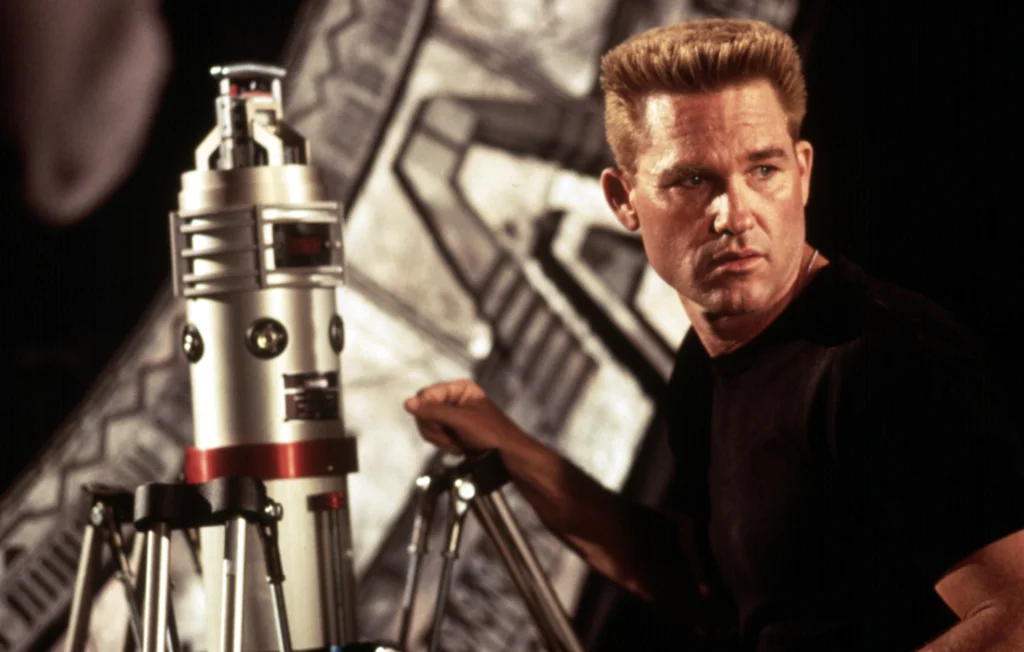
Stargate SG-1 grew out of the 1994 film Stargate, which had originally been planned as part of a trilogy. Instead of continuing the story strictly through films, the concept was expanded into a television series. The premise of traveling to different worlds through a portal naturally lent itself to episodic storytelling. That flexibility made TV the better long-term option.
The series allowed Stargate SG-1 to explore new planets, cultures, and threats week after week. It also gave the characters time to develop over ten seasons. That level of expansion would not have been possible through a limited number of films. The shift to television turned it into a long-running franchise with multiple spinoffs.
15. What We Do in the Shadows
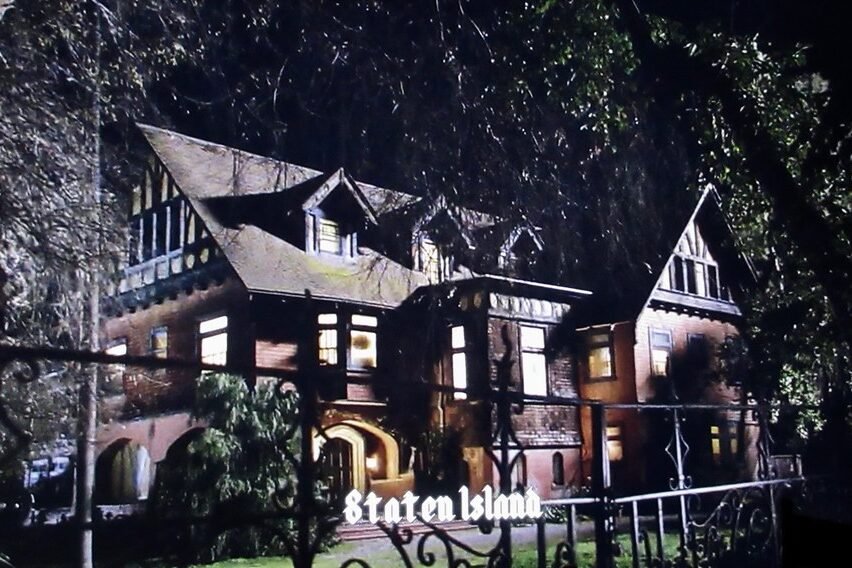
What We Do in the Shadows began as a 2014 mockumentary film created by Taika Waititi and Jemaine Clement. When expanding the concept, there was consideration of continuing it through another film. Instead, it was adapted into a television series with a new set of characters. The comedic premise proved flexible enough to sustain multiple episodes.
The TV version of What We Do in the Shadows allowed for ongoing storylines and character development. It also gave more time to explore the everyday lives of vampires in a modern setting. The episodic format enhanced the humor by building running jokes and recurring situations. What started as a single film became a successful and long-running series.
16. Limitless

Limitless was based on the 2011 film of the same name starring Bradley Cooper. Early discussions about continuing the story focused on a potential sequel movie. Instead, the concept was reworked into a television series that expanded the premise. The idea of a drug that enhances brain function offered plenty of material for episodic storytelling.
The series version of Limitless introduced a new protagonist while connecting back to the original film. It explored different scenarios involving the drug’s effects over time. That structure wouldn’t have worked as effectively in a single sequel. While the show only lasted one season, it demonstrated how a film concept could be extended into television.