
1. Will Smith turned down The Matrix
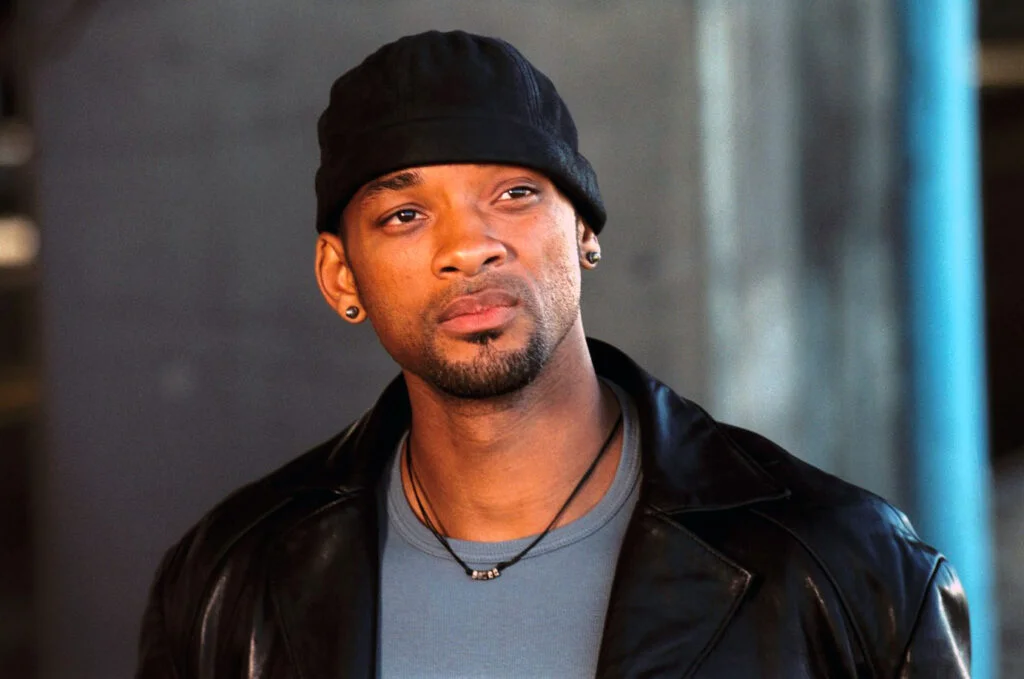
Back in the late ’90s, Will Smith was offered the role of Neo in The Matrix, which would go on to become one of the most influential sci-fi films ever made. At the time, Smith was coming off major hits and had his pick of projects, so he passed on it after struggling to connect with the Wachowskis’ pitch. He later admitted that he didn’t fully understand the concept during their meeting. Instead, he chose to star in Wild Wild West, which did not perform nearly as well critically or commercially.
Looking back, Smith has openly said he recognizes the missed opportunity, especially considering how successful the franchise became. The role ultimately went to Keanu Reeves, whose performance helped define the character for generations. Smith has also pointed out that Reeves was likely a better fit for the role’s tone and style. Still, it’s hard to ignore how much money and cultural impact he walked away from with that decision.
2. Sean Connery passed on The Lord of the Rings
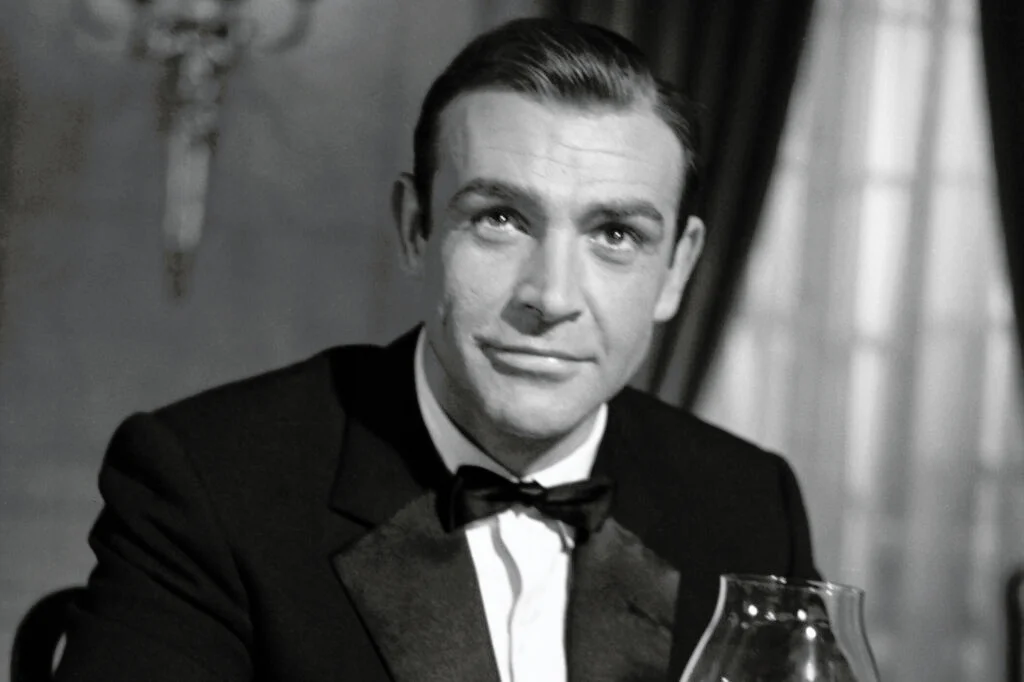
Sean Connery was famously offered the role of Gandalf in The Lord of the Rings trilogy, along with a deal that included a percentage of the films’ box office profits. Reports indicate that this could have earned him hundreds of millions of dollars, making it one of the most lucrative roles ever declined. Connery turned it down because he said he didn’t understand the script, even after reading it multiple times.
The role went to Ian McKellen, whose portrayal became iconic and widely praised. The trilogy itself became a massive global success, earning billions worldwide. Connery later admitted that he still didn’t quite grasp the story even after seeing the finished films. Financially, though, it remains one of the most significant paydays any actor has ever turned down.
3. Emily Blunt declined Iron Man 2

Emily Blunt was originally cast as Black Widow in Iron Man 2, but had to drop out due to contractual obligations from a prior film commitment. The role ultimately went to Scarlett Johansson, launching Johansson into a long-running and highly profitable role within the Marvel Cinematic Universe. At the time, Blunt’s schedule conflict was tied to her agreement with 20th Century Fox.
Blunt has since said she doesn’t regret the decision, even though the Marvel franchise became a financial powerhouse. Johansson’s involvement extended across multiple films, leading to substantial earnings over more than a decade. Blunt went on to build her own successful career with a variety of roles. Still, the long-term financial upside of a Marvel contract is hard to match.
4. Matt Damon turned down Avatar
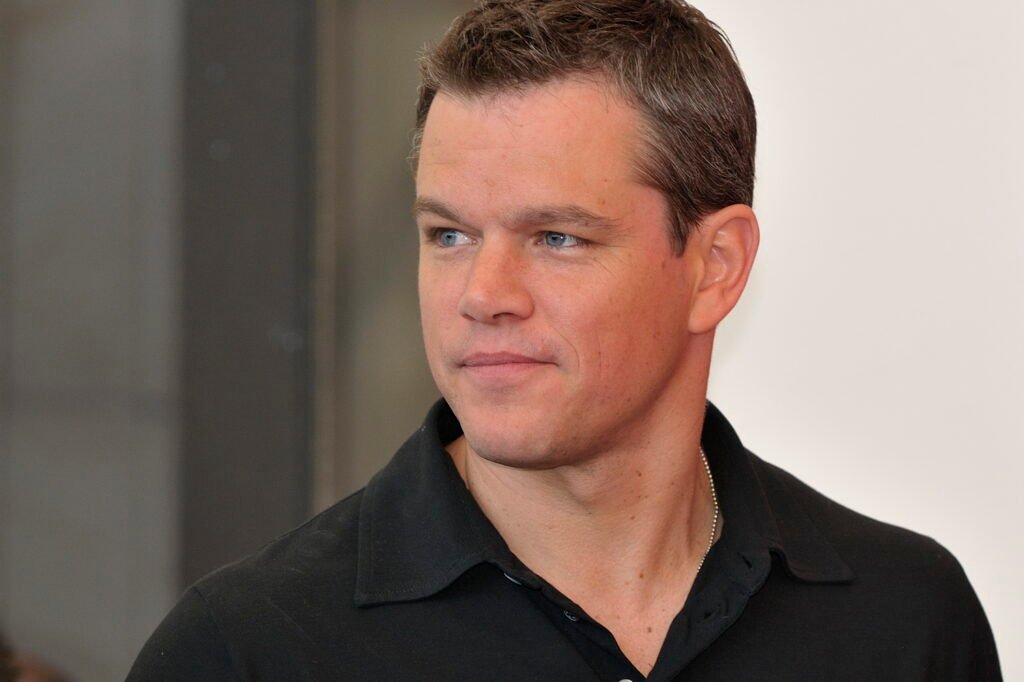
Matt Damon was offered the lead role in Avatar along with a deal that reportedly included 10 percent of the film’s profits. Given that Avatar became one of the highest-grossing films of all time, that percentage would have translated into an enormous payday. Damon declined because he was committed to working on the Bourne franchise at the time.
The role went to Sam Worthington, and the film’s success was historic. Damon has spoken about the decision publicly, calling it one of the hardest financial misses of his career. Despite that, he honored his prior commitments rather than backing out. It remains one of the most frequently cited examples of an actor turning down a massive financial opportunity.
5. Julia Roberts passed on The Blind Side

Julia Roberts was reportedly offered the lead role of Leigh Anne Tuohy in The Blind Side but turned it down. The part eventually went to Sandra Bullock, who earned an Academy Award for her performance. The film itself was a major commercial success and became one of Bullock’s defining roles.
Roberts had already established herself as one of Hollywood’s top earners, so the decision was likely based on interest rather than money. Still, the combination of critical acclaim and box office success made it a significant missed opportunity. Bullock’s win added long-term prestige to the role. Roberts continued to succeed in other projects, but this remains a notable what-if.
6. John Travolta turned down Forrest Gump
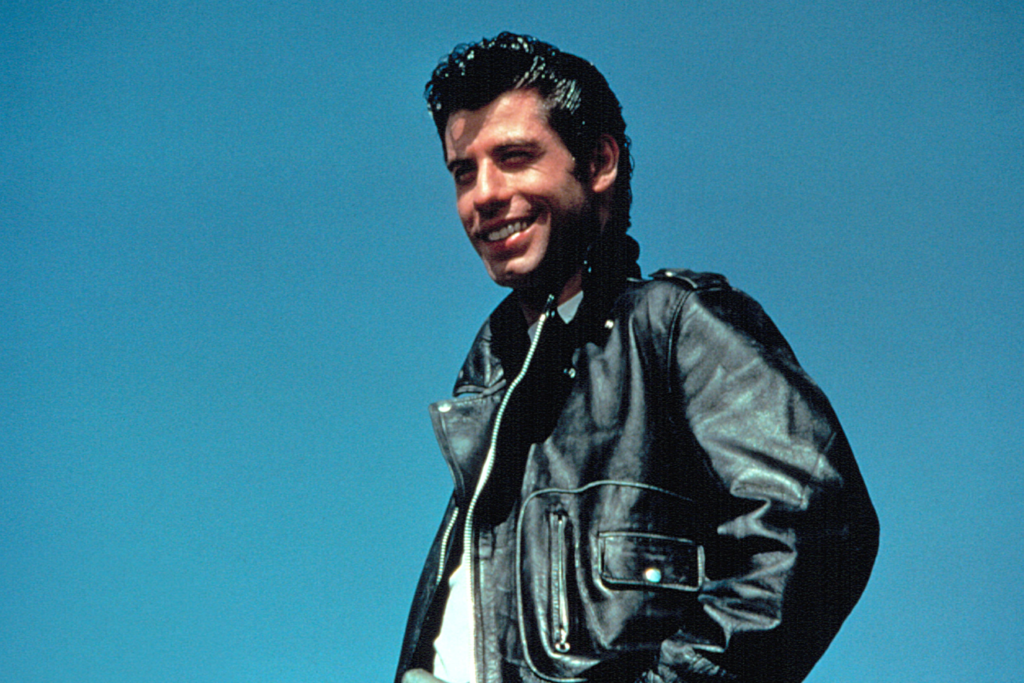
John Travolta was offered the title role in Forrest Gump but declined it, later admitting it was a mistake. The role went to Tom Hanks, who won an Academy Award for his performance. The film became a massive box office success and remains one of the most beloved movies of its era.
Travolta chose instead to work on Pulp Fiction, which also became a major success and revived his career. Even so, he has acknowledged that passing on Forrest Gump meant missing out on both financial rewards and another iconic role. Hanks’ performance became deeply associated with the character. It’s one of those rare cases where both choices led to major outcomes, but one came with a much larger payday.
7. Nicolas Cage passed on The Lord of the Rings
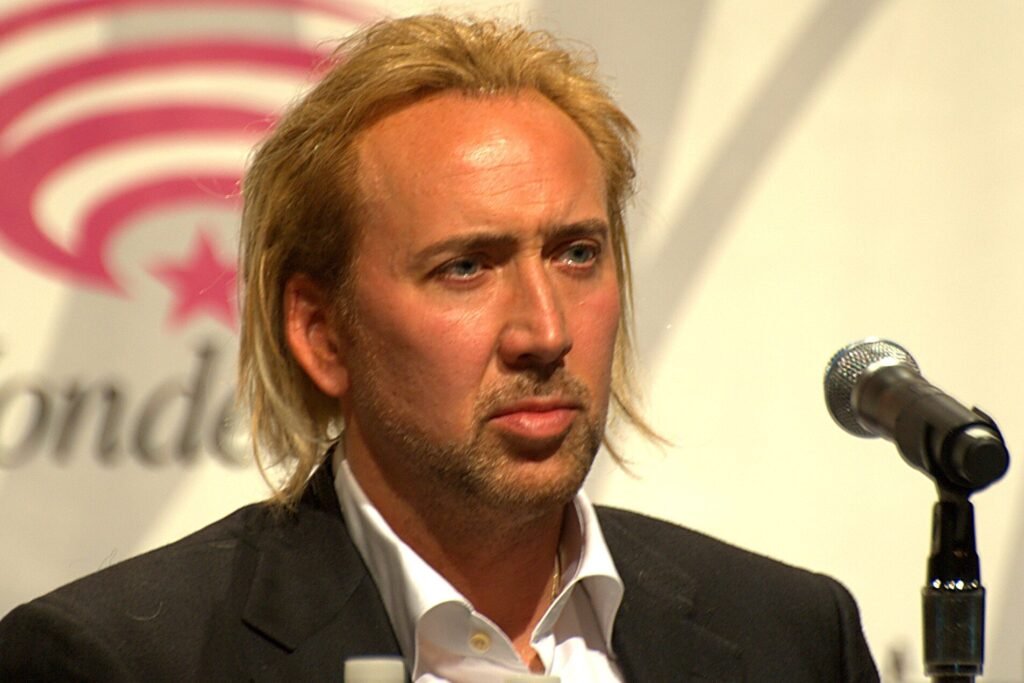
Nicolas Cage was offered a role in The Lord of the Rings trilogy, commonly reported to be Aragorn, but he turned it down to spend more time with his family. The role ultimately went to Viggo Mortensen, who became closely associated with the character. The films went on to achieve massive commercial and critical success.
Cage has explained that his decision was personal rather than professional. At the time, committing to a long international shoot would have meant being away from home for an extended period. While the financial upside would have been substantial, he prioritized family. It remains one of the more understandable reasons for turning down a major payday.
8. Al Pacino declined Star Wars
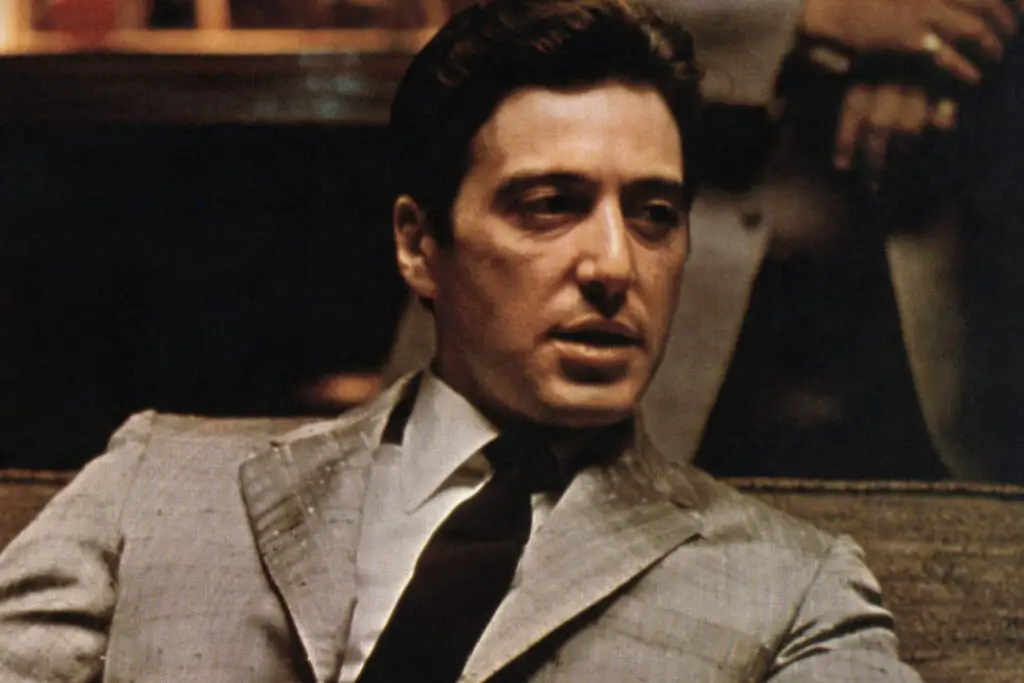
Al Pacino was offered the role of Han Solo in Star Wars but turned it down because he found the script confusing. At the time, the project was far from a guaranteed success, and its unconventional style made it a risky choice. The role ultimately went to Harrison Ford, whose career was transformed by it.
Star Wars became a global phenomenon and one of the most profitable franchises in film history. Pacino has said he simply didn’t understand the material when it was presented to him. Ford’s portrayal became iconic, defining the character for decades. Financially and culturally, it stands as one of the biggest roles ever declined.
9. Gwyneth Paltrow passed on Titanic
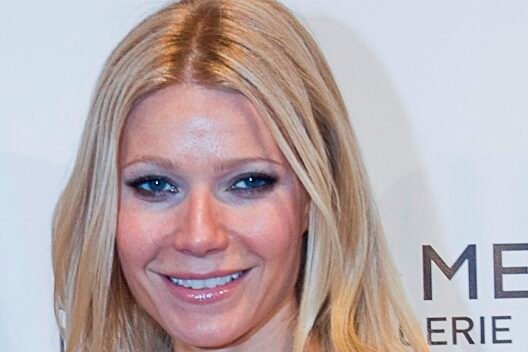
Gwyneth Paltrow was reportedly considered for the role of Rose in Titanic but did not take the part. The role went to Kate Winslet, whose performance became one of the most recognizable in film history. Titanic went on to become one of the highest-grossing films ever.
Paltrow has acknowledged that she passed on the opportunity, though details about the decision are limited. Winslet’s role brought both critical acclaim and long-term recognition. The film’s success ensured significant financial rewards for its cast. It remains a notable example of how one decision can shape careers in very different ways.
10. Tom Selleck turned down Indiana Jones
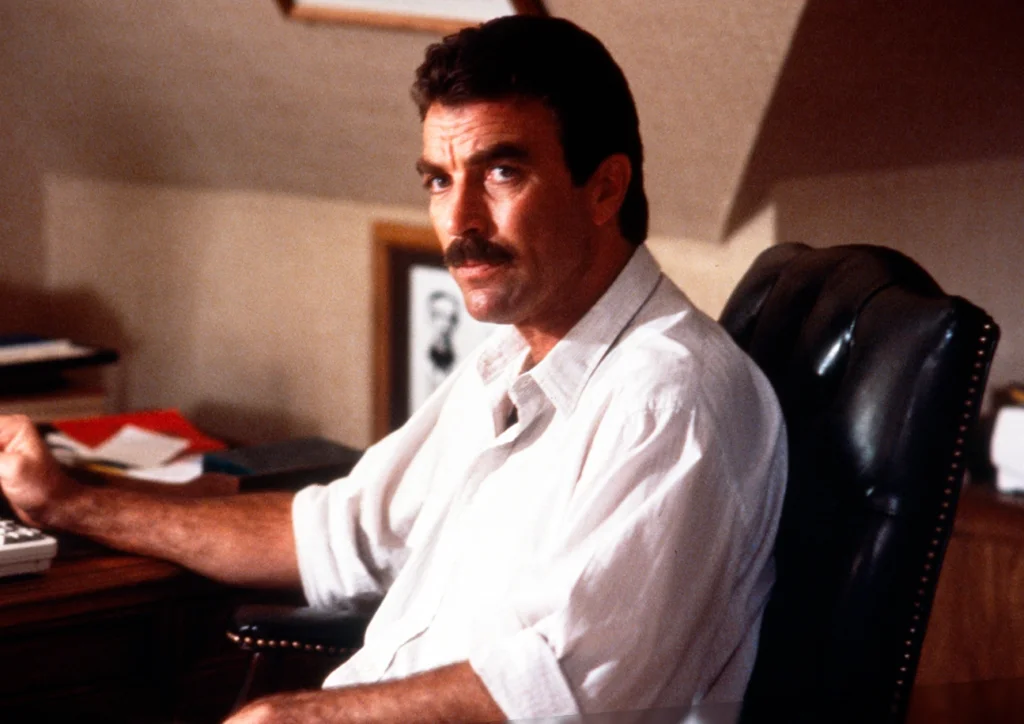
Tom Selleck was originally cast as Indiana Jones in Raiders of the Lost Ark, but had to withdraw due to his contractual obligations to the TV series Magnum, P.I. The role ultimately went to Harrison Ford, who became synonymous with the character. The film became a major box office success and launched a long-running franchise.
Selleck has said that scheduling conflicts made it impossible to take on the role. While he went on to have a successful television career, the Indiana Jones franchise became a defining cinematic achievement. Ford’s performance turned the character into a cultural icon. Financially, it represented a major opportunity that slipped away due to timing.
11. Denzel Washington passed on Se7en
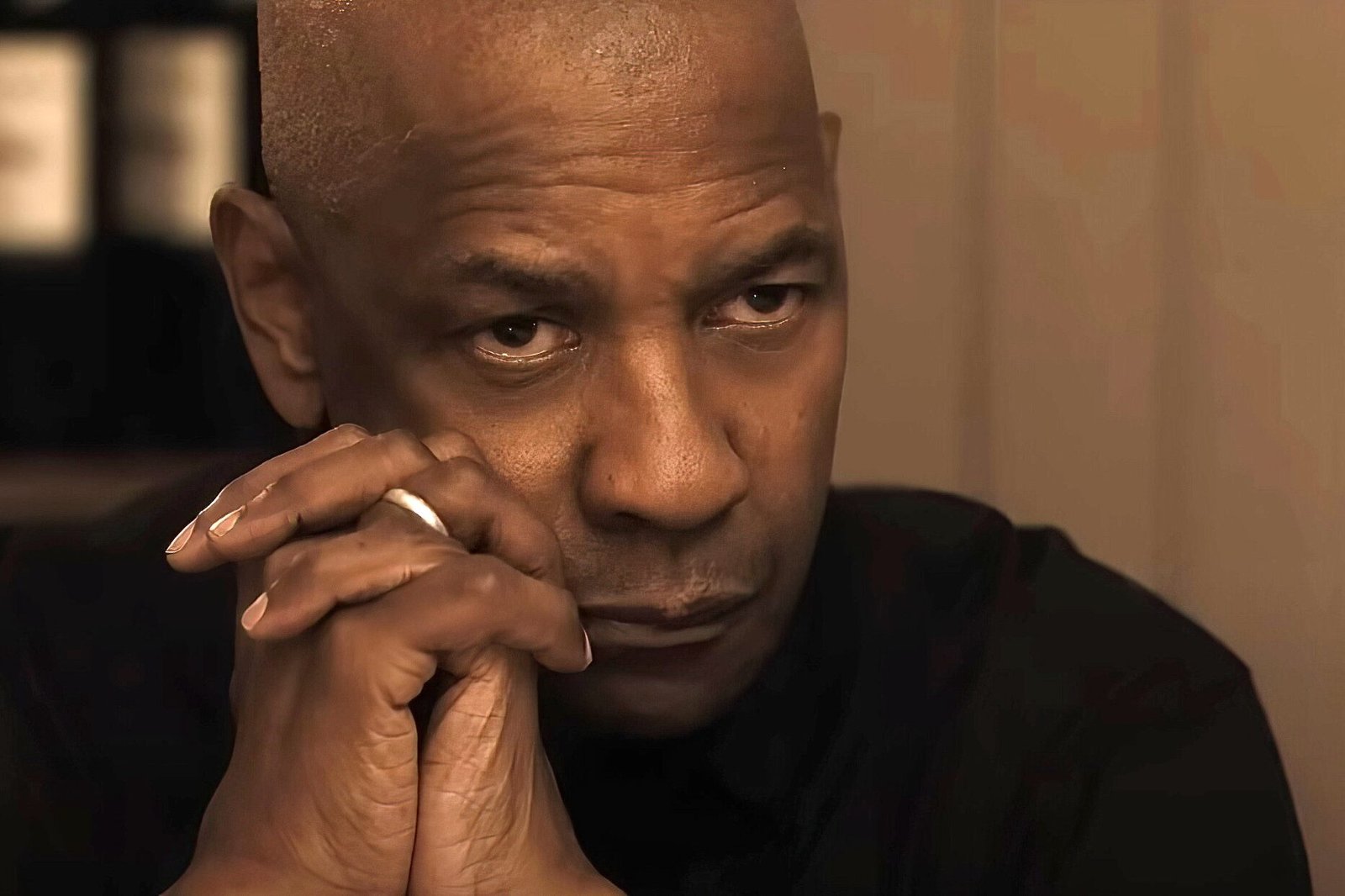
Denzel Washington was offered a role in Se7en but turned it down, later saying he initially found the script too dark. The role eventually went to Brad Pitt, and the film became a critical and commercial success. It is now widely regarded as one of the most influential thrillers of the ’90s.
Washington has since said that he regretted the decision after seeing the final film. Pitt’s performance helped solidify his status as a leading actor. The film’s success added to its long-term financial and cultural impact. It’s another example of how initial reactions to a script can lead to missed opportunities.
12. Michelle Pfeiffer declined The Silence of the Lambs
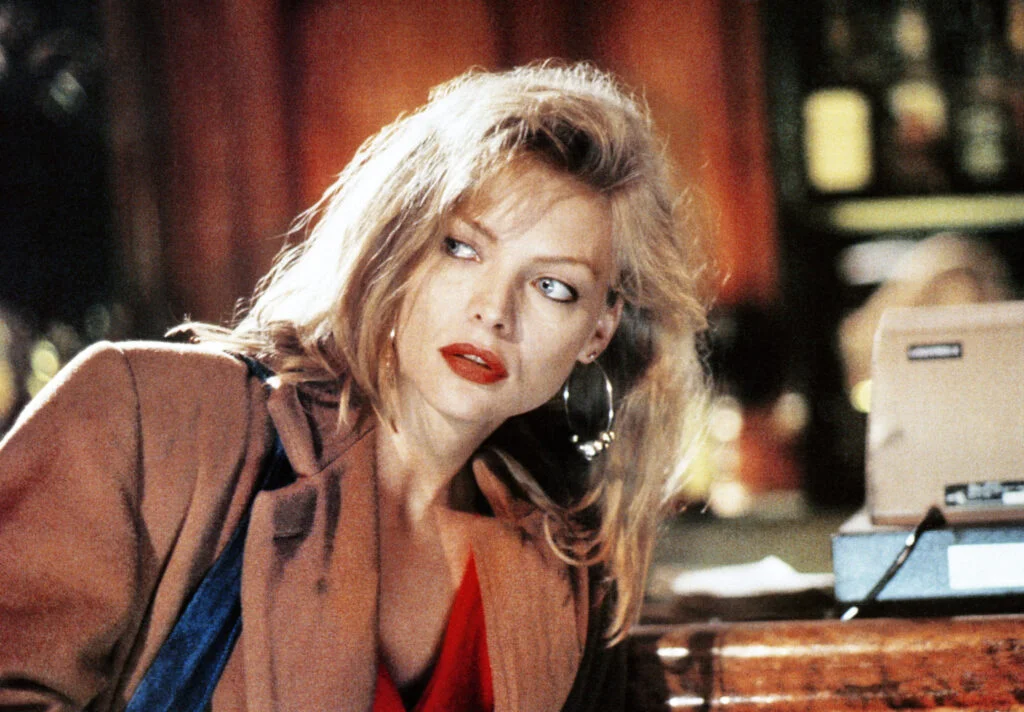
Michelle Pfeiffer was offered the role of Clarice Starling in The Silence of the Lambs but turned it down because she felt the material was too dark and disturbing. The role went to Jodie Foster, who won an Academy Award for her performance. The film became both a critical and commercial success.
Pfeiffer has said that the tone of the story influenced her decision. Foster’s portrayal became iconic and is still closely associated with the character. The film’s success translated into strong financial returns and lasting recognition. It remains one of the most notable roles declined for creative reasons.
13. Burt Reynolds turned down Terms of Endearment
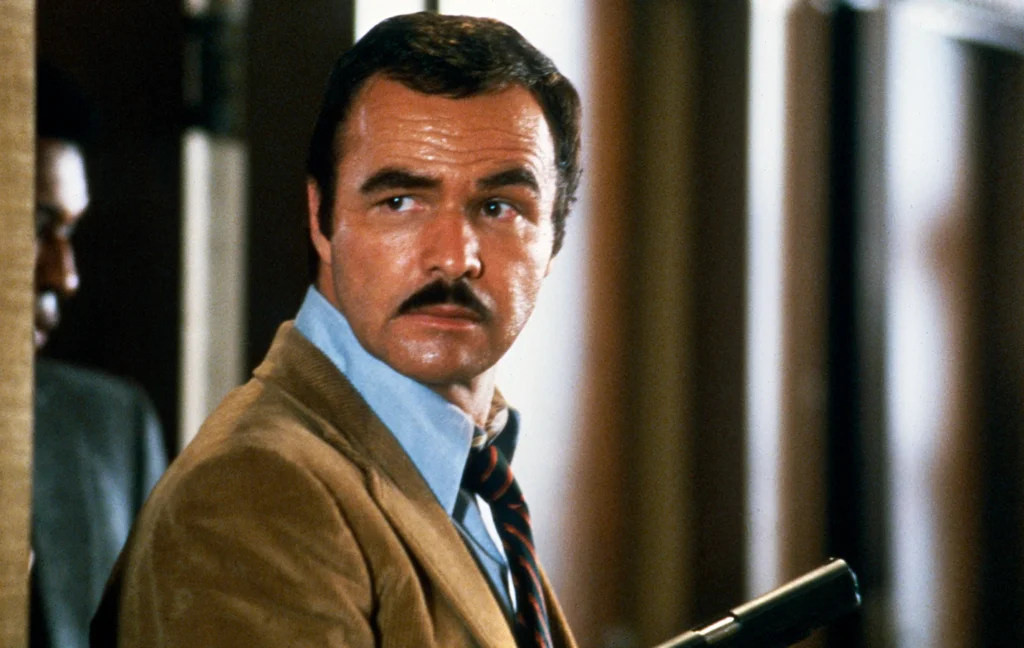
Burt Reynolds was originally offered the role of Garrett Breedlove in Terms of Endearment but declined it. The role went to Jack Nicholson, who won an Academy Award for his performance. The film was both a critical and commercial success.
Reynolds later admitted that passing on the role was one of his biggest career regrets. Nicholson’s performance became one of the standout elements of the film. The project’s success added to its financial and critical impact. For Reynolds, it was a missed opportunity that he openly acknowledged in later interviews.