
14. The Dead Zone (1979)

When Stephen King published The Dead Zone, it felt like a quieter kind of horror, one that leaned more on moral tension than outright scares. The story follows Johnny Smith, who wakes from a coma with psychic abilities that let him see the past and future. What makes it stick is not just the supernatural element, but the weight of knowing something terrible is coming. King builds a slow, uneasy dread around the idea of whether one person has the right to change the future. It is less flashy than some of his other work, but that restraint works in its favor. The pacing is deliberate, almost methodical. By the time the stakes fully reveal themselves, it feels inevitable. That sense of quiet inevitability is what gives the book its lasting power.
There is also a strong emotional core running through it, especially in Johnny’s personal losses. King explores isolation in a very grounded way here, showing how power can separate someone from ordinary life. The political angle, centered on a rising demagogue, has aged in a way that feels uncomfortably relevant. Readers often come back to this one for its ethical dilemmas more than its horror elements. It does not rely on monsters so much as human choices. That makes it linger longer than expected. It is not always the first King title people mention, but it deserves more recognition. In many ways, it is one of his most thoughtful novels.
13. Gerald’s Game (1992)

Gerald’s Game is one of King’s most stripped-down and psychologically intense novels. The entire premise is almost claustrophobic, focusing on a woman handcuffed to a bed after her husband dies suddenly. What could have been a gimmick becomes something much deeper in King’s hands. The story unfolds largely inside Jessie’s mind, as she confronts memories she has buried for years. There is very little movement in the traditional sense, but the tension never lets up. King manages to make stillness feel terrifying. The horror here is internal as much as it is physical. It is uncomfortable in ways that feel intentional and necessary.
What stands out is how the novel tackles trauma directly, without softening it. King uses Jessie’s situation to peel back layers of her past, revealing how those experiences shaped her. The so-called “Space Cowboy” adds a surreal, almost ambiguous threat that keeps readers unsettled. Some interpret it as real, others as psychological, and King leaves room for both. That ambiguity works in the book’s favor. It is not an easy read, but it is a compelling one. Over time, it has gained more appreciation for its boldness. It proves King can do just as much with one room as he can with an entire haunted town.
12. Pet Sematary (1983)

Pet Sematary is often described by King himself as the most disturbing book he has written. The premise is deceptively simple, a burial ground that brings things back to life, but never the way they were. From the start, there is a sense that nothing good can come from what is being discovered. King leans heavily into grief and the desperation that follows loss. The story becomes less about horror in the traditional sense and more about what people are willing to do when faced with unbearable pain. That emotional realism is what makes it so unsettling. The dread builds slowly but relentlessly. It feels like watching a tragedy unfold in slow motion.
The novel does not offer easy comfort or redemption. Instead, it forces readers to sit with the consequences of the characters’ decisions. The character of Jud Crandall acts as both guide and warning, which adds another layer of tension. King’s writing here is direct and unflinching. The final act is especially bleak, and intentionally so. Many readers find it difficult to revisit because of how heavy it feels. That intensity is exactly why it is remembered so strongly. It stands as one of King’s most emotionally devastating works.
11. Misery (1987)

Misery strips away the supernatural entirely and replaces it with something arguably more frightening. The story centers on a novelist held captive by his “number one fan,” Annie Wilkes. King taps into the fear of losing control, both physically and creatively. The confined setting heightens every moment of tension. Annie is one of King’s most unforgettable villains, unpredictable and terrifying in her mood swings. The dynamic between her and Paul Sheldon drives the entire narrative. It becomes a battle of wills as much as a fight for survival. The stakes feel immediate and personal.
What makes Misery especially effective is how grounded it is. There are no ghosts or monsters, just human obsession taken to an extreme. King also uses the story to comment on his own relationship with readers and fame. The excerpts from Paul’s fictional novel add an interesting layer without slowing things down. The pacing is tight, with very little wasted space. Every scene pushes the tension higher. It is one of King’s most accessible books, yet still deeply unsettling. Annie Wilkes remains one of the most iconic antagonists in modern fiction.
10. Carrie (1974)

Carrie was King’s first published novel, and it immediately established his voice. The story of a bullied teenage girl with telekinetic powers builds toward one of the most famous climaxes in horror. King uses multiple perspectives, including fictional documents, to tell the story in a fragmented way. That structure gives it a sense of inevitability, as if the outcome is already known. Carrie White is a tragic figure more than a traditional villain. The cruelty she experiences feels painfully real. By the time her powers are unleashed, it feels like a release as much as a catastrophe. That emotional complexity is what makes the book stand out.
The novel also explores themes of isolation, religion, and adolescence in a very direct way. Carrie’s relationship with her mother adds another layer of tension. King captures the awkwardness and brutality of high school life with surprising accuracy. The horror grows out of those everyday experiences. It is a relatively short novel, but it leaves a strong impression. Its success helped launch King’s career in a major way. Even decades later, it still feels sharp and relevant. It remains one of the defining works of his early period.
9. Doctor Sleep (2013)

Doctor Sleep serves as a sequel to The Shining, following an adult Danny Torrance. Instead of repeating the same formula, King takes the story in a different direction. Danny is now struggling with addiction, echoing some of the themes from the original book. His psychic abilities, known as “the shining,” are still central to the story. The introduction of Abra Stone adds a new dynamic, creating a mentor-like relationship. The antagonists, the True Knot, bring a different kind of threat. They are less about haunting and more about predation. The story feels broader in scope than its predecessor.
King balances character development with suspense effectively here. Danny’s journey toward sobriety gives the novel a strong emotional backbone. The connection between Danny and Abra is one of the highlights. While it may not reach the same iconic status as The Shining, it stands well on its own. The pacing is steady, with moments of real intensity. King revisits familiar themes while expanding his universe. It is a thoughtful continuation rather than a simple follow-up. For longtime readers, it offers a satisfying return.
8. 11/22/63 (2011)

With 11/22/63, King steps more fully into historical fiction while keeping his signature style intact. The novel follows a man who travels back in time to prevent the assassination of John F. Kennedy. What begins as a mission story becomes something more personal as the protagonist builds a life in the past. King recreates the late ‘50s and early ‘60s with careful detail. The love story at the center adds emotional weight. It is less about changing history and more about the cost of trying to do so. The narrative unfolds gradually, allowing the world to feel lived-in. The tension builds as the date approaches.
King also explores the idea that the past resists change. Small actions ripple outward in unexpected ways. The novel is longer than many of his works, but it rarely feels slow. The combination of suspense, romance, and historical detail works surprisingly well. It appeals to readers beyond the usual horror audience. The ending is often cited as one of King’s strongest. It brings together the emotional and thematic threads in a satisfying way. Overall, it is one of his most ambitious novels.
7. The Green Mile (1996)

Originally released in serialized form, The Green Mile tells a story set on death row during the Great Depression. The narrative is framed as a recollection by prison guard Paul Edgecomb. At the center is John Coffey, a man with a mysterious gift. The novel blends supernatural elements with a deeply human story. King focuses on compassion, injustice, and moral responsibility. The pacing benefits from its original format, with each section building on the last. The emotional impact is strong, particularly as the story moves toward its conclusion. It is less about horror and more about humanity.
Coffey’s character leaves a lasting impression because of his quiet dignity. King uses him to explore larger questions about justice and cruelty. The setting is detailed without overwhelming the story. Readers often describe this as one of King’s most moving works. The supernatural aspects are present, but they never overshadow the characters. The narrative voice feels reflective and measured. It is a different kind of King novel, but no less effective. Its reputation has only grown over time.
6. The Stand (1978)

The Stand is one of King’s most expansive novels, combining horror, fantasy, and epic storytelling. The story begins with a deadly pandemic that wipes out most of the population. Survivors are drawn into a conflict between good and evil, represented by two opposing figures. King introduces a large cast of characters, each with their own arc. The scale of the story is ambitious, covering multiple locations and perspectives. Despite its length, the narrative maintains a clear direction. The central conflict feels almost mythic in scope. It is one of King’s most well-known works.
The novel explores themes of morality, community, and survival. Characters like Randall Flagg have become iconic within King’s universe. The post-apocalyptic setting allows for a wide range of storytelling possibilities. Some sections are slower, but they contribute to the overall depth. The sense of inevitability builds as the two sides move toward confrontation. It is a demanding read, but a rewarding one. Many consider it one of King’s defining achievements. Its influence can be seen in countless later works.
5. IT (1986)

IT is both a coming-of-age story and a horror novel, blending the two in a way that feels natural. The story follows a group of children in the town of Derry as they confront a shape-shifting entity. King moves between timelines, showing both their childhood and adult lives. This structure adds depth to the characters and their relationships. Pennywise, the entity they face, has become one of King’s most recognizable creations. The novel explores fear in many forms, both supernatural and personal. The friendships at the center give the story emotional weight. It is as much about growing up as it is about horror.
The length allows King to fully develop the town and its history. Derry feels like a character in its own right. Some sections are more controversial, but they do not define the entire work. The sense of nostalgia is strong, especially in the childhood scenes. King captures the intensity of those early friendships effectively. The horror elements are varied and often deeply unsettling. It is one of his most ambitious and complex novels. For many readers, it represents King at his most expansive.
4. The Shining (1977)
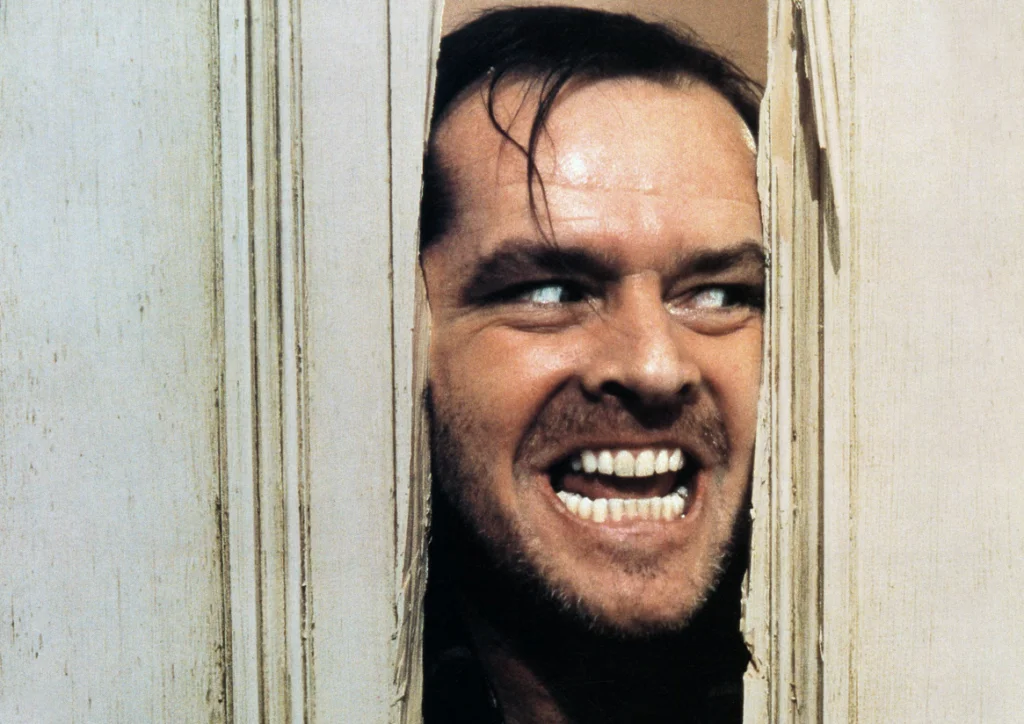
The Shining is one of King’s most iconic novels, centered on the Overlook Hotel and the Torrance family. Jack Torrance takes a job as a winter caretaker, bringing his wife and son with him. The isolation of the setting plays a key role in the story’s tension. Danny’s psychic abilities add another layer to the narrative. King builds a slow, creeping sense of dread throughout the book. The hotel itself feels alive, influencing events in subtle ways. Jack’s descent into instability is gradual and unsettling. The psychological horror is as important as the supernatural elements.
The novel also explores themes of addiction and family dynamics. King draws on personal experiences to add authenticity to Jack’s character. Wendy and Danny provide emotional grounding. The pacing allows the tension to build naturally. By the time the horror fully manifests, it feels unavoidable. The imagery has become deeply ingrained in popular culture. It remains one of King’s most widely read books. Its influence extends far beyond the genre.
3. Salem’s Lot (1975)
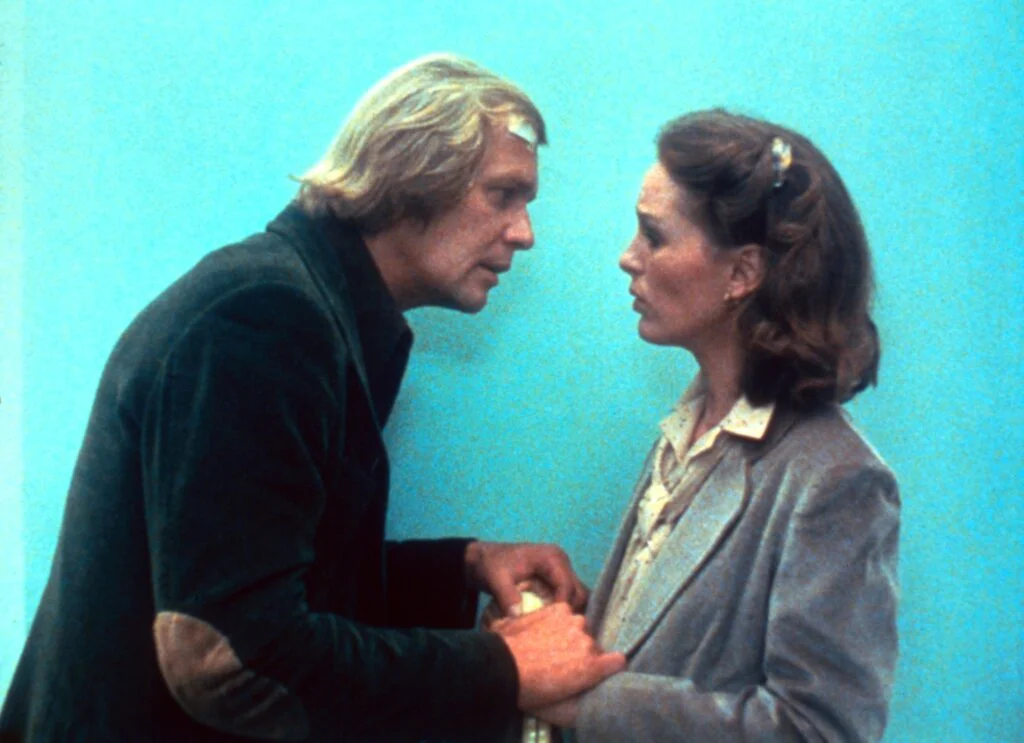
Salem’s Lot takes the traditional vampire story and places it in a small American town. King focuses on how the threat spreads gradually, affecting the entire community. The town itself is richly developed, with multiple characters and storylines. This approach makes the horror feel more pervasive. The slow buildup allows tension to accumulate steadily. When the violence arrives, it feels earned rather than sudden. King draws heavily on classic vampire lore while adding his own twists. The result is both familiar and fresh.
The novel is often praised for its atmosphere. There is a constant sense that something is wrong, even before it becomes obvious. King uses ordinary settings to heighten the impact. The idea that an entire town can be overtaken is particularly unsettling. Characters are given enough depth to make their fates matter. The pacing is deliberate, but effective. It is one of King’s strongest early works. Many readers consider it one of the best modern vampire novels.
2. The Dark Tower Series (1982–2012)

The Dark Tower series represents King’s most ambitious project, spanning multiple genres and decades. The story follows Roland Deschain on his quest for the Dark Tower. Elements of fantasy, horror, and westerns are woven together. King connects this series to many of his other works, creating a larger universe. The scope is vast, with shifting settings and timelines. Characters evolve significantly over the course of the series. The narrative can be complex, but it rewards careful reading. It stands apart from his standalone novels.
The series explores themes of fate, obsession, and redemption. Roland is a deeply flawed but compelling protagonist. The supporting characters add emotional depth and variety. King’s willingness to take risks is evident throughout. Some entries are stronger than others, but the overall arc is cohesive. The ending has been debated among fans, but it remains memorable. It is not the easiest entry point for new readers. However, for those who commit, it offers a unique experience. It remains central to King’s body of work.
1. The Shawshank Redemption (1982)

Originally published as a novella titled “Rita Hayworth and Shawshank Redemption,” this story is one of King’s most widely admired works. It follows Andy Dufresne, a man wrongfully imprisoned, and his friendship with Red. Unlike many of King’s stories, it contains no supernatural elements. The focus is entirely on resilience, hope, and human connection. The prison setting is detailed without feeling overwhelming. King’s writing here is straightforward but effective. The story builds slowly, emphasizing character over plot twists. Its emotional impact is what sets it apart.
The themes of hope and perseverance resonate strongly with readers. Andy’s quiet determination becomes the heart of the narrative. The relationship between Andy and Red feels authentic and earned. Over time, the story has become one of King’s most celebrated works. It appeals to a broad audience beyond horror fans. The ending is both satisfying and memorable. Many consider it the best example of King’s range as a writer. It demonstrates that his strengths extend far beyond the genre that made him famous.