1. Early American Homes Used Real Wood for Practical Reasons
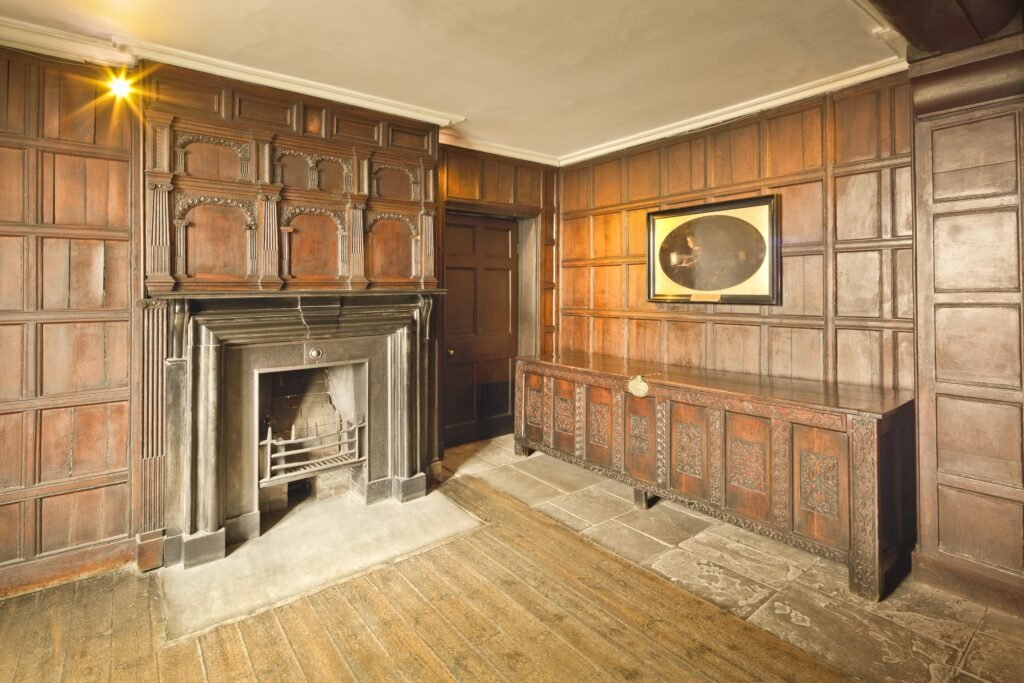
In early American homes, wood paneling was not about style, it was about survival. Settlers used solid wood boards to insulate their homes against harsh winters and drafts. Materials like oak, pine, and chestnut were readily available and relatively easy to work with. Walls were often paneled to protect interior spaces from moisture and cold air seeping through gaps.
These panels were usually handcrafted and installed vertically or horizontally depending on regional traditions. In wealthier homes, paneled walls were sometimes carved or painted, showing early signs of decorative use. But for most families, the purpose remained functional. The idea of wood on walls as a design choice would come much later.
2. Georgian and Colonial Styles Made Paneling Decorative
By the 18th century, wood paneling had shifted from purely practical to decorative. Georgian-style homes in particular used symmetrical, raised panels to create a refined interior look. These were often painted in neutral tones or muted colors rather than left natural. Paneling became associated with wealth and craftsmanship.
In these homes, paneling was typically installed in formal rooms like parlors and dining spaces. It was less about insulation at this point and more about signaling taste and status. Skilled carpenters were required to create these detailed designs. This set the stage for paneling as a long-term design element in American homes.
3. Victorian Era Homes Favored Dark, Heavy Wood Interiors
During the 19th century, especially in the Victorian era, wood paneling became darker and more elaborate. Walnut, mahogany, and oak were commonly used to create rich, heavy interiors. Walls were often covered floor to ceiling in wood, giving rooms a formal and enclosed feel. This matched the era’s preference for ornate and layered decor.
Paneling was frequently paired with intricate moldings and carved details. Libraries, studies, and dining rooms were especially likely to feature wood walls. The goal was to create a sense of permanence and sophistication. This style would later influence how Americans associated wood interiors with tradition.
4. The Arts and Crafts Movement Brought Simpler Wood Designs
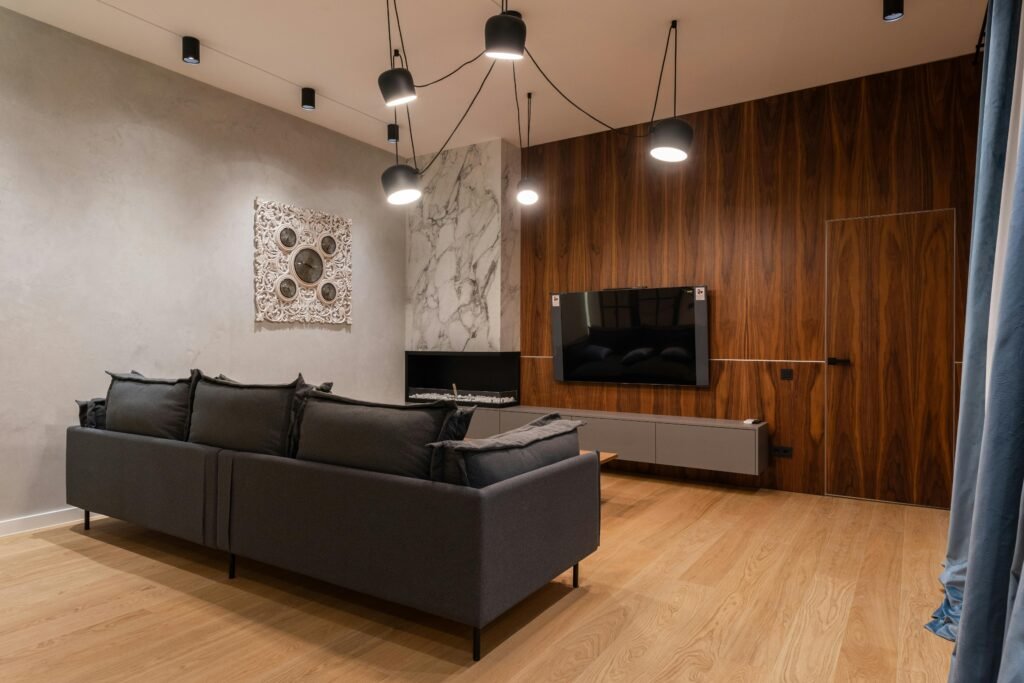
In the early 20th century, the Arts and Crafts movement changed how wood paneling was used. Designers like Gustav Stickley emphasized simplicity, craftsmanship, and natural materials. Paneling became less ornate and more focused on clean lines and visible grain. Oak was especially popular during this period.
Homes built in this style often featured built-in cabinetry and matching wood paneling. The look was cohesive and intentional rather than decorative for its own sake. Paneling was still a mark of quality, but it felt more accessible than earlier styles. This approach helped keep wood interiors relevant moving into the 20th century.
5. Knotty Pine Became a Mid-Century Favorite
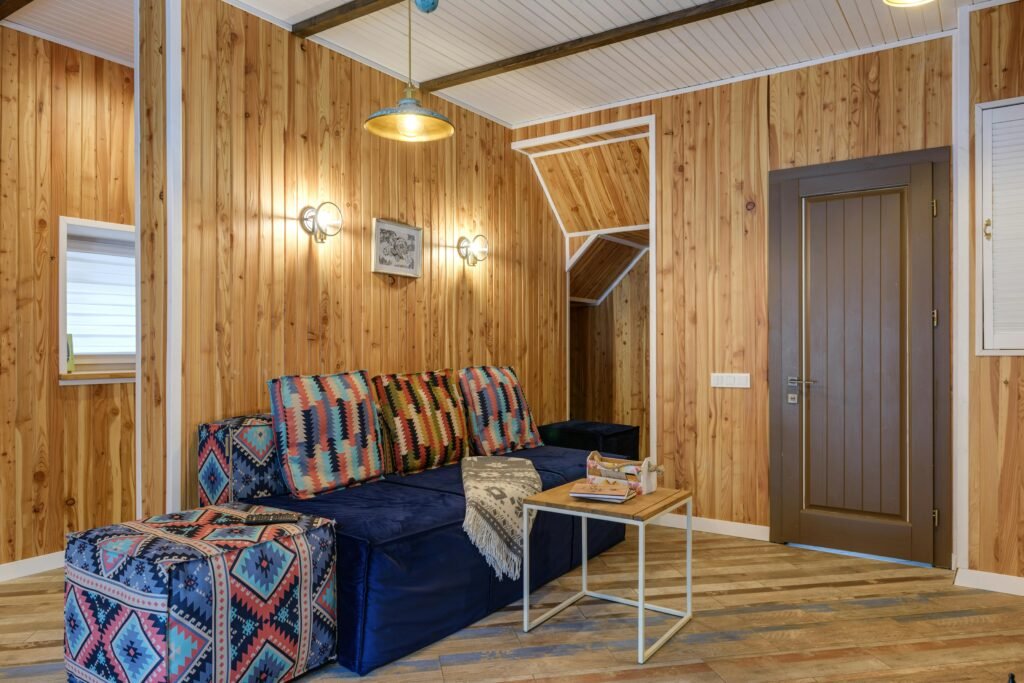
In the 1940s and 1950s, knotty pine paneling became widely popular in American homes. Its lighter color and visible knots gave rooms a casual, rustic feel. It was especially common in cabins, vacation homes, and suburban basements. The material was relatively affordable and easy to install.
Knotty pine reflected a shift toward relaxed living after World War II. Families wanted homes that felt comfortable rather than formal. The wood’s natural imperfections became part of its appeal. This marked a turning point where paneling started to feel more everyday than elite.
6. Postwar Housing Boom Made Paneling More Accessible
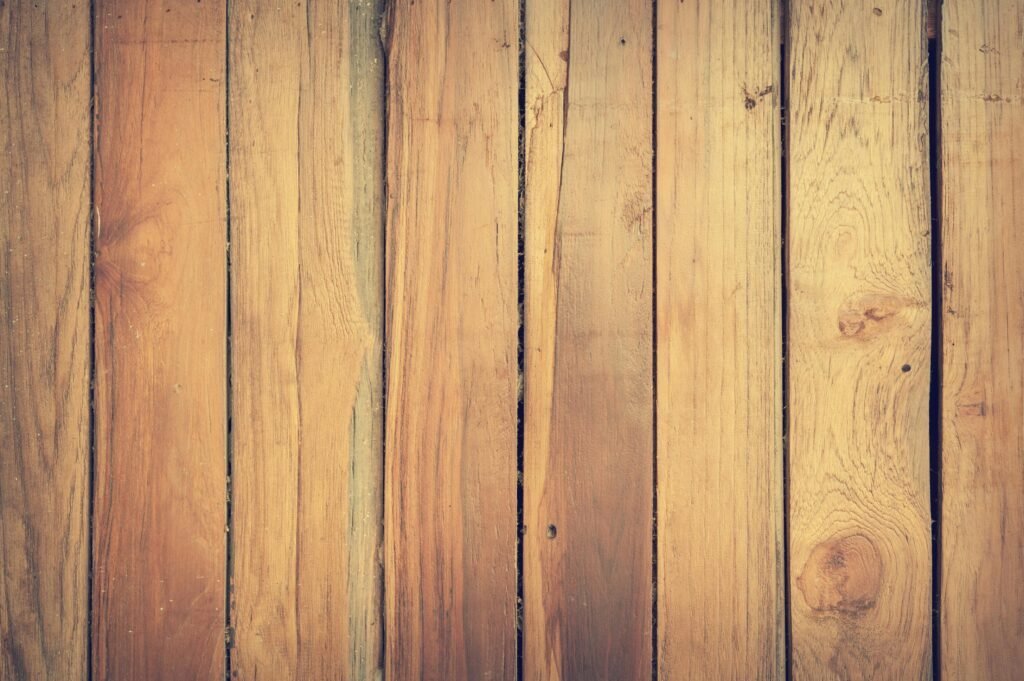
After World War II, the United States experienced a major housing boom. Millions of new homes were built quickly to accommodate returning soldiers and growing families. Builders needed affordable materials that could be installed efficiently. Wood paneling, especially in manufactured forms, fit that need.
Paneling became a practical solution for finishing interior walls without the cost of traditional plaster. It also added a sense of warmth to otherwise simple construction. This period helped establish paneling as a standard feature in many American homes. Its popularity would only grow in the following decades.
7. Plywood and Hardboard Changed Everything
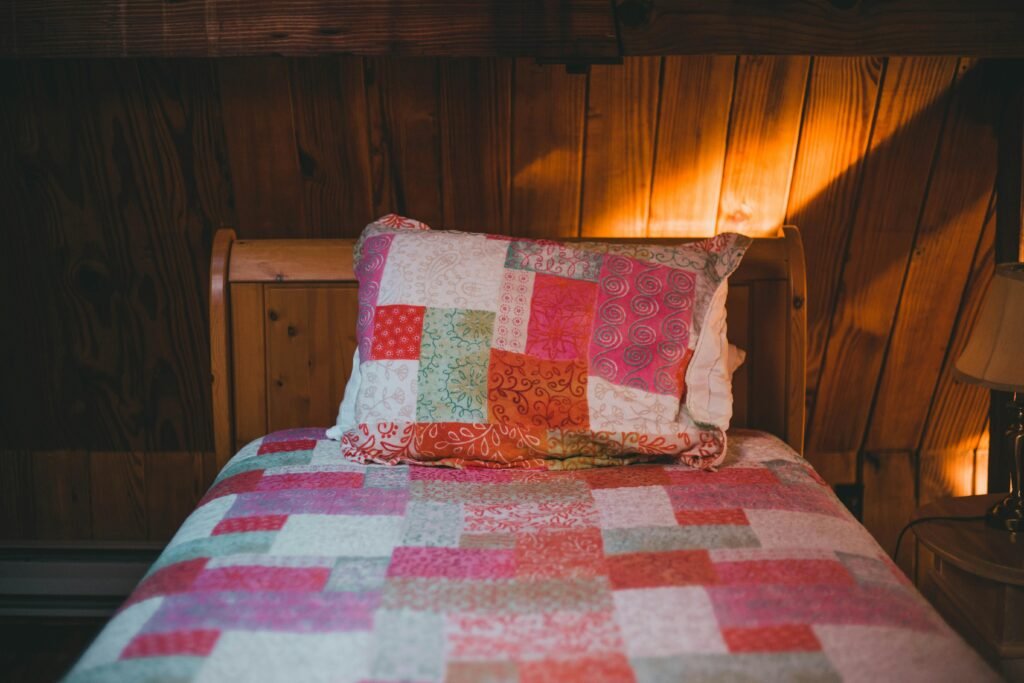
The development of plywood and hardboard products in the mid-20th century transformed wood paneling. Companies could now mass-produce panels that looked like solid wood but cost much less. Hardboard products, often sold under brand names like Masonite, became widely available. These panels were thinner, lighter, and easier to install.
This innovation made wood-paneled walls accessible to middle-class homeowners. Panels could be nailed directly to studs or over existing walls. It reduced labor costs and installation time significantly. As a result, paneling spread rapidly across suburban America.
8. Faux Wood Finishes Took Over in the 1960s and 1970s
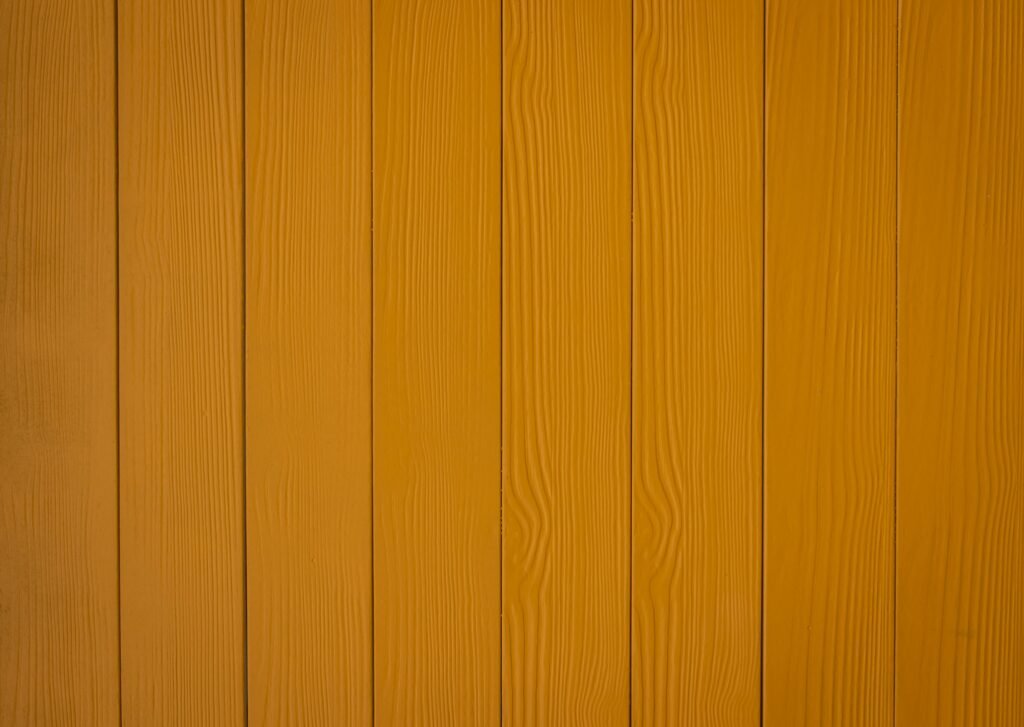
By the 1960s and 1970s, many wood-paneled walls were no longer real wood. Instead, they were made from composite materials with printed wood grain patterns. These faux finishes mimicked oak, walnut, or pine at a fraction of the cost. They were sold in large sheets that could cover a wall quickly.
This era is what most people think of when they picture classic wood paneling. The look became almost universal in certain spaces, especially dens and family rooms. While affordable, these panels were often thin and less durable than real wood. Still, their convenience made them extremely popular.
9. Basements and Rec Rooms Became Paneling Hotspots
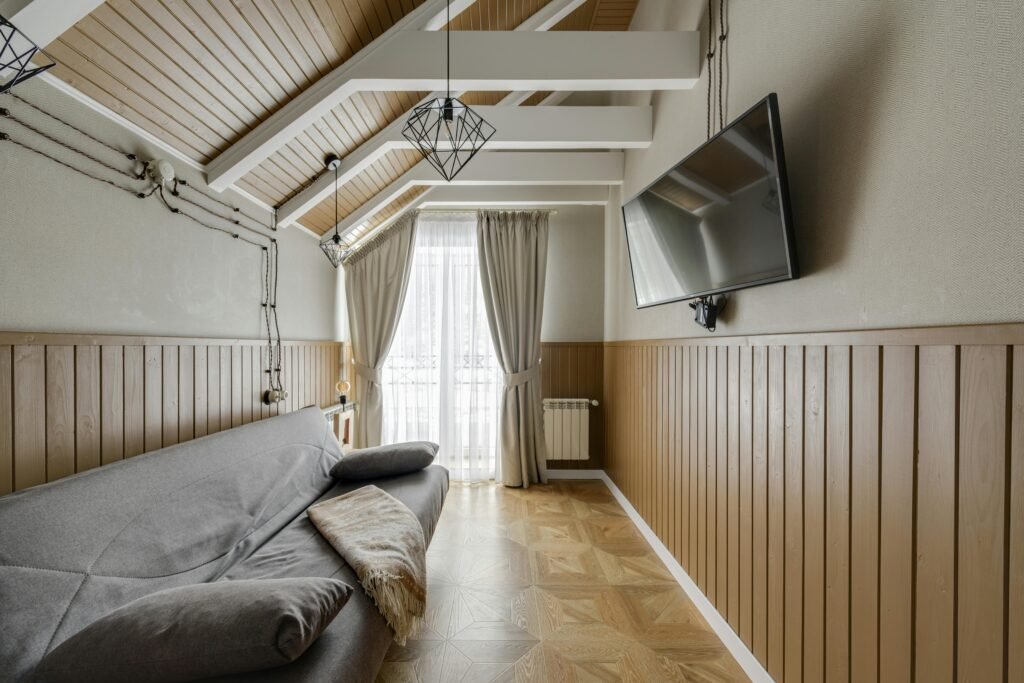
Wood paneling found a natural home in basements and recreation rooms. These spaces were often unfinished, and paneling provided a quick way to make them feel livable. It helped cover concrete walls and exposed framing without major renovation. The darker tones also made these rooms feel cozier.
Rec rooms in the ’60s and ’70s were often designed as informal gathering spaces. Paneling contributed to that relaxed, slightly enclosed atmosphere. It paired well with shag carpeting, low lighting, and wood furniture. For many families, this became the default look for a finished basement.
10. Paneling Helped Hide Imperfections
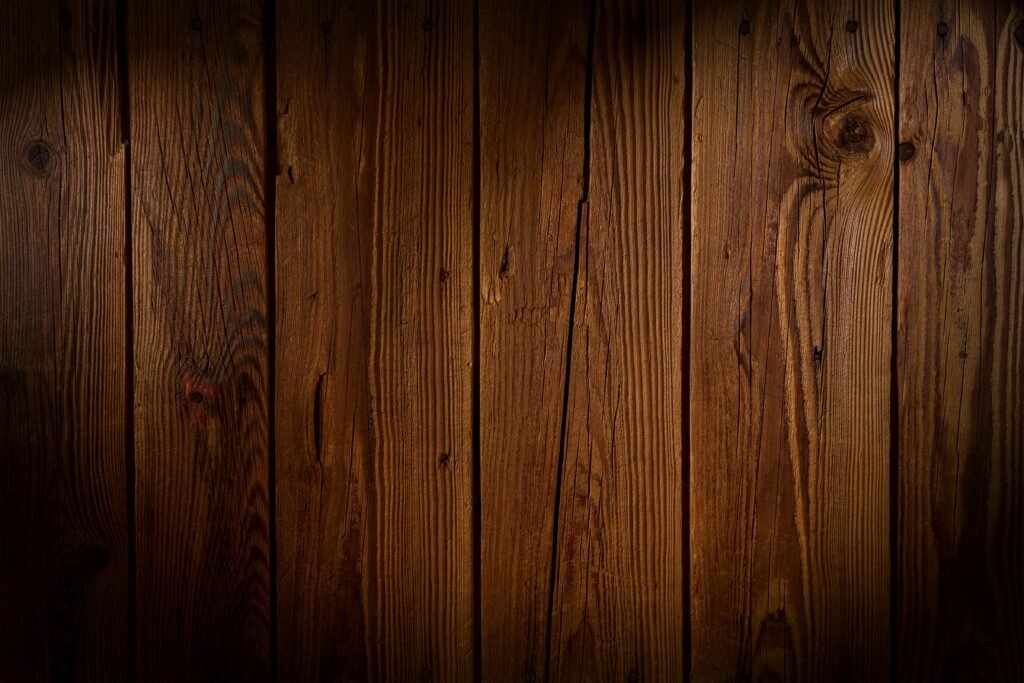
One of the practical advantages of wood paneling was its ability to hide flaws. Uneven walls, cracks, and outdated finishes could all be covered quickly. Homeowners did not need to invest in extensive repairs or plaster work. Paneling offered a shortcut to a cleaner appearance.
This made it especially appealing for older homes that needed cosmetic updates. It was also useful in rental properties or budget renovations. The ability to transform a room with minimal effort was a major selling point. Over time, this practicality contributed to its widespread use.
11. It Added Insulation and Sound Dampening
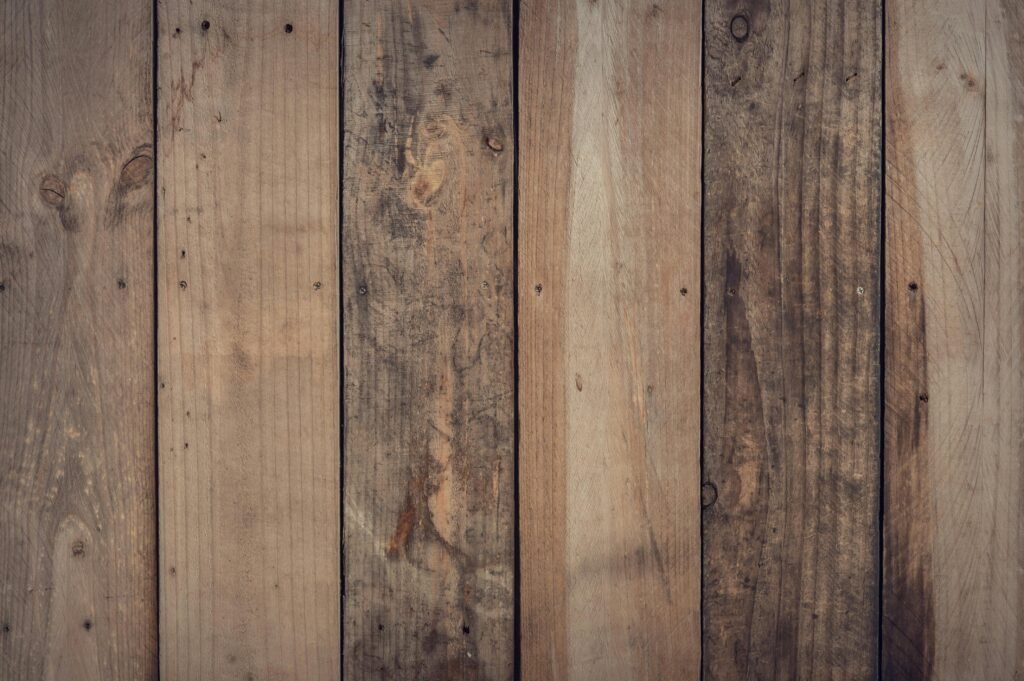
Wood paneling also provided modest insulation benefits. While not as effective as modern insulation, it helped reduce drafts and temperature fluctuations. In basements and exterior walls, this made a noticeable difference. It also added a layer of sound dampening between rooms.
These functional benefits reinforced its popularity in family spaces. Paneling made rooms feel quieter and slightly warmer. In an era before energy-efficient construction, this was a meaningful advantage. It was another reason homeowners continued to choose it.
12. Installation Was Simple Enough for DIY Projects
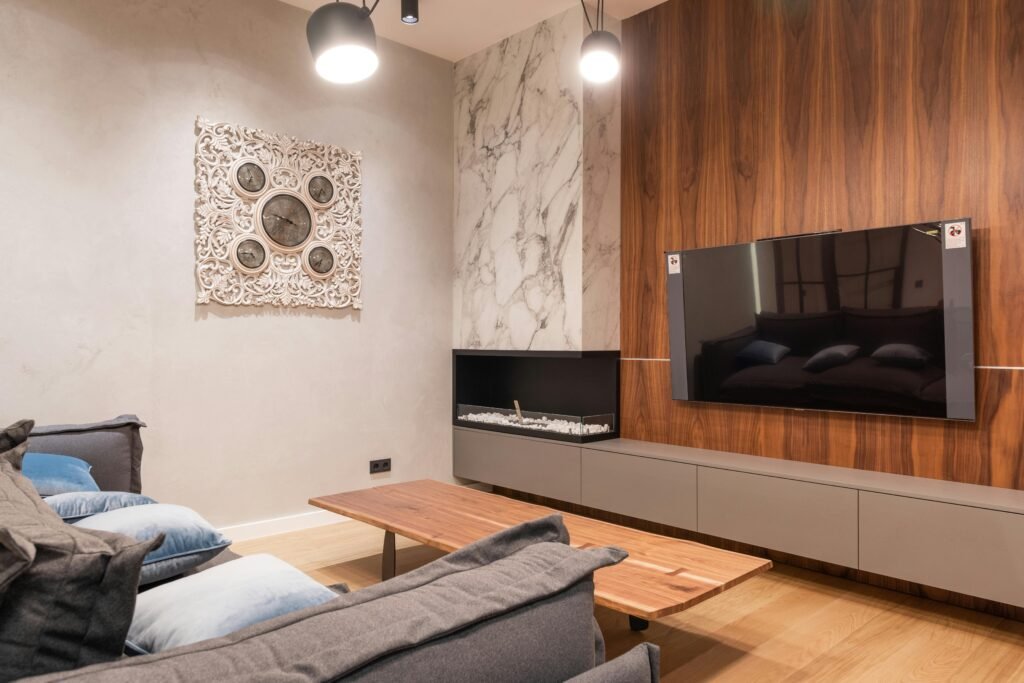
Another reason paneling became so widespread was its ease of installation. Homeowners could often install it themselves using basic tools. Panels came in standardized sizes and could be cut with minimal effort. This made it a common weekend project during the ’60s and ’70s.
DIY culture was growing at the time, and paneling fit right into that trend. Instructions were straightforward, and results were immediate. It allowed homeowners to personalize their spaces without hiring professionals. This accessibility helped drive its peak popularity.
13. It Reflected a Cultural Shift Toward Casual Living
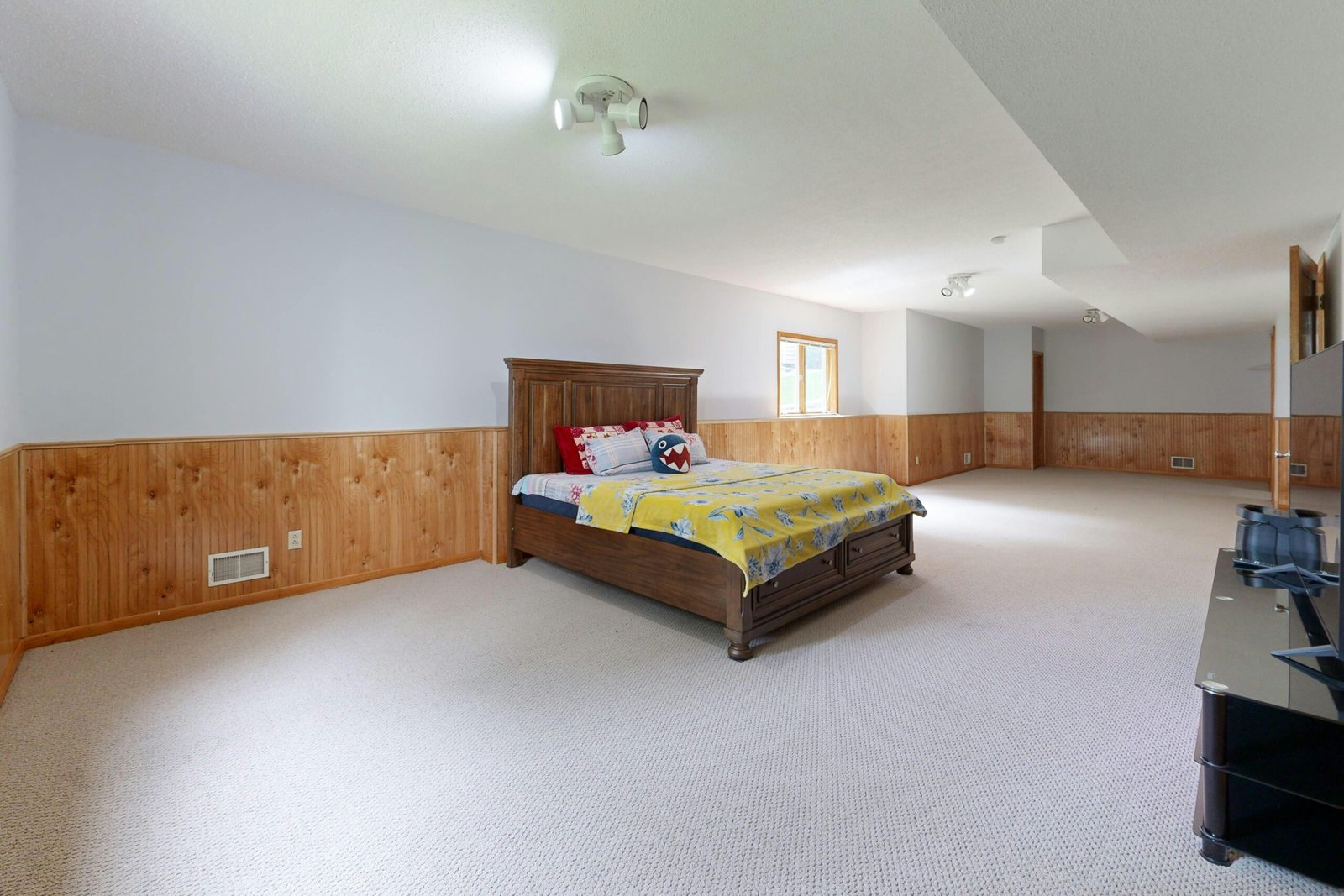
Wood paneling also reflected broader cultural changes in American life. Homes were becoming more informal, with an emphasis on comfort and family time. Formal living rooms were used less frequently, while family rooms became central gathering spaces. Paneling suited that relaxed environment.
Its warm tones and textured surfaces created a lived-in feeling. It was less about impressing guests and more about everyday use. This shift aligned with postwar suburban life. Paneling became part of that identity.
14. Commercial Spaces Helped Reinforce the Trend
Wood paneling was not limited to homes, it also appeared in offices, restaurants, and public buildings. This reinforced its popularity and made it feel modern at the time. Businesses used it to create a welcoming, professional atmosphere. It became a visual shorthand for warmth and reliability.
Seeing paneling in multiple environments made it more appealing for homeowners. It blurred the line between residential and commercial design. The look felt familiar and widely accepted. That helped sustain its presence across decades.
15. Maintenance Was Relatively Easy
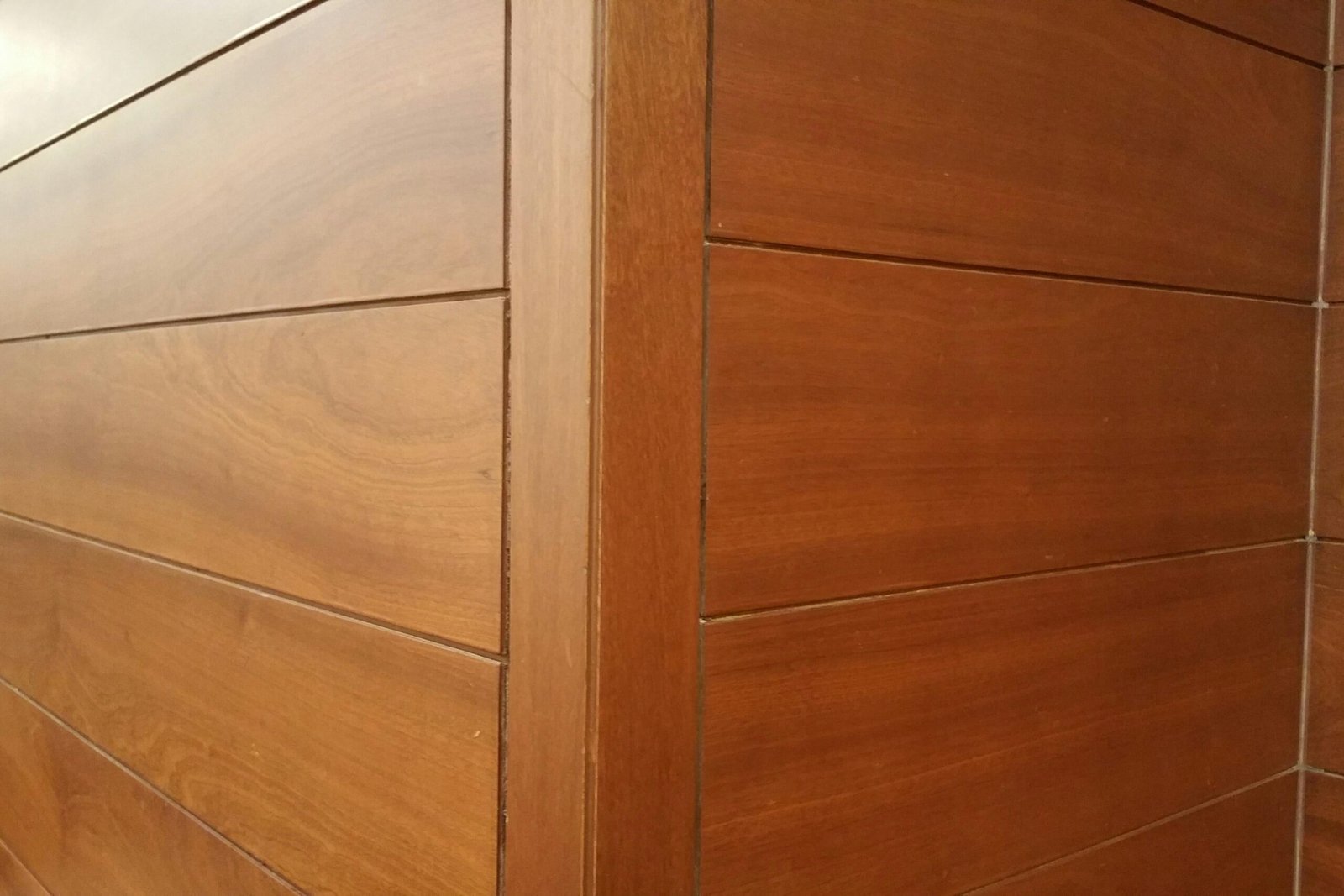
Compared to painted walls, wood paneling required less frequent upkeep. It did not show scuffs and marks as easily. Cleaning often involved simple dusting or wiping with a damp cloth. This made it practical for high-traffic areas.
For busy households, this was a significant advantage. It reduced the need for repainting and repairs. Paneling could maintain its appearance for years with minimal effort. That durability contributed to its long-term use.
16. The 1980s Shift Toward Drywall Changed Preferences
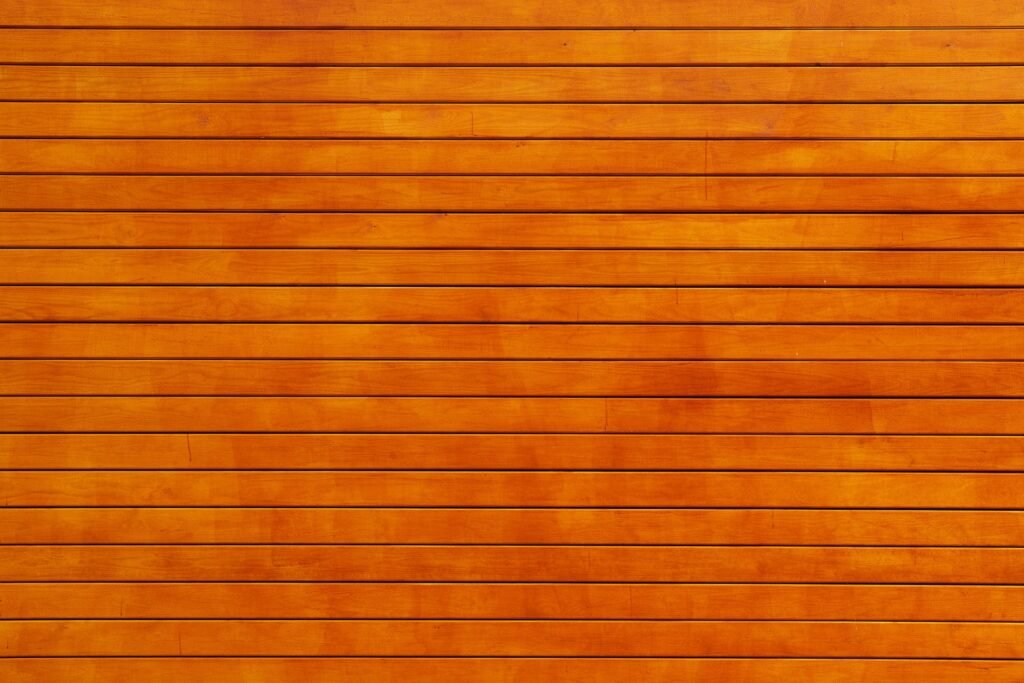
By the 1980s, design trends began to move away from wood paneling. Drywall became the standard for interior walls, offering a smoother, more modern look. Lighter color palettes also became popular, making dark paneling feel outdated. Homeowners started painting over or removing paneling.
Advances in construction made drywall more efficient and affordable. It allowed for greater flexibility in design and finishing. As a result, paneling fell out of favor in new construction. It became associated with an earlier era.
17. Painted Paneling Became a Transitional Trend
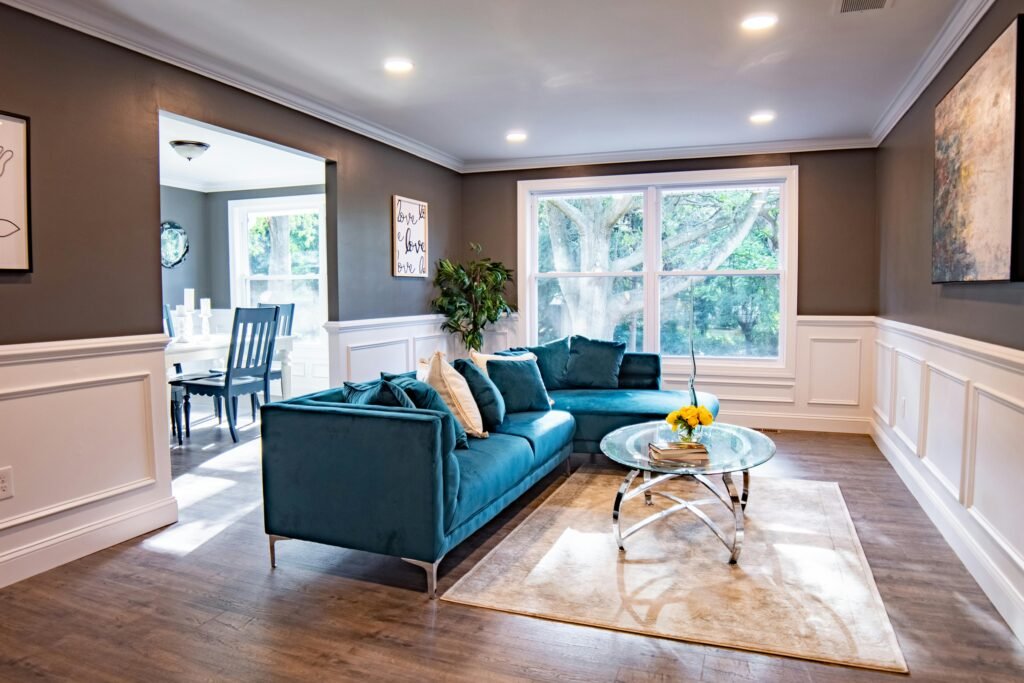
In the late 20th and early 21st centuries, many homeowners chose to paint over existing paneling. This allowed them to update the look without removing the material. White and neutral tones helped brighten spaces that once felt dark. The texture of the panels often remained visible.
This approach reflected a compromise between old and new styles. It preserved the structure while changing the aesthetic. Painted paneling became common in renovations. It showed how adaptable the material could be.
18. Modern Design Has Reintroduced Wood in New Ways
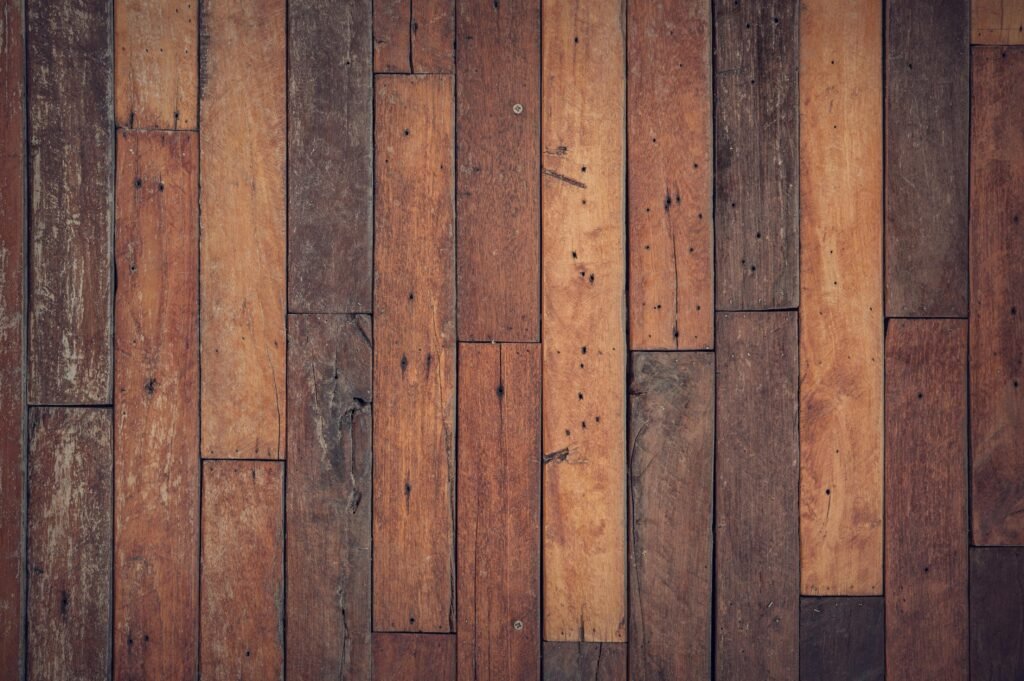
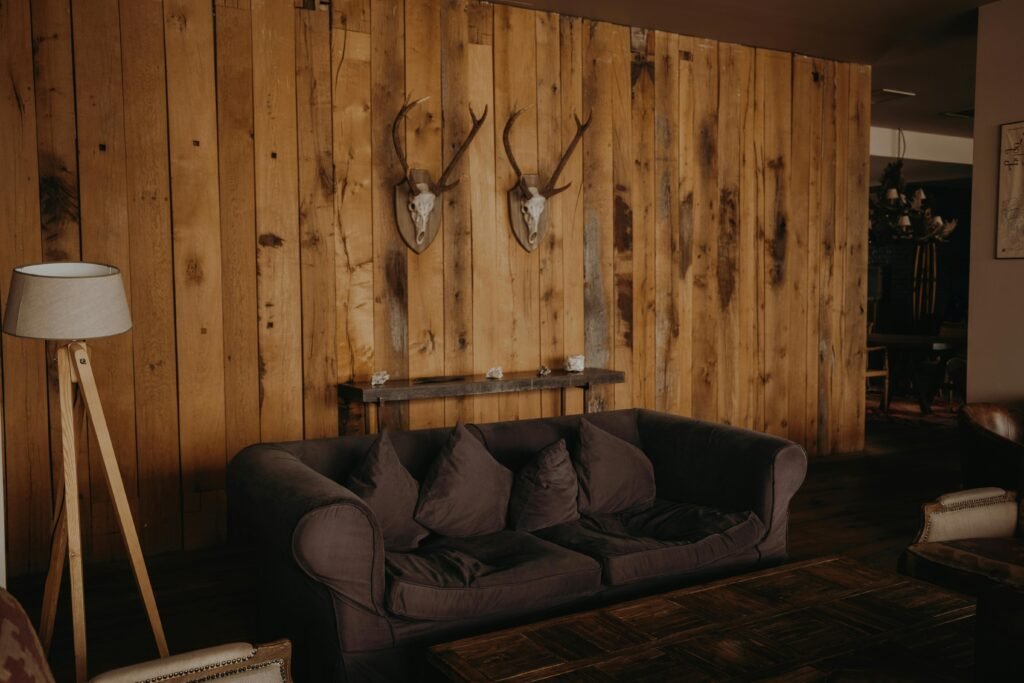
In recent years, wood paneling has returned in updated forms. Designers now use natural wood slats, reclaimed materials, and lighter finishes. The emphasis is on clean lines and minimalism rather than heavy coverage. Accent walls are more common than full-room paneling.
This modern approach draws inspiration from earlier styles but avoids their excess. It highlights the natural beauty of wood without overwhelming a space. While different from the ’70s version, it reflects a continued interest in the material. Wood paneling has evolved rather than disappeared.