1. The Rise of Colored Bathroom Fixtures in the ’40s and ’50s
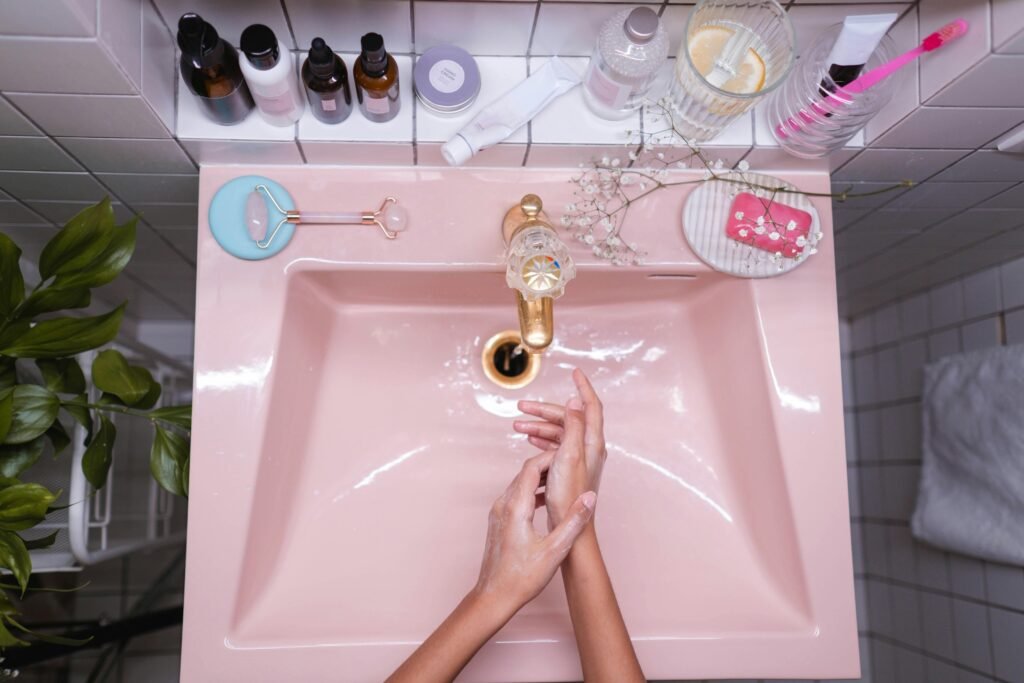
Walk into a mid-century home and there was a good chance the bathroom wasn’t white at all. Companies like American Standard and Kohler began offering fixtures in coordinated colors starting in the late 1930s and expanding heavily after World War II. By the ’40s and ’50s, homeowners could choose toilets, sinks, and tubs in shades like pink, blue, green, and even lavender. It was part of a broader shift toward personalization in home design after years of wartime austerity. Bathrooms were no longer purely functional spaces, they were meant to feel cheerful and modern. Pastels, in particular, became a dominant trend because they felt clean but still added personality. This was also the era when indoor plumbing became standard in many homes, so people wanted those spaces to feel inviting. Color became a way to show off that upgrade.
Manufacturers leaned into the idea of “complete bathroom suites,” where every fixture matched perfectly. Advertisements often showed entire bathrooms in a single color, right down to the soap dish and tile. This created a sense of harmony that homeowners found appealing at the time. The trend was especially popular in suburban homes built during the postwar housing boom. Builders would often install these colorful bathrooms as a selling point. Today, those same bathrooms are considered retro or even kitschy, but at the time they were seen as stylish and cutting edge. Many of these original fixtures are still in use today, which speaks to their durability. The colors may feel dated now, but they were once a symbol of progress.
2. Why Pink Became the Signature Bathroom Color
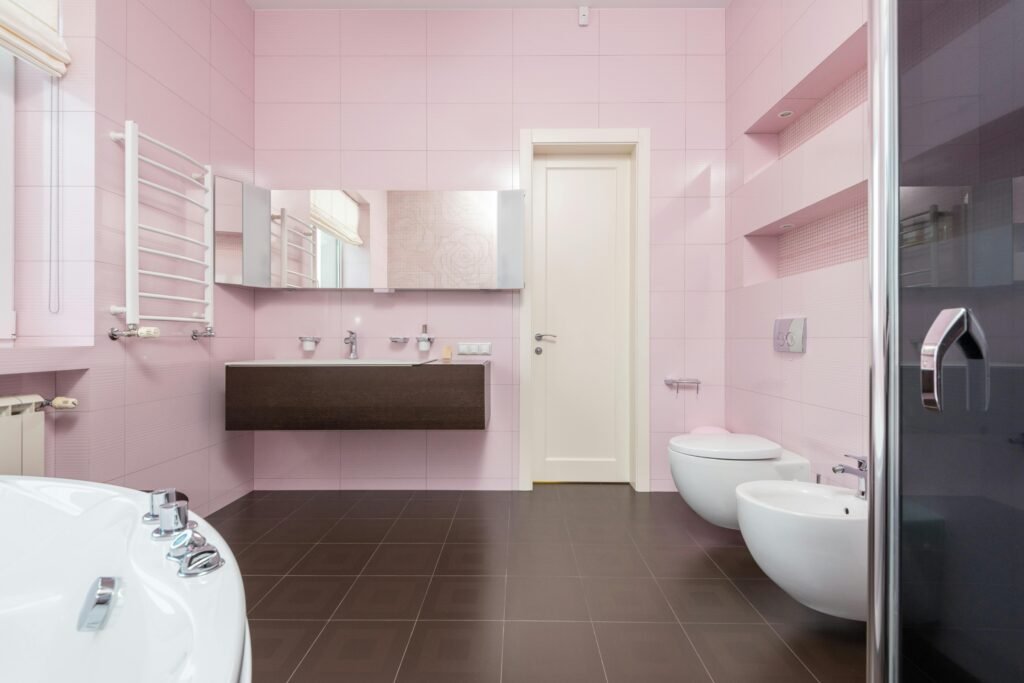
Pink bathrooms are probably the most recognizable symbol of this era. The popularity of pink is often linked to the cultural influence of the ’50s, when softer, more domestic color palettes were widely promoted. Some historians also point to First Lady Mamie Eisenhower, who was known for her love of pink, as helping to popularize the shade in home decor. Whether or not she directly caused the trend, pink quickly became associated with comfort and femininity. It showed up in everything from tile to bathtubs to towels. The shade was often a soft blush rather than a bold tone, which made it feel approachable. For many homeowners, pink felt like a safe but still stylish choice.
Entire bathrooms were designed around the color, often paired with black or white accents for contrast. Pink tile walls, pink sinks, and pink toilets were not unusual at all. Even accessories like toothbrush holders and soap dishes were color coordinated. This wasn’t seen as excessive, it was seen as thoughtful design. Today, surviving pink bathrooms are often preserved because they are considered historically significant. There is even a preservation movement dedicated to saving them. At the time, though, it was simply what was in style. It reflected the optimism and domestic focus of the postwar years.
3. Blue Bathrooms and Their Clean, Calm Appeal
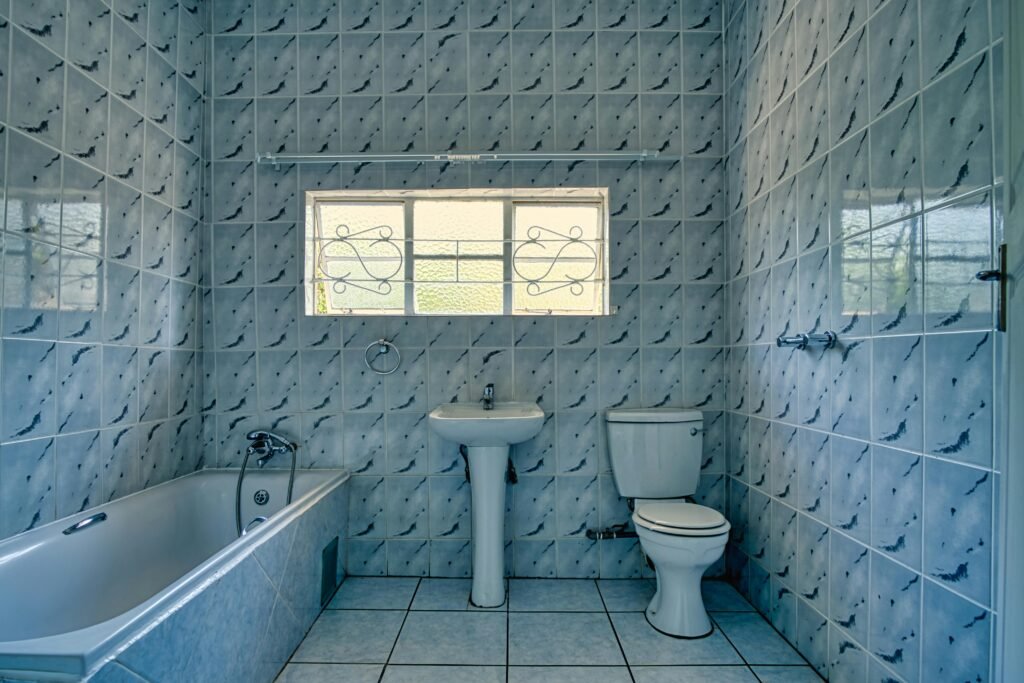
Blue bathrooms were another major trend, especially in lighter, sky-toned shades. Blue was associated with cleanliness and calm, which made it a natural fit for bathrooms. It also evoked water, reinforcing the idea of freshness and hygiene. Many homeowners chose blue because it felt slightly more neutral than pink. It appealed to a broader range of tastes, including those who wanted something less traditionally feminine. The color worked well with white tile and chrome fixtures, which were common at the time. Blue bathrooms often felt bright and airy, even in smaller spaces.
Manufacturers offered several variations of blue, from pale powder tones to slightly deeper hues. These colors were often paired with matching floor tiles and wall accents. Like pink bathrooms, blue ones were designed as complete sets. This meant the toilet, sink, and tub all matched exactly. Even the toilet seat and lid would be color coordinated. The goal was a seamless, polished look. Today, these bathrooms are often appreciated for their calming aesthetic. They may look dated to some, but they were once considered highly desirable.
4. Mint Green and the Fresh, Modern Look
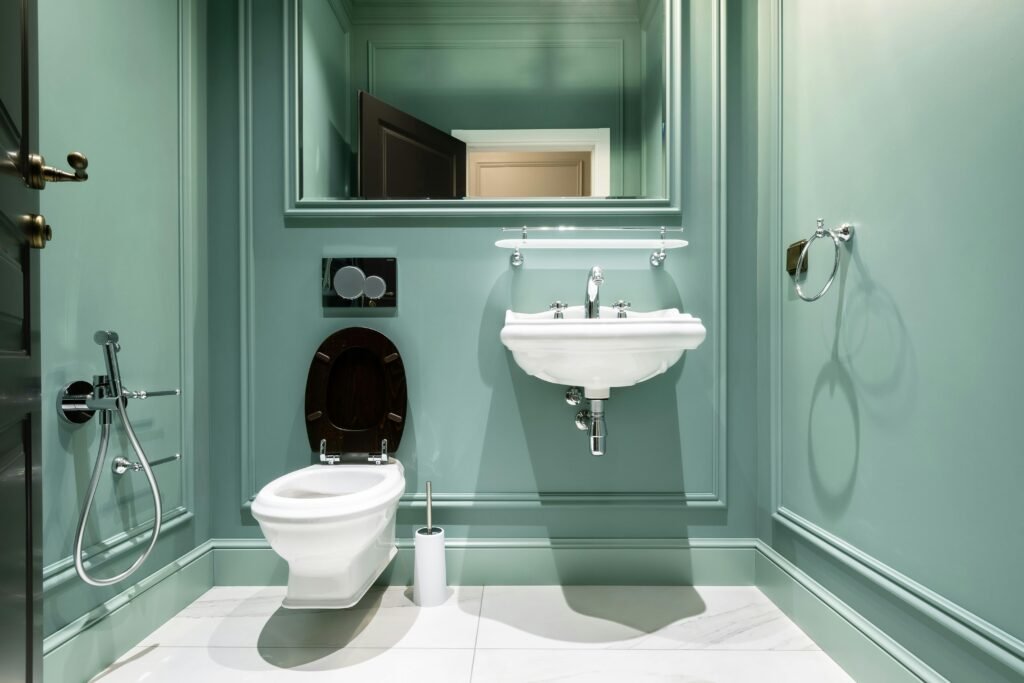
Mint green became another standout color during this period, especially in the late ’40s and ’50s. It offered a slightly more modern feel compared to pink or blue. The color was often described as fresh and invigorating, which made it appealing for bathrooms. It also paired well with natural light, giving spaces a bright, open feel. Mint green fixtures were frequently combined with white or cream tiles. This created a clean, almost spa-like environment long before that term became popular. The color also reflected the era’s interest in nature-inspired tones.
Homeowners who chose mint green often wanted something a little different but still within the trend. It felt contemporary without being too bold. Manufacturers marketed it as both stylish and practical. Like other pastel bathrooms, everything was designed to match. This included not just fixtures, but also accessories and textiles. Mint green towels and bath mats were common additions. Today, these bathrooms are often seen as especially charming. They capture a very specific moment in design history.
5. Matching Toilets Were a Status Symbol
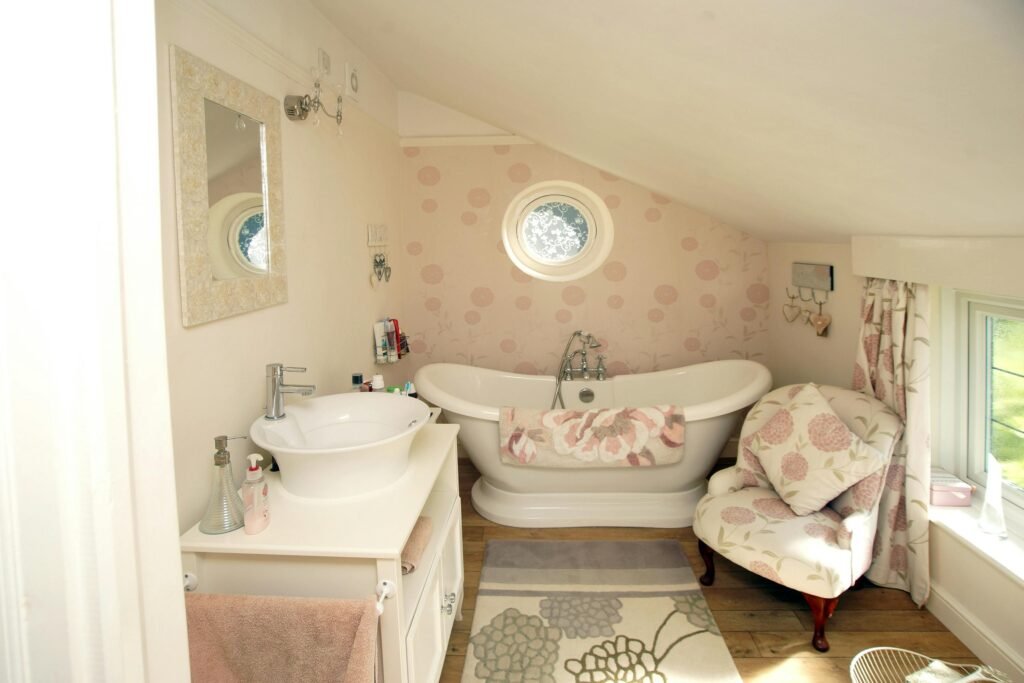
Having a toilet that matched the sink and tub was not just a design choice, it was a sign of a well-appointed home. In earlier decades, bathrooms were often pieced together with whatever fixtures were available. By the mid-20th century, coordinated sets became more accessible. This allowed homeowners to create a unified look. Matching fixtures suggested attention to detail and modern taste. It also indicated that the home was up to date with current trends. For many families, this was something to be proud of.
The idea of a matching toilet may seem excessive now, but at the time it was a selling point. Builders and real estate agents highlighted these features in listings. It was part of the broader shift toward design-conscious living. Bathrooms were no longer hidden away, they were part of the home’s overall aesthetic. This trend also reflected advances in manufacturing, which made colored fixtures easier to produce. The consistency of color across different materials was an achievement in itself. Today, these matching sets are often preserved as vintage features.
6. Colored Toilet Paper Was a Real Thing
It wasn’t just the fixtures that were colorful, even toilet paper came in coordinated shades. In the mid-20th century, manufacturers produced toilet paper in colors like pink, blue, green, and even yellow. The idea was simple, everything in the bathroom should match. This extended to even the most mundane items. Colored toilet paper was widely available in stores and marketed as a stylish upgrade. It was often displayed prominently in advertisements. The packaging emphasized how it complemented colored fixtures.
Over time, however, colored toilet paper fell out of favor. There were concerns about dyes and their potential effects, as well as environmental considerations. By the late 20th century, most brands had phased it out. Today, white toilet paper is the standard almost everywhere. The idea of matching it to your bathroom now feels unusual. But during its peak, it was just another detail in a carefully designed space. It shows how far the trend for coordination went.
7. Tile Colors Completed the Look
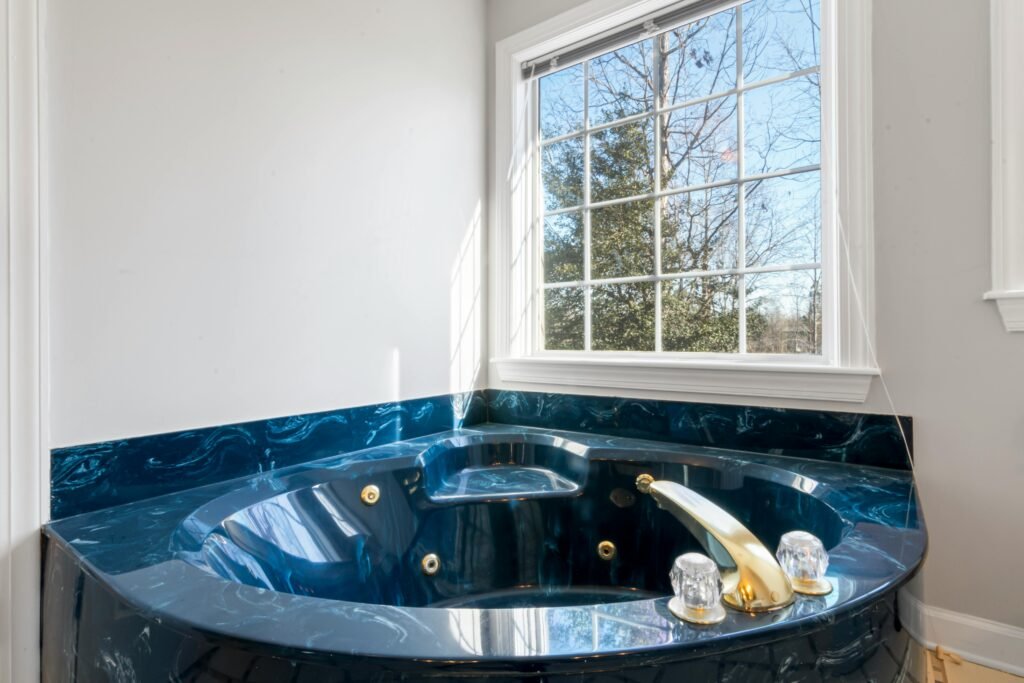
Colored tile played a major role in these bathrooms. It wasn’t enough to have a pink sink or a blue tub, the walls often matched as well. Tile manufacturers offered a wide range of pastel shades to coordinate with fixtures. These tiles were typically glazed ceramic, which made them easy to clean. They were arranged in simple patterns, often with contrasting trim pieces. This added visual interest without overwhelming the space. The overall effect was cohesive and polished.
Tile was also a practical choice, as it held up well in humid environments. It protected walls from moisture while contributing to the design. Many of these original tiles are still in place today. Their durability is one reason these bathrooms have survived. The colors may have faded slightly, but they remain recognizable. In some homes, the tile is considered a defining feature. It ties the entire room together in a way that feels intentional.
8. Black Accents Added Contrast
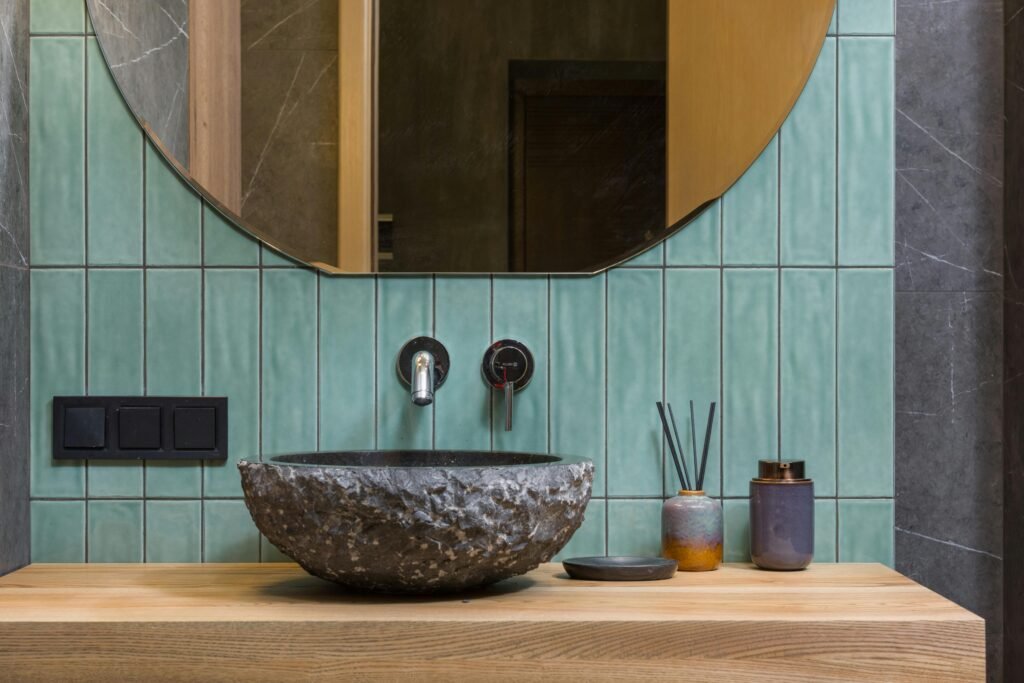
To keep pastel bathrooms from looking too soft, designers often added black accents. This could include black tile borders, black countertops, or even black fixtures. The contrast helped define the space and added a sense of sophistication. It prevented the room from feeling overly monochromatic. Black and pink, in particular, became a popular combination. The dark accents grounded the lighter colors. This created a balanced, visually appealing look.
These accents were usually used sparingly but strategically. A thin black tile line around the wall could make a big impact. It framed the room and highlighted the pastel colors. This approach showed an early understanding of contrast in interior design. It was not just about color, it was about composition. Many of these design choices still influence modern retro-inspired bathrooms. They demonstrate how thoughtful these spaces actually were.
9. The Influence of Postwar Optimism
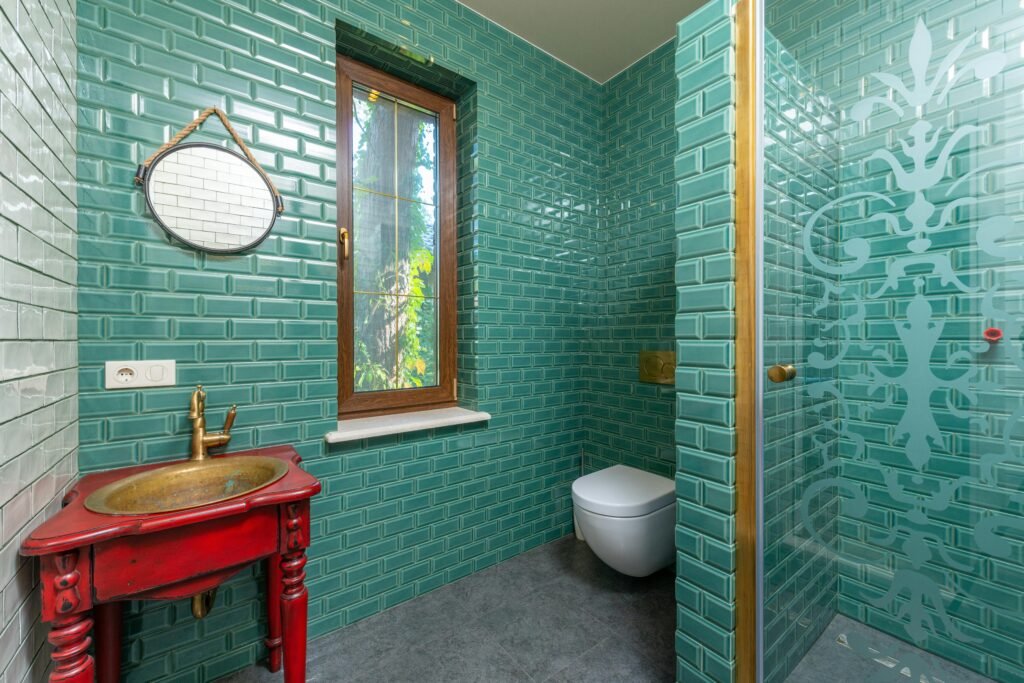
The popularity of colorful bathrooms was closely tied to the optimism of the postwar period. After years of economic hardship and rationing, people were eager to embrace comfort and style. Homeownership increased significantly, especially in suburban areas. New homes were built with modern amenities, including fully equipped bathrooms. Color became a way to express that sense of progress. It made everyday spaces feel more enjoyable.
This optimism extended to all areas of home design. Kitchens, living rooms, and even appliances featured bold or pastel colors. Bathrooms were no exception. The use of color reflected a belief in a brighter future. It was about more than aesthetics, it was about mood. These spaces were meant to feel uplifting. Today, they serve as a reminder of that era’s mindset. They capture a very specific cultural moment.
10. Department Stores Sold Complete Bathroom Sets
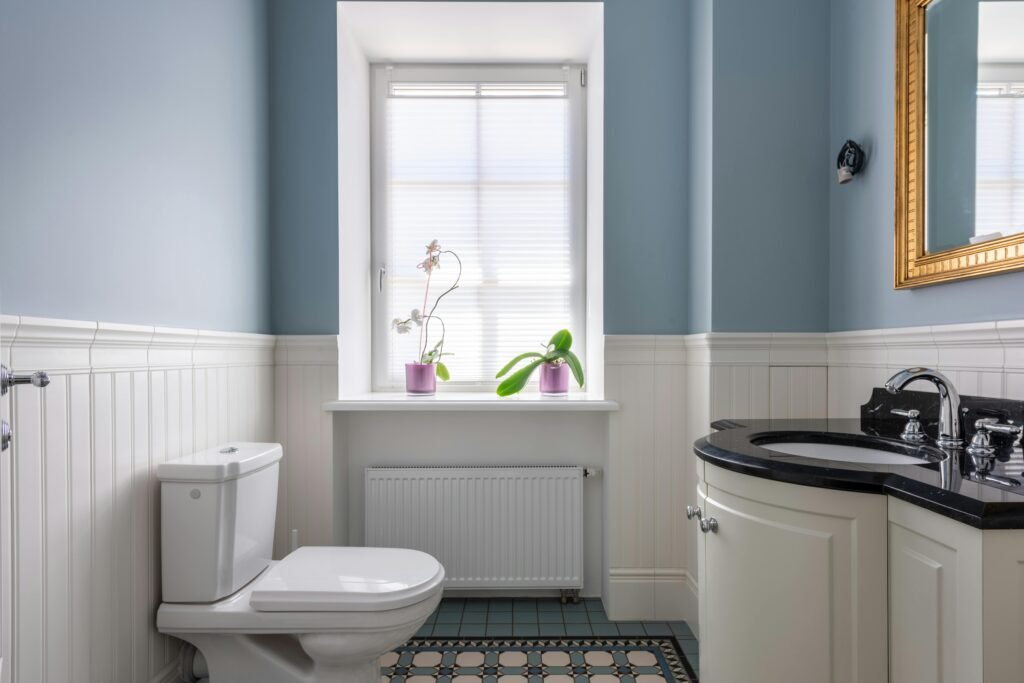
Department stores played a key role in promoting these trends. They often displayed fully staged bathroom setups, complete with matching fixtures and accessories. Shoppers could see exactly how everything would look together. This made it easier to imagine the finished space. Stores also sold coordinating items like towels, rugs, and even shower curtains. The goal was to create a one-stop shopping experience. Everything needed to match, and stores made that possible.
These displays were often elaborate and eye-catching. They showed bathrooms as aspirational spaces rather than purely functional ones. This marketing approach helped drive demand for coordinated designs. It also made the trend more accessible to middle-class families. You did not need a designer, you could simply buy the set. This approach is still used today in different forms. It helped establish the idea of cohesive home decor.
11. Plumbing Technology Made It Possible
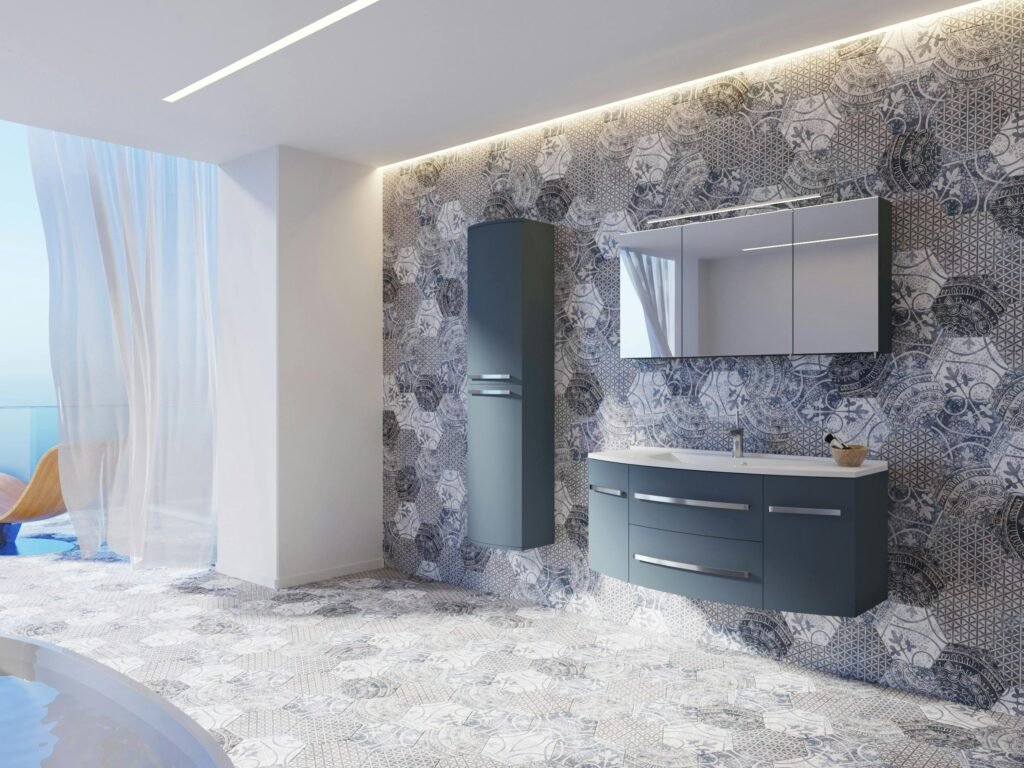
Advances in plumbing and manufacturing made colored fixtures more practical. Earlier plumbing systems were less standardized, which limited design options. By the mid-20th century, improvements in materials and production allowed for more variety. Porcelain fixtures could be produced in consistent colors. This made it possible to create matching sets on a larger scale. It also improved the durability of these products.
These technological advances were not always visible, but they were essential. Without them, the trend would not have been feasible. Manufacturers invested heavily in developing new finishes and techniques. This allowed them to meet growing consumer demand. It also ensured that the colors would last over time. Many of these fixtures are still functional decades later. That longevity is part of their appeal today.
12. Gendered Design Choices Were Common
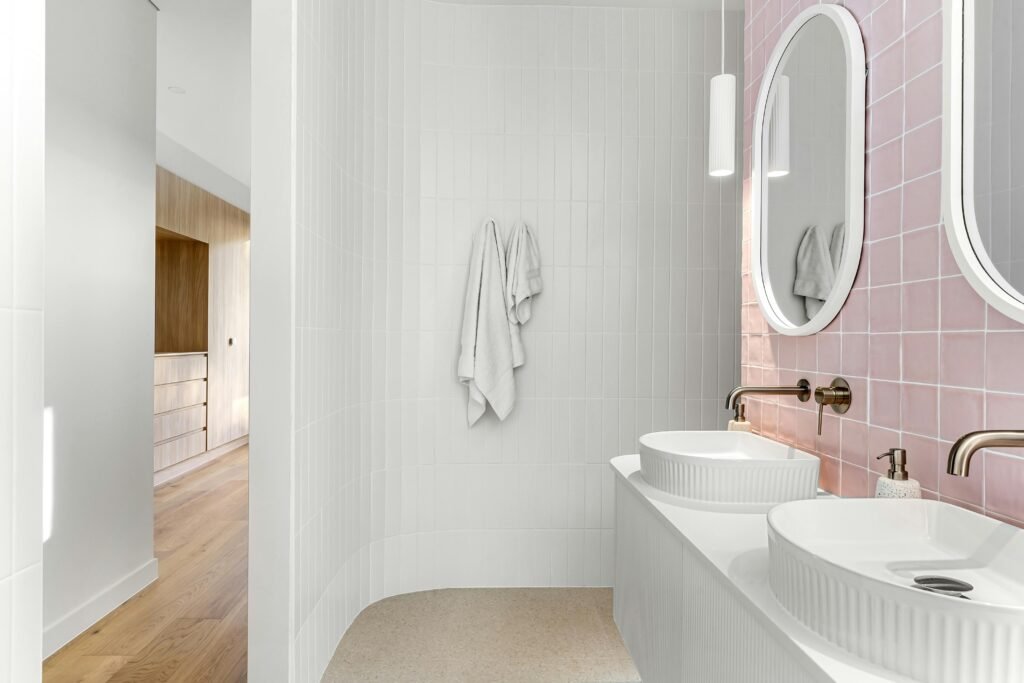
Bathrooms were often designed with specific users in mind. In some homes, there were “his and hers” bathrooms, each with its own color scheme. Pink might be used for one, while blue or green was used for another. This reflected broader societal norms of the time. Color was often associated with gender in a way that feels outdated now. These choices were rarely questioned at the time.
Even in shared bathrooms, color choices could carry subtle assumptions. Pink was frequently marketed toward women, while blue was seen as more neutral or masculine. These associations influenced purchasing decisions. They also shaped how bathrooms were designed. Today, these distinctions are less rigid. But they were a significant part of mid-century design. They reveal how cultural norms influenced even the smallest details.
13. Hollywood and Magazines Helped Spread the Trend
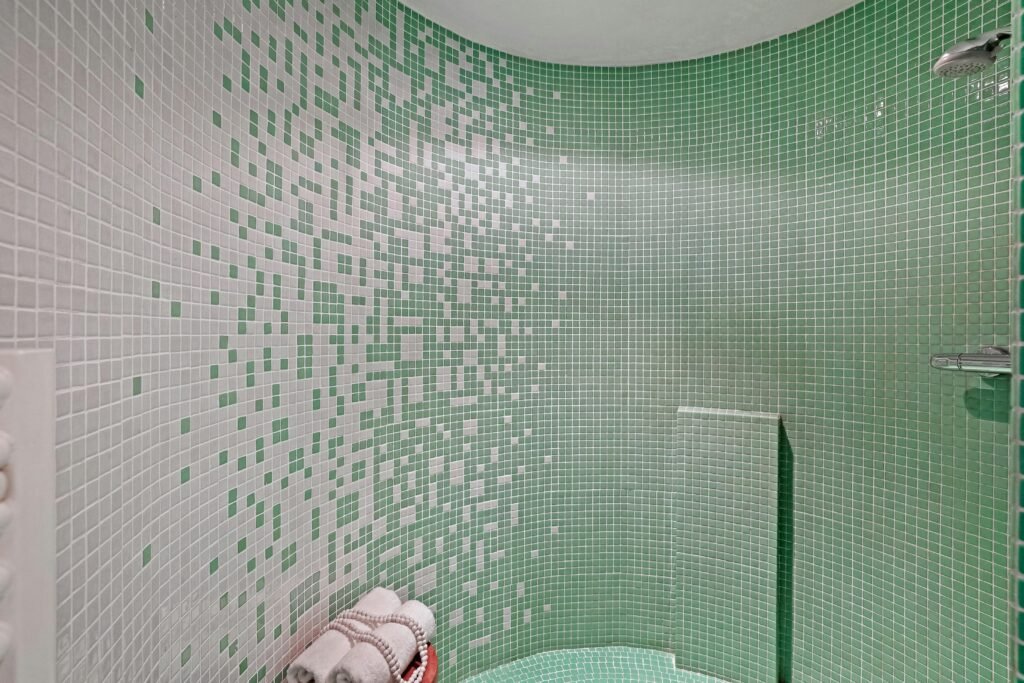
Media played a significant role in popularizing colorful bathrooms. Home design magazines frequently featured these spaces in photo spreads. Hollywood films and television shows also showcased them. Viewers saw stylish bathrooms on screen and wanted to replicate them at home. This created a feedback loop between media and consumer demand. Trends spread quickly as a result.
Magazines often included advice on how to achieve the look. They recommended specific color combinations and layouts. This made the trend accessible to a wider audience. It also reinforced the idea that bathrooms should be visually appealing. The influence of media cannot be overstated. It helped turn a design choice into a widespread phenomenon. Many homeowners were inspired by what they saw.
14. Cleaning and Maintenance Considerations
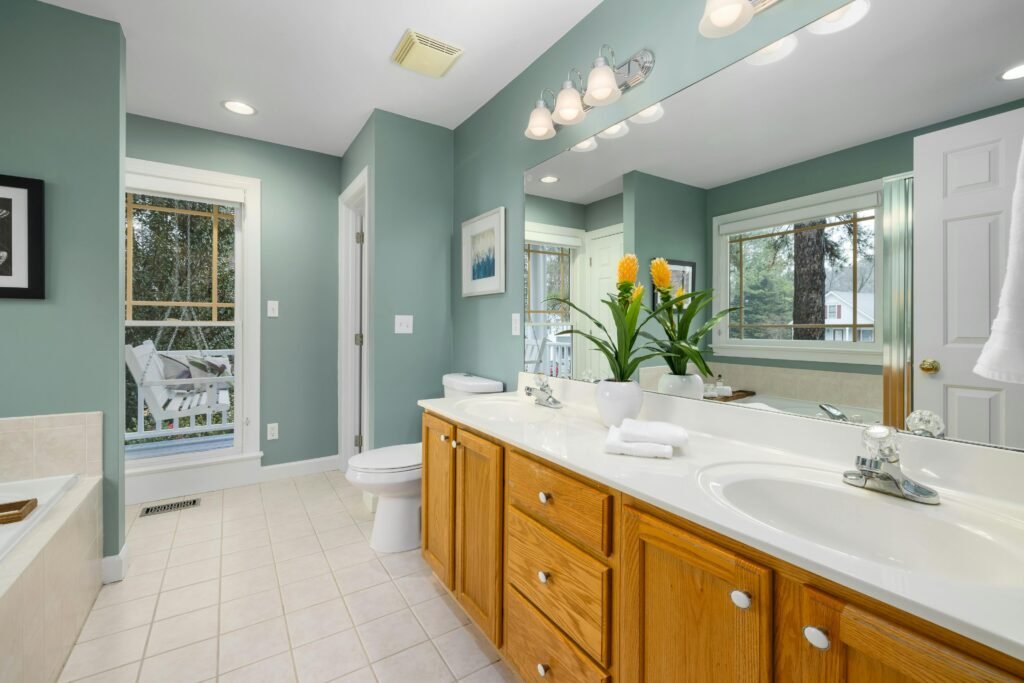
Colored fixtures and tiles were not just about aesthetics, they also had practical implications. Lighter colors could show dirt more easily, which meant regular cleaning was important. However, the glazed surfaces made them relatively easy to maintain. Manufacturers promoted these features as both stylish and hygienic. This was an important selling point. Bathrooms needed to look clean as well as be clean.
Over time, some colors proved more forgiving than others. Mint green and blue, for example, could hide minor stains better than white. This added to their appeal. Cleaning products of the era were also marketed alongside these designs. They promised to keep everything looking fresh. Maintenance was part of the overall experience. It was another way these bathrooms reflected modern living.
15. The Decline of the Pastel Bathroom
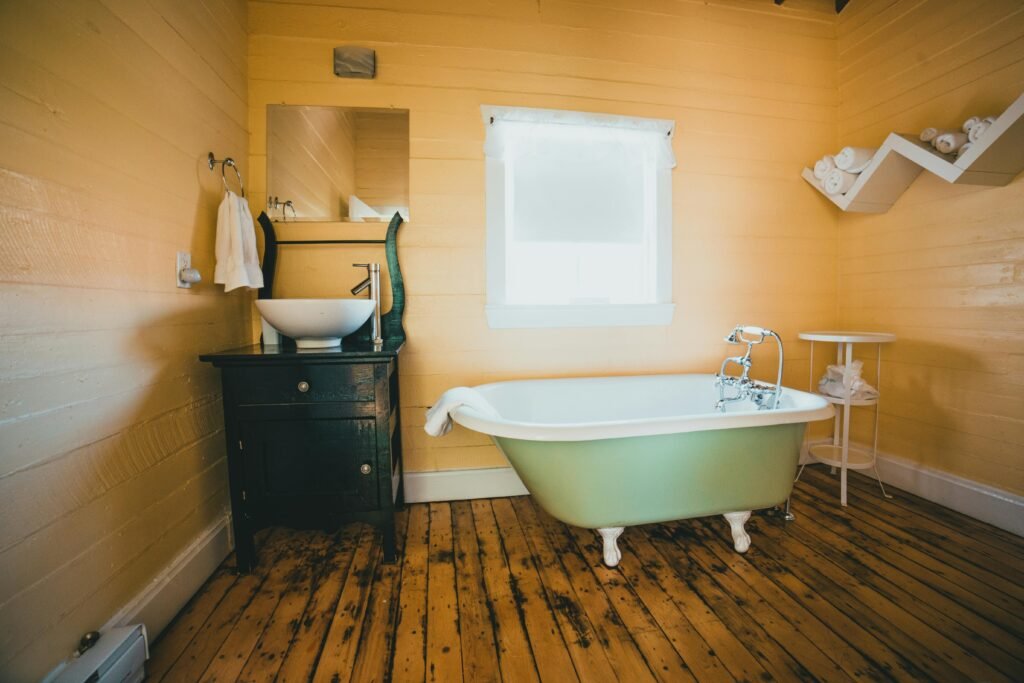
By the late ’60s and into the ’70s, design trends began to shift. Earth tones like brown, avocado green, and gold started to replace pastels. This marked a move toward more natural, subdued palettes. White fixtures also made a comeback as a more neutral option. The pastel bathroom began to feel dated. Homeowners started remodeling or replacing these features. What had once been modern quickly became old-fashioned.
This shift was influenced by broader cultural changes. Design trends tend to evolve in cycles, and tastes were moving in a different direction. The bold coordination of earlier decades gave way to more varied styles. Pastel bathrooms were often the first to be updated. Many were removed entirely. Others survived simply because they were expensive to replace. Today, they are seen as vintage rather than outdated.
16. Why These Bathrooms Are Still Around Today
Despite changing trends, many pastel bathrooms have survived. One reason is their durability, these fixtures were built to last. Replacing them can also be costly and complicated. As a result, many homeowners chose to keep them. Over time, these bathrooms gained a new kind of appreciation. They are now seen as examples of mid-century design. Some people actively seek them out.
There is even a niche interest in preserving these spaces exactly as they were. Enthusiasts appreciate the craftsmanship and historical context. What was once considered outdated is now viewed as distinctive. These bathrooms offer a glimpse into a different era of home design. They tell a story about how people lived and what they valued. The colors may not be for everyone, but they are undeniably memorable.