
1. Rocky Balboa for Sylvester Stallone in Rocky
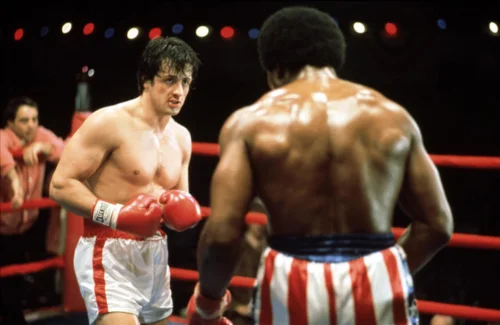
Sylvester Stallone didn’t just land the role of Rocky Balboa, he built it from the ground up. After watching a boxing match between Muhammad Ali and Chuck Wepner, Stallone wrote the script for Rocky in just a few days. Studios were interested, but only if they could cast a more established actor in the lead. Stallone refused to sell it unless he could play Rocky himself. That insistence is what makes this one of the clearest examples of a role written for a specific actor.
Once the film was made, it became inseparable from Stallone’s identity. His underdog story mirrored Rocky’s in a way that audiences immediately connected with. The performance earned him Academy Award nominations for both acting and writing. It also launched one of the most enduring franchises in film history. It’s difficult to imagine anyone else delivering the same mix of vulnerability and grit.
2. Indiana Jones for Harrison Ford in Raiders of the Lost Ark
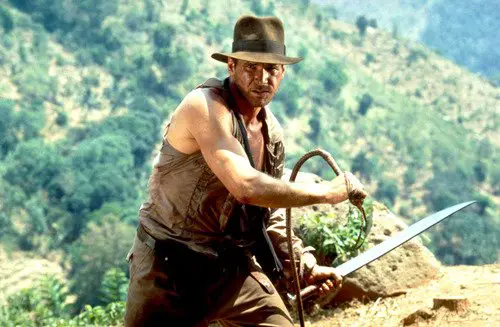
Although other actors were briefly considered, George Lucas and Steven Spielberg ultimately shaped Indiana Jones around Harrison Ford’s screen presence. Ford had already proven his charisma in Star Wars, and that rugged, slightly sarcastic tone fit the character perfectly. The script leaned into his ability to balance humor with action. His physicality and delivery helped define Indiana Jones as both heroic and human.
Ford brought a sense of improvisation that influenced how the character evolved. The famous scene where Indy shoots the swordsman, for example, came from Ford’s suggestion. That kind of instinct reinforced why the role worked so well for him. Over time, the character became one of the most recognizable in cinema. It’s hard to separate the fedora and whip from Ford himself.
3. Tony Stark for Robert Downey Jr. in Iron Man
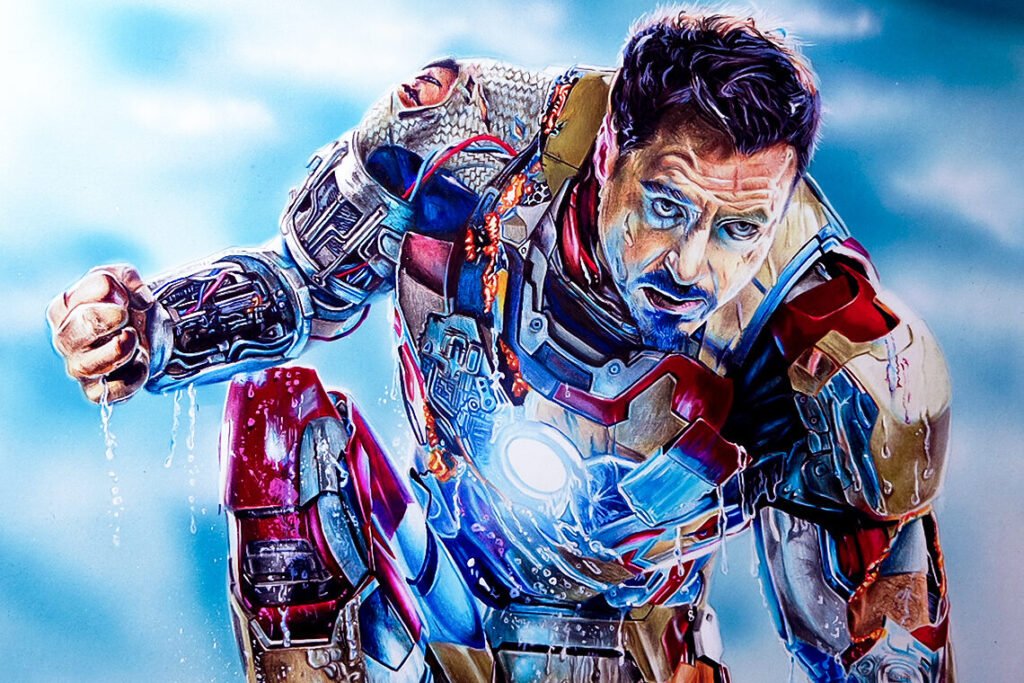
When Marvel Studios developed Iron Man, they needed someone who could embody both brilliance and personal flaws. Robert Downey Jr.’s real life struggles and comeback arc closely aligned with Tony Stark’s character. Director Jon Favreau specifically pushed for Downey, believing his personality would ground the role. The script was adjusted to allow for more improvisation, something Downey excelled at.
That decision reshaped the entire Marvel Cinematic Universe. Downey’s performance defined the tone of the franchise, blending humor, arrogance, and vulnerability. His delivery made complex technical dialogue feel natural and engaging. The character became the emotional center of multiple films. Without Downey, the MCU likely would have developed very differently.
4. The Terminator for Arnold Schwarzenegger in The Terminator

James Cameron initially considered Arnold Schwarzenegger for the hero Kyle Reese, but quickly realized his physical presence was better suited for the Terminator. The role was then reworked to emphasize minimal dialogue and an imposing, almost mechanical presence. Schwarzenegger’s accent and delivery became an advantage rather than a limitation. The character was essentially built around his strengths.
His portrayal turned the Terminator into a cultural icon. Lines like “I’ll be back” became instantly recognizable. The performance relied more on physicality than traditional acting, which suited Schwarzenegger perfectly. It also helped redefine what a sci fi villain could look like. The role launched his transition from bodybuilding to global movie stardom.
5. Jack Sparrow for Johnny Depp in Pirates of the Caribbean: The Curse of the Black Pearl
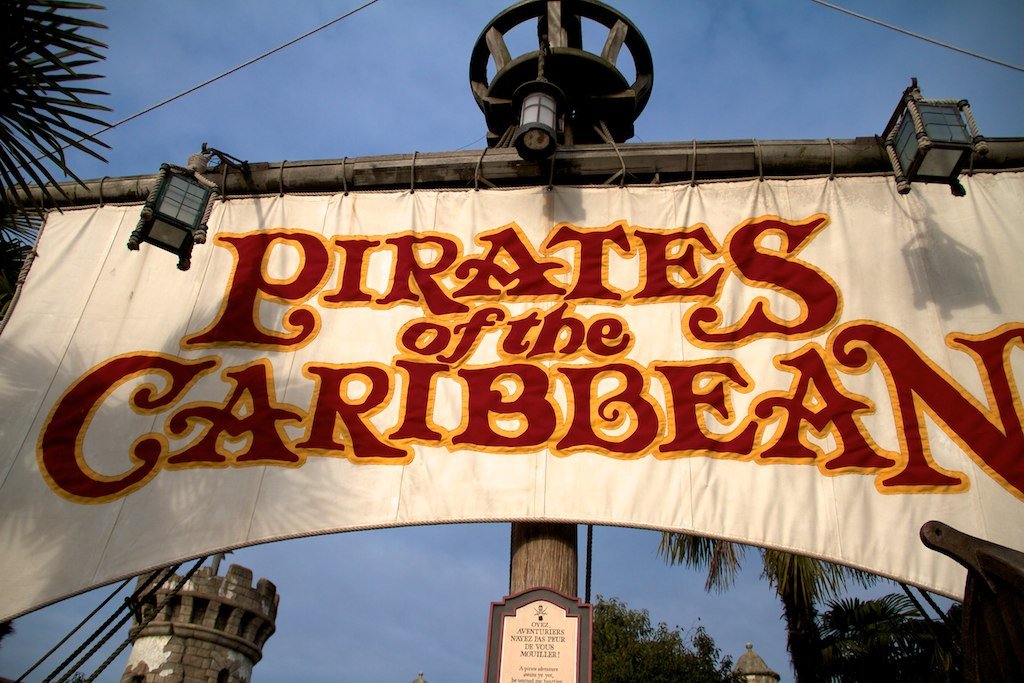
The character of Jack Sparrow existed in early drafts, but Johnny Depp reshaped it entirely once he was cast. Inspired partly by Keith Richards, Depp gave Sparrow a distinct, offbeat personality. The filmmakers leaned into his interpretation, adjusting the tone of the script to match. What could have been a standard swashbuckling hero became something far more unpredictable.
Depp’s performance became the centerpiece of the entire franchise. His mannerisms, speech patterns, and comedic timing defined the character. It also earned him an Academy Award nomination, which was unusual for a role in a blockbuster adventure film. The success of the series relied heavily on his portrayal. Without Depp, the tone of the films would likely have been much more conventional.
6. Annie Wilkes for Kathy Bates in Misery
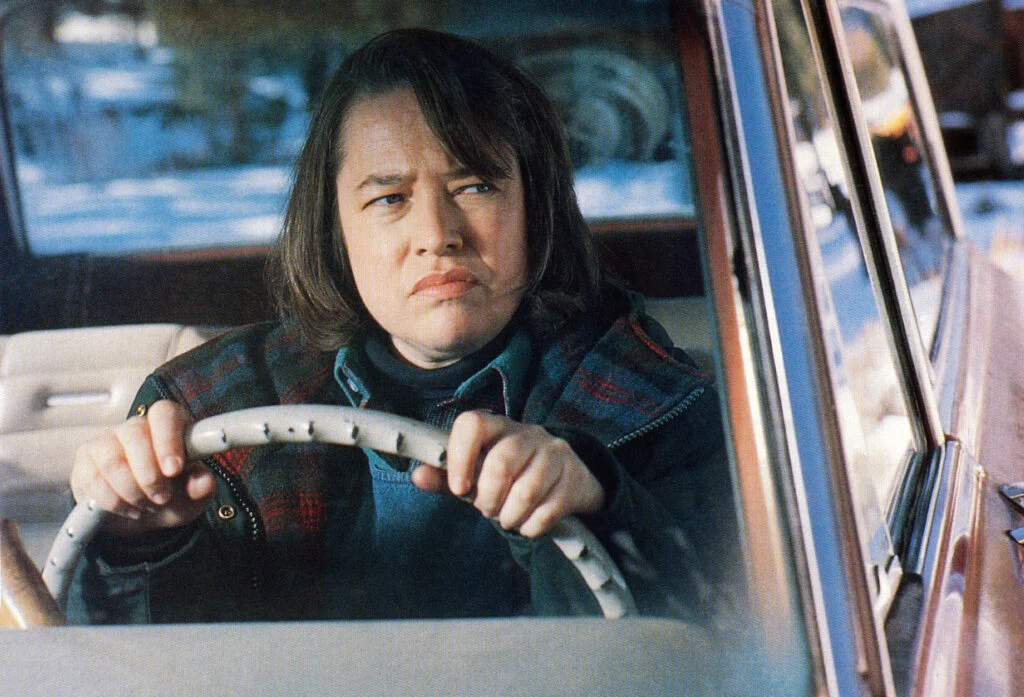
Kathy Bates was not originally a household name when she was cast as Annie Wilkes, but the role quickly became synonymous with her. Director Rob Reiner saw something unique in her ability to switch between warmth and menace. The character was shaped to emphasize those extremes. Bates’ performance brought a psychological depth that elevated the material.
Her portrayal earned her the Academy Award for Best Actress. The unpredictability she brought to Annie made the character genuinely unsettling. Small moments, like shifts in tone or facial expression, became crucial to the tension. It’s one of the rare horror performances recognized at that level. The role effectively defined Bates’ career moving forward.
7. Forrest Gump for Tom Hanks in Forrest Gump
Tom Hanks worked closely with director Robert Zemeckis to shape Forrest Gump’s voice and mannerisms. The character’s distinctive speech pattern was influenced by the young actor who played Forrest as a child. Hanks chose to match that performance, giving the character continuity. The role was tailored to his ability to convey sincerity without sentimentality.
Hanks’ performance became one of the defining roles of his career. It earned him his second consecutive Academy Award for Best Actor. The character’s perspective allowed the film to move through decades of American history in a unique way. Hanks made Forrest feel authentic rather than exaggerated. That balance is what made the role resonate so widely.
8. Napoleon Dynamite for Jon Heder in Napoleon Dynamite
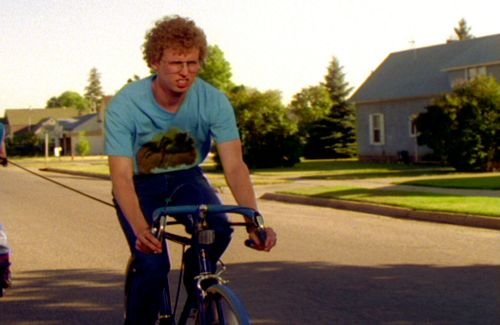
The role of Napoleon Dynamite was written specifically for Jon Heder by director Jared Hess. The character originated in a short film Hess made while in college. Heder’s awkward delivery and physical presence shaped the entire tone of the feature film. The script was built around his unique style of humor.
The result was a character unlike anything else at the time. Napoleon’s monotone voice and offbeat behavior became instantly recognizable. The film developed a cult following, largely driven by Heder’s performance. Many of the movie’s most quoted lines depend on his exact delivery. It’s difficult to imagine the character working with a different actor.
9. Borat for Sacha Baron Cohen in Borat
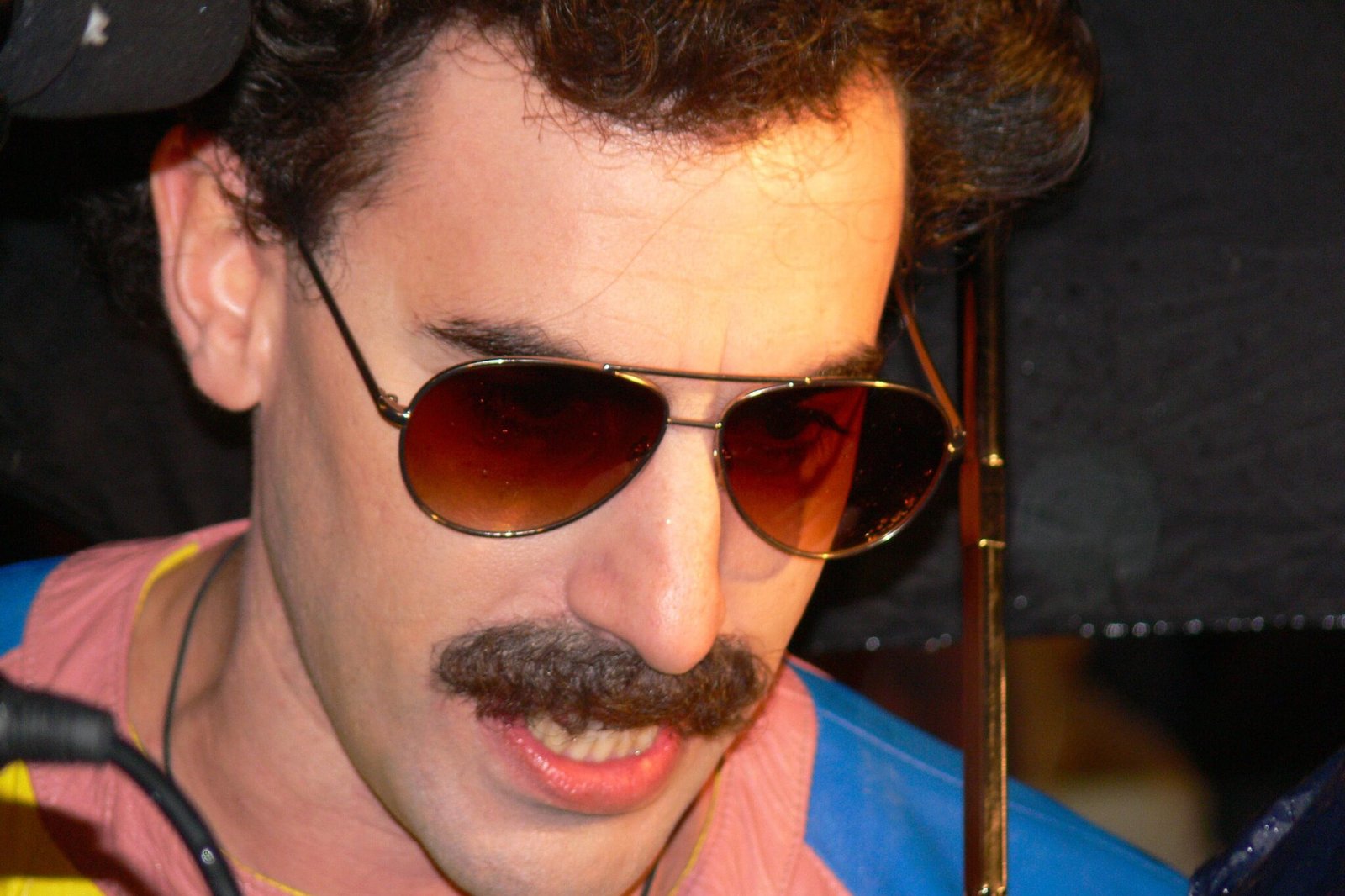
Sacha Baron Cohen created the character of Borat Sagdiyev years before the film was made. The movie itself was designed entirely around his performance style and improvisational approach. The script provided a loose framework, but much of the dialogue came from real interactions. The role required a level of commitment few actors could sustain.
Cohen stayed in character throughout filming, even during off camera moments. That approach allowed for genuine reactions from unsuspecting participants. The performance blurred the line between fiction and reality. It also became a major cultural phenomenon upon release. The role simply would not exist without Cohen’s specific comedic method.
10. Deadpool for Ryan Reynolds in Deadpool
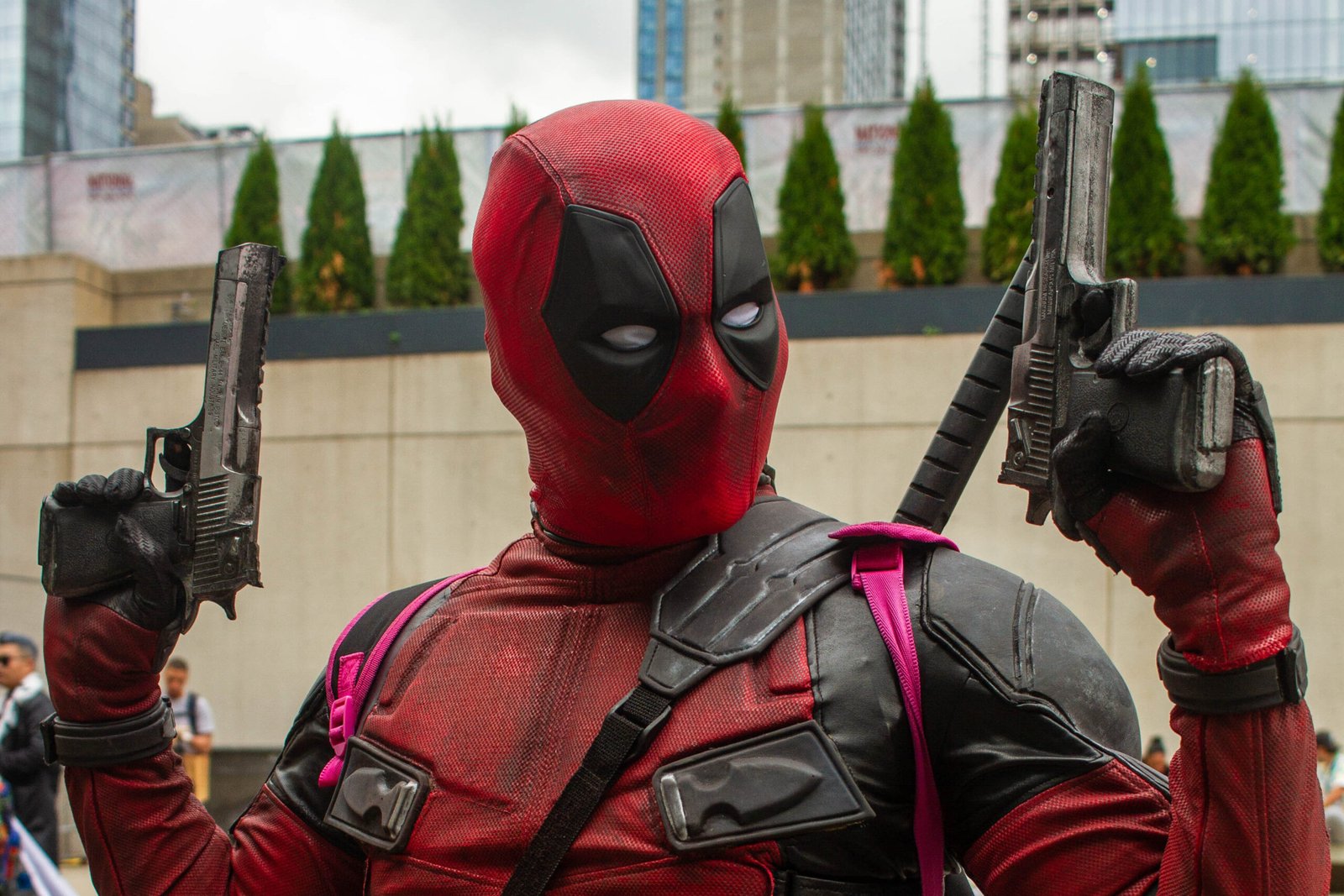
Ryan Reynolds had been associated with Deadpool for years before the standalone film was made. His earlier appearance in X-Men Origins: Wolverine did not reflect the character accurately, which led to fan backlash. Reynolds remained committed to portraying a more faithful version. The eventual film was developed with him in mind from the start.
The script leaned heavily into Reynolds’ comedic timing and self aware humor. His delivery made the character’s fourth wall breaking feel natural rather than forced. The film’s success proved that an unconventional superhero could still work at a large scale. Reynolds’ personality became inseparable from the role. It’s widely considered the definitive version of the character.
11. Pee-wee Herman for Paul Reubens in Pee-wee’s Big Adventure
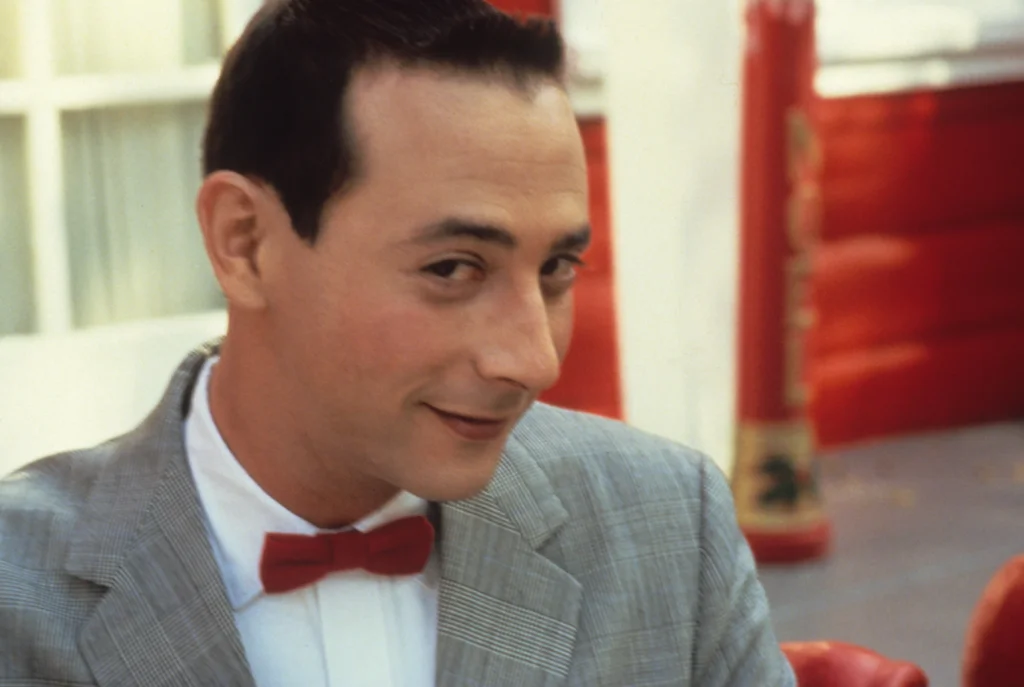
Paul Reubens created Pee-wee Herman as a stage character before bringing him to film. The entire movie was built around his established persona. Director Tim Burton worked with Reubens to expand the character’s world while keeping his distinct tone. The script reflects Reubens’ specific comedic sensibility.
Reubens’ performance defined the film’s quirky, surreal style. Pee-wee’s childlike behavior and exaggerated mannerisms were central to the story. The character became a cultural fixture in the ’80s. It also led to a successful television series. The role was entirely dependent on Reubens’ original creation.
12. Tyler Durden for Brad Pitt in Fight Club
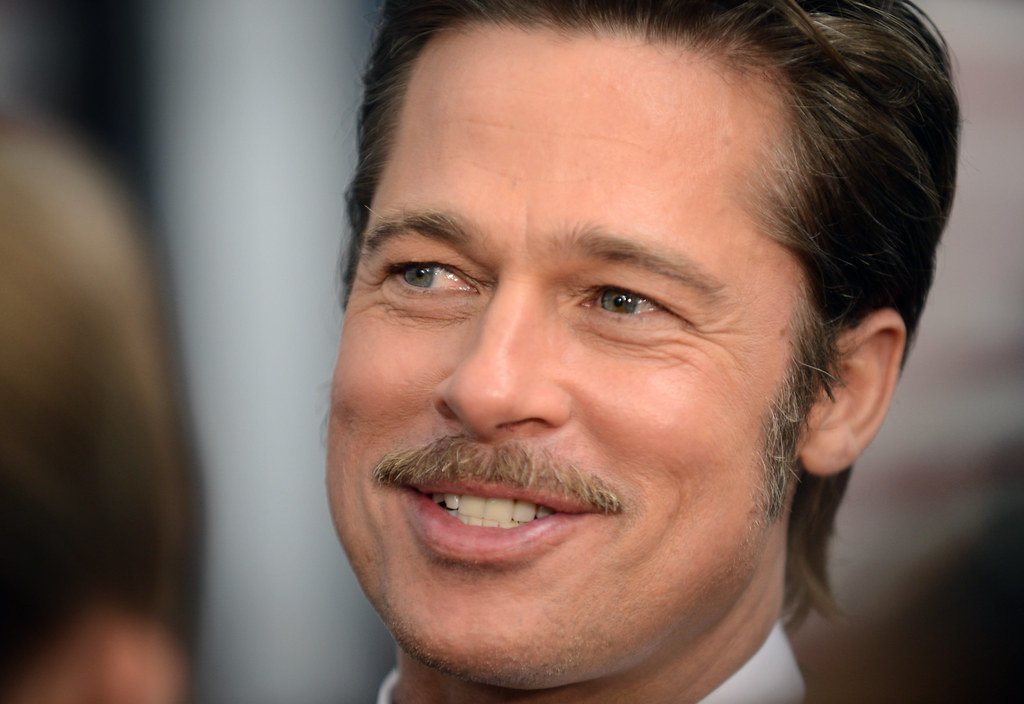
While Tyler Durden existed in the novel by Chuck Palahniuk, the film adaptation was shaped heavily around Brad Pitt’s persona. Director David Fincher emphasized Pitt’s charisma and physical presence when crafting the character. The role required someone who could be both magnetic and unsettling. Pitt’s screen presence fit that balance precisely.
His performance helped define the film’s tone and themes. Tyler’s confidence and unpredictability are central to the story’s impact. Pitt brought a controlled intensity that made the character compelling rather than chaotic. The role became one of the most discussed of his career. It’s difficult to separate the character’s identity from Pitt’s portrayal.