
1. The Shawshank Redemption (1994)

When The Shawshank Redemption first hit theaters in 1994, it was far from the instant classic people think of today. It struggled at the box office, earning only modest returns despite strong reviews. At the time, it was overshadowed by bigger releases like Forrest Gump and Pulp Fiction, which dominated both attention and awards. Even its multiple Oscar nominations did not translate into ticket sales. For a while, it looked like it might quietly fade away.
Then something unexpected happened once it reached home video and cable. The film found a massive audience through repeated TV airings, especially on TNT. Viewers connected deeply with its themes of hope, friendship, and resilience, often discovering it years after its release. Word of mouth kept growing, turning it into one of the most beloved films of all time. Today, it regularly ranks at or near the top of IMDb’s user ratings, which is a remarkable turnaround.
2. Blade Runner (1982)
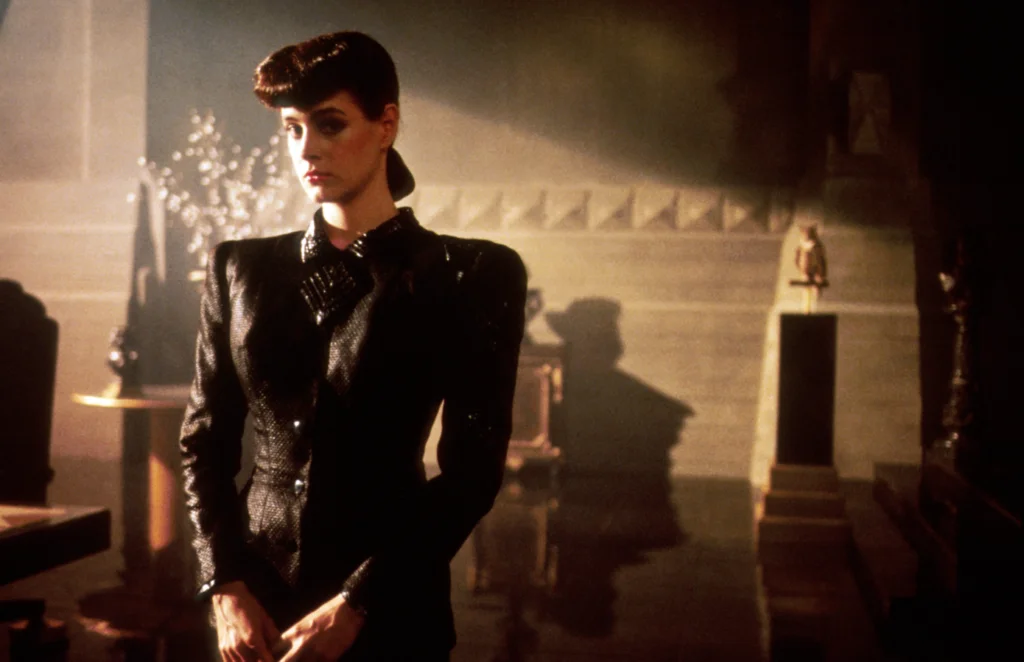
When Blade Runner premiered in 1982, audiences and critics were divided. Its slow pacing and philosophical tone did not match expectations for a science fiction film at the time. It also faced tough competition from more crowd-friendly hits like E.T. the Extra-Terrestrial. The theatrical version, which included a voiceover and a different ending, further muddied its reception. As a result, it underperformed at the box office.
Over time, however, the film’s reputation shifted dramatically. Multiple re-releases, especially the 1992 Director’s Cut and later the Final Cut, helped audiences appreciate its original vision. Its influence on science fiction, particularly in visual design and cyberpunk themes, became undeniable. Critics revisited it with fresh eyes, calling it ahead of its time. Today, it is widely considered one of the most important sci-fi films ever made.
3. The Thing (1982)

John Carpenter’s The Thing had a rough start when it debuted in 1982. Critics were harsh, often describing it as overly bleak and graphic. It also suffered from unfortunate timing, releasing the same year as more optimistic sci-fi films. Audiences were not ready for its paranoid tone and ambiguous ending. As a result, it performed poorly at the box office.
Years later, it gained a second life through home video and late-night screenings. Fans began to appreciate its practical effects, which remain impressive even by today’s standards. Its themes of isolation and distrust resonated more strongly over time. Critics eventually reevaluated it, calling it one of the best horror films ever made. Now, it is often cited as a defining entry in the genre.
4. Donnie Darko (2001)
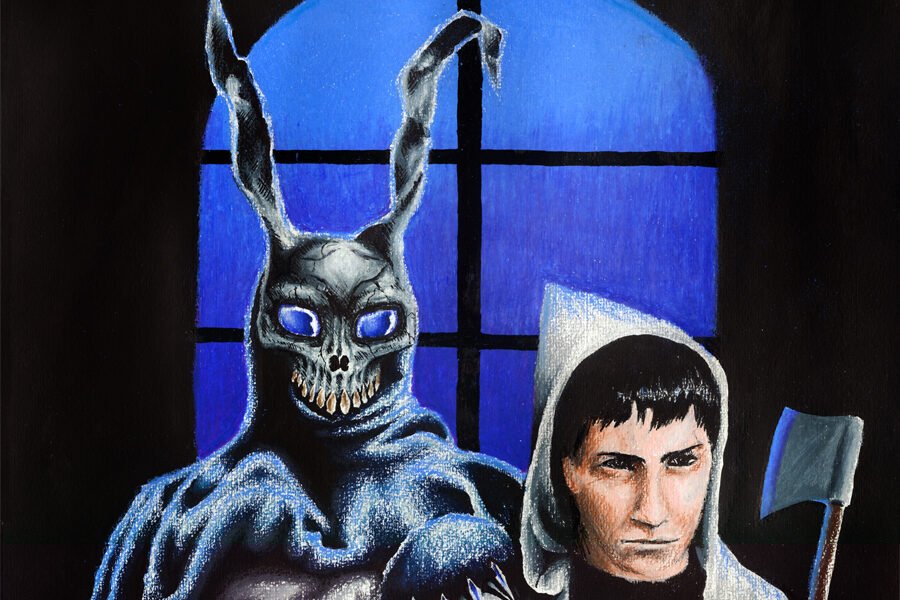
Donnie Darko had the misfortune of releasing shortly after the September 11 attacks, which impacted its marketing and reception. Its dark themes and surreal storytelling made it a difficult sell in theaters. The film earned little at the box office and was largely overlooked by mainstream audiences. At the time, it seemed destined to remain obscure. Even critics were unsure how to categorize it.
Its fortunes changed dramatically once it hit DVD. College students and late-night viewers began sharing it, drawn to its mystery and emotional depth. The film developed a strong cult following, with fans debating its meaning for years. Its soundtrack and performances, especially by Jake Gyllenhaal, gained renewed appreciation. Eventually, it became a defining cult film of the early 2000s.
5. Office Space (1999)
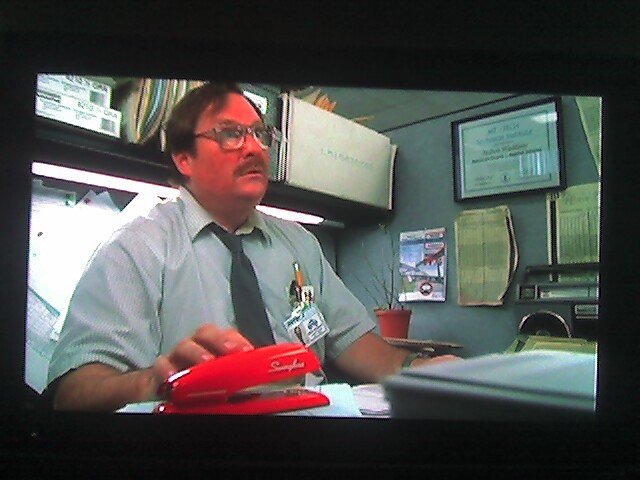
When Office Space came out in 1999, it did not make much of an impact. Its dry humor and niche focus on corporate life did not attract large audiences. The marketing also struggled to clearly communicate what kind of movie it was. As a result, it underperformed at the box office. It looked like just another overlooked comedy.
Everything changed once it began airing on cable and selling well on DVD. People who worked in offices found it incredibly relatable, often quoting lines from the film. Its satire of workplace culture only became more relevant over time. The movie slowly built a loyal fanbase that kept growing year after year. Today, it is widely considered one of the most accurate and funniest portrayals of office life.
6. The Big Lebowski (1998)
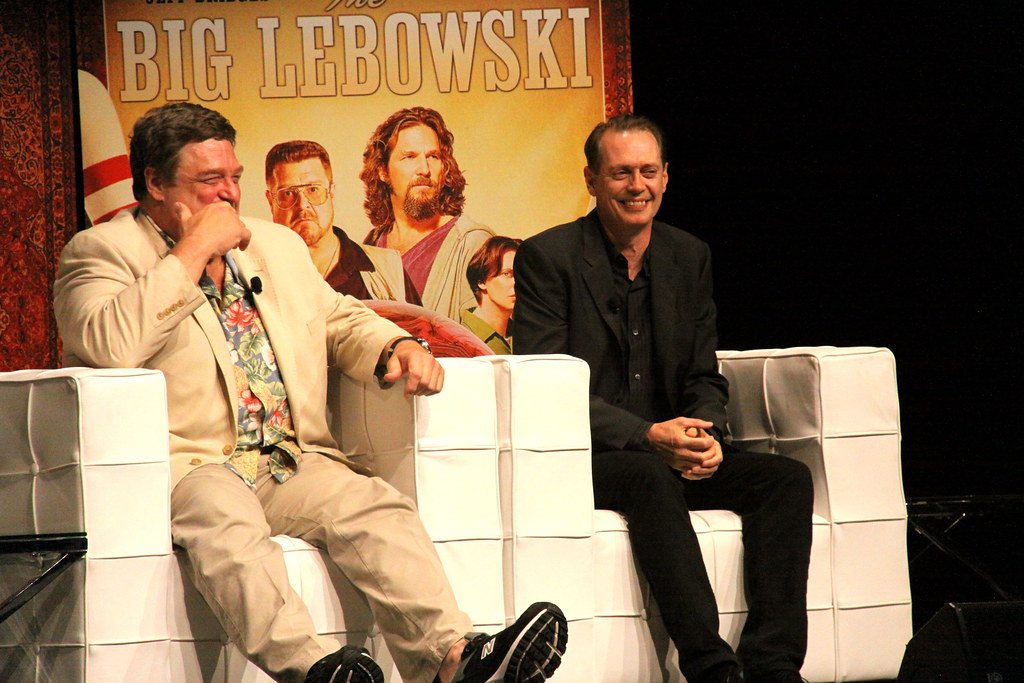
The Big Lebowski did not immediately click with audiences when it was released in 1998. Its quirky tone and unconventional storytelling confused some viewers. It also arrived between more straightforward Coen Brothers films, which may have affected expectations. Box office returns were modest, and initial reviews were mixed. At first, it seemed like a minor entry in the directors’ filmography.
Over time, it found its audience in a big way. Fans embraced its laid-back philosophy and endlessly quotable dialogue. The character of “The Dude” became iconic, inspiring festivals and fan events. Home video played a huge role in its rise to popularity. Now, it is one of the Coen Brothers’ most celebrated films.
7. Hocus Pocus (1993)
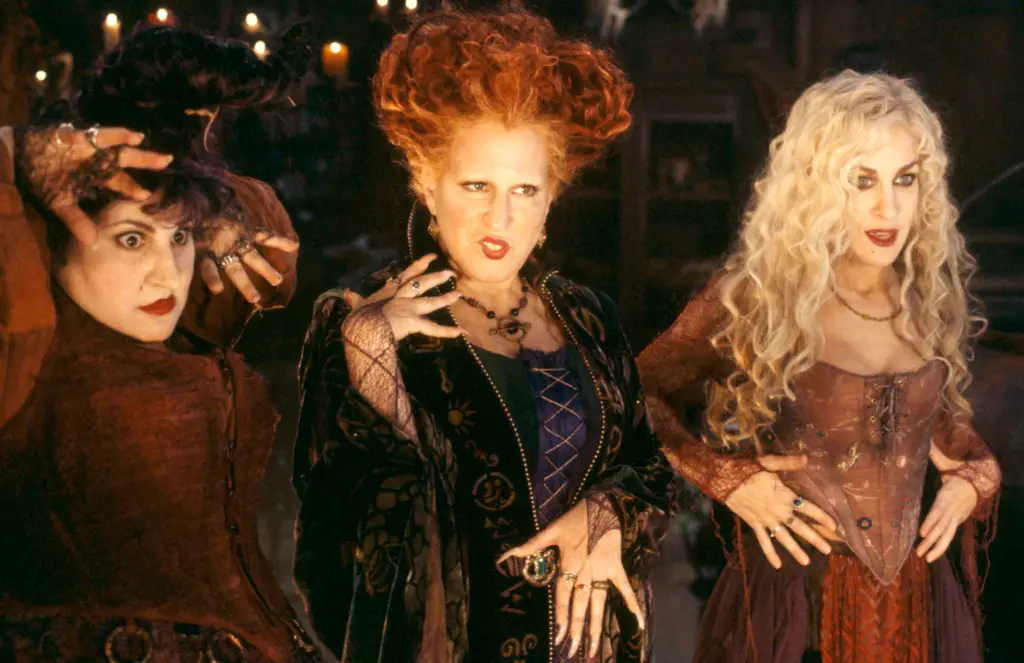
When Hocus Pocus debuted in 1993, it did not perform especially well. Critics were lukewarm, and it faced competition from major summer releases. At the time, it was just another family comedy with a Halloween theme. Disney did not initially treat it as a major franchise property. It quietly faded from theaters without much fanfare.
Everything changed once it became a staple of Halloween TV programming. Year after year, new audiences discovered it during the fall season. Its humor, performances, and nostalgic charm helped it grow in popularity. Eventually, it became a Halloween classic for multiple generations. That long-term success even led to a sequel decades later.
8. Fight Club (1999)
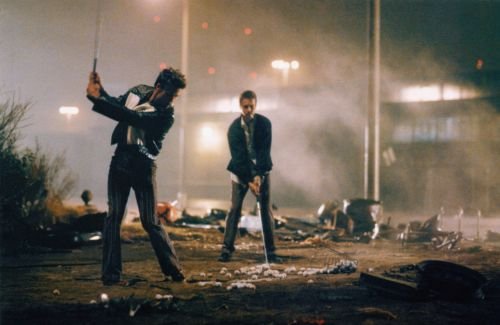
Fight Club struggled during its original theatrical run in 1999. Its controversial themes and dark tone made it difficult to market. Some audiences misunderstood its message, while others found it too intense. Box office numbers were disappointing given its budget and star power. It was not immediately recognized as a major film.
Its reputation grew significantly after its DVD release. Viewers began to appreciate its critique of consumer culture and identity. The film’s twists and layered storytelling encouraged repeat viewings. It became especially popular among younger audiences discovering it for the first time. Today, it is considered one of the most influential films of its era.
9. The Rocky Horror Picture Show (1975)
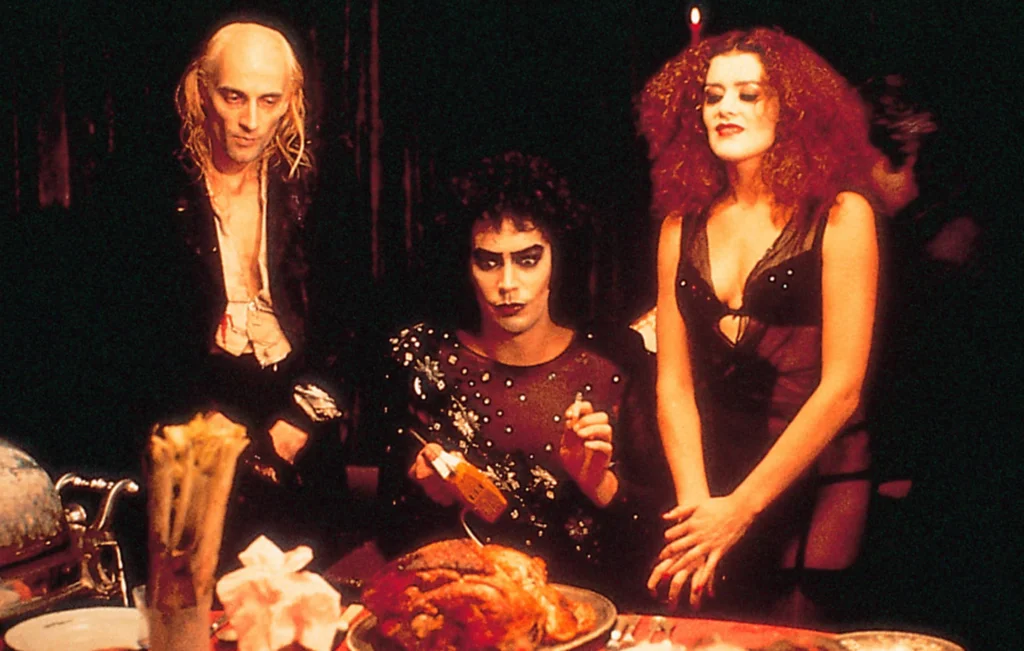
Initially, The Rocky Horror Picture Show was not a hit at all. Its unconventional style and musical format confused mainstream audiences. Early box office numbers were disappointing, and it seemed like a failure. The film did not fit neatly into any one genre, which made it harder to market. At first, it looked like it might disappear quickly.
Then midnight screenings changed everything. Audiences began attending in costume, interacting with the film in real time. This created a unique viewing experience that kept people coming back. Over time, it became the longest-running theatrical release in film history. Its cult following remains strong decades later.
10. A Christmas Story (1983)
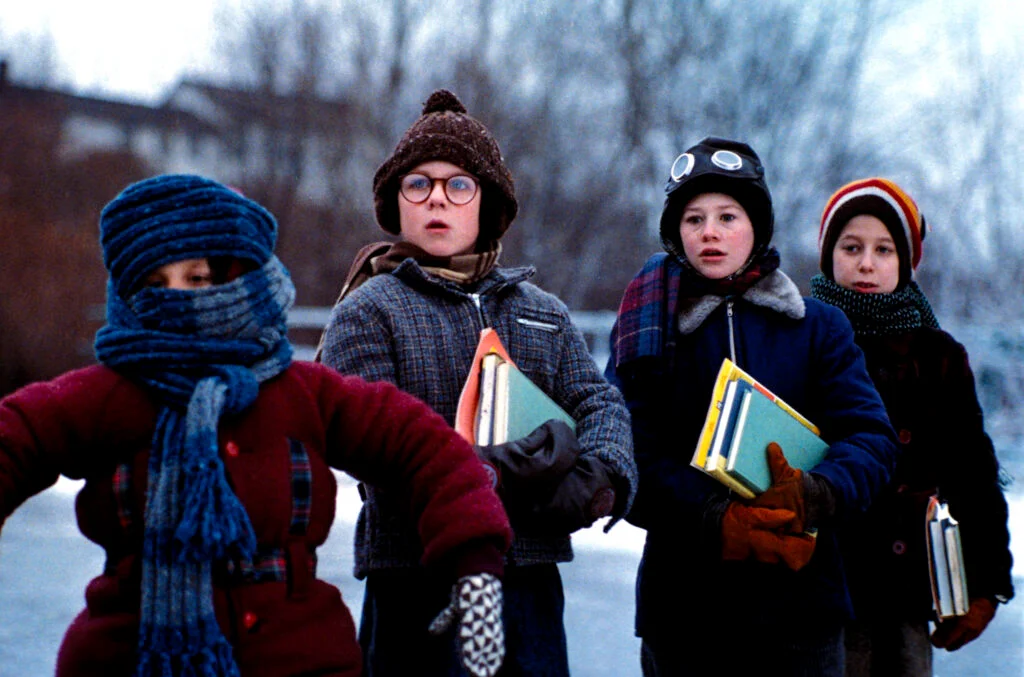
A Christmas Story had a modest theatrical run in 1983. It was not a major box office success at the time. Critics generally liked it, but it did not stand out among holiday films. For a while, it was just another seasonal movie. It did not immediately become a tradition.
Its rise came through constant television airings, especially the 24-hour marathon format. Families began watching it every year, often multiple times in one day. Its nostalgic humor and relatable childhood moments resonated widely. Over time, it became one of the most beloved holiday films. Today, it is nearly impossible to separate it from the Christmas season.
11. Clue (1985)
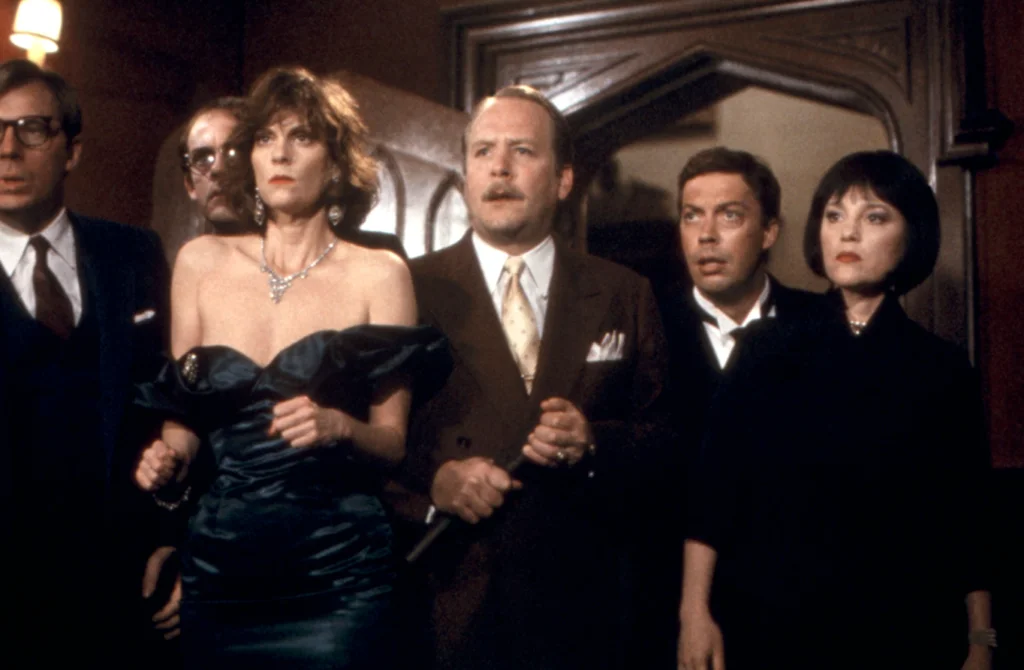
When Clue was released in 1985, it received mixed reviews and modest box office returns. The idea of multiple endings confused some audiences. It was based on a board game, which did not guarantee success. At the time, it was seen as a quirky but forgettable comedy. It did not make a major impact in theaters.
Its reputation improved significantly through home video and cable. Viewers began to appreciate its fast-paced humor and ensemble cast. The multiple endings became part of its charm rather than a drawback. Over time, it developed a strong cult following. Today, it is considered a classic comedy.
12. The Iron Giant (1999)
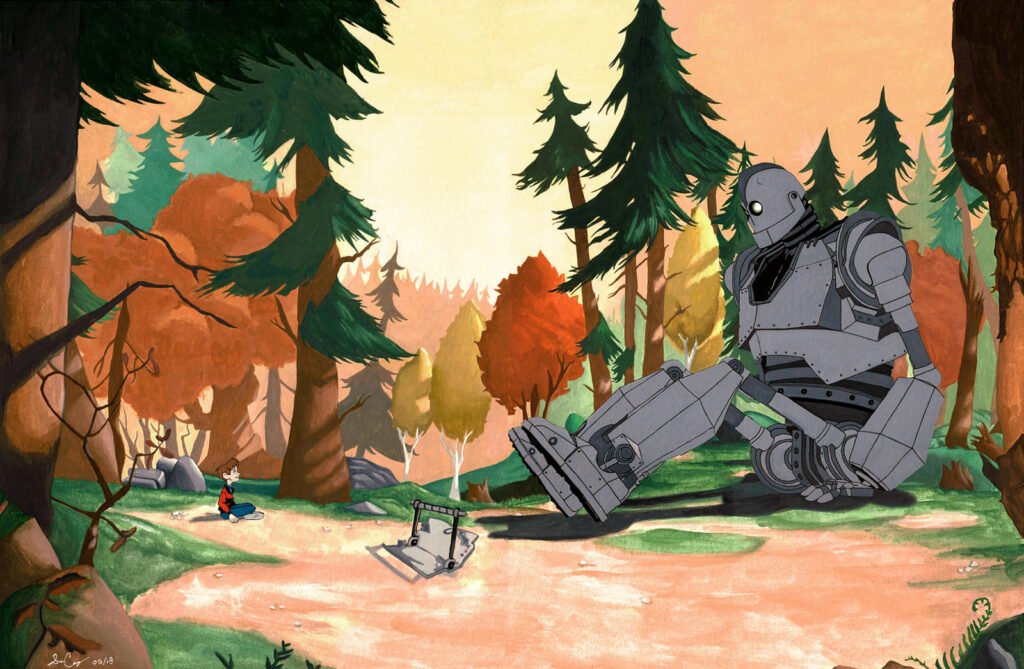
The Iron Giant is often cited as one of the biggest examples of a film finding success after failure. When it was released in 1999, it suffered from poor marketing. Many audiences were not even aware it was in theaters. As a result, it performed poorly at the box office. It seemed like a missed opportunity for Warner Bros.
Once it reached home video, everything changed. Families and animation fans discovered it and quickly embraced its emotional story. Its themes of friendship and sacrifice resonated deeply. Critics began to highlight it as one of the best animated films of its time. Today, it is widely regarded as a modern classic.
13. Heathers (1989)
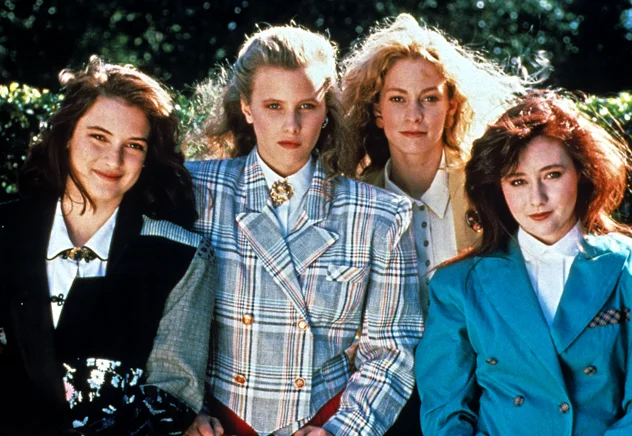
Heathers did not connect with mainstream audiences when it was first released. Its dark humor and satirical take on high school life were unusual for the time. Some viewers found its tone too sharp or unsettling. Box office numbers reflected that disconnect. It was not considered a hit.
Over time, it found a dedicated audience through VHS and cable. Fans appreciated its bold approach and memorable dialogue. It became especially popular among younger viewers discovering it later. Its influence on teen films grew steadily over the years. Today, it is recognized as a cult classic.
14. Wet Hot American Summer (2001)
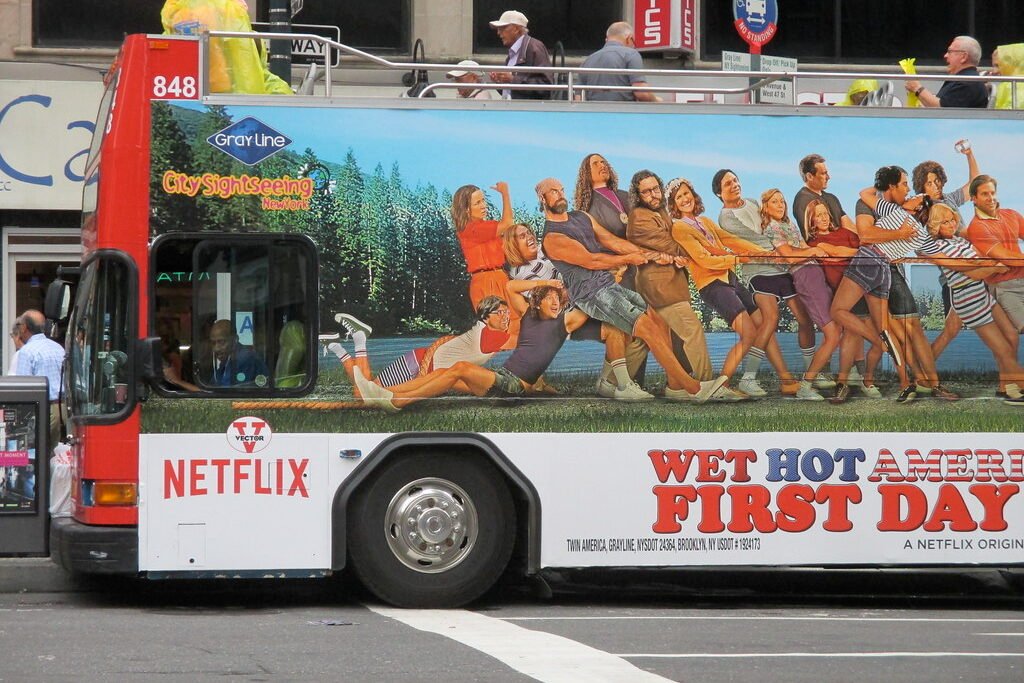
When Wet Hot American Summer came out in 2001, it barely made a dent. Critics were divided, and audiences were unsure what to make of its absurd humor. Its limited release did not help its chances. At the time, it looked like a forgotten comedy. Many people did not even know it existed.
Its cast, which later became full of well-known actors, helped revive interest. As those actors gained fame, viewers went back to discover the film. It developed a cult following thanks to its offbeat style. Eventually, it became popular enough to inspire a Netflix revival series. That kind of comeback is rare.
15. It’s a Wonderful Life (1946)
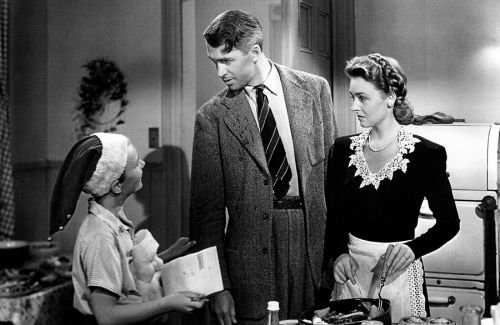
It’s a Wonderful Life was not a major success when it was first released in 1946. It performed modestly and did not become an immediate holiday staple. For years, it was just one of many films from that era. It did not initially stand out in a significant way. Its long-term impact was not obvious at the time.
Its resurgence came decades later due to a lapse in copyright, which allowed it to be widely broadcast on television. As more people watched it, its emotional story gained appreciation. Families began making it part of their holiday traditions. Critics reevaluated it as one of the greatest films ever made. Today, it is synonymous with Christmas viewing.