
1. Samuel L. Jackson
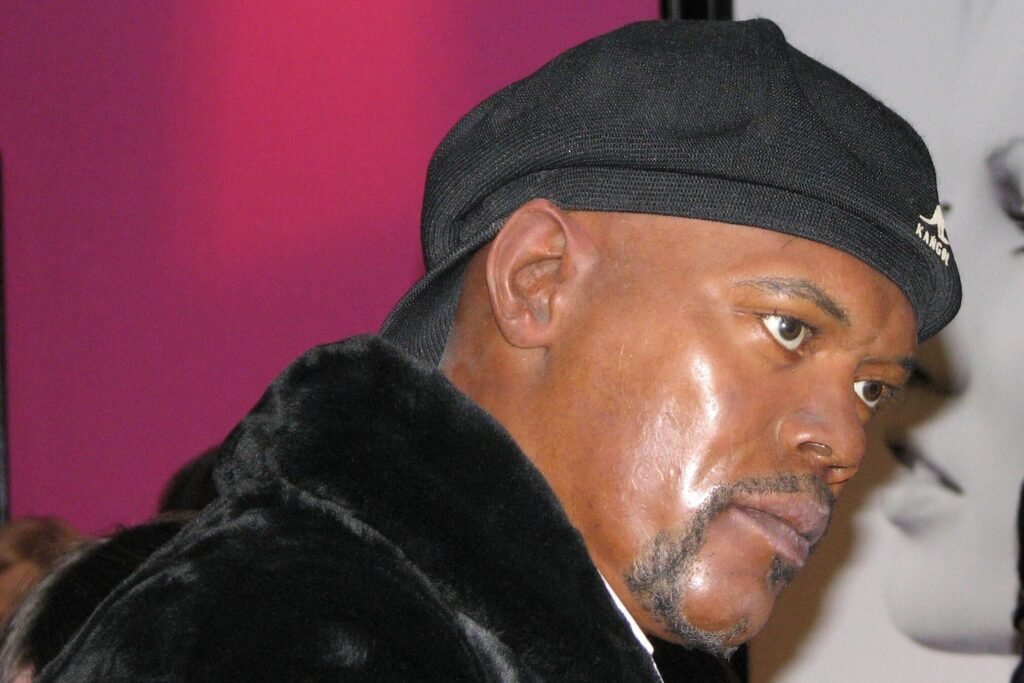
Samuel L. Jackson had been acting for years in smaller roles before everything changed in the mid 1990s. He was already in his mid 40s when he landed the role of Jules Winnfield in Pulp Fiction in 1994. That performance, with its intensity and unforgettable dialogue, made him impossible to ignore. It earned him an Academy Award nomination and completely shifted his career trajectory. Before that, he had appeared in films like Jungle Fever, but nothing had quite broken through in the same way. Suddenly, he became one of the most in-demand actors in Hollywood.
From that point forward, Jackson built a career that balanced blockbuster franchises and character-driven roles. He became a fixture in major films, including the Star Wars prequels and the Marvel Cinematic Universe. What stands out is how quickly his visibility changed after 40, going from respected working actor to global star. His late breakthrough also gave him the confidence to take on bold, often unconventional roles. It is a clear example of persistence paying off long after many expect it to.
2. Morgan Freeman
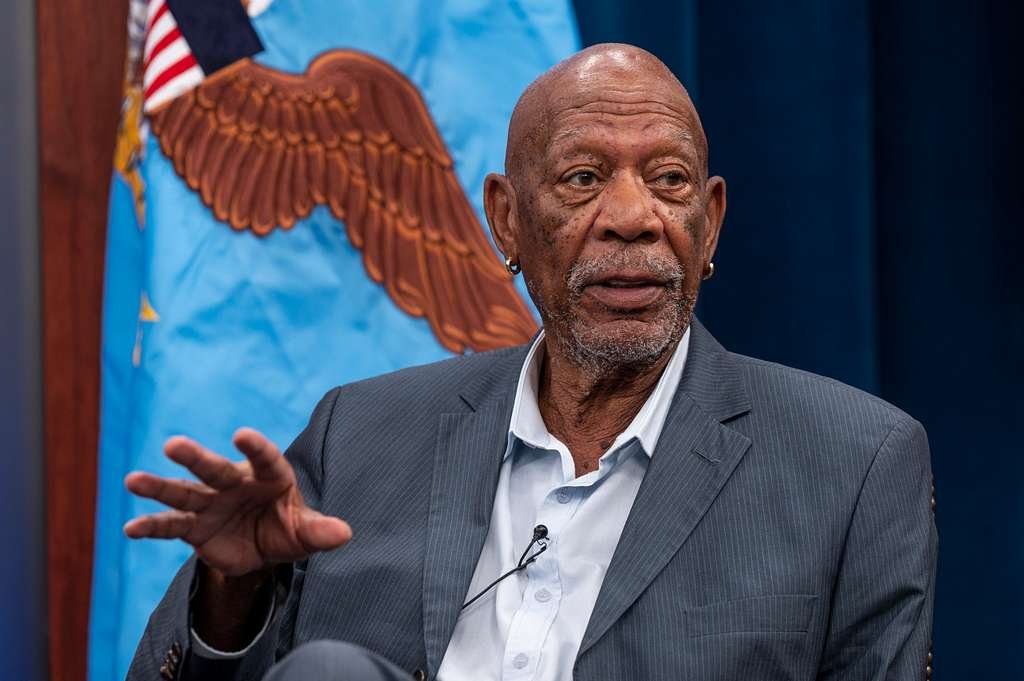
Morgan Freeman had a steady career in theater and television for decades, but widespread recognition came later. He was 50 when he starred in Street Smart in 1987, earning his first Academy Award nomination. Just a couple of years later, Driving Miss Daisy in 1989 cemented his status as a leading actor. By that point, he was already in his early 50s. His calm, authoritative presence quickly became one of his defining traits. Before that, many people knew him from educational programming like The Electric Company.
After his breakout, Freeman’s career expanded into a mix of prestige films and mainstream hits. He went on to star in The Shawshank Redemption and Se7en, both of which reinforced his reputation. His voice alone became iconic, leading to narration work that further extended his reach. Freeman’s rise later in life gave his performances a depth that younger actors often spend years developing. It also reshaped expectations about when a leading man can truly emerge.
3. Kathy Bates
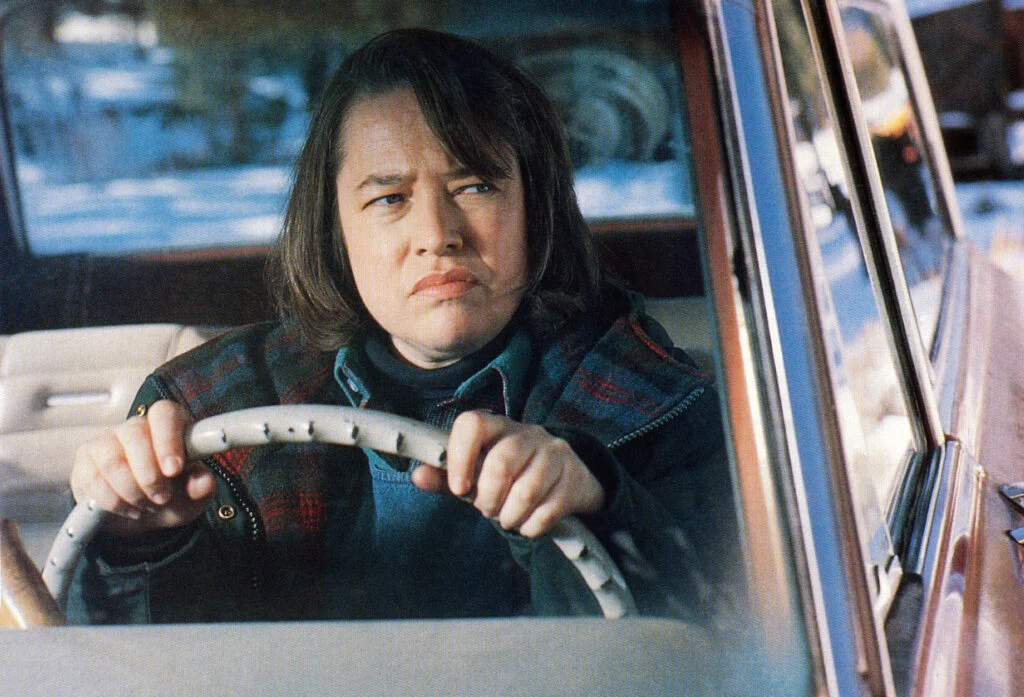
Kathy Bates spent years working steadily on stage and in smaller film roles before her major breakthrough. That moment came with Misery in 1990, when she was 42 years old. Her portrayal of Annie Wilkes was both terrifying and layered, earning her the Academy Award for Best Actress. It was the kind of performance that instantly redefined her career. Before that, she was well respected in theater circles but not widely known to film audiences. The role showcased her range in a way nothing else had.
Following Misery, Bates became a sought-after character actress in both film and television. She appeared in Fried Green Tomatoes, Titanic, and later earned acclaim for her work on American Horror Story. Her success after 40 allowed her to take on roles that were complex and often unconventional. She never fit the traditional Hollywood mold, which may have contributed to the delay in her breakout. Once it happened, though, it was definitive and lasting.
4. Bryan Cranston
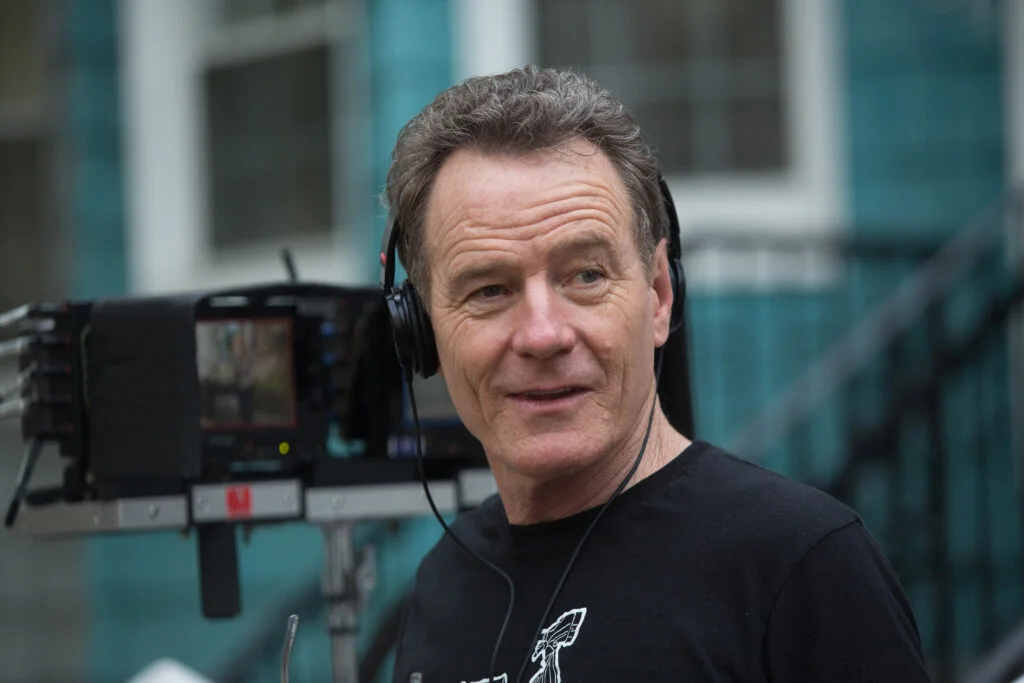
Bryan Cranston had a long career in television before becoming a household name. He was best known for comedic roles, particularly as Hal on Malcolm in the Middle. But it was Breaking Bad in 2008 that transformed his career, and he was 52 when it premiered. His portrayal of Walter White showed a dramatic range that many audiences had not seen before. The role earned him multiple Emmy Awards and widespread critical acclaim. It marked a sharp pivot from comedy to intense drama.
Cranston’s late breakthrough opened doors to film roles and more serious projects. He went on to appear in movies like Argo and Trumbo, the latter earning him an Academy Award nomination. His success demonstrated that reinvention is possible even after decades in the industry. It also highlighted how typecasting can delay recognition of an actor’s full abilities. Cranston’s career is often cited as a textbook example of a second act done right.
5. Melissa McCarthy
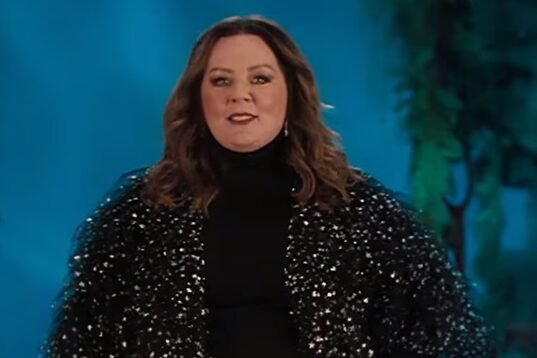
Melissa McCarthy worked consistently in television and supporting roles before her major breakthrough. That came with Bridesmaids in 2011, when she was 40 years old. Her performance as Megan was both outrageous and grounded, earning her an Academy Award nomination. It immediately elevated her from supporting player to leading comedic actress. Prior to that, she was known for Gilmore Girls and Mike & Molly, but not yet a major film star. The shift happened almost overnight.
After Bridesmaids, McCarthy became one of the most bankable comedic actors in Hollywood. She starred in films like The Heat and Spy, showing both comedic timing and versatility. Her later dramatic role in Can You Ever Forgive Me? earned another Oscar nomination. Breaking through at 40 gave her a strong sense of identity in her roles. She built a career that balanced humor with more nuanced performances.
6. Christoph Waltz
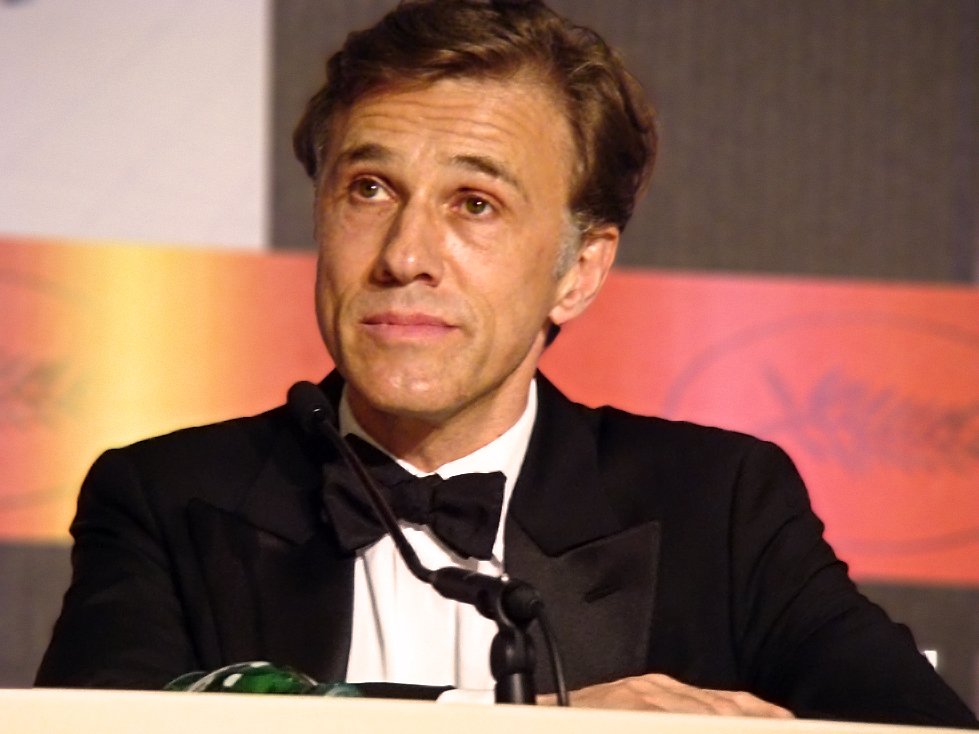
Christoph Waltz had a long career in European television and film before gaining international attention. His breakout came with Inglourious Basterds in 2009, when he was 53. His portrayal of Hans Landa earned him the Academy Award for Best Supporting Actor. It was a performance that immediately stood out for its precision and unpredictability. Before that, he was largely unknown to American audiences. The role introduced him on a global scale.
Following that success, Waltz became a regular presence in major Hollywood productions. He reunited with Quentin Tarantino for Django Unchained, winning another Oscar. He also appeared in the James Bond series as Blofeld. His late breakout allowed him to bring decades of experience into high-profile roles. It gave his performances a level of control and nuance that felt fully formed. His career trajectory shifted dramatically after 50.
7. Alan Rickman
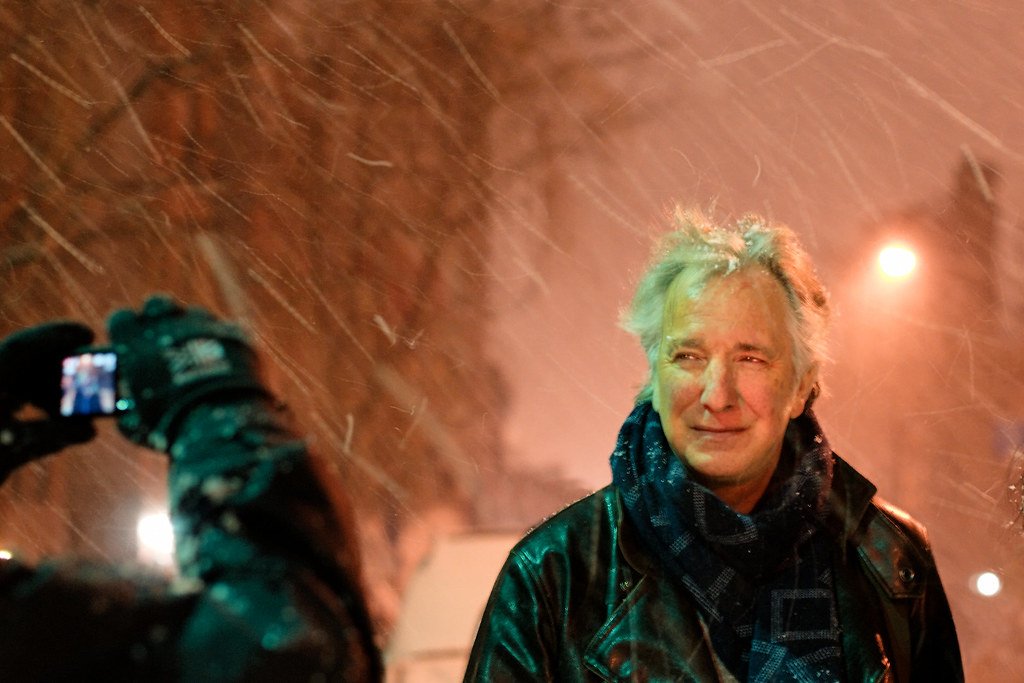
Alan Rickman’s film career began relatively late compared to many of his peers. He was 42 when he made his film debut as Hans Gruber in Die Hard in 1988. The role quickly became one of the most memorable villains in movie history. Before that, Rickman had built a strong reputation in theater. His transition to film came with immediate impact. Audiences responded to his distinctive voice and controlled intensity.
After Die Hard, Rickman became a versatile presence in both film and stage productions. He appeared in Sense and Sensibility, Love Actually, and the Harry Potter series. His late start in film did not limit his range or output. Instead, it seemed to give him a clear sense of direction in his roles. Rickman’s career shows how a strong theatrical foundation can translate into lasting screen success.
8. Octavia Spencer
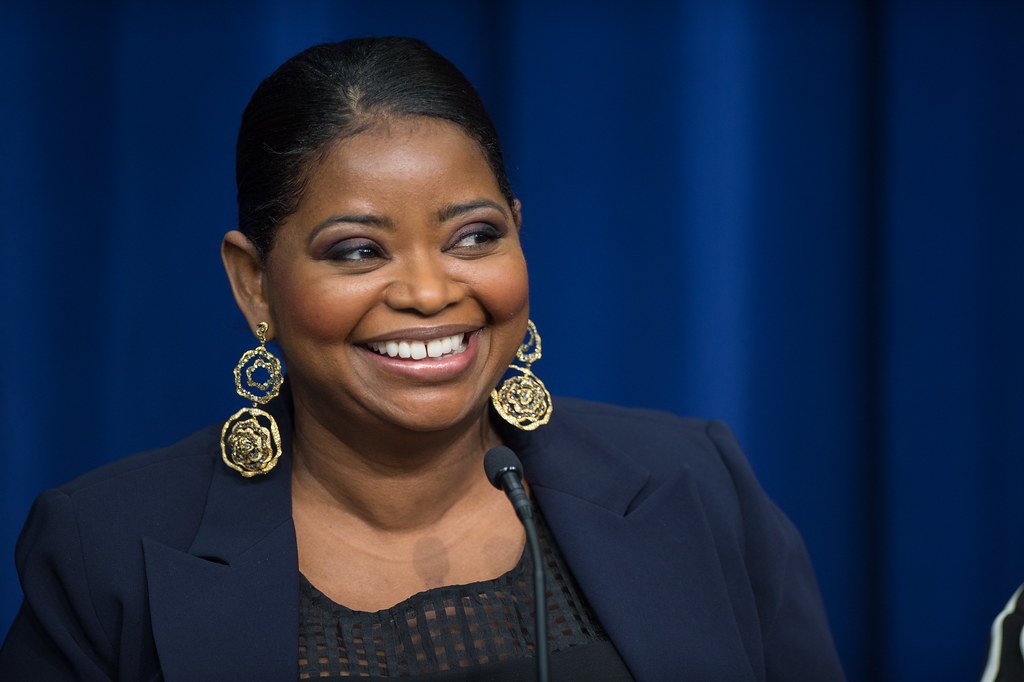
Octavia Spencer worked in Hollywood for years in small roles before gaining major recognition. Her breakout came with The Help in 2011, when she was 41. The performance earned her an Academy Award for Best Supporting Actress. It was a role that finally allowed her to step into the spotlight after a long period of supporting work. Prior to that, she had appeared in dozens of films and television shows without widespread recognition. The shift was significant and immediate.
After her win, Spencer became a consistent presence in both film and television. She appeared in Hidden Figures and The Shape of Water, both critically acclaimed projects. Her later career has been marked by a mix of dramatic and genre roles. Breaking through in her 40s gave her a sense of authority in her performances. It also highlighted how often talented actors remain under the radar for years.
9. Tommy Lee Jones
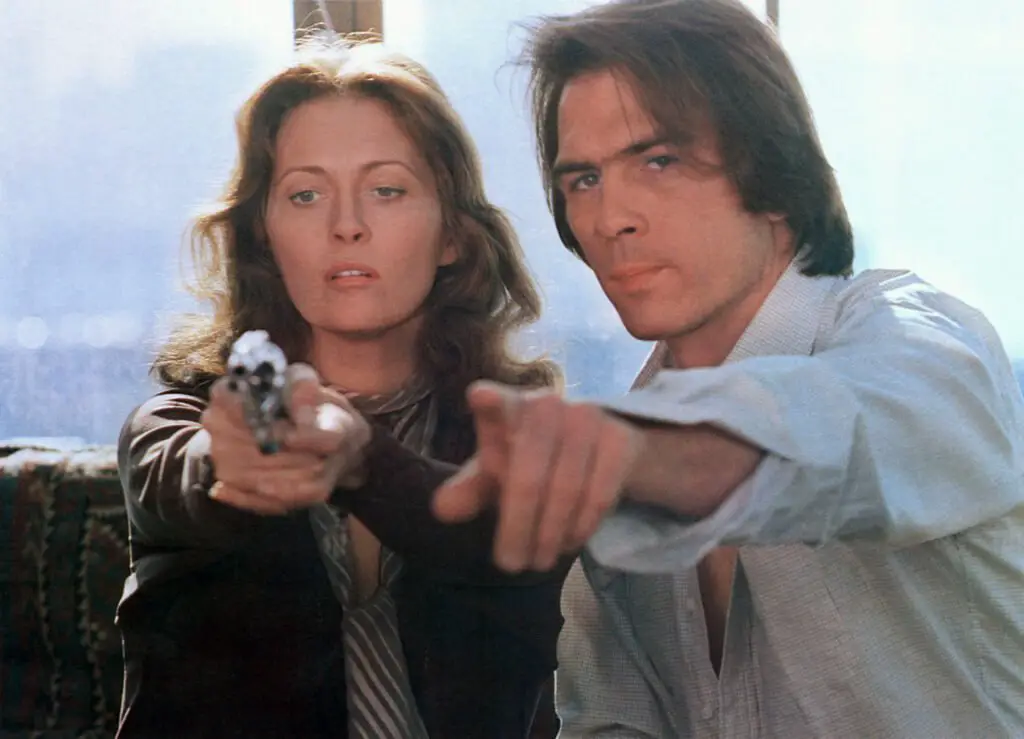
Tommy Lee Jones had been acting for decades before achieving major mainstream success. His breakthrough came with The Fugitive in 1993, when he was 47. The role earned him an Academy Award for Best Supporting Actor. While he had appeared in earlier films, this performance brought him widespread recognition. His portrayal of a determined U.S. Marshal stood out for its intensity and focus. It marked a turning point in his career.
After that, Jones became a leading figure in Hollywood films. He starred in Men in Black, No Country for Old Men, and numerous other projects. His late breakthrough gave him a strong presence in authoritative roles. He often played characters defined by discipline and control. That identity helped sustain his career for decades after his initial rise.
10. Viola Davis
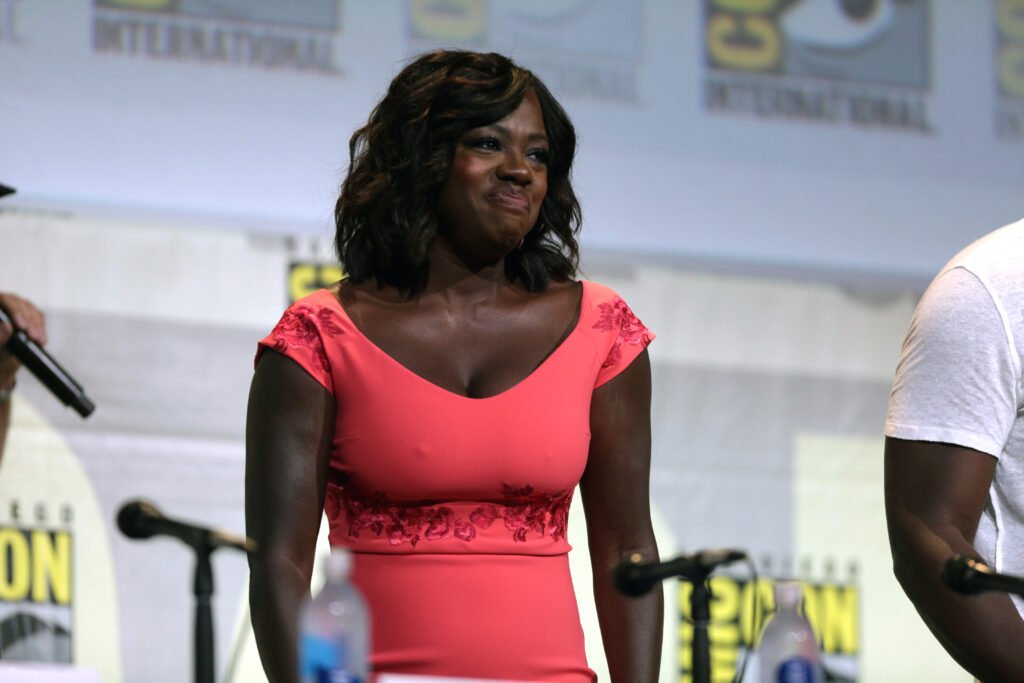
Viola Davis built a respected career in theater and supporting film roles before her major breakthrough. She was 43 when she earned widespread attention for Doubt in 2008. Her performance, though brief, earned her an Academy Award nomination. Later, The Help in 2011 further solidified her status as a leading actress. She was in her mid to late 40s during this period of recognition. Her work was consistently praised for its emotional depth and precision.
Davis continued that momentum with How to Get Away with Murder, which premiered when she was 49. The role earned her an Emmy Award, making her the first Black woman to win Outstanding Lead Actress in a Drama Series. Her success later in life has been both critically and culturally significant. It challenged long-standing industry patterns about age and opportunity. Davis’s career reflects a steady build rather than a sudden rise.
11. Billy Bob Thornton
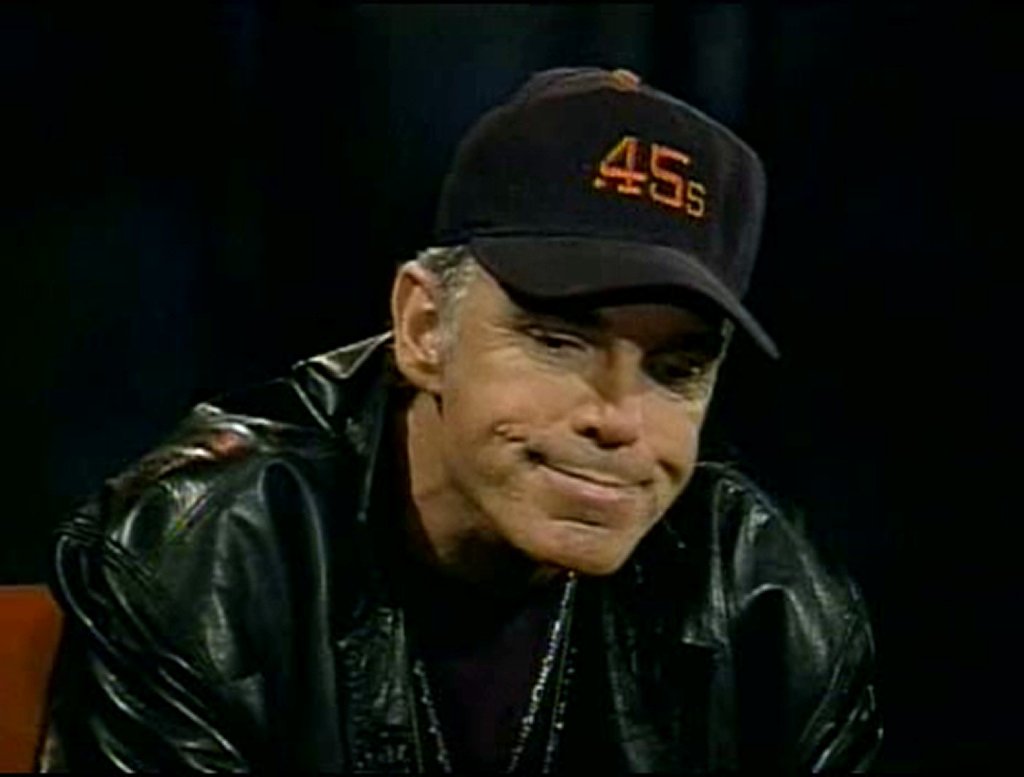
Billy Bob Thornton worked in film for years before gaining major attention. His breakthrough came with Sling Blade in 1996, when he was 41. He not only starred in the film but also wrote and directed it. The project earned him an Academy Award for Best Adapted Screenplay. It was a deeply personal film that showcased his range as an artist. Before that, he had mostly minor roles and limited recognition.
After Sling Blade, Thornton became a prominent figure in both film and television. He appeared in Armageddon, Monster’s Ball, and later Fargo on television. His late breakout allowed him to shape his career on his own terms. He often took on unconventional roles that reflected his unique style. That independence became a defining feature of his work.
12. Ken Jeong
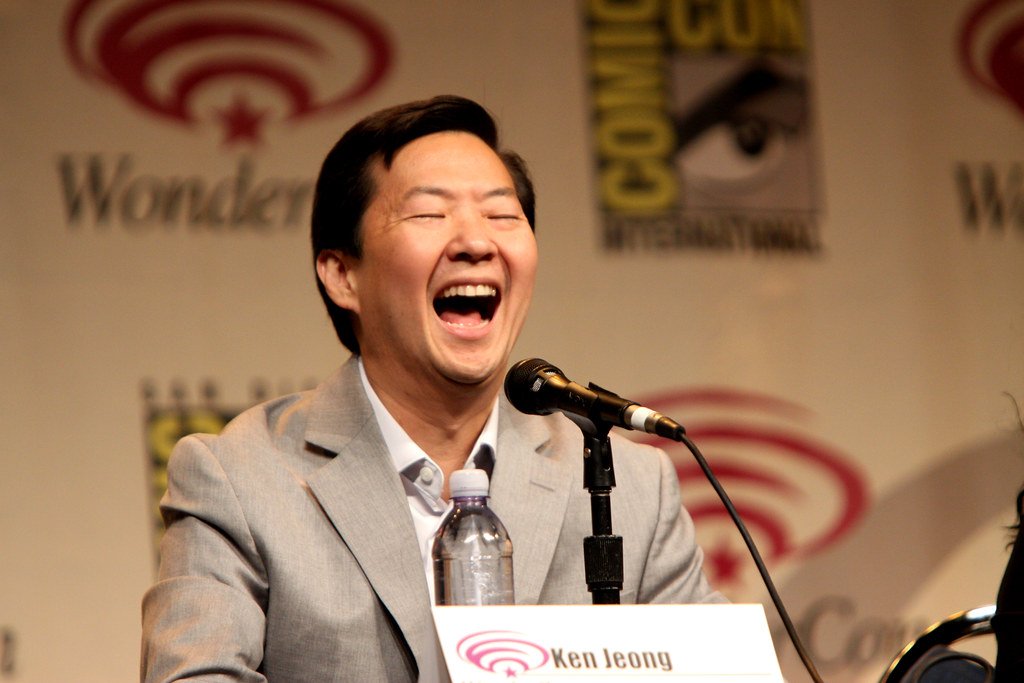
Ken Jeong had an entirely different career before entering entertainment. He was a licensed physician and practicing doctor before transitioning into acting. His breakout came with The Hangover in 2009, when he was 40. The role of Mr. Chow was small but instantly memorable. It introduced him to a global audience almost overnight. Before that, he had minor roles and stand-up experience.
After The Hangover, Jeong became a recognizable comedic presence. He appeared in Community and various film and television projects. His late start in acting did not limit his impact. Instead, it gave him a distinct perspective that shaped his performances. Jeong’s path into Hollywood remains one of the more unusual and notable late-career breakthroughs.